Buyer Fit Snapshot
| Best fit | Custom Logo Mailing Bags for Apparel projects where brand print, material claims, artwork control, MOQ, and repeat-order consistency need to be specified before quoting. |
|---|---|
| Quote inputs | Share finished size, material target, print colors, finish, packing count, annual reorder estimate, ship-to region, and any compliance wording. |
| Proofing check | Approve dieline scale, logo placement, barcode or warning zones, color tolerance, closure strength, and carton packing before bulk production. |
| Main risk | Vague material claims, crowded artwork, missing packing details, or unclear freight terms can make a low unit price expensive after revisions. |
Fast answer: Custom Logo Mailing Bags for Apparel: Material Claims, Seal Quality, and Freight Cost should be specified like a repeatable production item. The safest quote records material, print method, finish, artwork proof, packing count, and reorder notes in one written spec.
Production checks before approval
Compare the actual filled-product size with the drawing, then confirm tolerance on folds, seals, hang holes, label areas, and retail display edges. Reserve space for logos, QR codes, warning copy, and material claims before decorative graphics fill the panel.
Quote comparison points
Review material grade, print process, finish, sampling route, tooling charges, carton quantity, and freight assumptions side by side. A quote is only useful when the supplier can repeat the same color, closure quality, and packing count on the next order.
I still remember standing on a packing line in Dongguan, Guangdong, while a client’s plain gray mailer turned a $38 tee into something that felt like a premium drop. The garment was the same. The plastic bag was not. That tiny shift is exactly why custom logo mailing bags for apparel matter more than most people think, especially when the bag costs $0.18 to $0.26 per unit at 5,000 pieces and ships in a carton that weighs less than a stack of tissue paper.
When I founded my packaging business, I watched brands burn money on overbuilt boxes for simple clothing orders, then complain that their margin got crushed by shipping and dunnage. A good mailer fixes a lot of that nonsense. custom logo mailing bags for apparel are light, printable, cheap to ship, and fast to pack. If you sell tees, leggings, hoodies, or socks, they can make your brand look intentional without adding a $2.50 rigid box to every order or forcing a warehouse team in Dallas, Texas, to spend an extra 25 seconds per parcel.
Honestly, I think the whole “it’s just packaging” mindset is one of the quickest ways to make a decent apparel brand look forgettable. Customers do judge the bag. Not always consciously, but they do. And if they don’t, your warehouse team certainly does, because they are the ones living with tape guns, box cutters, and a 2 p.m. cutoff for same-day dispatch.
But they are not magic. Pick the wrong size, the wrong film, or the wrong adhesive, and you’ll spend more on replacements and customer service than you saved on packaging. I’ve seen that happen after a buyer in Melbourne, Victoria, insisted on saving 1.2 cents per unit. That “savings” turned into $1,100 in re-ships over six weeks. Lovely math, right?
What Are Custom Logo Mailing Bags for Apparel?
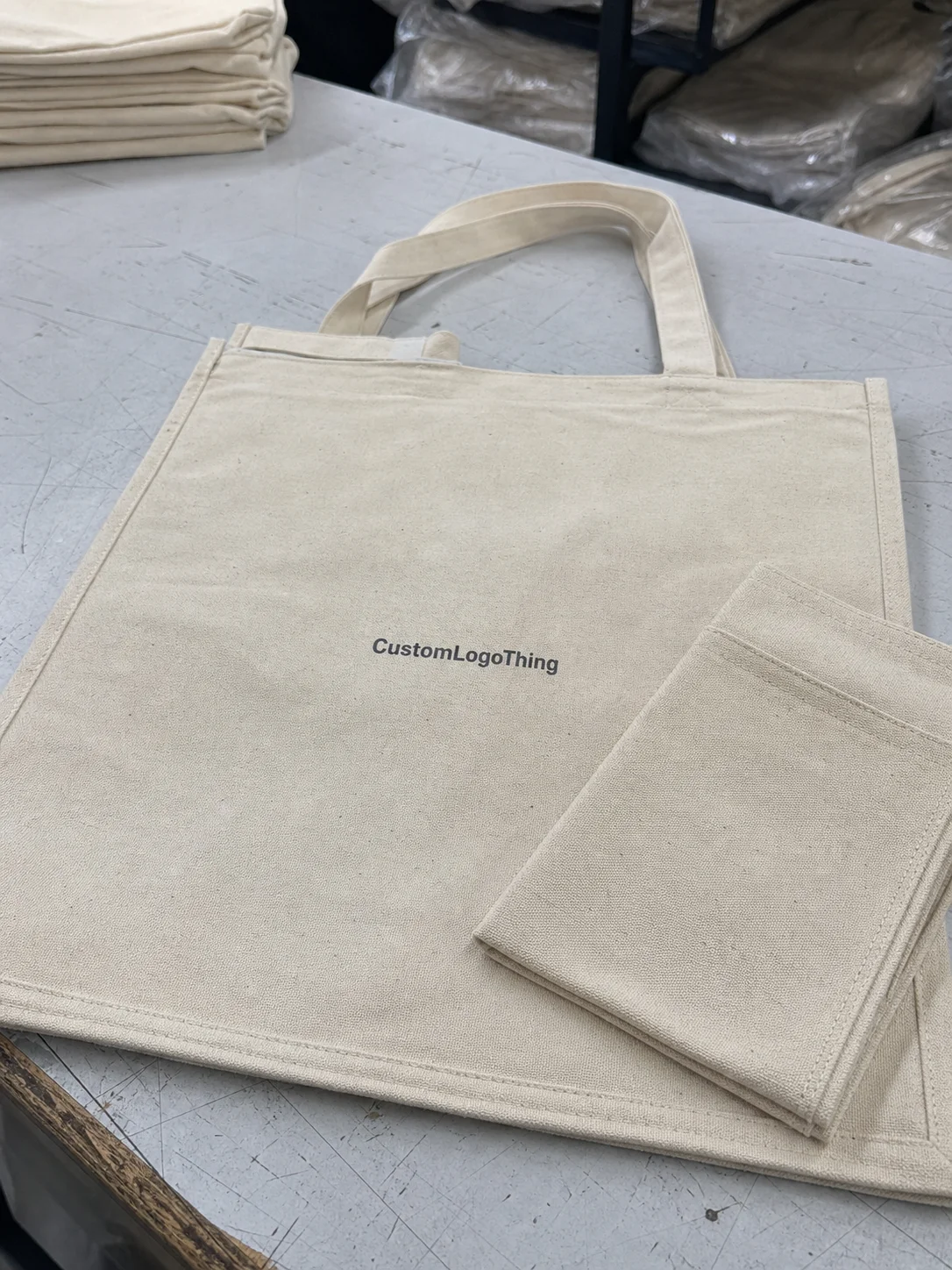
custom logo mailing bags for apparel are lightweight poly mailers printed with your logo, slogan, pattern, or brand colors. In plain English, they are the shipping bags clothing brands use to send out flat-folded apparel without paying for a box. Most are made from LDPE or co-extruded polyethylene film, usually in thicknesses from 60 to 100 microns. For a premium feel, some brands upgrade to 80-micron matte co-extruded film with a strong peel-and-seal strip, which holds up better on rough parcel routes from Shenzhen to Chicago.
I’ve watched brands go from “just ship it in anything” to a packaging system that actually feels like branded packaging. The difference is not subtle. A plain mailer says cost-cutting. A well-designed printed mailer says the brand knows what it is doing. That matters for DTC apparel, where the package is often the first physical touchpoint the customer gets, sometimes within 24 to 72 hours of checkout.
Brands use custom logo mailing bags for apparel for four main reasons: lower cost than rigid packaging, faster packing on the warehouse floor, lighter shipping weight, and better presentation at the door. A mailer can fit in a mailbox, survive a rainy porch, and still look neat when your customer opens it. That combination is hard to beat for everyday product packaging, especially if your fulfillment center processes 500 to 2,000 orders a day and every second counts.
There’s also a practical difference between standard poly mailers, branded mailers, and fully custom-printed mailers. A standard poly mailer is usually stock size and unprinted. A branded mailer might have a one-color logo added to stock film. A true custom-printed version gives you full-bleed artwork, inside print, or a more tailored layout that matches your package branding system. A stock-size 10" x 13" mailer with a single Pantone 186C logo can cost noticeably less than a fully custom 14" x 19" design with white ink and matte lamination.
Not every apparel item belongs in custom logo mailing bags for apparel. They work best for flat-folded garments like:
- T-shirts and long sleeves
- Hoodies and sweatshirts, if folded tightly
- Leggings and activewear
- Socks and underwear
- Swimwear and lightweight sets
- Folded knitwear that doesn’t need a rigid box
Where do they fall short? Fragile items, boxed gifting, and premium sets that need structure. If you’re shipping sunglasses, ceramics, or a luxury capsule that deserves tissue, inserts, and a rigid presentation, I’d push you toward Custom Packaging Products like cartons or even Custom Poly Mailers only if the product is still safe in flexible film. I’ve seen a founder in Brooklyn try to send a knit sweater in a 50-micron mailer with no secondary wrap. It arrived wrinkled, damp, and furious, which is not exactly brand theater.
One brand I worked with in Los Angeles sold a $42 oversized tee and switched from a plain white mailer to custom logo mailing bags for apparel with a matte black exterior and white logo. Same shirt. Same shipping rate. Their post-purchase survey jumped because customers said the package “looked expensive.” Packaging psychology is real. Annoying, but real, and a 1-color print on 80-micron film can change the perceived value of a $38 garment almost instantly.
“We didn’t change the garment. We changed the first impression.” — a founder who saved nearly $0.40 per order by moving from boxes to custom logo mailing bags for apparel
How Custom Logo Mailing Bags for Apparel Work
The production flow for custom logo mailing bags for apparel is straightforward, but every step has a trap hidden in it. First comes artwork setup. Then film selection. Then printing, converting, sealing, and final pack-out. Skip one approval or misread one die line, and suddenly your “simple” order becomes a 10-day delay with three angry emails. In factories around Dongguan, Fujian, and Ho Chi Minh City, a missed proof can push a ship date from Friday to the following Wednesday in one click.
Material choice matters a lot. Most custom logo mailing bags for apparel are made from LDPE or co-extruded poly film. LDPE gives you flexibility and decent puncture resistance. Co-extruded film can combine layers for better strength and print performance. Thickness is usually measured in microns or mils. For lighter tees, 60 to 70 microns may work. For hoodies, I usually suggest 80 to 100 microns if the route is rough or the warehouse is rougher than the route. If you want a more premium board-style insert for kits, that is a different product family entirely, closer to 350gsm C1S artboard than mailer film.
Printing methods are another fork in the road. Flexographic printing is the workhorse for large runs. If you’re ordering 10,000 to 50,000 pieces, flexo usually wins on unit cost. Digital printing makes more sense for smaller runs, test launches, or designs with frequent updates. I’ve negotiated both in Shenzhen and Vietnam, and the rule is the same everywhere: if your art is stable and your quantity is real, flexo is cheaper. If you need 500 bags to validate a drop, digital is the safer move, even if the per-unit price is $0.41 instead of $0.19.
Closures matter more than buyers expect. The usual setup for custom logo mailing bags for apparel is a peel-and-seal adhesive strip. For returns, a dual-adhesive design lets the customer reseal the bag after opening. Add a tear strip and you improve customer experience, but you also need to make sure the film won’t split in the wrong place during transit. I’ve seen sloppy tear-strip placement cause the corner to rip at the tape seam during a rail-to-road transfer outside Kansas City, Missouri. That’s a warehouse headache you do not need.
Here’s how the user journey usually plays out:
- The mailer sits stacked on a packing table.
- The picker folds the garment, inserts it, and removes the adhesive liner.
- The bag gets sealed and labeled in seconds.
- It moves through transit with the logo visible on the outside.
- The customer sees it at the door and inside their home.
That visibility is why the design has to be clean. On custom logo mailing bags for apparel, you do not need to cover every inch with art. Full-bleed can look premium, but a strong one-color mark often performs better if your brand is simple and the budget is tight. Matte finishes read softer and more upscale. Glossy finishes pop harder under warehouse lights. Inside print is a nice surprise, but don’t add it just because someone in marketing likes “delight.” Delight that costs $0.09 extra per bag is not free when you are shipping 12,000 units from a facility in Guangzhou.
When I toured a converter’s floor outside Shenzhen, the operator showed me two runs side by side. Same logo, same size, different film. One had clean registration and crisp edges. The other looked blurry because the buyer approved a tiny raster logo instead of a vector file. That is why custom logo mailing bags for apparel should never be treated like throwaway packaging. The print surface is flexible, and flexible surfaces punish sloppy artwork. If your logo disappears at 20 feet, it will not magically look better at 2 feet.
Key Factors That Affect Cost, Performance, and Brand Perception
The price of custom logo mailing bags for apparel is driven by quantity, size, film thickness, print colors, side gussets, and finishes. That’s the short version. The long version is more annoying: your unit cost might look attractive until setup fees, plate charges, shipping, and duties show up. I always ask for landed pricing because a $0.14 unit price that becomes $0.21 after freight is not a bargain. It’s a trap in a prettier font, especially if the bags are moving from Ningbo to Rotterdam or from Yantian to Long Beach.
Here’s a practical pricing snapshot I’ve seen quoted for mid-volume apparel mailers, assuming standard LDPE film and simple print:
| Order Size | Spec Example | Typical Unit Price | Notes |
|---|---|---|---|
| 1,000 pieces | 10" x 14", 70 micron, 1-color print | $0.32–$0.48 | Setup cost spreads over fewer units |
| 5,000 pieces | 12" x 16", 80 micron, 1–2 colors | $0.18–$0.26 | Sweet spot for many DTC brands |
| 20,000 pieces | 14" x 19", 80–100 micron, full-bleed | $0.11–$0.18 | Flexo usually becomes much more efficient |
These are not universal prices. They depend on resin market swings, destination, and whether your supplier is quoting ex-works, FOB, or landed. Still, they give you a better starting point than “affordable mailers,” which is the kind of phrase people use when they want to avoid discussing numbers. If a factory in Dongguan quotes $0.15 per unit for 5,000 pieces and the freight adds another $0.03, you know exactly where the money is going.
Performance is where cheap choices get exposed. I once helped a client switch from a 50-micron bag to a 70-micron version after three shipments came back with seam splits. The stronger film added roughly $0.018 per unit. That tiny increase saved them about $700 in re-ships across one season. Custom logo mailing bags for apparel should survive conveyor belts, parcel sorters, and a driver dropping the bag onto wet concrete in Manchester or Minneapolis. If they can’t handle that, they’re not saving money. They’re borrowing trouble.
Appearance also changes perception. Matte black with white ink signals premium. White film with a bold logo feels clean and straightforward. Colored film can feel fashion-forward if it matches your brand palette. White ink on dark film costs more because it requires opacity and better print control, but it can make custom logo mailing bags for apparel look far more intentional than a basic single-color imprint. A 2-color matte black bag from a converter in Ho Chi Minh City can feel more like a luxury drop than a 4-color glossy design if the layout is disciplined.
Sustainability claims need discipline. Some PE mailers can be recyclable where film recovery exists, but not every city collects flexible plastic. I recommend checking guidance from authority sites like the EPA recycling resources and the Institute of Packaging Professionals. If your bag uses recycled content or a specific resin blend, say exactly what it is. “Eco-friendly” is vague. Buyers have heard that line before, and frankly they’re tired of it. A claim like 30% post-consumer recycled LDPE is much harder to argue with than a green leaf icon.
Shipping performance is where custom logo mailing bags for apparel quietly shine. They save weight, which matters if you’re shipping thousands of units. They fit mailbox dimensions better than cartons. They resist water better than paper-based options. They also speed up warehouse operations because a person can pack an apparel order in 15 to 25 seconds once the flow is dialed in. I’ve timed it on a floor in Jiaxing, Zhejiang. Boxes take longer, and they take more space. Space is money, especially in a 40,000-square-foot 3PL where every pallet location is billed.
If you’re comparing packaging design options, think in terms of the customer journey and not just the unit price. Sometimes Custom Printed Boxes are the right answer for sets, gifts, or influencer kits. But for routine apparel shipping, custom logo mailing bags for apparel usually deliver better economics and less warehouse drama. That’s why they’re so common in retail packaging for DTC fashion brands shipping from Los Angeles, Toronto, and London every morning.
How to Order Custom Logo Mailing Bags for Apparel Without Delays
The ordering process for custom logo mailing bags for apparel is simple on paper and messy in practice. You request a quote, confirm specs, approve artwork, review a sample if needed, move into production, run quality control, and ship. The real problem is usually not the factory. It’s the person on the brand side who says, “We’ll know it when we see it,” about a Pantone match. That sentence has caused enough delays to fill a warehouse in Qingdao.
For stock-based customization, timeline is often around 7 to 12 business days after artwork approval. Standard custom printing can run 12 to 18 business days depending on quantity and color count. Fully custom sizes or special finishes can take 18 to 25 business days, sometimes more if tooling is involved. If your supplier needs new plates, new bags, or a fresh structure, build in extra time. custom logo mailing bags for apparel are not hard to produce, but production calendars still fill up. In practice, I usually tell clients to expect 12 to 15 business days from proof approval for a standard 5,000-piece order.
Where do delays happen? Usually in five places:
- Artwork revisions after the proof is already in motion
- Missing dieline details or no bleed allowance
- Color expectations based on screen rather than Pantone
- Late approval from a founder, investor, or merchandising team
- Order changes after materials have already been booked
Artwork prep is where brands often look more amateur than they are. Use vector files, ideally AI, EPS, or PDF. Give Pantone references if you need a specific ink color. Keep logos inside safe margins. Include bleed if your design is full-coverage. I’ve had buyers send a JPEG pulled from Instagram and expect sharp print on flexible film. Sure. And I’d like a factory dog in Shenzhen that can do prepress and file naming.
Samples come in three useful forms. A digital mockup is fast and cheap, and it helps confirm layout. A printed sample shows you actual color and feel. A pre-production proof is the serious one, because it comes closest to the real run. If your launch matters, pay for the sample. On a project worth $18,000 in first-drop sales, a $75 proof is not “extra.” It’s insurance, and it is much cheaper than reprinting 8,000 bags in the wrong shade of gray.
One thing I learned after a disastrous spring drop with a client in Chicago, Illinois: align the delivery of custom logo mailing bags for apparel with inventory arrivals. They had cartons of shirts in a 3PL near O’Hare, but the mailers arrived three days late. Their warehouse used plain bags to keep orders moving, and the founder spent the next month apologizing for inconsistent branding. That is how packaging becomes shelf decor. Expensive shelf decor.
If your brand is still narrowing down format choices, it helps to compare mailers against other packaging design options. For certain launches, custom printed boxes can make sense. For repeated apparel fulfillment, though, custom logo mailing bags for apparel are usually the faster, cheaper, more practical move. I’ve seen too many brands overbuy structure because it looks good in a pitch deck and costs 3 times as much as a well-made mailer.
Step-by-Step Guide to Choosing the Right Custom Logo Mailing Bags for Apparel
Step one: audit the clothing you ship most often. Measure the folded width, height, and thickness Before You Order anything. I’ve seen brands guess bag size off the product page, and product pages lie. A hoodie that looks slim on a model can become a brick once folded with tissue and tags. If a folded crewneck measures 11 inches by 13 inches by 2.5 inches, that is the number that matters, not the photography setup in Soho.
Step two: decide what matters most. Is your priority lowest cost, premium branding, durability, eco claims, or return-friendly use? You can have more than one goal, but not all of them at the cheapest possible price. custom logo mailing bags for apparel work best when you know what problem they are solving. A fast-moving basics brand in Atlanta may prioritize pack speed; a premium label in Paris may care more about matte finish and white ink opacity.
Step three: choose material thickness based on garment weight and shipping roughness. For lightweight tees, 60 to 70 microns may be enough. For heavier sweatshirts or bundled orders, 80 to 100 microns is safer. I usually tell clients not to buy based on vibes. Buy based on item weight, route risk, and how much abuse your carriers hand out for free. If you’re shipping from Ningbo to a West Coast fulfillment center, a 90-micron film can be worth the extra cents.
Step four: select print coverage and color count. If your logo is simple, a one-color print may be all you need. If your brand depends on visual identity, a full-bleed print can make custom logo mailing bags for apparel feel much more premium. The trick is not cramming the entire brand story onto one flexible bag. The bag is not a billboard on a freeway. Well, not a huge one. A strong 1-color logo on a 12" x 16" matte mailer often outperforms a busy 4-color layout.
Step five: ask for a quote with exact specs. Give quantity, size, film thickness, print colors, finish, and destination zip code. That way the supplier gives you landed cost, not a fantasy unit price that falls apart under freight charges. If you want a realistic number, use the same discipline you would use when buying Custom Packaging Products for any apparel launch. A quote for 10,000 pieces shipped to Sydney should not look identical to a quote for 2,000 pieces delivered to Houston.
Step six: order a sample or proof and test it like a warehouse would. Pack 20 units. Time it. Check seal strength. Shake the bag. Drop it from waist height. Confirm mailbox fit. I once spent 40 minutes on a packing line in Taiwan watching a team test 12 bag sizes for one hoodie line. They ended up choosing the second-largest size because the smaller one slowed the packers down by 9 seconds per order. That sounds tiny until you multiply it by 8,000 units and a six-day shipping week.
Here’s a simple checklist I use with apparel clients before they place their first order for custom logo mailing bags for apparel:
- Folded garment dimensions measured in inches or millimeters
- Preferred finish: matte, glossy, or semi-gloss
- Artwork in vector format
- Brand colors matched to Pantone references
- Needed quantity for 30 to 60 days of shipping
- Return-use requirement, if any
When a brand gets those six things right, ordering becomes much easier. And yes, I’ve seen the opposite. I once had a buyer approve a bag before they knew whether the product was going into folded bundles or individual packs. That is how you end up with a perfect mailer for the wrong use case. Very efficient. Very expensive. Also very common in teams that start sourcing in the last week of the quarter.
Common Mistakes Brands Make With Custom Logo Mailing Bags for Apparel
The first mistake is choosing a mailer that is too small. You get wrinkled garments, ugly packing, and a team that spends extra seconds forcing product into the bag. custom logo mailing bags for apparel should make packing easier, not turn it into a wrestling match. If you need two hands and a prayer, the bag is undersized. A 10" x 14" mailer may look fine on paper, but it can fail badly once a sweatshirt and a thank-you card are added.
The second mistake is picking ultra-thin film to save pennies. I understand the temptation. Resin prices fluctuate, budgets are tight, and finance likes small numbers. But thin film can lead to seam splits, punctures, and customer complaints. The real cost is not the bag. It’s the replacement shipment, the service email, and the lost repeat order. I’d rather pay $0.02 more per unit than handle a hundred damaged claims from a batch produced in Dongguan during peak season.
The third mistake is using artwork that was designed for a website banner, not flexible packaging. Tiny text disappears. Thin lines break up. Highly detailed gradients often reproduce poorly on custom logo mailing bags for apparel. Keep the logo bold and readable. If you want a complex visual, talk to your supplier about print method and film quality first. Don’t assume all surfaces behave like paper. A 6-point slogan might look elegant in Adobe Illustrator and disappear on a moving conveyor in Arizona.
The fourth mistake is ignoring adhesive quality and return use cases. A weak seal makes customers nervous. A dual-adhesive return option can reduce friction, especially for apparel categories with high return rates. If you sell multiple sizes or fashion-forward pieces, that return-ready feature can save real money. I’ve seen a denim brand in Manchester cut return-package complaints by 18% after switching to a better closure design and a stronger 80-micron film.
The fifth mistake is underordering. Someone always does it. They order 2,000 bags for a product that ships 600 units a month, then run out in week four because a campaign performs better than expected. Suddenly the team is mixing packaging styles across the same collection. That kills consistency fast. custom logo mailing bags for apparel should be ordered with a buffer, not a prayer. A 15% to 20% safety stock is often the difference between a smooth restock and a panicked air shipment.
The sixth mistake is careless eco claims. If you say recyclable, recycled-content, or compostable, those claims need to match the actual material and local disposal rules. If you are unsure, check updated guidance from the FSC for fiber-based materials, or speak with your supplier about exact resin composition for poly film. Don’t slap “eco” on the bag because someone on the team thinks it sounds nicer. That’s how brands get called out publicly, and nobody enjoys that meeting in front of a marketing Slack channel.
Another issue I see often is forgetting the role of custom logo mailing bags for apparel in the wider retail packaging system. If your hang tags, stickers, tissue, and mailers all look like they were designed by different people in different time zones, the customer notices. Maybe not consciously. But they feel it. Brand consistency is not decoration. It is trust, and trust is what keeps a $48 order from feeling like a discount bin purchase.
Expert Tips for Better Branding, Lower Costs, and Fewer Headaches
Use the mailer like a mini billboard. Keep the logo bold, centered, and readable from arm’s length. For custom logo mailing bags for apparel, I usually like one clean visual anchor rather than a cluttered layout. A strong logo on matte film can do more for perception than a bag overloaded with taglines, social handles, and three badge icons nobody remembers after the box hits the recycling bin in Austin, Texas.
Ask for two or three quote levels. For example: 5,000, 10,000, and 20,000 units. That lets you compare setup costs against unit price and decide if the higher run really saves money. On one negotiation with a converter in Malaysia, the 10,000-piece quote looked only 6% cheaper than 5,000, but the 20,000-piece quote dropped the unit cost by 22%. That kind of difference matters if you’re shipping daily and your best sellers turn over every 14 days.
If you ship mixed apparel bundles, test one size up. It often reduces labor time and improves seal quality. A slightly larger mailer can also lower damage risk when customers add a second item to cart. I’ve seen a simple size bump turn a cramped packout into a smooth one. That sounds boring. It also saves labor, which is where real money hides. In one warehouse outside Atlanta, moving from a 12" x 16" to a 14" x 19" bag cut average pack time by 6 seconds.
Keep a backup stock mailer on hand for urgent reorders or launch spikes. Production delays happen. Resin gets delayed, artwork gets revised, somebody approves the wrong color, and suddenly your clean launch is waiting on a container. A plain fallback mailer keeps orders moving while your custom logo mailing bags for apparel are in transit. Not glamorous. Very useful. A pallet of 1,000 plain mailers in a Queens warehouse can save a launch from stalling for three days.
For premium apparel brands, sometimes less is better. One sharp design element beats five competing messages. If you’re using custom logo mailing bags for apparel for a luxury capsule, think about how the bag looks in a customer’s hand before they open it. Clean is expensive-looking. Loud is just loud. A matte black mailer with a centered white logo and no extra copy can feel far more upscale than a loud pattern with five badge marks and a QR code no one asked for.
Negotiate smarter with suppliers. I’ve worked with converters like CJ Pack and TransPak on projects where the real savings came from material substitution, print simplification, or smarter lead-time planning. Ask what changes reduce cost without hurting the result. Maybe the supplier can shift from 90 micron to 80 micron after a test. Maybe they can use one fewer color. Maybe they can offer a stock size with your custom print, which is often cheaper than a fully custom bag. In one case, moving production from a fully custom die to an off-the-shelf 12" x 16" format cut tooling by $280.
Here’s the blunt truth: custom logo mailing bags for apparel are one of the easiest places to improve packaging design without wrecking your margin. They are not the place to act fancy just to look fancy. They are the place to make a practical decision that still feels branded, polished, and easy to fulfill. That is good package branding, not theater, and it works whether your factory is in Jiangsu, Mexico City, or Bình Dương.
If you are building out your apparel packaging system, compare your mailers against the rest of your product packaging stack. Sometimes you need inserts, tissue, stickers, or even custom printed boxes for special launches. But for daily DTC shipping, custom logo mailing bags for apparel are usually the sweet spot between cost and customer impression. That balance is why so many fashion brands keep them in production month after month.
FAQ
What size custom logo mailing bags for apparel should I order?
Choose the size based on your folded garment dimensions, not the flat size of the product label. Leave enough room for easy insertion and a clean seal, especially for hoodies and bundled items. When in doubt, test one size larger before placing a full production order. I’d rather see a bag with 1 inch of breathing room than a forced fit that wrinkles a $42 sweatshirt shipped from a 3PL in Ohio.
How much do custom logo mailing bags for apparel usually cost?
Pricing depends on quantity, size, film thickness, print colors, and whether you need custom sizing. Small runs cost more per bag because setup fees are spread over fewer units. Ask for landed pricing, not just unit price, so shipping and duties do not surprise you later. For many brands, 5,000-piece runs land in the $0.18 to $0.26 range depending on specs, and a simple 1-color 80-micron mailer can sometimes be quoted at $0.15 per unit for 5,000 pieces from factories in Dongguan or Ningbo.
Are custom logo mailing bags for apparel recyclable?
Many PE poly mailers can be recyclable where film collection programs exist, but local rules vary. If sustainability matters, confirm the exact material blend and how recycling claims should be worded. Do not assume a mailer is recyclable just because the packaging says “eco” on it. That word has caused enough confusion already, especially when municipal programs in cities like Toronto or Seattle accept different film categories than smaller towns do.
How long does it take to produce custom logo mailing bags for apparel?
Timeline depends on artwork readiness, proof approval, and whether the bags are stock-based or fully custom. Simple jobs move faster; complex prints, special sizes, and color matching take longer. Build in extra time for revisions, especially if multiple people need to approve the design. I usually tell clients to budget 12 to 15 business days from proof approval for a standard custom run, while fully custom sizes can take 18 to 25 business days.
Can custom logo mailing bags for apparel be used for returns?
Yes, if you choose a dual-adhesive or return-friendly closure design. Return-ready mailers can reduce customer friction and improve the post-purchase experience. Make sure the adhesive and film strength still hold up after the first shipment. Otherwise you get a cute mailer that fails the second time, which is not exactly a win. A 2-strip closure on an 80-micron bag is often enough for most fashion returns.
If you’re sourcing custom logo mailing bags for apparel, start with the garment dimensions, then the material thickness, then the print style. Do those three things right and you avoid most expensive mistakes. In my experience, the best custom logo mailing bags for apparel are the ones that look branded, pack fast, protect the product, and keep your margin intact. That’s not fancy. It’s just good packaging, whether it ships from Guangzhou, Los Angeles, or Ho Chi Minh City.