Buyer Fit Snapshot
| Best fit | Custom Logo Product Cartons projects where brand print, material claims, artwork control, MOQ, and repeat-order consistency need to be specified before quoting. |
|---|---|
| Quote inputs | Share finished size, material target, print colors, finish, packing count, annual reorder estimate, ship-to region, and any compliance wording. |
| Proofing check | Approve dieline scale, logo placement, barcode or warning zones, color tolerance, closure strength, and carton packing before bulk production. |
| Main risk | Vague material claims, crowded artwork, missing packing details, or unclear freight terms can make a low unit price expensive after revisions. |
Fast answer: Custom Logo Product Cartons: Design, Cost, and Setup should be specified like a repeatable production item. The safest quote records material, print method, finish, artwork proof, packing count, and reorder notes in one written spec.
Production checks before approval
Compare the actual filled-product size with the drawing, then confirm tolerance on folds, seals, hang holes, label areas, and retail display edges. Reserve space for logos, QR codes, warning copy, and material claims before decorative graphics fill the panel.
Quote comparison points
Review material grade, print process, finish, sampling route, tooling charges, carton quantity, and freight assumptions side by side. A quote is only useful when the supplier can repeat the same color, closure quality, and packing count on the next order.
Custom Logo Product Cartons: Design, Cost, and Setup
A carton can sell harder than a sales page sometimes. Before anyone reads a description, compares ingredients, or checks specs, they are holding the box, feeling the board, and deciding whether the brand feels careful or rushed. That is why custom logo product cartons matter so much: they shape first impressions, protect the product, and give the whole presentation some discipline. A premium candle in a plain mailer still feels a little unfinished. A modest skincare item in a clean, well-built carton can suddenly look like it belongs in a better aisle.
From a packaging buyer's point of view, custom logo product cartons are not decoration alone. They are a structure, a print surface, a shipping decision, and a brand signal all at once. If they are built well, they support shelf impact, unboxing, stacking, storage, and repeat purchase behavior. If they are built badly, they become expensive little disappointments that arrive late, fit poorly, and look cheaper than the product inside. I've seen brands spend good money on artwork and still lose the room because the carton sagged in hand or the closure looked fussy.
If you need other formats alongside cartons, the broader Custom Packaging Products catalog is a useful place to compare structures before you lock in a spec. That matters because the right carton is rarely about the prettiest mockup. It is about the cleanest fit, the most sensible board grade, and the least painful production path.
"If the box makes the product feel expensive before the lid opens, the box is doing its job."
Custom Logo Product Cartons: Why the Box Matters More Than the Logo
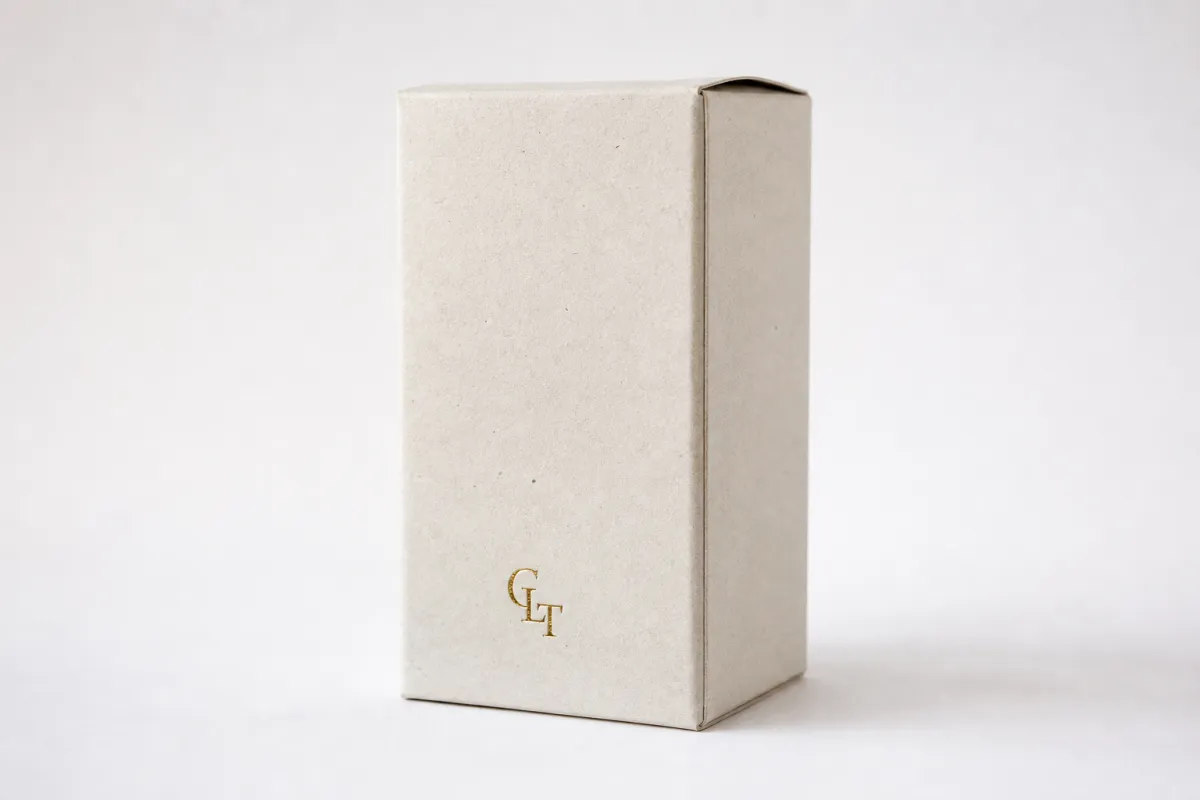
Here is the blunt truth: the logo is not carrying the whole package. The carton is. custom logo product cartons are usually the first physical brand touchpoint a buyer sees, and that first impression sticks longer than most people expect. A sharp logo printed on a flimsy, badly sized carton still feels off. A modest logo on a clean, well-built carton feels deliberate, and that difference is often what separates a brand that feels established from one that feels like it is still figuring itself out.
Think about premium skincare, specialty tea, candles, supplements, or small electronics. If those items ship in generic packaging, the experience often feels unfinished. Customers may not say it out loud, but they notice. In retail packaging, the box acts like a silent salesperson. It frames the product, separates the brand from cheaper competitors, and tells the buyer whether the company cares about details. That is not marketing fluff; it is basic material perception.
custom logo product cartons are usually printed retail cartons or product cartons designed to protect the item and carry branding at the same time. They are not always heavy-duty shipping boxes. Sometimes they are a folding carton that slips into an outer shipper. Sometimes they are the retail face of the product itself. Either way, the carton has to do both jobs well enough to earn its keep.
That is why packaging design matters far beyond aesthetics. A well-planned carton affects:
- Shelf impact - how quickly the eye finds the product in a crowded display.
- Unboxing - how the buyer feels when opening the package.
- Shipping efficiency - how many units fit per master case or pallet.
- Repeat purchase behavior - whether the brand feels worth buying again.
Most weak carton programs fail for ordinary reasons. The dimensions were guessed. The board was too thin. The print looked muddy because nobody specified the finish. Or the brand spent the whole budget on a shiny effect that only looked good in a mockup. custom logo product cartons reward clarity. If the product is premium, the packaging should support that claim without turning into visual noise.
There is also a commercial side that people ignore. Retail buyers, distributors, and e-commerce customers all read packaging differently. Some care about barcode placement and case pack. Others care about premium presentation and the feel of the coating. Some care about both. Strong custom logo product cartons help you cover all three without reworking the whole brand every time a channel changes. That part is kinda unglamorous, but it saves time later.
How Custom Logo Product Cartons Work From Dieline to Shelf
The process looks simple from the outside. It is not complicated, but it is detailed. custom logo product cartons usually start with the product dimensions, not the artwork. That is where a lot of people go wrong. A pretty layout cannot fix a box that is two millimeters too tight or too loose. Packaging starts with fit, then structure, then print.
The basic workflow usually goes like this: measure the product, build or confirm the dieline, place the artwork, review the proof, approve a sample if needed, run production, finish the cartons, pack them, and ship them out. That sounds neat on paper. In practice, one small change to a cap height, insert depth, or barcode position can send the whole layout back for another round. custom logo product cartons punish guesswork, so the first measurements need to be real measurements.
Carton style matters too. A tuck-end carton is common because it is fast to make and easy to use. A reverse tuck style can improve the opening direction. Sleeve cartons work well when the product already has a primary container and needs branding plus light protection. Rigid-style folding cartons cost more, but they can create a more substantial first impression. custom logo product cartons should match the item, the channel, and the amount of protection the product actually needs.
Fit is not only about dimensions. It is also about acceptable movement. A carton that is too snug can crush delicate components or scuff printed surfaces during assembly. A carton that is too loose lets the item rattle, which makes even a decent product feel cheap. In most standard folding cartons, a small amount of clearance is useful, but the exact allowance depends on inserts, product shape, and how the carton will be packed.
Artwork prep is where many teams burn time. Print files need bleed, safe area, and clean barcode placement. Logos should be set at the right size for the panel, not squeezed in as an afterthought. If the carton includes ingredients, warnings, usage instructions, or compliance text, that copy needs enough room to be readable. custom logo product cartons are not billboards. The front panel needs hierarchy. The side panels need function. The back panel often needs the unglamorous information that keeps the launch moving.
For teams with a product line that keeps growing, a smart dieline structure can reduce waste and future rework. That may mean standardizing a family of carton sizes around a few board widths or building the layout so the same template can support multiple SKUs with only minor text changes. If you are comparing carton structures with inserts, sleeves, and mailer options, the Custom Packaging Products page makes it easier to match format to function without starting from zero every time.
custom logo product cartons also have a production logic that is easy to underestimate. The box is not printed in the same way a flyer is printed. Board thickness, folding behavior, glue points, coating, and die-cut tolerances all affect the result. A carton can look perfect on screen and still fail if the fold lines are wrong or the barcode lands too close to a seam. That is why proofing needs to be practical, not just visual.
Key Factors That Shape Custom Logo Product Cartons
Material choice is where the cost, feel, and print quality start to separate. custom logo product cartons are commonly made from SBS paperboard, kraft board, coated artboard, or corrugated board depending on the product and the channel. For premium retail presentation, SBS or coated paperboard is a common pick because it takes print well and holds crisp graphics. Kraft works better when the brand wants a natural, recycled look. Corrugated makes sense when protection matters more than a smooth shelf face.
Board weight matters more than a lot of buyers realize. A 14pt or 16pt carton may be fine for lightweight cosmetics or teas. An 18pt to 24pt board often feels sturdier for premium retail packaging. For products that need more crush resistance, E-flute corrugated can be a better fit than a thicker folding board. The point is not to buy the heaviest stock. The point is to buy the right stock. custom logo product cartons should feel aligned with the item inside, not just expensive on paper.
Finishes can change the mood of the carton, but they also change cost. Matte coating creates a softer, calmer look. Gloss coating pushes color and contrast. Soft-touch lamination feels premium in hand, though it adds cost and can show scuffs depending on use. Foil stamping, embossing, debossing, and spot UV all add emphasis, but each one has a budget impact. If the box is mostly in transit, a fancy finish may be wasted money. If the box is sitting on a retail shelf, the upgrade can pay back in perceived value. custom logo product cartons should spend finish budget where people will actually notice it.
Print method matters too. Short-run digital printing is useful when quantity is lower, artwork changes often, or the project needs a faster turnaround. Offset printing usually makes more sense once quantities rise and color consistency matters across larger runs. The tradeoff is straightforward: digital helps with speed and flexibility, offset helps with lower unit costs at scale. Neither is magic. They just solve different problems. custom logo product cartons need the print method that matches the run, not the one that sounds fancier in a sales email.
Structural details are where practical packaging wins the day. Inserts can stop a bottle from shifting. Window cutouts can show the product without opening the carton. Tamper seals add confidence on shelves. Hanging tabs help peg display. Stackability matters if the cartons need to travel in master cases or sit in a warehouse for a while. Even a beautiful carton fails if it cannot be packed efficiently, and that is a lesson most teams only need once.
Branding choices should stay disciplined. The logo does not need to dominate every face of the box. Front-panel hierarchy matters more than logo size alone. If the logo is huge but the product name is tiny, the shopper has to work too hard. If the color palette clashes with the item inside, the carton feels disconnected. Good custom logo product cartons make the brand clear, then let the product do the rest.
If the carton is meant to support sustainability claims, the material story should be honest and specific. FSC-certified board can support responsible sourcing claims when the supply chain is properly documented. If the product has transit demands, you may want to ask whether the pack should be reviewed against ISTA methods such as ISTA testing for shipment performance. A nice-looking carton that gets crushed in distribution does not qualify as good packaging, no matter how clean the mockup looked.
For buyers comparing branded packaging options, the practical question is simple: do you need the carton to sell, to protect, or to do both? custom logo product cartons can be built for one priority or the other, but the best versions balance both without turning the budget into a mess.
| Carton Option | Typical Board / Style | Best Use | Typical Cost Range at 5,000 Units |
|---|---|---|---|
| Standard folding carton | 14pt-16pt SBS, tuck end | Cosmetics, supplements, small retail items | $0.18-$0.35 each |
| Premium folding carton | 18pt-24pt board, matte or soft-touch | Higher-end product packaging | $0.32-$0.75 each |
| Kraft carton | Brown kraft board, simple print | Natural or eco-forward branding | $0.22-$0.48 each |
| Corrugated carton | E-flute or similar | Heavier products, better crush resistance | $0.40-$1.10 each |
| Rigid-style carton | Thicker wrapped board | Luxury presentation, premium retail packaging | $1.25-$3.50 each |
That table is not a promise. It is a practical range. custom logo product cartons move up or down depending on size, print coverage, finishing, inserts, and whether the order needs a plain box or a box that looks like it belongs in a higher-end product line. The expensive surprise is usually not the print itself. It is the combination of setup, finishing, and the decision to add five premium touches when two would have done the job.
Custom Logo Product Cartons Process and Timeline: What Happens First
The cleanest production runs start with a clear brief. custom logo product cartons need exact product dimensions, quantity, packaging goals, brand assets, and any regulatory copy before the first quote is serious. If the carton has to fit a bottle, jar, device, or accessory kit, the dimensions should include any insert, seal, sleeve, or protective wrap. That avoids the lovely little disaster where the box is approved before the product actually fits.
After the brief, the dieline comes next. That is the flat template that maps folds, flaps, glue areas, and panel sizes. Once the dieline is confirmed, the artwork team places the logo, copy, barcode, and any graphics. Then comes proofing. At this stage, the goal is not to admire the design. The goal is to catch problems. Barcode placement, bleed, safe area, panel hierarchy, and print direction all matter more than people think. custom logo product cartons tend to fail on details, not on big ideas.
Sampling can save money even though it costs time. A physical sample is worth it when the fit is critical, the finish is premium, or the product shape is unusual. A digital proof may be enough for repeat orders, simple layouts, or low-risk production. I would not skip sampling if the box is customer-facing and the brand cannot afford a miss. The screen lies. The sample tells the truth, every time.
Timelines vary by structure and finishing. Simple custom logo product cartons can sometimes move through production in about 7-10 business days after proof approval. Add specialty finishes, custom inserts, or more elaborate structures, and 12-18 business days is a more realistic expectation. Large quantities, rigid-style cartons, or projects with multiple approval rounds can push that further. Shipping time is separate, which somehow still surprises people every single week.
Where do delays usually happen? Three places. The first is dimension changes after artwork has already been laid out. The second is slow approval from brand, compliance, or sales teams. The third is the classic "we need one more tweak" loop that stretches a two-day task into a two-week scavenger hunt. custom logo product cartons reward decisive approvals. The faster the key details are locked, the faster the carton gets made.
Factory queue matters too. Seasonal demand can slow turnaround, especially when multiple brands are all trying to launch at once. Freight method matters as well. Air is faster and more expensive. Ocean is cheaper and slower. Local stock can help if the carton style is standard and only the printed layer changes. If your packaging design depends on a fixed launch date, build in a cushion. Packaging rarely respects optimism.
For products that ship through retail or direct-to-consumer channels, some teams also map the carton against distribution needs. If the outer pack has to survive rough handling, shipment tests based on ISTA or related ASTM methods can expose weak points before customers do. That is a better lesson to learn in testing than on the back of a truck.
Custom Logo Product Cartons Pricing: MOQ, Quote, and Unit Cost
Price is not random, even if quotes sometimes look that way. custom logo product cartons are priced from a stack of variables: size, board grade, print coverage, number of colors, finish complexity, quantity, and whether the order includes inserts, windows, or special construction. A small carton with one-color print and a simple tuck style can stay reasonably efficient. A larger carton with foil, spot UV, embossing, and a custom insert will climb fast.
MOQ, or minimum order quantity, is one of the first things buyers ask about. In practical terms, a lower MOQ often means a higher unit price because setup costs are spread across fewer cartons. Short-run digital options may start around 500 to 1,000 units depending on structure. Offset or more complex production often becomes more sensible at 2,500, 5,000, or even 10,000 units. custom logo product cartons get cheaper per unit as quantity rises, but only to a point where storage, cash flow, and product changes stay manageable.
There is a trap here. Over-ordering can feel like a bargain until the brand repositions, reformulates, or changes the product size. Then the cartons become dead inventory. A buyer who saves two cents per unit but orders 40,000 cartons for a product that changes in six months has not saved money. They have financed a future headache. custom logo product cartons should be ordered at a quantity that matches demand and revision risk, not ego.
Hidden costs matter as much as the carton quote itself. Tooling, dies, sample rounds, freight, storage, rush charges, and special packing can all change the real landed cost. If a supplier quotes a low unit price but charges heavily for everything around the unit price, the quote is not competitive. It is just tidy-looking. Compare like with like: same board, same size, same finish, same quantity, same shipping assumptions. Otherwise you are comparing apples to a grocery bag.
Here is a simple way to think about pricing tiers for custom logo product cartons:
- Economy tier - simple board, limited color count, minimal finishing, best for basic product packaging.
- Mid-tier - stronger board, better print fidelity, one premium finish, common for retail packaging.
- Premium tier - heavier board, specialty coating, foil or embossing, often used for branded packaging that needs a stronger shelf presence.
If sustainability is part of the brief, ask whether the board is FSC-certified and whether the finish affects recyclability or regional recycling acceptance. The FSC site is a solid reference point for what the certification actually means. A lot of buyers want an eco story, which is fair, but the story should be accurate. Greenwashing is still embarrassing, even in a carton.
custom logo product cartons are easiest to compare when a supplier quote includes a real spec sheet. You want dimensions, board type, print process, finish, insert details, carton style, MOQ, Lead Time, and freight terms written out. A vague quote is not cheaper. It is incomplete. And incomplete quotes tend to grow extra line items later, which is a charming habit if you enjoy surprise invoices.
Common Mistakes With Custom Logo Product Cartons
The most common mistake is still the oldest one: designing before confirming the product dimensions and tolerances. custom logo product cartons are not a branding sketch that gets adjusted later. They are a physical object. If the product is not measured properly, every other decision becomes slippery. A millimeter here or there may not sound dramatic, but it can affect fit, glue, inserts, and fold behavior.
Another easy mistake is spending too much on effects the customer will barely notice. Foil, spot UV, soft-touch, embossing, and specialty coatings can look excellent. They can also push a carton beyond the margin the product can support. If the item sells for $12 and the packaging cost climbs by $1.25, that is not always wrong. But it should be deliberate. custom logo product cartons should reinforce value, not quietly eat it.
Branding mistakes are common too. Tiny logos, crowded copy, weak contrast, and too many claims can make the carton look busy instead of premium. The opening side of the box also gets ignored more often than it should. If the buyer sees the side panel first during opening or stacking, that surface matters. Good package branding uses every face with intent, not panic.
Skipping samples is another expensive habit. Screens distort color. Paperboard folds differently from a flat layout. Soft-touch coatings feel different than expected. A window cutout that looked elegant in the mockup can feel oddly small in hand. For custom logo product cartons, the sample is the truth test. It tells you whether the die lines up, whether the logo sits where you expected, and whether the carton actually behaves like a carton.
Timeline mistakes are sneaky. Some teams approve artwork late and still assume production will start the same day the quote is accepted. That is not how this works. Printing cannot begin until the dieline and art are locked. If a compliance review, ingredient update, or barcode correction arrives after approval, the schedule moves. custom logo product cartons only stay on time when all the people touching the file stop changing it.
Another common issue is buying a structure that looks premium but stores poorly. If the cartons crush easily in cases, do not stack well on pallets, or take forever to assemble, the operation cost rises fast. That kind of inefficiency is invisible in the first mockup and painfully visible three weeks into fulfillment. A good carton is not just a pretty face. It needs to be usable at scale.
One more mistake: assuming every product needs the same package language. A candle, a serum, and a tea tin may all be part of the same brand family, but the carton should respond to the item, the weight, and the channel. custom logo product cartons should stay coherent across a line without becoming identical clones.
What To Do Next Before Ordering Custom Logo Product Cartons
Before you request quotes, gather the boring things first. That is where most good packaging decisions begin. Exact product dimensions. Quantity target. Artwork files. Barcode requirements. Regulatory text. Insert needs. Finish preferences. Shipping destination. If the product already exists, measure the real unit, not the guess. If it is still in development, include tolerances so the carton does not arrive before the product is ready.
Then build a simple comparison sheet. Ask at least two or three suppliers to quote the same spec. Same board. Same dimensions. Same print count. Same finish. Same quantity. Same lead time assumption. That gives you a clean comparison instead of a pile of fuzzy promises. custom logo product cartons are much easier to buy when the conversation stays disciplined.
If the carton needs a sharp fit, a premium finish, or a shelf-ready presentation, ask for a sample or proof review before full production. That extra round often saves far more than it costs. A sample catches issues with size, folding, logo placement, and readability while the correction cost is still small. It is cheaper to tweak a dieline than to reprint thousands of misfit cartons.
Use a short decision checklist before you sign off on the run:
- Does the carton fit the product with the right amount of clearance?
- Does the material support the level of protection needed?
- Does the finish support the brand without inflating the unit cost too much?
- Is the timeline realistic after proof approval?
- Does the quote show the full spec, not just a headline price?
If you are still narrowing the format, the Custom Packaging Products page is a good place to compare cartons, inserts, and related packaging formats in one pass. That helps avoid the classic mistake of choosing a structure because it sounded premium rather than because it fit the product and the budget.
custom logo product cartons work best when the team treats them like a business decision, not a decorative afterthought. Specify the size, match the material to the product, keep the artwork clean, and build the schedule around real approvals instead of wishful thinking. Do that, and custom logo product cartons stop being a guessing game and start acting like a controlled part of the launch. That is the practical takeaway: lock the fit first, then the board, then the print details, and the rest gets a lot easier.
How do I choose the right size for custom logo product cartons?
Measure the product with its inserts, accessories, and any protective wrap so the carton is not tight or sloppy. Leave enough clearance for packing, but not so much that the item shifts in transit. If the fit is critical or the shape is unusual, ask for a dieline or sample before production.
What is the MOQ for custom logo product cartons?
MOQ depends on the factory, structure, and print method, but short-run cartons usually cost more per unit. More complex finishes often require higher minimums because setup time and tooling have to be spread across the run. If you only need a test batch, ask whether a pilot run or digital-print option is available.
Are custom logo product cartons expensive compared with plain cartons?
Yes, usually. Printing, finishing, and setup raise the price, but the branding value often pays for itself. The cost gap shrinks as quantity rises, especially on simple board and one- or two-color designs. Premium finishes can add up fast, so spend where customers can actually see and feel the upgrade.
How long does custom logo product cartons production take?
Basic orders can move quickly once artwork is approved, while complex cartons need more time for proofing and finishing. Timeline depends on quantity, print method, sampling, and how fast you approve the dieline and artwork. Shipping time matters too, so ask for a production schedule and a separate transit estimate.
Can I get samples before full production of custom logo product cartons?
Yes, and you should if the fit, print color, or finish matters to the final buying decision. Physical samples are best for premium packaging, while digital proofs may be enough for simple repeat orders. Use the sample to check sizing, folding, logo placement, and readability before signing off on the run.

