Buyer Fit Snapshot
| Best fit | Custom Mailer Box Printing projects where brand print, material claims, artwork control, MOQ, and repeat-order consistency need to be specified before quoting. |
|---|---|
| Quote inputs | Share finished size, material target, print colors, finish, packing count, annual reorder estimate, ship-to region, and any compliance wording. |
| Proofing check | Approve dieline scale, logo placement, barcode or warning zones, color tolerance, closure strength, and carton packing before bulk production. |
| Main risk | Vague material claims, crowded artwork, missing packing details, or unclear freight terms can make a low unit price expensive after revisions. |
Fast answer: Custom Mailer Box Printing: How It Works and What Matters should be specified like a repeatable production item. The safest quote records material, print method, finish, artwork proof, packing count, and reorder notes in one written spec.
Production checks before approval
Compare the actual filled-product size with the drawing, then confirm tolerance on folds, seals, hang holes, label areas, and retail display edges. Reserve space for logos, QR codes, warning copy, and material claims before decorative graphics fill the panel.
Quote comparison points
Review material grade, print process, finish, sampling route, tooling charges, carton quantity, and freight assumptions side by side. A quote is only useful when the supplier can repeat the same color, closure quality, and packing count on the next order.
Custom Mailer Box printing can look straightforward from a distance. Measure the product, print the carton, fold it up, and send it out. In practice, the box has to do a lot more than sit pretty on a shelf or a render. It needs to survive picking, packing, parcel handling, stacking, vibration, and the odd rough landing that turns a clean design into a durability test. The print matters, sure, but the structure and the board matter just as much.
That is why custom mailer box printing deserves a little more respect than a fast logo upload and a guess at the dimensions. A properly built mailer can reduce the need for labels, sleeves, and extra inserts while still giving the customer a clear first impression of the brand. For ecommerce orders, subscription kits, product launches, and PR shipments, that balance is usually the whole point: protection on the outside, presentation in the hand.
In my experience, the first hard decision is rarely about colors. It is about whether the box size, board grade, print method, coating, and lead time actually fit the job. If those pieces do not line up, the package can look good in a mockup and still fall apart in the warehouse. That is also why packaging decisions often sit next to Manufacturing Capabilities, Custom Packaging Products, and related shipper formats like Custom Poly Mailers rather than being treated as a separate design exercise.
Custom Mailer Box Printing: Why It Changes the Unboxing Moment
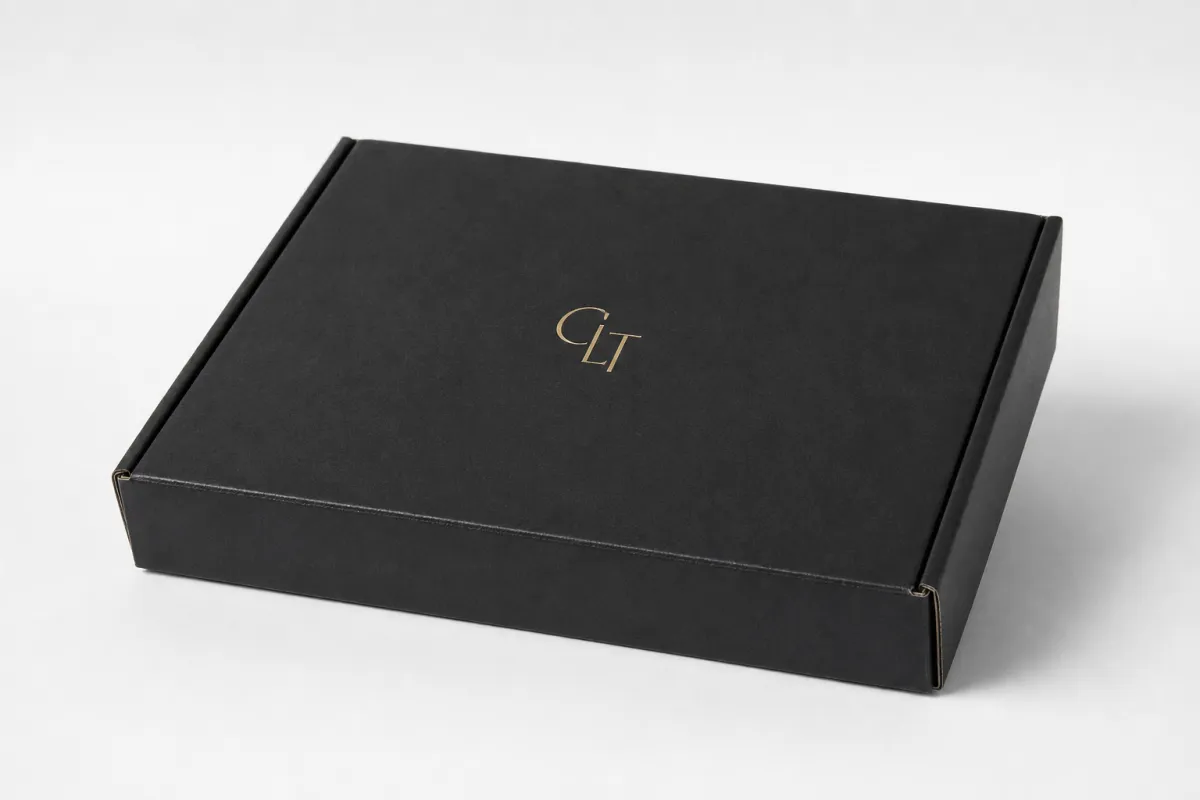
Custom mailer box printing changes the unboxing moment because the box itself becomes part of the message. A plain corrugated shipper will protect the contents, which is the basic requirement, but a printed mailer can do a lot more. It can carry a logo, a color system, product instructions, a care note, or a clean inside print that gives the package some personality without turning it into a billboard. That is especially useful in ecommerce, where the box may be the first physical touchpoint after someone has only seen a website or an ad.
There is also a practical side that gets missed pretty often. A well-planned print layout can reduce the need for extra branded pieces, because the box already carries enough identity on its own. A tidy closure, good panel alignment, and a sensible internal layout often do more for the customer experience than piling on extra packaging components. It keeps fulfillment simpler too, which anyone who has run a pack line knows is a real advantage, not some marketing fantasy.
From a packaging design standpoint, a mailer box is not just a shell. It is a structure with folds, dust flaps, tuck tabs, and seam areas that affect what the customer sees and what the box can survive. Exterior panels usually carry the main identity, while the inside can hold a thank-you note, QR code, product care details, or a restrained pattern. Custom mailer box printing can stay minimal and elegant, or it can go full-surface, depending on the product category, the margin, and how much of the experience the brand wants the carton to carry.
"A mailer box has to earn its keep twice: first in transit, then at the unboxing table." That is the practical reality behind custom mailer box printing.
The use cases reach farther than a lot of teams expect. Ecommerce apparel, cosmetics, supplements, small electronics, subscription kits, retail-ready shipments, and event or PR packages all benefit from custom mailer box printing, just for slightly different reasons. Some need stronger board and cleaner stacking. Others need a presentation box that can still survive parcel sorting without looking beat up by the time it lands. The goal is not only to impress. It is to ship with fewer damages, fewer returns, and fewer awkward surprises for the customer.
- Ecommerce orders: printed exterior panels for brand recognition and fewer add-on labels.
- Subscription kits: consistent presentation across repeat shipments and seasonal refreshes.
- PR packages: higher perceived value through inside print, color, and precise sizing.
- Retail-ready shipments: cleaner shelf or backroom presentation with less rework.
One thing that gets overlooked in custom mailer box printing is how early the box starts setting expectations. The customer sees the carton before they ever reach the product. If the outside looks polished but the structure crushes, opens, or scuffs badly in transit, the brand takes the hit. If the box is well-sized, well-printed, and built with the right board, it sends a clear signal that the company pays attention to details. That is a big reason this format keeps showing up in Custom Printed Boxes, retail packaging, and subscription programs that need a controlled first impression.
How Custom Mailer Box Printing Works From Artwork to Assembly
Custom mailer box printing starts with structure, not graphics. The box size has to be built around the actual product, any protective wrap, and any inserts or void fill the packout needs. A dieline is then created or confirmed, and that layout becomes the map for every panel, fold, glue zone, and flap. If the artwork is developed without matching the real structure, the design can end up misaligned, clipped, or hidden in a fold after conversion.
Artwork setup is where a lot of avoidable errors show up. In custom mailer box printing, the designer has to respect bleed, safe zones, and panel orientation, because a front panel on the flat dieline may become a side panel or a tuck flap after folding. Text that sits too close to a score line can disappear. A logo that looks centered on a monitor may shift once the board is cut and assembled. Good packaging design accounts for that stuff from the start instead of trying to fix it later with a frantic revision.
The print method matters too. Digital printing is usually the flexible choice for shorter runs, SKU testing, and designs that may still change during a launch cycle. Offset printing, and more often litho-lam construction for corrugated mailers, fits larger runs where color consistency and image quality need to stay tight across thousands of units. Custom mailer box printing is not one-size-fits-all here; the right method depends on quantity, coverage, board type, and the visual standard the brand needs to maintain.
Finishing is not just decoration. Matte coatings can create a softer look, gloss can sharpen contrast, aqueous coatings can add general rub resistance, and soft-touch lamination can create a premium hand feel while also changing how wear shows up under shipping abrasion. Spot UV can highlight a logo or pattern, but it is not always the smartest call for a mailer that will be stacked, tossed, and handled more than once. In custom mailer box printing, the finish should fit shipping reality as much as the brand moodboard.
After print, the job still has to pass through converting, die cutting, folding, and gluing. Quality control starts getting very real at that stage. A small registration issue can affect panel alignment. A weak glue line can lead to popped seams. A die that is slightly off can make the box harder to close or open. In the shop, those problems show up fast. If the package is expected to survive parcel handling, it is smart to think beyond the press sheet and look at transit performance standards like ISTA transit testing. If the board claim depends on fiber sourcing, FSC certification may matter too, provided the supply chain is actually documented to support it.
In practice, the production path for custom mailer box printing usually follows the same logic, even when suppliers use slightly different terminology:
- Confirm product dimensions and target internal box size.
- Review or build the dieline around the exact mailer structure.
- Prepare artwork with bleed, safe zones, and panel mapping.
- Approve a digital proof or physical sample.
- Print, convert, cut, fold, glue, and inspect.
- Pack cartons and ship to the receiving location.
Once that sequence is clear, custom mailer box printing becomes easier to manage. The process is technical, not mysterious. Precise direction early on usually means fewer surprises in the final box, which is exactly what the person on the production floor wants to hear.
Custom Mailer Box Printing Cost and Pricing Factors
Custom mailer box printing cost is driven by a handful of variables that interact quickly. Box dimensions are one of the biggest factors because larger panels use more board and more print area. Board grade matters too, since a lighter mailer may use a lower basis weight or a different flute structure than a heavier, more protective shipper. Print coverage, the number of colors, inside print, and the finish all move the number as well.
Setup cost is another major piece. Dielines, plates for offset or litho-lam work, press setup, and finishing setup all have to be paid somewhere, and smaller quantities simply spread those costs over fewer units. That is why unit price usually improves as quantity rises. Custom mailer box printing for 250 units and 5,000 units may follow the same basic workflow, but the economics are nowhere near the same.
MOQ, or minimum order quantity, changes purchasing decisions in very real ways. A lower MOQ can help a new product launch or a seasonal test, but the per-box price is usually higher because setup cost is less diluted. A larger order can lower the unit price, yet it ties up cash and storage space. Good buyers compare the packaging budget against expected sell-through, not just the line items on a quote.
| Option | Typical Run | Illustrative Unit Cost | Best Use | Tradeoff |
|---|---|---|---|---|
| Digital print on E-flute | 250-2,000 | $0.95-$2.25 | Launches, test runs, variable artwork | Higher unit cost at scale |
| Litho-lam offset on corrugate | 2,000-10,000+ | $0.70-$1.60 | Stable branding, larger programs | Higher setup and longer lead time |
| Simple one-color kraft print | 500-5,000 | $0.55-$1.20 | Minimal branding and lower coverage | Less visual impact |
| Full inside-and-out print | 1,000-5,000 | $1.25-$3.00 | Premium unboxing and PR kits | More press time and spoilage risk |
Those figures are directional, not a quote. Custom mailer box printing pricing can move with board market swings, print coverage, coating choice, freight, and even how efficiently the boxes nest for shipping. Even so, they give buyers a sane starting point. A one-color kraft mailer for a light apparel item is a very different job from a full-color, inside-printed, soft-touch subscription box with a locking closure that still has to survive parcel handling.
There is a hidden cost in packaging decisions that is easy to miss. A slightly stronger board may increase the per-box price, but it can reduce damage claims, replacements, and chargebacks. That matters if the product is fragile or high margin. A box that protects better can save more than it costs, especially in channels where returns are expensive and every reship eats into profit.
The best quote requests are specific. For custom mailer box printing, the supplier should know product dimensions, product weight, whether the item is fragile, shipping method, artwork status, finish preferences, and the delivery target date. A buyer who shares that information usually gets a more useful quote than someone who only asks for a printed box price. That is also where offset printing and digital printing can be compared in practical terms instead of vague branding language.
One more useful note: board selection is not only about strength, but about appearance. A white top liner can make color pop. A kraft liner can create a more natural, earthy look. Recycled content may support sustainability goals, but the exact appearance and print behavior can vary by substrate. In custom mailer box printing, the cheapest board is not always the smartest board, and the most expensive finish is not always the best value.
Step-by-Step Custom Mailer Box Printing Process and Timeline
The production timeline for custom mailer box printing is easier to manage once it is broken into stages. First comes the brief and sizing conversation, where the brand confirms what the product is, how it ships, and what the internal dimensions need to be. Then comes structural review, artwork setup, proofing, printing, converting, finishing, packing, and shipment. Each step has its own approval point, and each approval point can affect the schedule.
Dieline review is one of the most important checkpoints. If the flat artwork does not match the exact mailer structure, the print can look fine in file form and fail in real life. A proof, whether digital or physical, gives the buyer a chance to check logo placement, color expectations, copy, and fold behavior before the full run starts. In custom mailer box printing, changes after approval can reset the schedule because the press or die work may already be locked in.
Lead time and transit time are not the same thing, and that distinction saves a lot of frustration. Lead time is how long it takes to make the boxes. Transit time is how long they take to reach the warehouse after production. A job can finish on schedule and still miss a launch if freight was not planned properly. Custom mailer box printing should always include buffer for proofing, production, and shipping, especially if the order has a hard in-stock date.
Typical timelines vary with method and complexity. A simple digital run may move in about 7-10 business days after proof approval, while larger or more heavily finished custom mailer box printing jobs often sit closer to 12-18 business days, sometimes longer if inserts, special coatings, or imported materials are involved. That is not a promise. It is a practical planning range. Paperboard availability, carton loading, and freight lane delays can still shift the calendar.
Planning ahead matters more than many buyers expect. If the product launch is tied to retail placement, influencer mailers, or a seasonal ecommerce push, the packaging should start early enough to absorb a revision round and a freight delay. A short internal timeline can force bad tradeoffs, like choosing the wrong board or skipping a sample. Good custom mailer box printing planning gives the team time to choose the box rather than settling for the first available option.
Here is a simple rule that helps in real operations: start the packaging process before the product is packed. That sounds obvious, but busy teams still lose time by treating the carton like a late-stage accessory. Custom mailer box printing should be handled like a production item with its own schedule, its own approvals, and its own risk.
Common Mistakes in Custom Mailer Box Printing
The most common mistake in custom mailer box printing is choosing the box before measuring the product properly. Buyers sometimes size the carton to the item itself and forget protective wrap, tissue, polybag clearance, or inserts. The result is a box that crushes the product or leaves too much empty space. Both outcomes are expensive. A mailer that is just a little too tight can damage corners, while one that is oversized can look sloppy and invite movement in transit.
Artwork errors are another frequent problem. Low-resolution files, colors built for screen rather than print, and text placed too close to folds can all create expensive rework. In custom mailer box printing, brand elements need to respect the structure. A logo that lands on a tuck flap may vanish during assembly. A dark background that looks rich on a monitor can print flatter on uncoated board. That is why proofing is not a formality; it is a safeguard.
Over-specifying finishes is a quieter mistake, but it shows up fast in both cost and production speed. Not every box needs spot UV, soft-touch lamination, foil, or multi-layer decoration. A clean matte or aqueous-coated mailer often does the practical job with less risk. Custom mailer box printing should be guided by handling reality. If the package is going through parcel networks, the finish should resist scuffing and still look respectable after transit.
Ignoring shipping conditions can create damage even when the artwork is perfect. Humidity, stacking pressure, long parcel routes, and repeated handling all affect how a mailer performs. A board that looks fine in a dry sample room may behave differently in a humid warehouse or under a pallet stack. Testing based on ISTA-style methods can uncover issues before launch. Custom mailer box printing is not only about the press sheet; it is about how the box survives the route.
Skipping samples or proofs is the final mistake that causes the most regret. A design can look correct on screen and still fail in physical form because the color shifts, the coating changes the feel, or the folding geometry alters the visible area. If the box is part of the customer experience, a sample is worth the time. That is especially true for custom mailer box printing with fragile goods, premium cosmetics, or any shipment where the unboxing moment is tied directly to brand perception.
- Wrong internal size: product shifts, crushes, or needs too much fill.
- Poor file setup: text or graphics land in folds and cut zones.
- Finish overload: too many upgrades with little real shipping benefit.
- No transit testing: the box looks good but fails in parcel routes.
- Proof skipped: expensive reprints because the board changed the look.
Most of these issues are avoidable. The bigger lesson is that custom mailer box printing should be treated like a controlled manufacturing process, not a decorative purchase. The more the buyer understands the structure, the easier it is to protect both the product and the budget.
Expert Tips for Better Custom Mailer Box Printing Results
The best results start with the product journey, not the box artwork. In custom mailer box printing, the package has to work at packing, during transit, and at unboxing, so the design brief should reflect all three stages. A box that only looks good on a render may frustrate the fulfillment team or fail when stacked. A better approach is to design around what the product needs to survive, then add the brand treatment in the places where it will be seen most clearly.
Use print contrast with intention. A bold outside panel can anchor the identity, while the inside can stay quieter and carry a thank-you message or product care note. That kind of restraint often feels more premium than covering every surface with graphics. Custom mailer box printing works well when the logo placement is disciplined, the typography is readable, and the color story stays consistent across the product line. Strong package branding usually comes from control, not clutter.
Choose finishes based on handling reality. Matte and soft-touch can look elegant, but they may show rub marks differently than gloss or aqueous coatings. If the box will be moved a lot, stacked in cartons, or shipped through mixed parcel routes, a finish with better scuff resistance is often the smarter buy. Custom mailer box printing should protect the visual identity, not just decorate the board. That is especially true for mailers used as retail packaging or subscription boxes that need to arrive clean.
Test the mailer with actual packout staff and a real shipping route before locking the spec. The people who fold, fill, and seal the box every day will often spot small problems that a render cannot show, such as a tab that catches, a flap that pops open, or a box that slows the line by a few seconds per unit. Those small issues add up fast in production. In custom mailer box printing, a practical test can save a great deal of rework later.
If the order is important, ask for the right proof level. A digital proof is useful for checking layout and copy, but a physical sample gives a better read on board feel, fold behavior, and print appearance on the actual substrate. For fragile or high-value products, a shipping test is worth considering as well. A buyer who wants confidence can ask the supplier how the box compares with the standards used in transit and compression testing, then decide whether the package needs more protection or just a cleaner structure.
These are the decisions that separate decent packaging from packaging that performs. Custom mailer box printing is not difficult once the buyer understands the tradeoffs: stronger board versus lower cost, digital printing versus offset printing, soft-touch versus abrasion resistance, and visual impact versus production simplicity. The more those tradeoffs are spelled out early, the fewer surprises show up later in the line.
One final tip: compare the mailer against the rest of the packaging system, not in isolation. If the product is better served by a layered packout, a mailer box may pair with tissue, inserts, or a complementary outer shipper. If the item ships in lighter formats, a second packaging option may make more sense. Custom mailer box printing should support the overall product packaging strategy instead of forcing every SKU into one structure.
Next Steps for Custom Mailer Box Printing
The simplest next step is to measure the product properly and write down the finished internal dimensions before asking for a quote. Include any wrap, sleeve, insert, or protective padding that will actually be used in production. That one habit removes a lot of confusion later. In custom mailer box printing, accurate dimensions are the foundation of everything that follows.
After sizing, gather artwork files, brand colors, quantity targets, and a rough delivery window. A good supplier can use that information to recommend a board grade, print method, and finish that fit the job instead of guessing. If the project needs multiple packaging pieces, the team can compare options across Custom Packaging Products and see whether the mailer box should stand alone or work alongside other formats.
Ask for a dieline review, a proof, and a timeline that separates approval, production, and freight. That is the cleanest way to avoid launch-day pressure. If the brand needs a broader view of what can be built, review Manufacturing Capabilities and compare them with related shipping formats like Custom Poly Mailers. Those comparisons help buyers Choose the Right structure instead of treating every SKU as if it needs the same carton.
Build a short comparison sheet before placing the order. List the board grade, print method, finish, MOQ, unit price, lead time, and any sample or proof charges. That makes it easier to compare options against each other and against the actual needs of the product. In custom mailer box printing, the cheapest option is not always the best value, especially if a slightly stronger or cleaner spec reduces product damage or brand inconsistency.
Before full production, do a final package test. Check closure, stacking, hand feel, and the customer-facing appearance under normal warehouse light. If the box passes that test, the team can move forward with confidence. If it fails, there is still time to adjust the structure or artwork without paying for a large mistake. Custom mailer box printing works best when the box is treated like a production part, not a decorative afterthought.
Strong packaging decisions usually come down to a few practical questions: does the mailer fit the product, does it protect the product, does it represent the brand honestly, and does it fit the budget and timeline? If the answer is yes, custom mailer box printing becomes a smart investment rather than an indulgence. If the answer is no, it is worth revisiting size, board, or finish before the order is locked in.
Handled well, custom mailer box printing gives a brand a cleaner unboxing moment, fewer packing problems, and a more controlled presentation from warehouse to doorstep. The best programs keep coming back to the same principle: choose the structure, print method, and finish that support the product first, then let the branding do its job on top of that. That is the part worth protecting.
How does custom mailer box printing differ from plain mailer boxes?
Plain mailer boxes protect the product, but custom mailer box printing adds brand graphics, messaging, and a more finished customer experience. The print can be outside-only, inside-only, or full-surface, depending on budget and how much of the unboxing moment the brand wants to own. The tradeoff is added setup and print cost in exchange for stronger presentation and often fewer extra inserts.
What files do I need for custom mailer box printing?
A vector artwork file is best, along with the correct dieline from the packaging supplier. Keep text inside safe zones and extend backgrounds into bleed so folds and cut lines do not create white edges. If color accuracy matters, share brand references and ask how the printer handles matching on the selected board stock. That small step can prevent a lot of guesswork later.
How much does custom mailer box printing cost per unit?
Unit cost depends on size, quantity, board strength, print coverage, and finishing choices. Smaller runs usually cost more per box because setup costs are spread across fewer units. A useful quote starts with product dimensions, order quantity, artwork status, and delivery expectations. Those details let the supplier price custom mailer box printing much more accurately.
What is the usual turnaround time for custom mailer box printing?
Turnaround time depends on print method, quantity, proof approvals, and finishing complexity. Simple digital jobs can move faster, while larger or more heavily finished jobs need more production time. It is smart to add buffer for freight and receiving so the boxes arrive before the packing date, not on it. That keeps the launch schedule under control.
What should I ask before ordering custom mailer box printing?
Ask about board grade, MOQ, proofing process, finish options, and how artwork corrections are handled. Confirm whether the quote includes shipping, tooling, and insert components so there are no surprise charges later. If the package needs to protect fragile products or meet a strict presentation standard, request a sample or proof before you approve full production.

