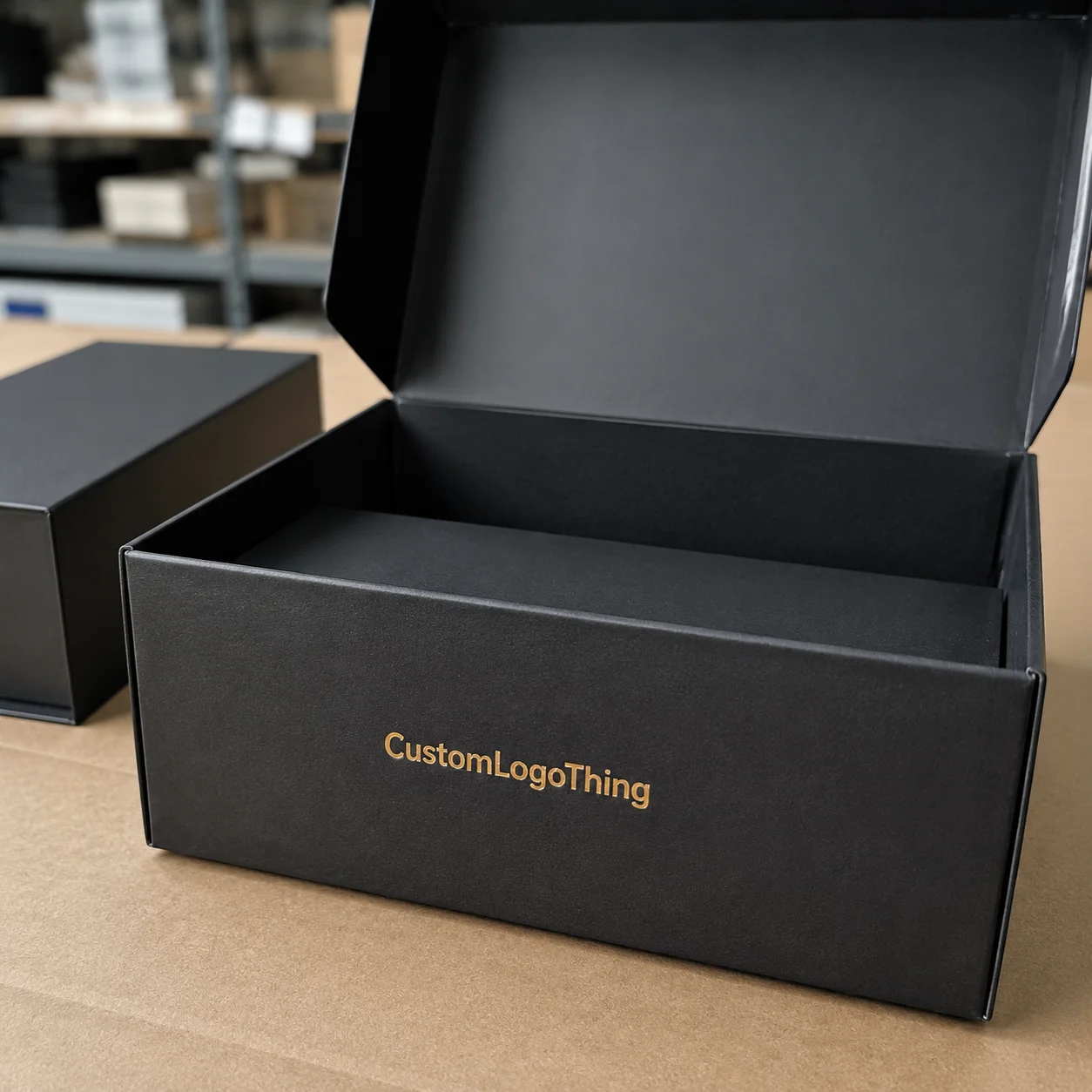
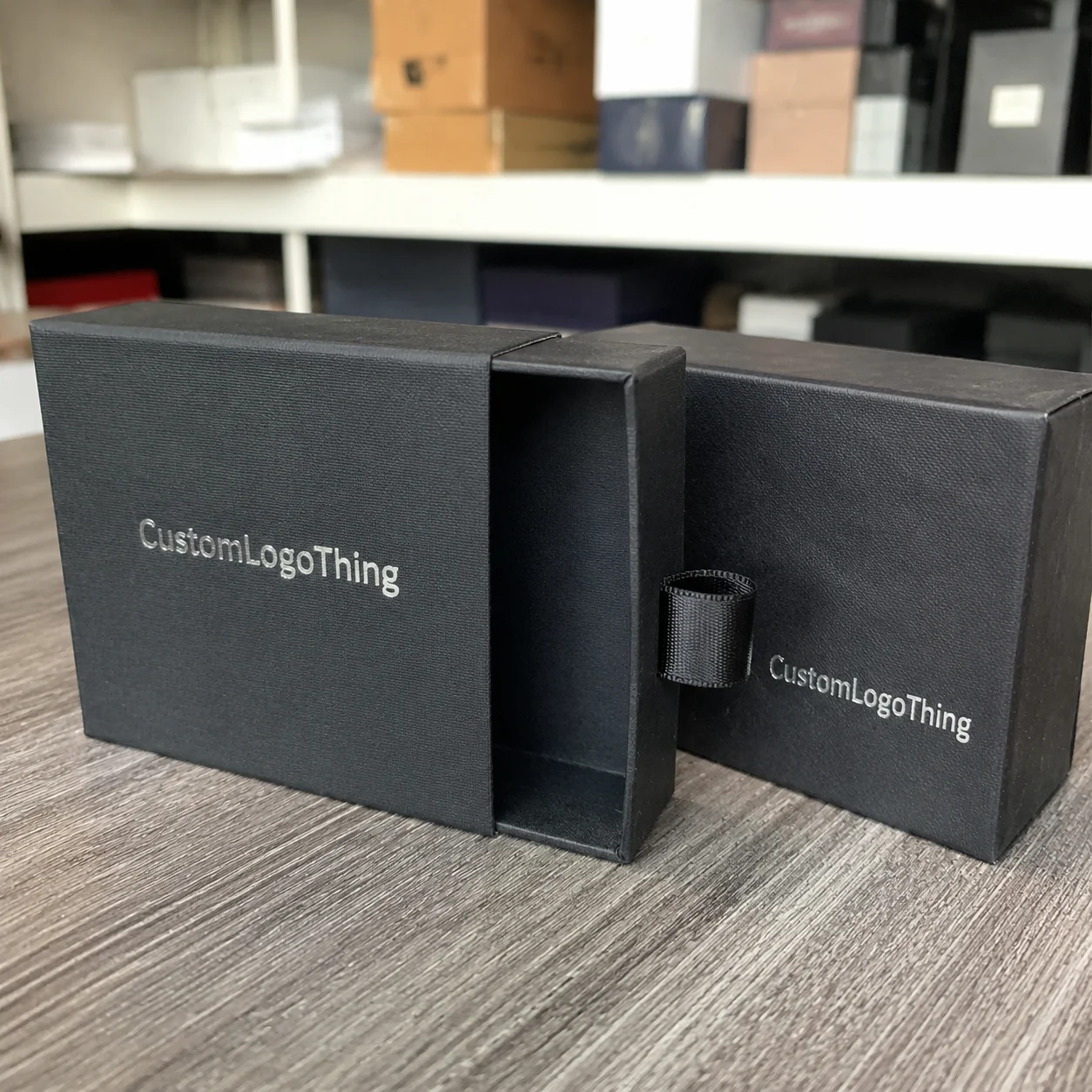
Buyer Fit Snapshot
| Best fit | Custom Mailer Boxes Comparison projects where brand print, material claims, artwork control, MOQ, and repeat-order consistency need to be specified before quoting. |
|---|---|
| Quote inputs | Share finished size, material target, print colors, finish, packing count, annual reorder estimate, ship-to region, and any compliance wording. |
| Proofing check | Approve dieline scale, logo placement, barcode or warning zones, color tolerance, closure strength, and carton packing before bulk production. |
| Main risk | Vague material claims, crowded artwork, missing packing details, or unclear freight terms can make a low unit price expensive after revisions. |
Fast answer: Custom Mailer Boxes Comparison: Material Claims, Seal Quality, and Freight Cost should be specified like a repeatable production item. The safest quote records material, print method, finish, artwork proof, packing count, and reorder notes in one written spec.
Production checks before approval
Compare the actual filled-product size with the drawing, then confirm tolerance on folds, seals, hang holes, label areas, and retail display edges. Reserve space for logos, QR codes, warning copy, and material claims before decorative graphics fill the panel.
Quote comparison points
Review material grade, print process, finish, sampling route, tooling charges, carton quantity, and freight assumptions side by side. A quote is only useful when the supplier can repeat the same color, closure quality, and packing count on the next order.
The expression on my face when that container arrived at my fulfillment warehouse in Los Angeles still makes me wince. Eight hundred mailer boxes, all with crooked logos, wrong Pantone colors, and board that buckled under the weight of a 12-ounce bottle. That single order cost me $8,000 and three weeks of lost sales during prime holiday season. That experience taught me more about Custom Mailer Boxes comparison than any supplier pitch ever could.
Every decision you make when sourcing Custom Mailer Boxes either protects your products and delights your customers—or costs you thousands in returns, chargebacks, and brand damage. Twelve years in this industry, factory visits in Shenzhen and Dongguan, negotiations with everyone from 3-person print shops to massive corrugated giants—I've accumulated lessons worth sharing.
Why I Threw Away $8,000 on the Wrong Mailer Boxes
During a sourcing trip to a corrugated factory in Shenzhen's Bao'an district, workers ran sheets through a flexographic press. The machine was ancient—at least 20 years by the wear patterns—and print registration missed the mark by 3mm on every single sheet. When I asked the production manager about it, he shrugged. Quality control wasn't their concern, he explained. They printed, they shipped. What happened after delivery was my problem.
That factory's quote came in 40% cheaper than my usual California supplier. I thought I was being clever. (Spoiler: I wasn't.) Instead, I learned that Custom Mailer Boxes comparison isn't really about the per-unit price on a quote sheet. It's about total landed cost: the initial purchase price plus damage returns, customer complaints, reorders, and the silent cost of a brand that looks cheap.
The average e-commerce return rate in the United States hovers around 20-30%, and a significant portion of those returns trace directly back to packaging that failed during shipping. Crushed corners, weak seams that split open, boxes that can't handle the humidity of a Florida summer warehouse—your mailer box is your product's armor. Choosing the wrong one means paying twice: once for the box, once for the damage.
Most brands approach this as a commodity purchase. That's the mistake, and honestly, I see it constantly even from brands that should know better. Your unboxing experience represents the moment of truth for every online customer. Research from Packlink indicates that 52% of consumers are likely to buy again from a brand using premium packaging. That's the real math worth running.
What Exactly Are Custom Mailer Boxes and How Do They Differ from Standard Shipping Containers?
Clarification helps here because I see confusion constantly—in almost every client onboarding call, actually. Custom mailer boxes are shipping containers specifically engineered and printed for your brand, not the brown boxes available at any UPS Store. They come in custom dimensions matched to your product, feature your brand colors and artwork, and use materials selected for your specific shipping conditions.
The key components defining a Custom Printed Mailer box:
- Material construction — The board grade determines everything from crush resistance to environmental performance. E-flute (1/16" thickness) works beautifully for lightweight cosmetics but will fail catastrophically for a 5-pound weighted blanket. B-flute (1/8" thickness) handles heavier items. Double-wall corrugated gives you 40% more edge crush resistance than single-wall options.
- Print method — Flexographic printing works for high-volume orders with simple graphics but limits color accuracy. Offset lithography delivers photographic quality. Digital printing offers flexibility for short runs with moderate quality. The method chosen affects everything from color matching to setup costs.
- Finishing options — Soft-touch lamination creates that premium tactile feel. Spot UV highlights logos. Foil stamping catches light. Embossing adds dimension. Each finishing layer adds cost but also adds perceived value—and customer delight.
- Insert functionality — Your custom mailer box might include foam inserts, corrugated partitions, or thermoformed trays that hold products securely during shipping.
The difference between custom printed boxes and stock mailers comes down to brand control. Stock mailers force you into standard sizes, generic kraft or white surfaces, and zero customization. For a subscription box company or a DTC beauty brand building recognition, that's simply not viable. Your retail packaging is a billboard traveling through every neighborhood in America—why waste that real estate on generic brown cardboard?
Almost always, customization becomes necessary for any brand with serious growth ambitions. The math becomes clear once you calculate cost-per-impression. A custom mailer box delivers your brand message potentially 50-100+ times per box as it moves through the supply chain, from warehouse to customer doorstep. At that exposure rate, the economics of customization almost always justify themselves.
How Custom Mailer Boxes Work: From Design to Delivery
I walked my first client through this process in 2012. She was launching a boutique candle company and couldn't understand why her boxes wouldn't be ready for two weeks. "It's just printing," she said. Breaking down what actually happens during a custom mailer box order helps with realistic planning.
The packaging design process follows six distinct phases:
- Design creation — Your artwork file needs to meet specific requirements: 300 DPI minimum resolution, CMYK or Pantone color mode, 3mm bleed on all sides, die line outline included. Working with a designer who doesn't understand print production means paying for corrections down the line.
- Proofing and approval — Your supplier creates a digital mockup and a physical sample. This phase catches 90% of potential problems before production. Budget 3-5 business days for revisions.
- Tooling setup — The cutting die, printing plates, or digital cutter files get prepared. Setup fees here range from $200 for simple digital jobs to $2,500 for complex multi-color flexographic work.
- Production run — Actual printing and box formation. Standard production for 1,000 units takes 7-12 business days. Complex orders with special finishes can stretch to 4 weeks.
- Quality inspection — Your supplier inspects for print registration, color accuracy, and structural integrity. This is where the difference between experienced suppliers and budget operations becomes stark.
- Packing and shipping — Boxes ship flat (knocked down) to minimize freight costs. Domestic shipments typically arrive in 3-7 days. Overseas production adds 4-6 weeks of ocean freight plus customs clearance.
Minimum order quantities represent one of the biggest friction points I see clients struggle with. The industry standard MOQ sits around 300-500 units for basic custom mailer boxes through suppliers like Packlane or The Custom Boxes. Drop below 300 units, and per-unit pricing climbs steeply—sometimes doubling or tripling the cost. Some premium suppliers won't even quote below 1,000 units for offset-printed work.
A common scenario: a startup founder estimates they need 200 boxes for a product launch. Quotes of $2.50-$3.50 per unit shock them. What they don't realize is that at 200 units, most of that cost is setup labor and materials—not the boxes themselves. Solutions exist: reduce your launch quantity to test the market, use a digital print supplier willing to do smaller runs, or accept the higher per-unit cost as a marketing investment.
Lead times vary dramatically between suppliers and print methods. A supplier like Boxc in Southern California might turn a simple 500-unit order in 10 business days. The same order from a Shenzhen factory? Add 6 weeks minimum—4 weeks production, plus 2 weeks for ocean freight and customs. That cheaper price only looks attractive until you calculate the cost of capital tied up in inventory sitting on the water. I've been there. Waiting for inventory that should've arrived three weeks ago while your warehouse team twiddles their thumbs is no fun at all.
Key Factors in Custom Mailer Boxes Comparison
Here's where things get practical. When evaluating suppliers for custom mailer boxes comparison, I focus on five specific factors that will make or break your order. Skip any of these and you're flying blind.
Material type forms the foundation. My specs:
- E-flute (1.6mm) — Ideal for lightweight products under 3 pounds. The fine flute profile creates a smooth printing surface. Think cosmetics, small electronics, jewelry.
- B-flute (3.2mm) — The workhorse of e-commerce shipping. Handles products from 3-15 pounds. Good crush resistance without excessive board thickness.
- Double-wall corrugated — Necessary for heavy items over 15 pounds or international shipping where boxes face more handling. ECT-44 rating minimum for demanding applications.
Understanding edge crush test (ECT) ratings matters more than most buyers realize. ECT measures the force (in pounds per inch) that the board can withstand before crushing. For domestic e-commerce shipments, I recommend ECT-32 as a minimum, ECT-44 for heavier products. Quality-focused suppliers like The Custom Boxes will provide crush test documentation on request. If a supplier can't or won't share this data, walk away. I wish someone had told me this years ago. Would've saved me some headaches.
Print method selection directly impacts both cost and quality:
| Print Method | Best For | Color Accuracy | Setup Cost | Minimum Quantity |
|---|---|---|---|---|
| Digital | Short runs, variable data, quick turnaround | 85-90% | $100-300 | 50-100 units |
| Flexographic | High volume, simple graphics, kraft backgrounds | 90-95% | $500-1,500 | 500+ units |
| Offset Lithography | Photographic quality, brand-critical colors | 95-98% | $800-2,500 | 1,000+ units |
Customization options range from basic to premium. Full coverage printing lets your artwork wrap entire surfaces. Spot color printing (Pantone matching) costs more but ensures brand color accuracy. Special finishes like soft-touch lamination add $0.15-$0.40 per unit. Foil stamping and embossing escalate to $0.50-$1.50 per unit but create that premium tactile experience that converts browsers into buyers.
Sustainability certifications increasingly matter to consumers and can justify premium pricing. The Forest Stewardship Council (FSC) certification verifies responsible forestry practices. Recycled content percentage matters, but so does recyclability—some lamination types make boxes unrecyclable despite recycled material content. Look for certifications from the Sustainable Packaging Coalition or request documentation from suppliers.
At the Shorr Packaging facility outside Chicago, their sustainability director showed me their corrugated recycling program. They track exactly how much post-consumer waste goes into their board production. That's the kind of transparency that matters for brands making environmental claims on their packaging.
Custom Mailer Box Pricing: What Actually Determines Cost
Demystifying pricing structure helps because I've watched too many clients get sticker shock. When requesting a custom mailer boxes comparison quote, understanding what's actually inside that per-unit number matters.
Materials typically represent 35% of your per-unit cost. The board grade, weight, and construction drive this number. E-flute costs less than B-flute. Single-wall costs less than double-wall. Here's the catch: underpricing materials to hit a target cost means your boxes arrive and fail. That $0.10 per unit savings disappears the first time a customer sends you a photo of their broken product leaking through a crushed box. They always send those photos, by the way.
Printing accounts for about 25% of cost. The print method, number of colors, and special finishes determine this line item. A simple 1-color flexographic print on kraft costs fractions of a 4-color offset process with soft-touch lamination. The visual impact difference is equally dramatic.
Labor and overhead typically consume 20% of the quoted price. This includes the setup technicians, machine operators, quality inspectors, and facility costs. Overseas production offers cheaper labor rates—but adds hidden costs of communication barriers, quality control challenges, and logistics complexity. I've had conference calls at 2 AM due to time zone differences. After a few months of that, you start questioning whether the savings are worth your sanity.
Shipping and logistics make up the remaining 20%. Domestic shipments from suppliers like Boxc or Packlane in California or Texas add $0.15-$0.35 per unit for standard freight. International production from Shenzhen? Ocean freight alone runs $0.08-$0.15 per kilogram, plus customs duties (typically 6-8% for cardboard packaging from China), plus inland freight to your warehouse.
A real pricing scenario from recent work with a client selling premium candle sets:
- 500 units, B-flute, 4-color offset, soft-touch lamination: $2.35 per unit from a domestic supplier = $1,175 total
- 5,000 units, same specifications: $1.28 per unit = $6,400 total
- 5,000 units from a Shenzhen supplier at $0.85 per unit = $4,250, but add $800 ocean freight, $300 customs, $400 inland shipping = $5,750 total landed cost
The domestic supplier wins on total landed cost at 5,000 units when factoring in logistics. And that's before calculating the cost of a quality problem requiring reprints or reshipments.
Hidden costs frequently ambush buyers who don't ask upfront:
- Die-cut fees — $200-500 for custom shapes beyond standard square/rectangle
- Plate charges — $150-400 per color for flexographic printing
- Sample costs — $50-150 for physical prototypes before production runs
- Rush order premiums — 25-50% surcharge for expedited timelines
Always ask for a complete cost breakdown before signing. Suppliers quoting suspiciously low per-unit prices often load hidden fees into setup charges, logistics line items, or quality claims exclusions. If a quote looks too good to be true, it probably involves a factory where the quality control manager's name is " shrug.jpg."
Common Mistakes When Comparing Custom Mailer Box Suppliers
After 12 years in this industry, I've watched brilliant entrepreneurs stumble over the same predictable mistakes when sourcing custom mailer boxes. Saving you from these expensive errors requires clear-eyed explanation.
Choosing based solely on price kills brands. I understand the temptation—you're looking at a $0.45 per unit quote versus $1.20 per unit, and the math seems obvious. What that $0.45 quote doesn't include: the 15% overprint waste on every sheet, the color matching inconsistency requiring 3 revisions to approve, the board grade that fails humidity testing in Midwest winter. Those hidden costs add up faster than the price difference.
Consulting for a subscription snack brand, they chose a budget supplier at $0.62 per unit versus my recommended supplier at $0.98 per unit. They ordered 10,000 units. By the end of Q4, they'd experienced a 12% damage rate on their first shipment—a direct result of inadequate board strength and poor seam construction. The replacement product cost, rush shipping, and customer service overhead totaled $14,000. Their $3,600 savings evaporated plus $10,400 in additional costs. The look on their CFO's face when I showed her the numbers? Unforgettable. In a bad way.
Not requesting physical samples before bulk orders represents the most expensive oversight I see. That $50-150 sample fee could save you $5,000 or more. I've seen brands receive 10,000 boxes where the soft-touch lamination had an orange-peel texture that looked terrible under retail lighting. They didn't catch it because they approved digital proofs only. Never approve production runs without physical samples in hand. Digital proofs lie. Frequently. And enthusiastically.
Overlooking lead time assumptions destroys product launch schedules. Brands plan product launches around supplier quotes promising 2-week turnaround, only to discover that timeline was for digital printing on existing inventory sizes. Custom dimensions added 3 weeks of tooling time. Then the holiday freight crunch added another week. The product launched 5 weeks behind schedule with emergency air freight charges. I've seen startups lose their entire holiday season revenue because of a packaging delay. That's not an exaggeration, unfortunately.
Failing to verify print proof accuracy damages brand perception in ways hard to recover from. Color matching between your design file and printed output can vary dramatically by print method. CMYK digital printing might shift 10-15% between runs—same file, different results. If your brand relies on a specific blue or signature green, this variation can make your packaging unrecognizable. I've seen packaging that looked 80% different from the approved design go out to 50,000 customers. The refund requests alone were a nightmare.
Get written confirmation of acceptable color variance before production. Industry standard tolerances from ISTA (International Safe Transit Association) provide baseline references, but your brand standards should be stricter for prominent color elements.
Expert Tips for Your Custom Mailer Box Comparison
My playbook for sourcing custom mailer boxes that perform without blowing your budget contains steps I've used with clients who saved tens of thousands of dollars. These aren't theoretical recommendations—I've run these plays in real situations, and they work.
Get 3-5 quotes using identical specifications. This sounds basic, but I've seen brands compare quotes with different board grades, different print methods, or different quantities. You're comparing apples to oranges. Create one master specification document that clearly defines dimensions, material requirements, print method, quantity, and requested delivery date. Send that identical document to every supplier you're evaluating.
Sourcing packaging for a DTC skincare brand last year, their initial quotes ranged from $1.15 to $2.40 per unit—all for supposedly the same order. The variation came from different assumptions buried in the quotes. Once I standardized the request, the real market price revealed itself at $1.35 per unit. The outlier high quote ($2.40) included premium finishing they didn't need. The outlier low quote ($1.15) used a board grade that would fail crush testing. Funny how that works.
Ask suppliers for material samples and crush-test results. Quality suppliers maintain documentation. If a supplier can't or won't provide edge crush test (ECT) ratings, material data sheets, or physical samples, they're hiding something. This takes minimal effort from reputable suppliers—it's standard practice. When I ask for these documents and a supplier gets squirrely, I immediately move on. Life's too short to chase suppliers who can't be transparent about their own products.
Negotiate based on annual volume commitments, not single orders. Here's where most small brands leave money on the table. Suppliers offer discounts for commitment to future volume. A supplier quoting $1.45 per unit for 500 boxes might drop to $1.15 per unit if you commit to 5,000 over the next 6 months. That's an additional 20% savings just for being transparent about your growth trajectory.
I've successfully negotiated annual volume agreements with suppliers like Packlane and Boxc where the per-unit price decreased at each quantity tier. The key is committing to a volume range, not a firm minimum. "I anticipate ordering 8,000-12,000 units over the next year" gives you flexibility while unlocking better pricing.
Use dieline templates from multiple suppliers for benchmarking. Every supplier has their own preferred dieline format based on their cutting equipment. Request dielines from 2-3 suppliers you're comparing, then use those templates to create your artwork. This gives you the most accurate comparison of print quality because you're comparing actual production samples, not just mockups.
Factory visits remain the gold standard for evaluation. I know that's not always feasible—who has time to fly to Dongguan just to check out a box factory?—but if you're ordering 20,000+ units annually, visiting a supplier's facility pays for itself. During a facility tour, I can observe equipment age and maintenance, workforce training and experience, quality control processes, and overall operational competence. You simply can't get that information through email or video calls.
Your Custom Mailer Boxes Comparison Action Plan
A step-by-step process for executing your custom mailer boxes comparison correctly follows. I've refined this over hundreds of sourcing projects, and it works.
Step 1: Define your specifications precisely. Before contacting any supplier, document: exact dimensions (length × width × height in inches), required board flute and ECT rating, print method preference, Pantone color requirements, finishing needs, quantity requirements, and delivery timeline. The more precise you are upfront, the more accurate your comparison will be.
For a recent client launching a premium pet product line, specifications included double-wall corrugated for shipping heavier bags of treats, Pantone 187C red for brand consistency, and soft-touch lamination for premium feel. Those specifications immediately eliminated suppliers who couldn't meet one or more requirements—saving weeks of evaluation time. Sometimes saying "no" to most suppliers quickly is more valuable than finding reasons to say "yes" to a few.
Step 2: Request samples from at least 3 suppliers using identical dielines. Create one design file (even a simple one works for sampling purposes) and request physical samples from three suppliers. Compare them side by side: print quality, color accuracy, material strength, and construction quality. The differences will be immediately visible—and revealing.
Doing this comparison for a client selling artisanal hot sauces, the sample differences were dramatic. Supplier A delivered boxes with perfect color matching but weak seams. Supplier B had bulletproof construction but color reproduction that looked nothing like the approved proof. Supplier C met both requirements—but their quote was 35% higher. Now the client could make an informed decision based on their priorities. Sometimes the best supplier isn't the cheapest or even the highest quality—it's the one that best fits your specific needs.
Step 3: Calculate total landed cost including everything. Your cost comparison must include: quoted unit price, setup fees, shipping to your warehouse, customs duties (if international), material waste percentage, and cost of potential quality issues. Only total landed cost tells the true story.
I use a simple spreadsheet that calculates per-unit cost at the final destination. For a recent comparison, the domestic supplier quoted $1.40 per unit, the international supplier quoted $0.95 per unit. After adding $0.22 per unit for international freight, $0.08 for customs, and $0.05 for inland shipping, the international supplier's total landed cost was $1.30. But when I factored in the 8% damage rate I expected based on their quality sample versus the 2% expected from the domestic supplier, the domestic supplier's effective cost dropped to $1.43 while the international supplier's effective cost climbed to $1.56. The math changes completely once you factor in quality risk.
Step 4: Verify supplier production capabilities through reference calls. Ask for three customer references who ordered similar quantities and specifications. Actually call them. Ask about quality consistency, problem resolution, communication responsiveness, and whether they'd order again. This due diligence takes an hour but prevents catastrophic mistakes. You'd be amazed how many red flags come up in these calls. "They were great for the first order, then communication dropped off completely" is something I hear more often than I'd like.
Step 5: Start with a smaller test order before committing to bulk. This is where brands save themselves from expensive mistakes. Order 100-500 units from your chosen supplier, run those boxes through your actual fulfillment process, ship 20-50 units to yourself, and evaluate everything. How does the box perform through your normal shipping conditions? Did products arrive undamaged? Does the unboxing experience match your expectations?
Recommending this approach to a client selling ceramic drinkware, their first test order of 250 units revealed that the inserts weren't secure enough for their shipping carriers. They adjusted the insert design before ordering their full 5,000-unit production run—and saved themselves from a potential recall situation. Imagine shipping 5,000 units, receiving hundreds of returns due to broken products, and then having to explain to investors why your margins disappeared. Test orders exist precisely to prevent this nightmare scenario.
What Are the Key Factors When Comparing Custom Mailer Box Suppliers?
Frequently Asked Questions
What's the minimum order quantity for custom mailer boxes?
Most suppliers require 50-500 units for basic customization, depending on the print method. Flexographic and offset printing typically require 500-1,000 unit minimums due to setup costs. Digital printing suppliers like Packlane and The Custom Boxes offer lower MOQs (sometimes as low as 50 units) because they eliminate traditional printing plates. Premium print methods like foil stamping often require 1,000+ unit minimums because of the specialized equipment and setup involved.
How long does it take to produce custom mailer boxes?
Standard production takes 10-21 business days after artwork approval for domestic suppliers. Simple digital printing orders can turn in as few as 7 business days with some suppliers. Complex designs with special finishes (foil stamping, embossing, multi-color offset) can require 4-6 weeks for production. Add 3-7 days for shipping from domestic suppliers versus 4-6 weeks for overseas production when calculating total lead time.
What material provides the best protection for shipping?
Double-wall corrugated offers 40% more crush resistance than single-wall options and is essential for heavy products over 15 pounds. E-flute works ideally for lightweight items like cosmetics and small electronics. B-flute is the versatile middle ground suitable for most e-commerce applications. Always verify edge crush test (ECT) ratings—look for ECT-32 minimum for standard domestic shipments, ECT-44 for heavier items or rigorous handling conditions.
Can I get accurate color matching on custom printed mailer boxes?
Offset lithography achieves 95%+ color accuracy and is the gold standard for brand-critical color matching. Digital printing typically achieves 85-90% accuracy. Always request physical samples before bulk production to verify color matching. Specify exact Pantone color codes rather than vague brand descriptions. Understand that CMYK printing may vary 10-15% between production runs—factor this into your design if absolute consistency is required.
What's the typical cost per unit for custom mailer boxes?
Budget options with basic printing start at $0.45-$0.80 per unit at 500+ quantity using flexographic methods. Mid-range fully printed boxes with quality materials run $1.20-$2.50 per unit. Premium finishes including soft-touch lamination, spot UV, and multi-color offset typically cost $2.50-$4.00 per unit. Premium finishes like foil stamping and embossing can reach $3.00-$6.00 per unit depending on coverage area and complexity.
Your custom mailer boxes comparison doesn't have to be overwhelming. Focus on total landed cost, verify quality through samples, and never sacrifice structural integrity to save pennies on material grades. The $8,000 mistake I made in Shenzhen taught me that the cheapest quote is rarely the best value.
Start your search by defining clear specifications, then use the action plan above to evaluate suppliers systematically. Whether you're ordering 100 units for a product launch or 50,000 units for scale, the principles remain identical: verify before you commit, calculate true total cost, and remember that your branded packaging is an ambassador for your business that travels millions of miles through the postal system.
If you're ready to explore custom mailer box options, check out our Custom Packaging Products or learn about Custom Poly Mailers as an alternative for certain product types. The right packaging choice depends on your specific product, shipping conditions, and brand positioning—take the time to get it right the first time.