Buyer Fit Snapshot
| Best fit | Custom Mailer Boxes Affordable projects where brand print, material claims, artwork control, MOQ, and repeat-order consistency need to be specified before quoting. |
|---|---|
| Quote inputs | Share finished size, material target, print colors, finish, packing count, annual reorder estimate, ship-to region, and any compliance wording. |
| Proofing check | Approve dieline scale, logo placement, barcode or warning zones, color tolerance, closure strength, and carton packing before bulk production. |
| Main risk | Vague material claims, crowded artwork, missing packing details, or unclear freight terms can make a low unit price expensive after revisions. |
Fast answer: Custom Mailer Boxes Affordable: Pricing, Specs, FAQs should be specified like a repeatable production item. The safest quote records material, print method, finish, artwork proof, packing count, and reorder notes in one written spec.
Production checks before approval
Compare the actual filled-product size with the drawing, then confirm tolerance on folds, seals, hang holes, label areas, and retail display edges. Reserve space for logos, QR codes, warning copy, and material claims before decorative graphics fill the panel.
Quote comparison points
Review material grade, print process, finish, sampling route, tooling charges, carton quantity, and freight assumptions side by side. A quote is only useful when the supplier can repeat the same color, closure quality, and packing count on the next order.
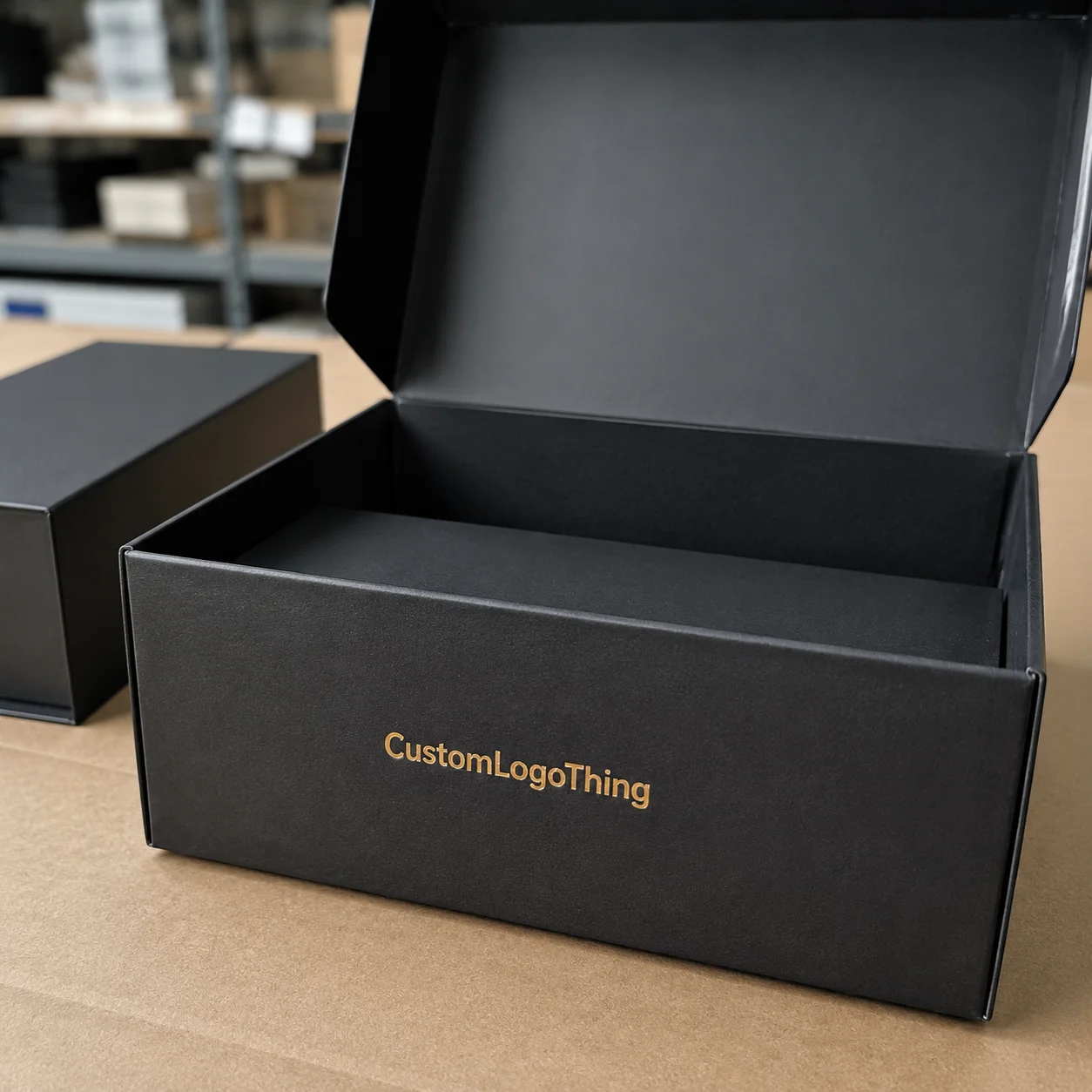
Two mailer boxes sat side by side on a folding table in a Shenzhen packing room, and one cost only $0.07 more per unit than the other. The cheaper-looking one shouted “budget,” while the better one looked like it belonged in a luxury skincare unboxing video. That tiny price gap is why I take Custom Mailer Boxes affordable seriously; with the right specs, custom mailer boxes affordable can look premium without draining cash. I still remember picking up the weaker box and thinking, “Well, that one’s going to embarrass itself before it even leaves the warehouse.”
I’ve spent 12 years in custom printing, and I’ve watched brands throw money at the wrong things. They overprint the entire surface, add a fancy insert nobody asked for, then complain the box is too expensive. Most buyers do not need a miracle. They need smarter structure choices, cleaner packaging design, and a supplier who understands Custom Mailer Boxes affordable is about cost control, not cardboard punishment. Honestly, I think half the packaging budget waste in the industry comes from people trying to buy “luxury” with no plan, which is adorable if you enjoy watching margins evaporate in slow motion.
Why custom mailer boxes affordable can still look premium
The first mistake is assuming affordable means flimsy. It does not. I’ve seen custom mailer boxes affordable built from 350gsm C1S artboard over E-flute board, with crisp print and smart sizing, outperform expensive boxes that used the wrong finish and a bloated footprint. The customer sees the box. They do not see your spreadsheets. They feel the rigidity, the print clarity, and whether the package opens like it was designed on purpose. In one Guangzhou sample room, a 1,000-piece run in 1-color black on kraft board looked cleaner than a “luxury” box that had so much metallic foil it felt like it was trying too hard.
On one factory visit in Dongguan, I stood with a QC supervisor while she held two almost identical mailer boxes. One used 1.5 mm E-flute with a one-color exterior and no coating. The other used the same board, but with a heavy full-coverage matte lamination and oversized dimensions that wasted board. The “premium” one cost more and looked less polished because the artwork was weak. Good custom mailer boxes affordable usually come from discipline, not decoration. I remember the supervisor giving me that look that says, “Yep, another buyer who thinks shine equals quality.”
Board grade matters. Flute choice matters. Print method matters. Finishing matters too, just not always in the way sales reps pretend it does. If you are shipping lightweight candles, supplements, apparel, or subscription kits, custom mailer boxes affordable often work best with E-flute or B-flute depending on the product weight and stacking needs. A box that protects properly and looks sharp beats a “luxury” box that crushes in transit. And trust me, nothing kills the vibe like opening a shipment and finding the box has folded itself into modern art.
Here’s what drives costs up fast, whether your order is 500 pieces or 50,000:
- Overprinting every surface, including areas nobody sees
- Unnecessary coatings that add $0.04 to $0.12 per unit with little brand value
- Oversized dimensions that consume more board and increase freight charges
- Complicated inserts with extra die-cuts or glued compartments
- Fancy structure changes that require custom tooling and longer setup
I had a client in Austin try to save money by choosing a “premium” rigid-style concept for a 3-ounce beauty serum kit. The box alone came in at $1.48/unit before freight. We switched them to a standard self-locking mailer with a clean two-color print and a simple paper insert. Their landed cost dropped to $0.62/unit on 5,000 pieces, with production completed in 14 business days from proof approval at a factory in Ningbo, Zhejiang. Same product. Same shelf appeal. Less nonsense. I was honestly relieved, because nobody needs a rigid box trying to act like it’s a jewelry case when the serum inside weighs less than my coffee mug.
If you want custom mailer boxes affordable to still feel branded, focus on three things: proportion, print discipline, and tactile restraint. A well-sized box with sharp edges and a clean logo placement can do more for brand packaging than five layers of unnecessary finish. That is not theory. That is what I’ve seen across dozens of reorders, including a candle brand in Portland that stayed at $0.54 per unit by keeping to one exterior Pantone and a 1.5 mm E-flute structure.
Custom mailer box options that keep costs under control
Standard mailer construction is your friend. Self-locking tabs reduce assembly time by 10 to 20 seconds per box on busy packing lines. Roll-end designs add strength without turning the box into an engineering project. Tuck-in flaps can work for lighter items, though they are not always my first choice for shipping-heavy e-commerce orders. The best custom mailer boxes affordable setups usually borrow from proven structures instead of reinventing them. I’ve watched well-meaning teams reinvent the flap system three times in one meeting, which is how you end up with everyone staring at a die line like it insulted their family.
E-flute is usually the sweet spot for lighter goods. It typically offers a thinner profile, a smoother print surface, and lower material use. B-flute is thicker and stronger, so I recommend it for heavier product packaging or items that need extra crush resistance. The exact choice depends on what you are shipping, how far it travels, and whether the box will be stacked in a warehouse. I’ve seen brands choose B-flute for a 6-ounce product and pay more than needed, then ignore a shipping issue caused by bad internal packing. That’s an expensive lesson, especially if the cartons are moving from Yiwu to Los Angeles by sea and sitting on a pallet for 28 days.
For print, one-color branding is the cheapest path to a good-looking box. Full-color outside print costs more because it uses more ink, more setup attention, and often more proofing. Inside print adds another step and should only be used if it actually supports the unboxing moment or carries a message that matters. If you’re trying to keep custom mailer boxes affordable, one-color or two-color exterior print is often enough. Clean beats clutter, and a tight 2-Pantone layout on a 350gsm C1S top liner can look far more refined than a noisy full-wrap photo treatment.
| Option | Typical Cost Impact | Best Use Case | My Take |
|---|---|---|---|
| E-flute, one-color print | Lowest | Light apparel, samples, accessories | Best starting point for custom mailer boxes affordable |
| E-flute, full-color outside print | Moderate | Beauty, wellness, DTC kits | Worth it if artwork is strong and the box is customer-facing |
| B-flute, one-color print | Moderate to higher | Heavier items, protection-first shipments | Pay for strength only when the product needs it |
| Inside + outside print | Higher | Premium unboxing, gift sets | Nice, but not the first place to spend money |
Finishing is another trap. Matte aqueous coating gives a softer look and helps with scuff resistance, and on a 5,000-piece run it might add only $0.03 to $0.06 per unit depending on the factory in Shenzhen or Suzhou. Gloss can make colors pop, but it can also look cheap if the artwork is weak or the design is overloaded. Soft-touch lamination feels expensive, yes, but it adds cost and can slow lead time by 2 to 4 business days. I am not against finishing; I am against wasting money on it when the box already looks strong. For many custom mailer boxes affordable projects, a simple aqueous coating is the best balance. That finish has saved more packaging budgets than some people’s entire “brand strategy.”
Optional add-ons should earn their place. Inserts are useful when products shift in transit. Tear strips make sense for subscription kits or retail packaging that wants a clean opening experience. Special die cuts can be smart for display or product visibility. Every extra feature should answer one question: does this help protection, branding, or usability enough to justify the cost? If the answer is “maybe,” it is probably a no. I’ve seen a simple paperboard insert add $0.11 per unit on a 10,000-piece apparel run from a factory in Xiamen, and nobody remembered it after the first unboxing.
I’ve negotiated with suppliers who tried to upsell a “premium” paperboard insert on a simple apparel box. It added $0.11 per unit. On 10,000 boxes, that is $1,100 for a feature nobody remembered after opening. That money would have been better spent on better photography, stronger packaging design, or simply lowering the unit price so the customer could reorder without blinking. I’m not kidding, I’ve seen buyers get weirdly attached to expensive inserts like they’re adopting a pet.
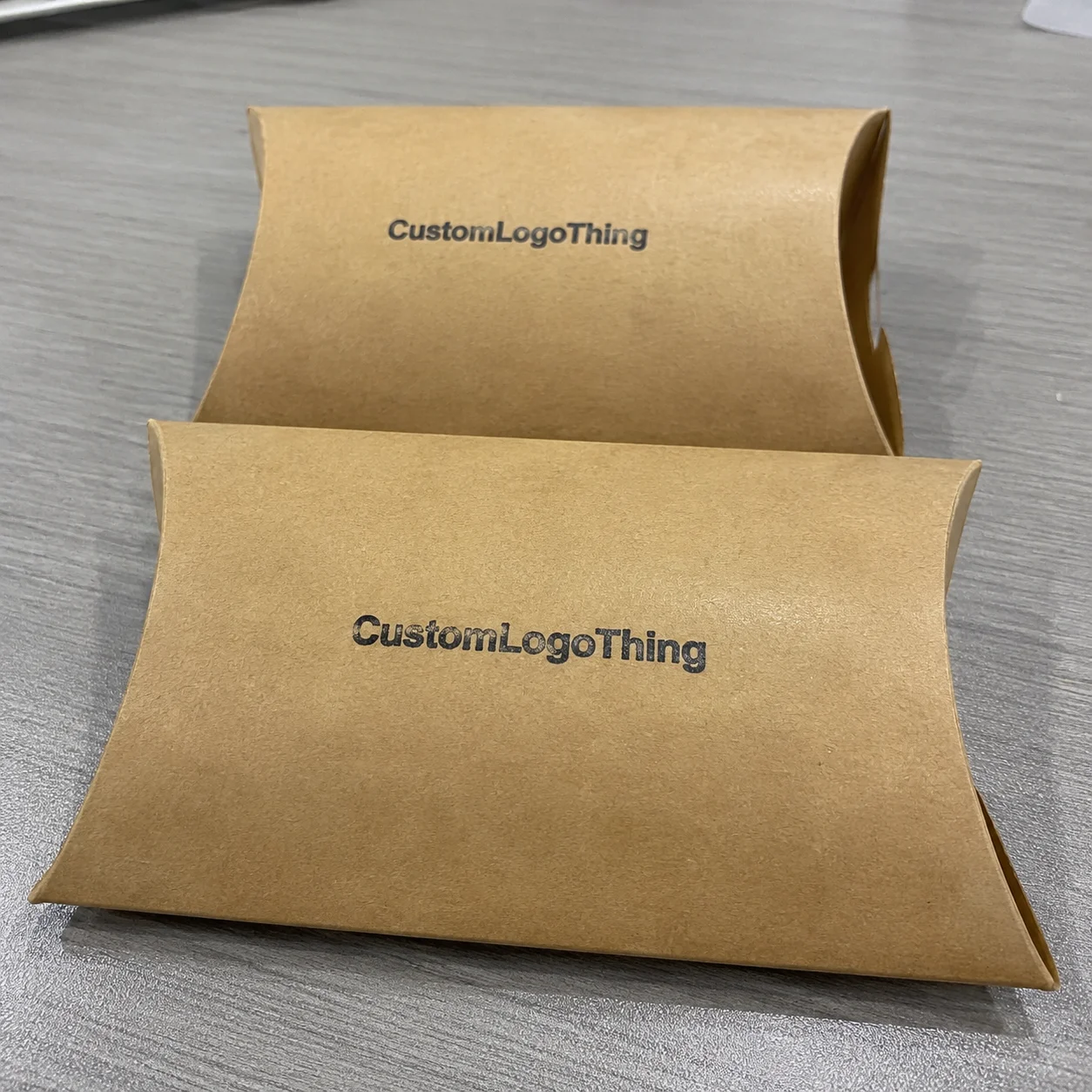
One more thing. If your box is part of branded packaging or package branding strategy, keep the visual language tight. A small logo, a short message, and maybe a pattern on the inside flap can do more than a full art explosion. Buyers remember clarity. They do not usually remember cardboard theater. In a 2024 reorder for a wellness brand in Dallas, a single black logo on natural kraft board outperformed a previous full-color version in customer feedback simply because it looked cleaner and shipped flatter.
Custom mailer boxes affordable: specs that affect price
Before you ask for a quote, gather the numbers. Real numbers, not “about this size.” You need box dimensions, product weight, shipping method, and the actual packaging purpose. Are these Boxes for Subscription shipping, retail packaging, PR kits, or fragile product packaging? Each use case changes the spec. And yes, it changes the price. That is how factories work, despite the occasional fantasy email from a buyer who wants “something nice but cheap.” I’ve read those emails. They always arrive with a cheerful tone that somehow makes the request even more impossible.
Size drives cost more than most people expect. A box that is just 10 mm wider or taller can use more board, cut into sheet efficiency, and raise freight charges. I’ve seen a tiny dimension change turn a profitable run into an annoying one because the layout no longer fit standard sheet patterns. For custom mailer boxes affordable, keeping dimensions tight around the product is not penny-pinching. It is smart production. In one factory in Foshan, trimming a box from 11.5 x 8.25 x 3.75 inches to 11.25 x 8 x 3.5 inches improved sheet yield by nearly 8% on a 3,000-piece order.
There is also a difference between standard sizing and true custom sizing. A stock-style size can reduce tooling and setup cost because the factory already knows the die format and the material layout. A custom size may be necessary for a weird product shape or a stronger shelf presentation. If your product fits a known size, use it. No one wins points for inventing a box size that makes everyone’s life harder. A standard die line in Dongguan can save $75 to $180 in tooling on a small run, which matters more than people like to admit.
Artwork matters too. Print files should come with bleed, proper dieline placement, and correct color references. If your file is a logo pasted into a low-resolution PDF, production slows down. If the artwork requires multiple revisions because the text sits too close to the fold, you pay in time. I’ve watched a simple run slip by four business days because the buyer approved a proof with the logo partially buried under the glue flap. That is not a manufacturing problem. That is a proofing problem. And yes, it was the kind of mistake that makes everyone in the room stare at the screen in silence for a beat too long.
For custom mailer boxes affordable, compressive strength matters if the boxes will stack in transit or sit on warehouse racks. Buyers often focus on print, then forget the box needs to survive shipping abuse. If the item is fragile, test the design against shipping conditions aligned with standards like ISTA protocols. For materials and recycling language, the EPA recycling guidance is useful when you want packaging decisions that make sense beyond the invoice. A factory in Shenzhen can also run a basic drop test from 30 inches to check closure integrity before you approve production.
Here are the specs I ask for before quoting:
- Internal dimensions in inches or millimeters
- Product weight and whether contents shift in transit
- Shipping method such as parcel, pallet, or mixed fulfillment
- Print coverage outside only, inside only, or both
- Finish choice matte, gloss, aqueous, or soft-touch
- Insert requirement yes or no, and what it holds
- Target quantity because MOQ changes everything
One client in the supplement space wanted custom mailer boxes affordable and assumed the quote would be driven by print. It wasn’t. Their oversized depth added enough board usage to raise costs by 18%. We trimmed the height by 0.25 inches, tightened the insert, and lowered freight volume. That one fix saved them almost $900 on the first 5,000-box run, and the production line in Ningbo kept the same 12-day schedule because the dieline did not need a new steel rule. Small changes. Real dollars. That’s the kind of win that makes a packaging manager quietly fist-pump in a conference room, then pretend they were just stretching.
If your artwork uses heavy gradients or photographic imagery, expect more proofing and tighter color control. That is fine for premium launches, but if you are trying to keep custom mailer boxes affordable, simple graphics often perform better and cost less. Clear branding, one or two Pantone references, and a well-chosen board finish usually deliver the best result. A matte aqueous finish on a kraft-backed mailer from Suzhou can look cleaner than a full-bleed photo print that costs $0.19 more per unit.
Custom mailer boxes affordable pricing and MOQ explained
MOQ means minimum order quantity, and factories set it for boring reasons like board purchase, plate setup, and print run efficiency. Nothing glamorous there. If a supplier quotes 500 units on a custom size, they are usually spreading setup costs across a small run, which pushes the unit price up. That is not a scam. That is math. For custom mailer boxes affordable, quantity is the lever that moves the price most predictably. In Shanghai and Dongguan, the same mailer can land at very different numbers depending on whether the plant is running 1,000 or 10,000 sheets that week.
Here is the practical pricing pattern I see most often. At 500 units, you pay the highest per-unit cost because setup costs are spread thin. At 1,000 units, the unit price drops, sometimes sharply. At 3,000 units, the price usually becomes much more workable. By 5,000 units, you often hit a sweet spot where material efficiency and print setup finally stop squeezing you. The exact numbers depend on size and finish, but the pattern is consistent. On a 5,000-piece E-flute run with one-color print, I’ve seen pricing settle around $0.32 to $0.88 per unit, while a 500-piece order with the same spec can sit above $1.10.
| Quantity | Typical Unit Price Range | What Drives It | Best For |
|---|---|---|---|
| 500 | $1.10–$2.40 | Setup spread over fewer boxes | Testing a new product launch |
| 1,000 | $0.78–$1.70 | Better press efficiency | Small brand orders and pilots |
| 3,000 | $0.48–$1.05 | More efficient board use | Growing DTC brands |
| 5,000 | $0.32–$0.88 | Best setup amortization | Established reorders and seasonal runs |
Those ranges are realistic for custom mailer boxes affordable runs, but they are not universal. A small box with one-color print can land at the lower end. A larger box with inside print, premium coating, and a custom insert can climb quickly. I’ve seen a 2,000-unit order cost more than a 3,000-unit order from the same supplier because the smaller run carried an awkward board layout and a non-standard die. Quantity matters, but geometry matters too. A 9 x 6 x 2-inch mailer in Shenzhen can be far more efficient than a slightly larger 9.5 x 6.5 x 2.25-inch size if the sheet nesting fits better on the factory’s 1,200 x 1,700 mm press format.
Hidden costs are where buyers get annoyed. Tooling charges can appear if the die line needs new steel-rule tooling, often $45 to $150 depending on complexity. Sample charges are often credited back, but not always. Freight can surprise you, especially if the carton count jumps enough to move from parcel to pallet. Rush fees show up when someone decides the launch date was “flexible” until it was not. Those fees can wreck the savings you thought you negotiated on custom mailer boxes affordable.
Here is how I usually help clients lower the unit cost without making the box feel cheap:
- Reduce print coverage from full-wrap to a focused brand panel.
- Choose one finish instead of stacking two.
- Use a standard insert shape when possible.
- Trim the box size by even 0.125 to 0.25 inches if the product allows it.
- Ask for a 1,000 / 3,000 / 5,000 quote tier so you can see the break points clearly.
One negotiation sticks with me. A beauty brand wanted two-color inside print, a soft-touch outside, and a custom molded insert. I quoted the expensive version, then the “sane” version. The difference was $0.41 per unit. They chose the sane version and put the saved budget into a better shipping mailer and a cleaner Custom Poly Mailers backup pack for split shipments. That was a smarter use of money than paying for hidden cardboard jewelry. Also, I like to think the box industry has enough drama without adding “premium molded insert” to every order like it’s a seasoning.
So yes, custom mailer boxes affordable depend on MOQ. They also depend on whether you are making decisions like a packaging buyer or like someone decorating a closet. The box has a job. Let it do the job.
Production process and timeline for custom mailer boxes affordable
The process starts with a quote, but a good quote starts with a decent brief. You send dimensions, quantity, artwork, finish preference, and shipping destination. I review the specs, the supplier checks board availability, and we confirm whether the construction needs anything special. If the brief is vague, the quote is vague. That is how people end up with surprise costs and delayed launches. For custom mailer boxes affordable, clarity saves time and money, especially when the board is being sourced from a mill in Guangdong and the final cartons need to ship through the Port of Yantian.
Typical timeline? Once the proof is approved, standard production often takes about 12 to 15 business days for straightforward mailer boxes. If the box has inside print, special coatings, or a new die, that can stretch. Sampling may add 3 to 7 days depending on whether you want a plain structural sample or a printed sample. Freight is separate. Always separate. I know that sounds obvious, yet I still see buyers combine production and delivery in their heads like the boxes teleport. If only corrugated cardboard had that power, I’d have retired years ago. For a factory in Shenzhen, a clean one-color 5,000-piece order can be ready in 12 business days from proof approval, while a soft-touch, full-color version may need 15 to 18 business days.
Proof approval is the bottleneck more often than the press. One wrong text line, a missing logo lockup, or a barcode that sits too close to the edge can stall the whole run. I had a client lose four days because they approved artwork with the shade of white called out incorrectly. Yes, white. Packaging people understand that white is not always just white. It can be C1S white, kraft white, coated white, or a warm-toned stock that changes the whole look. Fun, right? A proof check at a Guangzhou prepress desk can catch those differences before ink ever hits board.
Sampling is worth it when the packaging is customer-facing or the product is fragile. A plain sample checks structure, fit, and closure. A printed sample checks visual impact and color interaction. If you are launching a premium subscription box, I usually recommend at least one sample before mass production. It is cheaper to correct a fold issue on one prototype than on 5,000 finished boxes. That is not a theory. That is a repair bill. On a 2023 skincare order out of Xiamen, one sample saved the client from a glue-flap conflict that would have affected all 2,000 cartons.
Freight planning matters more than most people think. If your campaign launches on the first of the month, do not leave production completion to the last week and hope air freight saves you. It usually saves your nerves and kills your budget. If you want custom mailer boxes affordable, plan backward from launch date and build in a few extra business days for proof corrections, sampling, and customs clearance if needed. Sea freight from Shenzhen to Long Beach can take 18 to 24 days, while a courier shipment of samples might arrive in 4 to 6 days. Those numbers matter when the launch date is fixed on a calendar.
“We thought the box lead time was the issue,” one client told me after we fixed their artwork. “Turns out our approval process was the real delay.” Exactly. Packaging rarely lies. People do.
Here’s the order flow I recommend:
- Confirm dimensions, quantity, and product weight.
- Request two or three quote options with different print and finish levels.
- Approve the dieline and artwork proof carefully.
- Order a sample if the box is critical to the brand or shipping performance.
- Lock the production window and shipping method before press starts.
When buyers treat custom mailer boxes affordable like a procurement project instead of a guess, the timeline gets easier. Less drama. Fewer surprises. More boxes that arrive on time and look like they were planned by someone who actually ships product. A well-run order from proof approval to finished cartons can stay inside a 12-15 business day window, which is a lot easier to manage than a last-minute scramble through a Hong Kong freight forwarder.
Why choose Custom Logo Things for custom mailer boxes affordable
Custom Logo Things helps buyers match specs to budget instead of selling upgrades for the fun of it. That matters. I’ve seen too many suppliers push the priciest construction because it makes the quote bigger and the commission prettier. I prefer the opposite. Start with the product, the shipping requirement, and the brand goal. Then build the box around that. That is how custom mailer boxes affordable stay affordable without looking like an afterthought, whether the run is 1,000 pieces or 20,000.
My supplier relationships came from factory floor work, not brochures. I’ve stood next to corrugators when the board supply was tight and watched how a 5% change in sheet yield affected pricing. I’ve sat through negotiations where a factory in Dongguan offered me a better rate only after we reduced finish complexity and standardized the insert layout. Real cost savings usually come from knowing where the waste lives. It is rarely in the logo. It is usually in the extras, like an unnecessary 4-color flood or a custom insert that could have been a simple paperboard cradle.
Custom Logo Things focuses on quote transparency. That means clear specs, clear assumptions, and no fake magic around production. If a soft-touch coating adds $0.09 per unit, you should see that line item. If a larger size pushes freight up by 14%, you should know that before you approve. Buyers deserve plain answers, especially when ordering custom mailer boxes affordable at scale. A buyer in Nashville once saved $620 by switching from a coated white board to a natural kraft exterior after seeing the freight difference in writing.
Support matters too. Good packaging is not just a box. It includes the dieline, the print file setup, the sample review, the production checks, and shipment coordination. If you are also ordering other Custom Packaging Products, consistency across sizes, colors, and finishing becomes even more important. A brand that uses mismatched white tones across product packaging looks sloppy fast. Nobody wants that, especially when the boxes are leaving from a warehouse in California and the subscription kits are meant for weekly fulfillment.
I also care about repeatability. One of the easiest ways to waste money is to reorder a box that “should” match but does not quite. Maybe the board changed. Maybe the coating shifted. Maybe the logo moved 2 mm. Good supply management prevents that. When I worked with a skincare brand that reordered quarterly, we locked the spec sheet down to board grade, ink reference, and fold tolerance. Their reorders stayed consistent, and their complaint rate dropped. That is the boring stuff that keeps custom mailer boxes affordable over time.
If you want practical help, not sales fluff, that is the whole point. We keep the conversation grounded in packaging design, material choices, shipping realities, and what actually moves cost. Not fantasy. Not hype. Just Boxes That Work and do not wreck the budget. A 350gsm C1S top liner with an E-flute core, a controlled one-color print, and a realistic freight plan is usually a far better answer than a glossy pitch deck.
How to order custom mailer boxes affordable the smart way
Start with the facts. Gather your dimensions, product weight, quantity, artwork, and target ship date before requesting a quote. If you have a sample of the product, even better. The more exact your brief, the easier it is to build custom mailer boxes affordable without back-and-forth that eats days. A simple product mockup and a measured item height can save a factory in Shenzhen or Qingdao from quoting the wrong board depth.
I always recommend asking for two or three quote options. Not one. One quote tells you a price. Three quotes tell you what you are paying for. Compare board grade, print coverage, insert type, finish, and freight assumptions. Sometimes the “cheaper” option is more expensive after shipping. Sometimes the better box costs only $0.05 more per unit. That is where smart buying happens. On a 5,000-piece order, a $0.05 difference is $250, which is far easier to justify than a freight bill that sneaks up by $180 because the carton count changed.
Confirm deadlines upfront. Ask when artwork is due, when proof approval is due, and when production starts. If you need the boxes in hand for a launch date, build in a cushion. A day lost to revisions can become a week lost to freight. I’ve watched brands scramble because they assumed the factory would absorb every delay. Factories can do a lot. Time travel is not one of them. If the cartons are moving from a plant in Dongguan to a West Coast warehouse, give yourself enough room for export paperwork and an actual transit window.
If the packaging is customer-facing, request a sample or prototype. For premium custom mailer boxes affordable, a sample is cheap insurance. You want to see how the box closes, whether the product shifts, and whether the print feels balanced. A box can look fine in a PDF and still feel wrong in hand. That gap between screen and reality is where many packaging mistakes live. A printed sample on 350gsm C1S artboard or kraft board can reveal more in five minutes than a week of emails.
Here’s the checklist I use before a purchase order goes out:
- Box dimensions confirmed in writing
- Product weight and fit checked
- Print areas and colors approved
- Finish selection confirmed
- Insert requirement defined or removed
- MOQ and tier pricing reviewed
- Lead time and freight method documented
- Artwork files submitted in final format
One more habit saves money: compare your box against your shipping carton and fulfillment method. If the mailer is too large, you pay in board, shipping volume, and warehouse space. If it is too tight, you risk product damage and returns. The cheapest box on paper is not always the cheapest box in practice. That is the truth behind custom mailer boxes affordable. Real affordability means fewer losses after the sale, and that includes lower replacement rates, lower freight surcharges, and fewer reprints from proofing mistakes.
Good custom mailer boxes affordable are not about cutting corners. They are about choosing the right board, the right size, the right print coverage, and the right production plan. Do that, and your packaging looks intentional, protects the product, and stays inside budget. That is the formula. Not glamorous. Very effective. It works just as well for a 1,000-piece launch in Texas as it does for a 20,000-piece seasonal reorder out of southern China.
FAQs
How can I make custom mailer boxes affordable without looking cheap?
Use a strong but cost-efficient board grade like E-flute for lighter items. Keep artwork focused and avoid full-coverage ink if it is not necessary. Choose one finish and skip unnecessary add-ons unless they improve protection or presentation. That combination usually gives you custom mailer boxes affordable without making the box feel thin or rushed. A 1-color logo on a 350gsm C1S exterior often looks more polished than an overworked full-wrap design.
What is the MOQ for custom mailer boxes affordable orders?
MOQ depends on size, print method, and material. Smaller runs usually cost more per unit because setup costs are spread across fewer boxes. Ask for tiered quotes so you can see the price difference between 500, 1,000, and 3,000 units. That is the cleanest way to compare custom mailer boxes affordable options, and it helps you see where the best break point lands for your exact box size.
Do custom mailer boxes affordable options include printing on the inside?
Yes, but inside printing increases cost because it adds more ink coverage and production steps. If budget is tight, prioritize the outside panel and use the inside only for key brand messaging. A simple one-color inside print can be a cost-controlled compromise for custom mailer boxes affordable projects, especially if the box is moving through a fulfillment center in 12 to 15 business days.
How long does production usually take for custom mailer boxes affordable?
Timing depends on proof approval, sample needs, and order volume. Once artwork is approved, production is typically 12 to 15 business days for standard constructions, and a printed sample may add 3 to 7 days before that. Freight time should be planned separately so the boxes arrive before launch. That way your custom mailer boxes affordable order does not turn into an emergency air shipment from Shenzhen or Ningbo.
What information do I need before requesting a quote for custom mailer boxes affordable?
Provide box dimensions, product weight, quantity, and print expectations. Share artwork files or at least a logo and brand colors. Let the supplier know whether you need inserts, coating, or special shipping requirements. The better the brief, the better the custom mailer boxes affordable quote, and the easier it is to land on a realistic unit cost like $0.32 per piece at 5,000 units or $0.62 per piece for a smaller, more complex run.
If you want custom mailer boxes affordable that still protect the product and make your brand look sharp, send the specs, ask for tiered pricing, and skip the unnecessary extras. That is how I’ve kept packaging budgets sane for years, and it still works. Every time. With the right board grade, a realistic timeline from proof approval, and a factory quote grounded in actual quantities, the savings show up where they should: in the margin, not in the mess.