Buyer Fit Snapshot
| Best fit | Custom Mailer Boxes for Logistics projects where brand print, material claims, artwork control, MOQ, and repeat-order consistency need to be specified before quoting. |
|---|---|
| Quote inputs | Share finished size, material target, print colors, finish, packing count, annual reorder estimate, ship-to region, and any compliance wording. |
| Proofing check | Approve dieline scale, logo placement, barcode or warning zones, color tolerance, closure strength, and carton packing before bulk production. |
| Main risk | Vague material claims, crowded artwork, missing packing details, or unclear freight terms can make a low unit price expensive after revisions. |
Fast answer: Custom Mailer Boxes for Logistics: Film, Print, MOQ, and Carton Packing should be specified like a repeatable production item. The safest quote records material, print method, finish, artwork proof, packing count, and reorder notes in one written spec.
Production checks before approval
Compare the actual filled-product size with the drawing, then confirm tolerance on folds, seals, hang holes, label areas, and retail display edges. Reserve space for logos, QR codes, warning copy, and material claims before decorative graphics fill the panel.
Quote comparison points
Review material grade, print process, finish, sampling route, tooling charges, carton quantity, and freight assumptions side by side. A quote is only useful when the supplier can repeat the same color, closure quality, and packing count on the next order.
Custom Mailer Boxes for Logistics: Smart Shipping Basics
Custom Mailer Boxes for logistics look simple right up until they hit a real packing floor. Then the weak designs start talking. One carton folds fast, seals clean, and keeps the line moving. Another one eats tape, needs extra void fill, and somehow comes back later as a damage claim with a straight face. Boxes do more than hold product. They change labor, freight cost, pallet density, and the way a customer reads your operation the second the carton lands.
Custom Mailer Boxes for Logistics: Why They Matter
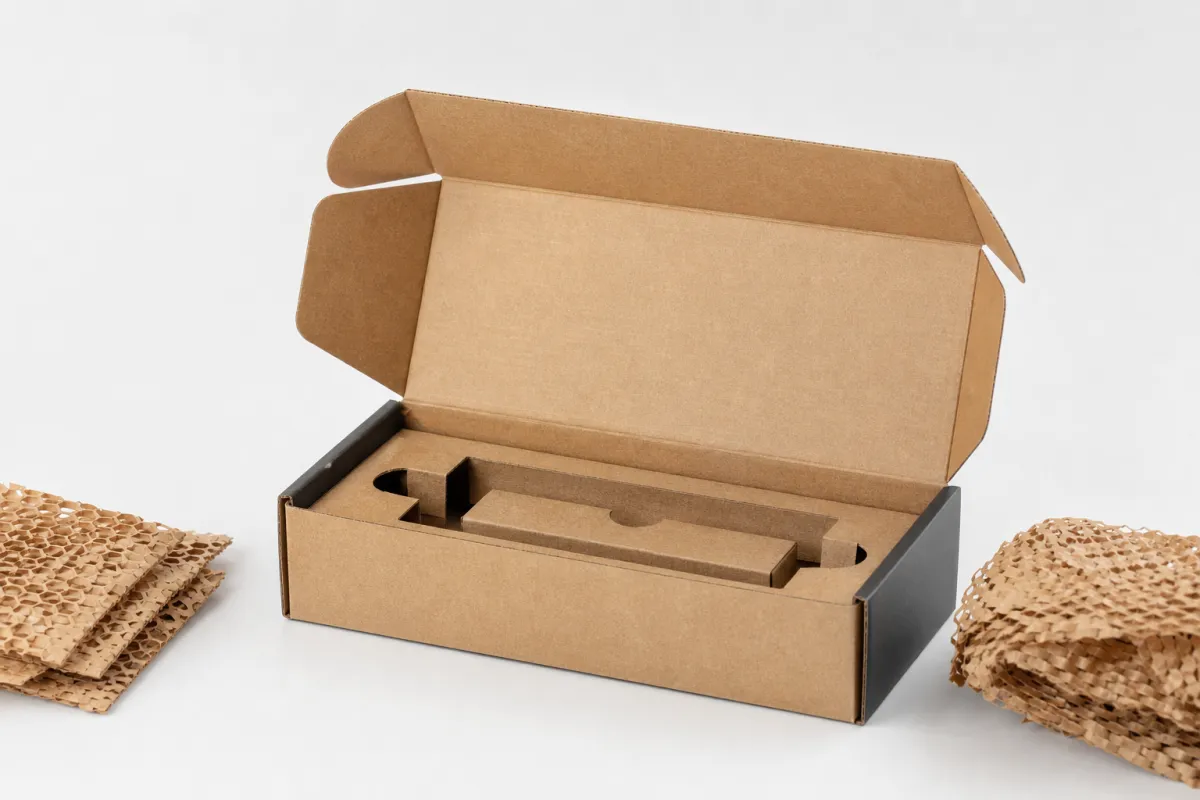
Custom Mailer Boxes for logistics are built for one job: make shipping predictable. That means the right dimensions, enough crush resistance for the lane, and a structure that folds fast without making the packer wrestle the carton into shape. A warehouse does not need a showpiece that only behaves in a mockup. It needs a shipper that closes cleanly, stacks properly, and protects product without turning every packout into a tiny engineering project.
Half an inch of extra headspace can snowball fast. More dunnage. More tape pulls. More handling. In plenty of cases, it also pushes a parcel into a higher dimensional-weight bracket, which is a lovely way to turn a decent material quote into an overpriced shipping program. Well-designed Custom Mailer Boxes for logistics cut that waste before it starts.
The labor side gets ignored more than it should. A carton that assembles in one motion saves seconds on every order. That sounds small until a team ships hundreds or thousands of units a day. Then the clock gets mean. Smart packaging design matters just as much as board grade. A better score, a more forgiving tuck flap, or an insert that actually fits the product can change the pace of the line in a real way.
From the buyer's side, the payoff is not just protection. It is fewer tape pulls, less void fill, lower dimensional-weight exposure, and fewer claims to chase later. Good custom mailer boxes for logistics sit right between product packaging and warehouse flow, which is exactly where packaging budgets either save money or quietly leak it.
Build the box around the shipping job, not around a generic carton size. That sounds obvious, which is probably why so many programs still miss it. If the shipper supports the product, the packer, and the carrier lane at the same time, the rest of the operation gets calmer. That is the part of branded packaging most people forget: it should do work, not just look tidy.
How Custom Mailer Boxes for Logistics Move Through the Supply Chain
custom mailer boxes for logistics prove themselves long before the customer sees them. The carton starts at pick and pack, where it has to open cleanly, hold its shape, and accept the product without a lot of fiddling. Then it moves through tape, label, and sortation handling, where repeated contact, vibration, and the occasional hard corner hit start testing the structure in ways no glossy mockup ever will.
Next comes line haul and final-mile delivery. That is where packages stop sitting politely on a shelf and start getting stacked, dropped, shifted, and compressed by other freight. Weak closures show up there. Inconsistent score lines show up there. Board that looked fine on a sample table can fall apart after a few hours in parcel automation or trailer compression. A carton that survives the warehouse can still fail once the route gets ugly.
Self-locking mailers, tuck-top mailers, and die-cut corrugated shippers all behave differently. Self-locking styles usually speed up packout because the bottom forms with less manual effort. A tuck-flap design can give you a cleaner front panel for package branding or basic instructions. Score lines are not decoration. Crisp scores make the fold happen where it should. Bad ones create spring-back, crooked closure, and wasted time. That is one reason custom mailer boxes for logistics often outperform stock mailers even when the board thickness looks similar on paper.
Print and finish decisions matter too. A heavy flood coat can look sharp, then scuff during storage or slow down drying. That is not a great trade. A modest one- or two-color print can support custom printed boxes while leaving room for labels, barcodes, and handling marks. Good logistics packaging usually stays disciplined. It does not confuse the packer, the scanner, or the carrier.
The best-use cases are usually pretty clear. custom mailer boxes for logistics work well for ecommerce shipments, replacement parts, subscription kits, B2B replenishment packs, sample bundles, and light industrial fulfillment. They also fit jobs where a brand wants retail cues without moving into a full retail-ready carton. The box should protect the product, support the line, and still look organized enough to build trust.
For teams comparing test language and sourcing claims, two useful references are ISTA for transport testing and FSC for responsible forest management and chain-of-custody programs. Standards do not replace internal testing. They just keep decisions grounded in something better than vibes and a pretty render. That matters when choosing custom mailer boxes for logistics.
Key Factors That Shape Cost and Performance
custom mailer boxes for logistics can look nearly identical and still cost very different amounts to make. Board grade is the first driver. Single-wall corrugated works for plenty of light to medium loads, but flute type and strength rating still matter. E-flute gives a cleaner print face and a thinner profile. B-flute brings better puncture and crush resistance. C-flute is often a solid all-around choice for parcel shipping. If the product is heavy, awkward, or likely to be stacked, stronger board or a double-wall build may be the smarter call.
Size is the next big variable. A tighter fit reduces dunnage, lowers freight waste, and improves pallet cube. A larger box may feel easier during design review, but it often creates hidden cost through void fill, extra board area, and weaker pallet efficiency. For custom mailer boxes for logistics, the best size is usually the smallest safe size, not the biggest convenient one. That sentence keeps being true even when teams are tired of hearing it.
Print complexity changes pricing fast. A simple one-color logo on kraft can keep production clean and straightforward. Full-coverage graphics, tight register requirements, and specialty coatings all add cost. If the shipment is headed for retail packaging use or direct-to-consumer presentation, the visual layer matters more. If the carton mostly lives inside shipping cartons and on warehouse racks, the graphics should stay practical and durable. A smart package branding plan helps handling instead of getting in the way of it.
Inserts, partitions, and special closures add another layer. Die-cut corrugated inserts can hold a product firmly without foam. Molded pulp or paperboard dividers may be enough for separation and alignment. Tear strips, reclose strips, and dual-seal panels help with reverse logistics, but each one adds design work and tooling effort. That is why custom mailer boxes for logistics need to be judged as a system, not as a single carton spec written on a quote sheet.
Volume is the final major lever. At lower quantities, unit cost rises because setup, tooling, and press time get spread over fewer boxes. At higher quantities, those costs soften, but the buyer still needs to account for storage, replenishment, and freight. A quote that looks cheap per thousand can turn expensive if the box eats warehouse space or adds friction at packout. Total landed cost is the number that actually matters.
| Option | Typical Use | Structure | Indicative Unit Cost at 5,000 Units | Notes |
|---|---|---|---|---|
| 32 ECT single-wall mailer | Light parcel shipments | Basic die-cut corrugated with one-color print | $0.58-$0.92 | Good starting point for low to moderate weight SKUs |
| 44 ECT single-wall mailer | Medium loads and longer parcel lanes | Stronger board, tighter scores, optional ink coverage | $0.72-$1.15 | Often chosen for a better balance of cost and protection |
| Printed mailer with insert | Kitted items, fragile parts, subscription sets | Die-cut insert or divider, more print coverage | $1.05-$1.85 | Supports presentation and stabilization together |
| Heavy-duty double-wall mailer | Heavier or rougher transit conditions | Double-wall corrugated, reinforced closure | $1.40-$2.60 | Better for compression, stacking, and demanding routes |
The numbers above are directional, not a promise. Print coverage, board market swings, tooling, freight, and order timing all change the final quote. Still, the table shows why custom mailer boxes for logistics should be compared on a landed-cost basis. A box that saves thirty cents in material but adds ten seconds of labor and a little more damage can be the more expensive box by a wide margin. I have watched that math get ignored more than once. It never gets prettier with age.
One more thing gets ignored way too often: storage footprint. If the shipper ships flat, how much rack space does the stack take? If it arrives nested, how much floor room is needed? Good custom mailer boxes for logistics are not priced only by the piece. They are priced by the square foot, the labor minute, and the damage rate they influence every day.
Custom Mailer Boxes for Logistics: Step-by-Step Ordering Process
custom mailer boxes for logistics should start with a product audit, not an artwork discussion. Measure the item in shipping condition, not just in its bare state. Add dimensions for inserts, manuals, charging cords, blister packs, accessories, or any internal support needed to keep the product from moving. If the item is fragile, note the vulnerable faces and corners. If it is heavy, record the weight and the stacking pressure it will see in transit.
The next step is choosing the box style and internal protection around the actual packing flow. A box that looks elegant in a sketch can become awkward when a packer has to assemble it fifty times an hour. Manual lines usually reward simpler closures. Semi-automated lines care more about score consistency and flap geometry. custom mailer boxes for logistics do best when the structure matches the speed target of the warehouse instead of fighting it.
- Measure the product and every accessory that ships with it.
- Define the lane: parcel, B2B freight, mixed distribution, or reverse logistics.
- Select board grade, flute, closure style, and insert strategy.
- Request prototypes and test them with actual packing staff.
- Approve structure, artwork, and replenishment terms only after the box passes the trial.
That prototype stage matters more than many teams admit. A paper CAD drawing tells you almost nothing about hand feel, folding speed, label placement, or how the carton behaves after repeated opening and closing. Real samples let you test drop resistance, crush performance, and how well the box survives a packing line that keeps moving. If custom mailer boxes for logistics are going to ship tens of thousands of units, sample approval should come from actual handling, not just a pretty PDF.
Testing should include more than a table-height drop. A practical review checks corner drop, edge crush, vibration, and any movement inside the carton after sealing. Many teams compare samples against ISTA-style protocols or internal route tests that mirror their real carriers. A stronger board may be required if the route includes long line-haul movement, heavy stacking, or temperature and humidity swings that weaken corrugated performance.
Artwork approval comes after the structural checks, not before them. That order saves time because a perfect printed mockup is worthless if the box fails to fold, jams during assembly, or leaves the product underprotected. It is also the right moment to confirm whether the design needs a barcode window, handling icons, return instructions, or space for a shipping label. custom mailer boxes for logistics often need plain functional areas that keep the parcel readable as it moves through sortation.
Timing varies more than people like to admit. A simple size adjustment may move quickly. A new design with inserts, multiple print colors, or special coatings usually takes longer. Build in time for one revision round if the box supports critical shipping lanes. Nothing beats launching a package that looked fine in a PDF but slows the line once real people touch it.
If your broader packaging program includes other formats, compare the mailer spec against the rest of the system. The broader Custom Packaging Products catalog may show where a standard carton, sleeve, or mailer is the better fit. For lighter accessories or secondary shipments, Custom Poly Mailers can sometimes do the job with less cube, though they are obviously not the answer for every product.
Common Mistakes That Create Damage, Delays, and Waste
custom mailer boxes for logistics fail most often because someone sized to the product and ignored the job around the product. Closure clearance, insert thickness, label placement, and finger room for safe packing all matter. A carton that fits too tightly can crush a corner, stress a flap, or slow packers down because they have to force the product in. A carton that fits too loosely creates motion inside the shipper, and motion is one of the fastest paths to damage.
Another common mistake is trusting a board spec without seeing the box in a real transit profile. A design can look strong on paper and still fail under stacking, vibration, or edge compression. That is why custom mailer boxes for logistics should be tested under conditions that resemble the actual route, not a simplified lab assumption. A box that passes a gentle handling test may still fail if it sits in a trailer stack for hours or rides through an aggressive parcel network.
The box should disappear into the workflow. If the packer notices it too much, the carrier notices it too much, or the customer notices it because the product moved, the design still needs work.
Overprinting causes its own mess. Heavy ink laydown, glossy finish, or complex graphic treatment can look attractive on a screen, but if it slows drying, scuffs in storage, or hides important handling information, the gain is tiny. For a lot of logistics programs, restrained print is smarter. Clean logos, clear panel hierarchy, and a few purposeful cues usually work better than flashy artwork. That is especially true for custom mailer boxes for logistics used across mixed warehouses where readability matters more than drama.
Teams also underestimate the cost of reverse logistics. If a shipment may come back, the box needs enough life left in it to survive a second trip or at least a clean reclose. If it cannot do that, the customer will tape it up with whatever is nearby and hope for the best. That rarely ends well. If storage is tight, the box should also fit the warehouse slotting plan and stack cleanly without crushing or popping open. Small misses like these turn into real money over a year of shipments.
Finally, some programs forget the people handling the box every day. A carton that looks perfect in a render can still jam a pack line if the tuck flap is stiff, the closure is fussy, or the inserts are irritating to place. custom mailer boxes for logistics need to be built for human hands, not just for brand photos. The best version is usually the one that gets out of the way and lets the workflow stay steady.
Expert Tips for Better Logistics Packaging Decisions
custom mailer boxes for logistics get easier to manage when the business standardizes a small family of sizes instead of chasing a unique carton for every SKU. That keeps forecasting cleaner, prevents purchasing from splitting volumes too thinly, and makes warehouse slotting easier to control. A tight size family also reduces the number of art files, insert variants, and replenishment headaches that pile up when packaging grows in a hurry.
I also think teams should be disciplined about graphics. Put branding where it helps trust, scanning, and orientation, then stop. A little package branding goes a long way when the box is moving through a dock, but too much ink crowds important handling space. If the shipper is used for ecommerce and retail packaging both, the panel layout should protect the label and preserve a clean front face without making the carton harder to identify on a shelf or in a cart.
Measure the right data. Do not judge custom mailer boxes for logistics only by appearance or unit price. Track packout speed, tape usage, dunnage consumption, damage rate, and customer complaints over a decent sample size. A simple thirty-day pilot can expose whether the new spec helps or hurts. If a new design saves two cents on board but adds four seconds of labor, the math usually wins the argument before anyone starts getting dramatic.
Pair the mailer with the right closure and label strategy. A tear strip helps returns. A stronger seal pattern helps when the box travels through rough parcel handling. Clear label panels reduce misreads and make sortation easier. A well-placed insert stops movement inside the box without foam, which helps both product packaging and sustainability goals. If the item does not need heavy cushioning, do not force it into a complicated structure just because the render looks impressive.
For brands that need a wider mix of packaging, a good rule is to keep custom mailer boxes for logistics as the workhorse, then use other formats only where they actually add value. Corrugated mailers, folding cartons, and poly options each have a place. The point is to Choose the Right container for the lane instead of making every shipment solve every problem at once. That is the practical side of packaging design: fewer exceptions, fewer surprises, better control.
One last operational habit helps more than people think. Walk the line. Watch the box being packed by someone who did not design it. A package that feels obvious in a design review can become confusing in a real shift with gloves, noise, and a production target hanging over the team. That is often where the best improvements show up, and it is also where weak custom mailer boxes for logistics get exposed before they become a bigger problem.
Standards still matter. Anchor decisions in real test methods instead of vague claims. Use transport testing where it fits, confirm recycled fiber or sourcing claims with paperwork, and keep the specification clear enough that procurement and operations are talking about the same box. If a sustainability claim is not backed by chain-of-custody documents, it is just marketing in a nicer shirt. That kind of discipline turns a carton into a dependable shipping tool instead of a recurring headache.
Next Steps for Specifying Custom Mailer Boxes for Logistics
custom mailer boxes for logistics are easiest to spec when the team works from a short checklist and keeps the priorities in order. Start with the product dimensions, weight, and any accessories that must travel inside the same shipper. Then define the carrier lane, stacking environment, and the amount of handling the box must survive. A box for a gentle regional route is not always the right box for a mixed national parcel program.
- Measure the product, inserts, and closure clearance before asking for a quote.
- Choose the smallest safe size that still allows fast packout.
- Match board grade and flute to the route, weight, and stacking pressure.
- Request a sample, build it on the real line, and test for movement and crush.
- Review print, label space, return handling, and replenishment timing together.
Once the sample is in hand, compare it against three goals at the same time: protection, packout speed, and total cost. That is the right lens for custom mailer boxes for logistics. A carton that looks excellent but slows the line is not excellent. A carton that is cheap but creates damage is not cheap. A carton that supports the packer, the carrier, and the customer usually earns its place quickly.
Bring operations, purchasing, and brand into the same review. Operations knows where the line gets stuck. Purchasing knows the volume and the budget. Brand knows how the package should present the product without getting in the way of handling. If those three groups agree early, the box is far more likely to work in the real world. That is the quiet advantage of well-specified custom mailer boxes for logistics: they reduce debate later because the decision was built on actual requirements, not assumptions.
So if you are ready to tighten up your shipping program, start with the measurement sheet, ask for a real prototype, and test the carton the way it will actually be used. Done well, custom mailer boxes for logistics become a dependable part of day-to-day shipping, not just another line item in procurement. The practical takeaway is simple: size for the route, test on the line, and choose the smallest box that still protects the product without slowing fulfillment.
How do I choose the right size for custom mailer boxes for logistics?
Measure the product plus any inserts, paperwork, or accessories, then add only the clearance needed for safe closure and handling. The best custom mailer boxes for logistics are usually the smallest boxes that still protect the item without forcing compression, bowing, or excessive void fill. If the line is semi-automated, confirm the box still folds and seals quickly with the equipment and labor process you actually use.
Are custom mailer boxes for logistics cheaper than standard shipping boxes?
The unit price can be higher, but the total cost may be lower if the box reduces damage, dunnage, and dimensional-weight charges. Standard boxes can be cheaper when you have many changing SKUs, but custom sizing often wins when the same item ships at scale. Compare landed cost, not just price per thousand, because labor and freight waste can erase a small material savings in custom mailer boxes for logistics.
How long does it take to produce custom mailer boxes for logistics?
Timeline depends on whether you need a new structural design, printed artwork, or a simple size adjustment to an existing format. Allow time for sampling, testing, artwork approval, and production scheduling before you need the boxes on the floor. Build a buffer for freight and replenishment so stock does not run tight during peak shipping periods or promotions, especially if custom mailer boxes for logistics are part of a larger packaging rollout.
What materials work best for custom mailer boxes for logistics?
Single-wall corrugated often works well for light to medium loads, while stronger grades are better for stacking and rougher transit. Use coatings only when moisture, scuffing, or appearance justify them, since extra finishes add cost and sometimes slow packing. Add inserts or partitions when the product needs stabilization, separation, or protection from impact inside the shipper. That material mix is usually enough for durable custom mailer boxes for logistics without overbuilding the carton.
Can custom mailer boxes for logistics support returns and reverse logistics?
Yes, many designs can include tear strips, reclose features, or duplicate seal areas so customers can return items without extra packaging. If reverse logistics is important, design the box to survive a second trip and to reopen cleanly without damaging the product. Clear return instructions and simple reseal points make the process easier for both the customer and the fulfillment team, which is a real advantage for custom mailer boxes for logistics in recurring shipment programs.

