Buyer Fit Snapshot
| Best fit | Custom Mailer Boxes with Logo projects where brand print, material claims, artwork control, MOQ, and repeat-order consistency need to be specified before quoting. |
|---|---|
| Quote inputs | Share finished size, material target, print colors, finish, packing count, annual reorder estimate, ship-to region, and any compliance wording. |
| Proofing check | Approve dieline scale, logo placement, barcode or warning zones, color tolerance, closure strength, and carton packing before bulk production. |
| Main risk | Vague material claims, crowded artwork, missing packing details, or unclear freight terms can make a low unit price expensive after revisions. |
Fast answer: Custom Mailer Boxes with Logo: Design, Cost, and Process should be specified like a repeatable production item. The safest quote records material, print method, finish, artwork proof, packing count, and reorder notes in one written spec.
Production checks before approval
Compare the actual filled-product size with the drawing, then confirm tolerance on folds, seals, hang holes, label areas, and retail display edges. Reserve space for logos, QR codes, warning copy, and material claims before decorative graphics fill the panel.
Quote comparison points
Review material grade, print process, finish, sampling route, tooling charges, carton quantity, and freight assumptions side by side. A quote is only useful when the supplier can repeat the same color, closure quality, and packing count on the next order.
I remember standing in a New Jersey fulfillment center with a cosmetics client, watching a pile of dented generic shippers get swapped out for custom mailer Boxes with Logo, and the whole room changed mood almost immediately. Damage complaints dropped by roughly 18% over the next two shipping cycles, but what really caught my attention was the unboxing reaction: customers started posting the package before they even got to the product. That still makes me grin a little, because packaging is one of those things people dismiss until it starts doing real work, usually across 500 to 5,000 units at a time.
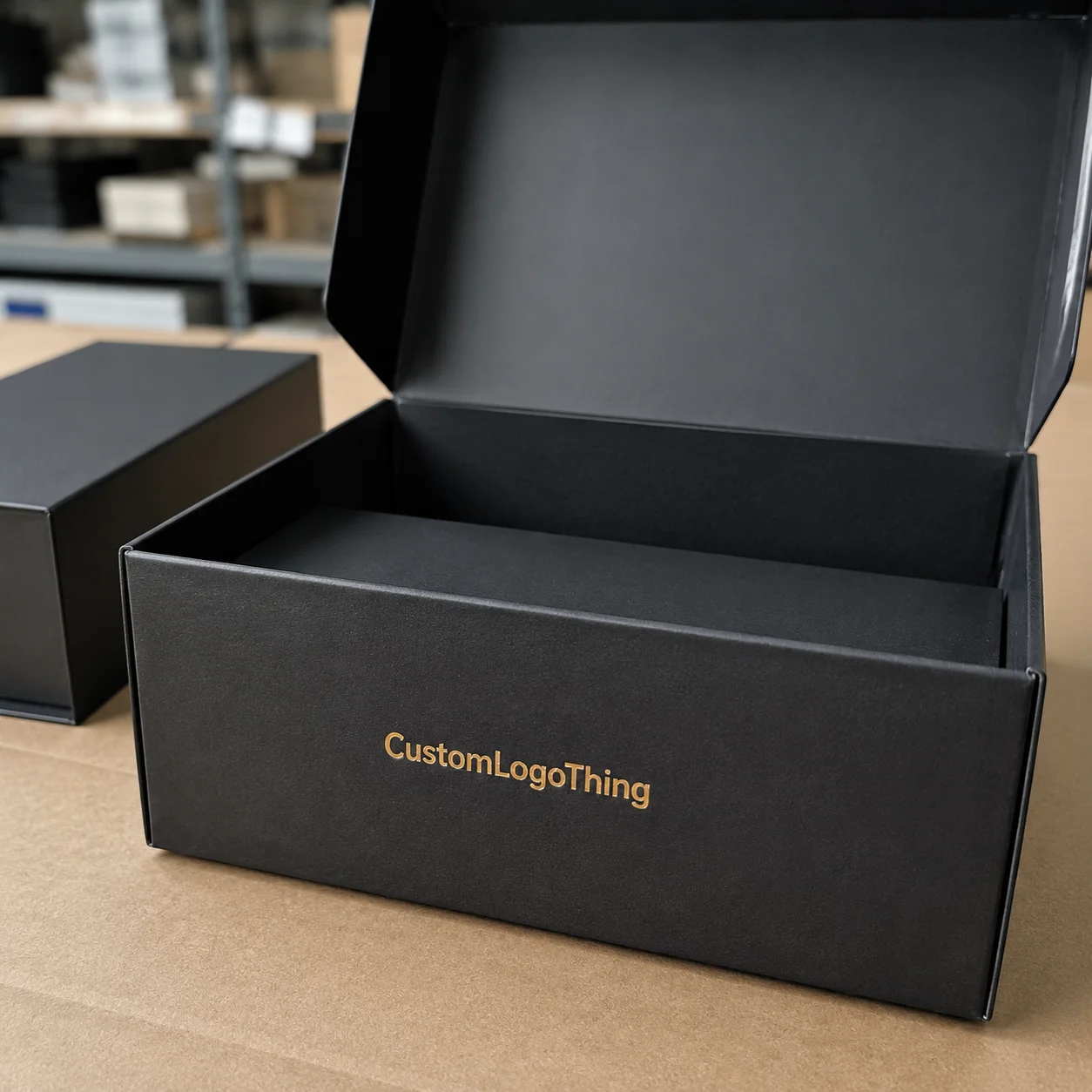
Custom Mailer Boxes with logo keep showing up in e-commerce, subscription, and direct-to-consumer packing rooms for a reason. They are self-locking corrugated cartons printed, stamped, labeled, or finished with a brand mark, and they do more than carry a product from point A to point B. They support branded packaging, strengthen package branding, and turn ordinary product packaging into a piece of retail packaging that customers remember. I’ve seen a simple logo on the outside of a mailer do more for perceived value than a stack of polished talking points ever could, especially on a 350gsm C1S artboard insert paired with a kraft corrugated shell.
At Custom Logo Things, I usually explain it this way: a standard shipping carton is built to move freight, while Custom Mailer Boxes with logo are built to move freight and tell a story. Both have a job to do, but the branded one also says, “this order came from a company that pays attention.” That matters more than many buyers think, especially when the product is fragile, high-margin, or part of a subscription that arrives monthly. And yes, I have absolutely had clients argue that “the box is just a box” right up until they saw the customer photos rolling in from Brooklyn, Austin, and Orange County.
Custom Mailer Boxes with Logo: What They Are and Why They Matter
Custom mailer boxes with logo are typically corrugated boxes with tuck-in or self-locking features, made to open neatly, close securely, and present a brand in a polished way. I have seen them used for apparel, candles, supplements, books, beauty kits, and small electronics, and the structure matters just as much as the print. A well-designed mailer in 32 ECT single-wall board can handle a lot more abuse than a thin folding carton, especially if the ship route includes a few rough conveyor transfers and a delivery truck or two from a warehouse in Atlanta, Dallas, or Chicago. If you’ve ever watched a package bounce down a metal roller line, you know exactly why board grade matters.
Businesses choose custom mailer boxes with logo because they want protection and presentation in one package. A branded mailer makes the first touchpoint feel intentional, and that can influence how people judge the product before they even open the lid. In two different client meetings I sat through in Southern California, the marketing team was focused on Instagram photos while the operations team only cared about compression strength; the sweet spot was a box that did both, which is where good packaging design earns its keep. I’m biased, but I think that’s the whole trick: make it look good enough to impress, then make it tough enough to survive a warehouse stack of 12 to 15 high.
There is also a practical side. Because custom mailer boxes with logo often use corrugated board with an engineered flute, they can be sized to reduce void fill, prevent product shifting, and keep shipping weight under control. That is especially helpful for subscription kits, where every extra ounce can add cost across thousands of shipments. A lot of people overpay for filler because the box dimensions were chosen before the product was fully measured, which is one of those irritating packaging mistakes that costs money twice—first in materials, then again in freight. Even a 0.25 inch oversize gap can force an extra sheet of kraft paper or an air pillow insert into every order.
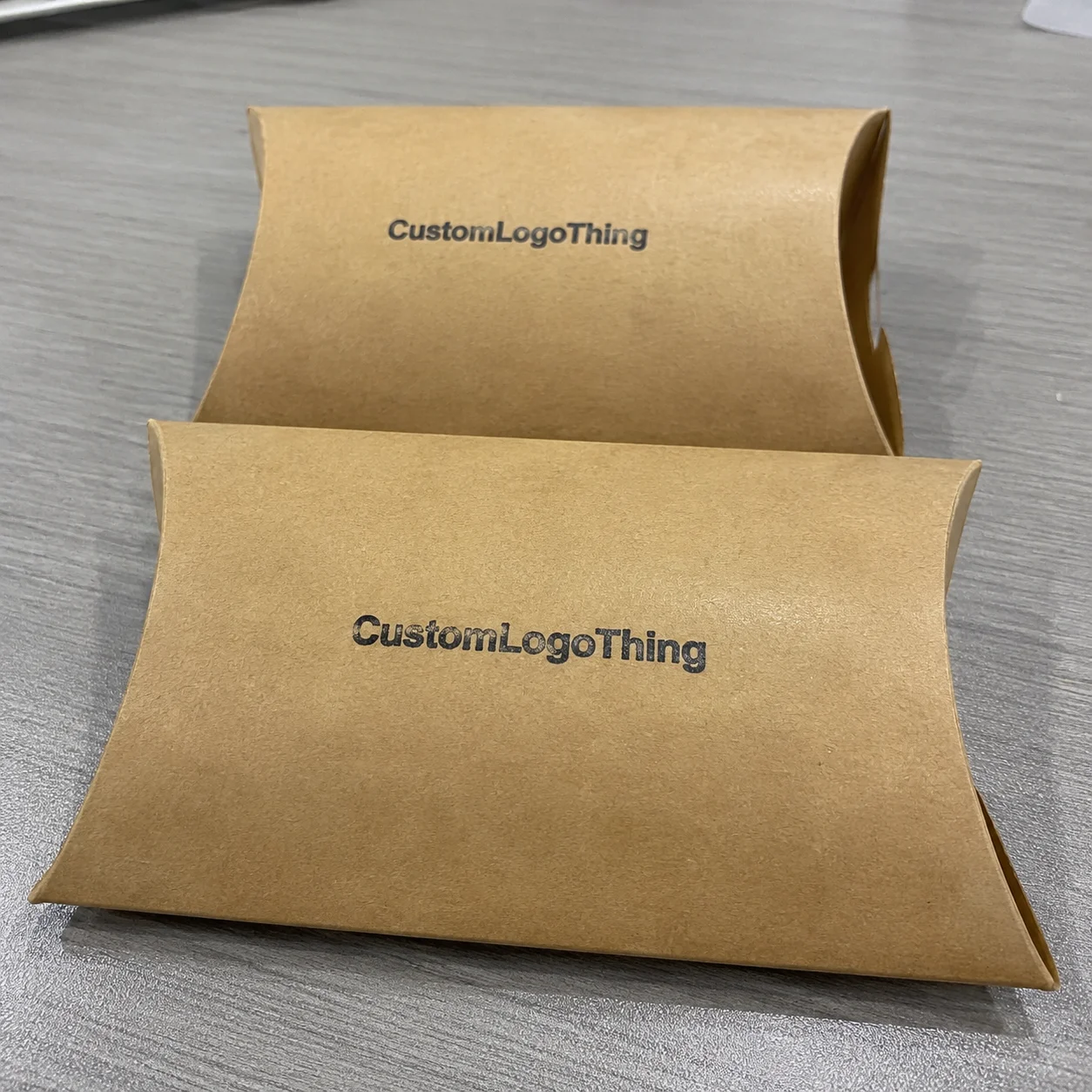
Standard shipping cartons are usually plain kraft or white, with no real brand message beyond a label. By contrast, custom mailer boxes with logo can include a printed exterior, a branded interior, special coatings, and inserts that guide the customer through the opening experience. That is why they sit at the intersection of logistics and marketing, and why they have become a staple for brands trying to look bigger, cleaner, and more reliable than a generic shipper ever can. A decent logo on a sturdy box can carry more brand memory than a whole week of ads, which is a little annoying for people who spent a fortune on the ad campaign, but also true when the unit cost is only $0.15 per box at 5,000 pieces for a basic one-color run.
“We used to think the box was just the box,” one fulfillment supervisor told me while we were checking closure tabs on a folding machine. “Then we saw customers keep the mailer for storage, and that changed the entire way we spec’d the packaging.”
If you are building out a broader packaging program, it helps to compare these mailers with other options in your line. I often point buyers to Custom Packaging Products when they need a mix of boxes, inserts, and mailers that work together, or to Custom Poly Mailers when the product is soft goods and a rigid corrugated structure would be overkill. I’ve also had more than one client try to force a poly mailer into a job that really wanted corrugated protection, and the result was, politely speaking, a mess that took two reruns and a Friday afternoon to fix.
How Custom Mailer Boxes with Logo Are Made
The production flow for custom mailer boxes with logo usually starts with a dieline, which is the flat technical drawing that shows score lines, glue zones, cut edges, and folding panels. I have spent more hours than I care to count standing beside a converting line in a Shenzhen facility while operators checked that the lock tabs and tucks matched the board caliper exactly; if the dieline is off by even 1 to 2 millimeters, the box may still fold, but it will not feel right in the customer’s hands. And once you’ve seen a box pop open with a sad little flap that refuses to sit flat, you never forget to check the dieline twice, especially on a 10,000-piece run where the tooling was cut on a CNC table in Guangdong.
After the dieline, the team chooses the board. For most custom mailer boxes with logo, E-flute and B-flute are common choices. E-flute is thinner, with a finer profile that prints well and feels cleaner for premium retail packaging. B-flute is thicker and usually stronger, so it is often selected for heavier products, more protection, or longer transit routes. For a 1.2 lb candle set, I might be comfortable with E-flute; for a heavy skincare bundle with glass jars, I would look harder at B-flute or a double-wall option depending on the ship method. A 350gsm C1S artboard wrap on a corrugated base can also give you a cleaner print face if you want sharper text and tighter logo edges.
Printing methods matter too. Digital printing is ideal for shorter runs of custom mailer boxes with logo because it handles variable artwork and smaller volumes without a huge setup burden. Flexographic printing makes sense when the design is simpler, such as one or two colors on kraft board, and the volume is large enough to justify the plates. Litho-lamination gives a very clean, premium face by printing on high-quality paper first and then laminating it to corrugated board, which is why you often see it in higher-end custom printed boxes. I’m personally fond of litho-lam for luxury projects, though it can make a perfectly calm procurement person suddenly start squinting at budgets in pounds sterling, dollars, and cents all at once.
Finishing can change the whole feel of the package. Aqueous coating adds protection and a subtle sheen, matte varnish softens the look, gloss makes colors pop, and spot UV can highlight a logo or pattern with a raised, reflective effect. I have watched buyers in a sample room change their minds in ten seconds once they saw the same custom mailer boxes with logo with gloss on the outside and a soft-touch interior; the product suddenly felt like a premium gift instead of a shipping container. That moment is always funny to me, because people act like they were never emotionally attached to a paper box in the first place, even though they were just asking for a 3 to 5 business day sample turnaround from a factory in Dongguan.
Here is the part many first-time buyers miss: machine setup and order quantity influence consistency. If you are ordering 500 custom mailer boxes with logo, the factory may run digital print with quick conversion and hand packing. At 10,000 units, there may be more press time, more tooling, and tighter process control, which can improve repeatability but also requires more planning. A box is not just artwork on paper; it is a product of board feed, die cutting, gluing, folding, and packing speed. I’ve seen a tiny rush order expose every weak link in a schedule, which is never as charming in real life as it sounds on paper, especially when proof approval was delayed by two days because of a color swap.
Key Factors That Affect Design, Cost, and Pricing
The price of custom mailer boxes with logo usually starts with size. Bigger boxes consume more board, take more storage space, and often ship at a higher freight class. A 9 x 6 x 3 inch mailer can cost materially less than a 14 x 10 x 4 inch version, even before print coverage enters the picture. I have seen brands spend an extra few cents per unit because they chose a box one size too large and then filled the dead space with paper, which is not exactly efficient packaging design. It’s the packaging equivalent of buying a suit two sizes too big and then saying the belt will fix it, even if the excess board adds $250 to a 5,000-piece order.
Board grade is the next major driver. Stronger corrugated board, better liner stock, and higher burst or edge crush specs generally increase cost, but they also reduce damage risk. For example, a 200 lb test or 32 ECT board may work for lightweight apparel, while heavier product packaging may need higher performance. With custom mailer boxes with logo, choosing the lightest board that still protects the product is usually smarter than chasing the cheapest price on paper alone. Cheap board has a way of becoming expensive after the first broken shipment, especially if your distribution center is in Nevada and the orders are traveling through dry heat and rough sorting equipment.
Print coverage and color count also shape pricing. A single-color logo on kraft board is far less expensive than full-bleed, full-color artwork inside and out. White ink on kraft, metallic accents, or special brand colors can add press time and waste during setup. If your custom mailer boxes with logo include rich photo imagery, the factory may need tighter registration and more careful color control, especially if the design uses gradients or large solid backgrounds. Honestly, this is where a lot of “simple” designs suddenly stop being simple, and where a sample that looked fine on a monitor in Los Angeles can print very differently on a press in Suzhou.
Quantity changes everything. Small runs of custom mailer boxes with logo often carry a higher unit price because setup cost is spread across fewer boxes. Larger runs usually lower the per-box cost because tooling, die cutting, plates, and machine adjustments are amortized over more units. I once negotiated a 3,000-unit order for a wellness brand that wanted a very low unit target, and the honest answer was that dropping from 3,000 to 10,000 units cut the unit cost enough to fund the interior print without raising the total budget much at all. That was one of those rare moments where the math actually behaved itself, and the quote moved from $0.48 to $0.31 per unit purely because the press setup was spread across more cartons.
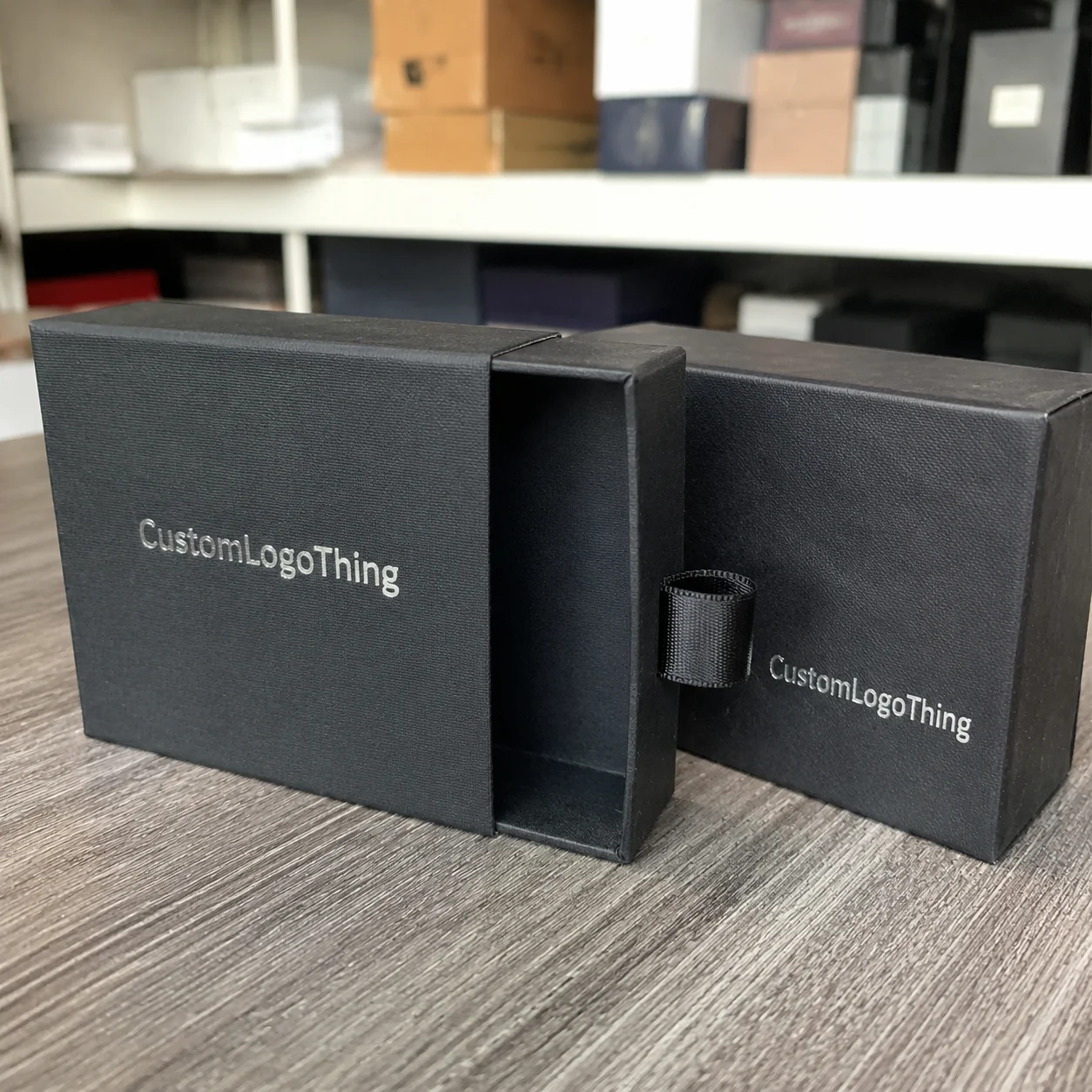
Special structures and finishing details increase budget too. Window cutouts, custom inserts, tear strips, magnetic closures, embossing, foil, spot UV, or complex multi-panel designs all add time or tooling. If you are comparing quotes for custom mailer boxes with logo, do not look only at unit cost. Compare the full package, including setup fees, tooling, proofing, freight, and the lead time attached to each quote. I’ve seen a “cheap” quote become the most expensive one in the room once all those extras got dragged into the light, especially when expedited freight from Long Beach added another $180 to the shipment.
| Option | Typical Use | Cost Impact | Notes |
|---|---|---|---|
| Single-color digital print on kraft | Small runs, simple branding | Lower setup, higher unit cost at very low quantities | Good for lean launches and test shipments |
| Full-color digital print | Short runs with rich artwork | Moderate cost, strong flexibility | Works well for seasonal campaigns |
| Flexographic print | Large-volume repetitive designs | Lower unit cost at scale | Best when artwork is simple and quantities are steady |
| Litho-laminated finish | Premium retail presentation | Higher cost, premium appearance | Often used for upscale custom printed boxes |
For sustainability-minded buyers, recycled content and FSC-certified paper can be part of the spec as well. If that matters for your brand, check the documentation carefully and ask the supplier about chain-of-custody claims. The FSC site explains certification basics, and the EPA has useful guidance on paper recycling and materials management. These details do not always change the box price dramatically, but they can affect sourcing, paperwork, and customer messaging, especially if your buyer needs certificates before a 20,000-unit reorder gets released.
How Do Custom Mailer Boxes with Logo Help Branding?
Custom mailer boxes with logo help branding by turning a shipping container into a recognizable brand touchpoint. The customer sees the logo before the product, which means the package starts building expectation the moment it lands on the porch, in the office, or at the apartment front desk. That first visual cue matters because it makes the order feel intentional, not generic, and it helps a brand look established even when the team is still scaling from a few hundred orders to several thousand.
They also support consistency. If the same logo, color palette, and typography show up across your mailers, inserts, and inner packaging, the experience feels coordinated. That kind of package branding is especially useful for e-commerce and subscription boxes, where the box itself often becomes the first physical proof that the brand is real, premium, and paying attention to detail. I’ve seen customers save custom mailer boxes with logo for storage, gifting, and drawer organization, which is a useful reminder that a good mailer can live a second life long after delivery.
From a practical standpoint, custom mailer boxes with logo also help with repeat recognition. A branded box can make it easier for customers to spot your shipment among the daily pile of parcels, and that recognition can improve the perceived value of the order before the seal is even broken. I have watched that happen in warehouse dispatch bays, in apartment lobbies, and in retail pickup counters, and the same pattern keeps showing up: the box is not just packaging, it is part of the brand memory.
Step-by-Step Process to Order Custom Mailer Boxes with Logo
The first step is measuring the product correctly. Do not guess. Measure the length, width, and height of the item as it will ship, including inserts, tissue, bubble wrap, or molded trays if those are part of the packout. For custom mailer boxes with logo, the best fit is usually snug but not crushing, with just enough clearance so the product slides in without force and the box still closes cleanly. I’ve watched one-inch of extra space turn a nice packout into a rolling pin parade, and nobody wants that, particularly not when the box is only 8 x 6 x 2 inches and every millimeter matters.
Once the dimensions are set, choose the style and material. If you need lightweight branded Packaging for Apparel or accessories, E-flute may be enough. If the item is heavier, fragile, or likely to be stacked, B-flute or a stronger board may be better. This is where product packaging has to balance aesthetics with real transport stress, not just shelf appeal. I think this step gets rushed more than any other, and then everyone acts surprised when the product arrives with a bruised corner after a 600-mile freight run from Phoenix to Denver.
Then comes the artwork. The cleanest files are vector formats such as AI, EPS, or print-ready PDF, because they keep edges sharp on logos and line art. Place the design on the dieline, keep important elements inside the safe zone, and include bleed where the printer asks for it. I have seen nice custom mailer boxes with logo ruined by a logo sitting too close to a score line, which meant the mark disappeared a bit when the box folded. That kind of thing is maddening because it is so preventable, and because a 2 mm shift on a dieline can become a very visible mistake once 5,000 cartons are on a pallet.
Before production, approve a proof or sample. That proof can be a digital mockup, a flat printed proof, or a physical sample depending on the job size and budget. For a new brand or a first run, I prefer a physical prototype whenever the timeline allows, because a screen image never tells you how the board will close, how the print will sit on the crease, or how the box feels in the hand. If the sample feels off, it probably is off. Packaging has a way of telling the truth if you give it five seconds, especially if the prototype comes back from a supplier in Vietnam or Malaysia and the closure tension feels too tight.
Here is a practical ordering sequence I use with clients:
- Confirm product dimensions and target ship weight.
- Choose board type, print method, and finish for the custom mailer boxes with logo.
- Send artwork in the correct file format.
- Review the dieline and proof notes carefully.
- Approve sample or digital proof.
- Move into production, packing, and shipment.
That sequence sounds basic, but it prevents the most common delays. A missing dimension, a bad logo file, or a last-minute insert revision can add days or even a week, especially if the factory has already queued other jobs on the press. In my experience, the smoothest orders are the ones where the buyer treats custom mailer boxes with logo like a technical purchase, not just a design purchase, because the difference between a 12-day and a 19-day timeline is often just one approval round.
Process and Timeline: What Happens After You Place the Order
After you place an order for custom mailer boxes with logo, the factory usually starts with prepress review. This is where artwork, dieline fit, color usage, and board spec are checked before anything is printed. A good supplier will flag issues such as low-resolution images, missing bleed, or a logo placed over a fold line. That review can save a lot of grief later, and it is one reason I always tell buyers to ask questions early rather than after the first press sheet is already running. I’d much rather hear a “please revise this” email than a truckload of boxes with the logo cut in half, particularly if the cartons are already booked on an ocean container out of Shanghai.
Material sourcing comes next. The board, liners, inks, coatings, and any inserts or foam components are pulled or scheduled. Depending on the factory and the order size, the timeline for custom mailer boxes with logo can move from a few business days to a few weeks. Print method matters here; digital jobs can move faster, while litho-laminated or highly finished orders may require more steps and longer drying or curing times. If you’ve ever waited on a coating to cure while a launch date stared back at you, you know exactly why planners start drinking more coffee around this stage, especially when proof approval came in at 4:40 p.m. on a Thursday.
Then the converting stage begins. The printed sheets or blanks are cut, scored, folded, glued, and bundled. Quality checks happen along the way for color consistency, alignment, glue strength, and locking tabs. At a plant I toured in Pennsylvania, the QC team pulled every fiftieth mailer from the line to test closure friction and corner crush resistance, which is exactly the kind of detail that separates decent packaging from truly dependable packaging. I still remember the sound of those boxes snapping shut—satisfying in a weirdly addictive way, and proof that a 1.5 mm score depth can make all the difference.
Timelines vary, but a realistic planning window for custom mailer boxes with logo might look like this:
- Proof approval: 1 to 3 business days
- Production: typically 12 to 15 business days from proof approval for standard runs
- Complex finishes or larger volumes: 15 to 25 business days
- Freight transit: depends on origin, destination, and shipping method
Where do delays happen most often? Artwork revisions. Missing dieline information. Size changes after approval. Sometimes a buyer simply underestimates how long freight takes, especially when shipping from an overseas facility. Rush production may be possible for certain custom mailer boxes with logo, but the tradeoff is usually less flexibility on material selection or finishing options, plus a higher unit cost. I’ve never met a rush order that didn’t arrive with at least one tiny emotional crisis attached to it, and I’ve seen rush fees add 10% to 20% to the total invoice when a client needed an air shipment to Los Angeles in under a week.
Common Mistakes to Avoid With Custom Mailer Boxes with Logo
The most common mistake I see is poor sizing. A box that is too large wastes board, raises freight, and lets the product slide around. A box that is too tight makes packing slow and can crush inserts or edges. With custom mailer boxes with logo, that sizing error is painful because it affects both performance and appearance, and it tends to show up only after the first thousand units are already in the warehouse. That’s the sort of mistake that has everyone suddenly very interested in tape, filler, and “creative solutions,” which is never a good sign, especially if the pallets are already staged in a 3PL in New Jersey.
Another mistake is ignoring shipping conditions. A box that performs beautifully in a clean sample room may fail after being stacked, dropped, or exposed to moisture during transit. If your product is fragile, heavy, or sensitive to humidity, the structure of the mailer should be chosen with those conditions in mind. That is why I like to ask how the box will travel, not just what it will hold. A subscription kit that travels across the country every month needs different treatment than a local retail handoff, and I wish more teams would say that out loud before ordering, especially if summer humidity in Houston or winter dryness in Salt Lake City is part of the route.
Weak artwork files create trouble too. Pixelated logos, incorrect color expectations, and poor placement around folds can turn an otherwise strong package into a disappointment. The rule of thumb for custom mailer boxes with logo is simple: send print-ready artwork, confirm the color standard if possible, and keep important elements away from creases, edges, and locking tabs. If your logo is sitting in the fold line, the box will absolutely announce that fact to everyone involved, usually across all 2,000 units of the first production batch.
Some buyers also treat the box like decoration only. That is a mistake. Packaging has to balance branding, cost, and function. If the box looks beautiful but costs too much to ship or fails in transit, it is not doing the full job. A smart packaging program treats custom mailer boxes with logo as part of the supply chain, not just the marketing budget. I can promise you the warehouse team will feel that difference immediately, usually with a sigh loud enough to hear from the hallway and a stack of damage claims by the end of the week.
One more thing: always test a sample before full production if the order is new. A 20-piece prototype can expose closure issues, print concerns, and insert fit problems before the factory runs 5,000 or 10,000 units. That small test saves more money than almost any other step in the buying process. It also saves that weird feeling of opening a pallet and realizing the box is technically correct but somehow emotionally wrong, which happens more often than people admit when the sample was approved over email in under 24 hours.
Expert Tips for Better Branding and Smarter Buying
If you want custom mailer boxes with logo to work harder for your brand, keep the exterior clean. High-contrast logo placement usually reads better after the box has traveled through a warehouse, a carrier hub, and a porch delivery. A centered logo on kraft can look sharp, but only if the typography stays bold enough to survive handling, scuffs, and tape overlap. I tend to prefer fewer design elements on the outside because the package needs to look confident, not busy, and because a restrained design often prints more reliably on 16-point board or 32 ECT corrugated stock.
I also like to build a second branded moment inside the mailer. That can be a thank-you message, a product care note, a QR code for reorder instructions, or a short brand story. This is where package branding gets interesting, because the customer experiences the box twice: once when it arrives, and again when it opens. For custom mailer boxes with logo, inside printing often costs a little more, but the added perceived value can be well worth it. Plus, a nice interior message can turn a routine delivery into a small surprise, which never hurts when your average order value sits between $28 and $65.
Do not buy based only on unit price. Look at total landed cost. A cheaper box that causes damage, requires more void fill, or ships inefficiently can end up costing more than a better-spec mailer. When I was working with a skincare brand that compared three suppliers, the middle-priced quote actually won because it included a tighter fit, fewer inserts, and lower damage risk, which reduced the real cost per shipped order. That’s the kind of math I trust, even if it occasionally makes the budget spreadsheet look like it needs a nap, especially after freight from California to the Midwest gets added in.
Think about growth too. If you expect product line expansion, try to standardize box sizes where possible. A family of custom mailer boxes with logo that shares common widths or depths can simplify inventory, reduce waste, and make reordering easier. That kind of planning matters once you move from a few hundred orders a month to several thousand, because warehouse efficiency starts to show up in labor cost very quickly. A tidy box program can save people from playing Tetris with inventory every afternoon, which is a favor everyone appreciates when a Manhattan packing table has only 18 inches of staging room.
When you are unsure about finish or strength, ask for samples. Material swatches, print chips, or a prototype can tell you far more than a PDF. If a supplier cannot show you how the corrugated board behaves, how the matte coating feels, or how the logo reads under warehouse lighting, I would be cautious. Good suppliers are usually glad to help buyers compare options for custom mailer boxes with logo because better decisions make better repeat orders. And if a supplier acts annoyed by sample requests, that usually tells you more than the sample itself, especially if they cannot quote a 12 to 15 business day timeline from proof approval.
Here is a quick comparison I often use with clients weighing a few common approaches to branded packaging:
| Buying Approach | Best For | Strengths | Tradeoffs |
|---|---|---|---|
| Plain mailer + label | Very small budgets | Fast, simple, low setup | Less memorable, weaker brand impact |
| Custom mailer boxes with logo | E-commerce, DTC, subscription kits | Balanced protection and presentation | Higher planning and proofing needs |
| Premium litho-laminated mailer | Luxury retail packaging | High-end appearance, strong shelf appeal | Higher unit cost and longer lead time |
If your brand also uses other formats, such as Custom Packaging Products for internal kitting or Custom Poly Mailers for soft goods, try to keep visual language consistent. That consistency makes the whole fulfillment experience feel more deliberate, even when the box styles are different. It also makes the warehouse shelf look less like a random flea market of packaging choices, which is a surprisingly nice side effect when the same navy logo and type treatment appear across every SKU family.
Next Steps for Ordering the Right Custom Mailer Boxes with Logo
The fastest way to move forward with custom mailer boxes with logo is to measure your product, define quantity, pick a board type, gather artwork, and request a quote with all the details in one place. If you send dimensions, target ship weight, finish preferences, and order volume together, you usually get a more accurate price the first time. That saves the back-and-forth that tends to slow packaging projects down by several days. I wish every buyer did this from the start, because it removes about half the friction right out of the gate and gives the supplier enough detail to quote something realistic, like $0.22 per unit for 2,500 pieces instead of a vague range.
I also recommend building a simple packaging checklist before you contact a supplier. Include product size, insert needs, shipping method, desired finish, brand colors, logo files, and the launch date. That checklist makes approvals faster and reduces the odds that someone will discover a missing detail after the proof is already being reviewed. For custom mailer boxes with logo, clarity upfront is usually the cheapest part of the whole process. The alternative is that familiar, deeply unhelpful phrase: “We should probably revisit the spec,” which can easily add 2 to 4 business days before production even starts.
If you are comparing two or three quotes, line them up side by side and compare the same things: board grade, print method, finish, unit cost, setup fees, tooling, freight, and lead time. I have seen buyers get distracted by a low unit price, only to find that shipping, inserts, or rush charges pushed the final cost well above the other bids. The smartest choice is the one that matches budget, durability, and the actual way your packages will move through the warehouse and carrier network. Packaging is one of those places where being a little more disciplined pays off every single month, especially when your reorder hits 5,000 units and freight varies by region.
Before production starts, review the final proof carefully. Check spelling, logo position, fold lines, and any inside messaging. Then plan reorder timing early so inventory does not dip below your safety stock. If your sales pattern is steady, ordering the next batch of custom mailer boxes with logo before you run out often prevents a scramble that leads to rushed decisions and higher freight. And if you’ve ever had to explain to a sales team why the branded box is delayed while the product is ready, you already know how quickly that scramble gets old, particularly when the next shipment needs to leave the warehouse in 12 to 15 business days from proof approval.
Custom mailer boxes with logo work best when design, budget, and shipping performance are planned together. Get those three parts aligned, and the box becomes more than a container; it becomes part of the product experience, part of the brand, and part of the reason customers remember you after the order is long gone, whether it shipped from a plant in Guangdong, a converting facility in Illinois, or a regional co-packer in Texas.
What are custom mailer boxes with logo used for?
They are used for shipping, subscription packaging, direct-to-consumer orders, and branded presentation boxes. They combine product protection with marketing so the package feels intentional rather than generic, and they are commonly spec’d in 32 ECT corrugated board or 350gsm C1S-faced laminates for premium presentation.
How much do custom mailer boxes with logo cost?
Cost depends on size, board thickness, print coverage, quantity, finish, and whether inserts are included. For example, a simple one-color run can land around $0.15 per unit for 5,000 pieces, while premium litho-laminated versions with coatings and interior print may cost several times more.
What is the usual turnaround time for custom mailer boxes with logo?
Turnaround varies by proof approval, print method, order size, and current factory workload. A standard production run is typically 12 to 15 business days from proof approval, while complex finishes or larger volumes may take 15 to 25 business days before freight transit.
What file format should I use for my logo and artwork?
Vector files such as AI, EPS, or PDF are best because they scale cleanly and keep print edges sharp. Artwork should be placed on the dieline with proper bleed and safe margins to avoid trim issues, and a supplier should confirm whether the print face is a 350gsm C1S artboard wrap or a direct-to-corrugate layout.
How do I choose the right size for custom mailer boxes with logo?
Measure the product plus any inserts or protective padding, then allow just enough room for a snug fit. A sample or prototype is the safest way to confirm the box closes properly and ships well, especially if the final packout needs to hold a fragile item through a 600-mile transit lane.