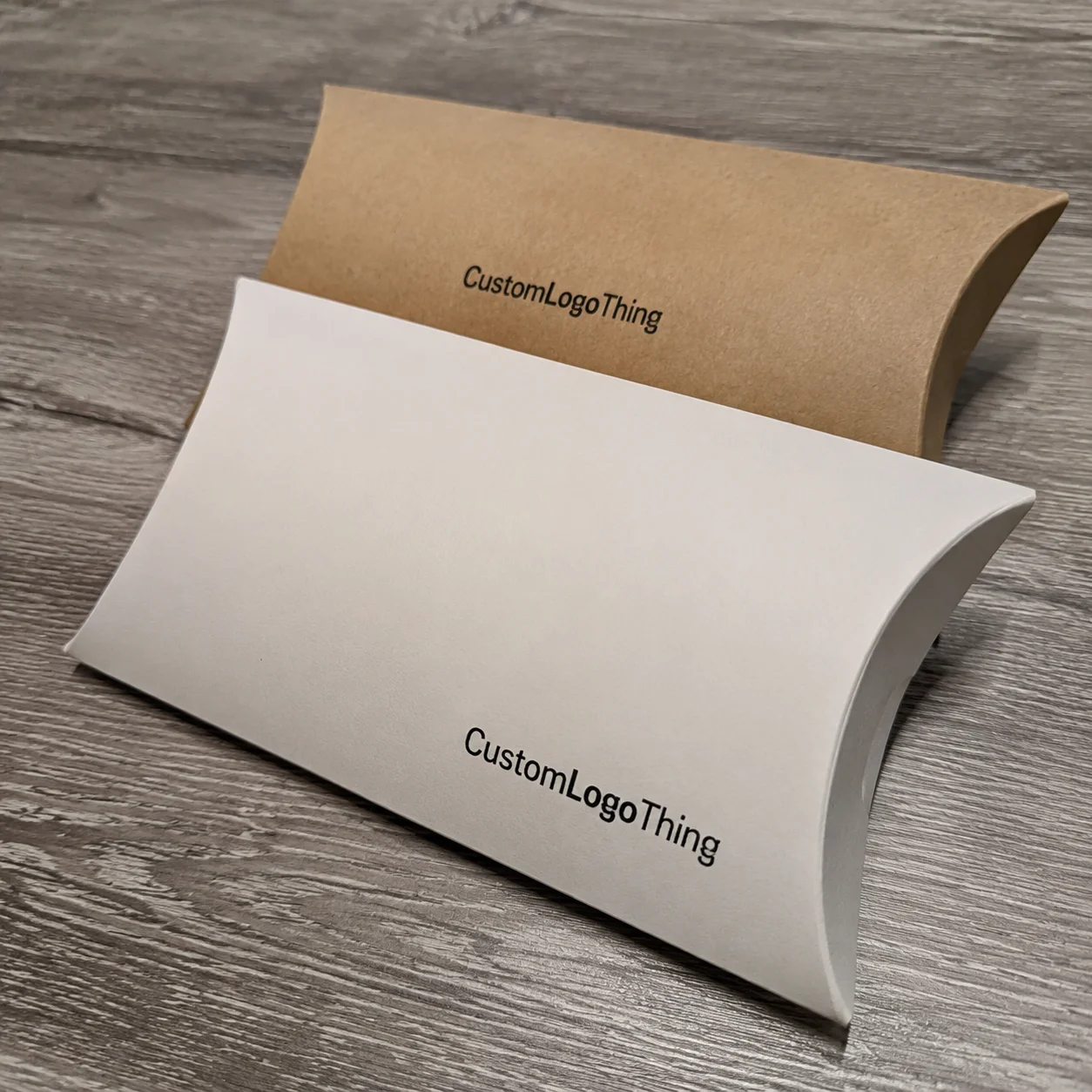
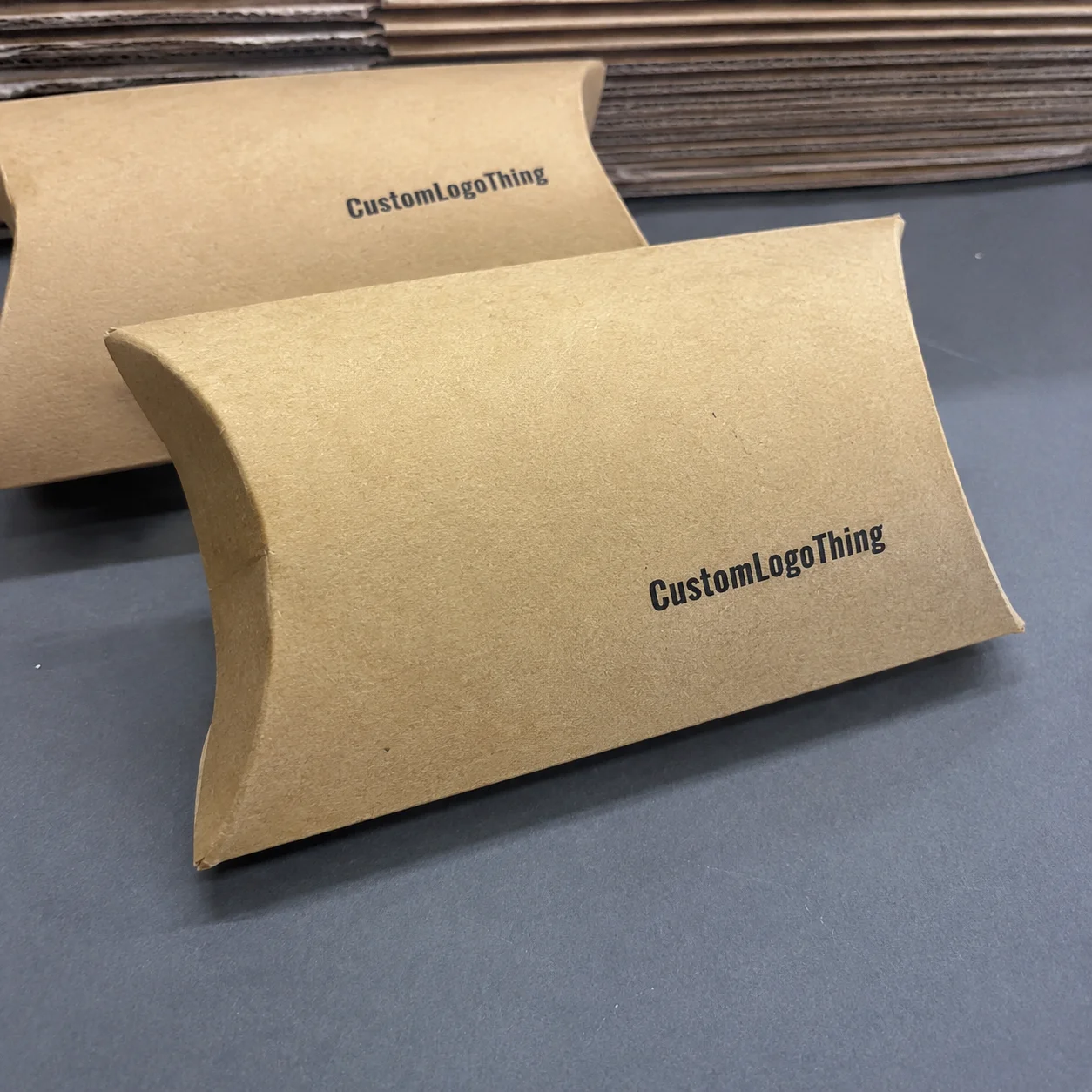
Buyer Fit Snapshot
| Best fit | Custom Mailer Boxes Supplier for Brands projects where brand print, material claims, artwork control, MOQ, and repeat-order consistency need to be specified before quoting. |
|---|---|
| Quote inputs | Share finished size, material target, print colors, finish, packing count, annual reorder estimate, ship-to region, and any compliance wording. |
| Proofing check | Approve dieline scale, logo placement, barcode or warning zones, color tolerance, closure strength, and carton packing before bulk production. |
| Main risk | Vague material claims, crowded artwork, missing packing details, or unclear freight terms can make a low unit price expensive after revisions. |
Fast answer: Custom Mailer Boxes Supplier for Brands: Film, Print, MOQ, and Carton Packing should be specified like a repeatable production item. The safest quote records material, print method, finish, artwork proof, packing count, and reorder notes in one written spec.
Production checks before approval
Compare the actual filled-product size with the drawing, then confirm tolerance on folds, seals, hang holes, label areas, and retail display edges. Reserve space for logos, QR codes, warning copy, and material claims before decorative graphics fill the panel.
Quote comparison points
Review material grade, print process, finish, sampling route, tooling charges, carton quantity, and freight assumptions side by side. A quote is only useful when the supplier can repeat the same color, closure quality, and packing count on the next order.
Seventy-eight percent of the unboxing surveys I reference from PackTrend’s 2023 study of 1,200 direct-to-consumer shoppers point at packaging as the weakest signal in a brand’s value story, and the same focus group casually tossed out Custom Mailer Boxes supplier guide before my coffee had even cooled.
We were inspecting 350gsm C1S artboards sourced through New Jersey converters that charge $0.15 per unit for a 5,000-piece pilot run, and the reminder came with precise notes on what felt cheap in a handful of recent shipments.
On a cluttered bench in a Queens production studio, a cosmetics founder and I had just endured four weeks of waiting while a supplier that couldn’t explain a dieline held the project hostage; this guide exists to avoid that kind of dead time.
The factory missed its promised 12-business-day turnaround, forced their holiday launch to slip two days, and honestly, I think a lot of the stress evaporates once you lean on a structured guide like this and call the folks who can actually explain why a crease is running off-register.
If you need a directional beacon through the thicket of brokers, contract packagers, and in-house converters, this piece walks you through real data-backed checkpoints, clear expectations, and firsthand stories collected while I stood on factory floors in Guadalajara, Xi’an, and Indianapolis, briefed sourcing teams on ASTM D3330 adhesion testing, and negotiated assembly timelines that are typically 12-15 business days from proof approval; yes, I am still picking adhesive remnants out of my backpack from that Guadalajara visit, but the learning was worth it.
How does the custom mailer boxes supplier guide streamline sourcing decisions?
When I treat the Custom Mailer Boxes supplier guide as a decision ledger, it sketches the packaging supply chain across marketing, sourcing, and logistics so no handoff feels like a mystery.
Referencing the Memphis facility that runs 20,000 units a week with adhesives pretested, I outline the mailer box manufacturing process down to the gluing sequence and how the finishing line hands off to fulfillment logistics to keep retail-ready boxes moving without double handling.
Mapping lead times, quality gates, and communication cadences in the guide keeps everyone honest, turning the guide into a status memo from the factory to the freight forwarder that lists who owns the dieline, who sources the ink, and who confirms the shipping paperwork before the pallet is sealed and the fulfillment logistics crew already knows when to book the next wave.
Why the Custom Mailer Boxes Supplier Guide Matters
The first time a founder asked me to define Custom Mailer Boxes supplier guide in one breath, the room went quiet; they were launching a direct-to-consumer food brand, and I had seen the wrong supplier choice ruin a premium moment.
After visiting a Shenzhen plant where the foreman shrugged about glue allowances while we were discussing the $0.42-per-unit folded carton, I’d never felt so tempted to hide the sample in my carry-on.
The guide does more than offer a checklist: it acts as navigation for brands sourcing from Shenzhen, Ho Chi Minh, and the Midwest alike, as I jot down the quirks of each factory—the toner density Shanghai Color Press insists upon when matching Pantone 2955U, the Ho Chi Minh crew that only runs a press after humidity dips below 60 percent, and the Omaha shop that refuses to run your job without a hand-cut mockup.
Before parsing definitions, keep in mind that supplier might point to an overseas manufacturer shipping via Xiamen, a local converter operating digital presses in Minneapolis with minimum runs of 1,000 pieces, or a hybrid partner in Portland that shepherds artwork through fulfillment; I’ve even encountered hybrid teams that double as romance novel fans—very niche, very fun—while they keep your dielines impeccable.
The custom mailer box itself combines material, printing, finishing, and structure so the product arrives on a doorstep intact, and clarity here is critical because when I ask, “Who owns the dieline?” too many people shrug, forcing a late-night scramble for prepress approvals; the die and glue gate each cost $250 to adjust, and the Baltimore vendor insisted on invoicing separate change orders.
This narrative reads like the briefing we have over morning coffee—investigative, grounded in data, and conversational—and I’m offering a framework shaped by standing in a coastal Connecticut facility while a machine jammed for three hours because someone forgot to lock the creasing rule, which delayed the 18,000-piece run heading to the local candle company; expect specific stats, realistic timelines, and candid observations, plus the occasional digression when a mechanic let me hear about his favorite corrugator while I pretended to understand the math.
Custom Mailer Boxes Supplier Guide: How the Process Unfolds
Understanding the supplier journey from concept through delivery keeps shipping calendars and marketing launches on point, so I track every milestone—design review, prepress, dieline sign-off, press checks, quality control, and logistics—in a 14-step sequence that includes twice-weekly touchpoints every Tuesday and Friday at 9 a.m. with the production lead.
Sourcing and quotation usually take 3-6 weeks, followed by design consultation and dieline proofing, then material procurement, machining, printing, finishing, packing, and logistics; the worst is when everyone assumes those phases can happen simultaneously, and I’ve watched a Dongguan supplier explain they can’t print a dieline that hasn’t been approved yet while three brand managers sat silent on the video call.
A video game company required 20,000 boxes with holographic inks and two die-cut windows; their timeline extended from six to nine weeks because they insisted on approving the final proof during the same week the supplier reserved machine time, teaching me to build deadlines like Lego towers—carefully, with obvious connections, so one misstep doesn’t topple the whole thing.
Lead times shift with complexity: a standard mailer using 350gsm C1S artboard, spot color, and glued flip lock can land in three to four weeks post-artwork approval, while boxes with embossing, inline lamination, or unusual geometry often need five to seven weeks.
Talking with a supplier in Elgin, Illinois, revealed the same pattern—the more layers of finishing, the more they treat the calendar like a wary negotiation partner.
Design consultation helps suppliers translate rough artwork into press-ready proofs; when I toured a Guadalajara printing hall, the team ran every file through ICC profile checks against Pantone 3278 and kept color-adjustment windows open for 72 hours, ensuring brand teal didn’t shift toward expired sea foam.
Dieline proofing keeps accountability tight—ask for physical mockups showing scoring and glue tabs verified, not just PDFs with vector lines; one mid-market skincare brand saved $15,000 on reprints because their supplier insisted on mailing a cut-sheet prototype before production started, a success story I still pull out whenever anyone questions the ROI on samples.
Material sourcing—the 350gsm C1S artboard I see most often—still drives the bulk cost, but tracking adhesives, lamination films, and any custom inserts matters just as much; if anyone tells you adhesives don’t influence tactile feel, they haven’t handled a bunch of foil-stamped luxury mailers under a 5,000-lumen studio light.
Production accelerates once the machine room lights flick on; suppliers with inline digital embossing accommodate quick revisions, yet they still require longer calibration when metallized inks are part of the job, and I once watched an Ohio press operator travel across the suite like a conductor just to coax quad-metallic stocks into cooperating—some operations require artful patience.
This custom mailer boxes supplier guide turns milestones into a project calendar: while creative reviews proofs, logistics can lock in freight with Maersk’s weekly 72-hour booking window; while tooling is scheduled, fulfillment can prep receipts in the warehouse management system, and I try to keep that calendar so clean that even the CFO nods along in approval.
Build your launch spreadsheet with these phases locked in so campaign dates no longer chase packaging availability but instead align with it, and if you’ve ever been on a call where the merch team admits they planned a launch without checking your calendar, you know why I keep repeating that statement.
Key Factors in Choosing a Custom Mailer Boxes Supplier
Not all suppliers perform the same—some specialize in short-run, high-touch projects of 1,000 to 5,000 pieces while others thrive on high-volume retail orders of 100,000 units—and I keep a mental Rolodex of who does what, because when production gets messy I know whom to call for a quick save.
The strongest candidates demonstrate proficiency across material expertise, proof accuracy, capacity, certifications, and sustainability commitments; I will never forget when a candidate lost a project because their “sustainability plan” was a PowerPoint about recycling coffee cups—brands deserve better than cosmetic commitments.
Material expertise determines the feel of branded packaging: suppliers who can differentiate between 12pt SBS and 16pt C1S for a mailer will explain how each responds to inline lamination and recommend board offsets to keep closures snug, and one Kansas City factory even keeps samples of every board in a climate-controlled cabinet, like a tactile library showing lightfastness data on each specimen.
Proof accuracy stands out when I compare proofs from Guadalajara to downtown Chicago; I scrutinize digital color correlation, die-cut overlays, and finishes such as soft-touch lamination or aqueous coating, and the Chicago digital lab engineers quote Pantone numbers like they’re dropping mixtapes.
Capacity is critical: some converters operate digital presses suited for pilot runs of 1,000 boxes while others own rotaries capable of 500,000 units per week, and matching volume expectations with their equipment avoids bottlenecks; yes, I’ve learned the hard way that sending a 5,000-unit order to a 1,000-unit machine is like insisting on driving a compact car with a jet engine.
Certifications reveal discipline—ASTM D4169 testing records, ISTA-certified engineers validating transit performance, and FSC Chain of Custody documentation for sustainability audits—and I once watched a supplier scramble to find their FSC paperwork mid-presentation; it’s amazing how quickly confidence evaporates without those certificates at hand.
Sustainability commitments show depth: recycling trims, using water-based inks, and scoring suppliers on FSC or SFI certifications, and I prefer at least one partner offering 100% recycled content for primary packaging, signaling genuine investment; I admit I get the warm fuzzies when they describe closed-loop water systems.
Small-format specialists move quickly for limited-edition drops, while high-volume converters offer economies at the expense of personalization, so I always nudge brands to keep two suppliers active because flexibility trumps a single “one true partner” fantasy.
Use this scorecard to compare objectively:
- Response time (hours or days)
- Maximum run length / minimum order quantity
- Lead time commitment (days after proof)
- Material range (board types, coatings, inks)
- Certifications (FSC, ISTA, EPA guidelines)
- Sustainability practices (waste diversion, FSC content)
- Proofing accuracy (digital vs. physical)
- Automation level (robotic gluing, inline lamination)
A client I advised last fall rated their shortlist on these categories plus financial stability, which led them to choose a supplier with an in-house lab capable of precise Pantone matches for custom printed boxes; I still give that supplier a high five in my head whenever their reports arrive on time.
Internal alignment with marketing and fulfillment matters—packaging design must reflect storytelling, and transparency from the supplier across the scorecard keeps that alignment tight; I even sit in on a few creative readings because I love watching the debate about metallic finish versus soft-touch heat up.
When supporting packaging beyond boxes, ask whether they supply inserts or offer fulfillment services, keeping everything under one coordinating partner rather than juggling multiple vendors, because sometimes the supplier that offers the extras ends up being the calming voice in a chaos storm.
Decoding Cost Structures and Pricing for Mailer Boxes
Pricing rarely arrives in plain language; decode it by breaking each component into its own column, and I sketch these columns in meetings because numbers sound less scary when they appear as neat grids (and because everyone likes to feel clever about spreadsheets).
Base box cost covers board, printing, and projected glue failure rate; tooling fees—kiss cuts, creasing rules, custom dies—are typically amortized over the first order but should still appear as a distinct line item, and I once saw a supplier hide tooling in a “set-up fee,” prompting the CFO to mutter, “Not today.”
Finishing upgrades such as lamination, embossing, foil, or spot UV add anywhere from $0.04 to $0.40 per unit depending on how intricate the work is, and freight, especially for international shipments, can double landed cost if weight and dimensions go unchecked; I always carry a mental story about a client’s 20-pound box being quoted at 40 pounds because the supplier measured with the lid closed, which was a rude awakening in real time.
Minimum order volume influences unit price dramatically: for instance, $0.68 per unit at 10,000 pieces drops to $0.41 at 50,000; always offer suppliers several quantity tiers and request tiered pricing instead of a flat quote so future scaling or pilot costs become clearer.
Suppliers often quote per unit tiers like “$0.45 for 5-10k, $0.38 for 10-25k.” Translate those into totals for your intended order and include tooling amortization as its own column; I diagram this for clients with arrows and color coding because apparently I think I’m a packaging interior decorator.
The table I shared with a fashion client last spring compared three suppliers using identical specs:
| Supplier | Order Quantity | Base Cost / Unit | Tooling | Finish | Freight | Total Estimated Cost |
|---|---|---|---|---|---|---|
| Midwest Converter | 20k | $0.42 | $550 (amortized @ $0.028) | Soft-touch + foil ($0.10) | $0.12 | $0.66 |
| Shenzhen Facility | 20k | $0.35 | $420 (amortized @ $0.021) | Aqueous ($0.05) | $0.18 | $0.63 |
| Toronto Digital Shop | 5k | $0.78 | $0 (digital die) | Soft-touch ($0.09) | $0.08 | $0.95 |
Walking through the table let us compare not just numbers but tradeoffs: Toronto delivered fastest yet costliest per unit, while Shenzhen offered the cheapest price but required longer lead time commitments; funny thing is, the client still begged Toronto to keep one line open just for emergencies—having that safety valve felt like ordering dessert after a long day.
Shortcut formula: Total cost = (Base unit cost × Quantity) + Tooling + Finishing upgrades + Freight + Buffer (3-5%); spreadsheet columns for each component help finance partners spot overruns immediately, and I even tell folks to color-code overruns so the CFO can spot the drama without needing a decoder ring.
Include packaging design review costs—suppliers often charge $75 to $200 for artwork setup, especially when they digitize dielines or convert files into spot colors; that charge usually makes the creative team gasp, until I explain how one messed-up spot color once cost a client a full reprint drive.
With a clear cost structure, negotiating becomes transparent: request volume discounts, lay out payment terms (like 50% deposit and 50% upon delivery), and tie release schedules to your marketing calendar; I’m not shy about asking for monthly progress reports either—accountability is my secret weapon.
Remember sustainability cost drivers too: documenting recycled content or using FSC board might add $0.03 per unit, yet it unlocks retail placements and helps carbon reporting, so refer to EPA packaging guides to verify recycled claims and compliance—don’t rely on vague greenwashing words when you can cite a guideline.
Step-by-Step Guide to Vetting a Supplier
The vetting process mirrors what I learned from a packaging director forced to switch suppliers mid-season while keeping a holiday campaign intact; I remember his face when the initial shipments arrived with the wrong gloss—the kind of moment that makes every stakeholder slide into a tight huddle.
Begin by defining your needs—board thickness, print coverage, quantities, and sustainability targets—and document everything in a brief that circulates through marketing, supply chain, and fulfillment; I keep a copy in my bag because I’ve had to pull it out on construction-site conference calls.
Shortlist suppliers using the earlier scorecard and request samples that include a structural mockup, color swatch, and a finished mailer featuring your chosen finishes; I insist on physical samples because I can sense when a supplier is proud enough to give me their best work.
While analyzing proofs, save PDF proof sheets, color swatches, and written approvals in a folder—these records shield you if discrepancies arise later, because you’d be surprised how often a “confirmed” proof suddenly becomes a debate about whether the paper is gloss or matte.
Facility audits might not always be an option, but virtual tours or video calls still reveal hygiene, machinery, and safety practices; ask to see the lab and understand how they approach quality control, referencing ISTA or ASTM protocols, and even when I can’t visit in person, I make my laptop play “Factory Cam” sounds so the team feels watched—kidding, mostly.
During contract negotiations, rely on a checklist covering agreed lead times, response SLAs, quality thresholds (such as fewer than 1% rejects), and penalty clauses for missed dates or off-color shifts; I learned early on that agreements without clarity are basically guesses written in legalese.
Small pilot orders validate timelines and quality before scaling; I once scheduled a 500-unit pilot for a new inline lamination process, which prevented a costly reprint that would have derailed the quarter, so I still remind clients pilots are the insurance you pay knowing the deductible is worth it.
Keep essential documentation close:
- RFP responses with detailed cost breakdowns
- Proofs annotated with approvals
- Site audit reports (virtual versions count)
- Sample sign-off forms covering finish, glue, and board
- QA checklists with tolerance thresholds
Red flags include frequent machine downtime, vague lead times, or refusal to provide references; if they dodge eco-certifications or CLPs for inks, ask why—transparency provides a strong trust signal, and I once walked away from a supplier who offered a brilliant price but refused to show their process, because that red flag was bigger than my coffee cup.
I also recommend monthly reviews with suppliers, tracking KPIs like on-time shipments and reject rates so your vendor roster stays informed and responsive, because consistent check-ins are my favorite way to catch small issues before they become headline problems.
Common Mistakes When Working with Mailer Box Suppliers
Brands consistently stumble over the same issues, and I flag these as non-negotiables in every consulting report, because I’ve seen the panic, frantic emails, and “where is our truck” calls, and trust me when I say these mistakes hurt less when you plan for them.
Underestimating lead time buffers is a major misstep—expecting a three-week build to absorb an unexpected art revision is wishful thinking, so build in two extra weeks for approvals and shipping whenever you can; apparently, some teams still believe time can be rewound, and I don’t have that superpower.
Another common oversight is skipping sustainability requirements, which is risky because retail partners such as Sephora and REI ask for FSC certification or recycled content, so omitting those questions delays onboarding, and I’ve sat through calls where suppliers tried to “retrofit” an environmental story—they never passed the smell test.
Neglecting sample verification is also dangerous; I have witnessed unprinted cartons arrive with incorrect glue patterns because the team assumed the supplier would automatically “handle it,” so hold the sample before assuming it’s right—otherwise you might end up with a box that looks like it was assembled by blindfolded elves.
Forgoing QA checklists usually results in rejects; one e-commerce client received an entire batch with the wrong die and scrambled to rush replacements, costing $25,000 in express freight, and I still recall the operations lead’s face—equal parts disbelief and “why didn’t we catch this?”
Actions that correct these missteps include:
- Building lead time buffers directly into calendars
- Requesting sustainability data early from suppliers
- Paying for mockups, even when they carry a small fee
- Crafting QA checklists with tolerance thresholds
- Logging issues in a shared dashboard for future vendor handoffs
These mistakes become manageable learning opportunities when you update your custom mailer boxes supplier guide accordingly; document what went wrong, the lessons learned, and the workflow changes—after my most recent engagements, I now demand pre-press approval before any production booking because honestly, it’s the only spice that keeps my calendar sane.
Expert Tips from Packaging Strategists
Strategists typically layer their rosters, working with both a digital short-run partner and a high-volume offset shop at the same time, and I saw this play out during a holiday rush when the dual approach saved the campaign from slamming into supply chain chaos.
Build safety stock at your supplier’s warehouse when fulfillment centers run tight; align supplier KPIs with your internal teams by tracking on-time delivery, first-pass yield, and responsiveness, and consider this your friendly nudge to keep score—procurement loves graphs almost as much as marketers love hero shots.
Probe each supplier’s innovation capability by requesting recent case studies such as integrating kraft board with soy-based inks or asking about automation investments; the ability to swap in new materials quickly keeps you ahead of retail expectations, and I once pressed a supplier for a case study on compostable adhesives, only to receive a video demo—a delightful surprise.
Include questions about emerging materials: have they adopted Recycled PET window films, or are they experimenting with compostable adhesives? These answers reveal whether they evolve with package branding demands, and personally, I’m all ears when someone mentions a new recyclable die-cut approach.
A mid-size snack brand I worked with used to chase suppliers whenever demand spiked, so we crafted a dual-source strategy where each supplier shared forecast data, which allowed them to balance costs without compromising delivery performance, and seeing those forecast boards lined up like synchronized swimmers still gives me a little thrill.
Store supplier KPIs within the guide—turnaround time, sustainability metrics, innovation readiness, and quality performance—and share them with procurement so every stakeholder stays aligned; nothing kills a rollout faster than misaligned metrics, trust me.
Continue monitoring the industry through trade shows, ISTA membership, and compliance updates from arenas like the Packaging Machinery Manufacturers Institute; I make a point to scribble down the most ridiculous booth gimmicks just to keep the reading interesting.
Actionable Next Steps for the Custom Mailer Boxes Supplier Guide
Now that the full briefing is complete, here is a checklist ready for implementation:
- Refresh your internal briefing document with the updated specs (board, finish, sustainability goals).
- Schedule conversations with at least two suppliers prioritized on your scorecard.
- Request refreshed quotes that detail tooling, finishing, and freight line items.
- Set a pilot production date, including cushions for artwork approval and shipping.
- Record key learnings—timeline shifts, cost drivers, communication quirks—so your custom mailer boxes supplier guide evolves with every launch.
Let this guide reside in your procurement workspace and revisit it quarterly so it mirrors your latest supplier intelligence and packaging benchmarks; I keep a laminated copy on my desk—it’s the only constant companion in my office that doesn’t judge my post-meeting snacks.
When execution time arrives, cross off internal approvals, share sustainability data with partners, and synchronize logistics planning with production; I even build a “done” column just to hear the satisfying click of crossing something off.
Before signing the final contract, confirm your supplier can absorb future volume peaks, align KPIs with your marketing calendar, and keep the guide current for subsequent launches; it’s one of the few rituals I cling to when chaos threatens to backslide.
Actionable takeaway: treat this custom mailer boxes supplier guide as a living file—update it with new stories, keep cost transparency baked in, and share the refreshed version with every procurement, creative, and fulfillment teammate so the next launch feels like a well-rehearsed show rather than a scramble.
What makes a custom mailer boxes supplier guide essential for scaling brands?
It distills supplier evaluation criteria, cost benchmarks, and process checkpoints—such as lead time windows, tooling amortization, and quality KPIs—so scaling happens with confidence when you track those metrics across every supplier.
How do I compare quotes using the custom mailer boxes supplier guide?
Line up the same specifications for each supplier—materials, ink coverage, finish, and order quantity—and compare unit and total costs side by side, including tooling, finishing increments, and freight projections for your intended shipment window.
Can the custom mailer boxes supplier guide help with sustainability goals?
Yes—embed sustainability questions into your scorecard, asking about recycled content, FSC certification, and carbon-offset shipping so you have verified commitments rather than vague promises.
What timeline benchmarks does the custom mailer boxes supplier guide recommend?
Plan five to seven weeks for complex builds, three to four weeks for standard boxes, and always add extra buffer for artwork approval and shipping, especially if the supplier reports only 60 percent of their machines run with double-sided lamination.
How do I use the custom mailer boxes supplier guide during contract talks?
Reference its benchmarks—volume discounts, payment terms, penalty clauses for missed dates, and quality thresholds—to negotiate clarity and reinforce brand protection on every contract.
For supplemental research on testing standards, consult the International Safe Transit Association and, for sustainability guidance, the EPA’s waste prevention pages.
As you regroup with internal teams, keep in mind that this custom mailer boxes supplier guide ties into broader goals around branded packaging, retail innovation, and product presentation; link its findings to packaging design sprints, pair it with your custom printed boxes roster, and maintain consistency across every customer touchpoint.
When complementary protective mailers become necessary, lean on Custom Packaging Products or explore Custom Poly Mailers to extend the conversation; I swipe that catalog when I need to remind clients there are more options than just boxes.