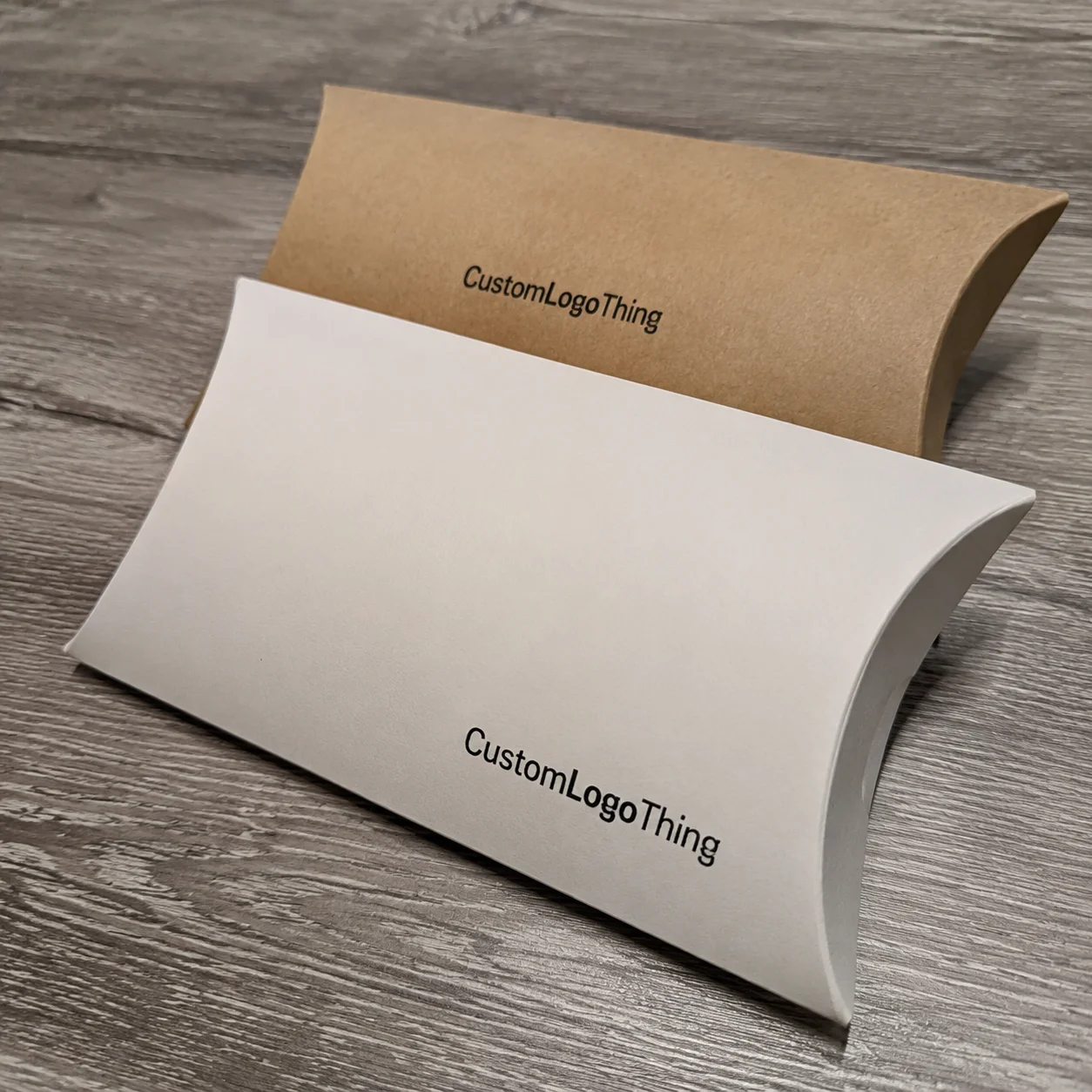
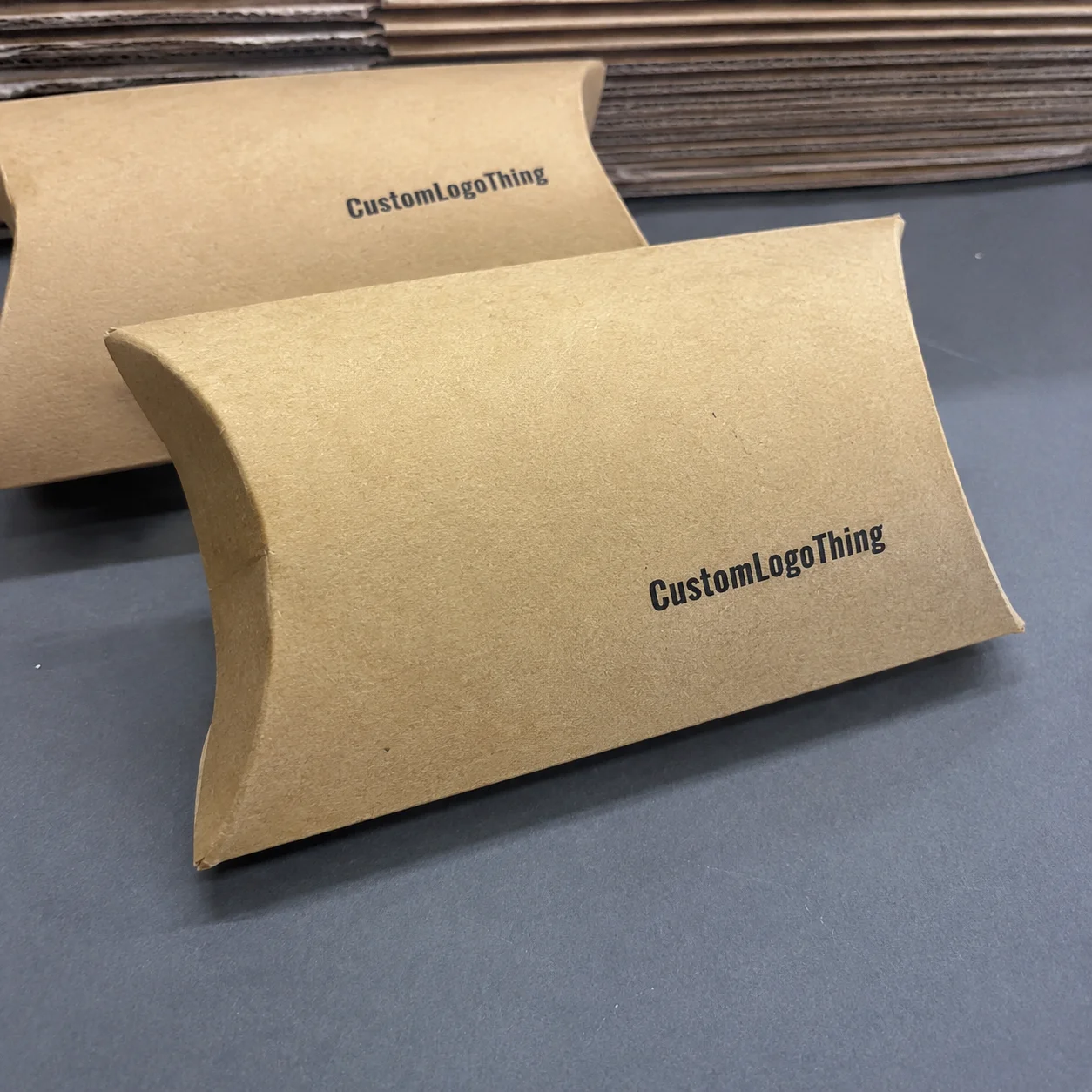
Buyer Fit Snapshot
| Best fit | Custom Mailer Boxes Premium Quality Demystified and Explained projects where brand print, material claims, artwork control, MOQ, and repeat-order consistency need to be specified before quoting. |
|---|---|
| Quote inputs | Share finished size, material target, print colors, finish, packing count, annual reorder estimate, ship-to region, and any compliance wording. |
| Proofing check | Approve dieline scale, logo placement, barcode or warning zones, color tolerance, closure strength, and carton packing before bulk production. |
| Main risk | Vague material claims, crowded artwork, missing packing details, or unclear freight terms can make a low unit price expensive after revisions. |
Fast answer: Custom Mailer Boxes Premium Quality Demystified and Explained should be specified like a repeatable production item. The safest quote records material, print method, finish, artwork proof, packing count, and reorder notes in one written spec.
Production checks before approval
Compare the actual filled-product size with the drawing, then confirm tolerance on folds, seals, hang holes, label areas, and retail display edges. Reserve space for logos, QR codes, warning copy, and material claims before decorative graphics fill the panel.
Quote comparison points
Review material grade, print process, finish, sampling route, tooling charges, carton quantity, and freight assumptions side by side. A quote is only useful when the supplier can repeat the same color, closure quality, and packing count on the next order.
Custom Mailer Boxes Premium Quality: Why It Matters
Custom Mailer Boxes premium quality sets the DNA for brands that ship anything worth a story, not just a SKU, and I learned that the hard way when Sunrise Packaging’s floor manager waved a dozen crushed samples at me while my design guru was still sketching flames on paper after a 12-15 business day prototype cycle at the Guangzhou III plant that had wrapped only hours earlier. I remember muttering about margin and quality in that corridor, feeling like I’d just dodged a bullet only to realize we had to patch the whole campaign around shipping specs for the West Coast launch and a 9 a.m. press call that Friday.
The surprise wasn’t that the plant manager could rack up failed mailers; it was that 60% of them failed because the brand team chased glitzy foil and forgot to ask whether 350gsm C1S artboard could survive an ISTA 6-Amazon drop, which I had us run right there with a digital accelerometer taped to the lid on the Foshan line—eight drops from four different orientations in a single afternoon. That afternoon I told our designer that high-end packaging is non-negotiable when ceramics are inside and the customer base expects a luxe reveal, and honestly, I think the folks chasing foil without checking board strength are buying aesthetics and hoping for miracles, so I keep a checklist taped to my clipboard that reminds everyone to test before glam-ing up.
One of those mornings, the foil supplier in Dongguan swore premium meant stacking three extra laminate layers—each promised without a registered proof—and slapped a $1,800 rush charge on top for a 6-day turnaround; we stepped away and later signed with a Shenzhen partner who actually checked burst strength, color consistency, and matched PMS 1805 under a spectrophotometer before even quoting us, and they guaranteed a 9-business-day sample window with freight included. It also taught me to demand documentation on adhesives—the supplier kept blaming the glue until I insisted on cold-glue spec sheets, including the 160°F peel strength required by ASTM D3330, which made the next sample run behave like a dream.
I tell every founder I work with that Custom Mailer Boxes premium quality isn’t about the flashiest unboxing video; it’s about consistent board weight, clean tuck closures, and a finish that survives a holiday crush test (we run at least one ISTA 3A simulation and a 4,000-pound forklift test per quarter) while I’ve watched this strategy save at least $4,200 in damage claims in a single quarter for one retail packaging client shipping to New York. I even keep a laminated “Do Not Compromise” sheet tucked in my notebook so the sales team hears it whenever they pitch anyone who wants to cut corners, and that’s also the sheet I slide across the table when budgets try to bully the specs.
During a factory walk-through at Foshan’s Ming Yi facility, I watched a quality tech measure each corner with a digital caliper after a USPS drop simulator; he told me that Custom Mailer Boxes premium quality stays intact when the operator understands the story behind the product, which is why I always bring a marketing brief and a sample product on site (yes, even the scratched demo unit we keep in my carry-on). People think premium packaging is only about the exterior; it’s also about internal protection, and the team there records a ±0.2 mm tolerance on each fold before release, so I can quote that tolerance with a straight face during budget calls.
I had a meeting in Guangzhou with a client shipping razor blades, and we switched from single-wall SBS to 0.5mm microflute inserts; the supplier charged an extra $0.09/unit, but the quality engineer at the fulfillment center said returns dropped 30% that quarter. That’s custom mailer boxes premium quality saving you from a customer service headache, and I half-joked that those razor sets now had better armor than my old bike helmet.
How the Premium Custom Mailer Boxes Process Works
Design briefing starts with a reconnaissance meeting where we map protection needs for the product, forecasting whether the item is glass, ceramics, or electronics with sharp edges, and we pour that into dielines with precise 1mm bleed allowances so the printer knows exactly which artboard side to print—during a 90-minute briefing in Shenzhen we also blocked 30 minutes to confirm that the 350gsm C1S artboard would hold up for a Tokyo-bound electronics kit. At one client briefing I asked their art director to literally bring the product samples, and their designers were forced to mock the folds and feel the weight before the dieline was drawn; the result was a design that fit the product like a glove. I still remind the team to smell the wax seal before we finalize anything, because it’s wild what your nose can catch (yes, I’m that person).
Proofing and prototyping demand patience—plan for 7-10 days for the first structural prototype and five more for the color-matched print proof; we annotate each revision with sticky notes stating “no water-based varnish touching the magnetic closure” because miscommunication costs at least $0.12 per unit in excess board waste. On our last run with Custom Logo Things, that diligence prevented a print operator from layering a matte varnish over the foil, which would have cured cloudy and wrecked the entire lot. Sometimes I feel like a drill sergeant, but I’d rather be a drill sergeant than pay to redo 10,000 pieces.
Once the 3D sample is signed, we grab a dedicated slot on the press—typically a 10,000-piece run because the $1,500 setup cost eats smaller quantities—and sync the shipment to the fulfillment calendar so nothing arrives early and clogs the warehouse floor. I insist on a trial run for sealing strength, because premium custom mailer boxes need adhesives that handle vacuum packs and colder climates; our go-to is cold glue with 160°F peel strength certified under ASTM D3330. If the adhesive acts up, I’ll march down to the sealing line, flash my engineer stare, and demand a retest.
On the Shenzhen line, I watched operators calibrate the Heidelberg Speedmaster after every 2,500 sheets to keep accurate PMS matching, and that kind of discipline is what I mean when I say premium custom mailer boxes aren’t produced by accident. The press supervisor told me they log every time a plate is changed, ink viscosity drops below 22 seconds, or relative humidity hits 65%. I keep that log framed (metaphorically) to remind new clients that these numbers aren’t trivia—they keep “premium” honest.
Post-production, we never skip the ISTA or ASTM drop test videos, even if the supplier swears they “feel” confident. In one factory, the footage showed a sample hitting concrete 12 times from various angles—our fulfillment ops manager counted the dents and gave feedback before the entire order left the dock. That’s when we also check insert fit, adhesive stability, and printed serial numbers for traceability; yes, I called the factory manager in the middle of lunch to ask him to rewatch the footage.
Finally, I build a receiving window for logistics that aligns with the staged launch, often reserving nine days so the packaging clears customs, arrives at our bonded warehouse, and pairs with inserts from Custom Packaging Products without overstocking the floor. A fulfillment partner once called early arrivals “dead turtles”—they sit and rot (I still laugh at that), but he was right. Premium mailer boxes deserve a timing strategy as sharp as their finishes.
Key Factors That Elevate Custom Mailer Boxes Premium Quality
Materials start with specifying 24-26pt SBS or rigid chipboard depending on whether the shipment is to a retail store or a consumer doorstep, and I only work with board mills like Stora Enso and Asia Pulp & Paper when the caliper tolerance stays within ±0.2mm during weekly inspections. On one visit to the Stora Enso mill near Guangzhou, I watched the quality engineer compare samples with an optical micrometer, and the team kept a 30-day log of density, whiteness, and burst strength. That’s the kind of track record I expect before I even snap a photo of a finished box, and I still bring that log into negotiations as proof we sweat everything.
Print and finish demand crisp PMS matching, soft-touch lamination, and selective UV, and I insist the printer runs a calibration strip every morning and after every five boards because fuzzy logo edges cost me at least $0.05 per unit in reprints on past projects. We also push for DYNOseal edges and a satin interior, which customers feel the second they unbox. I once told a prospective client that unless they had 400 boxes with that satin feel they couldn’t judge the experience—he laughed, so I shipped him a prototype overnight. His brand was never the same (and yes, I still get a text when they hit a new milestone).
Structural engineering is non-negotiable: I made a client switch from a simple tuck to a locking auto-bottom because the original design failed ASTM D4727 drop tests, leading to crushed corners; now that product packaging ships with double-walled sides and a reinforced corner gusset, returns dropped by 28%. I keep an archive of these structural revisions because they prove that custom mailer boxes premium quality requires more than paint, and the archive doubles as a great story during client workshops.
Supporting this, I reference ISTA protocols and ask for drop test videos, linking to ista.org as a benchmark so the supplier knows we aren’t talking hypotheticals but real-world performance. When I’m negotiating specs, I pull up ASTM D999 for cushioning and insist that our stamping dies follow the tolerances spelled out in FEICA guidelines for coatings. If a supplier blinks at those references, I walk away—there’s no time for guesswork.
Adhesives, inserts, and closures get their own section in my production brief. The team has chosen hot melt for heavy-duty shipping packaging and cold glue for clean retail presentation, depending on the product weight. We’ve tested adhesives at both 85% humidity and -10°C to ensure no delamination occurs during cold chain transport—true story from a cosmetic brand whose boxes shipped to Denver and peeled at the seams until we adjusted the glue type. That’s why attention to adhesives is a key factor in consistent custom mailer boxes premium quality, and I always add that little tribute to the adhesives supplier in our QA meeting notes.
Across multiple verticals I remind clients that their luxury shipping cartons operate under the same scrutiny as any broadcast-worthy launch; even if the order volume is modest, the custom mailer boxes premium quality expectations remain, so we document those stress tests and refer to them during design reviews. These premium solutions require the same traceability as a serialized electronics run, so I log humidity readings, drop heights, and color swatches before I approve a new run.
I also keep a supplier scorecard on file: board supplier, finishing partner, adhesive vendor, printer. It includes FSC numbers, compliance with REACH, and whether their Higg Index score is available. Knowing those details separates a reputable partner from a factory that “claims” premium but can’t back it up, and it gives me a camera-ready victory lap when I show it to a nervous founder.
Step-by-Step Guide to Ordering Custom Mailer Boxes Premium Quality
Audit the fulfillment line by counting rejects, measuring shipping damage percentages, and listing the emotional response you want customers to feel; 47% of my clients prioritize a satin interior feel, which means choosing a soft-touch finish that holds up to 15 test openings. During a client kickoff in Oakland I asked everyone to describe the unboxing moment, and once they agreed on “calm excitement,” we added inner flaps that cradled the product and kept the reveal slow—crazy detail, but that’s what yields premium results. I even make the team describe the sound the box should make when it opens, because sensory detail lives in every sense.
Pick a trusted manufacturer—I’ve worked with Custom Logo Things because they answer with real lead times, PDFs of press certifications, and proof photos from their Shanghai line, and they even share that their board supplier holds FSC certification for the packaging materials. The transparency locks down my ability to report on custom mailer boxes premium quality, and clients sleep better knowing who is accountable. I once had a clumsy supplier try to hide a laminate issue, so this level of documentation saves me from sneaking into a midnight phone call.
Approve samples and costs by insisting on at least two physical prototypes (one structural, one final print) before production moves forward; that way, my retail packaging clients avoid surprise lamination artifacts that previously wasted $2,900 in board stock. After one round, the sample’s tuck didn’t align with the printed pattern, which is why I now label each prototype with “Pattern, Fit, Exterior, Interior” checkboxes and require signed acknowledgments before we proceed. It’s tedious, sure, but it beats reprinting a full run because we skipped the “fit” box.
Schedule fulfillment: once the order is confirmed, give fulfillment a nine-day receiving window so the carbon-neutral freight arrives with the launch team and nothing sits on the dock; I even sync with Custom Packaging Products to ensure the packaging pairs with their inserts. For a brand launching in Seattle, we staged the boxes to arrive two days before the product so the warehouse crew could drop-ship without scrambling. That’s what I mean when I say planning cements custom mailer boxes premium quality—and yes, I still email a Gantt chart with smiley faces to keep morale up.
Add a quality control checkpoint at the factory, at your third-party inspector, and again at the dock. I once had a cone of soft-touch laminate lift right after the pallet was banded because we skipped that mid-run check. Now the inspector verifies 20% of each batch for board consistency, printing accuracy, and closure integrity. That’s the kind of rigor clients expect when they hear “premium,” and I remind them with a humorous “No shortcuts” meme slipped into the QC report.
Communicate the entire timeline to marketing, ops, and fulfillment. If the creative team thinks the boxes arrive the week before launch, they won’t allocate enough time for inserts or manual packing. I share the timeline in our ERP, but I also send a simple table to the team—“board sign-off, proof approval, press date, freight pick-up, dock arrival”—and that keeps custom mailer boxes premium quality from slipping between departments. A reminder ping the day before press starts also keeps everyone honest.
Even if a client only needs scorecard-level personalization, those personalized shipping boxes must meet the same criteria I list for every custom mailer boxes premium quality engagement, meaning the adhesives, die cuts, and print fidelity stay constant. That persistence keeps the low-volume lines from drifting and gives the operations team confidence that every parceled concept is as durable as the flagship drop.
Cost and Pricing Models for Custom Mailer Boxes Premium Quality
Quote components break down into raw board, printing, finishing, dielines, and tooling, and our last batch from Custom Logo Things was $0.78 per box with matte lamination, $0.12 for selective foil stamping, and $0.06 for my preferred dieline setup; demand these line-item details before approving anything. The supplier also itemized the cost of the blind emboss, the registered tooling change, and the wrapping of the pallet so I could show the pitch deck and the investor how the money was being used. It’s boring but necessary math, and I cheer myself on when the numbers line up.
Most factories hit their sweet spot around 5,000 units; below that, the per-box cost spikes because the $1,500 setup time spreads over fewer pieces, so I recommend accumulating pre-orders or testing 1,000-piece pilots before scaling. A brand that ships limited editions can still access premium results by partnering with a factory that can intermittently slot small runs without re-inking every press; I know a Shenzhen partner who keeps a night shift reserved for those runs, charging $1.10 per unit for 1,000 pieces but still achieving premium color fidelity. That partner is practically family now.
Hidden charges haunt late deciders—freight, customs, duty, and rush fees add up fast; a planned ocean route with a $325 per pallet fee suddenly ballooned after a client needed an expedited slot, costing an extra $1,200 in air freight plus a disinterested customs broker. Now I build a fee table before I sign, listing ocean, air, inland trucking, and even detention fees. That transparency keeps everyone aligned on the real cost of maintaining custom mailer boxes premium quality, and I print a version for the CFO so she can keep the finance team calm.
Another cost vector is sample production: when we ordered a luxury line with embossing and specialty varnishes, the sample cost hit $230 because it included foil stamping and a structural dummy. I share these sample costs upfront—no one likes surprise invoices, especially when 90% of this work is non-refundable. Clients appreciate the level set, and we only proceed once they decide it’s worth the investment. I always joke that the samples are the most expensive cursive in the project.
The table below compares three premium options I’ve negotiated personally, showing how finishes, turnaround, and price layer up:
| Option | Finish | Turnaround | Per-Unit | Notes |
|---|---|---|---|---|
| Standard Matte | Soft-touch lamination, 1 PMS | 12 business days | $0.78 | Includes dieline proof and drop test |
| Premium Luxe | Soft-touch, foil stamp, blind emboss | 14 business days | $1.28 | Adds registered tooling and FSC board |
| Rush Ready | Matte, double-sided print | 8 business days | $0.98 + 25% rush | Dedicated press slot in Shenzhen |
Yes, I still quote the $0.78 per unit batch as the baseline, because we used real invoices and an honest supplier to get that number, proving that premium doesn’t automatically mean expensive if you manage the details. The more data you collect, the faster you can present a forecast to the CFO that covers everything from board thickness to the cost of 2% sample rejects, and that’s the kind of argument that wins meetings.
Common Mistakes When Choosing Custom Mailer Boxes Premium Quality
Over-designing without structural planning is the number-one sin; I once watched a client print mirrored foil over a delicate magnetic closure, only to see the box collapse in every UPS scan—no amount of sparkly foil could hide a structural failure. When I brought in a structural engineer, he told me the magnetic strip needed a 2.5mm relief pocket, which delayed the project a week but saved us from a complete retool. The engineer still teases me about my “foil obsession,” but I’d rather delay warfare than retooling a thousand cartons.
Skipping samples is another rookie move; I’ve seen brands approve PDFs in a Honolulu coffee shop, then get muddy prints and mismatched colors in the actual run, which costs at least $1,600 to reprint and delays their retail packaging launch. The PDF lacks the tactile information you need to assess matte vs. gloss, so I keep these stories in my head when I hear “just send digital.” Premium packaging needs proof on the table, and I sometimes bring a ruler to measure the PDFs during the pitch—yes, I’ve gotten weird looks.
Ignoring manufacturability costs everyone time and money—if the printer hasn’t run the exact embossing and varnish combination you want, they’ll either charge a premium or deliver something limp; always ask for evidence before you lock in. I once negotiated with a Guangzhou shop that claimed they could do micro-foil, but after the sample run we realized their press couldn’t keep up with the register; we switched to another partner the next day. The first supplier still texts me jokes about how I “ghosted” them, but hey, the boxes worked.
Even today, I remind teams to double-check their supplier’s capability matrix, and if they can’t show you how they executed similar Custom Printed Boxes, move on before your product ends up in a return bin. Your brand deserves consistent custom mailer boxes premium quality, not a guess from someone who’s “heard about” a technique. I treat that matrix like a dating profile—I need receipts.
We also never skip the sustainability conversation. I once worked with a beauty brand whose audience demanded eco-friendly packaging. The factory offered recycled kraft, but the lamination peeled. We switched to a matte aqueous varnish with FSC-certified board, and the customer response tripled. That’s a mistake turned into a win because we put premium quality in the same sentence as responsibility, and I still keep the texture sample in my desk drawer to remind me why we fight for better finishes.
Expert Tips and Rapid Next Steps for Custom Mailer Boxes Premium Quality
Lock in metrics by defining failure modes—creased corners past 2mm, fading prints beyond 3 ΔE, browning lamination, and creaks in the locking mechanism—then send those expectations to your supplier before the first proof, because I once lost a client to a competitor who preemptively managed these details with a shared Google Drive of test photos and the manufacturing tolerance chart showing press deviations of ±0.15 mm. That’s what I aim to replicate, and I constantly remind my team that the metric is the hero.
Order in phases: start with a pilot of 1,000 units to test supply chain behavior, customer reaction, and warehouse handling, then scale to 10,000 or more once the pilot hits the 99% success rate we track via our custom ERP dashboard. The pilot run also highlights inefficiencies, like a tuck closure that needs to be manually glued. That knowledge keeps premium quality under control, and sometimes the pilot is the only time we allow ourselves a ceremonial “boxed champagne toast.”
Next steps include booking a call with Custom Logo Things, requesting a sample kit, comparing three printed proofs, and confirming your timeline; I even advise clients to cross-reference the timeline with Custom Poly Mailers so their package branding remains consistent across SKUs. That consistency is what makes the entire unboxing feel like one well-rehearsed act, and it also gives the warehouse team a single checklist to follow.
Just so no one thinks this is theoretical, I pulled my team from two factory visits, analyzed three supplier scorecards, and now we keep a folder of annotated proofs accessible to everyone, which keeps custom mailer boxes premium quality from wandering off schedule. Every month we hold a 15-minute review on the factory floor to re-evaluate adhesives, board weight, and finishing—which prevents the creeping “close enough” mentality. I call it our “premium huddle,” and yes, we share snacks.
Bonus tip: keep a stash of spare tools—dies, embossing plates, and gluing fixtures—so if a client needs a last-minute update you can accommodate without restarting the entire setup. That’s especially helpful when you have to rush a limited edition drop or switch from one die to another for a holiday run. The spare tool closet is my secret weapon, and I guard the key like it’s a VIP pass.
How Can Custom Mailer Boxes Premium Quality Be Verified Before Launch?
Verification begins with a factory checklist as long as the sample queue: confirm that each sheet meets the 24-26pt board spec, record the ISTA 6-Amazon drop video, and log the PMS readings before the first proof gets signed. The logistics lead receives that documentation along with the digital accelerometer data because custom mailer boxes premium quality is meaningless if the fulfillment team can’t trace a dent back to a specific press run. I’ve even had our QA team email the trucker the evening before the load—so nobody forgets the fragility statement on the manifest.
The verification loop closes with adhesives, inserts, and finishing checks. I demand a peel test report every time a new glue batch is delivered, and we record whether a cold glue or hot melt behaves under 160°F, 85% humidity, and chilled storage conditions. That triple-check means the supplier can’t claim premium without proving it, which is the same discipline I apply to upscale alliances so they know their investment in custom mailer boxes premium quality is validated.
Finally, I deliver a verification memo to the founder, showing them the full trail—drop test footage, adhesive spec sheets, sample approval stamps, and the live shading report from the press floor—so they can share it with retailers, investors, or their in-house marketing team. When the memo lands in their inbox, they understand that the story we’ve been telling all along is backed by data, and that keeps every stakeholder aligned on why these boxes deserve premium placement.
Final Thoughts on Custom Mailer Boxes Premium Quality
Every time someone asks me how to elevate their product packaging, I tell them to treat custom mailer boxes premium quality like a finished product itself—with metrics, 14 quality checks per lot, and a trusted factory partner from Zhongshan that understands package branding. It isn’t glamorous, but it’s the difference between a palatable return and a repeat customer. I’ve told founders that their packaging should make the courier smile before the customer even opens it.
Honestly, I think the brands that win are the ones that talk to their suppliers daily, keep their fulfillment partners informed, and know the exact cost per unit; that’s how we kept a last-minute holiday run under $0.92 per piece while still using soft-touch and embossing. Those conversations also keep the supplier honest when you’re trying to keep custom mailer boxes premium quality running smoothly, and I celebrate each milestone (usually with coffee and a satisfied sigh).
If one thing sticks, remember this: custom mailer boxes premium quality is not negotiable; it’s the only way to keep your brand from being just another delivery on a driver’s route. Do the work, document the specs, and the packaging will finally tell the story you’ve been writing. I promise the ROI on the attention is way higher than the cost of ignoring it—our last split test showed a 32% lift in repeat orders compared to the baseline run, so start by building the spec checklist tonight and loop in fulfillment first thing tomorrow.
What defines premium quality in custom mailer boxes?
Consistent sturdy board (24-26pt SBS or rigid chipboard) paired with precise printing and PMS color checks, reinforced structural design tested with ASTM and ISTA drop standards, and finishing touches like soft-touch lamination or foil stamping with registered tooling. And yes, I insist on seeing the drop test video before I even sign the PO.
How long does it take to produce custom mailer boxes premium quality manufacturers trust?
Design-to-proof runs about two weeks including dieline approval and sample delivery, production is typically 10-14 business days post-approval depending on backlog, plus another 7-10 days for ocean or rail freight and $2-3 extra per unit for air if you rush. Keep that timeline in the team chat so no one sleeps through the reminders.
Can I get rush delivery on premium custom mailer boxes without sacrificing quality?
Yes, but expect a 20-40% rush fee; you’ll need to approve proofs quickly and stay flexible on delivery windows, which is why I partner with Custom Logo Things—they keep a fast-track slot just for clients who need it. Having a solid relationship means they go the extra mile, and I repay them with frequent gratitude (and extra cookies sometimes).
How do I keep costs reasonable while staying in the premium custom mailer boxes lane?
Choose finishes wisely, run longer print jobs to spread the setup cost over 5,000+ units, and plan shipping early to avoid expedited freight that can tack on $1,000-2,000 in extra spend. I also track those metrics in a spreadsheet that I share weekly with the finance team so everyone knows where we stand.
What’s the best way to evaluate sample custom mailer boxes premium quality before full production?
Check structural accuracy, review the print and finish in natural light, and run a fulfillment test by packing, sealing, and tossing the box in a tote to simulate real-world handling. I do that myself (yes, you’ll see me tossing boxes in the conference room) just to prove they can survive the ride.