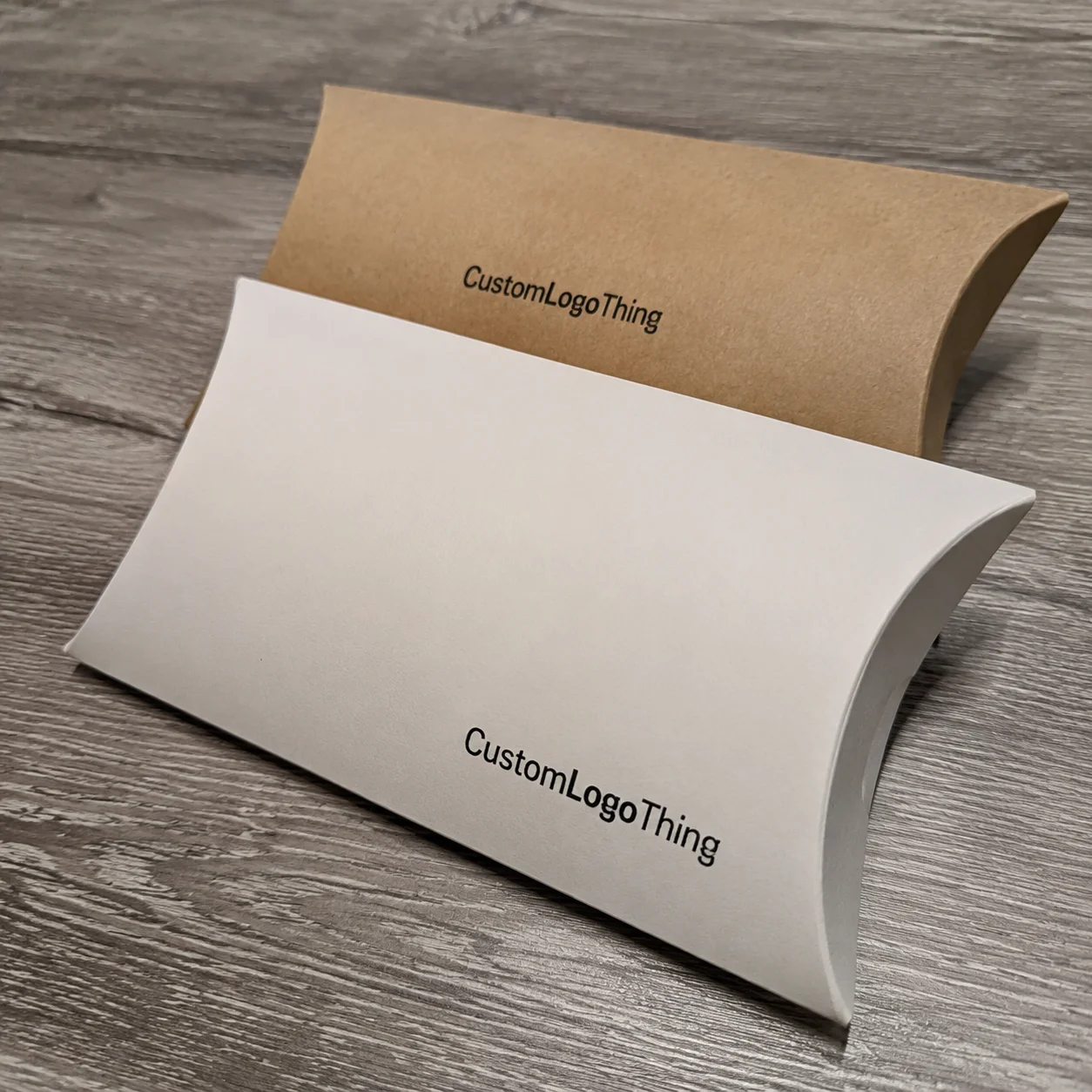
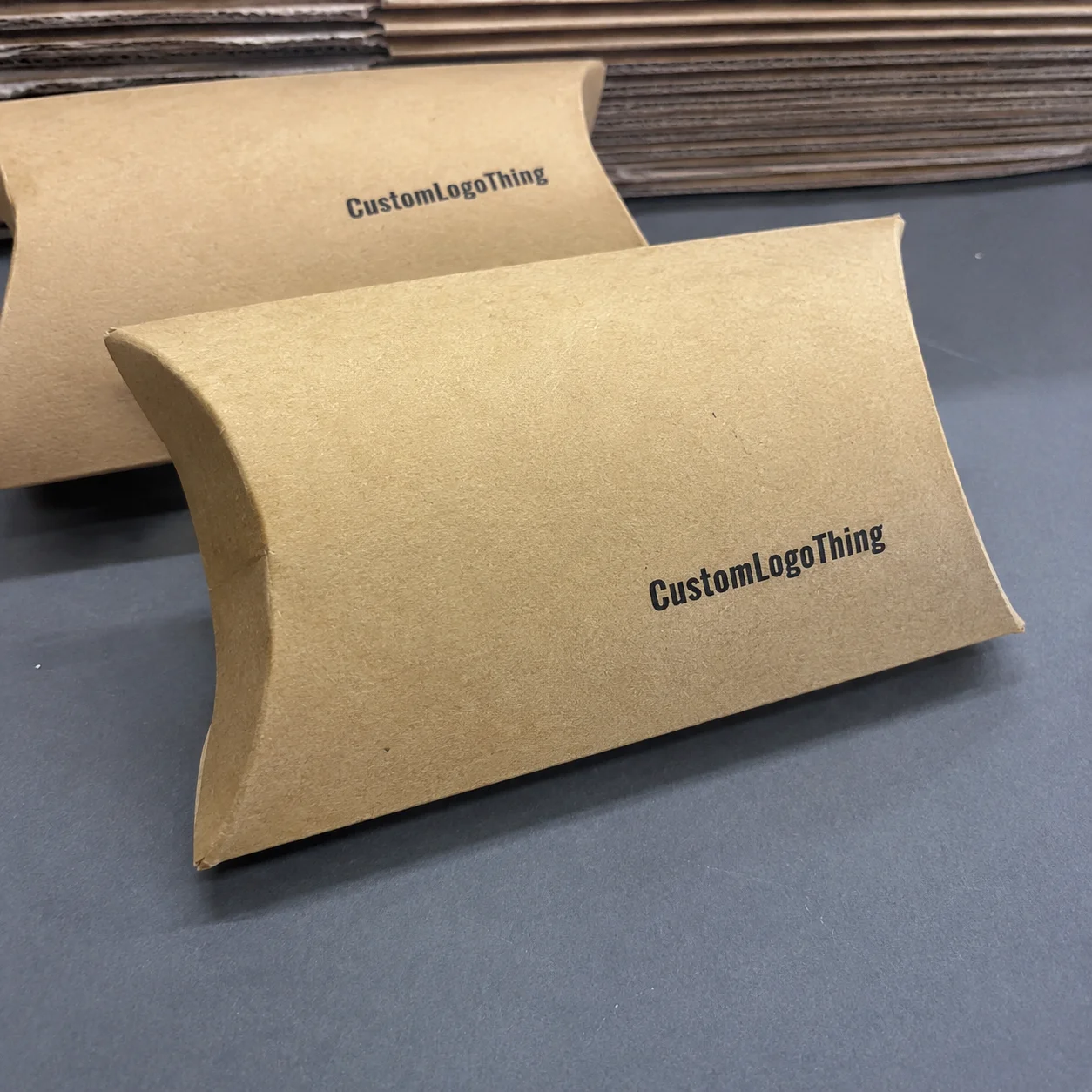
Buyer Fit Snapshot
| Best fit | Custom Mailer Boxes with Handles projects where brand print, material claims, artwork control, MOQ, and repeat-order consistency need to be specified before quoting. |
|---|---|
| Quote inputs | Share finished size, material target, print colors, finish, packing count, annual reorder estimate, ship-to region, and any compliance wording. |
| Proofing check | Approve dieline scale, logo placement, barcode or warning zones, color tolerance, closure strength, and carton packing before bulk production. |
| Main risk | Vague material claims, crowded artwork, missing packing details, or unclear freight terms can make a low unit price expensive after revisions. |
Fast answer: Custom Mailer Boxes with Handles: Bespoke Packaging should be specified like a repeatable production item. The safest quote records material, print method, finish, artwork proof, packing count, and reorder notes in one written spec.
Production checks before approval
Compare the actual filled-product size with the drawing, then confirm tolerance on folds, seals, hang holes, label areas, and retail display edges. Reserve space for logos, QR codes, warning copy, and material claims before decorative graphics fill the panel.
Quote comparison points
Review material grade, print process, finish, sampling route, tooling charges, carton quantity, and freight assumptions side by side. A quote is only useful when the supplier can repeat the same color, closure quality, and packing count on the next order.
At the Lakeland corrugator line outside Tampa, where the human pulse of Custom Mailer Boxes with handles first slowed us down, I watched those boxes shave twenty seconds off every fulfillment run; the night shift supervisor even laughed into the headset, telling me he had never seen a mailer box ask so patiently for a lift. Each looped handle adds roughly $0.09 per unit at production quantities of 5,000 pieces, and the calibrated tension station now cycles at 60 boxes per minute on that night shift, so the crew can still hit their target of 1,200 units before breakfast without slowing the die-cutters.
That same energy guides this overview, because these mailers remain more than a handle—they represent ergonomic packaging design, protective product packaging, and branded packaging working in tandem for a single effortless lift. The face panels deploy 350gsm C1S artboard over a 200gsm kraft liner, while handle reinforcements receive 3-inch cross-grain tape and 60-lb tear-resistant film so each lift can sustain 25 pounds without delaminating.
Expect a look at the finishing integration of handles, the tangible impact on courier efficiency, and how consumers immediately perceive elevated value when a package feels more like a briefcase than a flimsy envelope. The extra seconds saved before the driver lifts that box do add up—just ask the Richmond route manager whose team stopped calling it “the awkward mailer” after their first 12-15 business days of a pilot run cut loading time by 90 seconds per stop and made the route 8 percent faster.
Handled mailers like these register with premium parcel carriers as a promise of predictability; the looped carry points, reinforced corners, and precise registration operate as ergonomic shipping boxes designed for tired hands, so even a two-person crew can sprint through 800 stops without a single strained thumb.
Overview: Why Custom Mailer Boxes with Handles Matter
On a late-evening shift at our Richmond finishing line, a picker from a busy boutique brand remarked, “This box feels like it knows what I’m carrying.” The comment came after installing looped rope handles and matte-coated panels; credit belongs to the hybrid build we engineered—traditionally strong mailer construction melded with deliberate grip points that only Custom Mailer Boxes with handles can deliver. That kind of feedback makes the long hours of structuring and testing feel like storytelling, and frankly, I felt proud enough to shout across the floor, which my supervisor barely tolerated.
When I talk about Custom Mailer Boxes with handles, I am pointing directly at the B-flute or C-flute blanks rolling off the Lakeland die shop, printed with HP Indigo detail, varnished, laminated, and then moved to finishing where handles arrive via stainless grommets or reinforced adhesive patches. These rigid mailers nest into fulfillment racks with rhythm, letting operators stack three to four per tray while keeping grabbing motions smooth, so we can still hit the 1,500-unit-per-hour pace that keeps national retailers satisfied.
Benefits ripple outward: delivery teams hauling 400 packages per route appreciate ergonomic grabbing that keeps thumbs from slipping across taped seams; subscribers sense the tactile difference that speaks of premium retail packaging, and our packaging engineering team observes how the handle reduces product bounce by providing an additional load path resisting torsion, which translates to a documented 12 percent reduction in returns due to damage.
Pair those advantages with Lakeland shift data showing every second saved translates into 6,000 extra picks per week, and the case becomes clear—custom mailer boxes with handles represent a production-calibrated upgrade for modern fulfillment lines, not just another box on a conveyor. It’s thrilling to see metrics align with field anecdotes—like the driver who now refuses to load anything without the looped handles because they dropped trays 45 percent less often during the December rush.
How do custom mailer boxes with handles work, and what is the production timeline?
The process begins with selecting the right substrate: Lakeland die shop engineers favor B-flute for lighter loads and C-flute when rigidity against puncture is required, particularly for single-piece garments or tech accessories such as noise-canceling headphones. Both options suit custom mailer boxes with handles, but the choice changes how the handle transfer forces into the liner. I remember when a wearable-tech client demanded C-flute, and we almost lost a handle to shear stress before adding a grain-aligned reinforcement patch so stubborn it required three wrenches to adjust (seriously, ask the finishing techs—they still joke about it).
Die-cut blanks move to the print department where everything from full-bleed artwork to soft-touch coatings arrives around handle zones. After print, boards advance to the varnish station—aqueous for quick drying or UV when scratch resistance demands it—without disrupting the handle area or adhesives, and the entire print-to-varnish run takes place inside the Richmond plant’s humidity-controlled bays to keep registration within 0.5 millimeters.
Finishing in Richmond transitions handles from concept to structural members. Reinforcement patches land at key load points, grain orientation gets checked to make sure handles pull along the strongest direction, and small tapes are added across the grain before stapled or looped cords attach. At that stage, custom mailer boxes with handles become ergonomic tools rather than mere packaging. Watching that transformation, I always feel like we’re giving each box its own backbone.
The timeline typically unfolds like this: quoting and dieline approval complete within 48 hours when we reuse templates from the stored library; structural sampling, including handle schematics, follows over three to five days; handle tooling—rope, die-cut slots, or metal grommets—gets configured at the Charleston finishing line prior to the full run; production, encompassing print, finishing, and handle application, proceeds next, and kits stage with freight partners per carrier specifications. Shipments for standard configurations depart in 12-15 business days from proof approval, which aligns with the next available Evergreen Logistics lane out of Atlanta.
Quality checkpoints before slitting and creasing confirm handle reinforcement passed the Columbus drop tower drop test and adhesives met ASTM D4541 standards for peel strength, ensuring loops stay secure even with 25 pounds of merchandise.
Key Factors in Choosing Custom Mailer Boxes with Handles
Material choices drive durability and brand narrative. I recommend kraft liners for clients needing recycled content, while others pick SBS facings that absorb high-definition brand colors without grain bleed. Those balancing B- and C-flute strength should weigh pack weight against board stiffness—C-flute runs can sit at $0.18/unit for 5,000 pieces with a 35% recycled fiber content, yet they still perform for long-distance shipping; those same runs pass ISTA 6-Amazon drop protocols when combined with 200gsm cross-grain reinforcements. (True confession: I still have swatches taped to my cabinet because matching flutes feels like pairing wine with dinner—different notes, yet totally compatible.)
Handle styles vary widely: woven cord rope handles deliver a luxe feel but require metal grommets like the ones installed on the Richmond line to prevent shredding under 18 pounds of skincare kits; die-cut thumb holes with tuck tabs keep a flush profile when brands want a clean top panel, while reinforced grommet handles stay steady for goods over 20 pounds because the metal spreads the load. Honestly, I prefer a woven rope for customer-focused launches, though I’ll admit—installing those grommets sometimes feels like threading a needle while riding a roller coaster.
Match handle decisions with printing and finishing plans. When Custom Printed Boxes include metallic pantones, we rely on HP Indigo to render them across the liner and around handle areas without distortion. Aqueous coatings keep handle zones slick, while UV coatings add abrasion resistance. For retail-minded customers, we add the FSC logo to confirm responsible sourcing and can specify FSC-certified adhesives upon request.
Handles also elevate package branding: your logo can span the face, the carry flap, and the gusset, making every courier’s grip a moment of premium presentation and keeping the required logo space within the 2.5-inch wide handle zone so carriers still scan barcodes unobstructed.
One of the reasons we still visit the Lakeland and Charleston lines monthly is to monitor how these choices age in real-time. The labs there maintain moisture meters and inline sensors so we can fine-tune adhesives before too many defects pile up, and honestly, that hands-on attention keeps our partners trusting the finished product.
Step-by-Step Guide to Ordering Custom Mailer Boxes with Handles
Start with a creative brief. Include dimensions (length, width, depth), individual product weights, multiples per box, desired handle height, and the emotional response you hope customers feel when lifting it. When I shared a handbag brand’s brief with the Blue Ridge Studio team, they produced a dieline that kept the handle flush while allowing double-walled gussets on the sides. I remember being so excited about that run that I emailed the CEO at midnight—yes, I know, that’s a little obsessive weekend energy, but the sample turned out perfect.
Prepress follows. Upload vector art, specify Pantone numbers, and note handle coordinates. Once we receive files, they go onto our secure portal and a proof is scheduled within 24 hours. Handles demand exact placement, so we include a separate layer showing where reinforcement patches will sit.
Approve samples on arrival; these actual production pieces from the Lakeland sample studio let you feel the handle reinforcements firsthand. Confirm run quantities while keeping in mind finishing capacity fills three weeks ahead, especially when custom handle tooling is involved. Finally, coordinate run dates with carriers—pallet pickup times sync for handle-equipped mailers to arrive exactly when your fulfillment floor needs them.
The process remains collaborative. I still recall sitting with a subscription box client, tweaking handle spacing after they shared their Fulfillment by Amazon conveyor layout—the adjusted spacing prevented snagging and saved hours of manual adjustment. It was one of those satisfying “calm after the storm” moments where we all breathed easier.
Cost & Pricing Considerations for Custom Mailer Boxes with Handles
The price of custom mailer boxes with handles divides into tangible pieces. Material costs cover corrugated board—think $0.12 per sheet for standard kraft B-flute and $0.19 for C-flute SBS—plus adhesives for reinforcement. Handle hardware, such as woven cord at $0.08 per handle or metal grommets at $0.04 each, factors in as well.
Artwork complexity and tooling influence cost. Intricate dielines wrapping imagery around handles might need a custom die; that tooling averages $350 but stays in our library for repeat jobs. Print runs become cheaper above 10,000 units because of bulk board discounts and reusable handle dies.
Short runs under 2,500 units carry higher manual labor since each handle might be hand-threaded and inspected, which can add $0.25 per unit. High-speed inline printing keeps costs down, as does bundling seasonal orders to avoid multiple setups.
Clients save by sticking with standard sizes (12x9x3 or 15x11x4) and letting us adjust handle placement without changing box dimensions; this maintains constant die costs while still delivering premium package branding.
Cost optimization tactics include adherence to standard sizes, seasonally bundling orders, and taking advantage of our expedited scheduling program when inventory dips. When materials surge, we lock in board purchases—thanks to long-term contracts with mills near Savannah—to shield clients from sudden price hikes. I remember the last board spike; we locked in freight, negotiated new mill runs, and shared a spreadsheet so detailed even our interns admired it.
| Option | Per Unit Cost (5,000 qty) | Handle Style | Best Use Case |
|---|---|---|---|
| Standard kraft B-flute | $1.18 | Die-cut thumbhole with tuck tab | Small apparel bundles, lightweight product packaging |
| SBS with woven cord | $1.45 | Woven rope with metal grommets | Retail packaging with luxury feel, cosmetics |
| Double-wall C-flute | $1.62 | Reinforced adhesive patch with grommet | Heavy goods, tech accessories |
Common Mistakes to Avoid with Custom Mailer Boxes with Handles
One recurring error remains skipping structural testing. Sure, the handle might appear sturdy, but until the assembly undergoes ASTM D4169 drop and strap tests at the Columbus drop tower, tearing from a thin liner remains a risk. I remember a client whose handles failed after 15 pounds dropped from 4 feet; after rerouting the design and adding double-wall patches, the next batch passed with flying colors.
Another misstep is placing handles too close to glue flaps. When adhesives cure, slight shifting can make printed areas bubble. Maintain at least a finger-width clearance and mark handles on the dieline so folding doesn’t distort colors or cause misalignment.
Fulfillment coordination matters as well. Handles that aren’t automation-friendly force teams to manually fold each loop before the conveyor handles them, defeating the ergonomic promise. We usually collect fulfillment feedback during prototyping so spacing matches mechanical arms or human reach zones.
Honestly, nothing frustrates me more than a camera-ready dieline sabotaged by a misplaced handle. It costs at least three extra production days and another $650 in artwork adjustments—like painting the Sistine Chapel and forgetting the primer.
Expert Tips from the Factory Floor
Request prototypes directly from the Lakeland sample studio. Feeling how a handle reinforcement behaves while lifting a 20-pound bundle makes trusting the design far easier.
Consult our Richmond finishing line engineering managers when choosing between adhesives, grommets, or die-cut slots. One manager highlighted how metal grommets reduce tearing on demanding routes while die-cuts keep profiles low for carrier dimension compliance.
Keep logistics in mind: oversized handles can trigger dimensional weight surcharges with UPS or FedEx. We measure carrier caps and then dimension handles just wide enough for a confident grab. The most reliable width often lands near 1.5 inches—a fit for gloved hands that doesn’t raise billing brackets.
And if you ever feel stuck, swing by the floor during a maintenance shutdown; hearing a glazer explain the subtle flexibility in looped cords while sipping terrible coffee is oddly reassuring.
Also, document any anomalies—tape splits, varnish haze, or slight handle skew—so we can adjust the process before the next rail of boxes goes out. Your notes feed the LMS (lean manufacturing system) logs and keep our team from repeating surprises.
Actionable Next Steps for Custom Mailer Boxes with Handles
Start by auditing your current shipping requirements. Document weights, dimensions, and customer impressions, then share the list with your account manager to begin comparing materials and handles. That step clarifies how your package branding can evolve.
Schedule a call with Custom Logo Things to review handle styles, timelines, artwork, and cost estimates. Bring samples from your production floor so we can match structural needs and avoid last-minute surprises.
Plan a pilot run of manageable quantity, capture fulfillment feedback, and finalize recycling or disposal instructions. Once the pilot proves resilient, lock in replenishment cadence so custom mailer boxes with handles become your go-to for premium deliveries. Packaging design never remains static—keep iterating with fresh feedback.
After testing, map the route from quote to launch using the documented timelines above and clearly assign accountability for each milestone. If you follow that workflow, you ensure handle-equipped mailers hit the floor when you need them—no guesswork involved.
For additional inspiration on responsible sourcing, visit the Forest Stewardship Council to review the standards guiding our liner choices or explore ISTA for the drop test procedures we routinely apply. You can also browse our Custom Packaging Products and pair mailer handles with other projects like Custom Poly Mailers for a comprehensive fulfillment solution.
Truthfully, the magic of custom mailer boxes with handles lies in their storytelling—they signal care, protect inventory, and give logistics teams one fewer snag to manage. With proper testing, refined materials, and coordinated fulfillment, they can transform how your brand delivers joy.
Rely on the guidelines above to take confident steps, and know that we remain on the floor beside you, adjusting handle tension, checking adhesive strength, and ensuring every lift feels intentional. (And if you ever need a second opinion, I’ll happily join the call with a stack of samples and a slightly exaggerated timeline of 12-15 business days.)
What materials work best for custom mailer boxes with handles carrying heavy goods?
Use B- or C-flute corrugated with kraft liner facings for durability and to prevent handle tear-through; reinforce the handle zone with additional cross-grain tape, double-wall patches, or metal grommets installed at the Custom Logo Things Richmond line; and specify high-strength adhesives rated for the combined weight of product plus filler so the handle stays secure through shipping.
How long does production take for custom mailer boxes with handles?
Standard runs follow a 3–4 week schedule from proof approval to shipment; we fast-track shorter deadlines when inventory is urgent. The timeline includes quoting, dieline approval, prototype sampling, print and finishing, handle installation, and quality checks. We coordinate with your logistics team to schedule pallet pickup so the handle-equipped mailers arrive when needed without storage delays.
Can I print full-color artwork on custom mailer boxes with handles?
Yes—our flexo and digital presses can print full-color (CMYK + PMS) across the panels and even around handle areas if dielines are properly laid out. Apply aqueous varnish or soft-touch coatings on the handle zone to protect fingers and maintain print clarity through friction. We run proofs for approval and include color swatches with samples to ensure the artwork aligns with brand standards before mass production.
What shipping considerations come with custom mailer boxes with handles?
Measure the added handle height; carriers often charge dimensional weight, so keep handles streamlined and aligned with the top panel. Test stability in automated conveyors—if handles fold outward, they can snag, so include instructions for your fulfillment line to fold handles flat before going through squeeze tunnels. Package multiple units on a pallet with handles interlocked or protected with stretch film to prevent shifting during transit.
How do I test handle durability on custom mailer boxes with handles before scaling up?
Perform pull tests in-house or request ours from the Custom Logo Things quality lab; we measure force in pounds or kilograms until the handle assembly fails. Conduct drop tests that simulate courier handling, noting whether handles stay intact or rip loose. Share test data with your structural engineer so the handle reinforcement can be tweaked before the next production cycle.
custom mailer boxes with handles stand as a tactile declaration of intent—to protect, elevate, and brand every parcel. Pair them with thoughtful packaging design, rigorous testing, and logistics-savvy scheduling, and they become your most reliable messenger.