Buyer Fit Snapshot
| Best fit | Custom Mailers for Subscription Brands projects where brand print, material claims, artwork control, MOQ, and repeat-order consistency need to be specified before quoting. |
|---|---|
| Quote inputs | Share finished size, material target, print colors, finish, packing count, annual reorder estimate, ship-to region, and any compliance wording. |
| Proofing check | Approve dieline scale, logo placement, barcode or warning zones, color tolerance, closure strength, and carton packing before bulk production. |
| Main risk | Vague material claims, crowded artwork, missing packing details, or unclear freight terms can make a low unit price expensive after revisions. |
Fast answer: Custom Mailers for Subscription Brands: Film, Print, MOQ, and Carton Packing should be specified like a repeatable production item. The safest quote records material, print method, finish, artwork proof, packing count, and reorder notes in one written spec.
Production checks before approval
Compare the actual filled-product size with the drawing, then confirm tolerance on folds, seals, hang holes, label areas, and retail display edges. Reserve space for logos, QR codes, warning copy, and material claims before decorative graphics fill the panel.
Quote comparison points
Review material grade, print process, finish, sampling route, tooling charges, carton quantity, and freight assumptions side by side. A quote is only useful when the supplier can repeat the same color, closure quality, and packing count on the next order.
Custom Mailers for Subscription Brands: A Practical Guide
Custom mailers for subscription brands do more than move a product from one address to another. They set the tone before the customer sees the first item inside. That matters because subscription packaging is repeated. It lands every month, sometimes every week. If the mailer fits well, protects the contents, and looks like it belongs to the brand, it quietly supports retention. If it arrives dented, loose, or cheap-looking, the damage adds up fast.
Subscription packaging is not decoration. It is part of the product, part of operations, and part of the promise the brand makes every time the next box ships. The details are obvious even when nobody says them out loud. Does the skincare refill sit snugly? Do the snack corners stay intact? Does the insert stay put? Does the outside print look intentional, or did someone slap a logo on a box and call it brand design?
The useful questions are practical ones. How does the mailer hold up in a warehouse? What changes the spec? How much time does production actually take? What does the full landed cost look like once freight, storage, and labor show up? Those answers decide whether a branded mailer helps a recurring business or just makes for a nicer mockup.
If you are comparing structure options, our Custom Packaging Products page is a useful starting point, and the Custom Poly Mailers category is especially relevant for light, flexible, or soft-goods shipments. For fuller examples of how format and branding choices work in practice, the Case Studies page is worth a look.
Why custom mailers for subscription brands matter
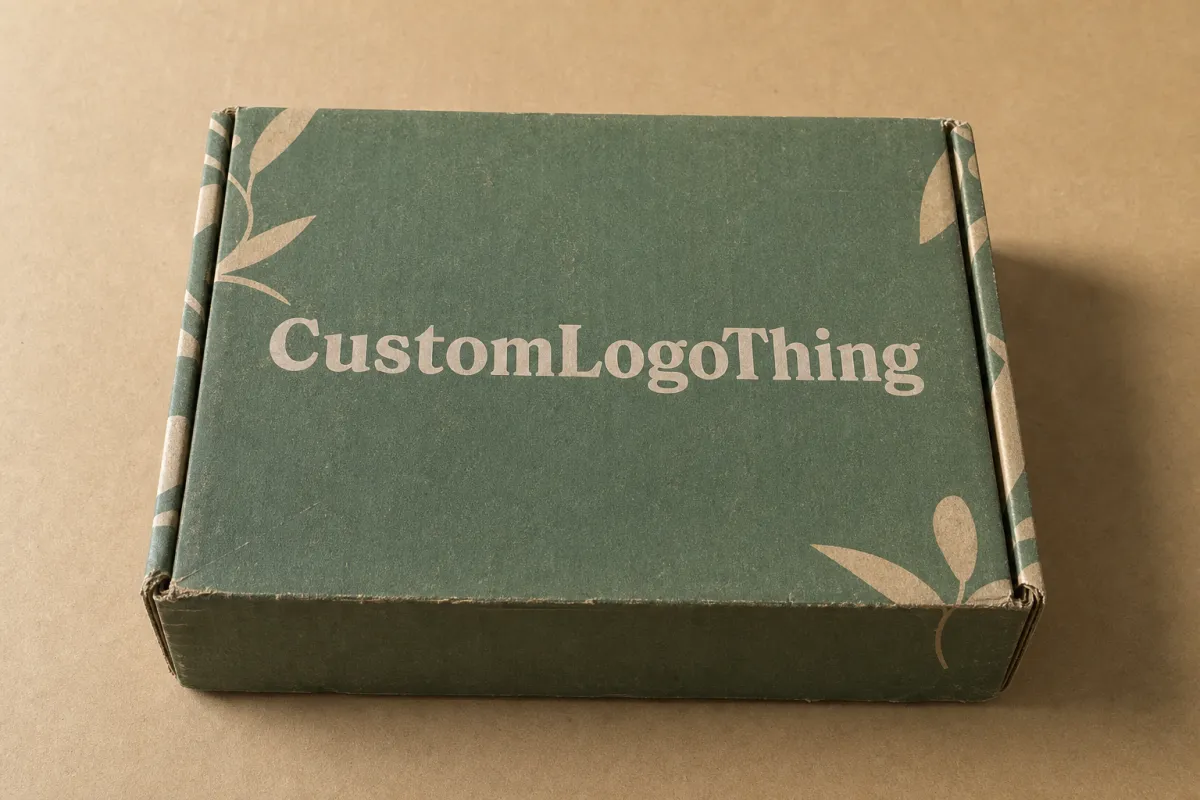
Subscription packaging has a different job from one-off ecommerce packaging. A single order is a transaction. A subscription shipment is a rhythm. That rhythm creates opportunity and risk at the same time because every delivery reinforces the brand memory. If the mailer arrives tidy, strong, and on message, even a modest product can feel considered. If it shows up battered, forgettable, or hard to open, the customer notices that too.
From a packaging buyer's point of view, custom mailers for subscription brands function like a repeatable media channel. The outside print says who sent the package. The inside print can add surprise without turning the line into a circus. Even the opening sequence changes the tone. A tab, flap, or fold can read premium, playful, clinical, or plain utilitarian. Packaging is not decoration. It is a design choice tied directly to retention economics.
The math matters because subscription programs repeat the same shipment hundreds or thousands of times. Tiny problems stop being tiny. One extra second of packing time becomes a labor cost across every cycle. Two millimeters of extra space turns into more movement, more void fill, and more freight. A mailer that looks fine on a screen can become an expensive headache on a fulfillment line.
Carrier handling is the design brief that never makes it into the mockup. If the pack cannot survive the roughest route, the art on the outside is just decoration.
There is another layer here. Subscription customers photograph unboxing moments, compare notes with other subscribers, and talk about the experience in public. The mailer becomes part of package branding, not just product packaging. Color, typography, spot graphics, and interior copy all shape the story people tell about the brand.
The format can change a lot. Some brands use branded Corrugated Mailer Boxes. Others choose folding cartons inside an outer shipper. Light programs may use custom poly Mailers for Apparel, accessories, or low-fragility refills. The right answer depends on the product, the route, and the fulfillment method. A mailer that works for a candle subscription will not automatically work for a nutrient pouch or a mixed beauty kit.
Custom mailers for subscription brands are not only about polish. They protect recurring revenue by reducing damage, strengthening identity, and giving the business a repeatable presentation month after month.
How custom mailers for subscription brands work
The process starts with three inputs: finished product dimensions, shipping method, and the unboxing goal. Those inputs turn into a dieline, a board or film choice, and a print plan. Sounds tidy. Real life is less tidy. A mailer has to fit the product, survive distribution, and still assemble fast enough for a warehouse team packing hundreds of units per hour.
Size drives almost everything. Too large, and the product shifts, inserts slide, and freight rises because more air is moving around the country than actual product. Too tight, and packing slows down. People start forcing items into the pack, which is how corners crush, closures fail, and soft goods wrinkle. Rigid items usually need a few millimeters of working clearance. Soft goods and bundled kits usually have a little more tolerance, but not infinite tolerance. Nothing does.
Print and finish shape perception next. Outside graphics are obvious. Interior printing usually lands harder because subscribers only see it after opening. Matte varnish helps reduce scuffing. Spot color can carry a stronger brand cue than a noisy full-coverage layout. Soft-touch lamination feels premium, but it is not magic. It adds cost and can still show wear if the shipping route is rough.
Protection and presentation need to be built together. A subscription mailer has to look good, but it also has to work like a shipping component. The structure needs to hold the product during carrier handling, stay closed under pressure, and keep inserts, tissue, or sample packs from wandering around. Beautiful packaging that pops open too easily is just expensive trouble in a nice outfit.
Fulfillment fit matters just as much as design fit. A structure that folds in two fast motions usually beats one that needs careful hand gymnastics. Small delays multiply. A five-second slowdown per pack becomes hours across a weekly run. On a high-volume subscription line, that is not a design preference. It is a labor cost.
It helps to think of the mailer as an operating system for the shipment. Graphics are the interface. The board or film is the hardware. The warehouse process is the engine underneath it all. If those three pieces do not agree, the packaging looks better in the deck than it does on the line.
Key factors that shape the final spec
Product behavior comes first. Fragile items, liquids, soft goods, and mixed-product kits behave differently in transit. A glass serum bottle needs tighter immobilization and stronger corrugate than a tee shirt. A snack subscription may care more about moisture resistance than impact strength. A mixed box with one heavy item and several small inserts may need partitioning or a custom insert so the contents do not migrate during shipping.
Board choice follows that behavior. Light shipments can sometimes use a folding carton or a lighter mailer structure. Heavier or more fragile programs usually need corrugated board with more crush resistance. E-flute is common when the pack needs a finer look and a lighter feel. B-flute brings more stiffness. Very light, low-risk products can work in custom poly mailers, especially if the contents already have sturdy primary packaging.
Brand positioning is the second factor. A premium beauty subscription can justify heavier board, deeper print coverage, and more refined finishing. A value-driven snack box may do better with a simpler structure that protects products well and keeps unit cost in check. Neither approach is wrong. The mistake is using the wrong packaging language for the audience.
Subscriber profile matters too. Gift buyers expect stronger presentation cues. Collectors notice tiny changes in print color or structure from one cycle to the next. Replenishment customers usually care more about reliability than ceremony, though a pleasant opening still helps. The same package can perform well for one segment and fall flat with another if it ignores those expectations.
Sustainability choices deserve real attention. Recycled content, recyclable board, and right-sized packages can support a cleaner story, but the claim has to match the material and the performance. A greener mailer that collapses in transit is a bad trade. The real question is not whether the pack sounds eco-friendly in theory. The real question is whether the material, coating, and structure still protect the product while supporting practical end-of-life handling. For general recycling guidance, the EPA recycling resources are a good baseline, and for fiber sourcing the FSC certification framework is worth checking.
Operational constraints often shape the final spec more than creative preference does. Machine compatibility, storage footprint, kitting complexity, and the number of SKUs in the program all affect what is practical. A beautiful custom printed box is useless if it takes too long to fold. A smart branded packaging concept can also fail if the warehouse cannot store it efficiently or if the structure does not fit the packing station.
- Fragility: glass, powders, liquids, and electronics need tighter protection and more testing.
- Volume: recurring volume usually justifies better tooling and tighter print control.
- Audience: gift, collector, and replenishment buyers read the box differently.
- Sustainability: recycled content and right-sizing help only if transit performance stays strong.
- Fulfillment: assembly speed, stacking, and storage can outweigh a cosmetic preference.
For fragile products, many teams ask whether the packaging has been checked against distribution testing such as ISTA protocols or ASTM-based methods. Fair question. The exact test depends on the product, but the principle stays the same: simulate shipping before you commit to a large run.
Process and timeline: from concept to delivery
Packaging is engineered, not just printed. The process usually begins with a brief that includes dimensions, product weight, number of inserts, shipping method, print goals, and any sustainability targets. From there, the supplier or packaging engineer creates a dieline. That dieline is the map of the structure, where folds, panels, and closures stop being a sketch and start acting like an actual pack.
Sampling is the moment that tells the truth. A good sample phase checks actual fit, closure strength, fold integrity, print clarity, and how the product sits in the pack. Teams also test the opening sequence. Does the customer see the right message first? Does the tissue tear cleanly? Does the insert stay centered? Small questions, yes. Small questions that decide whether a recurring unboxing feels intentional, absolutely.
Revisions usually come from details nobody catches in digital proofing. A logo may sit too close to a fold. A label may need more contrast. A coated surface may reflect light in a way that flattens the brand color. A box that looks perfect in a flat rendering may feel too shallow once the insert is inside. Physical samples expose those problems, which is why skipping them is usually expensive in the long run.
Timeline depends on several moving parts. Artwork readiness matters. So does the number of proof rounds, the availability of board or film, the coating and finishing requirements, and the distance between the plant and the fulfillment center. As a practical planning range, a simple mailer can sometimes move from approved artwork to production in roughly 12 to 18 business days. A more complex program with heavier print coverage, special finishes, or structural customization may take 20 to 35 business days or longer. Freight is separate, and cross-country transit can add another week depending on the route.
The split between creative time and manufacturing time gets missed all the time. Internal approval may take only a few days, while structural revisions or board sourcing may add much more. The safest planning method is to work backward from launch. If a holiday drop or subscription relaunch has a hard date, build buffer time for proof corrections, sample review, and freight delays. Otherwise the project sits in the “almost ready” bucket for far too long.
A practical habit is to lock the schedule by stage instead of by promise. For example:
- Brief and sizing: 2 to 5 business days.
- Dieline and sample build: 5 to 10 business days.
- Proof approval: depends on internal review, often 2 to 7 business days.
- Production: commonly 12 to 25 business days for straightforward runs.
- Freight and receiving: 3 to 10 business days depending on location and mode.
That framework makes delays easier to see. They are not always in the press room. More often they show up in artwork signoff, sample review, or procurement waiting on one missing dimension.
Cost, pricing, and MOQ for custom mailers
Price comes down to a handful of variables that keep showing up in quote after quote. Size, board thickness, print coverage, color count, coatings, inserts, and freight all matter. A mailer that is two inches larger in each direction may use much more board and take up more pallet space. Heavy print coverage can raise ink and press time. A special finish can push the price higher without adding much practical value if the package spends its life inside a shipping carton.
MOQ, or minimum order quantity, exists because setup costs are real. There is tooling, press setup, proofing, and production changeover. Those fixed costs have to be spread across the run. That is why the per-unit price usually drops as quantity rises. The catch is simple. A lower unit price can still create a higher total landed cost if the brand over-orders, stores too much inventory, or pays more in freight and handling.
For many subscription brands, the smarter question is not “what is the cheapest mailer?” It is “what gives the best total value for the program?” A structure that costs a little more can reduce damage rates, improve fulfillment speed, and make the pack feel stronger in the customer’s hands. That tradeoff can be worth far more than a few cents saved on the quote.
| Mailer option | Best for | Typical quote range at mid-volume | Strengths | Watch-outs |
|---|---|---|---|---|
| Custom corrugated mailer box | Beauty, wellness, candles, mixed kits | $0.65-$1.40 per unit | Good protection, strong branded presentation, flexible print options | Higher board cost, larger storage footprint, may need more packing labor |
| Folding carton with outer shipper | Retail-style presentation, giftable programs | $0.45-$1.10 per unit | Clean shelf appeal, efficient for primary packaging, strong graphic impact | Requires an outer shipper for transit, more total components to manage |
| Custom poly mailer | Apparel, soft goods, lightweight refill packs | $0.10-$0.30 per unit | Low material cost, light freight, quick packing | Less crush protection, not ideal for fragile items or premium rigid products |
| Premium printed rigid mailer | High-touch subscription gifts, launch kits | $1.20-$2.50 per unit | Strong unboxing impact, more perceived value, premium fit and finish | Higher MOQ and storage needs, more expensive freight and handling |
Those numbers are directional, not universal. Print method, board grade, panel coverage, and quantity can move them quickly. A 1-color flexographic print on a standard corrugated mailer box will not price the same way as a 4-color process job with inside printing and a special coating. Sample allowances can also change the quote if multiple prototypes are included.
To compare quotes properly, ask for the same inputs every time: board grade, flute type, print method, approved tolerances, coating, sampling terms, pallet count, delivery terms, and whether the price includes freight to the fulfillment center. A quote that looks lower but leaves out the proof, the sample, or the shipping is not actually the cheaper option.
Simple packaging decisions can save money without gutting the experience. Reducing the footprint by a small amount can cut board usage and freight. Standardizing one structure across several subscription tiers can reduce tooling complexity. Simplifying finishes can keep visual identity intact while lowering the unit cost. The goal is not to strip value. The goal is to strip waste.
If the shipment is lightweight and the product is soft, custom poly mailers may be worth a closer look. If the package will be opened in a retail or gifting context, a printed box may justify the higher unit cost. The right answer depends on the customer promise, not just the quote.
Common mistakes subscription brands make
The biggest mistake is designing for the unboxing video and ignoring the carrier network. A pack that looks polished on a desk can fail badly in the back of a truck. Corners crush. Gloss scuffs. Adhesive seals pop open. If the package cannot survive the roughest part of the journey, it is not doing its job, no matter how strong the render looks.
Over-sizing is another common problem. Extra space raises freight, creates more void space, and makes the product feel less considered because it seems to float inside the package. Customers notice that. A mailer should look tailored, not like the team picked a size up just to be safe.
Finishes can backfire too. A very glossy surface may look sharp in proof images but scuff easily in transit. Metallic ink can add visual interest and still show fingerprints. Soft-touch surfaces can feel elegant, but only if the route is gentle enough to keep them looking clean. For recurring shipments, the package has to look good not once but many times. That is a higher bar than a single launch pack.
Another mistake is leaving fulfillment out of the decision until late. The warehouse needs to know how the pack folds, how quickly it assembles, and whether the structure stacks well. A design that is awkward to hold or hard to fold quietly creates labor cost across thousands of packs. Even a few extra seconds can turn into a real monthly expense.
Digital proofs are not enough. The sample drop is where the issues surface. Does the insert tip when the box closes? Does the logo sit too close to the crease? Does the board warp under humidity? Does the mailer survive drop testing after the contents are added? Those questions are easier to answer before the run, not after the complaints start.
There is one more brand mistake that does not get enough attention: treating subscription packaging like a static asset instead of a living system. Subscriber expectations change. Product weights change. Promo calendars change. A mailer spec that worked for a smaller launch may need to shift once the product mix expands. Brands that wait until damage rates rise usually spend more fixing the problem than they would have spent on preventive testing.
The practical lesson is blunt. Make the package earn its place in the program. If a detail improves protection, speed, or customer perception, keep it. If it only adds cost or slows the line, challenge it.
Expert tips and next steps
Start with a packaging scorecard. Rate each option on protection, brand impact, speed, storage, sustainability, and cost. That forces the team to compare tradeoffs instead of chasing whichever sample looks nicest under bright light. A packaging buyer in subscription needs a decision tool that reflects both the warehouse and the customer.
Run a pilot order before scaling. A small test shipment can expose more than a dozen render reviews ever will. You learn whether the pack folds cleanly, whether the product stays in position, whether the opening sequence works, and whether subscriber response matches the design intent. If there is a problem, the cost of fixing it is still manageable.
Side-by-side samples help too. Ask for competing board weights, coatings, or print methods in the same physical session. One sample may look fine on a screen and feel flat in the hand. Another may save money while still carrying the brand tone. Those comparisons are far more useful than looking at a single option alone.
Use subscriber feedback carefully. Unboxing photos, social mentions, and churn notes can point to packaging problems before customer service tickets spike. A dull visual presentation may not trigger a complaint, but it can still reduce excitement. A box that ships damaged may show up as a slow drop in repeat engagement rather than a loud email thread. Packaging analysis needs direct and indirect signals.
Ask the right final questions before production gets the green light:
- Does the final dieline fit the product with enough room for safe packing?
- Are the materials specified clearly, including board grade, coating, and print method?
- Has the sample been checked under real lighting and real handling?
- Do the freight and storage numbers still work at the planned volume?
- Does the design still feel like the brand after the practical changes?
One more detail matters: keep the approval path short. Too many voices slow the schedule and usually create compromise without improving the pack. A cleaner process usually has marketing, operations, and procurement reviewing the same proof set together, with one person responsible for the final call.
If you are planning a broader packaging refresh, review the whole range of packaging formats at once. Subscription mailers do not live by themselves. They sit beside inserts, labels, outer cartons, and product packaging, so the best decision usually comes from looking at the system as a whole rather than one component at a time.
FAQ
What size should custom mailers for subscription brands be?
Base the size on the finished product plus any inserts, not on a box your warehouse already has sitting around. Leave enough room for secure packing, but avoid excess empty space that raises freight and weakens presentation. A dieline mockup is the best way to test fit before approving a full run.
Are custom mailers for subscription brands good for fragile products?
Yes, if the structure, board strength, and internal support match the weight and breakage risk. Fragile items usually need tighter sizing, stronger corrugate, and a packing plan that prevents movement in transit. Real shipping tests matter here more than a digital proof ever will.
How much do custom mailers for subscription brands cost per unit?
Unit cost depends on size, material, print coverage, finishes, and order volume. Lower per-unit pricing often comes from higher quantities, but freight and storage can offset that savings. Compare total landed cost, not just the printed quote, before choosing a supplier.
What is the typical lead time for custom mailers?
Lead time depends on artwork readiness, proof approvals, production complexity, and shipping distance. Simple designs move faster than highly finished or structurally customized mailers. Build in extra buffer time if the mailers need to arrive before a launch, holiday drop, or subscription relaunch.
Can custom mailers for subscription brands use recycled materials?
Yes, many mailers can be made with recycled content or recyclable board, depending on the structure and print requirements. The key is balancing sustainability claims with actual durability so the package still protects the product. Ask for material specs and end-of-life guidance so the eco story stays accurate.
The practical takeaway is simple: approve the mailer only after you have checked fit, transit durability, fulfillment speed, and total landed cost together. If one of those pieces is missing, the package is not ready yet. A good subscription mailer earns its place by doing real work every cycle, not by looking nice once in a mockup.

