Custom Makeup Pouch: How to Order the Right One
A custom makeup pouch looks like a small purchase. It is not. Once you order it in volume, every detail starts to matter: zipper grade, wall thickness, seam allowance, lining, print method, carton count, and whether the pouch actually fits the products it is supposed to hold.
That is why this kind of packaging deserves more attention than it usually gets. The pouch is part product packaging, part retail packaging, and part package branding. If it is well spec'd, it protects the set, supports the sale, and stays inside budget. If it is vague, it turns into sample churn and avoidable inventory risk.
The best result is usually not the fanciest one. It is the one that fits the assortment cleanly, ships without drama, and looks intentional from the first touch.
What a custom makeup pouch really solves
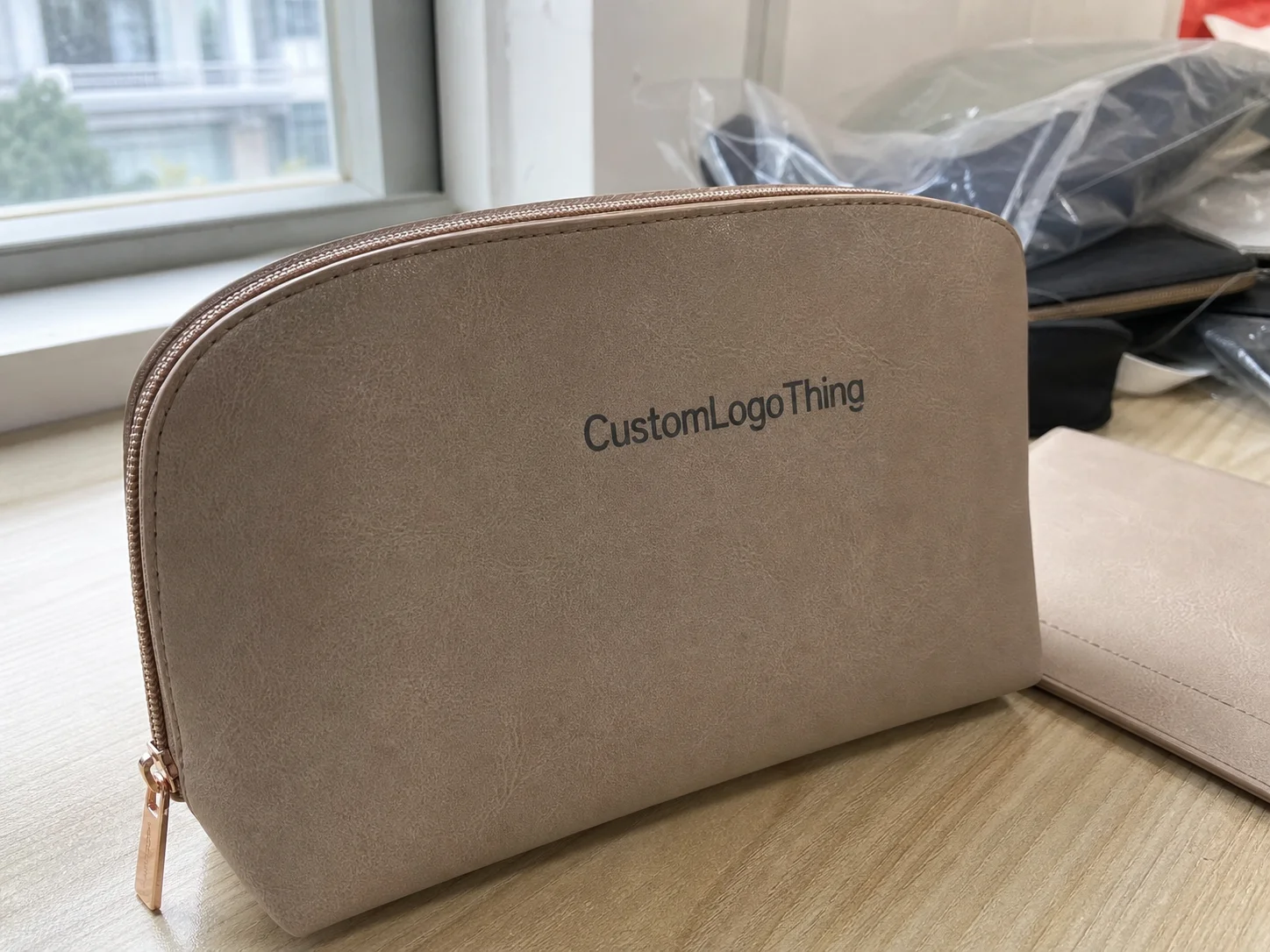
Loose cosmetics are awkward to ship and worse to sell. Lipsticks roll, mascara caps get scuffed, brushes bend, and bundled sets start looking cheaper than they are because nothing holds together visually. A custom makeup pouch gives the assortment a defined home. That sounds basic, but basic is often where packaging either works or fails.
The real job is not just containment. It is presentation, protection, and repeatability. Buyers usually notice the pouch first in a kit because it is the object they touch before they understand the rest of the set. A pouch with the right shape and finish can make a mid-priced bundle feel considered. A cheap one makes everything inside look like afterthought inventory.
Structure matters more than decoration. A stronger zipper, better gusset depth, or cleaner edge finish often changes perceived value more than an extra print location. That is the part people miss when they start with graphics instead of function. The pouch has to fit the contents first. Branding comes after that, not before it.
For beauty brands building a broader packaging system, the pouch usually sits alongside Custom Packaging Products and needs to match the same visual logic. It does not have to do everything. It just has to do its job without making the rest of the line look inconsistent.
There is also a practical side to this. A pouch that packs flat, stacks well, and survives handling in transit can save money outside the unit price. That is where better specs pay off. Not in theory. On the invoice.
How the pouch structure, materials, and print work
The cost and quality of a pouch are mostly decided by a few elements: shell material, lining, closure, shape, and decoration. Each one changes how the pouch looks, how it feels in hand, and how it behaves in production. If you add structure, you add labor. If you add special finishing, you add either labor or yield loss. That tradeoff never disappears.
PVC is still common for visibility. Clear PVC in the 0.3 mm to 0.5 mm range is useful for travel sets, event kits, and products where buyers need to see the contents quickly. It is not subtle, but it works. EVA is better when the pouch needs a cleaner silhouette and a more rigid feel. It usually reads more premium on shelf and holds its shape better in cartons.
Polyester and nylon are better for soft-sided pouches. They are lighter, more flexible, and often easier to pack efficiently. Coated fabrics make cleanup easier if the pouch is likely to deal with powder, mascara smudges, or skincare residue. If the pouch is part of a travel or promo program, wipeability matters more than buyers think. Nobody wants a pouch that looks dirty after one week.
Decoration should match the material. Screen printing is the workhorse option for simple logos and strong, flat color. Heat transfer handles more detailed artwork, but the finish has to suit the surface or the result looks pasted on. Debossing and embossing can work well on coated materials when the goal is a quieter premium look. Woven labels are useful on soft fabric styles where print area is limited or where the brand wants a more tactile, stitched feel.
Finish also changes how the pouch is judged. Gloss can look sharp, but it can drift toward utility if the rest of the build is plain. Matte usually feels more controlled. Soft-touch can improve perceived quality, though it also shows handling wear differently. None of these choices are universal. A pouch for a retail holiday set should not be spec'd like a toiletry bag for hotel use.
If the pouch is going into freight, e-commerce, or mixed distribution, transit testing is worth discussing before production starts. Standards from organizations like ISTA are useful because they focus on the real journey, not the clean tabletop sample. A pouch that looks fine in the sample room and fails in packed cartons is a waste of time.
Cost, pricing, MOQ, and unit cost basics
Pricing is driven by the same few variables almost every time: size, material, thickness, print complexity, zipper quality, lining, and how much handwork the build needs. MOQ matters just as much. Lower minimums usually mean a higher unit cost because setup is spread across fewer pieces. Higher quantities lower the price per unit, but they also lock more cash into inventory. That is the tradeoff, and there is no way around it.
Realistic buyer ranges help more than wishful quotes. A simple clear PVC pouch with a basic zipper might land around $0.65-$1.20 per unit at a moderate quantity. A printed polyester pouch with lining and a better zipper often moves into the $1.40-$2.60 range. Structured EVA or more premium coated-fabric builds can run $2.20-$4.80+ depending on size, finish, and decoration. Those numbers move quickly if the spec gets complicated, so treat them as working ranges, not promises.
Setup charges can appear for special zipper pulls, unusual shapes, multi-step decoration, or packaging inserts. Tooling is less common than it is for rigid packaging, but custom patterns and cut requirements can still introduce extra cost. Carton design and freight matter too. A pouch that ships efficiently can beat a cheaper-looking alternative that eats space in the container.
| Option | Typical feel | Common use | Relative cost |
|---|---|---|---|
| Clear PVC | Visible, utility-focused | Travel kits, event sets, quick retail bundles | Low |
| Printed polyester with lining | Soft, branded, balanced | Beauty sets, promo programs, mid-market retail | Medium |
| EVA or coated structured pouch | Cleaner shape, more premium | Gift sets, premium retail packaging, influencer kits | Medium to high |
If you are building a packaging line, compare the pouch against other branded packaging options in our packaging product range. Sometimes the smarter move is a simpler pouch paired with a better outer box, not a dense pouch build that burns budget for no visible gain.
My rule here is blunt: set your target landed cost before you ask for samples. If you do it afterward, you will probably fall in love with a spec that looks polished and breaks the budget. Good packaging does not matter if it misses the margin.
Production process and timeline: what happens after you approve the spec
The process is usually simple on paper. It gets messy when the brief is weak. First comes the quote, then the spec check, then artwork or proofing, then sample approval, then bulk production, inspection, and shipment. Each step depends on the one before it. If the brief is vague, the timeline starts slipping long before the factory run does.
Most delays come from three places: unclear artwork, too many revision loops, and late decisions. Color is a classic example. If nobody confirms Pantone targets, the first round of samples becomes a guessing game. The same problem shows up with logo placement, zipper color, and the exact finish on a printed panel. If the brief says “premium,” that tells the factory almost nothing. Say what premium means in material terms.
A practical schedule usually looks like this: sampling takes 5-10 business days, bulk production takes 12-25 business days after approval, and shipping adds its own clock. Air freight is faster and more expensive. Sea freight lowers transport cost but can stretch the timeline enough to matter if the pouch is tied to a launch date. Transit time often exceeds factory time, which is why people who only track production days get surprised.
Clear specs save more money than aggressive negotiations. If dimensions, material, closure style, print placement, and carton count are not locked before production starts, the schedule usually drifts.
Quality control should also be built into the process, not treated as an afterthought. Check zipper movement on multiple samples, not just one. Pull test the seam on the sample if the build is likely to carry heavier cosmetics. Confirm material thickness, print alignment, and color consistency across a small batch. If the pouch includes inserts or paper components, verify those too. A weak paper tag can make an otherwise strong package feel unfinished.
For programs that use paper-based inserts or hang tags, FSC-certified material is worth requesting if sustainability claims matter to the brand. That detail will not rescue a bad pouch, but it does make the full package easier to defend.
Key spec factors that change fit, feel, and shelf appeal
Dimensions are where a lot of bad orders begin. Measure the actual contents together, not one by one. A row of lip products, a compact, and a brush set do not behave like a flat rectangle on paper. Add room for zipper clearance, seam allowance, and the natural bulk that shows up once items are packed. If the pouch is supposed to stand upright, the base and gusset matter more than the logo.
Closure choice changes the user experience fast. A standard zipper is usually the safest option because it is simple, durable, and easy to source consistently. Magnetic closures feel more refined, but they are not always as secure in travel use. Snap closures can work for light kits. Roll-top styles are less common in beauty, but they do make sense for some utility-driven programs. The point is not to pick the prettiest hardware. It is to match the closure to the use case.
Zipper pulls deserve more attention than they usually get. A flimsy pull makes the whole pouch feel cheaper the second someone handles it. A better pull does not have to be elaborate. It just needs to feel deliberate. That same logic applies to stitching, edge binding, and seam finish. Buyers may not name those details, but they react to them immediately.
Transparency, color, and surface finish shape how the pouch reads in retail packaging. Clear styles are practical because they show the product. Opaque styles hide clutter and give more room for stronger graphics. Matte generally looks more controlled than gloss for premium beauty sets. Gloss has a place, but it needs to be intentional. If the pouch is meant to sit in a gift box or display tray, controlled color and clean edges usually outperform busy decoration.
Material safety is not decorative language. Strong plastic odor, poor sealing, or questionable material claims can make a decent pouch feel low-grade almost instantly. Buyers should ask for compliance documentation where relevant, especially if the product is sold into regulated markets. If the build includes paper packaging, recycled or FSC-certified stock is a useful upgrade without complicating the design.
From a merchandising angle, the pouch should photograph well, open cleanly, and sit neatly with the other parts of the set. That matters for retail packaging, promo kits, and Custom Printed Boxes alike. People buy the whole package. They do not parse each component the way packaging teams do.
Common mistakes buyers make when ordering custom pouches
The first mistake is guessing the size. If the actual products have not been measured together with packaging tolerance built in, the order is a guess, not a spec. That is how you end up with a pouch that is technically large enough but awkward to close, or one that looks fine empty and bulges badly once filled.
The second mistake is approving a sample without checking whether the bulk run will use the same material thickness, zipper grade, and print method. Samples can look better than production for all the usual reasons. Sometimes they are hand-finished. Sometimes they use a stronger zipper. Sometimes the sample is made by a better team than the one that runs bulk. The buyer needs to ask what will actually transfer into production.
Over-specifying is another common problem. Buyers add compartments, custom pulls, extra print locations, decorative trims, and secondary closures because each feature sounds useful in isolation. In combination, they slow the line down, increase the cost, and often make the pouch harder to use. A cleaner build usually wins. It also ages better.
Carton efficiency gets ignored more often than it should. Then the pouch arrives and either wastes ship space or fits badly into a display tray. That hurts freight cost and retail presentation at the same time. The pouch should be checked in the context of the full packout, not as a solo item on a white background.
- Measure the actual fill, not just the product dimensions.
- Confirm zipper direction, pull type, and seam allowance before approval.
- Decide whether the pouch must ship flat or arrive pre-filled.
- Lock the print area and color target before bulk production.
- Review carton count and outer packaging together with the pouch spec.
The expensive mistakes are usually boring ones. Missing a seam allowance, skipping a color check, or assuming the sample equals the run can cost more than the pouch itself. The factory can only build what the brief asks for. If the brief is incomplete, the result will be too.
Next steps: build a quote-ready brief and compare samples
If you want a clean quote, send the basics up front: dimensions, quantity, intended use, material preference, print artwork, closure style, and target budget. Add the context too. A retail launch kit, a subscription insert, and a hotel amenity pouch may look similar from a distance, but they should not use the same construction. The use case changes the spec.
If the pouch affects shelf presentation or unboxing, ask for two or three sample versions. Compare them by fit, zipper movement, finish, feel, and repeatability. One sample that looks good is not enough. What matters is whether the result can be repeated at scale without drift. That is where many orders break down.
A pilot run is worth considering for larger launches. It gives you a chance to test the actual fill, not just the prototype contents. That step is not glamorous. It is much cheaper than discovering that the pouch sits badly in the carton or feels wrong once the full set is packed.
Keep the pouch aligned with the rest of the line on custom packaging products. Consistency across the box, insert, pouch, and label makes the brand look deliberate instead of assembled. That is usually the difference between packaging that feels like a system and packaging that feels like a pile of parts.
The best custom makeup pouch is the one that fits the product, the price target, and the timeline without extra drama. If it does those three things, it is doing its job.
How do I choose the right size for a custom makeup pouch?
Measure the actual products together, not one at a time. Add room for zipper clearance, uneven shapes, and packaging tolerance. Decide early whether the pouch has to stand upright or only hold items flat, because that changes the gusset and base design.
What material is best for a custom makeup pouch?
Clear PVC or EVA works well when visibility matters. Polyester, nylon, or coated fabric is better when you want a softer, more branded feel. The right choice depends on durability, cleaning needs, and the price point you need to hit.
What affects custom makeup pouch pricing the most?
Material, size, print complexity, and MOQ drive most of the cost. Special hardware, lining, and added structure push the price up quickly. Shipping, carton count, and outer packaging can move the landed cost more than buyers expect.
How long does custom makeup pouch production usually take?
Sampling and approvals add time before bulk production starts. Bulk production is only one part of the schedule, and freight can easily take longer than the factory run. Clear artwork and fast sample feedback shorten the overall timeline.
What should I include in a quote request for a custom makeup pouch?
Send dimensions, quantity, artwork, closure type, and material preference. State your target budget and whether the pouch is for retail, promo, or travel use. If you need to compare finishes or structure, ask for sample options up front.