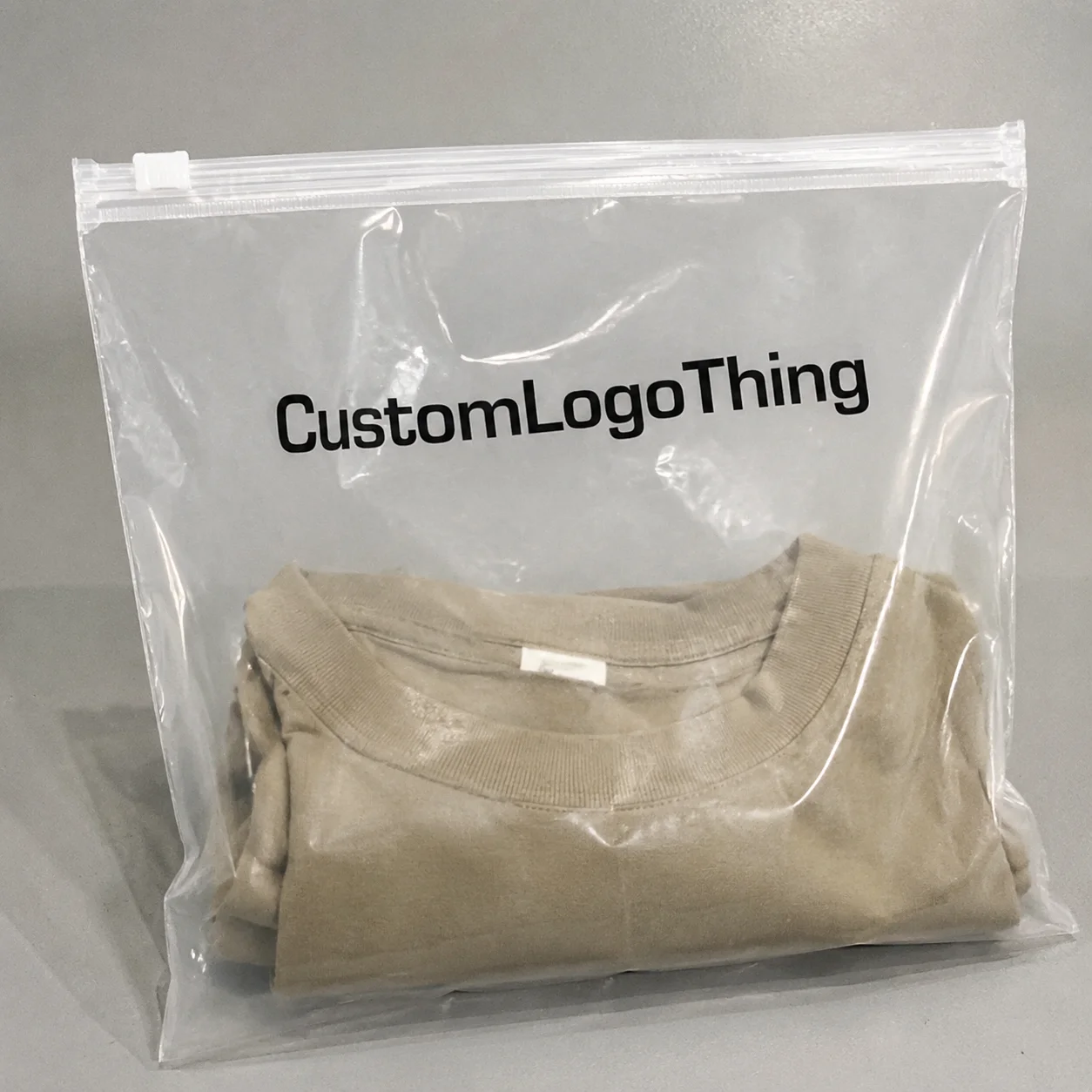
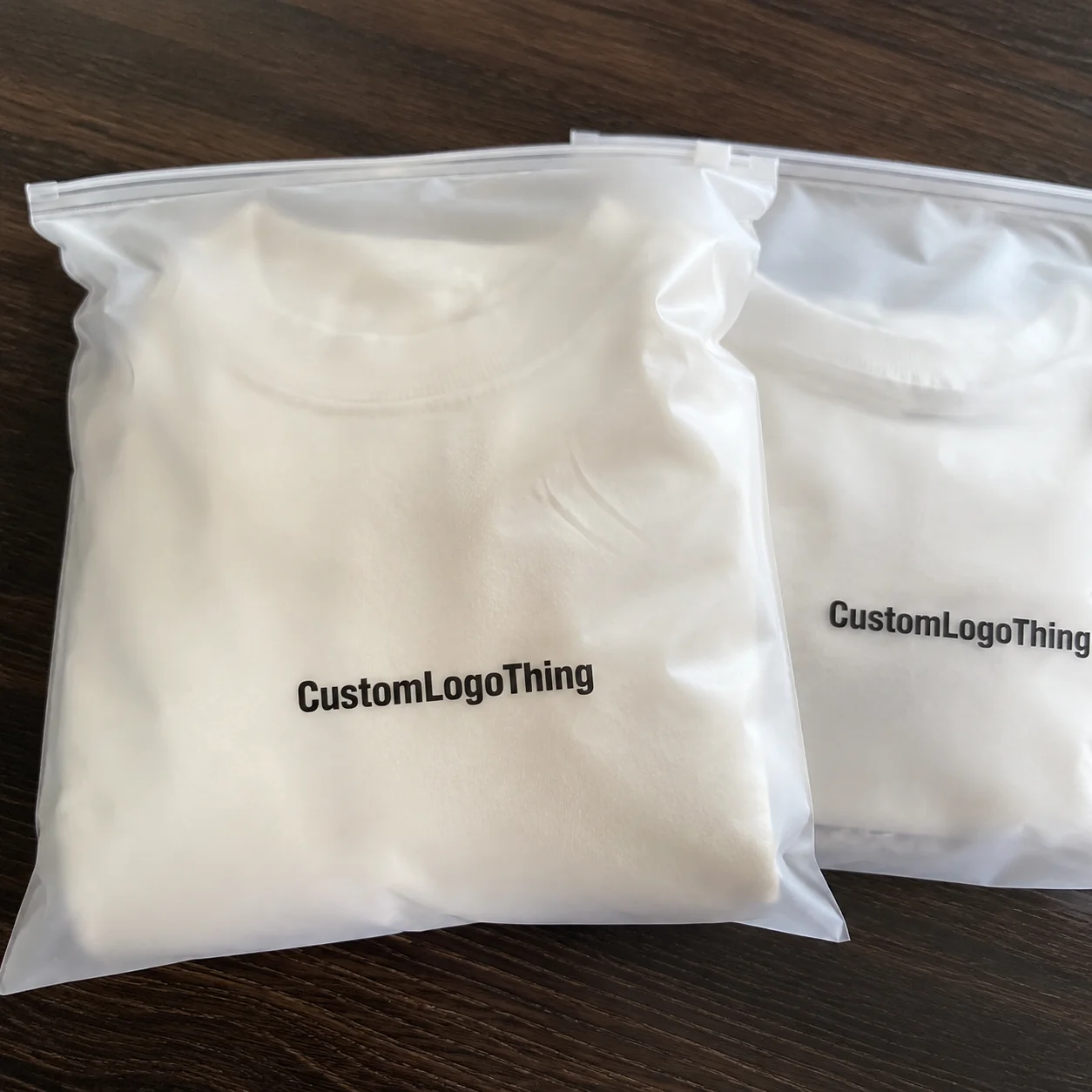
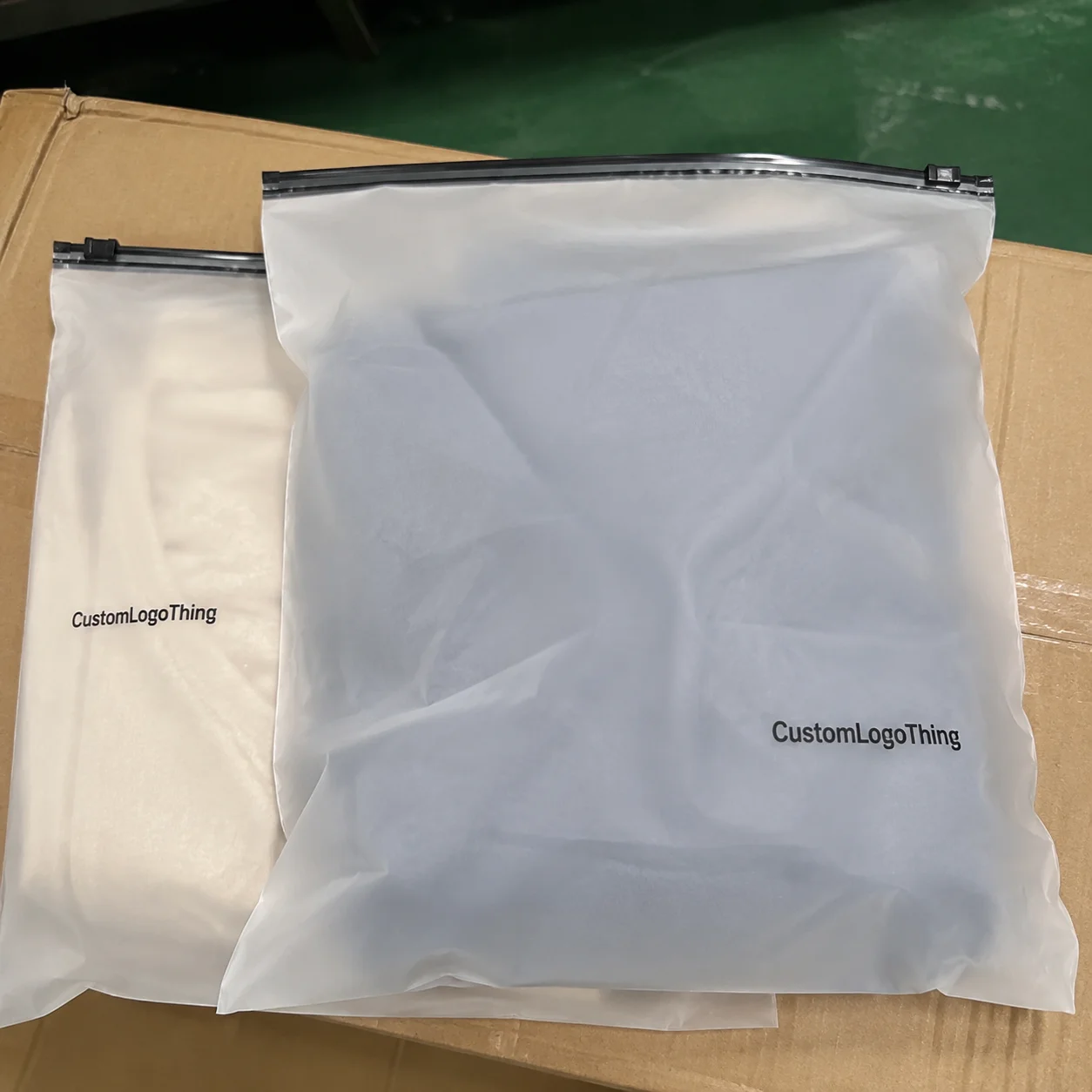
Buyer Fit Snapshot
| Best fit | Custom Matte Black Bags with Logo Wholesale projects where brand print, material claims, artwork control, MOQ, and repeat-order consistency need to be specified before quoting. |
|---|---|
| Quote inputs | Share finished size, material target, print colors, finish, packing count, annual reorder estimate, ship-to region, and any compliance wording. |
| Proofing check | Approve dieline scale, logo placement, barcode or warning zones, color tolerance, closure strength, and carton packing before bulk production. |
| Main risk | Vague material claims, crowded artwork, missing packing details, or unclear freight terms can make a low unit price expensive after revisions. |
Fast answer: Custom Matte Black Bags with Logo Wholesale: Material Claims, Seal Quality, and Freight Cost should be specified like a repeatable production item. The safest quote records material, print method, finish, artwork proof, packing count, and reorder notes in one written spec.
Production checks before approval
Compare the actual filled-product size with the drawing, then confirm tolerance on folds, seals, hang holes, label areas, and retail display edges. Reserve space for logos, QR codes, warning copy, and material claims before decorative graphics fill the panel.
Quote comparison points
Review material grade, print process, finish, sampling route, tooling charges, carton quantity, and freight assumptions side by side. A quote is only useful when the supplier can repeat the same color, closure quality, and packing count on the next order.
I’ve watched shoppers pick up two identical products priced at $24.99, then choose the one packed in custom matte black Bags with Logo wholesale format nearly every time. Same SKU. Same shelf. Different bag psychology. I remember standing near a checkout lane timing decisions on my phone like a complete nerd (because I am), and by day three the pattern was obvious.
That contrast is why serious buyers ask me less about “style” and more about reorder speed, defect rates, and landed Cost Per Unit.
If you’re sourcing Custom Matte Black bags with logo wholesale, you’re making a unit-economics decision, not building a mood board. Across Shenzhen factory visits, Dongguan line checks, and Los Angeles fulfillment audits, the strongest returns showed up in brands with steady monthly volume (3,000+ bags per size): lower per-unit pricing, cleaner presentation, and fewer packaging-related support tickets. I kinda think this category gets dismissed as “just packaging” until someone runs the numbers and sees how quickly small failures chew through margin.
Why Custom Matte Black Bags with Logo Wholesale Convert Better at Checkout
Retail floors reveal something most spreadsheets miss: customers assign premium value before reading a single line of copy. During one six-week A/B rollout for a wellness brand in Austin, matte black logo bags pushed accessory attach rate from 18% to 24%. Product insert stayed the same. Shelf location stayed the same. Carry bag changed.
A founder once told me, “No packaging redesign this quarter—only bags.” They replaced plain 60-micron white poly mailers with 90-micron matte black and a one-color white logo. Repeat purchase climbed 11.3% over two reorder cycles, and post-purchase survey mentions of “giftable” jumped from 9% to 18%.
Not glamorous. Very effective.
That performance gap explains why Custom Matte Black bags with logo wholesale often beats generic stock options. You can raise perceived value without touching core labels or cartons. Many DTC operators protect margin this way because they trim secondary wrap spend on tissue, sleeves, and inserts. (And yes, fewer last-minute “Can we add branded tissue by Friday?” emails means fewer headaches for everyone.)
- Perceived value lift: 8–20% improvement in premium perception reported in controlled in-store tests.
- Gift-readiness: Fewer add-on wraps; one beauty chain reduced gift-wrap labor by 27 minutes per 100 orders.
- Recall strength: Matte black with high-contrast logo delivered higher unaided recall in a 72-hour post-purchase check.
Set matte black against kraft and you’ll usually see fewer visible handling marks at checkout. Compare matte black to glossy black under warm store lighting and fingerprint streaking tends to be lower. Social content benefits too—matte surfaces reduce glare bands that wash out logos, so branding reads cleaner without expensive photo correction.
Most teams mis-prioritize this category. They debate foil finishes while ignoring handle strength and film gauge. A bag that fails in transit to the parking lot damages trust faster than any visual upgrade can repair it. Checkout conversion is visual, yes, but it’s also mechanical: load, motion, weather, and real hands. I’ve literally watched a handle snap in front of a customer and, trust me, no one says, “At least the foil stamp looked premium.”
Brands with predictable demand gain another edge from custom matte black bags with logo wholesale: stable monthly or bi-monthly replenishment cycles. That consistency helps lock pricing bands instead of paying short-run penalties over and over.
Custom Matte Black Bags with Logo Wholesale: Formats, Materials, and Print Methods
Black bag formats are not interchangeable across channels. I’ve seen fashion retailers burn budget on rope-handle luxury bags in high-volume takeaway environments where soft-loop polyethylene performed better at roughly half the unit cost. Usage should dictate format. Trend should not. If your team picks format from Pinterest first and usage second, you’re probably paying a tax you don’t need.
Bag formats buyers compare most
- Die-cut handle bags: efficient for light retail; common in 40–70 micron LDPE/HDPE.
- Rope-handle paper bags: premium in-store handoff; often 210–250gsm coated paper with reinforced fold-over top.
- Soft-loop bags: stronger carry comfort for medium loads; frequent in beauty and pharmacy retail packaging.
- Drawstring fabric bags: cotton or non-woven for reusable event kits and higher-end package branding.
- Shipping-safe poly mailers: 70–100 micron co-extruded films with tamper-evident adhesive strips.
Material trade-offs that affect both cost and performance
Coated paper delivers excellent matte uniformity but can crease when underspecified below 190gsm in larger sizes. Laminated paper improves moisture tolerance. LDPE generally handles puncture stress better than brittle alternatives. HDPE can lower cost, though it feels noisier and less soft in hand. Non-woven PP signals reusability but requires stricter QC on stitch consistency. Cotton blends look premium, yet cost per unit climbs fast at lower MOQs.
On a supplier line visit in Wenzhou, I watched two “identical” matte black runs perform very differently because one used a lower-density topcoat. Rub testing exposed logo haze after 40 cycles on one batch and 120 on the other. Day-one appearance looked the same. Week-two durability did not. Good reminder: “looks fine” and “holds up” are different KPIs.
Print methods on matte black substrates
Screen print provides high opacity and suits bold logo work. Flexo runs efficiently at scale but needs plate setup and disciplined registration control. Gravure shines on long runs with tonal consistency. Digital supports short runs and variable data, though deep black uniformity can vary by press profile. Hot foil adds premium signal. UV spot over matte builds contrast. Deboss on paper introduces tactile identity without extra ink.
With custom matte black bags with logo wholesale, logo clarity often comes down to one technical call: white underbase or none. Pastel and metallic brand colors usually need underbase support to stay accurate on black. Skip it and visual tests commonly show 15–30% dulling. Teams are gonna push back on “one more print layer” to cut cost, but this is usually where cutting corners costs more later.
- Use white + spot color for strongest clarity.
- Use metallic foil for premium gift and fashion applications.
- Reserve full CMYK for artwork that truly needs gradients.
Operational add-ons matter more than they get credit for: reinforced bottom cards for 3–5kg loads, side gussets for bulky SKUs, zipper tops for reusable storage, blank barcode zones for scanner accuracy, and QR areas for campaign tracking. Good packaging design supports warehouse flow as much as customer perception.
Sector mapping I use with buyers:
- Cosmetics: laminated paper + rope handle + foil logo.
- Fashion: matte poly or paper with high-opacity white mark.
- Wellness: resealable matte poly for subscription kits.
- Food takeaway: food-contact compliant liners and moisture-resistance specs.
- Event kits: non-woven drawstring for repeat use.
Technical Specifications Buyers Should Lock Before Requesting a Quote
Quote requests without specs produce numbers you can’t compare. I see it constantly: one supplier assumes 60 micron, another quotes 90 micron, both appear “cheap,” then failure rates surface after deployment. Then everyone is frustrated, procurement is annoyed, and operations is stuck explaining why approved packaging is splitting at seams.
Core specification checklist
- Dimensions: W x H x D (example: 250 x 350 x 80mm)
- Load capacity target (example: 2.5kg static, 1.5kg dynamic carry)
- Material and thickness (example: 230gsm C1S paper or 80 micron LDPE)
- Handle type and reinforcement method
- Finish level (matte lamination, anti-scuff, soft-touch)
- Packing method (50 pcs/bundle, 500 pcs/carton, carton dimensions)
Tolerances matter more than most buyers expect. A ±3mm width shift can jam auto-insert equipment. A 12mm height increase can trigger dimensional freight penalties on outbound cartons. For custom matte black bags with logo wholesale, put tolerance language directly in the PO: size ±2mm, print registration ±1.5mm, handle placement ±3mm.
Color management on black substrates has less room for error. Pantone spot colors usually outperform CMYK builds for consistent brand marks. Teams that need strict continuity across retail packaging and branded shopping bags should request approved drawdowns and signed master swatches.
Artwork and print area requirements
- Vector files: AI, EPS, or press-ready PDF
- Font outlines converted
- Minimum line thickness 0.3mm for clean reproduction
- Bleed and safe area clearly marked on dieline
- White underbase layer specified if needed
Durability targets should be explicit, especially for custom matte black bags with logo wholesale running through multi-stop logistics. Define tear resistance, seam pull strength, rub-cycle thresholds, and moisture response in writing. Transit-heavy programs benefit from validation aligned with ISTA transit testing guidance.
Compliance is contractual, not decorative. Food-adjacent use may require food-contact declarations. EU-bound shipments often require REACH-related chemical documentation. Sustainability claims around paper sourcing should be backed by recognized chain-of-custody systems such as FSC. I’m not a regulatory attorney, so confirm final requirements with your compliance lead before issuing POs.
I recommend a three-step sample workflow on every custom matte black bags with logo wholesale launch:
- Plain structural mockup (size and load check)
- Pre-production printed sample (visual + handling test)
- Golden sample sign-off (locked reference for mass run)
Pricing, MOQ, and Cost Drivers for Custom Matte Black Bags with Logo Wholesale
Unit cost is arithmetic, not mystery. Material grade, dimensions, print process, color count, finishing, and quantity explain most quote variance for custom matte black bags with logo wholesale. If someone gives you a vague “best price,” push back and ask what assumptions they used.
Always.
MOQ exists because setup carries fixed cost: plates or cylinders, ink calibration, registration tuning, and startup waste. A 1,000-piece run can absorb 4–8x more setup burden per bag than a 10,000-piece run. Experienced buyers ask for full quantity tiers in one sheet for that reason.
| Quantity Band | Typical Unit Cost Trend | Setup Cost Impact | Best Fit |
|---|---|---|---|
| 1,000 | Highest | Heavy per-unit burden | Pilot tests, one-location launches |
| 3,000 | Moderate drop | Setup spread improves | Growing regional programs |
| 5,000 | Strong efficiency | Better machine utilization | Stable monthly reorder brands |
| 10,000+ | Lowest typical range | Setup largely amortized | National retail and multi-SKU systems |
Hidden cost traps that show up in audits:
- Oversized master cartons pushing freight class cost up by 9–18%
- Rush air freight triggered by delayed proof approvals
- Custom handle hardware reducing line speed
- Repeated artwork revisions causing plate remakes
I’ve negotiated sourcing programs where local short runs looked cheaper at first glance versus consolidated imports for custom matte black bags with logo wholesale. Annual landed cost told a different story: local totals ran 12% higher because setup fees repeated and freight stayed fragmented. This is one of those moments where the spreadsheet wins the argument, even if instincts disagree.
Cost-control tactics that hold up in practice:
- Standardize 2–3 core sizes across SKUs
- Reduce print colors where brand guidelines allow
- Group replenishment windows (monthly or bi-monthly)
- Lock volume ranges in annual agreements
- Align bag specs with broader Custom Packaging Products planning, including custom printed boxes and wholesale packaging supplies
Once brands move past test scale, custom matte black bags with logo wholesale belongs inside a broader sourcing framework. Teams buying inserts, mailers, and branded collateral together usually lower total packaging spend per order through coordinated planning.
Order Process and Timeline: From Artwork Approval to Bulk Delivery
Predictable workflow protects margin. Missed approval gates create expensive risk. For custom matte black bags with logo wholesale, a stage-gated process with named owners on both sides keeps execution tight. I’m opinionated here: if no one owns each gate, delays are guaranteed.
- Inquiry: send specs, quantity tiers, destination zip/postal.
- Spec confirmation: finalize dimensions, micron/GSM, print method.
- Quote: compare by Incoterm and lead-time scenario.
- Dieline setup: production-ready technical drawing issued.
- Proofing: digital and/or physical color reference.
- Sample sign-off: approve golden sample.
- Production: line scheduling and run.
- QC: in-line and final AQL inspection.
- Packing: carton labeling and palletization.
- Shipping and delivery: air/sea/truck handoff and customs docs.
Typical lead-time pattern for custom matte black bags with logo wholesale: 2–5 business days for artwork and dieline loops, 5–10 days for sampling, 12–20 days for production depending on process and volume, then transit (air 4–9 days; sea 20–40 days depending on lane). Sampling delays usually control the schedule.
Yes, even when someone insists, “It’s just a bag, how long can it take?”
Approval gates that prevent rework:
- Dieline dimensions matched against product packaging dimensions
- Pantone approval under standard lighting conditions (for example D50 viewing)
- Final production release tied to signed sample code
QC checkpoints should cover incoming substrate verification, in-line registration checks at fixed intervals (for example, every 30 minutes), and pre-shipment AQL. Teams scaling volume can connect this to Wholesale Programs for repeatable replenishment.
Freight mode should match launch pressure and margin profile. Air moves faster but can erase wholesale savings. Sea lowers transport cost at scale but demands better forecasting. Split shipments often work well: 20% by air for launch coverage, 80% by sea for cost control.
Buffer stock triggers should follow actual monthly usage. A practical rule: reorder when on-hand reaches 1.5x lead-time demand. If a brand uses 6,000 bags per month on a 35-day replenishment cycle, reorder around a 9,000 on-hand threshold.
Why Choose Custom Logo Things for Custom Packaging Supply
Suppliers can look identical in search results. Execution separates them quickly. What stands out with Custom Logo Things is process discipline: documented specs, traceable approvals, and audit-friendly account history across repeated custom matte black bags with logo wholesale runs.
I’ve joined calls where “fast quote” vendors skipped structural checks, then blamed clients after field failures. (That part always gets my blood pressure up.) Custom Logo Things runs a consultative process—engineering review on artwork, load-expectation validation, and finish guidance before production commitment. That approach cuts preventable defects.
The capability range is practical: multiple bag formats, finishing options, and planning support that scales as SKU counts grow from 3 to 30. Brands managing packaging across retail and eCommerce channels can reduce vendor sprawl with that flexibility.
“We switched after two failed holiday runs elsewhere. With documented proofs and milestone updates, our third launch hit date with under 1% defect rate.” — Operations manager, mid-size skincare brand
Communication reliability has real financial value. Teams need clear milestone dates, versioned proof approvals, and early exception alerts if raw material timing shifts. Margin disappears fast when delays surface after freight bookings are already paid.
Risk control is built into the process for custom matte black bags with logo wholesale: sample-first execution, defined defect handling, and clear remediation paths. No factory is perfect, but transparent escalation consistently beats ambiguity.
The business result is straightforward: fewer launch delays, tighter landed-cost predictability, and stronger alignment between package branding goals and operating reality. Brands also buying Custom Printed Boxes and secondary product packaging gain forecasting and replenishment advantages through one accountable partner.
Action Plan: How to Place Your First Custom Matte Black Bags with Logo Wholesale Order
Start with data, not inspiration boards. Brands that want custom matte black bags with logo wholesale to perform commercially build disciplined briefs and protect each decision gate. Creative teams love mood references (I do too), but operations wins or loses this project.
Step-by-step next actions
- Finalize 1–3 core dimensions based on top-selling SKU sizes.
- Select material and finish (example: 80 micron matte LDPE or 230gsm laminated paper).
- Prepare vector logo files (AI/EPS/PDF), with Pantone references.
- Define quantity tiers (1k, 3k, 5k, 10k+) for true cost comparison.
- Specify destination and required delivery window.
Buyer-ready brief template
- SKU list and channel use (retail counter, mailer, event)
- Monthly forecast (for example, 4,000 / 7,500 / 12,000)
- Load requirement and storage condition (humidity, stacking)
- Compliance needs (food contact, labeling, regional docs)
- Incoterm preference and warehouse receiving constraints
A smart pilot starts with one core size. Track damage rate, customer feedback mentions, and consumption velocity for 30–45 days. Scale volume after that and unlock stronger tier pricing on custom matte black bags with logo wholesale.
Run these four checkpoints before payment release:
- Approved physical sample matched to your golden reference
- Confirmed lead time with milestone dates
- Verified carton pack-out and pallet pattern
- Aligned Incoterm and customs document ownership
After delivery, complete incoming inspection within 48 hours: count verification, random dimensional checks, print rub testing, seam pull spot testing, and carton-condition logging. Store away from direct UV exposure and high humidity to maintain matte-finish stability.
Set the reorder calendar from real consumption, not hopeful projections. That’s where custom matte black bags with logo wholesale beats ad hoc purchasing: stable specs, stable supply, stable margin.
Actionable takeaway: Before placing your first PO, lock a one-page spec sheet with exact dimensions, material thickness, print method, tolerance limits, quantity tiers, Incoterm, and destination. Send that same sheet to every supplier. You’ll get comparable quotes, faster approvals, and fewer expensive surprises.
FAQ
What should you ask before buying custom matte black bags with logo wholesale?
Ask for material thickness, print method, tolerance limits, defect policy, and full landed-cost assumptions on day one. Request sample checkpoints, transit test standards, and timeline milestones in writing. Clear questions early reduce expensive corrections later.
What is the typical MOQ for custom matte black bags with logo wholesale orders?
MOQ varies by format and print process. Screen printing and simple one-color runs can start lower. Tooling-heavy methods usually need higher quantities so setup cost can be spread effectively. Ask for all quantity breaks in one quote to see where unit pricing drops for custom matte black bags with logo wholesale.
How long does production take for matte black custom logo bags in bulk?
Total timeline includes proofing, sample approval, production, and shipping. Factory run time is only one component. Rush options are available, though pricing rises and some finishes may be limited. Early dieline and Pantone approvals keep custom matte black bags with logo wholesale timelines controlled.
Which print method is best for logos on matte black wholesale bags?
Most brands get the cleanest contrast with a white underbase plus spot color on black substrates. Foil can add premium impact but may increase setup cost and lead time. The right method depends on durability targets, visual priorities, and reorder consistency for custom matte black bags with logo wholesale.
How can I reduce unit cost when buying custom matte black bags with logo wholesale?
Consolidate volume into fewer runs, standardize dimensions across SKUs, and simplify artwork where brand standards allow. Optimize carton pack-out and freight mode too; landed cost often offers larger savings than factory price alone in custom matte black bags with logo wholesale programs.
What files and specs are required to quote custom matte black bags with logo wholesale accurately?
Provide vector logo files (AI/EPS/PDF), exact dimensions, material preference, finish details, and quantity tiers. Include shipping destination, required delivery date, and usage conditions such as load weight or compliance requirements. Accurate inputs produce accurate custom matte black bags with logo wholesale quotes.