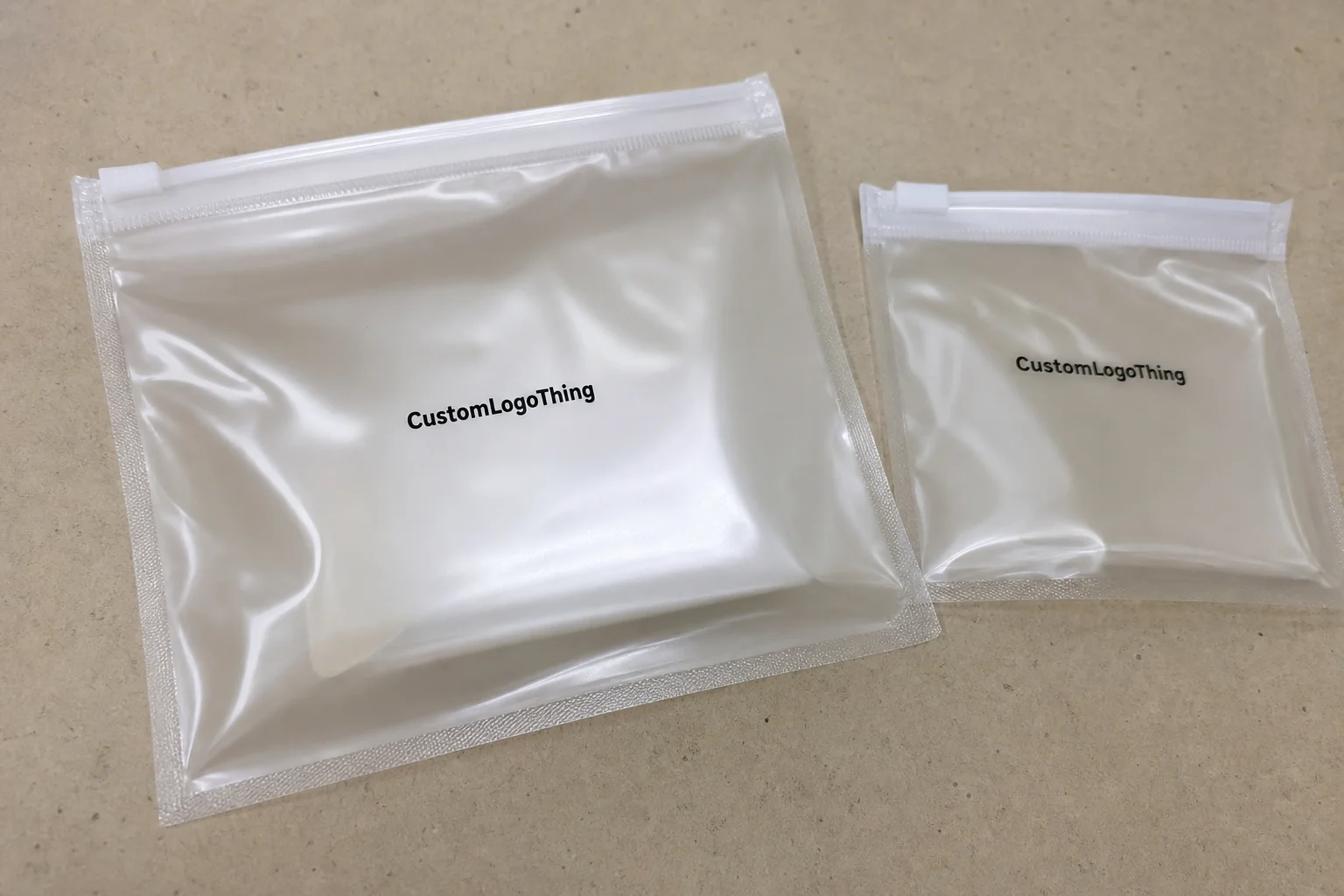
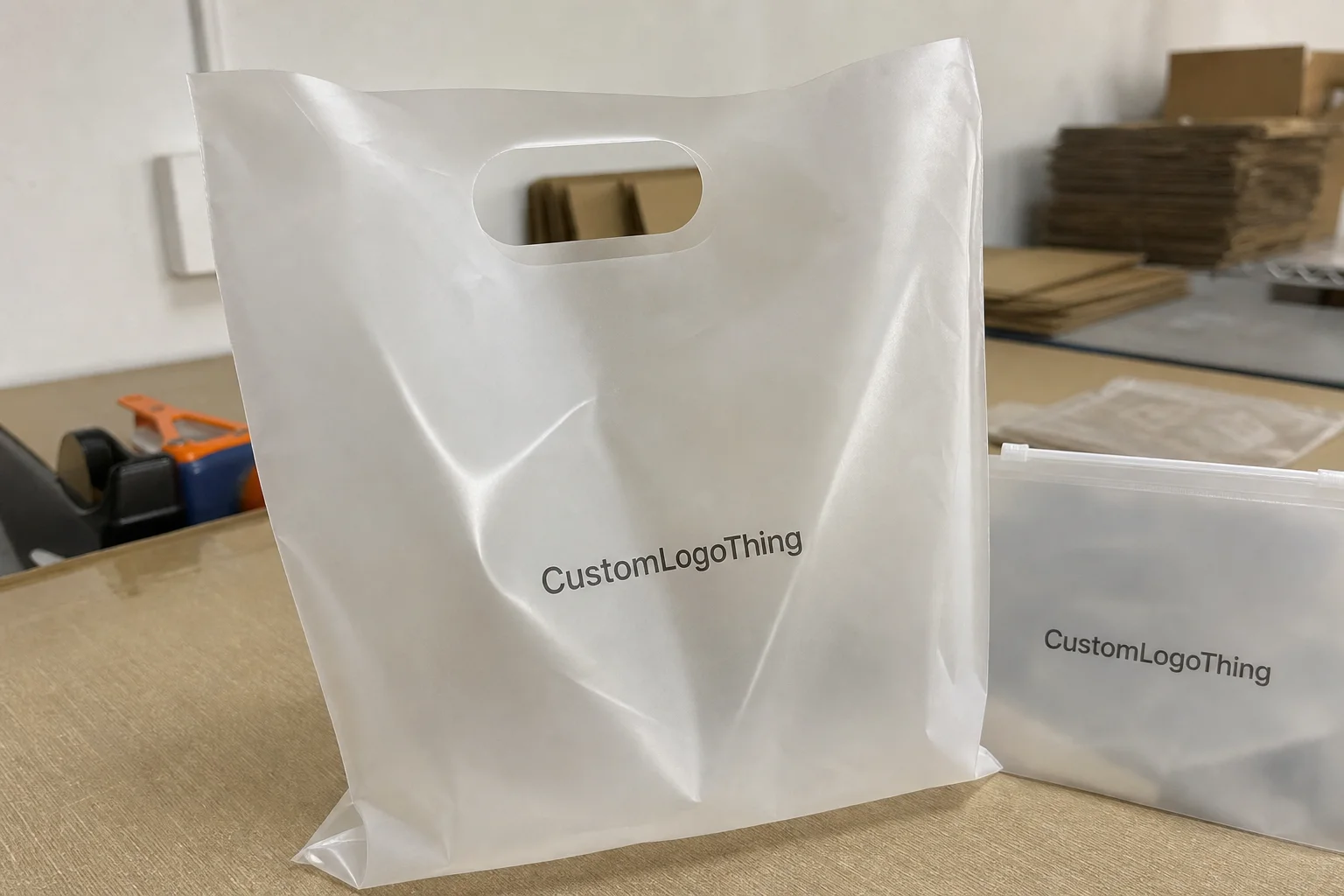
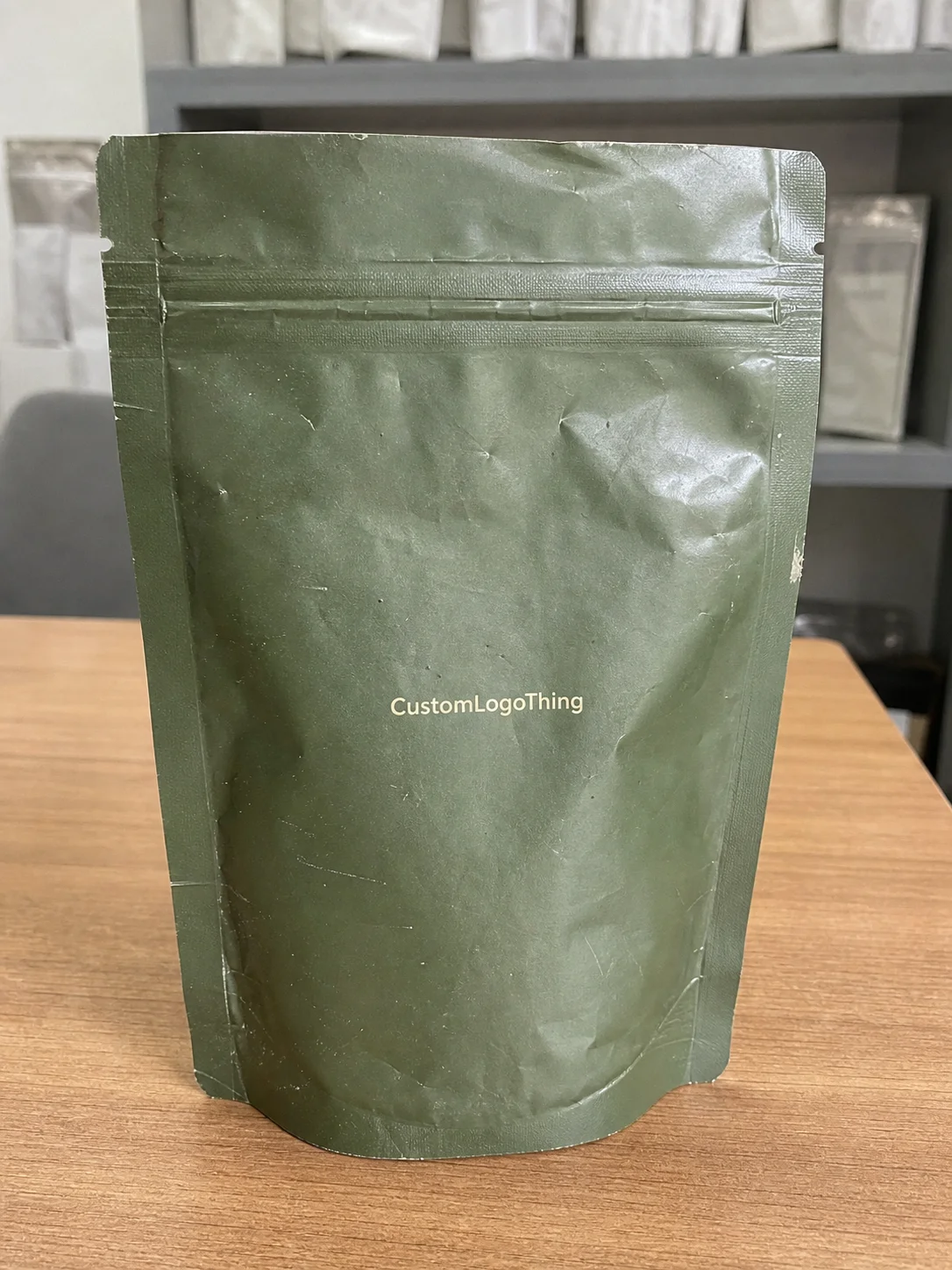
Custom Mini Tote Bags are easy to underestimate because they are small. That is exactly why they work. A compact bag can make a purchase feel finished, keep a sample kit tidy, and turn a modest item into something that looks considered instead of improvised.
Retail buyers usually notice the same pattern: the best small-format packaging rarely shouts. It supports the product, fits the item without excess slack, and carries the brand cleanly. Mini totes do that well because they sit between functional packaging and branded presentation. They are practical, but they also change how the customer reads the purchase.
That matters in boutiques, event kits, gift-with-purchase programs, and sampled product launches. A tiny bag with the right structure can do more for perceived value than a larger bag that looks generic or oversized. The economics are not mysterious either. The smaller the package, the less margin for error in construction, print layout, or material choice.
A mini tote has a narrow job description: fit the item, carry it cleanly, and make the purchase look intentional. If it does those three things, it earns its place.
What Makes Custom Mini Tote Bags Useful in the First Place
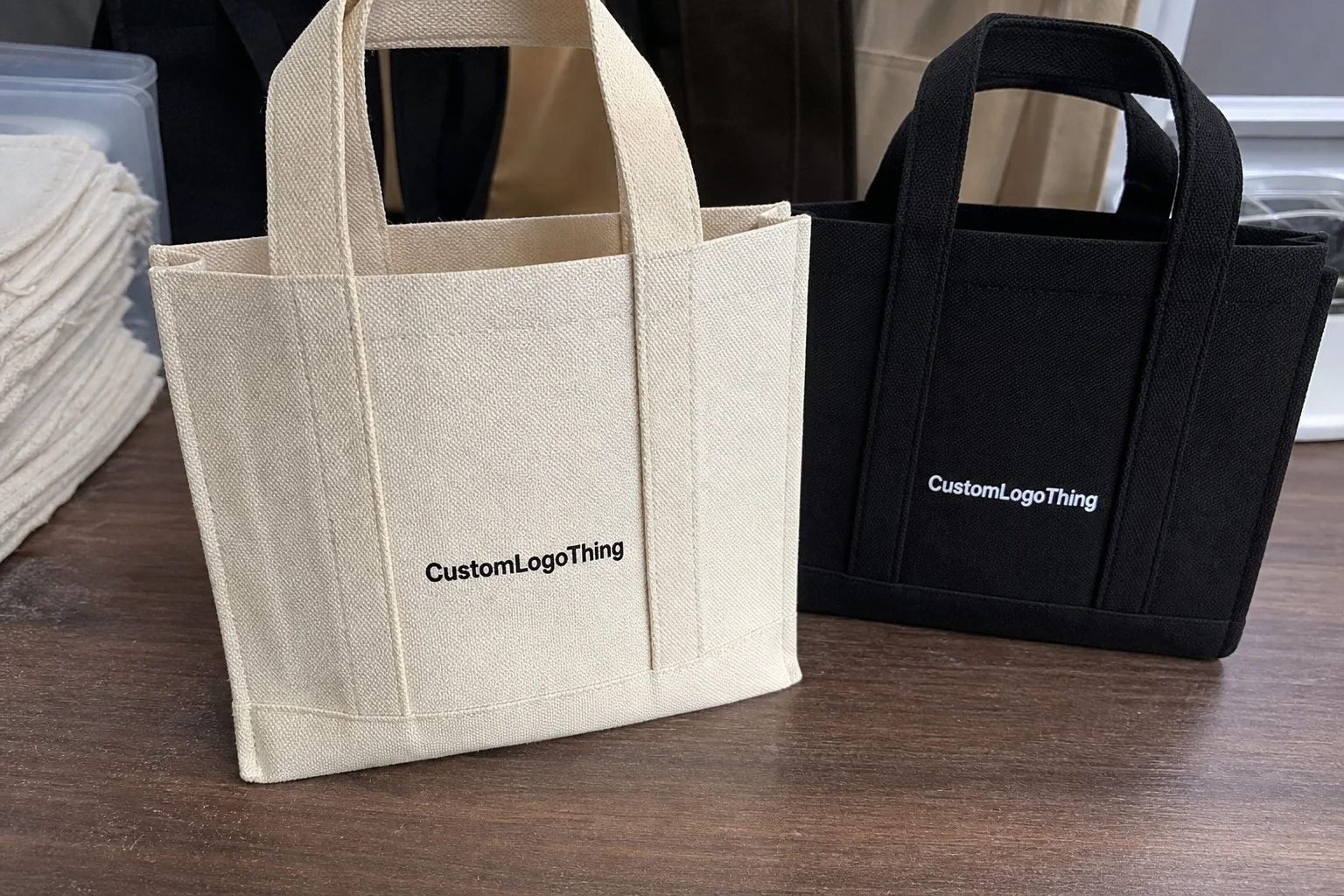
The strongest use case is simple. Small retail items need packaging that feels proportional. Jewelry, gift cards, cosmetics, candles, accessories, and small sample sets all benefit from a container that is sized for the product rather than borrowed from a larger format. An oversized carrier wastes material and makes the contents look lost. A mini tote does the opposite.
There is also a branding effect that is easy to miss until you see it on a counter. A well-sized bag suggests the buyer received something planned, not something thrown into the nearest paper sack. That visual signal is valuable because packaging is one of the few brand touchpoints that travels with the customer after the transaction. If the bag looks deliberate, the purchase tends to feel more deliberate too.
For businesses that run frequent small-order programs, custom mini tote bags also help standardize presentation. Event teams, retail associates, and fulfillment staff can pack quickly without having to guess which container to use. That keeps the experience consistent across stores or locations, which is more useful than it sounds. Consistency is not a luxury in packaging. It is a control measure.
There is a limit, though. Mini totes are not meant to carry every product or solve every packaging problem. If the item is heavy, sharp-edged, moisture-sensitive, or unusually tall, the bag needs to be engineered for that use rather than selected because it looks cute on a sample board. The useful question is not whether the bag looks good in isolation. It is whether it still looks good after the actual product is packed inside.
Materials, Handles, and Print Areas That Change the Bag
On a spec sheet, several mini tote options can appear close enough to substitute for one another. In hand, they are not close at all. Material choice is the first divider. Nonwoven polypropylene is common for economical branded packaging because it is light, easy to print, and generally efficient for larger quantities. Woven PP and laminated constructions feel more rigid and typically hold their shape better. Kraft paper has a cleaner retail look, but it needs enough structure to avoid looking tired the moment something heavier goes inside.
Thickness matters as much as material type. A lighter wall can be fine for samples or gift cards, but it starts to feel flimsy with boxed goods or stacked items. Buyers often focus on the surface finish and forget the load path. The bag is not just seen. It is pulled, filled, set down, carried, and often stuffed into another bag. Those small stresses reveal weak construction quickly.
Handle style changes the experience more than most people expect. Die-cut handles are cost-efficient and straightforward. Rope or loop handles usually feel more premium and are easier on the hand, but they add cost and often require reinforcement. If the bag will carry weight or have repeated use, reinforced handle attachment is not optional. A well-printed bag with weak handle stitching still fails the customer test.
Print area is the other constraint that gets underestimated. Small bags reduce the room available for logos, taglines, and decorative elements, and print layout has to respect seams, gussets, and structural folds. Thin lettering and tiny detail can disappear once the artwork is reduced to fit. Strong mini tote design usually relies on a short logo, clear spacing, and a bold enough imprint that it survives normal production variation.
| Construction | Best Use | Strength | Tradeoff | Typical Cost Impact |
|---|---|---|---|---|
| Nonwoven polypropylene | Events, lightweight retail packaging | Light, economical, easy to print | Less premium hand feel | Lowest baseline |
| Woven or laminated PP | Heavier products, repeated use | Better durability and shape retention | Higher unit cost | Often adds $0.06-$0.20 per unit |
| Kraft paper | Boutiques, gift packaging, premium presentation | Clean look, recyclable profile | Lower moisture resistance | Varies by finish and handle |
| Film or plastic-based mini tote | Sample kits, promotional packaging | Moisture resistance, consistent print | Can feel less premium in some markets | Depends on thickness and print coverage |
If the contents are heavier than they look, ask how the bag was tested under load and in transit. A packaging sample that feels fine on a table can still fail once cartons are stacked or handled repeatedly. Transit testing, even in a basic form, is more useful than a vague durability promise.
Cost, MOQ, and Unit Price: What Actually Drives the Quote
Most quotes move for the same reasons: material thickness, finished dimensions, handle type, print colors, surface finish, and packing requirements. Add individual wrapping or retail-ready bundling and the price usually changes again. The order may still look simple from the outside, but manufacturing sees every extra step.
MOQ is where first-time buyers often misread the economics. Lower minimums usually cost more per unit because setup is spread across fewer pieces. That is normal production math, not a tactic. A 500-piece run can be the right choice for a pilot program, but it is rarely the cheapest path if the bag will be reordered and used at scale. A 5,000-piece run usually buys better unit economics, provided the design is stable and the storage plan is realistic.
There is also a difference between unit price and landed cost. Unit price is the number most quotes lead with because it looks clean. Landed cost is what the order actually costs once setup fees, proofing, freight, and any packing extras are included. A bag priced at $0.24 each can end up more expensive than a bag priced at $0.19 if the second option has a better freight lane or fewer charges attached. That is the comparison that matters.
For practical budgeting, a basic mini tote at 5,000 pieces might sit around $0.18 to $0.28 per unit for a simple build with limited print coverage. Heavier stock, stronger handles, more print colors, or premium finishing can push the range to roughly $0.35 to $0.85 per unit, depending on region and complexity. Those ranges are directional, not guarantees. Raw material pricing, compliance requirements, and shipping mode can move them quickly.
| Quote Factor | How It Affects Price | What to Ask |
|---|---|---|
| Material thickness | Thicker stock usually raises cost and improves feel | What thickness was quoted, and is it consistent across suppliers? |
| Print colors | More colors usually mean more setup and more risk | Is the design one-color, spot-color, or full coverage? |
| Handle type | Reinforced or premium handles increase unit cost | Does the handle support the product weight comfortably? |
| Freight | Can erase a low unit price quickly | What is the landed cost to your delivery location? |
If the goal is to compare package formats rather than just one product type, it helps to line up the bag with other branded materials already in use. A broader set of Custom Packaging Products may include sleeves, inserts, or boxes, and the best choice is the one that fits the product, the budget, and the fulfillment process without adding unnecessary weight or handling.
Production Process and Lead Time: From File to Delivery
The production flow is predictable if the inputs are clean. The supplier reviews the specification, checks the artwork, issues a proof, waits for approval, runs the order, inspects the finished goods, packs cartons, and ships. Delays usually appear in the middle, not the beginning. That is where missing measurements, weak artwork files, and late design changes start to slow the job down.
Artwork is a frequent bottleneck because what looks acceptable on a screen may be unusable in production. Low-resolution logos, tiny text, poor contrast, or vague color references can force rework. So can changing the bag size after the proof is already underway. A size adjustment can shift the print zone, change the handle placement, and alter carton pack counts. One revision is manageable. Three revisions usually mean schedule loss.
Lead time should be read in three pieces: sample time, production time, and transit time. A prototype or physical sample can take several business days, depending on material and construction. Standard production commonly falls in the 12 to 15 business day range after proof approval, though complex finishes or larger orders can add time. Shipping speed then depends on the route, customs clearance, and whether the order is moving by air, ocean, or domestic freight.
Fast turnaround is rarely a miracle. It is mostly the result of a clear specification, a stable design, and quick approvals. If any of those pieces wobble, the schedule usually stretches. That is not poor performance. It is the natural cost of uncertainty.
For buyers who care about material efficiency, it is also worth looking at source reduction and packaging waste together. The EPA's sustainable materials management guidance is a better reference than vague green claims because it keeps the focus on reducing unnecessary material and transport weight.
How to Size the Bag and Prep Artwork Before You Request a Quote
Start with the product, not the packaging trend. Measure the actual item’s width, height, and depth. Then add space for loading, seams, gussets, and the way the contents settle once packed. Buyers get into trouble when they size to the flat product only and ignore the depth the bag needs to remain usable.
Think about the customer’s carry experience too. A gift card set, a small candle, and a boxed skincare kit do not need the same bag. If the bag is too tight, the item looks forced into place. If it is too loose, the presentation loses precision and the bag starts to feel generic. The right size is usually obvious once the real product is inside a mockup.
Artwork should match the printable area, not the outside dimensions of the bag. That distinction matters. A centered logo on the artwork file can still sit too close to a seam, fall into a fold, or get compressed by the gusset. Before approval, ask for the print zone, safe margins, and any color or registration limits. The supplier should be able to tell you exactly what survives the production process.
These are the details worth locking before you request pricing:
- Finished dimensions and gusset depth
- Material preference and thickness
- Handle type and reinforcement
- Print colors and coverage
- Quantity and delivery location
- Whether you need retail packing, bundles, or individual wrapping
A one-page spec sheet reduces quote churn and makes comparisons useful. Without that, every supplier is responding to a slightly different version of the order. That is how buyers end up comparing numbers that cannot be compared.
If the bag is part of a broader brand system, line it up with labels, inserts, sleeves, and any Custom Packaging Products already in circulation. A consistent package family is easier to manage across stores and event teams than one-off designs that only work in isolation.
Common Ordering Mistakes That Make Small Bags Look Cheap
The first mistake is underbuilding the bag. Thin walls, weak seams, and flimsy handles show up fast once the product is inside. A small format has less surface area to hide weak choices, so shortcuts become visible immediately. Some buyers assume “mini” means light duty. That assumption is expensive.
The second mistake is overprinting the surface. A mini tote does not have the real estate of a large shopping bag, so dense copy and complex graphics can make it look crowded. Clean artwork usually prints more reliably and reads better in the hand. That is not a style preference. It is a production reality.
The third mistake is approving color from a screen alone. Screens are bright and backlit, which makes them a poor reference for ink density, stock tone, and finish. If the bag has to match other branded packaging, ask for a physical sample, strike-off, or press reference. Screen-only approval is a weak control method when color matters.
Fourth, buyers often change the size too late. A late size change can move the print layout off center, alter carton counts, and force another proof cycle. It is much safer to test the real product inside a sample bag first, then approve the artwork around that actual fit. A five-minute check can prevent a two-week delay.
If the sample looks right but the layout feels cramped, trust the sample. Small formats punish indecision.
Weight is the last common miss. A bag that holds a glass jar, stacked skincare, or a boxed accessory needs seams and handles sized for the actual load, not the display version of the product. That failure is especially visible at checkout or at an event table, where the customer handles the bag immediately. A small bag does not forgive weak construction. It advertises it.
Expert Buying Tips for Better Finish, Durability, and Color
Choose the strongest material that still fits the budget. Buyers often start at the cheapest option and work upward only after complaints or replacements appear. That is usually backwards. A slightly heavier stock or better reinforcement can save more than it costs because it reduces failure and improves the perceived quality of the entire purchase.
Keep the artwork restrained. Bold logos, short copy, and clear contrast tend to perform better on mini totes than detailed decoration. Intricate artwork can look impressive in a proof and disappointing on production stock. Small-format packaging rewards discipline. The bag should support the brand, not compete with it.
Ask for sample photos, prior production references, or a physical prototype if consistency matters across stores, regions, or event teams. A supplier that controls its process well should be able to show what the product looks like in real use, not just in a polished mockup. If they cannot, that tells you something about their quality system.
For paper-based programs, FSC-certified stock can matter if the brand has sustainability requirements or if retailer policies demand traceable sourcing. The Forest Stewardship Council is the relevant reference point for that kind of chain-of-custody documentation. Not every order needs certification, but if the packaging story includes responsible sourcing, the paperwork should be real.
Good suppliers will also tell you when a spec is overbuilt or underbuilt. That is a useful signal. If a handle style will not hold the intended load, or if the logo will lose legibility at the chosen size, the supplier should say so. Silence is not expertise. It is usually a quick path to avoidable problems later.
Custom Mini Tote Bags: Build a Clean Spec Sheet and Compare Quotes
The practical next step is to create one clean specification and send it to at least two suppliers. Include dimensions, material, handle type, print area, print colors, quantity, and delivery target. Keep the wording tight. A vague spec generates a vague quote, and a vague quote usually hides cost or risk somewhere downstream.
Then make every supplier quote the same version of the order. Same size. Same material. Same artwork notes. Same delivery destination. That is the only way to compare offers without comparing assumptions. If the inputs differ, the price difference may mean nothing at all.
Before production starts, approve a proof or sample. That step matters even more for retail packaging and event kits because the bag is carrying brand perception, not just product. If the color misses, the handle feels weak, or the print sits incorrectly on the surface, the flaw becomes obvious the moment the customer touches it.
Custom mini tote bags work best when the dimensions, material, and artwork all match the item they are meant to carry. The order gets easier to manage, the presentation looks deliberate, and the economics stay legible. Lock the spec first. Then compare Pricing and Lead time against the same standard.
How big are custom mini tote bags usually?
They are usually sized for small retail items, samples, gift cards, and compact event kits rather than full shopping loads. The usable capacity depends more on gusset depth and structure than on flat width alone. Match the bag to the actual item before requesting pricing.
What material is best for custom mini tote bags?
The best choice depends on the product weight, presentation goal, and budget. Nonwoven polypropylene is common for lightweight promotional packaging, while woven or laminated options feel sturdier and hold shape better. For premium retail use, the finish often matters as much as the raw material.
What is a normal MOQ for custom mini tote bags?
MOQ varies by construction, print method, and whether the bag is stock-sized or fully custom. Lower minimums usually mean a higher unit cost because setup is spread across fewer pieces. Ask for MOQ and unit cost together so you can judge the real economics of the order.
How long does production take for custom mini tote bags?
Lead time depends on proof approval, material availability, quantity, and shipping distance. Artwork delays usually cause more problems than the factory run itself. A clean spec sheet and quick approval cycle are the easiest ways to protect turnaround time.
Are custom mini tote bags good for retail and events?
Yes, especially when the goal is packaging that feels deliberate without wasting material on an oversized bag. They work well for boutique purchases, samples, VIP kits, and small event giveaways. The key is matching size and print area to the item so the bag feels useful rather than awkward.