Buyer Fit Snapshot
| Best fit | Custom Offset Printed Boxes Factory projects where brand print, material claims, artwork control, MOQ, and repeat-order consistency need to be specified before quoting. |
|---|---|
| Quote inputs | Share finished size, material target, print colors, finish, packing count, annual reorder estimate, ship-to region, and any compliance wording. |
| Proofing check | Approve dieline scale, logo placement, barcode or warning zones, color tolerance, closure strength, and carton packing before bulk production. |
| Main risk | Vague material claims, crowded artwork, missing packing details, or unclear freight terms can make a low unit price expensive after revisions. |
Fast answer: Custom Offset Printed Boxes Factory: Board, Finish, Dieline, and Unit Cost should be specified like a repeatable production item. The safest quote records material, print method, finish, artwork proof, packing count, and reorder notes in one written spec.
Production checks before approval
Compare the actual filled-product size with the drawing, then confirm tolerance on folds, seals, hang holes, label areas, and retail display edges. Reserve space for logos, QR codes, warning copy, and material claims before decorative graphics fill the panel.
Quote comparison points
Review material grade, print process, finish, sampling route, tooling charges, carton quantity, and freight assumptions side by side. A quote is only useful when the supplier can repeat the same color, closure quality, and packing count on the next order.
A Custom Offset Printed Boxes factory is where attractive packaging becomes repeatable packaging. The hard part is not just putting ink on board; it is making sure the same box looks right on the first sheet and the 50,000th. I have seen projects where the artwork was beautiful, but the carton failed because the crease memory was wrong or the glue area was too tight. That kind of mistake costs time, money, and a fair bit of patience. For brands that care about branded packaging, the factory stage matters as much as the design file, because the box is often the first physical touchpoint a customer sees. It has to tell a story and protect the product at the same time.
A custom offset printed boxes factory is worth understanding before you request quotes. The same artwork can produce very different results depending on how the plant handles prepress, color control, die cutting, and gluing. If you want a broad view of box styles and build options, our Custom Packaging Products page is a useful starting point, and the capabilities behind those formats are explained on our Manufacturing Capabilities page. The point of this piece is simple: help you judge quality, cost, and lead time with a buyer's eye instead of a guess. You are not gonna get a reliable quote from a vague brief, no matter how polished the mockup looks.
What a custom offset printed boxes factory really does
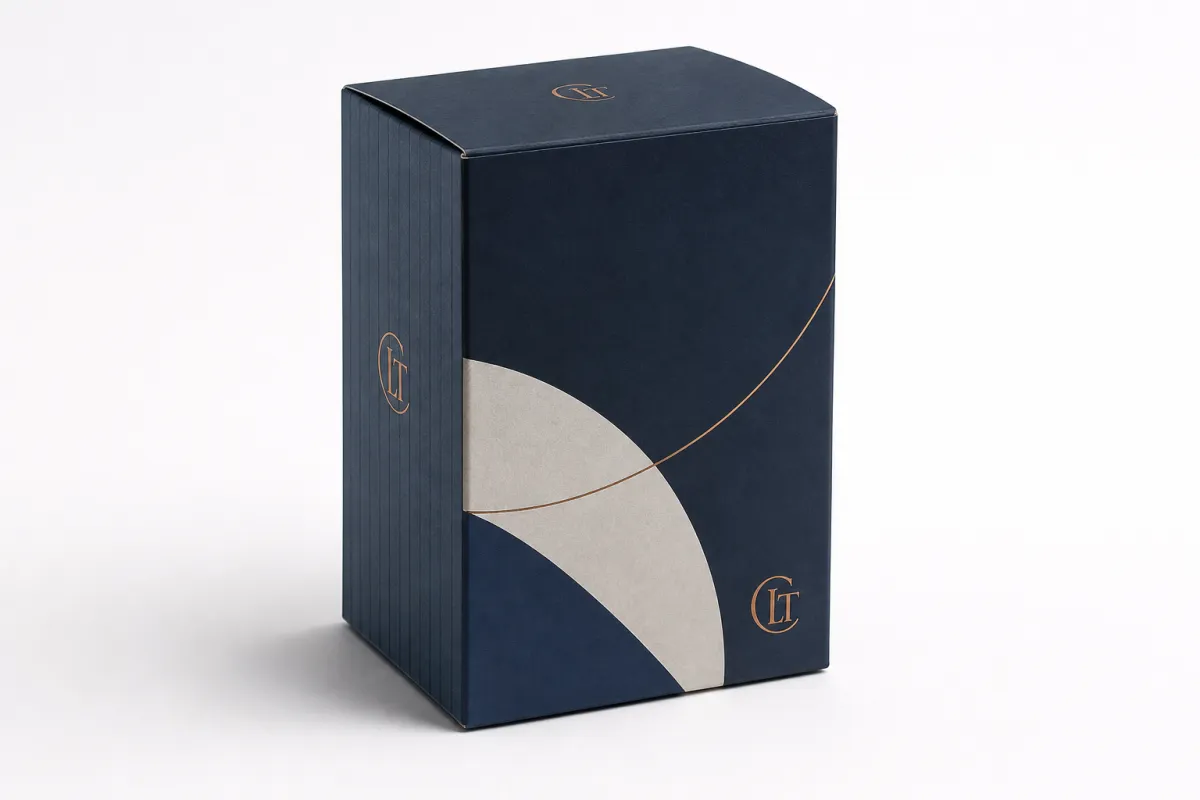
A custom offset printed boxes factory is not just a place that prints ink on paperboard. It is a controlled production environment that takes a flat design file and turns it into a finished carton, sleeve, display box, or rigid component that folds correctly and looks the same from unit to unit. Offset lithography is only one step in the chain. Before the press starts, the factory checks the artwork, creates plates for each color, confirms the dieline, and makes sure the structure and graphics agree with each other. That matters especially for Custom Printed Boxes, where a few millimeters of shift can throw off a fold, bury a barcode, or push a logo too close to a cut edge.
Brands usually choose offset printing because it gives cleaner type, smoother gradients, and more stable spot color across long runs. If you are printing a shade that needs to feel exact from batch to batch, offset is often the more dependable path. A custom offset printed boxes factory can hold tighter registration on fine lines, small text, and photography-heavy layouts than many low-cost alternatives. That is one reason it appears so often in premium product packaging and retail packaging. A buyer may not notice the machinery behind the scenes, but they notice the result immediately when a carton looks crisp, balanced, and consistent across the shelf.
The other part people miss is how much of the job happens away from the press. A custom offset printed boxes factory is also managing ink viscosity, sheet handling, drying or curing time, finishing, and conversion. That means the plant is making choices about gloss level, scuff resistance, glue adhesion, and how the printed board behaves once it is folded. In practical terms, the factory is protecting package branding as much as it is printing artwork. A box can look beautiful and still fail if it opens badly, cracks on the crease, or arrives with color drift. The customer still sees a problem, and the brand still owns it.
The surprise is simple: the box gets judged on the artwork, but the job is won or lost on the setup details. Board grain direction, coating choice, press calibration, and die tolerance all shape the final result. A smart custom offset printed boxes factory will ask about product weight, retail display conditions, shipping method, and assembly method before it offers a price. That is a useful sign. It means the supplier is trying to make the box fit the product, not forcing the product into a generic carton. That is a lot more trustworthy than a sales rep saying “we can make anything” and hoping the production team can clean it up later.
"Most print failures are design failures or setup failures long before they are press failures. The earlier the factory sees the dieline, the better the carton usually turns out."
If your order involves multiple SKU sizes, seasonal artwork changes, or launch packaging that must feel polished right away, offset printing is often the right place to start. It gives you a strong balance of appearance and production repeatability, and a custom offset printed boxes factory can usually keep the same look across a larger buying program once the file system is set up correctly. In my experience, the real value shows up when a brand needs the next run to match the last one without a long color chase. That is where the process earns its keep.
How the custom offset printed boxes factory process works
The production flow in a custom offset printed boxes factory usually starts with artwork review and ends with packed cartons ready for shipment or filling. First, the prepress team checks file structure, bleed, font outlines, image resolution, and separations. Then the factory confirms the dieline so the graphics sit on the right panels, with proper safe zones around folds, slits, and glue areas. After approval, the plates are made for each color, and press setup begins. That setup step is one reason a custom offset printed boxes factory needs clean files and clear instructions; small file errors become expensive once the plates are made.
Proofing is the next gate. A digital proof helps confirm layout, spelling, panel order, and barcode placement. For work that depends on exact color matching, a press proof or a controlled color target may also be used. This matters most for package branding built around a specific red, blue, or metallic tone, because even a small shift in ink density can change how the product reads on shelf. If a buyer wants a strong match across multiple SKUs, the factory should be able to explain how it handles color management on the chosen paperboard and finish. A decent factory will talk about delta targets, not just say “looks good” and call it a day.
After proof approval, the sheets run through the press, then move to finishing and converting. Finishing can mean aqueous coating, varnish, matte or gloss lamination, foil stamping, embossing, debossing, spot UV, or window patching. Each step adds look and function, and each step also adds setup time, handling, and cost. A custom offset printed boxes factory that does this work well knows how to keep the finish aligned with the box structure so the carton still folds cleanly and the glue areas remain reliable. The best-looking finish in the room is not much help if it cracks on the fold or chips at the corner after the first transit cycle.
If the box is intended for e-commerce or rough transit, ask the factory how it thinks about shipping abuse. The structure may need stronger board, better crease rules, or an inner insert. For transit-oriented product packaging, it can also help to check common distribution tests through ISTA, because drop, vibration, and compression behavior are often where nice-looking boxes fail. A custom offset printed boxes factory that understands transport conditions can save you from replacing a cheap-looking carton with a more expensive one after the first shipping issue. That is especially true if the product has weight at one end, like bottles, glass jars, or assembled electronics.
Lead time changes with every one of those steps. A short sample batch may be produced faster than a fully finished production run, but the reverse can also happen if the sample needs special color work. A custom offset printed boxes factory usually needs time for plates, drying, finishing, die cutting, folding, and final pack-out. If a supplier says “quick turnaround” without explaining what is included, ask for the stage-by-stage timeline. That simple question often reveals whether the quote is realistic. It also shows whether the factory has enough control of the schedule to be trusted with a launch date.
Custom offset printed boxes factory pricing, MOQ, and quote factors
Pricing in a custom offset printed boxes factory is shaped by setup, materials, and conversion complexity more than by artwork alone. The biggest cost drivers are board grade, print coverage, number of colors, finishing choices, box style, insert count, and how many separate faces need to be printed. A simple folding carton with one-color artwork is very different from a premium retail package with foil, spot UV, and a custom insert. That gap is why two quotes for what looks like “the same box” can land far apart. The design may be similar, but the production route is often not.
Offset pricing also behaves differently from digital printing or flexo. The setup cost is higher because the factory must create plates, calibrate the press, and run make-ready sheets. The reward shows up in unit cost once the quantity rises. For a medium-sized order, a custom offset printed boxes factory can often deliver a better landed price than a digital shop, especially when the design will stay stable over several production cycles. For smaller orders, digital may make more sense because the setup burden is lighter. There is no universal winner; the right answer depends on volume, artwork stability, and how much variation you can tolerate.
Minimum order quantity is often tied to sheet yield, plate cost, waste allowance, and how efficiently the converting line can run. A factory might be comfortable at 500 units for a simple sleeve, but want 2,000 or 5,000 units for a more complex folding carton because the setup time has to be recovered. That is one reason a custom offset printed boxes factory may quote aggressively at one level and seem expensive at another. The pricing model changes with the run size, and the setup work does not shrink just because the order is smaller.
For a buyer, the most useful quote is not the lowest line item. It is the quote that shows what is included. A strong custom offset printed boxes factory quote should list material spec, dimensions, print method, finish, quantity per case, proof method, tooling or plate charges, shipping assumptions, and the target turnaround window. If you also need certified stock, ask for the chain-of-custody details on the board and verify the claim through FSC if the supplier says the paper is certified. Sustainability claims are only useful when they can be traced cleanly, not when they are used as decoration in a sales deck.
To make pricing easier to compare, look at full landed cost, not just unit cost. Freight, samples, artwork changes, and reprint risk can change the real number more than a few cents on the unit price. A custom offset printed boxes factory that seems slightly higher on paper may actually be the safer buy if it includes setup support and cleaner proofing. That is especially true for branded packaging, where a mistake costs more than the carton itself because it can delay launch or force repacking. A one-day delay can be more expensive than a penny saved on the quote.
| Box option | Typical use | Typical MOQ | Approx. unit range at 5,000 pcs | Notes |
|---|---|---|---|---|
| Standard folding carton | Cosmetics, supplements, small electronics | 1,000-3,000 | $0.18-$0.32 | Best for clean artwork, moderate coverage, and efficient shelf display |
| Premium folding carton | Retail packaging with foil, emboss, or spot UV | 2,000-5,000 | $0.38-$0.78 | Finish choices raise setup time, but the visual lift is usually clear |
| Rigid setup box | Luxury product packaging, gift sets, electronics | 500-2,000 | $1.10-$2.60 | Higher board cost and handwork, but strong structure and presentation |
| Printed sleeve or wrap | Seasonal branding, secondary packaging, kits | 1,000-3,000 | $0.12-$0.24 | Lower material use, useful when the base pack already exists |
Those ranges are only starting points. A custom offset printed boxes factory may come in lower or higher depending on sheet size, nesting efficiency, coverage, and whether the order needs extra protection for shipping. Still, a table like this helps buyers see why a low quote can be misleading if the material is thin, the finish is basic, or the supplier has left out tooling. A careful comparison usually saves money, because the cheapest quote is not always the cheapest production outcome. I have seen “savings” disappear the moment a reprint or rush freight lands on the table.
Step-by-step guide to ordering from a custom offset printed boxes factory
Start with the box itself, not just the artwork. A custom offset printed boxes factory needs to know the product dimensions, product weight, retail environment, and how the customer will interact with the package. If the product is fragile, stacked on a shelf, or shipped in transit packaging, those conditions should be clear from the first conversation. A carton that looks elegant on screen but collapses in the supply chain is not a good buy, no matter how sharp the printing looks.
- Define the job clearly. Write down the size, fit, weight, presentation goal, and any handling conditions. If the box is part of a launch, say so. If it must match existing package branding, include those details early.
- Send the right files. A clean dieline, print-ready artwork, Pantone references, and notes on varnish or lamination help the custom offset printed boxes factory quote accurately. If the box needs a barcode, make sure the quiet zone is protected.
- Confirm the board and structure. Paperboard thickness, rigid board thickness, insert style, and fold style all affect price and performance. For a standard folding carton, 300-400 gsm C1S or SBS is common; rigid boxes often use grayboard in the 1.5-2.5 mm range.
- Approve the proof carefully. Check spelling, fold lines, line weights, bleed, barcode placement, and image behavior on the chosen stock. A custom offset printed boxes factory can print the wrong thing very efficiently if the proof is rushed.
- Lock the schedule. Confirm what the lead time includes, whether samples are part of the clock, and how freight is handled. Ask for milestones so you know when prepress ends and press work begins.
The approval step deserves extra attention because print and structure issues often show up together. A logo can be perfectly placed on the front panel and still land too close to a flap once the carton folds. A custom offset printed boxes factory with good prepress discipline will flag those conflicts before production. That is not a nuisance; it is a savings. Every correction made before plates are made is much cheaper than a correction made after 10,000 sheets have already run.
It also helps to think about finishing in terms of use, not decoration alone. Matte lamination may feel refined, but it can show scuffs differently than gloss. Spot UV may highlight a logo, but it can also change how light hits the text around it. A custom offset printed boxes factory should be able to explain not just what a finish looks like, but how it behaves during handling, stacking, and shipping. That practical conversation usually separates a true packaging partner from a printer who only wants a file and a purchase order.
If you sell through retail channels, ask how the box will present on shelf. A custom offset printed boxes factory can often recommend small changes to panel balance, barcode placement, or top flap size so the carton feels more stable in the hand and cleaner on display. For product packaging that has to do double duty as both protection and promotion, those small changes matter more than most buyers expect. I have watched a 3 mm shift in the panel layout make a line look noticeably more expensive without changing the structure at all.
Common mistakes buyers make with offset box orders
One common mistake is sending artwork before the box structure is settled. A custom offset printed boxes factory can sometimes adapt the file later, but that usually means extra revisions, more back and forth, and more room for mistakes. Once the dieline changes, the layout may need to move too. If the structure is still being debated, the artwork is not truly ready. That is a simple point, but it prevents a lot of avoidable waste.
Another mistake is assuming every factory quotes the same way. One custom offset printed boxes factory may include plates, proofing, and freight in the quote, while another may separate those items. A third may quote the box itself but leave out inserts or special finishing. That makes a low number look attractive until the extra charges appear. The best comparison is a line-by-line one, with the same quantity, same board, same finish, and same shipping assumption.
Finish choice is another place where buyers get tripped up. Gloss looks vibrant, but it can show fingerprints and some scuffs more readily. Matte feels quiet and premium, but it can mute contrast if the layout depends on fine type or subtle photography. Embossing and foil can make a carton stand out, but they also add Cost and Process steps. A custom offset printed boxes factory should help you judge appearance and durability together, not as separate decisions. Otherwise you end up with a box that photographs well and ships poorly.
Color management can also create trouble, especially across multiple SKUs. If one item in the line runs on different stock or with a different coating, the same ink mix can read differently. That is why the factory should keep records of press targets, proofs, and approved samples. A custom offset printed boxes factory that treats color as a controlled system, not a one-time guess, can save a brand a lot of repeat frustration. The difference is small on paper and obvious on a shelf.
Finally, some buyers wait too long. They leave no room for proof corrections, material lead time, or prepress questions, then expect the order to jump to the front of the line. That is not realistic in a busy plant. A custom offset printed boxes factory can move fast when the file is clean and the approval is clear, but if the schedule starts late, the odds of compromise go up. Good packaging design deserves a realistic calendar. Short timelines are fine when they are real; they are a problem when they are fantasy.
- Do not finalize artwork before the dieline is locked.
- Do not compare quotes unless the specs are the same.
- Do not choose finishes without checking scuff and fold behavior.
- Do not assume color will match across different board stocks.
- Do not compress the schedule so much that proofing becomes a guess.
If you want a quick rule of thumb, remember this: a custom offset printed boxes factory cannot fix a vague brief. The clearer the brief, the easier it is for the plant to price, proof, and produce the order without friction. Most production headaches start in the inbox, not at the press. That sounds blunt, but it is usually true.
Expert tips for better results from an offset box factory
Strong results usually come from reducing variables. If you can keep the box structure consistent across a family of products, the custom offset printed boxes factory can hold tooling and setup more efficiently. That does not mean every SKU has to look identical, but it does mean you should think carefully before changing the box style for no operational reason. A consistent carton family can simplify storage, purchasing, and line packing while also making the brand feel more organized on shelf.
Ask for samples of both board and finish before you lock the order. A flat swatch of paper can look one way, while the same material in a finished carton can feel quite different once it has fold lines and coatings. The custom offset printed boxes factory may already have printed references that show how a matte varnish, aqueous coat, or foil stamp behaves on the chosen substrate. Seeing the real material is better than guessing from a screen, and it saves awkward surprises later.
Create a short approval checklist and use it every time. Check the artwork, barcode, glue zones, fold sequence, text size, and coating notes. Then add one practical question: will this box still feel right after it has been handled, stacked, and shipped? That one question is often where better package branding decisions begin. A custom offset printed boxes factory can only respond well if the approval process is disciplined on the buyer side too.
It also helps to talk early about palletization, outer case count, and manual assembly. A box that saves one cent in print cost but adds twenty minutes of hand packing can hurt the operation more than it helps. A smart custom offset printed boxes factory will usually know where the hidden labor sits, especially if the job has inserts, window patches, or complex folds. Those details are not glamorous, but they change the real cost of a box program. I have seen a “cheap” carton turn into the most expensive item in the workflow because every unit needed an extra touch.
Finally, do not treat prepress as a final exam; treat it as a technical review. A good custom offset printed boxes factory will point out issues like weak contrast, thin rules near folds, or an image that sits too close to a cut edge. That feedback is valuable. It often catches the one detail that would have forced a reprint later. Buyers who welcome that review tend to get better output, fewer delays, and more predictable product packaging. And yes, a good factory should be a little picky here.
Here is the kind of standard a serious supplier should be able to discuss: FSC-certified board options for paper sourcing, careful color matching for brand consistency, and packaging structures that can survive common transit handling without collapsing. None of that is exotic. It is simply what a dependable custom offset printed boxes factory should be prepared to explain in plain language. If the answers stay vague, that is usually a warning sign.
Next steps after choosing a custom offset printed boxes factory
Once you have selected a custom offset printed boxes factory, the fastest way to keep the project moving is to send a one-page spec sheet. Include exact dimensions, quantity, board preference, finish, artwork status, target use, and delivery window. That single document helps the supplier price the job against the same assumptions every time, which makes comparison easier and reduces the chance of late surprises. For custom printed boxes, clarity at the start usually saves more time than trying to explain changes later.
It is also smart to request more than one scenario. Ask for a standard build, a premium build with added finishing, and, if volume is high enough, a larger run that shows where the unit economics improve. A custom offset printed boxes factory can often show how the price shifts when quantity rises or when a coating is removed. Those side-by-side numbers are useful because they show the tradeoff between visual impact and cost control. Sometimes a modest change in coverage trims the price more than expected, and sometimes it barely moves the needle.
Before you commit to full production, ask for the sample path. Some buyers need a digital proof only, while others need a press proof or a physical mock-up because the packaging is tied to a launch date or a strict brand standard. A custom offset printed boxes factory should be able to explain which proof method fits the job and how long each one takes. If the box must match an existing line, sample timing can be just as important as price. The wrong sample method can make the whole schedule wobble.
Then build in a review window. Keep time open for artwork, dieline, and production notes so the job can move cleanly through prepress and conversion without rush changes. A custom offset printed boxes factory works best when decisions are frozen before production starts. If you keep changing the file after approval, you are not really managing a print project; you are creating a moving target. That is a fast route to avoidable rework.
The last comparison should be simple: compare specs, cost, and lead time side by side, and choose the custom offset printed boxes factory that gives the best balance of print quality, reliability, and total value. Not every order needs the fanciest finish, but every order needs a factory that can produce consistent boxes on schedule. The practical takeaway is easy to act on: lock the dieline, confirm the quote line by line, approve color with purpose, and give the plant enough time to do the job properly. That is how a packaging order starts to feel controlled instead of improvised.
Frequently Asked Questions
What should I send to a custom offset printed boxes factory for an accurate quote?
Send exact box dimensions, quantity, material preference, print coverage, finish request, and any insert or special construction notes. A clean dieline or even a rough structural sketch helps a lot, because the custom offset printed boxes factory needs to know panel sizes and fold positions before it can price the job properly. If color matters, include Pantone references, brand guidelines, or a sample box so the supplier can judge how strict the color match needs to be. The more concrete the reference, the less room there is for guessing.
How long does a custom offset printed boxes factory usually need for production?
Lead time depends on artwork readiness, proof approval speed, material availability, and finishing complexity. Simple folding cartons can move faster than rigid boxes or jobs with foil, embossing, or multiple coating steps. A custom offset printed boxes factory should tell you whether the timeline includes prepress, proofing, production, and shipping, because “turnaround” can mean very different things from one supplier to another. If the answer is fuzzy, press harder before you place the order.
Is offset printing better than digital printing for custom boxes?
Offset is usually better when you need strong color consistency, crisp detail, and a lower unit cost at higher volumes. Digital can be a better fit for shorter runs or faster sampling, but offset often wins when the packaging will be repeated across many units or multiple SKUs. The best choice depends on quantity, artwork complexity, finishing needs, and how important exact brand color is to the finished box. If the package has to live on a shelf for months, offset often earns its place.
Why do custom offset printed boxes factory quotes vary so much?
Quotes vary because factories may use different board grades, coating systems, press capacities, and converting methods. Some quotes include plates, tooling, packaging, and freight, while others separate those costs. A low unit price is not always the cheapest total option if it comes with longer lead time, thinner materials, or hidden add-ons, so a full quote review is always worth the time. Comparing only the headline number is how buyers get surprised later.
What are the most common quality problems in offset printed packaging?
Common issues include color drift, poor registration, scuffing, weak glue joints, misaligned folds, and artwork that was not built for the dieline. Most of these problems can be prevented with better file preparation, a careful proof review, and clear communication before press setup begins. A dependable custom offset printed boxes factory should explain how it checks color, folding, and finish consistency before the boxes leave production, because that is the point where a clean job becomes a repeatable one.

