Buyer Fit Snapshot
| Best fit | Custom Packaging Design for Boxes projects where brand print, material claims, artwork control, MOQ, and repeat-order consistency need to be specified before quoting. |
|---|---|
| Quote inputs | Share finished size, material target, print colors, finish, packing count, annual reorder estimate, ship-to region, and any compliance wording. |
| Proofing check | Approve dieline scale, logo placement, barcode or warning zones, color tolerance, closure strength, and carton packing before bulk production. |
| Main risk | Vague material claims, crowded artwork, missing packing details, or unclear freight terms can make a low unit price expensive after revisions. |
Fast answer: Custom Packaging Design for Boxes: Board, Finish, Dieline, and Unit Cost should be specified like a repeatable production item. The safest quote records material, print method, finish, artwork proof, packing count, and reorder notes in one written spec.
Production checks before approval
Compare the actual filled-product size with the drawing, then confirm tolerance on folds, seals, hang holes, label areas, and retail display edges. Reserve space for logos, QR codes, warning copy, and material claims before decorative graphics fill the panel.
Quote comparison points
Review material grade, print process, finish, sampling route, tooling charges, carton quantity, and freight assumptions side by side. A quote is only useful when the supplier can repeat the same color, closure quality, and packing count on the next order.
Custom Packaging Design for Boxes: A Smart Brand Playbook
A box can sell before a salesperson does. That is why custom packaging design for boxes so often becomes the first physical proof that a brand knows what it is doing, because the package speaks before the product is even touched. A plain brown shipper says utility. A tailored printed carton says the brand cared enough to shape the experience, and that difference can change how customers judge quality, price, and confidence in a matter of seconds.
That shift reaches well beyond decoration. custom packaging design for boxes works as protection, presentation, and loyalty-building all at once. It moves through retail shelves, delivery vans, social media unboxings, and repeat orders, which means one box can influence several buying moments. For brands using branded packaging, the box is not a wrapper. It is part of the product packaging system, part of package branding, and often the piece people remember most clearly after the order arrives.
In my experience reviewing box programs across different product categories, the strongest results usually come from teams that treat packaging as a working asset, not a late-stage decoration. That mindset saves time, reduces rework, and keeps the design honest about the real job it has to do. Fancy is fine, but if the box cannot survive the route or fit the product properly, it is kinda missing the point.
Custom Packaging Design for Boxes: Why the First Impression Matters
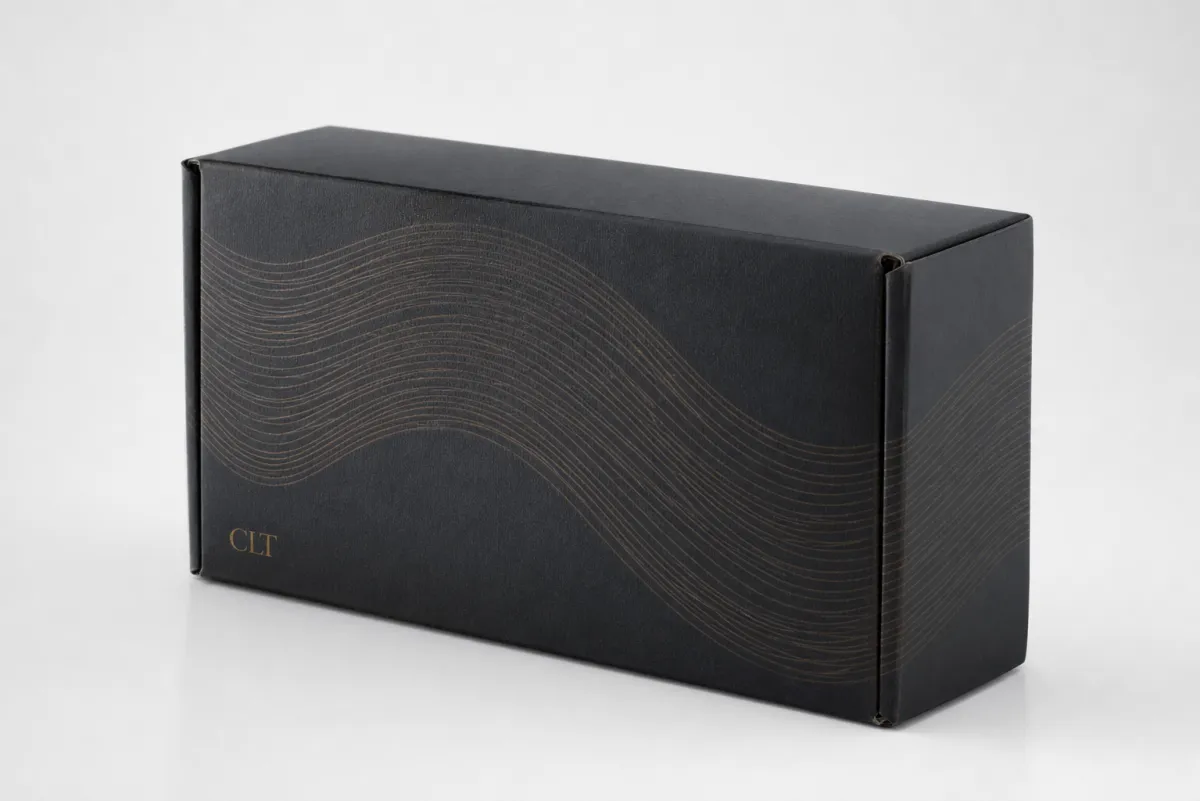
From a packaging buyer's point of view, the first impression is rarely subtle. A consumer holds the box for a few seconds, sometimes less, and decides whether the brand feels thoughtful, value-driven, premium, or cheap. That is why custom packaging design for boxes carries such outsized weight in the buying cycle. The box is doing quiet work before the label copy, before the product benefit list, and before any loyalty program starts to matter.
Picture the difference between a standard corrugated mailer and a Printed Rigid Box with a clean lift-off lid, a restrained color palette, and a sharp logo lockup. The first says the product arrived. The second says the brand intended the experience to matter. Those signals shift perceived value quickly. In retail packaging, that matters on shelf. In e-commerce, it matters at the door. In both settings, custom packaging design for boxes becomes a shorthand for confidence.
Many teams miss a basic truth: packaging is not decoration sitting on top of the real job. It is a working system that must protect the product, survive distribution, and reinforce the offer. If the box crushes, scuffs, or arrives undersized, the customer does not praise the artwork. If the carton looks polished but costs too much to ship, the margin pressure shows up later. Good custom packaging design for boxes sits in the middle of those trade-offs and keeps all three priorities in view.
"The best box does three jobs at once: it protects the product, clarifies the brand, and makes the customer feel the price made sense."
That is also why custom packaging design for boxes has become a marketing channel. It travels. It appears on a doorstep, in a retail bag, in a warehouse pick line, and sometimes in a customer photo posted online. A box that photographs well can extend the brand beyond the shipment itself. A box that feels cheap can do the opposite. From a packaging design perspective, the real challenge is not to make every surface loud. It is to make the experience feel intentional from first touch to last fold.
Brands that get this right usually think in systems. They define tone, structure, graphics, and practical constraints together. That approach helps custom printed boxes look like they belong to the same family as the website, labels, inserts, and merchandising assets. A package should not feel like a one-off art piece. It should feel like a predictable extension of the brand. That is the difference between packaging that looks nice and packaging that supports growth.
For teams comparing options, a good starting point is to review existing Custom Packaging Products and ask which formats already match the product, channel, and budget. A right-sized carton with clear visual hierarchy usually outperforms an overbuilt box that ignores freight realities. In practice, custom packaging design for boxes succeeds when the box feels expensive to the customer but efficient to the operator.
How Custom Packaging Design for Boxes Works
custom packaging design for boxes usually starts with a brief, not a mockup. The brief should answer the simple but decisive questions: What is the product? How heavy is it? How fragile? How will it ship? What shelf does it need to stand on? What should the opening moment feel like? Once those answers are clear, the supplier can build a structure that fits the product instead of forcing the product into a generic carton.
The next technical step is the dieline. That flat template is the map of the box. It shows folds, glue areas, bleed zones, panels, and safety margins so the artwork lands where it should after the box is cut and folded. A beautiful concept that ignores the dieline can fail quickly. Logos can drift onto a seam. Fine type can fall into a fold. Inserts can interfere with closure. In real production, custom packaging design for boxes depends on that technical document more than many brand teams expect.
Structural design, graphic design, and print production each play a different role. Structural design determines the physical form: tuck end, mailer, sleeve, rigid setup, or corrugated shipper. Graphic design determines the visual language: typography, color fields, illustration, photography, and hierarchy. Print production determines how those choices behave on the selected board stock, with the selected inks, coatings, and finishing methods. If one of those three is weak, custom packaging design for boxes tends to show the weakness immediately.
The best supplier relationships feel collaborative because they connect concept to manufacturability. A packaging team may say a matte black rigid box with foil stamping and magnetic closure looks ideal. Then production may point out the cost, the lead time, the minimums, and the chance of scuffing during transit. That is not resistance. That is reality. Good custom packaging design for boxes moves through those constraints rather than pretending they do not exist.
Decisions lock in early, especially size, board grade, finishing, and print method. If the box dimensions change after artwork is approved, the layout may need a full rebuild. If the board thickness changes, the fold tolerances change too. If the finish changes from aqueous to soft-touch lamination, the tactile feel changes and so can the price. Teams that treat custom packaging design for boxes as a sequence of small technical decisions usually avoid the most expensive revisions.
From a workflow standpoint, the process often moves like this:
- Discovery brief and product specs
- Structure recommendation and dieline selection
- Artwork layout and proof review
- Prototype or sample approval
- Print setup and production sign-off
- Assembly, packing, and delivery
That sequence sounds simple, yet every step carries a risk of delay if the inputs are vague. A missing barcode, uncertain finish, or late content change can push the schedule. For that reason, custom packaging design for boxes works best when the brand supplies accurate dimensions, a current logo file, final copy, and realistic volume targets before the first proof arrives.
One more practical point: not every project needs a dramatic custom structure. Many brands get strong results from a standard mailer or folding carton with tightly controlled print and a well-considered insert. That can preserve budget while still improving presentation. The point of custom packaging design for boxes is not always to invent a new format. Sometimes it is to make a common format feel specific to the brand.
Key Factors That Shape Box Design Decisions
The first factor is product load. A lightweight candle box has very different structural needs than a glass serum set or a stack of folded apparel. Weight influences board choice, wall thickness, and closure style. Fragility matters too. A brittle product may require inserts, inner wraps, or a tighter retention fit. In custom packaging design for boxes, product physics always wins over aesthetics.
The second factor is the distribution route. A carton for a boutique shelf can prioritize display impact and shelf presence. A carton for direct-to-consumer shipping needs better crush resistance, tighter sizing, and a surface that can survive courier handling. A subscription box may need repeated opening strength and a memorable reveal. That channel difference explains why custom packaging design for boxes cannot be copied from one program to another without revision.
Material choice is where many teams try to save money and end up paying for it later. Corrugated board works well for shipping strength and mailer formats. Paperboard suits lighter items, retail cartons, sleeves, and folding boxes. Rigid board creates a more premium feel and a stronger unboxing experience, but it costs more and usually demands higher minimums. Specialty substrates can add texture or visual punch, though they should be selected with caution because not every finishing process behaves the same way. Good custom packaging design for boxes matches the board to the product, not the trend.
Brand consistency matters just as much. Typography should remain legible at actual print size, not just on a screen. Color values should be checked against the chosen stock because coated and uncoated boards can shift the look. Finishes matter too. A soft-touch lamination signals quiet luxury. A high-gloss UV coat can feel more energetic and retail-forward. Those choices are part of packaging design, and they are part of package branding too, because customers remember how a box feels as much as how it looks. In that sense, custom packaging design for boxes is a brand-language problem, not only a print problem.
Sustainability has become more than a talking point. Many buyers now ask whether the packaging contains recycled content, whether it can be recycled locally, and whether excess material can be removed without hurting protection. Right-sizing is often the simplest win. A smaller shipper can reduce void fill, lower freight costs, and improve product fit. In some cases, less material also means less damage because the product moves less inside the box. custom packaging design for boxes can support sustainability when the box is engineered carefully rather than merely labeled green.
For teams that want a broader packaging baseline, industry references can help. The ISTA testing standards are useful for parcel and transport validation, while fiber sourcing questions often point to FSC certification as a chain-of-custody benchmark. Those references do not design the box for you, but they do reduce guesswork. In practice, custom packaging design for boxes becomes easier to defend internally when the team can point to standards instead of opinions.
Box Type Comparison
| Box Type | Best For | Typical Unit Cost | Production Notes |
|---|---|---|---|
| Folding carton | Light products, retail shelves, cosmetic items | $0.18-$0.60 at medium volumes | Good print detail; lower material cost; limited crush protection |
| Corrugated mailer | E-commerce, subscription kits, direct shipment | $0.55-$1.40 depending on size and print | Stronger in transit; ideal for inserts and branded inside panels |
| Rigid setup box | Premium sets, gift packaging, high-value products | $2.50-$8.00+ depending on finish | Premium feel; higher MOQ; longer build time and more manual assembly |
| Sleeve and tray | Retail presentation, layered unboxing, bundles | $0.40-$1.25 | Flexible branding surface; often paired with inserts or inner cartons |
Those ranges are directional, not universal. Board grade, print coverage, insert complexity, freight destination, and order volume can move them up or down quickly. Still, they show a basic truth: custom packaging design for boxes does not have one price. It has a structure, a finish, and a logistics profile that all influence the quote.
A detail that often gets overlooked: surface consistency is not the same thing as color consistency. Two stocks can both match a brand blue on screen, yet look noticeably different once printed because of coating, absorbency, and light reflection. That is one reason physical samples matter so much. The screen never tells the whole story, and anybody who has approved packaging from a laptop alone has probably had to clean up a surprise later.
Process and Timeline: From Brief to Production
Most buyers want to know how long custom packaging design for boxes takes. The honest answer is that it depends on how custom the box really is. A simple reprint of an existing structure can move quickly. A new carton with custom dimensions, original artwork, inserts, and special finishes needs more review. The work is not slow because people are careless. It is slow because packaging has to fit the product, pass production checks, and survive handling.
A typical timeline often looks like this: discovery and brief collection, two to five business days; structural concept or dieline work, another three to seven days; artwork development, one to two rounds of revisions; sample or prototype review, several days depending on shipping; then production approval and manufacturing, which can run from 12 to 25 business days depending on complexity. For custom packaging design for boxes with foil, embossing, or specialty inserts, add time for tooling and additional proofs. That schedule is not fixed, but it reflects what many packaging programs encounter in practice.
The slowest part is often not the press run. It is the approval chain. Marketing wants the logo slightly larger. Operations wants a tighter fit. Finance asks for another quote. Sales wants the box sooner. Each request may be reasonable on its own, yet they can delay a launch if nobody owns the decision. One practical habit helps: define who signs off on structure, artwork, and cost before the project begins. That keeps custom packaging design for boxes from turning into a group discussion that never ends.
Sampling matters too. A flat proof can show color placement, but it cannot tell you how the carton feels in hand, whether the product slides, or whether the flap closes cleanly. A structural prototype can. It is the nearest thing to an honest test before full production. For higher-risk products, teams should ask for a physical sample early and check closure strength, stacking behavior, and opening experience. Good custom packaging design for boxes often saves money by discovering a problem before 20,000 units are printed.
Late changes create the biggest delays. Missing barcode specs, revised claims, incorrect copy, and last-minute dimension updates all force the project back upstream. Even a small artwork tweak can affect plate creation or proof turnaround. That is why disciplined custom packaging design for boxes programs gather final product dimensions, target quantity, material preference, and brand guidelines before the first proof is requested.
Here is a simple example. A branded folding carton for a lightweight accessory might move from brief to production in three to four weeks if the artwork is ready and the structure already exists. A fully custom rigid box with a foam insert and foil logo can stretch closer to six to eight weeks, especially if sample revisions are needed. Neither timeline is “fast” or “slow” in a vacuum. They are simply different levels of custom packaging design for boxes responding to different technical demands.
One way to reduce friction is to work from a packaging checklist:
- Exact product dimensions and weight
- Shipping method and handling expectations
- Target quantity and reorder forecast
- Artwork status and logo file format
- Finish preferences and sustainability goals
- Budget ceiling and required launch date
When that information is complete, custom packaging design for boxes becomes much easier to execute because the supplier can quote and prototype against real constraints rather than assumptions. It also makes the review process less emotional, which is honestly a relief for everybody involved.
Cost, Pricing, and MOQ: What Drives Your Quote
Price is usually the first question and the least precise one. That is because custom packaging design for boxes can mean anything from a printed folding carton to a multi-part premium set with inserts and finishing. The quote changes with dimensions, substrate, print coverage, finishing, order volume, and packing method. A small run of highly detailed boxes can cost more per unit than a larger run of simpler cartons, even if the final product looks less impressive on paper.
MOQ, or minimum order quantity, is where many teams meet the first reality check. Suppliers set minimums because setup, tooling, and press preparation cost time and money whether the run is 500 units or 50,000. As a result, smaller orders usually carry a higher unit price. That does not make them bad. It just means the economics are different. For custom packaging design for boxes, the question is less “What is the cheapest box?” and more “What is the right order size for the channel and the launch plan?”
There are two cost buckets to understand. First is setup cost: dies, plates, tooling, proofing, sampling, and any special forming work. Second is recurring unit cost: board, print, finishing, labor, and packing. If a supplier quotes one number without separating those pieces, ask for a breakdown. That makes comparison much easier. It also helps the team see why a polished-looking quote might still be expensive once inserts and freight are added. In custom packaging design for boxes, the hidden line items often matter as much as the headline price.
Several variables can push the quote upward quickly:
- Foil stamping, embossing, or debossing
- Soft-touch or specialty coatings
- Window cutouts and custom die shapes
- Printed inserts or molded supports
- Heavy ink coverage on dark stocks
- Multiple SKUs sharing one system with size variations
Freight also deserves attention. A beautiful box that ships poorly is a budget leak. Bulky designs increase pallet space. Overly tall cartons can create void fill costs. Weak structures may lead to damage claims or reshipments. When comparing quotes for custom packaging design for boxes, check whether freight is included, whether delivery is to one location or multiple sites, and whether the unit price assumes assembled or flat-packed cartons.
A practical comparison can help teams evaluate options more honestly.
| Quote Factor | Lower-Cost Choice | Higher-Cost Choice | Why It Changes the Price |
|---|---|---|---|
| Material | Standard folding carton board | Rigid board with wrapped paper | More material, more labor, more finish steps |
| 1-2 color print | Full-coverage CMYK with spot colors | Ink usage, setup complexity, color control | |
| Finish | Aqueous coating | Foil, emboss, soft-touch lamination | Tooling and additional production passes |
| Order size | Low volume | Higher volume | Setup cost spread across more units |
That table explains why two suppliers can quote the same custom packaging design for boxes request and land on very different numbers. They may not be pricing the same structure, same board, same finishing, or same delivery terms. A clean apples-to-apples comparison should check the dieline, material grade, print spec, and destination before anyone decides one quote is “too high.”
If the budget is tight, prioritize the box elements that customers actually notice. A sharper structural fit and cleaner print layout can often do more than an expensive finish that adds little functional value. That is useful discipline in custom packaging design for boxes: spend where the customer experiences the box, not where the spec sheet looks busy.
Common Mistakes in Custom Packaging Design for Boxes
Oversized boxes are one of the most common mistakes. They waste board, increase freight volume, and make the product feel less premium because the item appears lost inside the package. They also force more void fill and can raise damage risk if the product shifts during transit. In custom packaging design for boxes, size is not a detail. It is one of the strongest signals of fit, care, and efficiency.
Another error is vague brand direction. A team may say it wants something “clean,” “luxury,” or “modern,” but those words are too broad to guide production. The result is often a box that looks acceptable in a mockup and forgettable in the real world. Strong packaging design starts with specific rules: logo clear space, type hierarchy, approved color values, image style, finish preferences, and examples of what to avoid. Without that, custom packaging design for boxes can drift into generic territory quickly.
Artwork timing is another trap. Some teams approve graphics before the dieline is locked or before the board thickness is confirmed. That can lead to type crossing a fold, a barcode landing too close to a cut, or a logo being cropped by a structural flap. It sounds like a minor issue until production begins. Good custom packaging design for boxes keeps artwork and structure in conversation from the start.
Overengineering finishes is a quieter mistake, but it can be expensive. A shiny foil accent may look impressive in a presentation, yet create scuffing on the fulfillment line. A heavy emboss can add tactile value, but if the artwork is too intricate it may lose definition in manufacturing. A soft-touch coating can feel premium, but it may pick up marks if the box is handled frequently. That does not mean special finishes are bad. It means custom packaging design for boxes should treat them like tools, not trophies.
Skipping sample testing is another avoidable failure. Many problems only appear in the physical carton: a tuck flap that opens too easily, an insert that rattles, a lid that jams, or a panel that crushes under stacking. Testing on the desk is not enough. The sample should be opened, closed, shipped, stacked, and inspected under actual handling conditions. If the project will move through parcel networks, the team should also consider test procedures associated with transport performance. That kind of validation gives custom packaging design for boxes a much stronger chance of surviving the real route to the customer.
Here are the failure patterns that show up often:
- Too much empty space inside the carton
- Artwork built for a flat mockup, not a folded box
- Premium finishes selected without considering scuff risk
- Inserts that protect the product but slow packing operations
- Color decisions made on an uncalibrated screen
Each of those problems is fixable, but only if the team catches it early. The easier path is to design custom packaging design for boxes as a working production system instead of a creative one-off.
One more error deserves mention: choosing a package that looks elegant in a meeting and turns into a headache on the line. If a box needs three extra seconds of hand assembly, that sounds tiny until you multiply it across thousands of units. Small delays become real labor costs, and then everybody starts asking why the pretty option is suddenly so expensive. Production is usually less forgiving than the rendering on the screen.
Expert Tips and Next Steps for a Better Box Program
Start with one hero SKU. That sounds plain, but it is one of the smartest moves available. Instead of designing every package from scratch, build a box system around the product that matters most, then adapt the structure for related SKUs. That approach keeps custom packaging design for boxes manageable and gives the brand a reference point for future line extensions.
Request a structural prototype early, especially if the product is fragile, awkwardly shaped, or sold in multiple variants. A prototype can reveal fit issues that a screen mockup cannot show. It also helps with stacking strength, insert placement, and opening feel. If the customer experience depends on a reveal, test it physically, not virtually. In practice, custom packaging design for boxes improves fastest when teams can touch the sample before they approve volume.
Use a packaging checklist every time. The best ones capture dimensions, weight, channel, launch timing, compliance needs, finish preferences, quantity, and budget. That may sound administrative, but it prevents the most expensive kind of creative problem: one that looks beautiful and fails the brief. The more disciplined the inputs, the stronger the output. That is true for branded packaging, retail packaging, and custom printed boxes alike. It is also true for custom packaging design for boxes, which rewards specificity more than improvisation.
Test a small set of variables rather than changing everything at once. Compare two finishes, not five. Compare one insert style against another. Compare a lighter ink coverage against a richer one. That kind of test shows what the customer actually notices. It also keeps the conversation focused on evidence instead of preference. If the goal is better package branding, the test should isolate the feature that matters. That is especially useful in custom packaging design for boxes because too many moving parts can hide the reason a design works.
Suppliers can help with realism, but only if the brief gives them room to do so. Be ready to ask about board thickness, flute selection, print method, assembly cost, and replenishment plans. Then compare quotes with those variables visible. A low number is not always the best number if the carton damages products or slows packing. In other words, custom packaging design for boxes should be measured on total program value, not just unit price.
If you are trying to tighten the program right now, I would start with three questions: does the box fit cleanly, does it survive shipping, and does it represent the brand without wasting money? Those three questions usually cut through the noise fast. If the answer to any one is shaky, there is probably room to improve the spec before the next order goes live.
Three practical next steps usually move the program forward:
- Audit the current box against product size, damage rate, and customer feedback.
- Ask for one prototype and one production-ready quote so the team can compare fit and cost.
- Document the brand rules that packaging must follow, including color, logo placement, and finish standards.
If the current packaging feels generic, oversized, or inconsistent, the fix is rarely dramatic. It is usually a better brief, a tighter dieline, a more suitable board choice, and a clearer production plan. That is the real value of custom packaging design for boxes: it turns packaging from a loose expense into a repeatable brand asset. For companies that want a stronger system, Custom Packaging Products can serve as the starting point for selecting a format that fits the product rather than fighting it.
One final thought before the FAQs: the smartest brands treat boxes like a measurable part of the commercial strategy. They watch damage rates, freight costs, shelf feedback, and reorder speed. They compare samples against production. They refine instead of restarting. If you want custom packaging design for boxes to work the way it should, audit the current pack, gather specs, and compare one sample against one production-ready quote before the next run is approved.
FAQ
How much does custom packaging design for boxes usually cost?
Cost depends on size, material, print coverage, finishing, and order quantity, so a quote without specs is usually only a rough estimate. A simple printed folding carton can stay relatively modest at scale, while rigid formats, inserts, and specialty finishes push the number up fast. Ask for an itemized quote so you can compare setup charges, production cost, and freight separately. That is the cleanest way to evaluate custom packaging design for boxes without mixing apples and oranges.
What is the typical timeline for custom box design and production?
Simple reprints can move quickly, but a fully custom box with new structure, artwork, and samples usually takes longer. The biggest timeline drivers are proof approvals, prototype changes, and production slot availability. Build extra time into the schedule if the box needs special coatings, inserts, or multiple review rounds. In most cases, custom packaging design for boxes is faster when the brief is complete on day one.
What minimum order quantity should I expect for custom box packaging design?
MOQ varies by supplier, box style, and print method, so there is no single standard number. Custom structures and specialty finishes often require higher minimums than plain printed cartons. If volume is low, ask about alternative construction options that reduce setup cost without sacrificing brand impact. A good supplier will explain how custom packaging design for boxes changes when the run size gets smaller.
How do I make sure the box design matches my brand?
Start with brand rules for logo use, color values, typography, imagery, and tone so the box stays consistent. Review digital proofs on calibrated screens and ask for a physical sample whenever color accuracy matters. Treat the box as part of the larger brand system, not a standalone art project. That mindset keeps custom packaging design for boxes aligned with the rest of the customer experience.
What should I send a supplier for an accurate packaging quote?
Provide product dimensions, weight, shipping method, target quantity, artwork status, and any finish or insert requirements. Include photos or existing packaging if the box needs to improve fit, protection, or presentation. The more precise the brief, the faster the quote and the fewer surprise costs later. That is especially true for custom packaging design for boxes, where small spec changes can move the price more than most buyers expect.
If you want a package that protects the product, supports the brand, and avoids costly rework, custom packaging design for boxes should be treated as a repeatable buying process rather than a one-off graphic exercise. Audit the current pack, tighten the spec, and compare the sample to the production quote before the next order goes live.

