Buyer Fit Snapshot
| Best fit | Source Rigid Boxes projects where brand print, material claims, artwork control, MOQ, and repeat-order consistency need to be specified before quoting. |
|---|---|
| Quote inputs | Share finished size, material target, print colors, finish, packing count, annual reorder estimate, ship-to region, and any compliance wording. |
| Proofing check | Approve dieline scale, logo placement, barcode or warning zones, color tolerance, closure strength, and carton packing before bulk production. |
| Main risk | Vague material claims, crowded artwork, missing packing details, or unclear freight terms can make a low unit price expensive after revisions. |
Fast answer: Source Rigid Boxes: Board, Finish, Dieline, and Unit Cost should be specified like a repeatable production item. The safest quote records material, print method, finish, artwork proof, packing count, and reorder notes in one written spec.
Production checks before approval
Compare the actual filled-product size with the drawing, then confirm tolerance on folds, seals, hang holes, label areas, and retail display edges. Reserve space for logos, QR codes, warning copy, and material claims before decorative graphics fill the panel.
Quote comparison points
Review material grade, print process, finish, sampling route, tooling charges, carton quantity, and freight assumptions side by side. A quote is only useful when the supplier can repeat the same color, closure quality, and packing count on the next order.
If you are trying to figure out how to source rigid boxes, the first thing I would tell you is this: the lowest quote is often the one with the most assumptions hiding inside it. A rigid box is not just a container; it is a stack of board, wrap, adhesive, finish, and assembly choices that all have to line up, and one weak decision can move the whole package from premium to disappointing.
That is why how to source rigid boxes is really a specification exercise, not a quick buying exercise. You are choosing board thickness, wrap stock, closure style, insert design, and shipping assumptions that shape Cost, Lead Time, and performance in transit. Get those details right, and the box protects the product and supports the brand. Get them wrong, and even strong artwork will not rescue the unboxing.
Custom Logo Things works with brands that need packaging to perform in the real world, which usually means balancing appearance with repeatable production. If you want to browse broader options while you plan, you can start with Custom Packaging Products or review our packaging catalog for structure ideas before you request a quote.
How to Source Rigid Boxes: Why the First Quote Can Mislead You
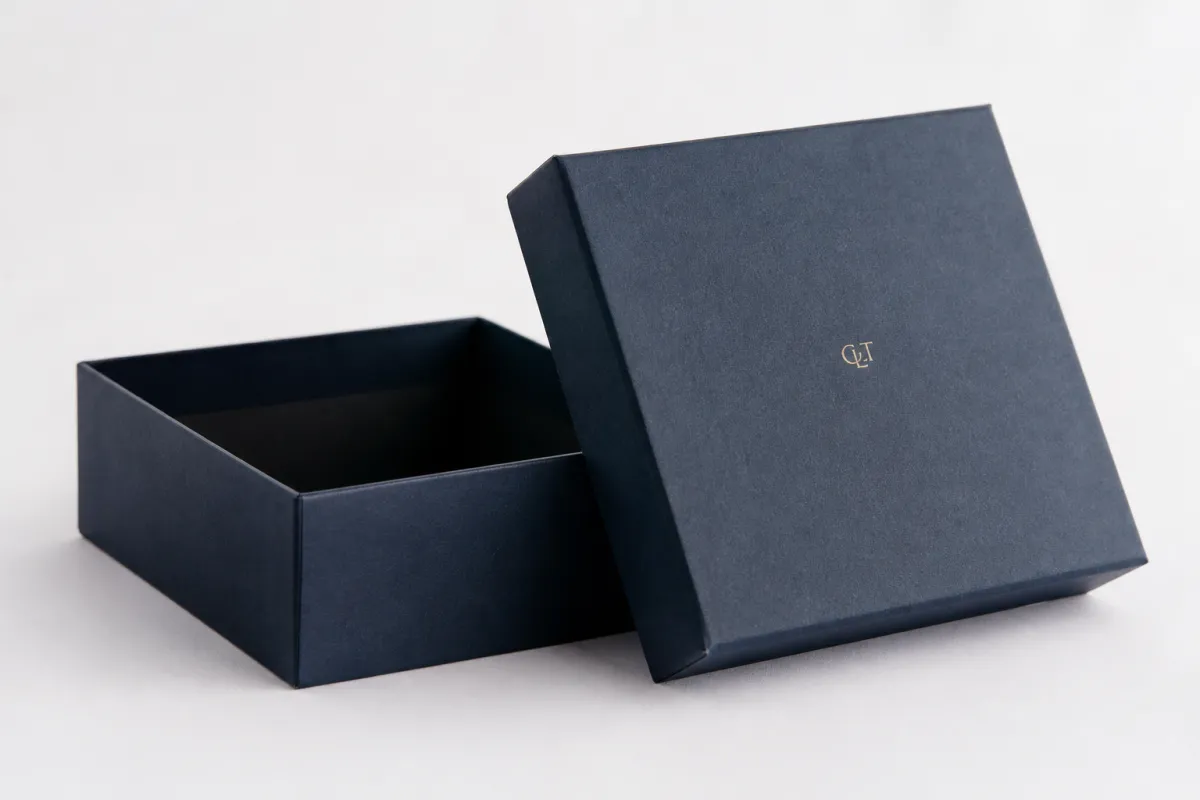
The first quote on how to source rigid boxes can be misleading because it often reflects only part of the build. One supplier may include a 2 mm greyboard shell with standard wrap and no insert, while another may be pricing 1.5 mm board, higher-grade art paper, die-cut foam, and individual cartons for export. Both may describe the result as a custom rigid box, yet the production reality is very different.
From a packaging buyer's point of view, the job is not to buy a box shape. It is to define a finished structure that supports the product, looks consistent on the shelf or in a mailer, and survives the trip from pack-out to customer hands. A rigid box that opens too loosely, loses magnet alignment, or lets the insert shift by even 2 to 3 mm can feel cheap even when the print is excellent. That is why how to source rigid boxes starts with fit, not graphics.
Rigid boxes also differ from folding cartons in ways that affect sourcing. A folding carton is usually one printed sheet, scored and folded. A rigid box uses a board shell wrapped in paper or specialty stock, then assembled with more manual or semi-manual labor. That means labor content is higher, adhesive control matters more, and the wrap finish can change the look of every edge, corner, and spine. Once you understand that, it becomes easier to judge why two prices that look close on paper are not actually close in factory work.
Here is the part many buyers only discover after a sample arrives: a box can look premium in a render and still fail in hand because the lid fit is too tight, the walls bow under pressure, or the insert was built from product dimensions without enough clearance for tissue, trays, or protective sleeves. In real production, I usually want to see final product size, target fit tolerance, and a quick note on how the item will be loaded before I trust a quote. A flat drawing is useful, but it does not tell the whole story.
A cheap rigid box quote is only cheap if it includes the full build, the right finish, and a shipping assumption that matches the actual freight lane.
So how to source rigid boxes without getting trapped by the first number? Lock the structure first, then compare quotes against the same specification. Ask what board thickness is used, what wrap stock is included, whether inserts are part of the price, whether the unit cost includes outer cartons, and whether the freight number is EXW, FOB, or delivered. Once those details are fixed, a quote becomes useful instead of decorative.
For Brands That Sell premium cosmetics, spirits, candles, apparel accessories, or gift sets, that clarity matters even more. A polished unboxing moment can raise perceived value quickly, but only if the box opens cleanly, closes with a solid feel, and holds its shape after handling. That is why how to source rigid boxes is really about protecting the experience from the first sample to the final reorder.
Rigid Box Materials, Construction, and How the Product Actually Gets Made
The core of most rigid boxes is greyboard or chipboard, usually in the range of 1.5 mm to 3.0 mm depending on the product weight and the premium feel you want. A lighter accessory box might use 1.5 mm board, while a heavier gift set or electronics package may need 2.5 mm or more to keep the walls from flexing. On the outside, the shell is wrapped in paper, printed art paper, specialty textured stock, or sometimes cloth-like material, and the wrap choice changes both appearance and cost.
How to source rigid boxes well means understanding that the outer paper is not just decoration. It affects scuff resistance, corner wrapping, glue absorption, and how crisp the folds look. A 157 gsm art paper with matte lamination behaves differently from a 120 gsm texture wrap or a soft-touch film-laminated sheet. One may show fingerprints less, another may hide wrap seams better, and another may resist cracking at the corners after die-cutting and folding.
There are several common styles, and each one changes the sourcing process. Lid-and-base boxes are the simplest and often the easiest to quote. Magnetic closure boxes add magnets, extra alignment steps, and more finishing risk. Book-style boxes need a strong hinge area and clean spine folding. Drawer boxes need a Tray and Sleeve that slide with a controlled amount of friction. Shoulder boxes use an inner shoulder that gives a layered reveal, which is beautiful but more complex to build. If you are learning how to source rigid boxes, style selection matters as much as artwork because every style changes the labor path.
To make that comparison more practical, here is a simple sourcing view:
| Rigid Box Style | Typical Build Notes | Relative Cost | Best Use |
|---|---|---|---|
| Lid and base | Simple shell, fast assembly, good for inserts | Lower | Gift sets, apparel accessories, cosmetics |
| Magnetic closure | Hidden magnets, tighter alignment, more labor | Medium to higher | Premium retail, influencer kits, launches |
| Drawer box | Tray and sleeve, friction fit, ribbon pull optional | Medium to higher | Jewelry, small electronics, curated gifts |
| Book-style | Hinged spine, strong panel registration, elegant reveal | Higher | Luxury branding, sets, presentation packaging |
| Shoulder box | Three-part structure, layered reveal, more setup time | Higher | Premium products, collector items |
Print and finish decisions matter just as much. Offset print, digital print for smaller runs, foil stamping, embossing, debossing, spot UV, and matte or gloss lamination all change the production sequence. A box with a full-coverage dark print and foil logo usually costs more than a light, minimal design because it requires more ink coverage, more finish handling, and a higher chance of visible scuffs if the wrap is not chosen carefully. For brands focused on sustainability claims, a supplier may also offer FSC-certified papers, which you can verify through FSC.
Fit tolerance is another detail that separates a polished result from a troublesome one. In practice, many rigid box projects work best with a clearance of roughly 1 to 2 mm around the product, though that depends on how the item is inserted and whether you are using tissue, a tray, or a molded insert. If the product is slightly irregular or has fragile corners, I usually want a physical sample because flat measurements do not always reveal the way the item settles inside the cavity. That is one of those details that can save you from a reorder headache later.
Quality also depends on the interaction between material and assembly, not just the artwork file. A clean dieline, accurate wrap allowance, and controlled glue application all matter. For transport testing, some buyers reference ISTA test methods so the packaging can be checked against actual shipping stress, especially if the box is going through e-commerce fulfillment or multi-point distribution. That is not overkill for premium products; it is usually cheaper than replacing damaged stock later.
Rigid Box Cost, Pricing, MOQ, and Quote Basics
Cost is where how to source rigid boxes gets very real. The biggest price drivers are board thickness, wrap material, print coverage, finish complexity, insert style, and freight distance. A plain lid-and-base box with minimal print is usually much easier on the budget than a magnetic closure box with foil, embossing, and a custom foam insert. That sounds obvious, but I still see buyers compare boxes as if the decorative layer is the only cost difference.
For small to mid-size programs, MOQ can change the picture fast. If the factory has to spread setup, proofing, waste, and labor across 300 units instead of 3,000 units, the unit cost can jump sharply. A project that might price around $0.85 to $1.50 per unit at 5,000 pieces can move to $2.50 or more at lower volumes, especially with premium finishes. Exact numbers vary by region, structure, and print coverage, but the pattern is consistent: the fewer pieces you order, the more expensive the setup becomes on a per-box basis.
That is why how to source rigid boxes should always include a total landed cost view. The unit price is only one part of the story. A quote should clearly show the shell, wrap, insert, surface finish, tooling or setup charges, sample fees, packaging method, outer carton count, and shipping terms. If a supplier only sends a one-line price, ask for a breakdown. Otherwise, you may compare an all-in number from one vendor against a partially loaded number from another, which is not a fair comparison.
Here is a simple pricing range view for typical premium packaging programs, assuming moderate print coverage and standard material grades:
| Structure | Approximate Unit Cost at 3,000-5,000 pcs | Cost Notes |
|---|---|---|
| Lid and base | $0.85-$1.80 | Lower labor, straightforward wrap, simple insert optional |
| Drawer box | $1.20-$2.60 | Tray and sleeve add labor; ribbon pulls raise cost |
| Magnetic closure box | $1.40-$3.20 | Magnets, alignment, and clean closing action matter |
| Book-style box | $1.80-$4.00 | Hinge precision and premium finishes usually increase labor |
| Shoulder box | $1.50-$3.80 | Layered construction and extra board components add cost |
Those figures do not include every possible variable, and they can move with material market conditions, print complexity, and freight volatility. Still, they give you a practical frame for how to source rigid boxes without guessing wildly. If a supplier comes back far below the range, check whether the quote excludes inserts, interior printing, or outer shipping cartons. If a quote comes in far above the range, ask whether the factory priced a thicker board, upgraded paper stock, or a more labor-heavy finishing method than you expected.
One thing buyers sometimes overlook is the difference between decorative cost and structural cost. A fancy finish can add a little, but a structural change can add a lot. A custom foam insert, for example, may be worth it for fragile bottles or devices because it stabilizes the product and reduces damage claims. A paperboard insert might be cheaper, but if the item rattles in transit, the lower upfront number may be the more expensive option overall.
If you want to build a clean purchasing comparison, use a simple scorecard: unit price, setup fee, sample cost, lead time, MOQ, freight terms, and repeat-order consistency. That is the practical way to source rigid boxes when margins matter. The best quote is not just the lowest one; it is the one that holds up after freight, delays, and reorder planning.
Rigid Box Process, Timeline, and Lead Time
The sourcing timeline usually begins with a brief, then moves into sampling, proofing, production, inspection, and delivery. If you are learning how to source rigid boxes for a launch, the biggest mistake is assuming the sample lead time and production lead time are the same thing. They are not. A sample may take 5 to 10 business days depending on the structure, while production may take 12 to 25 business days after approval, and shipping can add another week or more depending on the lane.
Delays usually happen in a few predictable places. Artwork revisions can drift if the dieline was not prepared correctly. Finish approvals take longer when foil or embossing is being checked from a screen instead of a physical proof. Structural delays happen when the product size changes after the insert was already designed. I have seen a one-millimeter change in product height turn into a rerun of the entire insert layout because the closure clearance no longer felt right. That sort of thing sounds tiny until it hits a production line, and then it is anything but tiny.
That is why how to source rigid boxes should include a clean approval path. First the buyer approves the structure. Then the artwork. Then the print proof or physical sample. Then the pre-production sample if the project is complex. Skipping a step may save a few days on paper, but it usually costs time later because the factory has to pause and correct the run. A clear approval gate is faster than repeated verbal corrections.
Planning matters even more for seasonal packaging or launch kits. If your release date is fixed, I would build in a buffer of at least 2 to 3 weeks beyond the factory lead time, and more if the order must cross borders or pass through a fulfillment center inspection. For brands that reorder often, it helps to keep final production files, approved samples, and spec sheets in one place so the next order can move faster. That is one reason suppliers and buyers alike like to document the build carefully; repeatability saves money.
Rush orders are possible, but they come with trade-offs. Material choices may narrow, freight choices may become expensive, and finish options can be limited. A rush magnetic box with a detailed insert and specialty wrap may still be possible, but the factory will usually need to re-sequence work, which can raise the cost and introduce more risk. So if you want to source rigid boxes without surprises, plan early enough to keep normal production windows intact.
For buyers who like a visual or technical check, a good supplier should be able to show sample photos, dieline notes, and clear stage-by-stage communication. A project that moves cleanly from inquiry to quote to sample to production usually does so because everyone agreed on the same specification before the order was released. That sounds simple, but it is the difference between a controlled run and a stressful one.
Step-by-Step Guide to Source Rigid Boxes Successfully
Start with the product itself. Measure the length, width, and height of the finished item, then note the real weight, not just the label weight. Add any protective layers that will be packed inside, because tissue, trays, sleeves, and inserts all take space. If the product has a charger, accessory, card, or booklet, list those too. How to source rigid boxes well begins with the object that lives inside them, not with the artwork file.
Next, decide the box style and the unboxing feeling you want. A lid-and-base box feels classic and direct. A magnetic closure box feels more deliberate. A drawer box adds a reveal. A shoulder box feels layered and premium. Those choices affect both price and production complexity, so do not leave them vague. If your product line has multiple SKUs, you may also want one core structure with different wrap graphics so the tooling stays consistent while the presentation changes by variant.
Then prepare a strong RFQ. Include product dimensions, quantity, target market, preferred board thickness if you have one, finish preferences, insert type, delivery location, and whether you need FSC paper, recycled board, or other compliance documentation. If you are sourcing through a broader packaging program, it can help to reference the types of Custom Packaging Products you already use so the rigid box design aligns with the rest of the line. That keeps the buyer, designer, and supplier on the same page.
Once you have quotes, shortlist suppliers based on capability, not just price. Some vendors are strong on simple lid-and-base boxes but less comfortable with complex magnets or shoulder builds. Others can manage premium finishes but are not ideal for tight small-batch flexibility. If a supplier cannot explain board grade, wrap allowance, or closure tolerance in plain language, that is a warning sign. You want someone who can discuss the structure clearly, because that usually means they understand the production path.
Request physical samples whenever the project matters. A digital mockup can show color placement, but it cannot tell you how the lid lands, how the corners wrap, or how the paper behaves on an edge. Use a checklist when reviewing the sample:
- Does the product sit with 1 to 2 mm of clearance, or does it rub?
- Do the corners look crisp, or do they feel soft and swollen?
- Does the closure feel even across the edge?
- Are the print colors close to expectation under neutral light?
- Does the insert keep the product stable when the box is tilted?
Finally, compare the quoted options with a scorecard. I like to weigh cost, lead time, communication quality, sample accuracy, and confidence in repeatability. A supplier that answers quickly but cannot hold spec consistency is not a better choice than one who takes a little longer but gets the build right. That is the practical side of how to source rigid boxes: you are buying a repeatable packaging process, not a single pretty sample.
Common Mistakes When You Source Rigid Boxes
The most common mistake is chasing the lowest price without checking what the price excludes. Freight, insert material, magnet count, lamination, and even export cartons can shift the final landed cost by a surprising amount. I have seen buyers celebrate a low unit number, only to discover that the “cheap” option did not include the insert they assumed was part of the package. That kind of surprise is avoidable if the quote is written clearly.
Another frequent problem is approving the structure before testing the product fit. A rigid box may look correct in a flat dieline, but the real product may slide, rattle, or press against a corner once it is placed inside. Loose movement can damage the finish, and a snug but not forced fit usually feels far better in the hand. If the item is heavy or fragile, I would rather see a little extra planning up front than accept a rushed approval later.
Vague specs cause a lot of trouble. If you say “premium box” without stating board thickness, wrap stock, finish, insert type, and closure style, the supplier has to guess. Guessing is not a production method. It can lead to the wrong greyboard grade, a wrap that cracks too easily, or a lid that sits higher than expected. That is why how to source rigid boxes should always include a spec sheet, even if the order feels straightforward.
Skipping physical samples is another mistake that costs buyers more than they expect. Screens can show layout, but they cannot show rigidity, edge quality, tactile finish, or the way a magnetic closure snaps shut. A sample is the only real way to judge the feel of the build. For important launches, I would rather spend a little extra on sampling than risk releasing an order that looks fine in a PDF and feels wrong in hand.
The box does not fail in the render. It fails in the hand, in the carton, or on the receiving table.
Lead time is the final trap. Many projects go late because the buyer left no room for proof corrections, sample review, inspection, or transit. A rigid box order can move fast when everything is ready, but the process rarely tolerates indecision. If your launch date is fixed, count backward from the delivery date and build a buffer for at least one revision cycle. That habit alone can save a project.
There is also a sustainability trap worth mentioning. Some buyers assume any recycled board is automatically the right choice, or that all green claims are equal. They are not. If sustainability matters, ask for the actual paper certification, material description, and any relevant documentation. A credible paper source, verified by programs like FSC, is more useful than a vague statement on a quote sheet. That is part of sourcing with confidence, and it matters more now because customers do notice the difference.
So how to source rigid boxes without repeating these mistakes? Use a complete spec, a physical sample, a timing buffer, and a quote comparison that includes the full landed picture. That combination removes most of the guesswork and gives you a better chance of getting the same result on the second and third run, not just the first one.
Next Steps to Source Rigid Boxes with Confidence
If you are ready to move forward, start by finalizing the product dimensions, the insert requirement, the box style, and the finish level you actually want. Keep the brief practical. A good sourcing package usually includes dimensions in millimeters, target quantity, product weight, artwork files, delivery location, and any material or sustainability requirements. That is enough to get a useful quote without drowning the supplier in noise.
Then ask for two or three sample options if the project allows it. One may use a slightly different board thickness, another may show a different wrap or closure feel, and a third may help you compare the unboxing experience. That is a smart way to source rigid boxes because you are testing assumptions before you scale. If the supplier cannot provide that flexibility, ask whether they can offer a pilot run or a smaller first batch.
I also recommend building a simple comparison sheet. Track unit price, setup fee, sample cost, MOQ, quoted lead time, shipping term, revision limit, and any notes about packaging method or inspection. If two suppliers quote the same unit cost but one includes better sample support and more consistent communication, that difference can matter more than a few cents. For premium packaging, repeatability is part of the value.
Before you release the order, confirm approval checkpoints and how damage or mismatches are handled. Ask whether the factory will send a pre-production sample, whether the production batch is checked against the approved sample, and what happens if the outer cartons arrive dented or the finish varies outside the agreed tolerance. Those details are not glamorous, but they are what protect the order when real production pressure shows up.
If you need a broader starting point while you shape your project, our Custom Packaging Products page is a useful place to review structure ideas before you lock the final build. From there, you can ask for a quote with a complete spec and make the next decision from facts rather than assumptions.
That is the practical answer to how to source rigid boxes: define the product, choose the structure, compare full quotes, validate the sample, and leave enough time for production to do its job. If you follow that order, how to source rigid boxes becomes much less of a guessing game and much more of a controlled buying process. The one thing I would keep front and center is this: do not let the quote decide the box; let the product, the fit, and the production path decide it.
What should I prepare before I start to source rigid boxes?
Have exact product dimensions, product weight, and any insert or closure requirements ready before requesting quotes. Share artwork files, finish preferences, target quantity, and delivery location so suppliers can quote accurately. If the product is fragile or premium, note the unboxing experience you want so the box structure matches the brand goal.
How do I source rigid boxes with a low MOQ?
Look for suppliers that stock core board sizes or standard structures, because custom tooling and setup costs are harder to spread across small runs. Keep finishes simple when possible, since foil, embossing, and specialty wraps can raise the minimum more quickly than plain print. Ask whether the supplier offers pilot runs or staged production so you can test the design before scaling.
What drives rigid box pricing the most?
Board thickness, wrap material, print coverage, and premium finishes are usually the biggest price drivers. Custom inserts, magnetic closures, and complex box styles add labor and can increase both setup time and unit cost. Freight and packaging method also matter, especially on larger boxes that take up more shipping space.
How long does it take to source rigid boxes from sample to delivery?
The timeline depends on how quickly the design, structure, and artwork are approved, but sampling and revisions are often the longest stage. Production lead time usually starts only after final approval, so a clean brief can save days or even weeks. Build in extra time for inspection and shipping, especially if the boxes are tied to a launch date or seasonal promotion.
What should I ask a supplier before I place an order?
Ask what is included in the quote, how they handle samples, and whether their MOQ matches your planned order volume. Confirm the accepted tolerances for fit, color, and finishing so you know what counts as an approved result. Request clear answers on lead time, shipping terms, damage handling, and whether reorders will match the first run.