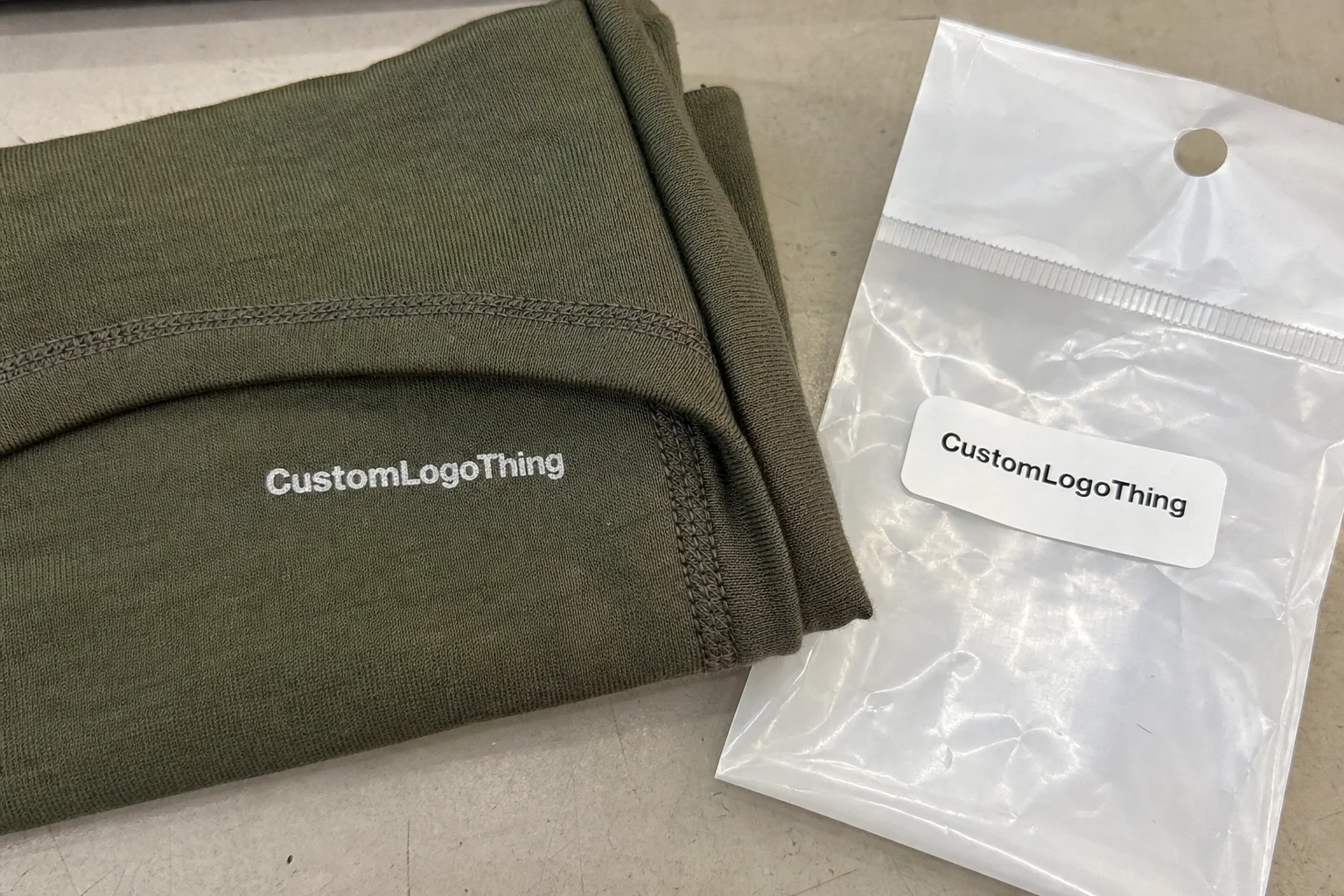
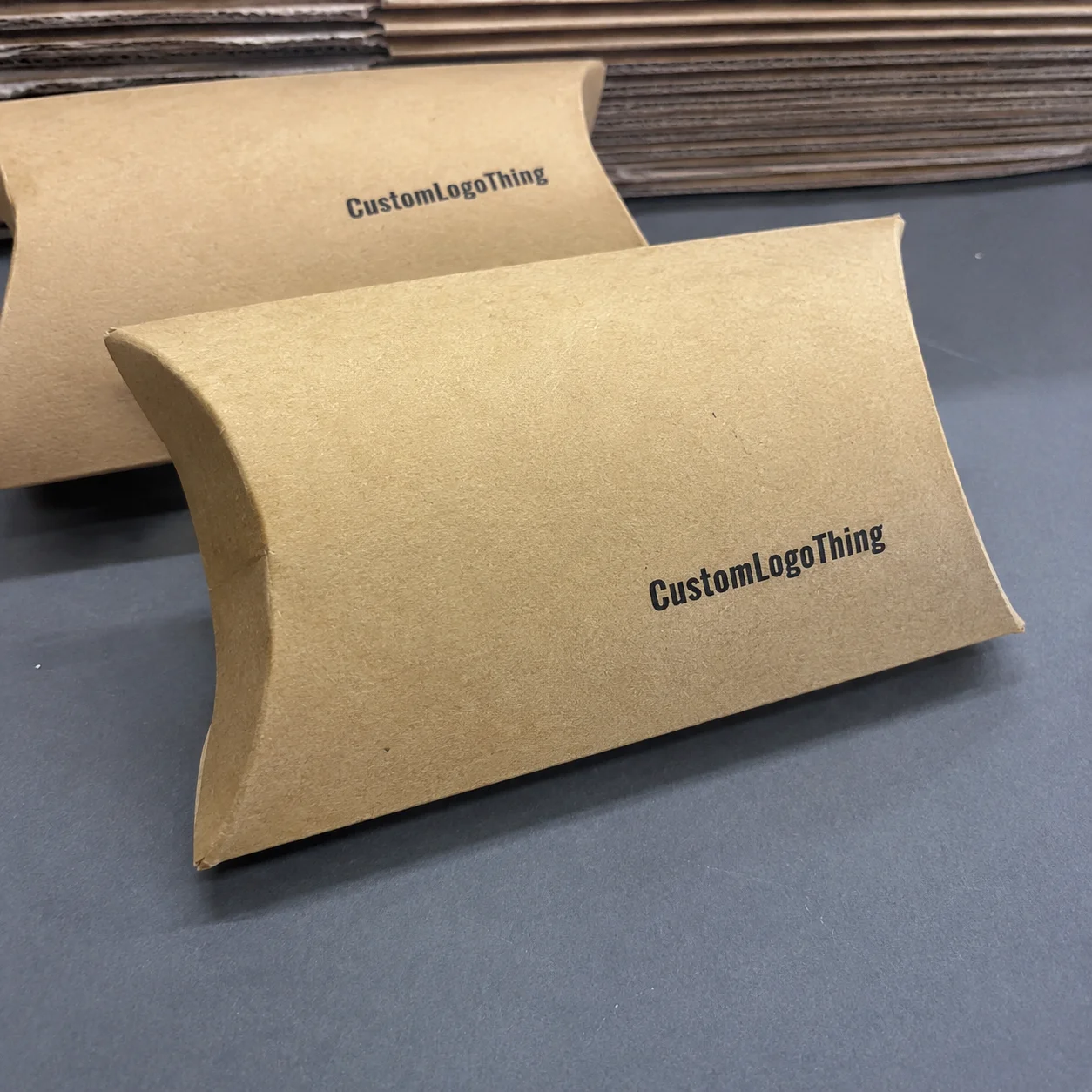
Buyer Fit Snapshot
| Best fit | Custom Packaging for Artisan Brands Wholesale projects where brand print, material claims, artwork control, MOQ, and repeat-order consistency need to be specified before quoting. |
|---|---|
| Quote inputs | Share finished size, material target, print colors, finish, packing count, annual reorder estimate, ship-to region, and any compliance wording. |
| Proofing check | Approve dieline scale, logo placement, barcode or warning zones, color tolerance, closure strength, and carton packing before bulk production. |
| Main risk | Vague material claims, crowded artwork, missing packing details, or unclear freight terms can make a low unit price expensive after revisions. |
Fast answer: Custom Packaging for Artisan Brands Wholesale: Material, Print, Proofing, and Reorder Risk should be specified like a repeatable production item. The safest quote records material, print method, finish, artwork proof, packing count, and reorder notes in one written spec.
Production checks before approval
Compare the actual filled-product size with the drawing, then confirm tolerance on folds, seals, hang holes, label areas, and retail display edges. Reserve space for logos, QR codes, warning copy, and material claims before decorative graphics fill the panel.
Quote comparison points
Review material grade, print process, finish, sampling route, tooling charges, carton quantity, and freight assumptions side by side. A quote is only useful when the supplier can repeat the same color, closure quality, and packing count on the next order.
Custom Packaging for Artisan brands wholesale is one of those purchases that looks simple right up until the first damage claim, the first retail rejection, or the first customer who opens a crushed box and leaves a one-star review. I’ve stood on factory floors in Shenzhen where a brand owner tried to save three cents on a carton and ended up paying more in reprints, inserts, and shipping damage than the “premium” box would have cost in the first place. That’s not theory. That’s a very expensive lesson.
For artisan brands, packaging is not decoration. It is product packaging, protection, and brand signal all in one. Good branded packaging tells the buyer the product inside is worth the price. Better package branding helps a small candle, soap, tea, or jewelry line feel established enough to sit beside a national brand. That matters when you’re trying to sell custom Packaging for Artisan Brands wholesale without burning margin on tiny, inconsistent short runs.
I’ve seen handmade skincare brands go from generic stock mailers to properly sized Custom Printed Boxes and cut damage by a noticeable amount because the inserts actually held the jars in place. I’ve also watched coffee roasters lose shelf appeal because their labels were doing all the work while the outer carton looked like it came from a moving supply store. Cheap packaging isn’t cheap when it weakens your retail packaging story and keeps your team scrambling for last-minute orders.
And there’s another layer people miss: wholesale packaging has to work for reorders, not just the first launch. A pretty box that can’t be reproduced consistently is a headache waiting to happen. I’ve had brands send me a “perfect” sample they found on a desk drawer and ask for the same thing six months later, only to learn the original supplier had changed paper stock, color density, and insert dimensions. That kind of drift is how a good product starts looking kinda sloppy without anyone noticing until the shelves are already full.
Why artisan brands win with wholesale custom packaging
Custom Packaging for Artisan brands wholesale gives you three things at once: better presentation, better protection, and better unit economics. That combination is why small-batch brands can actually grow without changing packaging every other month. Wholesale pricing spreads setup costs over more units, which lowers the per-box cost and makes forecasting a lot easier than ordering 300 here and 500 there whenever inventory gets tight.
People love to assume wholesale means drowning in boxes. Usually, it just means planning like a business. If you’re selling 200 candles a month, a smart order of 2,000 boxes can cover multiple replenishment cycles, lock in a lower rate, and keep your supply chain from turning into a panic exercise. In one client meeting, a soap brand told me their generic mailers were $0.28 each, but the damage rate was eating nearly $0.11 per shipment in replacements and service time. After switching to custom Packaging for Artisan brands wholesale at about $0.19 to $0.23 per unit on volume, their actual landed cost improved. Funny how math works when you look at all of it.
Artisan brands also use packaging to justify premium pricing. A jar of skincare with a loose lid and a flimsy label looks like a commodity. The same product in a rigid box with a printed sleeve, matte lamination, and a fitted insert looks intentional. That’s the difference between “homemade” and “crafted.” If you’re selling at retail or through boutiques, packaging needs to do the selling before anyone touches the product. That is exactly why custom packaging for artisan brands wholesale is not a vanity buy. It’s a business decision.
The buyer concerns are real, though. MOQ can feel scary. Costs can look high if you compare a custom run to stock packaging without considering shipping damage, display value, and reorder consistency. I get it. But small-batch artisan products usually benefit from one well-designed structure that can handle both shipping and shelf display instead of two separate systems that fight each other. If you want examples, our Case Studies page shows how brands solve that problem in the real world.
“The cheapest-looking box usually costs more once returns, crushed corners, and rework show up.” That’s not a slogan. That’s what I’ve watched happen after too many rushed approval calls.
If you want a broader reference point for packaging performance and material standards, the ISTA site is worth a look, and the EPA recycling guidance helps when you’re making sustainability claims. Just don’t let a green label hide bad structure. Customers notice when a “recyclable” box falls apart in transit.
Custom packaging options built for artisan products
The best custom packaging for artisan brands wholesale depends on the product, not on whatever looks nice in a mockup. I’ve seen too many brands pick a rigid box because it feels luxurious, then realize they needed a mailer box with better crush resistance and cheaper freight. Structure first. Pretty second. That order saves money.
- Rigid boxes — Best for jewelry, premium candles, skincare sets, and gift items. Usually paired with greyboard around 1.5 mm to 2.0 mm and specialty paper wraps.
- Mailer boxes — Good for DTC shipping, subscription kits, soap bundles, and small goods that need strong corners and flat-pack efficiency.
- Folding cartons — A practical choice for tea, coffee, cosmetics, tinctures, and lightweight goods where shelf display matters.
- Paper tubes — Useful for candles, cosmetics, tea, and artisanal food items when you want a premium, cylindrical presentation.
- Sleeves — Ideal for wrapping bars, jars, boxes, and seasonal gift sets without redesigning the entire pack.
- Tissue and inserts — Often overlooked, but they stop movement, improve presentation, and reduce scuffing during transit.
- Shipping cartons — Necessary if you’re packing wholesale and direct-to-consumer from the same inventory.
For candles, I usually recommend a rigid box or a reinforced mailer with molded pulp or paperboard inserts, depending on size and freight assumptions. For soap bars, folding cartons with 300gsm to 400gsm SBS paperboard often make more sense. Jewelry usually needs a smaller rigid box, soft-touch lamination, and a foam or flocked insert. Tea and coffee can work well in paper tubes or folding cartons with a barrier liner. Ceramics need actual protection, not wishful thinking, so corrugated inserts or custom die-cut supports Matter More Than fancy foil.
Branding methods change the feel fast. CMYK printing gives you full-color imagery for Custom Printed Boxes. Pantone matching keeps logo colors consistent across reorders. Foil stamping adds shine on logos and badges. Embossing and debossing create texture. Spot UV draws attention to a mark or pattern. Soft-touch lamination gives a velvety feel that clients love until they see the cost, because yes, it adds to unit price. Kraft textures work when the brand wants a natural, earthy look. These details are part of packaging design, not just decoration.
The smartest custom packaging for artisan brands wholesale systems do double duty. One structure should work for e-commerce shipping, retail packaging, and wholesale distribution if the measurements are handled properly. That means box strength, stackability, and shelf footprint matter as much as the logo. If you’re buying from Custom Packaging Products, ask for options that can serve both channels before you approve a die line.
One factory visit sticks with me. A small tea brand wanted “something elegant” and was leaning toward a full rigid setup for every SKU. We ran the numbers on the line, and the packaging cost alone would have eaten too much margin on their entry-level teas. We shifted them to a folding carton with a premium sleeve and one shared insert size. They kept the premium feel without turning every sale into a bookkeeping headache. That is the kind of decision that makes custom packaging for artisan brands wholesale actually workable.
Specifications artisan buyers should check before ordering
The details That Save Money are boring. Good. Boring is profitable. With custom packaging for artisan brands wholesale, your first job is to measure the product correctly. You need external product dimensions, internal clearance, insert fit, wall thickness, and shipping carton size. A candle that measures 82 mm wide and 95 mm high does not belong in a box sized “about 90 mm.” That’s how dents, rattles, and bad reviews happen.
For materials, here’s the plain-English version. SBS paperboard is smooth and prints well, so it’s common for retail cartons. Kraft board has a natural brown look and can suit earthy or organic branding. Corrugated E-flute gives better protection with a thinner profile than standard corrugated. Rigid greyboard provides strength for premium boxes. Recycled content can be added where appropriate, but don’t assume “eco” means “weak.” It depends on board grade, construction, and the way the box is packed. Specialty papers can give you texture, metallic effects, or a more tactile finish.
Finish choices affect both feel and cost. Gloss lamination is durable and bright. Matte lamination looks softer and hides scuffs better. Soft-touch costs more and can show fingerprints if handled a lot. Uncoated kraft looks natural but may mark more easily. Foil stamping and embossing add a premium feel, but they also add setup time and tooling. If your budget is tight, pick one premium feature and one simple cost saver. For example: spot foil on the logo, but keep the rest of the box in a single-color print. That’s smarter than trying to make every surface expensive.
Print files matter too. You need a proper dieline, 3 mm bleed at minimum, safe margins for text, and vector logos whenever possible. Raster logos pulled from a website will look fuzzy on a box. I’ve rejected more than one file because the brand sent a screenshot and expected print-ready magic. That’s not how custom packaging for artisan brands wholesale works. If your color needs to stay consistent across reorders, use Pantone references or a locked CMYK profile and approve the proof before production.
Compliance can’t be ignored. Food packaging may need grease resistance or barrier liners. Cosmetic packaging needs labeling space for ingredients, batch codes, and warnings. Candle packaging should account for heat sensitivity and transit vibration. Fragile goods need transit testing. I like referencing ISTA drop and vibration standards when we’re discussing shipping risk because it keeps everyone honest. If you’re making sustainability claims, check the material chain carefully. FSC matters when you want credible sourcing, and you can read more at FSC.
One more thing: if a supplier can’t explain board grade, finish options, or insert tolerances in plain language, keep walking. Fancy mockups are easy. Correct specs are the hard part. And the hard part is what keeps your product from arriving crushed.
Pricing and MOQ for custom packaging wholesale
Pricing for custom packaging for artisan brands wholesale is driven by size, material, print coverage, finish, inserts, and quantity. That’s the real list. Not vibes. A small folding carton with one-color print and no insert might be far cheaper than a rigid box with foil, embossing, and a two-piece tray. I’ve quoted jobs where the difference between 1,000 and 5,000 units dropped the per-unit cost by more than 35% because setup charges were spread over a larger run.
Here’s a practical pricing frame I use with buyers. Sample costs come first, usually from $30 to $120 depending on the structure and whether it’s a digital proof or a physical prototype. Production costs follow, and for common artisan cartons that can land around $0.18 to $0.65 per unit depending on complexity and volume. Freight is not optional. It needs to be added in. A box that looks like $0.22 a unit can become $0.31 landed once packaging, palletization, and shipping are included. This is why smart buyers compare custom packaging for artisan brands wholesale on total landed cost, not just piece price.
MOQ depends on structure. Folding cartons and mailers often start lower than rigid boxes because they are easier to produce and ship flat. Rigid packaging usually has a higher floor because the hand assembly and wrapping take more labor. That doesn’t mean you can’t order small-batch artisan packaging. It means you need to choose the structure that fits your product and volume. If you’re unsure, review Wholesale Programs and compare quantity breaks before you lock the design.
A negotiation I remember clearly involved a skincare brand that wanted a full premium box, silver foil, and custom molded insert on a first order of 1,000 units. They loved the look. I liked the margin less. We split the design into two stages: printed carton first, premium insert later when the reorder volume justified it. They saved roughly $0.14 per unit on the launch order and kept enough room in the margin to pay for marketing. That is how custom packaging for artisan brands wholesale should be managed—practical first, pretty where it counts.
Budget planning works best if you assign one feature to “must have” and one feature to “nice to have.” Maybe the must-have is a rigid structure because the product is fragile. Maybe the nice-to-have is foil on the logo. Or maybe you need recycled board and can skip embossing. This approach keeps the packaging aligned with the product and the cash flow. Honestly, most artisan brands do not need six premium add-ons. They need one good structure, clean print, and reliable repeatability.
If you’re still comparing options, ask suppliers for a landed-cost breakdown that includes packaging, inserts, freight, and expected loss rate. That number tells the truth. The per-piece quote does not.
From quote to delivery: process and timeline
The ordering flow for custom packaging for artisan brands wholesale should be predictable. It starts with inquiry, then quotation, then artwork review, then sample approval, production, quality control, and shipment. If a supplier skips sample approval and jumps straight into bulk production, that’s a red flag. I’ve seen a perfect-looking mockup hide a terrible insert fit. The carton looked fine until the bottle rattled around inside like a loose screw.
Typical timeline depends on the structure. A simple printed carton can move from proof approval to production in 10 to 15 business days, with another 5 to 12 business days for freight depending on destination. Rigid boxes, custom inserts, foil stamping, or specialty papers can push that longer. If artwork changes after approval, add time. If the die line gets adjusted, add more. If your team takes a week to answer a proof question, well, the calendar does not care about your urgency.
Sampling saves money because it catches the expensive mistakes early. A physical sample shows real board feel, closure fit, finish quality, and print alignment. A digital proof helps confirm layout and copy placement before tooling starts. For custom packaging for artisan brands wholesale, I always push clients to approve something tangible or at least a fully specified proof before mass production. That one step prevents the classic “it looked smaller on screen” problem.
To speed things up, prepare product dimensions, logo files in vector format, target quantity, preferred finish, and shipping destination before asking for a quote. If you already know whether the pack needs to survive parcel shipping or only retail display, say so. That changes the board spec and the insert design. Reorders usually move faster because tooling already exists, which is one reason consistency matters in packaging. A good first run can make the next run cheaper and less stressful.
Production is only half the journey. Freight matters. Palletization matters. Moisture protection matters if your goods cross climates. I’ve had shipments arrive clean and square because the pallets were wrapped properly and loaded well. I’ve also seen corners crushed because somebody thought “good enough” was a logistics strategy. It isn’t. Custom packaging for artisan brands wholesale should arrive ready for fulfillment, not ready for repairs.
One detail that saves a lot of grief: confirm who owns the tooling, the dieline files, and the final approved artwork. If you ever need to switch suppliers, that paperwork matters. A missing dieline can turn a simple reorder into a three-week delay. Nobody enjoys that surprise.
Why choose Custom Logo Things for wholesale packaging
Custom Logo Things is built for brands that want practical help, not fancy talk. We’ve spent years in custom printing, and that matters because packaging problems rarely happen in a slideshow. They happen at the factory, on the loading dock, or during the first thousand units when a measurement was off by 4 mm and nobody noticed until the insert failed. I’ve negotiated paper specs, walked production lines, and watched the difference between a good supplier and a careless one. The careless one always costs more later.
Our approach to custom packaging for artisan brands wholesale is straightforward: Source the Right material, confirm the right size, check structure integrity, and make sure the packaging matches the brand without inflating costs. That means consistent color matching, honest feedback on finishes, and sample support before production. If a design needs a better board grade or a simpler insert, we say so. If a premium effect is worth the spend, we’ll tell you that too.
We also help brands avoid the classic reprint trap. A box that looks beautiful but fails in transit is not a success. A box that protects the product, displays well, and fits the fulfillment process is. That is why our guidance covers dielines, print specs, freight planning, and channel fit across retail, subscription, and DTC sales. If you want to see the range of packaging we can support, our Custom Packaging Products page gives a good starting point.
One thing buyers appreciate is communication. Simple answers. Fast proof checks. Clear quantity breaks. No mystery charges if we can avoid them. That’s the point of working with a team that understands custom packaging for artisan brands wholesale from both the brand side and the factory side. Fewer surprises. Fewer reprints. Better odds that the final box does exactly what it should do.
I’d rather tell a client a box is overbuilt than watch them discover that after a shipment goes sideways. Honest feedback saves money. Sugarcoating doesn’t.
Next steps to order custom packaging wholesale
If you’re ready to move, start with the basics: product dimensions, target quantity, logo files, preferred finish, and shipping location. Those five items are enough to get a serious quote for custom packaging for artisan brands wholesale instead of a guess. If you have a sample pack from a competitor or an old box that worked well, send that too. A physical reference can cut revision time fast.
Compare at least two structures before you decide. Maybe a rigid box looks beautiful but a reinforced mailer protects better and ships cheaper. Maybe a folding carton plus insert gives you the same shelf impact for less money. Ask for a sample or prototype before full production. Confirm MOQ, unit price at multiple quantity breaks, lead time, and shipping method in writing. That way, everyone is using the same numbers and the same assumptions.
From there, the process should be simple: send specs, request a dieline, review the mockup, approve the sample, then schedule production. That is the clean path. It works because it respects the product, the budget, and the timeline. And yes, that still applies whether you are ordering 1,000 or 10,000 units.
Custom packaging for artisan brands wholesale is not about buying the fanciest box in the catalog. It is about choosing a structure that protects the product, supports the price point, and keeps your wholesale numbers healthy. If you want a packaging partner that talks in real specs, real lead times, and real unit costs, Custom Logo Things is ready to help.
The actionable takeaway is simple: measure the product, choose the structure that fits the shipping reality, and price the order on total landed cost instead of the sticker price. Do that, and your packaging stops being an expense you apologize for. It becomes part of the product.
FAQs
What is the minimum order for custom packaging for artisan brands wholesale?
MOQ depends on packaging type, print method, and material. Rigid boxes usually start higher than folding cartons or mailers because they take more labor and assembly. Smaller artisan brands should ask for pricing at multiple quantity breaks so they can compare the true Unit Cost Before committing.
How much does Wholesale Custom Packaging cost for artisan products?
Cost is driven by size, material, print coverage, finish, insert complexity, and order volume. A quote should include sample costs, production costs, and freight so you can see the real landed cost. That matters more than a low sticker price that forgets shipping.
How long does custom packaging take to produce wholesale?
Lead time usually includes artwork review, sampling, production, and shipping. Simple boxes move faster. Special finishes, custom inserts, and artwork changes usually add time. For the cleanest schedule, approve the proof early and avoid midstream design changes.
Can I order Custom Packaging Wholesale for small-batch artisan products?
Yes, but you need the right structure and quantity to keep unit costs practical. Many artisan brands start with one versatile box style that works for both shipping and retail. That cuts complexity and keeps ordering easier.
What files do I need to get a Quote for Custom Packaging for artisan brands wholesale?
You should prepare product dimensions, logo files, quantity targets, and your preferred packaging style. A dieline or sample reference helps speed up quoting and reduces revision time. Vector artwork is best if you want sharp print results.