Buyer Fit Snapshot
| Best fit | Personalized Packaging for Candle Makers projects where brand print, material claims, artwork control, MOQ, and repeat-order consistency need to be specified before quoting. |
|---|---|
| Quote inputs | Share finished size, material target, print colors, finish, packing count, annual reorder estimate, ship-to region, and any compliance wording. |
| Proofing check | Approve dieline scale, logo placement, barcode or warning zones, color tolerance, closure strength, and carton packing before bulk production. |
| Main risk | Vague material claims, crowded artwork, missing packing details, or unclear freight terms can make a low unit price expensive after revisions. |
Fast answer: Personalized Packaging for Candle Makers: Material, Print, Proofing, and Reorder Risk should be specified like a repeatable production item. The safest quote records material, print method, finish, artwork proof, packing count, and reorder notes in one written spec.
Production checks before approval
Compare the actual filled-product size with the drawing, then confirm tolerance on folds, seals, hang holes, label areas, and retail display edges. Reserve space for logos, QR codes, warning copy, and material claims before decorative graphics fill the panel.
Quote comparison points
Review material grade, print process, finish, sampling route, tooling charges, carton quantity, and freight assumptions side by side. A quote is only useful when the supplier can repeat the same color, closure quality, and packing count on the next order.
I remember the first time I saw a candle brand go from “nice little side hustle” to “wait, this could be in a boutique” almost overnight. The candle itself had not changed. The scent was the same, the wax was the same, and the jar was the same. What changed was the box. It stopped looking like a blank afterthought and started looking like a brand people might actually gift. That is exactly why personalized Packaging for Candle makers matters. I’ve seen a $2.10 custom box change how buyers talked about a $28 candle, and honestly, I think that’s one of the most underrated shifts in product marketing.
At Custom Logo Things, I’ve worked around enough candle launches to see the same pattern repeat. The product can smell incredible, burn clean, and photograph beautifully, but if the packaging looks like it was chosen at 11:58 p.m. the night before launch (been there, regrettably), customers hesitate. Personalized Packaging for Candle Makers bridges the gap between “nice candle” and “brand worth remembering.” A small run of 500 boxes can change the feel of a launch just as much as a new fragrance oil batch sourced from New Jersey or Guangdong.
Personalized Packaging for Candle Makers: What It Is and Why It Works
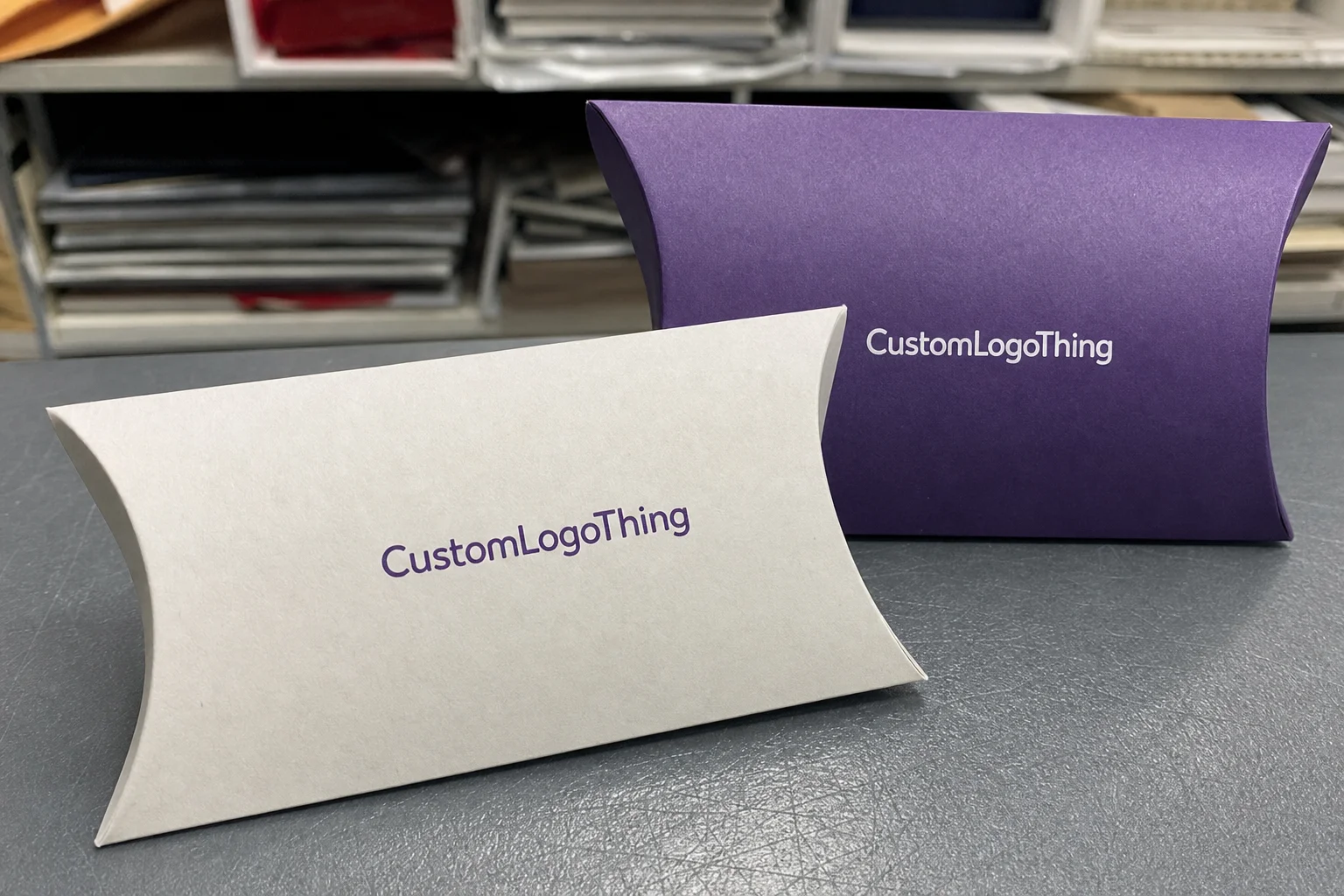
Personalized Packaging for Candle makers means packaging built around your candle, your scent story, and the customer experience instead of a generic box pulled off a shelf. That can include custom printed boxes, labels, sleeves, tissue, inserts, belly bands, and shipping cartons sized for your jars or tins. Plainly put, the package is designed to fit the candle, protect it, and make the brand look intentional. In practical terms, that often means a 350gsm C1S artboard for a retail carton, a 1.5 mm chipboard rigid box for premium sets, or E-flute corrugated mailers for direct-to-consumer shipping from Chicago, Los Angeles, or Atlanta.
I’ve seen brands use everything from a simple kraft belly band to a full rigid gift box with foam or molded pulp inserts. Both can work. What matters is whether the packaging matches the candle’s price point and the way it’s sold. A 7 oz soy candle in a farmhouse-style jar does not need the same presentation as a $48 luxury candle with a heavy glass vessel and foil-stamped lid. Same product category. Very different packaging story. A $14 market candle in Austin may do fine in a 300gsm tuck box, while a $72 gift candle sold in Toronto or Seattle may need soft-touch lamination, gold foil, and a 2 mm EVA insert to justify the price.
The reason personalized packaging for candle makers works so well is simple: candles are sensory, giftable, and fragile. They have to sell on sight before anyone ever smells the wax. Customers judge candle quality from the outer box, the label print, the tissue paper, and even the sound the lid makes when it opens. That first impression becomes the trust signal. In testing, a well-printed box can increase perceived product value by 20% to 40% before the scent is even sampled, which is a meaningful lift when your average candle retails between $22 and $38.
I was standing on a line in Dongguan years ago when a client brought in a candle jar wrapped in bubble wrap and a plain brown carton. Nice candle. Terrible first impression. We swapped it to a printed tuck box with a paper insert, and the retailer told them customers started picking it up twice as often. Same wax. Same scent. Different packaging story. The factory quote moved from $0.38 per unit for the plain carton to $0.71 per unit for the printed box at 5,000 pieces, and the sell-through still improved enough to justify the jump.
Common formats for personalized packaging for candle makers include rigid boxes, tuck end boxes, mailer boxes, candle labels, belly bands, and kraft inserts. Rigid boxes usually signal luxury. Tuck end boxes are practical and cost-friendly. Mailer boxes work well for direct-to-consumer shipping. Labels and sleeves suit small-batch brands that want a cleaner starting point. If you’re using Custom Packaging Products, you can build a whole package system around one candle line instead of forcing every SKU into the same box shape. A 2.75-inch jar, a 3.25-inch jar, and a 9 oz tin do not need the same cavity dimensions, and pretending they do is how box crush starts.
Packaging is not only about looking pretty. It affects breakage rates, shipping costs, and repeat purchase behavior. I’ve watched candle brands spend $0.70 more per unit on an outer box and save $1.90 per order in breakage and replacement costs. That’s not waste. That’s basic math. Factories do not care about your mood board. A 1,000-order month in Minneapolis or Melbourne can absorb a packaging premium if the return rate falls from 4.2% to 1.1%.
In the rest of this piece, I’m breaking down how personalized packaging for candle makers actually works, what changes pricing, how long projects take, and where candle brands usually trip over their own shoelaces. Expect real numbers, not vague advice, because the difference between a $0.15 label and a $1.85 rigid box is the difference between a hobby and a wholesale-ready program.
How Personalized Packaging for Candle Makers Works
The process behind personalized packaging for candle makers is straightforward once you know the steps. First comes product measurement. Then structure selection. Then artwork. Then samples. Then production. Then shipping. That sounds simple because, in theory, it is. In practice, every one of those steps has a way of becoming expensive if someone guesses instead of measuring. A packaging project in Shenzhen, Ho Chi Minh City, or Ningbo can move quickly only when the candle dimensions are locked down to the millimeter.
When a supplier quotes personalized packaging for candle makers, they need specific details: jar diameter, jar height, lid height, wax weight, closure type, finish preference, order quantity, and whether the candle ships direct to consumer or goes through retail. A 12 oz candle in a straight-sided glass jar needs different tolerances than a ceramic vessel with a cork lid. Leave out even one measurement and the quote can be wrong by 8% to 15% before production even starts. For example, a 3.15-inch jar with a 0.25-inch lid lip may need a 3.35-inch internal cavity, while a 2.75-inch tin can usually tolerate a slightly tighter insert.
Artwork prep matters just as much. Most factories want a dieline, which is basically the flat blueprint of the package. If you’ve never worked from one, here’s the simple version: the dieline tells you where panels fold, where bleeds go, and where text should never land unless you enjoy accidental cover-ups. For personalized packaging for candle makers, the print-ready file also needs logo placement, color specs, barcode space if needed, and warning or compliance text that stays readable. If your box is printed in Pantone 7545 C on 350gsm C1S artboard, the dieline should show exactly where the safety copy sits so the fold does not eat the first line of text.
There are usually three sample types. A digital mockup shows placement and layout. A plain structural sample checks size and fit. A pre-production printed sample checks the actual look. I always push clients to get at least one physical sample for personalized packaging for candle makers, because screen images lie. A soft-touch black box can look rich on a monitor and gray in real life if the coating, ink density, or paper stock is off by a mile. A sample shipped from Guangzhou to Dallas may cost $18 to $42 in courier fees, but that is still cheaper than approving 5,000 pieces that are the wrong shade of charcoal.
The more customized the packaging, the more coordination it needs. A simple printed label can move fast. A fully custom rigid box with a compartment insert, foil stamp, and embossed logo takes more back-and-forth. Factories do not “just make it pretty.” They need specs, tolerances, and sign-offs. Otherwise the final result becomes an expensive surprise nobody wants to explain to the finance person. A foil-stamped sleeve made in Dongguan may require 2 to 3 rounds of proofing, while a plain kraft belly band printed in Hanoi may only need one.
One client meeting still sticks with me. A candle founder brought a stunning gold-foil concept, but the candle lid was 2 mm taller than the box insert allowed. Two millimeters. That tiny gap meant the lid crushed in transit during a drop test. We fixed it by adjusting the insert cut and changing the board from 1.2 mm to 1.5 mm chipboard. Cost increase? $0.08 per unit. Worth it? Obviously. That’s the kind of detail personalized packaging for candle makers lives or dies on, especially if the candles are shipping from a warehouse in New Jersey to retail doors in Boston and Philadelphia.
If you need a packaging starting point, I usually recommend building around product packaging that matches the actual sales channel first. DTC shipping needs protection. Retail packaging needs shelf appeal. Subscription packaging needs unboxing impact. A candle brand that tries to force one box to do every job often ends up paying for three wrong solutions instead of one right one. A DTC mailer with 32 ECT corrugate and a paperboard insert can do the job for $0.88 to $1.24 per unit at 2,500 pieces, while the same candle in a premium boutique rigid box could land closer to $1.65 to $2.40 before freight.
Key Factors That Shape Personalized Packaging for Candle Makers
Several things shape personalized packaging for candle makers, and the first one is fit. A candle should sit snugly without rattling, but not so tight that a customer has to wrestle it out of the box. I’ve seen a beautiful packaging design fail because the insert hugged the jar too hard. The candle looked premium, but the experience felt awkward. Nobody wants to pry a product out like it owes them money. A 3 mm tolerance window is usually enough for glass jars, while ceramic vessels often need a slightly looser cut to avoid edge pressure.
Material choice comes next. Kraft paperboard gives a natural, earthy signal. SBS paperboard feels clean and retail-ready. Corrugated board works well for mailers and shipping protection. Rigid chipboard says premium. Specialty papers add texture and personality. For personalized packaging for candle makers, the material is not just a substrate. It’s brand language. A 400gsm kraft cover with black ink communicates something very different from a 157gsm art paper wrap laminated onto a 2 mm greyboard tray.
Print method changes both visual impact and budget. Digital printing works well for smaller runs and quick changes. Offset printing becomes more efficient at scale. Foil stamping adds shine. Embossing gives depth. Spot UV highlights details. White ink matters if you’re printing on dark stock. Every one of those choices affects the final look of personalized packaging for candle makers and the unit price. A 3-color digital label might run $0.06 to $0.18 per piece at 10,000 units, while an offset box with foil and emboss can move into the $0.90 to $1.75 range depending on size and region.
Protection requirements depend on what the candle vessel is made of. Glass jars need firm inserts and enough wall thickness to survive handling and transit. Tin candles are lighter, but they still shift around if the fit is sloppy. Ceramic vessels are the most nerve-racking because they chip if the insert support is weak. In a plant visit outside Shenzhen, I watched a carton pass a simple shake test and fail because the insert had a 3 mm gap on one side. The fix was boring. The fix was also necessary. Packaging is like that. For long-haul shipping to London or Chicago, a 32 ECT corrugated outer with a molded pulp insert can reduce corner damage far more effectively than decorative paper alone.
Brand positioning matters more than people think. Luxury, rustic, eco-friendly, apothecary, and minimalist brands should not all use the same packaging style. That sounds obvious, yet I still get asked to “make it look premium” without a clear brand direction. Premium compared to what? A $14 farmers market candle and a $60 boutique candle are not playing the same game. personalized packaging for candle makers should reflect that difference instantly, whether the candle is sold in Portland, Dublin, or Austin.
Compliance and labeling can also shape layout. Depending on your market, you may need warning text, ingredients, scent details, barcode space, or recycling marks. If you sell wholesale, some retailers also ask for outer carton labeling and case pack info. That affects panel space. The packaging can’t just look nice; it has to carry the boring details too. Boring details are what keep orders moving. A 2.5-inch by 1-inch barcode block and a 1/8-inch safety margin can make the difference between a compliant carton and a rejected one.
Sustainability claims need care. If you say recycled, recyclable, FSC-certified, or compostable, you should be able to back it up. Customers absolutely notice vague green language. So do retailers. I’ve seen brands get questioned because their “eco box” was only partly recycled content and the claim was written like a slogan instead of a specification. If you want to reference paper sourcing, the FSC standard is a good place to start, and materials guidance from EPA recycling resources can help keep claims honest. A box made in Suzhou from FSC-certified board and soy-based inks is more credible than a vague green icon with no proof attached.
Personalized Packaging for Candle Makers: Cost and Pricing Breakdown
Let’s talk money, because personalized packaging for candle makers is where a lot of good ideas get a reality check. The biggest cost drivers are quantity, box style, print complexity, finishes, insert type, and freight. A run of 3,000 label-only units is a very different animal from 10,000 rigid boxes with foil stamping and custom inserts. Brands still ask why one quote is $0.22 and another is $1.85. Because the work is not the same. A 500-unit short run in the United States may carry a higher per-piece print price than a 5,000-piece run made in Guangzhou or Xiamen, even if the design looks similar on paper.
For lower-volume runs, unit cost is higher because setup costs get spread across fewer pieces. Larger runs usually cut unit price, but they increase upfront cash outlay. That is the part people love right up until the PO lands. With personalized packaging for candle makers, I always tell clients to think in landed cost, not just factory price. Factory price is one number. Landed cost includes freight, sampling, plates if needed, storage, and sometimes import handling. A $0.39 box can become $0.62 landed once ocean freight, carton packing, and domestic delivery from Los Angeles are included.
Here’s a practical way to think about common formats for personalized packaging for candle makers:
| Packaging Type | Typical Cost Position | Best For | Tradeoff |
|---|---|---|---|
| Printed labels | Lowest | Small batches, simple branding | Limited structural protection |
| Belly bands / sleeves | Low to mid | Natural or artisan candle brands | Less premium than a full box |
| Custom mailer boxes | Mid | DTC shipping, subscriptions | More board and print cost |
| Tuck end boxes | Mid | Retail shelves, everyday candle lines | Less luxury feel than rigid packaging |
| Rigid gift boxes | Higher | Premium gifting, luxury lines | Heavier, pricier freight |
Hidden costs are where budgets get rude fast. Design setup, plates, dieline revisions, sampling, freight, and storage all show up somewhere. I’ve seen a brand quote a $0.92 box and end up at $1.37 landed because nobody priced the second sample round and the carton count changed after the jar supplier moved their lid height by 4 mm. Small changes become annoying bills. That’s packaging life. A last-minute art revision in January can add $120 to $300 in prepress alone, and that doesn’t include the extra week lost in production.
One supplier negotiation in southern China comes to mind. A candle client wanted full-color printing inside the box, but they were selling at $24 retail. We replaced the inside print with a branded insert card and a single-color interior. Their look stayed premium. Their cost dropped by $0.19 per unit. The customer still opened a package that felt intentional. That is smart personalized packaging for candle makers, not just expensive decoration. The factory in Dongguan quoted the revised version at $0.58 per unit for 8,000 pieces, versus $0.77 with the full interior print.
Ask for three quotes. Pricing can swing a lot depending on factory capability, board sourcing, and where the work happens. One vendor may be great on rigid boxes, another may be better on custom printed boxes with faster turnaround, and a third may be unbeatable on labels. Comparing three quotes is not indecision. It’s called not getting hustled. A supplier in Vietnam may offer a lower label price, while a printer in Shenzhen may be the stronger option for foil and embossing at 10,000 units.
If you want a clean sourcing process, I’d start with Custom Packaging Products and compare structures before you compare finishes. A smart structure can save more money than the fanciest coating ever will. That’s especially true for personalized packaging for candle makers, where the product itself is often already visually appealing. A 350gsm C1S artboard box with a thoughtful insert often outperforms a heavier but badly designed premium box.
Step-by-Step Timeline for Personalized Packaging for Candle Makers
A good timeline keeps personalized packaging for candle makers from turning into a panic project two weeks before launch. Step one is defining the packaging goal. Are you selling retail, shipping direct, building a gift set, or packaging a subscription box? That decision changes the structure, material, and cost. If the goal isn’t clear, the quote won’t be either. A launch in September for holiday shopping in New York needs a different calendar than a spring refill program in Phoenix.
Step two is measuring the candle exactly. I mean exactly. Include jar diameter, jar height, lid height, label clearance, shoulder shape, and any decorative pieces like wicks, dust covers, or clips. One brand sent me “rough dimensions” and wondered why the box fit badly. Rough dimensions are for furniture, not personalized packaging for candle makers. A 2.8-inch jar measured as “about 3 inches” can throw off the insert by enough to create wobble, and wobble turns into damage during parcel sorting.
Step three is selecting the structure and material. This is where packaging design starts to become real. A candle that ships often may need a corrugated mailer with an insert. A boutique candle displayed on shelves may need a rigid box or tuck end box. A seasonal gift set may need a window box, a sleeve, or nested components. The right structure depends on the customer experience and the budget. A kraft mailer in 32 ECT corrugated with a paperboard divider may be enough for 250-unit test runs, while a 1.5 mm rigid box may be better for 2,000-unit retail orders.
Step four is artwork prep. Ask your supplier for a dieline before designing around a box that does not exist. I can’t tell you how many times I’ve seen a client build artwork on a guessed size and then discover the logo lands exactly where a fold line runs through it. That’s not design. That’s expensive confusion. A proofing round in Hong Kong or Guangzhou often takes 1 to 3 business days if the files are clean and the copy is final.
Step five is sample review. Check fit, color, print alignment, coating, and closure strength. Open and close the box at least a dozen times. Shake it. Drop it from desk height if you need to. For personalized packaging for candle makers, I also recommend testing with the actual candle inside, not a dummy. Real product weight changes everything. A 14 oz candle can behave very differently from an empty sample jar, especially if the lid is heavy glass or metal.
Step six is approval and production. Confirm the lead time and plan inventory so you don’t run out during your busiest selling window. Simple labels can move fast. A full custom packaging run usually needs more back-and-forth, especially if the first sample needs revisions. A realistic lead time for a well-managed project is often 12-15 business days after proof approval for simpler jobs, and longer for more complex structural packaging. That depends on current capacity, decoration type, and freight mode. For example, a plain printed sleeve out of Zhejiang may finish faster than a foil-stamped rigid box coming out of Shenzhen.
I had a client once who planned a holiday candle launch with no buffer. Bold choice. They approved art on a Tuesday and wanted finished boxes in hand by the following Monday. Could it happen? Not in any universe where factories sleep, and I’ve spent enough time in plants to know nobody there is doing miracles on command. personalized packaging for candle makers works best when the calendar includes a little humility. If your boxes are printing in Dongguan and shipping to Houston, give yourself at least 3 to 4 weeks for a clean run, and more if the artwork is still moving.
Common Mistakes Candle Makers Make with Personalized Packaging
The biggest mistake in personalized packaging for candle makers is choosing packaging before locking in jar dimensions. That leads to “almost fits” boxes, loose inserts, and return headaches. A 3 mm mistake sounds tiny until your candle slides around inside the mailer like a marble in a coffee can. Then the customer opens a damaged candle and your review count starts looking personal. I’ve seen this happen with 8 oz jars, 12 oz jars, and ceramic vessels in the same calendar quarter.
Another classic mistake is over-designing the box and under-budgeting freight. Beautiful packaging is not a win if shipping costs crush the margin. I’ve seen brands spend $1.40 on a rigid box and then pay so much to move it that the retail math stopped working. Product packaging has to support the business, not just the Instagram post. A heavier box in Toronto or San Diego may raise parcel costs by $0.25 to $0.60 per shipment, which can matter more than the foil shade.
Ignoring the unboxing sequence is another one. Customers should see, open, and understand the product in a smooth flow. If they have to fight the packaging, or if the label is hidden under a flap nobody noticed, the experience feels clumsy. personalized packaging for candle makers should guide the buyer’s eyes and hands in a clear order. A lid that opens in one motion, a scent card on top, and a snug insert underneath can make a $26 candle feel much more polished than a $26 candle in a loose carton.
Weak inserts for glass candles are a bad joke waiting to happen. I’ve lost count of the times a brand blamed the carrier when the real problem was a flimsy paperboard cradle. Carriers do break things. So does bad design. If the insert can’t hold the jar during vibration and corner drops, it is not enough. Period. A 1.2 mm insert may be fine for a tin, but a 10 oz glass vessel usually needs more structure, especially for cross-country shipping from California to Florida.
Brand-message mismatch is another credibility killer. If your candle brand looks luxury on the website but ships in a dull, thin box, customers feel the disconnect immediately. The packaging needs to match the promise. That’s the entire point of package branding. The box is speaking before anyone on your team does. A matte black candle brand with a $40 price point and a plain uncoated mailer is telling two different stories at once.
Skipping sample review is one of the fastest ways to burn cash. People approve mockups too fast because they’re excited, then the color comes back too warm, the logo sits too low, or the lid clearance is off. I’ve seen a white box print beige because nobody checked the proof under natural light. Office LEDs are liars. Use daylight if you can. Better yet, compare the print proof at 10 a.m. and 3 p.m. so you catch temperature shifts in the lighting.
Not planning for reorder consistency causes its own mess. The second batch should not look like a cousin of the first one. If the paper stock changes, the finish shifts, or the insert thickness drifts, customers notice. They may not say “board caliper,” but they absolutely notice when the packaging feels cheaper. That’s why personalized packaging for candle makers should be documented carefully from the start. Keep the board spec, ink formula, insert dimensions, and coating notes in one file so a reorder from Vietnam or Malaysia does not drift.
Expert Tips for Better Personalized Packaging for Candle Makers
My first tip: keep one premium element and let the rest stay clean. Foil, embossing, or soft-touch coating can carry a lot of visual weight without blowing up the budget. You do not need every finish in the catalog. I know it’s tempting. Factories love when brands ask for five different embellishments, but your margin usually does not share that enthusiasm. Smart personalized packaging for candle makers often looks expensive because it is restrained, not because it is loud. A $0.27 label with one foil accent can outclass a cluttered $0.89 design very quickly.
Design for both shelf appeal and shipping durability. Candle brands often sell through DTC and retail at the same time, which means the packaging has to do both jobs. That might mean a retail-ready outer box with a stronger shipping carton, or a mailer that still photographs well. If you sell direct, think about how the box appears in the customer’s hand at 2 feet. If you sell retail, think about how it reads from 6 feet away on a shelf. Same brand. Different viewing distance. A box produced in Shenzhen for shelf display can still be paired with a plain kraft shipper from Ohio for online orders.
Use packaging to tell the scent story. A candle named “Winter Cedar” should not look like a generic house brand. Notes, mood, origin, and burn-time cues help customers choose faster. I’ve seen a scent line improve conversion simply because the box front mentioned the scent family and room use in a clean layout. That is packaging design doing actual work, not just decorating cardboard. If your candle burns for 40 hours, say so. If it uses soy wax from Iowa, say that too, provided it is true and supportable.
Ask suppliers about material substitutions. Sometimes a 350gsm SBS sheet can replace a heavier board and still hold up. Sometimes the insert can shift from EVA foam to paperboard or molded pulp and cut cost without hurting performance. I’ve negotiated with plants that shaved serious money by adjusting board weight or simplifying an insert cut. Tiny change. Big savings. That’s how you protect both the product and the budget in personalized packaging for candle makers. A molded pulp insert made in Jiangsu can be more eco-friendly and cheaper than a fully custom foam cavity, especially at 5,000 units.
Make packaging modular. Seasonal artwork changes are much easier when the structure stays the same. If your autumn candle line and holiday candle line share the same box size, you can swap graphics without rebuilding the whole system. That matters when you’re ordering in smaller volumes and you don’t want dead inventory in three different styles. A single die line reused across spring, summer, and winter launches can save $250 to $800 in setup costs across a year.
Check print proofs under natural light. I can’t say that enough. A deep navy box can look nearly black under office lighting and then show a slight purple cast in daylight. That can be good or bad depending on the brand. Either way, You Need to Know before production. For personalized packaging for candle makers, proofing under realistic light saves a lot of blame later. If your supplier is in Shanghai and you are in Miami, ask for both a digital proof and a photographed physical proof before signing off.
If you want to strengthen product packaging without adding too much cost, focus on the touch points customers actually remember: the lid opening, the insert fit, the first scent reveal, and the message printed inside the flap. Those are the moments that feel deliberate. A candle brand doesn’t need a circus. It needs a clear brand promise and packaging that delivers it. Even a $0.12 insert card placed in the right spot can make the package feel designed, not assembled.
What Is Personalized Packaging for Candle Makers?
personalized packaging for candle makers is packaging tailored to the candle’s size, fragility, brand identity, and sales channel. It can include printed boxes, sleeves, labels, inserts, tissue, and shipping cartons designed to protect the candle while also making it feel giftable and on-brand. For many candle businesses, it’s the difference between a product that looks homemade and a product that looks ready for retail shelves. A 9 oz candle in a generic mailer and a 9 oz candle in a custom printed box do not create the same customer expectation, even before scent comes into play.
For featured-snippet clarity: the best personalized packaging for candle makers fits the jar precisely, protects it in transit, reinforces the brand story, and matches the candle’s price point. That usually means choosing the right board, insert, print method, and finish for the sales channel, whether the candle is sold online, in boutiques, or as part of a gift set. A small artisan brand may start with labels and sleeves, while a premium line may move to rigid boxes with foil, embossing, and molded pulp inserts.
The practical goal is not decoration for its own sake. It is to make the candle easier to trust, easier to ship, and easier to remember. That is why personalized packaging for candle makers keeps showing up in product conversations that start with design and end with revenue. Packaging rarely sells a candle by itself, but it often decides whether the candle gets picked up, gifted, or reordered.
Next Steps for Personalized Packaging for Candle Makers
The smartest next move for personalized packaging for candle makers is to build a packaging brief before you contact suppliers. Include your candle dimensions, target retail price, shipping method, and the kind of customer you’re selling to. A candle sold at $18 needs a different packaging strategy than one sold at $42. That number matters more than people admit. If your margin is 62% in wholesale and 72% in DTC, the box has to fit both channels without blowing up cost.
Next, collect three packaging examples you like and write down what specifically works. Is it the finish? The structure? The color system? The way it opens? “I like this” is vague. “I like the soft-touch black box with a gold foil logo and a paper insert” is useful. Suppliers can work with useful. A good brief might say: 350gsm C1S artboard, one-color print, matte lamination, paper insert, 3,000 units, shipping to Chicago in November.
Then request a dieline and sample quote from a manufacturer. Compare unit cost, setup fees, lead time, and freight together. If one supplier quotes a lower unit price but takes three extra weeks and charges more for freight, the math may not be better. In personalized packaging for candle makers, the lowest sticker price is often the least interesting number. A quote from Dongguan, one from Ho Chi Minh City, and one from domestic production in Texas can tell very different stories once freight and sample costs are added.
Test one prototype with a real candle. Better yet, test it with a real ship test. If possible, let a real customer handle it too. You’ll learn a lot from watching someone open it without guidance. They’ll show you where the box feels intuitive and where it gets awkward. That feedback is gold, especially if you’re ordering in the 500 to 5,000 unit range. A drop test from 36 inches and a corner compression check can reveal more than a polished render ever will.
Decide the one feature that matters most right now: protection, premium feel, lower cost, or faster turnaround. You can improve other things later. Trying to perfect every variable in the first run usually slows the whole project and drives up the quote. I’d rather see a brand launch with one strong packaging decision than stall for six weeks chasing a perfect fantasy. If a $0.15 label gets you to market faster than a $1.65 rigid box, start there and upgrade on reorder.
After the first production run, collect feedback and reorder with small improvements instead of trying to reinvent the whole package. That’s the part people skip. They think the first version has to be final forever. It doesn’t. Good personalized packaging for candle makers gets smarter with each reorder as long as you document what changed and why. A note like “increase insert depth by 1 mm” can save hours on the next order.
And yes, this comes back to the same point: personalized packaging for candle makers should support the product, the story, and the margin. Ideally all three. If it only looks pretty, it’s incomplete. If it only protects the candle, it’s missing the brand. If it only fits the budget, it probably won’t sell itself. Balance is the job. A candle brand in Nashville, Vancouver, or London still needs the same equation: protect the product, tell the story, and leave enough margin to reorder.
FAQ
How much does personalized packaging for candle makers usually cost?
Cost depends on quantity, box style, print method, and finishes. Labels are usually the lowest-cost option, while rigid custom boxes with inserts cost more. Setup, sampling, and freight can add to the total, so compare landed cost, not just unit price. For smaller runs, I’ve seen prices move from about $0.15 to $0.18 per label unit at 5,000 pieces to $1.85 or more for premium rigid packaging, depending on the spec. A 350gsm C1S artboard tuck box will usually sit somewhere between those two extremes.
What packaging is best for personalized candle packaging if I ship online?
Use packaging that protects glass or ceramic jars during transit. Corrugated mailers with inserts or reinforced rigid boxes are common for direct-to-consumer shipping. Always test for rattle, drop protection, and corner crush resistance. If your candle can survive a 3-foot drop and a short vibration test without shifting, you’re in much better shape. For many brands shipping from California or New Jersey, a 32 ECT mailer with a paperboard divider is the practical starting point.
How long does personalized packaging for candle makers take to produce?
Simple label projects can move faster than full custom structural packaging. Timeline depends on artwork readiness, sampling rounds, and production capacity. Build in extra time for proof approval and shipping delays. A clean, well-prepped project may move in 12-15 business days after proof approval for simpler formats, while more complex custom printed boxes usually take longer. If you are ordering rigid boxes with foil or embossing from Shenzhen, plan for additional proofing time and freight transit.
What information should I send a supplier for a packaging quote?
Send candle dimensions, material preference, order quantity, print needs, and whether you need inserts. Include artwork files if available, or at least brand references and a rough layout. Tell them your shipping method and target price range so the quote is actually useful. If you can, include the jar weight, lid height, and whether the candle is glass, tin, or ceramic. A supplier in Guangzhou or Dallas will quote more accurately if they know whether the jar is 8 oz, 12 oz, or 16 oz.
Can personalized packaging for candle makers still look premium on a budget?
Yes, if you focus on one high-impact detail like foil, embossing, or a strong color system. Simpler materials can still look expensive with clean design and good print quality. Budget packaging works best when the structure is smart and the branding is consistent. I’ve seen a $0.42 kraft box look better than a messy $1.20 box because the typography and finish choices were disciplined. A clean black ink print on 350gsm kraft board can look more premium than a cluttered full-color design with no hierarchy.