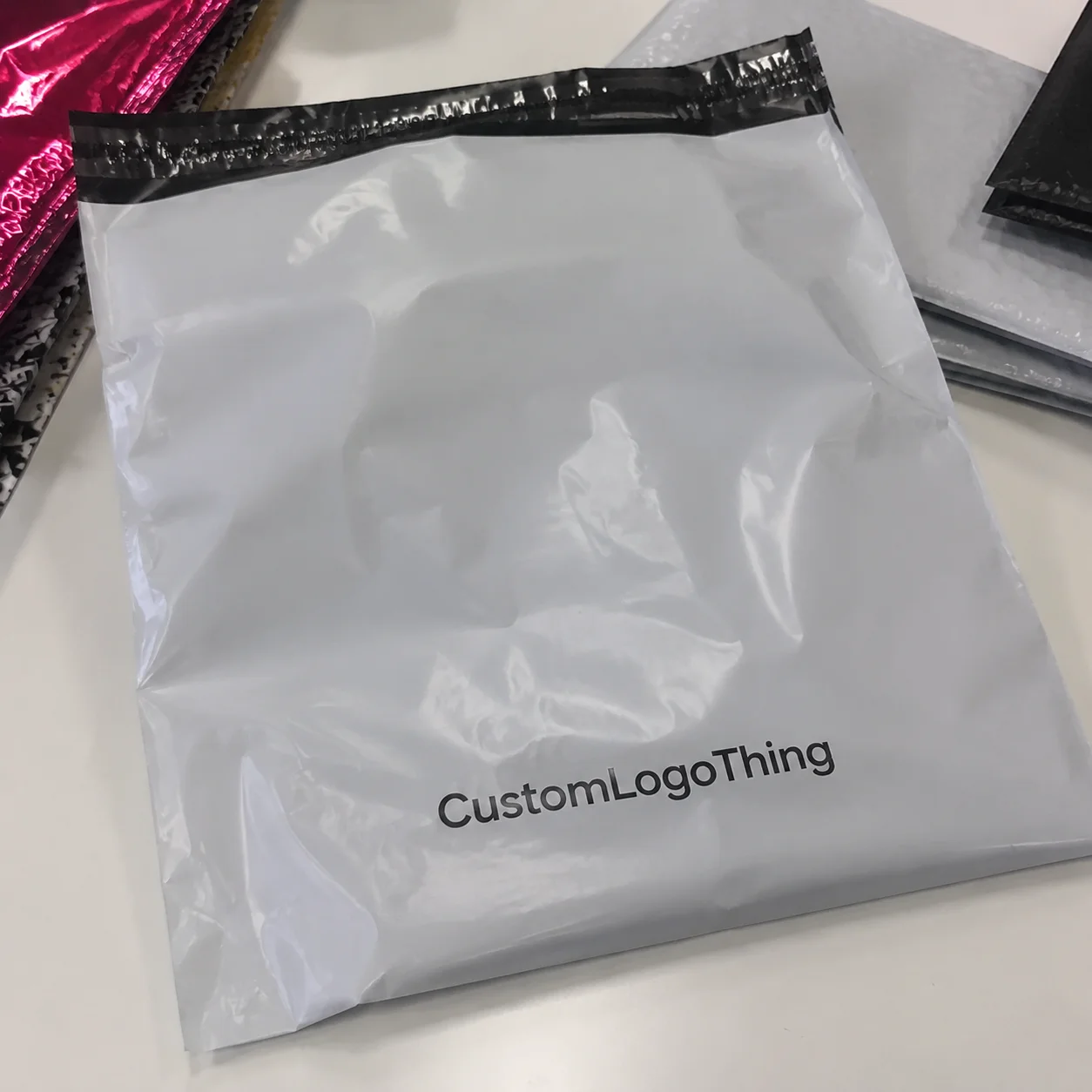
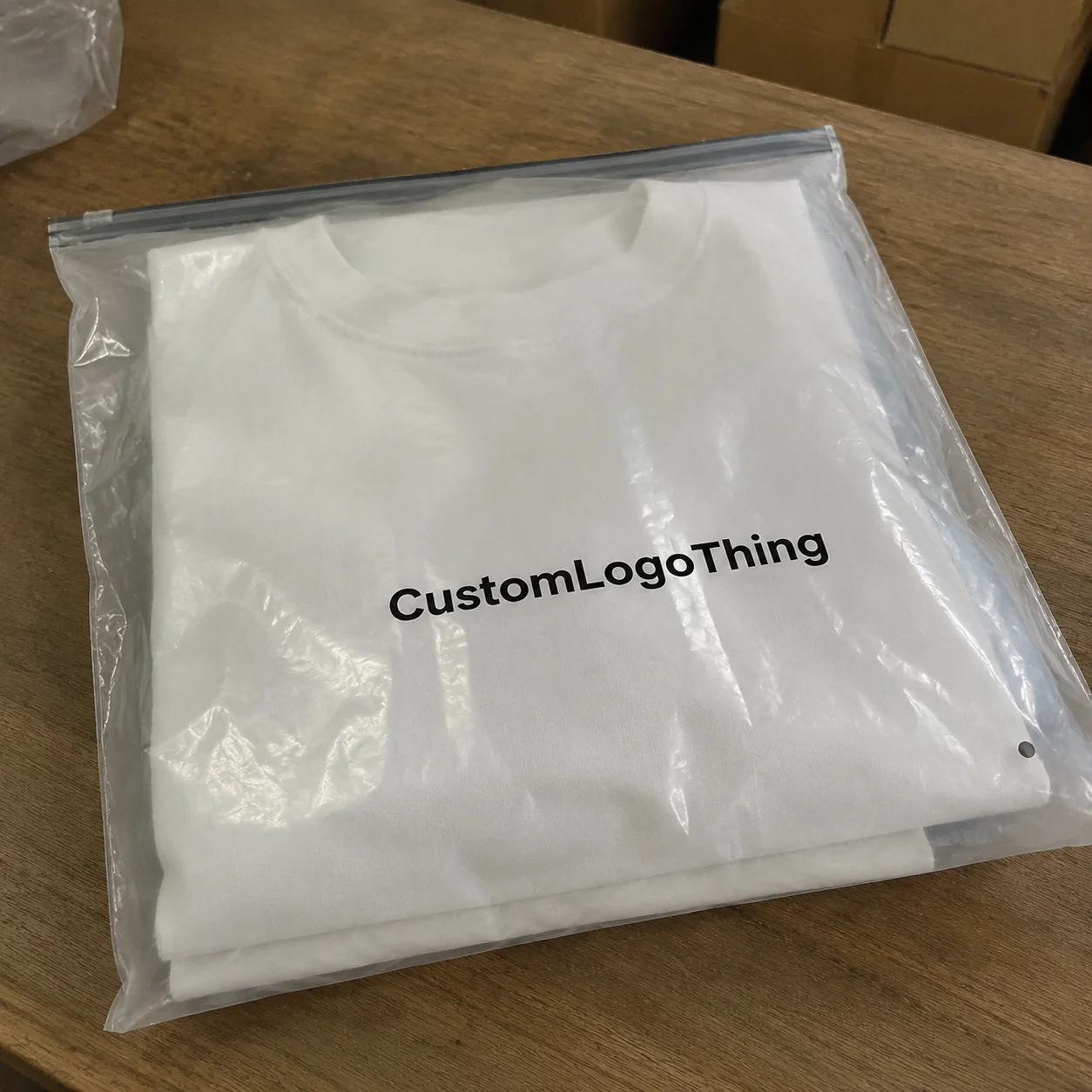
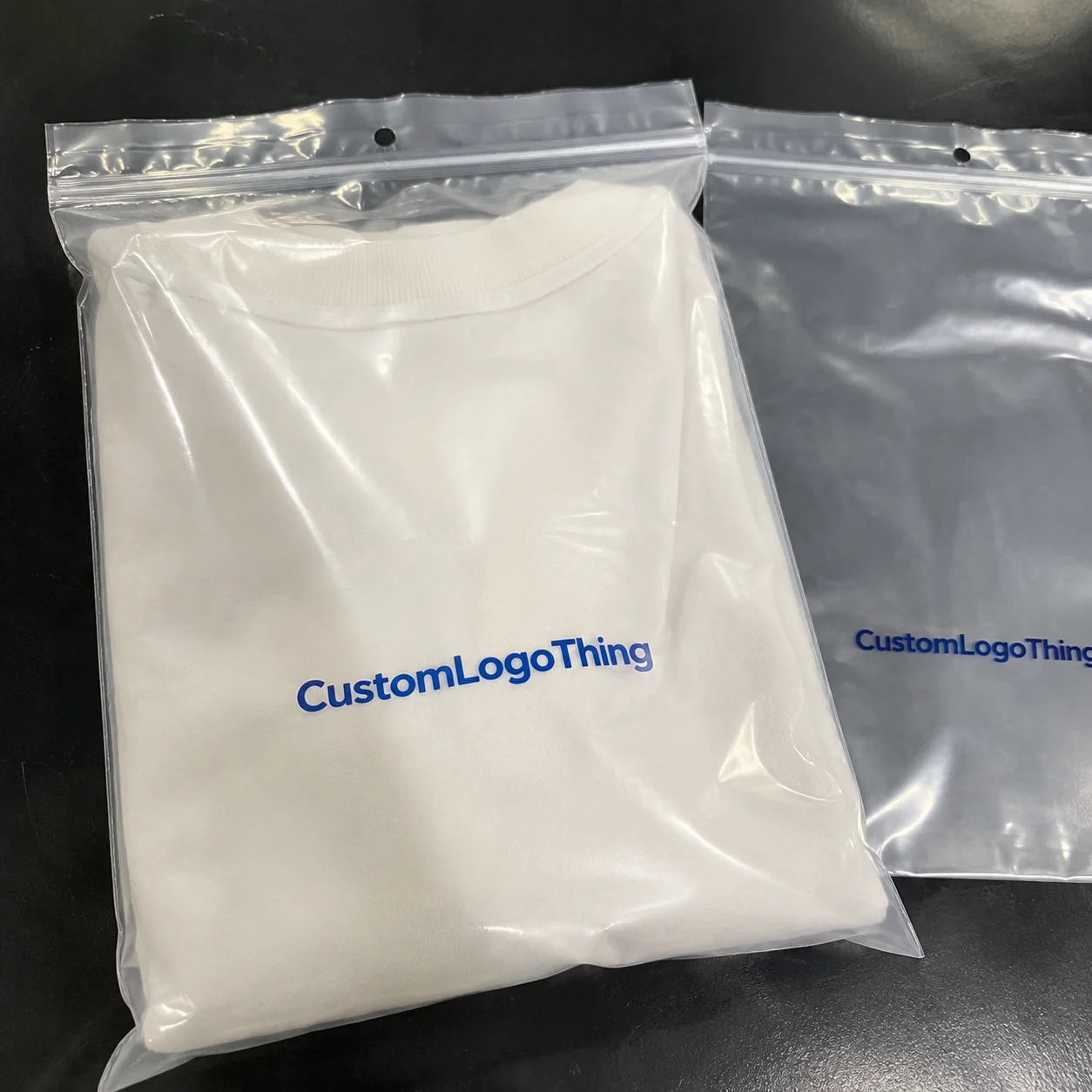
Buyer Fit Snapshot
| Best fit | Spot UV Coating Design Techniques for Striking Packaging projects where brand print, material claims, artwork control, MOQ, and repeat-order consistency need to be specified before quoting. |
|---|---|
| Quote inputs | Share finished size, material target, print colors, finish, packing count, annual reorder estimate, ship-to region, and any compliance wording. |
| Proofing check | Approve dieline scale, logo placement, barcode or warning zones, color tolerance, closure strength, and carton packing before bulk production. |
| Main risk | Vague material claims, crowded artwork, missing packing details, or unclear freight terms can make a low unit price expensive after revisions. |
Fast answer: Spot UV Coating Design Techniques for Striking Packaging should be specified like a repeatable production item. The safest quote records material, print method, finish, artwork proof, packing count, and reorder notes in one written spec.
Production checks before approval
Compare the actual filled-product size with the drawing, then confirm tolerance on folds, seals, hang holes, label areas, and retail display edges. Reserve space for logos, QR codes, warning copy, and material claims before decorative graphics fill the panel.
Quote comparison points
Review material grade, print process, finish, sampling route, tooling charges, carton quantity, and freight assumptions side by side. A quote is only useful when the supplier can repeat the same color, closure quality, and packing count on the next order.
Spot UV Coating Design Techniques: Why the Finish Feels So Premium
The first time I watched spot uv coating design techniques change a carton on press, it was on a soft-touch folding box for a cosmetics client in Dongguan, Guangdong. I remember standing there thinking, “Well, that just changed the whole personality of the package.” The difference was immediate. The same navy 350gsm C1S artboard suddenly looked deeper, more controlled, and far more valuable under 4,000K retail lights. A 6 x 8 inch gloss patch over the logo did more than shine; it changed how the box was held, photographed, and stacked by the line crew during packout. On that job, the finishing quote came in at $0.15 per unit for 5,000 pieces, and the client still said the visual payoff beat a larger print run with no embellishment.
Spot UV is a localized clear coating applied only to selected parts of the artwork, not across the entire sheet. Flood UV coating covers the full surface. Spot UV coating design techniques rely on contrast, so the gloss highlights specific elements such as a logo, pattern, headline, or call-to-action while the rest of the package stays matte, uncoated, or soft-touch. That contrast is what makes a carton feel deliberate rather than shiny for its own sake. On a 2024 skincare launch I reviewed in Shenzhen, the brand used a matte black base with a 38 mm logo mark in spot UV, and the package looked more expensive at a glance than a more expensive stock with no finish at all.
we have seen spot UV used on folding cartons, rigid boxes, mailer boxes, sleeves, and retail inserts where the design needed authority without a heavy material cost. On one beverage launch I helped review in a Guangdong plant, the team used spot UV on a citrus icon and a short slogan only. Sales later said the package was photographed more often because the gloss created just enough visual tension to catch a camera lens. The same job used 350gsm SBS board with matte lamination, and the production lead in Foshan said the extra finishing time added only 2 business days after print approval. That kind of result makes a person forgive a few long factory meetings (almost).
That is the heart of spot uv coating design techniques: designing for visual contrast, physical alignment, and production consistency at the same time. A beautiful mockup can still fail if registration is off by 0.5 mm, if the board absorbs the coating too aggressively, or if the artwork uses hairline details that disappear under real press conditions. On a 10,000-unit carton run, even a 0.3 mm shift can turn a clean border into a fuzzy edge, and that is the difference between premium and “close enough,” which is never enough for shelf packaging.
A lot of designers underestimate how much the base structure matters. The strongest spot uv coating design techniques start before the coating itself, with choices about board grade, lamination, die cutting, and whether the package is meant to be held by hand for ten seconds or stare back at shoppers from a shelf for three months. we have had more than one project where the “finishing problem” was actually a structure problem in disguise, especially on mailers produced in Ningbo where the board was 1.2 mm thick but the coating map assumed a flatter panel.
How Spot UV Coating Works in Printing and Finishing
On a production floor, spot UV usually sits near the end of the finishing sequence, after the base artwork has been printed and often after lamination or matte treatment has already been applied. The printer lays down the image, then the finishing unit adds the coating only where the artwork calls for it, using a screen, plate, or digital embellishment system depending on the press and run length. Good spot uv coating design techniques account for that sequence from day one, because the coating is not just a visual layer; it is a finishing operation with tolerances. In a Shanghai plant I toured last year, the line moved from offset print to matte film lamination, then spot UV, then die cutting, and each handoff added a measurable risk of registration drift if the file was not prepared correctly.
UV curing gives the coating its speed and hardness. The coating is exposed to ultraviolet lamps or LED UV systems, which trigger the chemical reaction that hardens the varnish almost instantly. In a sheetfed plant I visited in Ohio, the UV tunnel was running at a measured 38 to 42 meters per minute for a medium-build coating. The operator kept checking for tack and edge crispness because too much energy can over-cure one stock while under-curing another. I still remember how the machine sounded like it was impatient with everybody in the room. That kind of detail matters when spot uv coating design techniques are expected to create a clean, sharp finish, especially on a 300gsm coated board that needs to move through the tunnel without warping.
There are a few common application methods. Screen UV gives a heavier coating deposit and a stronger tactile feel, which is why it’s popular for premium cartons and rigid setups. Offset UV can be efficient for larger runs with tighter image alignment, especially on coated boards. Digital embellishment systems are useful for shorter runs, variable artwork, or prototypes where changing plates would slow things down too much. The right method depends on the press line, the substrate, and how much gloss build you want from the spot UV itself. For example, a 2,000-piece seasonal gift box in Suzhou may be better suited to digital embellishment, while a 20,000-piece retail carton in Dongguan often makes more sense with screen UV.
Registration is the quiet hero here. If the spot layer lands even slightly off, a logo can look fuzzy, type can halo, and geometric borders can look like they’re drifting. Good spot uv coating design techniques always include registration marks, stable dielines, and enough artwork clearance to tolerate the movement that happens in folding, trimming, and finishing. On a rigid box with 1.5 mm board wrap, a 0.25 mm misalignment may not sound dramatic, but on a black matte panel it shows up fast under store lighting.
Substrate behavior changes everything as well. A glossy coated art paper usually holds edges more crisply than a porous kraft stock, and a laminated surface makes the gloss pop harder than an uncoated sheet. Coating thickness, base ink cure, and paperboard absorbency all influence the final result. The short version is simple: the prettier the render, the more disciplined the production spec needs to be behind it. Packaging loves to humble people that way, especially when a 350gsm C1S artboard behaves differently in Hangzhou than it does in a mockup PDF on a designer’s laptop.
Key Factors That Shape Spot UV Coating Design Techniques
The strongest spot uv coating design techniques usually begin with contrast strategy. Matte-to-gloss contrast is most dramatic on dark backgrounds, soft-touch lamination, or satin-coated boards where the coating reflects light in a clearly different way from the surrounding surface. On brighter or busier graphics, the effect can still work, but larger, cleaner shapes are often needed so the gloss does not disappear into the noise of the layout. A black-on-black cosmetic carton in Shenzhen can look richer with a 20% coated emblem than a white carton with scattered gloss fragments, even if both use the same $0.12 per unit finish.
Artwork scale is the next issue, and it is one of the places where experience saves money. Tiny text below 6 pt, very thin serif strokes, and narrow line art can fill in during coating or look uneven after curing. In one supplier meeting in Shenzhen, a client wanted a 0.3 mm script logo spot-coated across a sleeve, and the prepress lead told them bluntly that the press could not guarantee the edges across 12,000 units. They increased the stroke weight to 0.6 mm and the result looked cleaner on shelf anyway. That is classic spot uv coating design techniques work: not everything that looks elegant on a monitor survives production, and the monitor is not paying for the reprint.
Material selection matters too. SBS board gives a clean, white base and usually supports crisp contrast. Kraft board feels more organic and can look beautiful, but the gloss may read softer because the surface has more texture and absorbency. Art paper and laminated stocks offer the most controlled visual result. When a brand is planning lamination before spot UV, the finish often looks more premium because the matte film creates a visual stage for the gloss to perform on. A 350gsm C1S artboard with soft-touch film from a plant in Jiangsu often produces a cleaner gloss edge than a rough 300gsm kraft board, even when both are printed with the same CMYK build.
Coverage area is another practical decision. A large coated pattern can feel luxurious, but too much gloss can flatten the hierarchy and make the design lose its focal point. I usually tell clients to think in zones: hero logo, secondary pattern, and background texture. If all three zones are coated at full intensity, the package starts looking busy instead of refined. The best spot uv coating design techniques use restraint so the gloss feels earned. On a luxury candle box in Ningbo, removing 40% of the coated pattern made the logo stand out more and cut the risk of visible coating overlap at the panel fold.
Shape language matters too. Rounded forms, bold icons, and clean vector graphics generally produce stronger results than photographic textures or overly detailed illustrations. One cosmetics brand I reviewed in a carton plant near Dongguan had a full floral pattern prepared for spot UV, but once we simplified the flowers into larger petals and removed the micro-veins, the coating edge held much better and the carton looked more expensive. That is a real production lesson, not a theory. Their final approved art used 0.5 mm vector outlines and a 2 mm clear border around the emblem to keep the gloss from crowding the edge.
Cost and pricing factors that influence spot UV jobs
Pricing for spot UV is usually driven by setup complexity, coverage size, and how many finishing steps are stacked onto the job. A simple 10,000-unit run on a single-panel carton might add roughly $0.08 to $0.18 per unit for spot UV, while a more complex package with full-area coverage, multiple spot layers, or added foil stamping can move into the $0.22 to $0.40 per unit range depending on volume and tooling. These are working estimates, not fixed market prices, because every shop prices differently based on labor, equipment, and spoilage allowances. In a 5,000-piece order from a Guangzhou factory, we have seen the same gloss patch quoted at $0.15 per unit one week and $0.19 per unit the next after the client added embossing and a second revision cycle.
Here is a useful way to think about the cost drivers:
| Cost Factor | Lower Cost Scenario | Higher Cost Scenario |
|---|---|---|
| Dieline size | Small carton panel, limited coat area | Large sleeve, wraparound coverage |
| Artwork complexity | One logo or simple icon | Fine pattern, multiple coated zones |
| Setup method | Digital embellishment or single plate | Multiple screens, plates, or passes |
| Registration tolerance | Wide-safe shapes, generous margins | Hairline details near folds or trim |
| Finishing stack | Print + spot UV only | Print + lamination + embossing + foil stamping |
For brands comparing options, the cheapest quote is not always the smartest quote. If a supplier with strong spot uv coating design techniques charges slightly more but has fewer registration failures and less rework, the real cost often comes out lower on the back end. I have seen a client lose more money in reprints than they would have spent moving to a better finishing house in the first place. That stings twice: once in the budget, and once in the schedule. A quote difference of $300 on a 10,000-unit run can disappear quickly if 800 cartons get scrapped because the coating missed the logo by 1 mm.
Step-by-Step Spot UV Coating Design Techniques Workflow
The cleanest spot uv coating design techniques workflow starts with a design goal, not with a visual effect. Ask whether the coating is meant to highlight a brand mark, create tactile contrast, guide the eye toward a call-to-action, or support a pattern that runs across multiple panels. If the purpose stays vague, the coating becomes decoration, and decoration without structure usually looks accidental. A 50 mm gloss mark on a 120 mm wide front panel can do more than a full-field decorative layer if the goal is to drive the eye to a product name or a QR code.
Step 1: Build the dieline first. Work from the final carton structure, not from a pretty flat render copied from a mockup site. I have seen many packaging files where the spot layer was drawn before the fold lines were confirmed, and that mistake can push coating onto glue flaps, folds, or tuck-in areas. Smarter spot uv coating design techniques begin with the real box geometry. If the carton is 180 x 120 x 40 mm and the flap has a 3 mm glue zone, the coating map needs to respect that from the first draft.
Step 2: Create a separate spot UV layer. Keep the spot coating artwork on its own clearly named channel, often labeled “SPOT UV,” “VARNISH,” or “COAT.” Use 100% solid vector shapes whenever possible, and keep the layer simple enough for prepress to read without hunting through a messy file. If the printer has to decode the art, the job is already harder than it needs to be. A clean Illustrator file sent to a factory in Suzhou can save an entire proof cycle compared with a flattened PDF that hides the coating map.
Step 3: Set safe margins and stroke rules. A practical safe margin of 1.5 to 2 mm away from trim or folds is often a good starting point, though the exact number depends on the press and carton style. Minimum stroke widths commonly need to stay above 0.4 to 0.6 mm for dependable results. These values matter because coating behaves differently than ink, and spot uv coating design techniques are only as good as the press tolerance underneath them. If the design uses a 0.25 mm line near a crease, the coating may break or blur once the board is folded.
Step 4: Proof digitally, then sample physically if possible. A screen proof can confirm placement, but it cannot fully show the reflectivity of the coating or how the light will break across the box curve. When I worked with a skincare brand on a rigid setup in a Taiwan plant, the paper proof looked fine, but the first physical sample showed that the coated florals were too dense and overpowering. We removed 30% of the filled area, and the product immediately looked more elegant. I wish every client could see that kind of before-and-after; it saves a lot of arguing. In that job, the sample loop took 4 business days from approval to hand-feel testing.
Step 5: Communicate clearly with prepress and finishing. The press team Needs to Know the coat order, curing method, board type, and whether any other steps like embossing or die cutting will happen before or after UV. A coat that looks perfect on the flat sheet can fail if the carton folds are not compensated for or if the board is too springy. Good spot uv coating design techniques depend on this handoff more than most designers realize. A finishing manager in Wenzhou once told me that 80% of the problems he fixes are file problems, not machine problems, and he was not being dramatic.
Useful production checkpoints before approval
- Confirm the final dieline version and remove all outdated layers.
- Check that the spot UV layer is separate from CMYK artwork.
- Verify that coated elements avoid glue zones, scores, and trim edges.
- Ask for press-side notes on cure strength, especially for thick coatings.
- Review the sample under both direct and angled light.
Process, Timeline, and Production Planning for Spot UV
From concept to finished carton, a standard spot UV project often takes 12 to 18 business days after artwork approval, though that number can stretch if you add multiple rounds of revisions, foil, embossing, or complex construction. A simpler reprint may move faster, especially if the printer already has the plates, the coating setup, and the die line on file. Better spot uv coating design techniques upfront mean fewer surprises later in the schedule. On a 5,000-piece order from a plant in Dongguan, we have seen proof approval on Monday lead to finished goods shipping by the second Friday, while a last-minute artwork change pushed the same job past three weeks.
A realistic timeline usually includes concept approval, artwork prep, prepress review, proofing, plate or digital setup, coating application, curing, and final inspection. Each stage can add one to three business days depending on the factory load. On one branded mailer job I reviewed in a Midwest finishing plant, a one-line logo change turned into a four-day delay because the modified version had to be reproofed for spot placement, then rechecked after UV coating setup. The fix was simple, but the delay cost the brand a missed launch window. I still remember the project manager staring at the calendar like it had personally offended her. The plant had reserved a press slot in Chicago, and that one late file note pushed the job behind two other customers.
Timing gets longer when spot UV is paired with other finishing methods. Lamination adds an additional pass, and foil stamping or embossing usually means extra tooling and inspection. If the carton also needs die cutting, the team has to coordinate the order of operations so the coating does not crack at the fold or interfere with the die. Good vendors plan that sequence before the first board is ever run. On a premium gift box made in Ningbo, the full stack of print, matte lamination, spot UV, and foil stamping added 6 business days beyond the base print schedule.
Communication checkpoints are critical. I like to see design, prepress, printing, and finishing all sign off on the same art reference before the job goes live. That means one PDF, one dieline version, one coating map, and one contact person who can answer questions in under an hour. If a change lands late, the ripple effect can be ugly, especially on multi-SKU packaging where each version has slightly different coated areas. A catalog of 8 SKUs can turn one tiny gloss adjustment into 8 separate prepress checks if the system is not organized.
For seasonal promotions, I usually advise brands to freeze artwork earlier than they think they need to. Holiday packaging, limited editions, and launch kits often sound simple until the production calendar gets crowded. If the spot UV pattern is approved already, the factory can avoid last-minute file churn and keep the finishing line running without a scramble. In October, many Guangzhou printers are already booked 2 to 4 weeks ahead, so a “small” change on Tuesday can become a Friday-night emergency if nobody protects the schedule.
Rush work is possible, but it comes with tradeoffs. A rush order often needs simplified artwork, fewer coated zones, fewer revision cycles, and faster proof approval. If a client wants 5,000 units in a tight window, I would rather simplify the spot uv coating design techniques and keep the carton clean than push a complicated reflective pattern that risks delay or waste. A stripped-down gloss logo on a matte box can ship in 9 to 12 business days from approval in some Shenzhen shops, while a more ornate build might need 15 to 20 business days.
For brands that want to understand the wider packaging-finishing landscape, the ISTA test standards are a useful reference when you are balancing appearance with shipping performance, and the FSC is helpful when paperboard sourcing is part of the brief. A beautiful carton still has to survive transit, vibration, and stacking pressure, and that matters just as much as gloss on the shelf. A premium carton shipped from Ningbo to Los Angeles can still arrive scuffed if the outer shipper is underbuilt, no matter how sharp the spot UV looks under showroom lighting.
Common Mistakes to Avoid with Spot UV Coating Design Techniques
One of the most common mistakes I see is putting spot UV on tiny type, hairline rules, or dense textures and expecting them to stay perfect through production. They usually do not. Coating can fill fine detail, edges can feather, and the final effect can look muddy instead of crisp. Strong spot uv coating design techniques respect the physical limits of the coating process. If the coated text is 5 pt or smaller, a factory in Foshan may flag it before print because the risk of fill-in is too high.
Another issue is poor placement near trim, folds, or glue areas. If spot UV sits too close to the edge, any shift in registration or die cutting can expose the edge of the coating in an awkward way. I once inspected a rigid box job where the gloss border was placed only 0.75 mm from the fold line, and after creasing it showed a faint crack at the corner on nearly every sample. The design looked fine on screen and mediocre in hand, which is exactly the kind of gap that real production exposes. That moment made me want to gently shake the CAD file and tell it to behave. A 2 mm buffer would have saved the client a full remake on 3,000 boxes.
Overusing gloss is another trap. Too much shine can flatten the design because nothing stands out anymore. The package stops having hierarchy, and the eye does not know where to rest. The best spot uv coating design techniques use the gloss like a spotlight, not like stage fog. On a black soap box in Shanghai, reducing the coated surface from 70% of the front panel to 25% made the logo and product name easier to read from 1.5 meters away.
Material mismatch can also sabotage a job. Uncoated board, highly porous kraft, or a low-energy laminated surface may not bond the same way a coated sheet does. If the coating system and substrate are not matched correctly, you can end up with dull spots, uneven shine, or poor adhesion. This is why I always push for sample testing when the stock is unusual or the run is premium. A plant in Xiamen once ran a spot UV sample on a textured kraft sheet that looked beautiful in the catalog but lost 30% of the gloss brightness once cured.
Do not ignore proof reviews. A monitor cannot tell you how glare will behave under store lights, a lightbox, or an e-commerce photo set. In a supplier negotiation I sat through for a beverage client, the brand team loved the digital render, but the physical sample showed the gloss patch was reflecting directly into the camera angle. We shifted the gloss 8 mm lower on the front panel, and the product photographed much better. That one move saved them a re-shoot and a lot of muttering in the studio. The photographer in Hangzhou thanked the packaging team more than once after the adjustment.
Expert Tips to Elevate Spot UV Coating Design Techniques
My strongest advice is simple: use restraint. If every panel gets spot UV, then none of it feels special. I usually recommend one hero element, one supporting pattern, or one controlled visual path that draws attention exactly where the brand wants it. That discipline is what separates average spot uv coating design techniques from premium ones. On a 180 x 180 mm rigid box, a single 45 mm logo with a small accent line often works harder than a full-panel gloss pattern that tries to do everything at once.
Layering spot UV with other finishes can create real depth, but only if the sequence is planned carefully. Soft-touch lamination under a gloss logo is a classic premium combination because the matte background absorbs light while the coated detail reflects it. Add embossing and the package gains physical relief; add foil stamping and you introduce a metallic flash that can work beautifully on high-end cosmetics, tech accessories, or luxury food gift sets. Each extra finish adds setup time, testing, and cost. I love the result when it works, but I also love getting home on time, so restraint still wins. In Shanghai, a combined soft-touch plus spot UV plus foil box can add $0.25 to $0.45 per unit at 5,000 pieces, so every added effect needs a clear purpose.
Lighting is not an afterthought. Shelf lighting at 3,000K will read differently than office daylight or phone flash photography. I often tell clients to imagine the box under three conditions: a boutique shelf, a warehouse receiving bench, and a social media photo. The coating must perform in all three places if the package is going to do its job. Smart spot uv coating design techniques are designed for actual viewing conditions, not just a render. A design that looks perfect on a calibrated monitor in New York may flare too hard in a store under 5,000K LEDs.
Bold shapes and generous spacing almost always outperform fussy detail. Keep your vectors clean, avoid overly complex gradients in the coated area, and do not crowd the gloss up against text unless the printer has already confirmed tight registration capability. If you want the coating to look expensive, give it room to breathe. A 3 mm gap around the logo can look intentional and high-end, while a 0.5 mm gap can look like an accident waiting to happen.
One other thing I have learned after years of factory visits: talk to the manufacturer early. On a job in a coastal plant outside Ningbo, a designer sent a gorgeous spot layout before checking the carton structure. The board grade, tuck style, and finishing line all made the original coating map impossible without changes. A 20-minute call up front would have saved two days of revisions. That kind of early coordination is one of the most underrated spot uv coating design techniques there is. The plant had a 12-hour lead time on sample turnaround, but the first file already missed the glue flap by 4 mm.
If you want to sanity-check a packaging plan from a material and sourcing standpoint, the EPA has useful guidance around packaging waste and materials management. Sustainability and premium finishing are not mutually exclusive, but the board choice has to support both goals. A certified 350gsm board from a supplier in Jiangsu can still take spot UV well if the surface treatment is right and the curing window is controlled.
FAQ
What are the best spot uv coating design techniques for logos?
Use bold logo shapes with generous negative space so the coating edges stay crisp and readable. I usually advise keeping ultra-thin strokes and delicate serifs to a minimum unless the printer has confirmed very tight registration control. A matte or soft-touch background also helps the logo stand out more clearly, because the contrast between the base and the gloss is much stronger. For a 40 mm logo on a 120 mm front panel, a 2 mm clear border often gives cleaner results than trying to fill every corner with gloss.
How much does spot UV coating usually add to packaging cost?
Cost depends on coverage size, setup method, and whether the job uses plates, screens, or digital embellishment. More artwork complexity and tighter registration usually raise the quote, while larger production runs spread the setup cost across more units. As a working range, I often see simple applications add around $0.08 to $0.18 per unit, with more complex premium builds moving higher. For a 5,000-piece carton order, we have seen a clean spot UV logo quoted at $0.15 per unit in Dongguan when the job used one coating pass and no extra finishing.
How long does a spot UV packaging project take from design to production?
Simple jobs can move quickly once the dieline and artwork are approved, sometimes within 12 to 15 business days from proof approval. Projects with lamination, foil stamping, embossing, or multiple revision rounds take longer because each step adds setup and inspection time. The fastest way to stay on schedule is to approve proofs quickly and keep the coating layer clean and clearly labeled. A straightforward 10,000-piece run from a Shenzhen plant can ship faster than a complicated 2,000-piece premium box if the premium box needs three rounds of sample changes.
Can spot uv coating design techniques work on kraft or uncoated board?
Yes, but the effect is usually softer than what you get on coated or laminated stocks. It works best with larger shapes, clear contrast, and simple coated zones rather than tiny details. A sample test is wise because absorbency and texture can change how bright or sharp the gloss appears once cured. On a brown kraft mailer from Xiamen, a logo with 0.6 mm line weight will generally hold better than a fine script with 0.25 mm strokes.
What should I send my printer before approving spot UV artwork?
Send the final dieline, a clearly labeled spot UV layer, and notes showing exactly which elements should be coated. Include size, placement, and any no-coat zones near folds, trims, glue flaps, or die-cut edges. I also recommend asking for a proof or sample so you can review alignment, shine, and overall presentation before full production begins. If your job is being made in Guangzhou or Ningbo, ask for the printer’s preferred file format and minimum stroke rules before you export the final PDF.
Conclusion
The best spot uv coating design techniques are not about adding gloss everywhere; they are about creating a deliberate visual and tactile hierarchy that survives real production. When the artwork respects registration, the board choice matches the finish, and the coating plan is built around the dieline instead of fighting it, the package feels more expensive without relying on excess material or flashy decoration. On a 5,000-piece carton made in Dongguan or a 20,000-piece sleeve produced in Shenzhen, the same principle holds: clarity beats clutter.
In my experience, the brands that get the strongest results are the ones willing to think like a factory floor team for a few minutes: where does the coat land, how does it cure, what happens at the fold, and how will the package read under actual light? Build spot uv coating design techniques around those questions, and the common failures usually disappear. What remains is packaging that looks sharp, photographs well, and holds its own in the hand. A 0.5 mm change in gloss placement can matter more than a $2,000 photography budget if the box is meant to sell on shelf.
If you are planning a carton, rigid box, or premium mailer for Custom Logo Things, start with a clean dieline, a separate spot UV layer, and a clear finishing plan, then let the gloss do the talking where it matters most. That is how spot uv coating design techniques turn a nice design into packaging people notice, whether the job ships from Guangzhou, Ningbo, or a finishing line in Shanghai. The actionable move: lock the dieline first, keep the coated areas bold and well-spaced, and ask for a physical sample before you approve the full run.
Related packaging resources
Use these related guides to compare specs, costs, quality checks, and buyer decisions before making the final call.