Buyer Fit Snapshot
| Best fit | Custom Packaging Inserts Wholesale projects where brand print, material claims, artwork control, MOQ, and repeat-order consistency need to be specified before quoting. |
|---|---|
| Quote inputs | Share finished size, material target, print colors, finish, packing count, annual reorder estimate, ship-to region, and any compliance wording. |
| Proofing check | Approve dieline scale, logo placement, barcode or warning zones, color tolerance, closure strength, and carton packing before bulk production. |
| Main risk | Vague material claims, crowded artwork, missing packing details, or unclear freight terms can make a low unit price expensive after revisions. |
Fast answer: Custom Packaging Inserts Wholesale: Pricing, Specs & MOQ should be specified like a repeatable production item. The safest quote records material, print method, finish, artwork proof, packing count, and reorder notes in one written spec.
Production checks before approval
Compare the actual filled-product size with the drawing, then confirm tolerance on folds, seals, hang holes, label areas, and retail display edges. Reserve space for logos, QR codes, warning copy, and material claims before decorative graphics fill the panel.
Quote comparison points
Review material grade, print process, finish, sampling route, tooling charges, carton quantity, and freight assumptions side by side. A quote is only useful when the supplier can repeat the same color, closure quality, and packing count on the next order.
Custom Packaging Inserts Wholesale: Pricing, Specs & MOQ
The cheapest box is usually the one that costs the most after the first wave of damage claims. I have seen that play out more than once: a brand trims a few cents from the insert, ships a few thousand units, and then spends the next month paying for replacements, repacks, and annoyed customers. That is why custom packaging inserts wholesale matters. It keeps the product in place, cuts movement, lowers rework, and stops packaging from turning into a slow leak on margin.
For a packaging buyer, an insert is not decoration. It is the part that keeps the product from bouncing around, the part that improves the unboxing moment, and the part that makes the whole pack feel deliberate instead of thrown together five minutes before pickup. Good custom packaging inserts wholesale choices let the outer carton stay simpler, reduce filler, and keep the customer from opening a box that sounds like a rattle can. That matters more than the glossy mockup suggests.
Most teams do not lose money on the insert itself. They lose money on the wrong insert. A loose cavity, a sloppy fit, or the wrong material can create returns, cracked corners, scratched finishes, and packaging that looks cheap even when the outer box tries to dress things up. The smarter move is plain. Protect the product first. Then decide whether the insert should also carry branding, display, or shelf appeal.
That is the real value of custom packaging inserts wholesale. It is a buying decision, not a mood board. The right spec lowers damage rates, saves packing labor, and keeps repeat SKUs, launch kits, subscription boxes, and multi-pack programs consistent. Once the volume repeats, custom packaging inserts wholesale becomes one of the cleanest ways to control product packaging without overbuilding the carton itself.
Why Custom Packaging Inserts Wholesale Matters
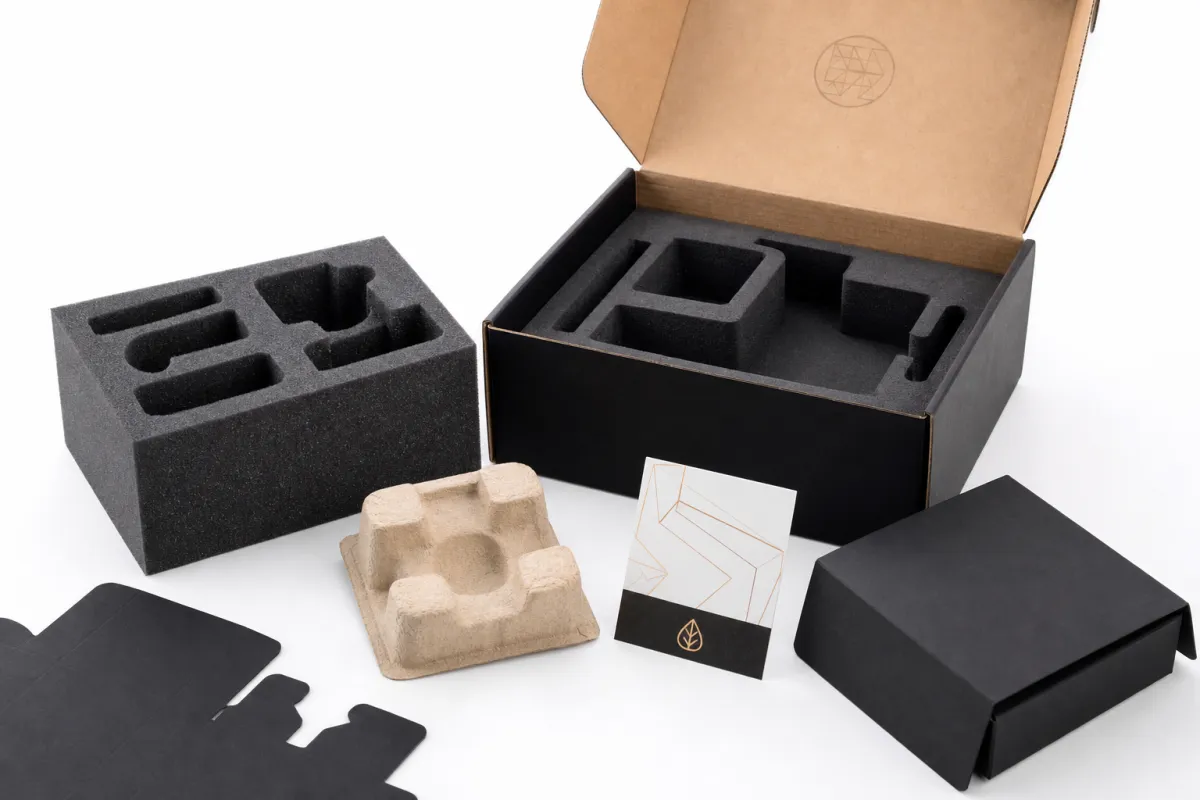
Custom packaging inserts wholesale matters because it solves three boring problems that quietly chew through margin: movement, presentation, and labor. If a product slides around inside a shipper, the outer box takes the hit and the item usually loses. If the insert is a pain to assemble, the packing line slows down. If the insert looks flimsy, the customer notices before they touch the product. None of that is dramatic. All of it is expensive.
The cheapest-looking package often becomes the most expensive one after the first batch of returns. That is the part many teams miss when they compare only unit price. Saving five cents on an insert means very little if the result is a 2% damage rate, because replacement product, freight, repack labor, and customer service time blow past the tiny savings. Custom packaging inserts wholesale works when the structure matches the failure mode, not just the BOM.
In practice, inserts do the unglamorous work that makes a pack behave like a system. They keep bottles upright. They stop electronics from slamming into the box wall. They protect cosmetic jars from rubbing against caps and labels. They hold accessories in place so the customer sees a neat kit instead of a loose pile of parts. That matters whether the program is built around branded packaging, retail distribution, subscription fulfillment, or direct-to-consumer shipping.
Custom packaging inserts wholesale also makes sense when the order pattern is predictable. Repeat SKUs. Multi-pack kits. Seasonal launches with known volume. Retail programs with fixed ship dates. Those are the situations where wholesale pricing starts to work in your favor because tooling, setup, and sampling get spread across enough units to matter. If you only need a small run, stock may be fine. If you need thousands, custom packaging inserts wholesale usually wins on consistency and control.
There is also the branding side, and yes, it matters. The insert is often the first thing the customer sees after opening the carton. A clean paperboard tray, a molded pulp cradle, or a precise EVA cutout sends a much stronger signal than loose void fill. It says somebody thought about the package branding instead of dumping the product into a box and hoping for the best. That does not mean every insert needs print or texture. It means the structure itself should support the story.
I have watched a plain paperboard insert rescue a launch that was already going sideways because the shipping carton was fine but the product kept shifting in transit. The fix was not fancy. It was an insert that actually held the item still. That kind of boring improvement is what buyers should want, even if it never makes a pretty slide deck.
Buyer rule of thumb: if the insert rattles, the package is already losing. The box may still arrive intact, but the customer experience is usually dead before the tape comes off.
For teams comparing Custom Packaging Products and planning a broader rollout through Wholesale Programs, custom packaging inserts wholesale is usually one of the first places to tighten spec control. It is less flashy than a premium carton, but it can do more to reduce complaints. That is not marketing fluff. That is packaging math.
For broader industry references, packaging.org is a useful starting point, and the ISTA test standards are worth a look if transit damage keeps showing up on your dashboard. For fiber-based options, FSC certification is a practical reference when sustainability claims matter. No fancy language required. Just a better way to judge whether the pack is actually doing its job.
Custom Packaging Inserts Wholesale Material and Fit Options
The material choice drives most of the performance in custom packaging inserts wholesale. Pick the wrong one and a premium product starts looking cheap. Pick the right one and the product stays protected without adding weight, waste, or a pile of assembly time. There is no universal winner here. There is only the best fit for the product, the budget, and the shipping risk.
Paperboard is the clean answer for many retail and consumer goods programs. It is light, easy to die-cut, and works well for cosmetics, small electronics, candles, and accessory kits. It also gives you a decent presentation layer if you want custom printed boxes to feel intentional inside and out. For lighter items, paperboard can hit a sensible balance between cost and appearance in custom packaging inserts wholesale.
Corrugated is the better call when the product needs more structure. It handles heavier items, multi-piece kits, and shippers that need extra crush resistance. It is not fancy. It is reliable. If the product goes through a rough distribution chain, corrugated inserts often beat prettier options because they hold shape better under load. For many buyers, that is exactly what they need from custom packaging inserts wholesale.
Molded pulp is a strong option when recyclability and cost control matter. It works well for electronics, personal care items, and molded trays that need to cradle irregular shapes. The surface is less polished than paperboard, which is fine if the brand wants responsible, practical product packaging instead of a glossy flex. It is also a sensible path when a team wants to cut plastic without pretending the pack needs a luxury finish. Sometimes a slightly rough surface is kinda the point.
Foam and EVA are the protection-first materials. They show up often for fragile, high-value, or precision-fit items that cannot move. Foam is common for transit protection. EVA usually gives a tighter fit and a cleaner premium look, especially for tools, devices, and presentation kits. Yes, they are less recyclable than paper-based formats, so the sustainability conversation is real. Still, in custom packaging inserts wholesale, the real question is not which material sounds best. It is Which One Actually prevents damage.
Fit style matters just as much as material. A cavity insert, folded tab structure, layered tray, suspended insert, or nested support can change how the product behaves during shipping. Die-cut cavities are common because they are straightforward and repeatable. Folded tabs can separate components without much drama. Layered trays help when the kit includes pieces at different heights. Suspended inserts work for delicate items that should not take direct impact. Nested supports are often the answer for odd shapes that ignore standard packaging logic.
Here is a simple way to think about fit in custom packaging inserts wholesale: protect the failure point first. A bottle that leaks needs upright support. A glass item with sharp edges needs edge protection. A cosmetic jar with a fragile lid needs gap control. An electronic device with accessories needs separate cavities so cables, chargers, and manuals do not become one loose mess. Good custom packaging inserts wholesale starts with product behavior, not a pretty sketch.
| Material | Typical Use | Protection Level | Presentation | Approx. Wholesale Cost Range |
|---|---|---|---|---|
| Paperboard | Cosmetics, small retail goods, accessory kits | Light to moderate | Clean, printable, brand-friendly | $0.12-$0.28 per unit at 5,000+ pieces |
| Corrugated | Heavier products, shippers, mixed-item kits | Moderate to high | Functional, less decorative | $0.15-$0.35 per unit at 5,000+ pieces |
| Molded Pulp | Electronics, protective cradles, eco-focused lines | Moderate | Simple, natural, utilitarian | $0.10-$0.26 per unit at higher volumes |
| Foam | Fragile items, transit protection, specialty goods | High | Functional, not usually premium-looking | $0.18-$0.45 per unit depending on cut and density |
| EVA | Luxury kits, instruments, high-value products | High | Very clean, premium fit | $0.35-$0.90 per unit based on complexity |
Those ranges are a starting point, not a promise. In custom packaging inserts wholesale, cost shifts with cavity count, cut complexity, print coverage, and order quantity. A simpler structure almost always keeps the quote saner. Add tight tolerances, complex cutouts, or premium surface treatment and the price climbs. That is normal. Packaging is not magic, even when the sales deck acts like it is.
For buyers balancing retail packaging, sustainability, and cost, the smartest move is often to test two or three structures side by side. A paperboard insert may look best. Molded pulp may win on price. Foam may be the only one that survives rough handling. Custom packaging inserts wholesale should be chosen the same way a production team chooses any critical component: by testing the thing that fails most often, not the thing that photographs best.
Specifications to Lock in Before You Quote
If you want a clean quote for custom packaging inserts wholesale, the spec sheet has to do some real work. “It needs to fit the product” is not enough. Fit is only the first layer. You need dimensions, weight, finish sensitivity, closure style, transit risk, and the number of pieces that need to live inside one shipper. Skip those details and the quote drifts, the sample changes, and the schedule starts slipping.
Start with product dimensions. Measure the full item, not just the body. Include closures, caps, handles, seams, and anything that sticks out. A few millimeters matter more than people think. If the cavity is too tight, the product gets scuffed or crushed. If it is too loose, the item shifts and the insert stops doing its job. That matters a lot in custom packaging inserts wholesale, where the tolerance stack can create real production headaches. The math is not glamorous, but it is real.
Next, lock in the weight and the likely drop risk. A 120-gram cosmetic kit does not need the same support as a heavy bottle set or a glass device. Ask how the product behaves if the carton lands on a corner, a face, or an edge. That sounds simple, but it changes the insert design fast. Good packaging design is not about taste. It is about knowing where the pack is likely to fail.
You also need to define the wall depth, cavity count, tab style, glue points, and whether the insert has to fit an existing box size. That is where many buyers run into trouble. They approve the product first, then remember the outer carton later. Backward. In custom packaging inserts wholesale, the insert and outer carton should be designed together if you want to avoid filler gaps and ugly void space.
Finish sensitivity matters too. Matte surfaces scratch differently from gloss. Painted products chip differently from raw plastics. Glass, polished metal, soft-touch coatings, and printed labels all react differently in transit. If the product has a sensitive finish, tell the supplier early. Do not assume a standard cavity will protect it. In custom packaging inserts wholesale, one overlooked coating can turn a solid pack into a returns problem.
Branding details belong in the quote too, even if the insert is purely functional. Some programs need one-color print. Others want full coverage. Some prefer embossing or debossing on paperboard. Others leave the insert plain and spend the budget on the outer carton. That tradeoff is normal. The point is to decide it upfront instead of discovering after sample approval that the print looks great but the structure is too expensive for scale.
Then there are the practical compliance questions. Food contact needs one kind of discussion. Anti-static protection needs another. Moisture resistance can matter for humid shipping lanes. Retail shelf presentation may require a different surface than a direct-to-consumer shipper. If you are handling sensitive products, ask about ASTM testing references or material performance criteria early. For many buyers, the relevant standard may be ISTA transit testing rather than a fancy finish spec. That is how custom packaging inserts wholesale stays grounded in reality.
One more point: send actual samples whenever possible. A photo helps. A CAD file helps. A physical product sample helps more. The fastest way to tighten custom packaging inserts wholesale is to let the designer see what the product really does, not what a drawing suggests. Odd shapes, sharp corners, removable accessories, and fragile attachments usually show up only when the product is on the table.
Custom Packaging Inserts Wholesale Pricing, MOQ, and Cost Drivers
Pricing for custom packaging inserts wholesale comes down to a few familiar variables: material, complexity, print coverage, tooling, and quantity. That sounds simple because it is simple. The problem is that each variable can move the price more than buyers expect, especially when the project includes samples, revisions, or design changes after things are already moving. Packaging teams love to say a project is “basically done” right before the scope changes again.
The biggest cost lever is usually material type. Paperboard and molded pulp are often easier on the budget for repeat runs. Foam and EVA cost more because the material itself is pricier and the processing is more specialized. Corrugated sits in the middle for many applications. If you want to keep custom packaging inserts wholesale under control, start with the lightest structure that still protects the product properly.
Complexity is the second lever. One cavity is not the same as six. A simple folded insert is not the same as a multi-layer tray with hidden glue points and precise tabs. Every extra feature takes time in die cutting, setup, and assembly. That is not a reason to avoid good engineering. It is a reason to stop pretending complexity is free. In custom packaging inserts wholesale, complexity usually shows up later as labor or tooling cost if it does not show up first in the quote.
Print coverage matters too. A plain functional insert is cheaper than a printed one. One-color print is usually easier to manage than full-coverage artwork. Embossing, specialty coatings, and premium finishes can make the insert look better, but they also raise cost and may slow production. That is fine if the product margin can handle it. It is a bad idea if the packaging is eating the margin it was supposed to protect. Keep the focus on landed cost, not vanity specs.
Tooling is another line item worth reading twice. If a custom die or mold is required, ask who pays for it, whether it is rolled into the unit price, and whether it can be reused for future runs. Buyers get burned when they compare only the per-piece number and forget setup, die creation, or mold charges. In custom packaging inserts wholesale, the cheaper quote can look great until the hidden setup costs land on the invoice. That is not a fun surprise.
MOQ depends on the structure. Simple paperboard and corrugated formats often start lower because the tooling and setup are more straightforward. Specialty foam, printed components, and custom molds usually need a larger first run to make the economics work. If you are testing a new product, ask for the smallest viable run. That is better than overcommitting before you know the insert actually fits the product and the shipping profile. A sensible MOQ is not punishment. It is a production reality.
Here is a practical comparison buyers can use when reviewing quotes for custom packaging inserts wholesale:
- Lower cost: simple geometry, fewer cavities, minimal print, common material, higher quantity.
- Mid-range cost: moderate cavity count, folded structure, light branding, stable repeat volume.
- Higher cost: tight tolerances, specialty material, premium finish, custom mold, smaller quantity.
- Hidden cost risk: sample revisions, rush production, freight upgrades, assembly labor, and box redesign.
That last line is the one teams ignore and then regret later. Freight, samples, rush fees, and assembly time can shift the real cost more than a few cents of material. If the insert saves five seconds per pack at the fulfillment station, that is a real operating win. If it adds five seconds, the labor bill will quietly punish you every week. Custom packaging inserts wholesale should be judged on what it does to the whole packaging operation, not just the invoice total.
Compare quotes on the same basis too. Some suppliers quote ex-works. Some include freight. Some fold packaging labor into the price. Some do not. If one quote looks wildly cheaper, check what is missing. A landed-cost comparison is the only fair one. The point is not to buy the lowest number on a sheet. The point is to buy custom packaging inserts wholesale that lands in the warehouse on time, fits the product, and does not create surprise charges.
Process and Timeline for Custom Packaging Inserts Wholesale
The process for custom packaging inserts wholesale is usually straightforward if the buyer is organized. It starts with inquiry, then measurements, material guidance, a mockup or dieline, sample approval, production, and shipment. Simple enough. The trouble starts when dimensions are incomplete, artwork shows up late, or the buyer changes the structure after sampling. Then the schedule slips and everyone acts shocked. That part never gets old, unfortunately.
The first step is a clean request. Send the product size, weight, quantity, target box size, and any protection requirements. If you already have a shipping carton, say so. If the insert has to work with an existing product packaging line, say that too. For custom packaging inserts wholesale, the more complete the brief, the more accurate the quote and the faster the sample can be built.
The second step is the recommendation stage. A good supplier should narrow down the material options instead of dumping every choice on the table. That is where real experience matters. The goal is not to impress you with jargon. The goal is to tell you whether paperboard, corrugated, molded pulp, foam, or EVA actually makes sense for your item. If a team pushes a premium structure that does nothing for protection, that is not expertise. That is sales theater. In custom packaging inserts wholesale, clarity beats drama every time.
Then comes the sample or mockup. This is the stage where the product and the insert finally meet reality. If the fit is loose, tight, awkward, or slow to assemble, the sample catches it before production starts. Do not rush this part. A sample that feels expensive is usually cheaper than a full run that needs correction. For repeat custom packaging inserts wholesale programs, one clean sample can save an entire season of headaches.
Typical timeline? Simple inserts can move quickly once the spec is locked. More complex or printed structures take longer. If the program relies on overseas freight, add more calendar time for transit and customs. The exact number depends on material availability, sample revision count, and plant load, but a practical buyer should plan around approval time, not just production time. In many cases, the longest delay is not the factory. It is the customer sitting on the proof.
There are a few ways to speed things up without cutting corners. Send product samples early. Confirm box dimensions before asking for artwork. Approve proofs fast. Keep the scope fixed after sampling. If the insert needs to support a launch window, build in time for one revision round and one approval round. That is realistic. Trying to jam design, sampling, and production into a tiny window usually ends in stress, not savings.
Production scheduling matters more than most teams admit. A good quote is useless if the plant cannot fit your order into the line before launch. That is one reason custom packaging inserts wholesale should be treated like any other supply-chain item. Ask about lead time. Ask about capacity. Ask whether the material is in stock. Ask whether tooling already exists. Those questions are boring. They also prevent late shipments, and late shipments are expensive in ways buyers never enjoy explaining upward.
For buyers comparing custom printed boxes and inserts together, it helps to align the artwork and structure schedule early. If the carton is locked but the insert is not, the whole packaging system slows down. That is especially true for launches with multiple SKUs or seasonal campaigns where the same ship date applies across several packs. Coordinated planning keeps custom packaging inserts wholesale moving with the rest of the program instead of becoming the reason it stalls.
Why Buy From Us for Wholesale Inserts
We keep the buying process practical. No inflated promises. No mystery specs. If a structure is overbuilt for the product, we say so. If a lighter material will do the job, we say that too. That is the difference between a packaging partner and a catalog trying to move the priciest version of custom packaging inserts wholesale.
Most buyers do not need more options. They need the right short list. That means a clear recommendation on material, a realistic view of MOQ, and a straight answer on whether the insert can fit the box you already have. We focus on repeatable fit, stable quality, and direct communication around spec changes. In custom packaging inserts wholesale, consistency matters because the packaging has to work the same way on run one and run ten.
We also keep an eye on the things that quietly break margins. Damage rates. Overcomplicated assembly. Material waste. Freight surprises. Unclear setup charges. A quote can look cheap until the extras show up, and that is where buyers get annoyed for good reason. The better move is to estimate the real landed cost and choose the structure that protects the product without chewing through the margin you actually need.
That advice holds across custom printed boxes, retail kits, and branded packaging programs. The insert should support the box, not compete with it. A clean, well-fit insert can make even simple package branding feel intentional. A bad one can make a premium carton feel sloppy. That is why we keep the discussion grounded in protection, assembly, and repeatability instead of treating every project like a luxury launch.
For teams managing multiple SKUs, custom packaging inserts wholesale becomes even more useful because it standardizes the packing experience. Fewer surprises at pack-out. Fewer damaged products in transit. Fewer complaints from customers. And fewer internal arguments about why one product arrives beautifully while another sounds like a maraca in a shipping box. Packaging should not create drama. It should stop it.
There is also a speed advantage when the brief is clear. If you know the product dimensions, target quantity, finish sensitivity, and carton size, the quote process moves faster and the sample is more likely to land correctly the first time. That is good for launches. It is good for replenishment. It is good for finance, which usually likes predictable numbers more than packaging teams think it does. Custom packaging inserts wholesale works best when the project is treated like a production spec, not a creative brainstorm.
In short, the goal is a pack that ships well, looks clean, and does not force you to overspend on the outer carton just to cover for a weak insert. That is the real value of custom packaging inserts wholesale, and that is why the right spec is worth a few extra minutes upfront.
Next Steps to Order Custom Packaging Inserts Wholesale
If you are ready to move forward, gather the basics first. Product dimensions. Product weight. Box size. Target quantity. Protection requirements. Any branding or retail presentation needs. That is enough to start a serious custom packaging inserts wholesale quote instead of a vague guessing exercise.
Then make the decision path as short as possible. Choose the material category. Confirm the fit style. Ask for a sample or mockup. Approve the quote. That sequence saves time because each step narrows the options instead of opening new ones. If you are comparing more than one structure, ask for 2-3 realistic options and compare landed cost, not just unit price. In custom packaging inserts wholesale, landed cost is what matters when the cartons hit the dock.
If the product is fragile, odd-shaped, or tied to a launch date, ask for sample timing before anything else. A fast quote is nice. A correct sample is better. If the product is part of a retail rollout, confirm that the insert works with shelf presentation and pack-out speed. If it is a DTC program, make sure the insert does not become a labor problem. Small details like these make custom packaging inserts wholesale useful instead of decorative.
One more practical tip: keep the scope stable once sampling begins. Changes are where schedules go to die. If the product is still changing, lock the key dimensions first and save the fancy details for later. That protects the timeline while still leaving room to improve the design. Nobody benefits from a perfect insert that shows up after the launch window closes.
If you want a clean path forward, request a quote with your product specs and ask for the smallest viable production run that still makes sense for your launch. That gives you a useful starting point without overcommitting. For buyers comparing suppliers, the right question is not who sounds the most enthusiastic. It is who can deliver custom packaging inserts wholesale that actually fits, protects, and scales without wasting money.
And yes, the keyword matters here because it reflects buying intent. Custom packaging inserts wholesale is the search, the spec, the quote, and the purchase decision rolled into one. Get the dimensions right, get the material right, and the rest gets a lot easier.
What is the best material for custom packaging inserts wholesale?
The best material depends on product weight, fragility, and the way you want the package to feel when it opens. Paperboard and corrugated are strong choices for lightweight retail goods, while foam or EVA usually fits fragile or high-value items that need tighter protection. Molded pulp is a good option when recyclability and cost control matter more than a premium surface finish. For custom packaging inserts wholesale, the right material is the one that protects the product without adding avoidable cost.
How much do custom packaging inserts wholesale usually cost?
Pricing depends on material, structure, quantity, print coverage, and whether tooling is required. Simple inserts usually cost less per unit, while multi-cavity or specialty-material inserts push the price higher. A real quote should also include samples, freight, setup, and any assembly labor. When comparing custom packaging inserts wholesale, always look at landed cost instead of only the per-piece number.
What MOQ should I expect for wholesale packaging inserts?
MOQ varies by material and construction. Simple paperboard or corrugated formats can often start lower, while specialty foam, printed components, and custom molds usually need a larger first run. If you are testing a product, ask for the smallest viable order that still gives you usable production data. That is the safest way to approach custom packaging inserts wholesale without overcommitting too early.
How long does it take to produce custom packaging inserts wholesale?
Lead time depends on sample approval, material availability, and structure complexity. Straightforward inserts usually move faster than printed or multi-piece builds, and overseas freight adds more calendar time. The best way to protect your schedule is to lock the specs early and avoid mid-project changes. In practice, custom packaging inserts wholesale goes faster when the brief is complete and the approval cycle is short.
Can custom packaging inserts wholesale be made for odd-shaped products?
Yes. Odd-shaped products usually need a custom cavity, layered support, or a more flexible material choice. The design may require samples or mockups to confirm fit before full production starts. The goal is stability in transit, not just a cavity that technically fits. For custom packaging inserts wholesale, the right answer is the one that keeps the product protected and the pack easy to assemble.

