For teams sourcing Custom Padded Mailers for skincare launches sustainable material options, the real challenge is not finding a package that looks eco-conscious on a sample table. It is choosing a structure that keeps glass, pumps, droppers, and cream jars steady enough to arrive launch-ready. A few millimeters of movement can be the difference between a polished unboxing and a box full of scuffed labels, cracked caps, and customer complaints.
That is why the best packaging decisions usually start with the product, then move outward. A mailer has to fit the filled item, protect the finish, survive parcel handling, and still tell the brand story. If any one of those pieces is ignored, the package may look fine in photos and fail under vibration, compression, or a simple corner drop.
Skincare is a difficult category because it combines fragile containers, sensitive coatings, and a high expectation for presentation. A matte jar with a soft-touch label can look premium and still show wear after one sorting cycle. A glass serum bottle may ship safely in local ground delivery, then fail once the route gets longer and the parcel sees more pressure changes, handling, and stacking. The packaging brief has to account for that full journey.
Why Skincare Launches Fail in Transit
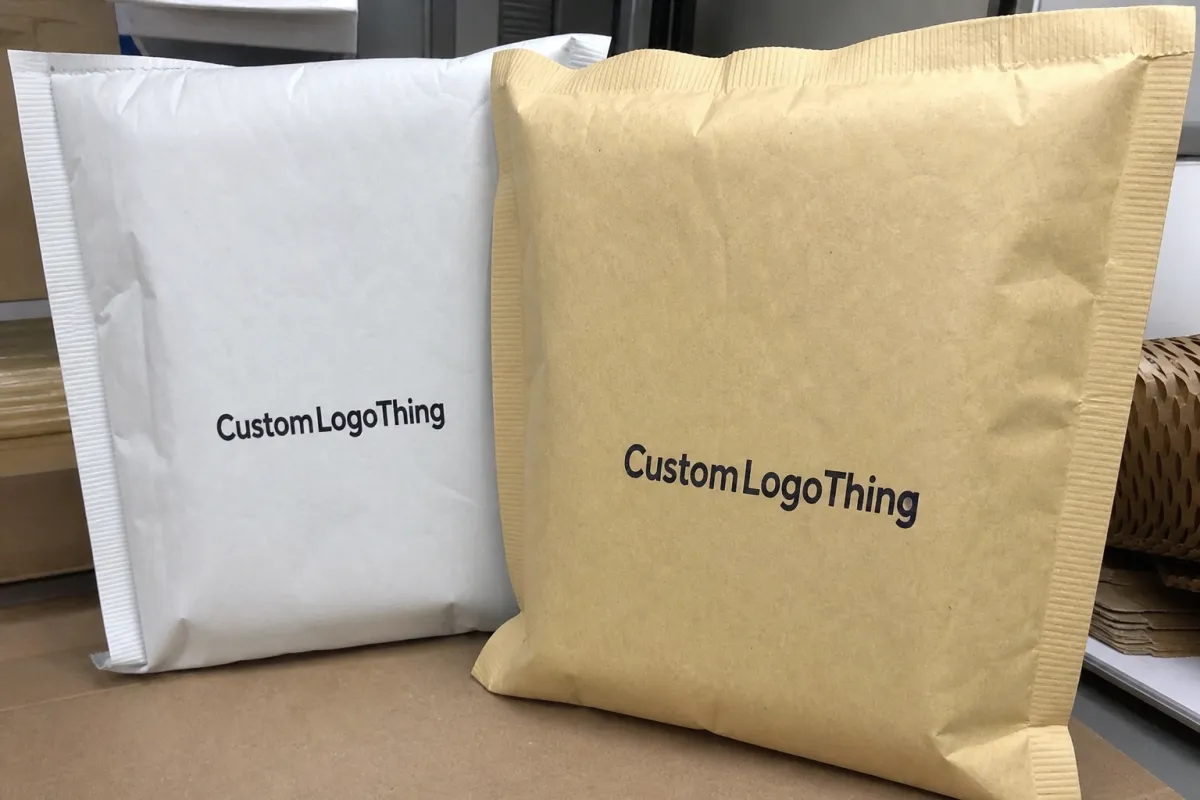
Most damaged skincare shipments do not fail because the outer mailer tears open. They fail because the product moves inside the pack. A padded mailer can survive rough handling and still let a bottle knock against a seam, an insert, or another item in the kit. That is especially common in PR mailers and launch sets, where brands try to fit several products into one compact format.
The load pattern matters. A 30 ml serum in glass behaves very differently from a lightweight tube or a refill pouch. Heavy items shift momentum faster, while light items can slide into gaps and amplify the impact on corners or caps. If the mailer is too loose, the item drifts. If it is too tight, the closure strain rises and the outer panel starts to wrinkle before the parcel even leaves the warehouse.
Retail teams often focus on shelf appearance, but e-commerce is a different environment. Parcel networks expose packaging to compression, vibration, and repeated drops that retail cartons never see. ASTM and ISTA-style test methods are useful because they simulate those stresses before a launch goes live. The exact test plan depends on weight and route, but the principle is simple: if the pack cannot survive a filled-product test, it is not ready for customers. See the test reference at ISTA.
A pretty mailer is not enough if the cap loosens before the parcel reaches the doorstep.
There is also a less visible failure mode: abrasion. Even when nothing breaks, product finishes can rub. Soft-touch labels haze. Metallic inks mark. Printed sleeves scuff where the insert presses against them. That kind of damage often gets missed in the sample approval stage because the pack looks intact after a quick inspection. Under real shipping conditions, it tells a different story.
How Custom Padded Mailers Are Built
Useful mailers are built in layers. The outer shell gives shape and print surface. The padding absorbs impact and limits movement. The closure holds everything together long enough for fulfillment, transit, and customer opening. If the adhesive is weak, the entire structure loses credibility, no matter how attractive the front panel looks.
The starting point should always be the filled dimension, not the empty bottle size. Measure the product with its closure attached, then include any insert, sleeve, or secondary carton. A launch team that designs around the empty jar often ends up with a mailer that looks right on paper and behaves badly in production. A few extra millimeters may solve movement; a few too many can create a loose, noisy pack that feels cheap in hand.
For multi-item kits, the mailer should be treated as a small system rather than a bag with padding. A serum bottle, a rollerball, and a sample vial should not be free to collide inside the same cavity. Shaped fiber, paper dividers, and corrugated inserts solve different problems, and they are not interchangeable. The right choice depends on the geometry of the products, how much movement needs to be stopped, and how fast the pack must be assembled on the line.
Branding sits inside that structure, not on top of it. Heavy ink coverage, metallic coatings, and large flood prints can create scuff risk or complicate sealing. That does not mean the mailer has to look plain. It means the print system should support the package, not fight it. A restrained design often reads more premium anyway, especially in skincare, where the product already carries much of the visual identity.
For launch programs that need a broader kit, some brands compare mailers with secondary cartons or use Custom Packaging Products for mixed SKU sets. Others compare the same brief against Custom Poly Mailers when moisture resistance or a lower-profile shipment matters more than a fully paper-based feel. That comparison is useful because it forces a practical decision instead of a purely visual one.
Sustainable Material Options That Still Protect Fragile Products
If the brief asks for sustainable material options, the answer should begin with shipping reality, not marketing language. Recycled fiber, molded pulp, paper cushioning, and hybrid structures each solve different problems. The right option depends on product weight, the fragility of the closure, the shipping lane, and how much surface protection the item needs.
Recycled kraft paper is often the easiest place to start. It prints cleanly, reads naturally, and gives a familiar recyclable look that works well for light-to-moderate skincare orders. A kraft-based mailer with decent stiffness can protect tubes, sachets, and lighter jars without feeling overbuilt. For many launches, that is enough.
Once the product gets heavier or more fragile, the outer paper alone stops being the main defense. The padding has to do more work. Paper fiber cushioning and corrugated inserts are strong options because they keep the item centered and reduce side-to-side motion. Molded fiber is especially useful for shaped bottles or kits with multiple components. It holds geometry better than a soft liner and can reduce the need for extra fill material.
Recycled-content bubble alternatives still have a place, but they should be used with a clear understanding of the tradeoff. They can improve shock absorption, yet they may complicate recycling claims or disposal behavior depending on local collection systems. A package can be technically recyclable in one market and practically troublesome in another. That distinction matters more than most sales decks admit.
FSC certification is useful when fiber sourcing is part of the brand standard, but it does not mean the package is curbside recyclable by default. Compostable packaging sounds appealing, yet only works when the disposal stream matches the material and the customer actually has access to that route. The Environmental Protection Agency’s recycling guidance is a useful reminder that acceptance varies by municipality and by material stream. The label on the pack is not the final word.
For buyer comparisons, I like to reduce the options to five questions:
- Strength: will it resist puncture and compression?
- Stiffness: will it keep its shape under stack pressure?
- Appearance: does it support the brand without excessive finishing?
- End-of-life: can customers actually dispose of it correctly?
- Shipping fit: will it survive humidity, vibration, and longer routes?
That last point is easy to overlook. A structure that performs well in a dry sample test may behave differently in humid conditions or on longer routes with more handling. Paper fiber can soften. Adhesives can lose grip. Printed surfaces can rub more easily. A material choice should be judged in the lane it will actually travel, not just in the conditions of the sample room.
Process and Timeline: From Dieline to Packed Shipment
A clean packaging audit should come first. Record the exact product dimensions, filled weight, closure style, finish sensitivity, and shipping method. That sounds basic, but the quality of the brief usually determines the quality of the recommendation. A lip balm sampler and a heavy glass serum do not need the same protection logic, even if they share the same brand colors.
The next step should be structural review, then sample approval, then artwork approval. Teams often do this in the opposite order because design feels urgent. That creates avoidable rework. Once artwork is locked, small fit changes become expensive and slow. It is much easier to adjust a dieline before print than to fix a finished design that now clashes with the flap, the insert, or the closure zone.
A typical project flow looks like this:
- Measurement review and brief intake
- Structural recommendation or dieline development
- Prototype or sample production
- Filled-product fit check
- Artwork proof and print approval
- Production, finishing, packing, and freight
Lead time depends on the amount of revision, the print method, and whether the project includes custom inserts or special coatings. A straightforward mailer can often move through production in about 12-15 business days after approval. More involved programs, especially those with sustainability claim review or multiple sample rounds, can take longer. Teams that want to hit a launch date need margin in the schedule for one round of change. Without it, the project gets compressed at the exact moment it needs breathing room.
Quality control should not be vague. Ask whether the supplier can reference filled-product drop and vibration checks against an ISTA-style package test or a comparable ASTM procedure. Also ask how they inspect closure adhesion, edge crush, print rub resistance, and fit consistency across a run. A sample that looks good by eye is not the same thing as a package that can be packed by a warehouse team and shipped in volume.
Cost, Pricing, MOQ, and Unit Cost Drivers
Pricing becomes easier to read once the cost drivers are separated. Size matters. So does paper grade, print coverage, adhesive style, insert complexity, and whether the job needs special finishes. A larger mailer with full-bleed printing and a specialty coating can cost significantly more than a simple one-color kraft version, even if the two look similar from a distance.
At moderate production levels, a basic recycled kraft padded mailer often lands around $0.28-$0.55 per unit, depending on size and quantity. A printed version with heavier board or more ink coverage may move into the $0.45-$0.85 range. If molded fiber, shaped inserts, or hand assembly are required, costs can rise to $0.75-$1.25+ per unit. Those are working ranges, not universal quotes, but they are realistic enough to frame the decision.
Moq has a direct effect on unit cost. A pilot run of 1,000-3,000 units usually carries a higher price per piece than a 5,000-10,000 unit order. That does not make the small run wrong. For a first launch, a short run can be the smartest move if the brand is testing demand, influencer response, or market fit. The point is to see the tradeoff clearly before the quote is approved.
| Mailer option | Typical use | Protection level | Approx. unit range at 5,000 units |
|---|---|---|---|
| Recycled kraft paper mailer | Light tubes, sachets, low-fragility kits | Moderate | $0.28-$0.55 |
| Paper mailer with paper-fiber padding | Serums, creams, single-item DTC orders | Good | $0.45-$0.85 |
| Mailer with molded fiber insert | Glass bottles, PR kits, multi-piece sets | High | $0.75-$1.25+ |
| Specialty film or laminate hybrid | Moisture-sensitive lanes or higher abrasion risk | Varies by design | $0.60-$1.10+ |
Hidden costs often matter more than the headline quote. Sampling, tooling, freight, overages, and any hand insertion work can move the final landed cost more than the print line does. A package that looks cheap on paper may become expensive once the team adds dividers, inserts, or extra labor. A more expensive unit price can still be the better decision if it reduces breakage, reships, and launch-day stress.
Common Mistakes That Create Leaks, Returns, and Waste
The first mistake is choosing a mailer for appearance alone. A matte finish and a neat logo do not matter if the closure lifts, the wall crushes, or the cushioning collapses in a drop test. That kind of failure usually appears after the launch, when returns and complaints have already started.
The second mistake is treating all eco claims as interchangeable. Recyclable, recycled-content, and compostable are not synonyms. Neither are FSC-certified paper and curbside recyclability. If the brand says the pack is recyclable but the local stream does not accept that format, customers feel misled. That can damage trust faster than using a simpler structure in the first place.
Another problem is SKU drift. Brands often design a mailer around a slim serum bottle, then try to use it for a heavier cream jar or a refill pouch. The center of gravity changes, the fit changes, and the protection strategy has to change with it. If a launch includes several product formats, the packaging system should reflect that instead of forcing one size to do everything.
Skipping transit testing is probably the most expensive mistake of all. A filled sample should be dropped, compressed, and shaken before the launch reaches real customers. A package that survives a shelf test may still fail in parcel handling. That is why good packaging design is built around movement, not just appearance.
Waste also shows up in overbuilding. Too much board, too much fill, and too much adhesive all create cost without improving the customer experience. Underbuilding creates the opposite problem: leaks, scratches, and replacement shipments. The right structure uses only as much material as needed to protect the formula and hold the shipment together.
Expert Tips for Branding Without Sacrificing Protection
Premium mailers do not need to be loud. In skincare, restraint often looks more expensive than heavy ink coverage or a long list of surface treatments. A controlled palette, a clean texture, and precise logo placement can carry more authority than a flashy exterior that struggles to seal properly.
If the launch runs through several channels, design the mailer to work across PR kits, direct-to-consumer orders, and replenishment shipments. That flexibility can simplify operations and keep the brand language consistent across branded packaging, cartons, and mailers. The goal is not visual sameness for its own sake. The goal is a system that feels like one brand even when the formats differ.
Small details make a bigger difference than most teams expect:
- Use clear orientation marks so warehouse staff pack the item correctly the first time.
- Keep the sealing area clean so adhesive holds reliably.
- Specify texture and finish early so print does not fight the structure.
- Add simple internal cues for sets with multiple bottles or inserts.
Design for handling, not just display. A mailer that stacks well, folds cleanly, and closes quickly can save real time in fulfillment. That matters whether the team is in-house or packing through a third-party warehouse. Speed and protection are not opposites; they simply have to be resolved in the same design.
If the product is especially fragile, use paper dividers or a shaped fiber cradle to keep shoulders and caps from touching. Friction damage usually starts where products rub against each other, not where the mailer looks weak. A simple interior fix often solves a problem that no amount of exterior decoration can cover.
Choose the structure first, then make it beautiful.
Next Steps for a Smarter Mailer Brief
If a supplier needs to recommend the right structure quickly, give them real production data. Exact product dimensions, filled weight, closure photo, shipping method, and whether the item ships alone or as part of a set all narrow the options. The more concrete the brief, the less guesswork enters the quote.
Then rank the sustainability priorities in order. For one brand, recyclable paper is the primary goal. For another, recycled content or lower-plastic construction matters more. If the team does not name the priority, the quote may optimize for the wrong thing. That is how a project ends up with a nice sample that misses the actual brief.
For any launch that depends on first impressions, ask for samples before volume approval. Compare them side by side, fill them with the real product, and test them for movement. A solid supplier should be comfortable discussing moq, overages, print method, and lead time in the same conversation, because those details shape the final result as much as the artwork does.
That is the practical formula: fit the pack to the product, match the material to the lane, and keep the branding honest about what the structure can do. If those pieces line up, Custom Padded Mailers for skincare launches sustainable material options become less of a sourcing headache and more of a reliable part of the launch plan.
What sustainable material works best for custom padded mailers for skincare launches?
Recycled kraft or recycled-content paper works well for many lightweight skincare items because it balances protection, printability, and a familiar recyclable look. For heavier glass bottles or multi-piece kits, pair the outer mailer with shaped paper-based or molded-fiber cushioning so the product cannot shift during transit. The best choice depends on product weight, local recycling access, and whether the brand wants a premium tactile finish or a more natural paper appearance.
How do I choose the right padding for glass skincare bottles?
Measure the bottle with the closure attached, then leave enough interior room for cushioning without allowing movement. Paper fiber padding, corrugated inserts, and molded fiber are all useful when the bottle shape needs more structure than a soft liner can provide. Filled-product transit testing matters here, because glass often breaks from internal impact before the outer mailer itself fails.
What MOQ should I expect for a new skincare launch mailer?
MOQ depends on the converting method, print complexity, and material type, but lower-volume pilot runs usually cost more per unit than larger production orders. If the launch is small, ask whether the supplier can quote a short-run sample quantity first and a larger reorder price separately. A good MOQ discussion should also include overage tolerance, since a small buffer can prevent stockouts during the first launch wave.
How long does the custom mailer process usually take?
The timeline usually includes measurement review, sample approval, artwork sign-off, production, packing, and freight, so the total schedule depends on revision speed. Special finishes, custom inserts, or sustainability claim review can add time, which is why lead time should be confirmed before the launch date is set. Ask for a milestone-based timeline rather than a single delivery estimate so the team can see where delays are most likely to happen.
Can custom padded mailers be fully recyclable and still protect skincare?
Yes, many skincare shipments can be protected with recyclable paper-based mailers and paper or molded-fiber cushioning when the product format is matched correctly. The key is to validate protection with filled-product testing, because recyclability means little if the item arrives cracked, dented, or leaking. When in doubt, choose the simplest structure that passes transit tests and is accepted by the widest recycling stream available to customers.

