Custom Padded Mailers for ecommerce fulfillment prototype sample approval sounds like a narrow sourcing exercise. It is not. The sample you approve can affect damage rates, packing speed, carrier claims, and the way your brand feels the moment a customer opens the parcel. A mailer that seems fine in a mockup can turn awkward in a live warehouse, where every extra second and every failed seal has a cost.
That is the practical reason buyers should treat padded mailers as part of the fulfillment system, not just a branded wrapper. The outer face, padding, seal, print, and size all need to work together. If one variable is off, the whole package starts to misbehave.
There is also a timing issue that many teams underestimate. Prototype approval is the point where hidden problems surface before they become reorders, rush freight, or customer complaints. A good sample round does not just confirm appearance. It confirms fit, handling, and whether the spec can survive real packing conditions without slowing the line.
Why a "Simple" Mailer Choice Can Blow Up Fulfillment
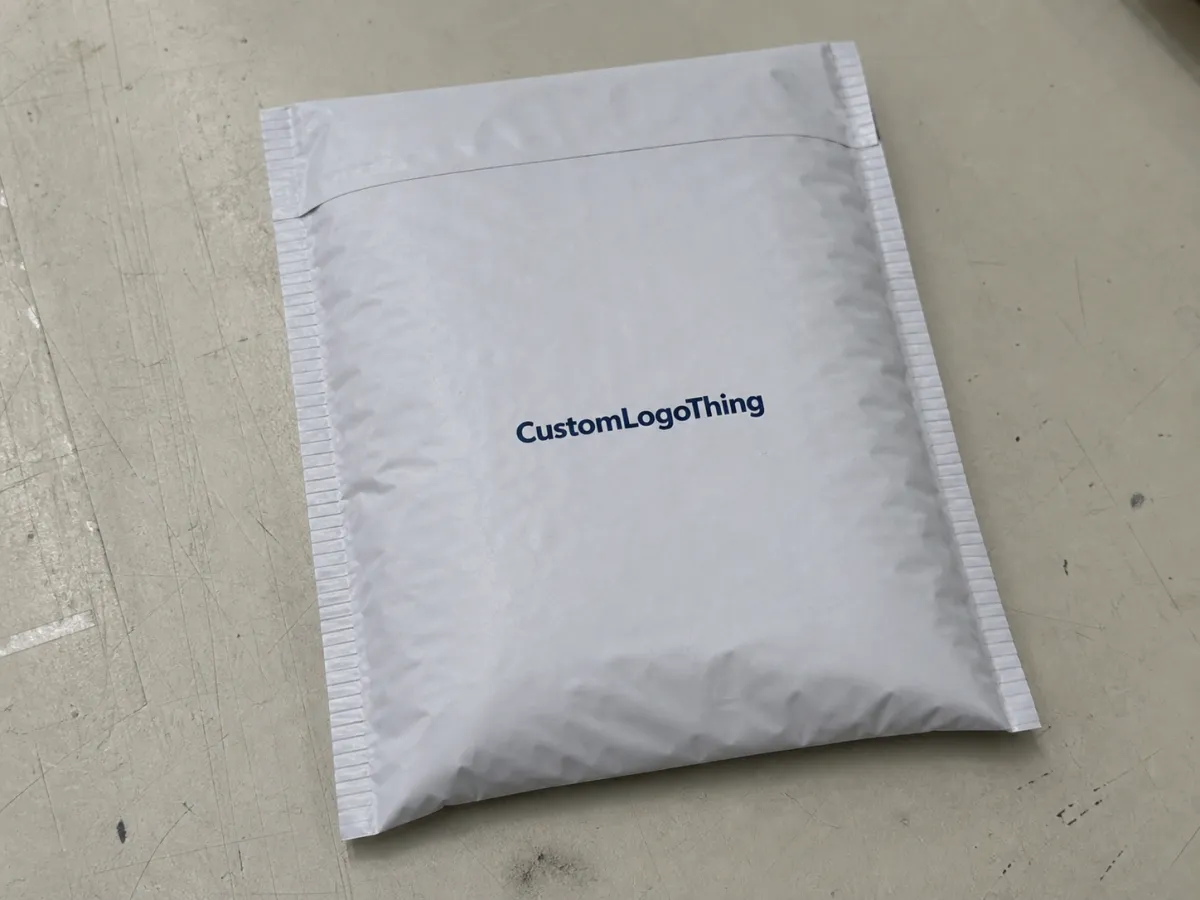
A mailer can pass a desk review and still fail in production. That happens more often than buyers expect. On paper, the dimensions look right. In the warehouse, the item catches on the seal flap, the packer has to force it closed, and the line loses a few seconds per order. Multiply that by 8,000 or 15,000 orders and the "small" issue becomes labor drag.
Damage is the quieter risk. A padded mailer that holds up for apparel may not be enough for rigid cosmetics, bottle-shaped items, metal accessories, or anything with sharp edges. Once transit damage starts, the math is ugly: replacements, service tickets, re-shipments, and a customer experience that feels careless even if the product itself is fine.
Shipping route matters too. A parcel moving through short local lanes sees different handling than one that runs through multiple sortation centers and longer zones. More handling means more compression, more abrasion, and more chances for the closure or padding to fail. A spec that survives one route may not survive another.
For some brands, the mailer is mostly visual. For others, it is part of the protection strategy. Most ecommerce teams need both. That is why the approval stage deserves real scrutiny instead of a quick "looks good" reply.
There is a common buying mistake here: treating padded mailers as a smaller version of other custom packaging without checking how stiffness, closure behavior, and print coverage change the way the package performs. A mailer is not a box. It flexes, folds, and compresses differently. Those differences affect everything from scanability to pack speed.
Custom Padded Mailers for Ecommerce Fulfillment Prototype Sample Approval: Process and Timeline
The approval flow is usually straightforward, but the calendar can stretch fast once multiple teams get involved. A solid process looks like this: brief, quote, artwork setup, material selection, prototype sample, internal review, revision if needed, then production signoff. Clean in theory. Less tidy once operations, brand, and finance all weigh in.
For a standard custom run, rough timing often looks like this:
- Brief and quote: 1-3 business days if the specs are complete.
- Artwork setup: 1-2 business days for simple files, longer if the dieline needs cleanup.
- Prototype sample: 5-10 business days for common materials; custom sizes and unusual finishes can take longer.
- Review and feedback: 2-5 business days, depending on how many people need to sign off.
- Revisions: 3-7 business days for minor edits; size changes can restart more of the process.
- Production after approval: often 12-20 business days, with longer lead times for larger volumes or more complex print.
If the build uses a new size, a special closure, or broad print coverage, expect the timeline to stretch. Stock-based prototypes are faster because the supplier is not waiting on new tooling or material sourcing. The biggest delays are often internal, not mechanical. One reviewer wants the color tweaked, another wants stronger protection, and someone else wants the unit cost to stay flat.
For ecommerce teams, the best sample reviewers are usually operations, brand, and shipping. Finance should be involved when a spec change affects landed cost in a meaningful way. If the mailer supports a premium launch or retail presentation, marketing may need a look as well. The mistake is not too much review. The mistake is sending the wrong version into production because the final signoff came from the wrong set of eyes.
One rule saves time: test the sample using the exact pack-out method you will use in production. Include tissue, inserts, cards, or accessories if those are part of the real order. A naked sample tells you almost nothing about the actual shipping experience.
Cost, MOQ, and Quote Drivers That Move Unit Price
Unit price is not random. It moves according to a few variables buyers can actually control. Size is the first one. A mailer that is even slightly larger than needed wastes material across the run, and waste shows up quickly at scale. Material thickness comes next. More padding, heavier paper, thicker film, or extra reinforcement all add cost.
Print coverage matters as well. A clean one-color logo usually costs less than full-coverage art with tight registration or multiple passes. Closure style also changes the number. A plain self-seal flap is usually cheaper than a tear-strip, tamper-evident, or dual-seal build. Small features add up faster than most people expect.
Quantity is the biggest lever. Low first runs carry more setup cost per piece because prep, testing, and press time are spread across fewer units. That is why a 1,000-piece order and a 10,000-piece order rarely look like linear pricing. The product might be the same, but the economics are not.
For a realistic budget, these are common ranges for a custom run around 5,000 pieces, though the final number shifts with size, material, and print complexity:
| Option | Typical Unit Price | Best For | Tradeoff |
|---|---|---|---|
| Plain stock padded mailer | $0.22-$0.38 | Fit testing and low-brand-risk SKUs | Least visual control |
| One-color branded mailer | $0.28-$0.48 | Most ecommerce fulfillment programs | Moderate setup, strong value balance |
| Full-coverage print | $0.38-$0.72 | Launches, influencer sends, premium presentation | Higher print cost and tighter color control |
| Upgraded protection spec | $0.45-$0.80 | Fragile or heavier products | Higher material cost and sometimes slower packing |
Some buyers focus only on the quoted unit price and miss the line items that shape landed cost. Sample fees can run about $75-$250 depending on complexity. New size tooling or setup can add another $150-$500. Freight can shift landed cost by 8%-15%, especially if the order ships in bulky cartons or moves by air. A quote that looks cheap until the invoice arrives was never actually cheap.
MOQ is another place where expectations drift. Simple stock-based or lightly branded runs can start lower, while custom sizes and richer print treatments often need higher minimums. A small test run is useful for validation, but the per-unit price is usually higher. That is not a penalty. It is the normal cost of spreading setup across fewer pieces.
For sustainability-focused buyers, paper-based builds with recycled content or FSC-certified inputs can be worth the premium if they fit the brand and the handling requirements. If the package needs to align with recycling guidance, the EPA recycling guidance and FSC are useful references. They do not replace spec review, but they help keep the decision grounded.
Material, Print, and Protection Specs That Actually Matter
The first question in any spec review should be simple: will this mailer protect the product through the real shipping path? Outer material, padding type, seal strength, and tear resistance matter before anyone debates finish or graphics. Pretty print does not rescue a weak package.
For soft goods or lighter apparel, a paper outer with moderate cushioning may be enough. For cosmetics, electronics accessories, or rigid products, the closure has to hold under compression and repeated handling. For sharper items, tear resistance becomes more than a nice-to-have. It becomes the difference between a clean shipment and a package that opens in transit.
For fragile goods, ask whether the supplier can support stress testing or transit simulation. Aligning internal checks with ISTA-style performance expectations is a sensible benchmark. Nobody loves that part of the process. It is still cheaper than replacing damaged orders.
Print quality matters, but not in the same way for every business. For subscription programs and influencer sends, sharp logos and reliable color matching can carry a lot of brand weight because the package is part of the reveal. For commodity fulfillment, a clean logo, readable copy, and consistent placement usually matter more than special effects that add complexity and slow the line.
These are the practical specs that deserve attention first:
- Outer layer: paper or poly, chosen for handling needs and brand position.
- Padding type: bubble, paper fiber, or cushioned liner, matched to product fragility.
- Seal strength: strong enough to survive compression, sorting, and repeat handling.
- Tear resistance: critical for sharp-edged items and heavier contents.
- Moisture behavior: useful for long routes, humid storage, or mixed warehouse conditions.
- Write-on and barcode area: helpful for labels, notes, and fast scan reliability.
Warehouse usability is not a footnote. A mailer that stacks badly, requires two hands to load, or leaves no clear area for a barcode slows the pack line every shift. The cleanest-looking packaging is not always the best-working one. The best-working one is the one a busy team can use without friction.
For buyers comparing mailers with other custom packaging, the lesson is consistent: a package needs to suit the item, the carrier path, and the actual labor process. If one of those shifts, the spec should shift too.
From Artwork to Approved Sample: A Step-by-Step Workflow
Fast approvals start with better inputs. A supplier needs product dimensions, target ship weight, annual volume, print coverage, closure preference, and any sustainability target. If you are undecided between paper and poly, say so. A vague brief produces a vague sample.
The workflow is usually cleaner when it follows a strict sequence:
- Share product dimensions, product photos, and the actual packing method.
- Send artwork with logo files, copy, color references, and dieline notes.
- Confirm the material, padding, closure, and any special finish.
- Review the prototype sample under real packing conditions.
- Mark revisions in one consolidated round instead of scattering notes across email threads.
- Approve only after operations and brand both sign off.
A review checklist keeps the discussion from drifting. The basics are usually enough to expose the weaknesses:
- Size fit: the product should slide in without forcing, but not rattle loosely.
- Seal integrity: the closure should stay shut after handling and light compression.
- Print alignment: logos should be centered, with no obvious registration drift.
- Color expectation: the sample should be judged under normal light, not just ideal studio lighting.
- Drop-test basics: the packed mailer should survive a short drop or compression check.
- Warehouse speed: packers should be able to use it without slowing the line.
Specific feedback beats vague reaction. "Make the logo larger by 10 percent" is useful. "It feels off" is not. So is "the closure needs more grip" instead of "the sample seems weak." Precise notes make the revision round shorter.
Document the approval in one place. Save photos of the sample, note the final material code, record the size, and date the approval. That sounds tedious because it is. It is also how teams avoid confusion six months later when they reorder and nobody remembers whether the approved version had a lighter liner or a tighter fold.
A sample is only useful if it reflects production reality. If it looks good on a desk but fails in the pack line, it has done its job by exposing a risk early. That is the point.
Common Mistakes That Waste Samples and Delay Signoff
The most common mistake is approving the size on paper alone. A mailer can look correct in a spreadsheet and still behave badly once the product, insert card, and seal are inside it. Paper dimensions are not pack-out reality. That gap is where surprises hide.
Another expensive habit is giving vague artwork notes. "Make it pop" is not production feedback. Neither is "the blue feels wrong" without a reference. If the supplier has to guess, another sample round is almost guaranteed. Sometimes two.
Color and texture are frequent mismatch points. A matte paper build and a gloss poly build will never feel identical, even if the logo is the same. Buyers comparing a physical sample to a render often miss that difference. If the mailer is part of retail packaging or premium brand presentation, compare it to an approved reference panel or another material already in the line.
Internal approval politics can also create avoidable delays. One team signs off, then another person sees the sample a week later and wants changes. That is how schedules slip. If the packaging supports a launch, shelf display, or brand refresh, define the reviewers before the sample goes out and set a hard feedback window.
A sample is not finished because it looks nice. It is finished when it survives the product, the warehouse, and the shipping lane without creating a new problem.
There is one more mistake that gets overlooked: not testing the mailer in the actual packing workflow. A pouch can look perfect in a quiet office and still be awkward on a live line. If the team has to fight the package to load it, the issue will show up in labor cost before it shows up in customer feedback.
That is why prototype approval should be treated like a controlled stress test, not a formality. The goal is not to admire the sample. The goal is to make sure the spec behaves the same way every time someone packs it.
Next Steps After Approval: Build a Cleaner Reorder Plan
Once the sample is approved, lock the spec sheet. Include size, material code, print setup, closure style, pack count, carton configuration, and any warehouse notes. If future teams only see "the blue mailer," the same mistakes will come back later under a different name.
Then set reorder triggers based on usage and lead time. If monthly volume is 8,000 units and the supplier needs 15 business days plus transit, the reorder point should not be a guess. Add buffer stock for seasonality, promotions, and any carrier disruptions that could shift outbound demand.
Keep the approved sample photos, final notes, quote, and landed cost in one archive. That record helps with restocks, price checks, and packaging comparisons across other product lines. It also gives you a clean reference if you need to compare mailers with Custom Printed Boxes or another fulfillment format later.
The real value of the approval process is not perfection. It is control. A spec that ships well, looks right, and can be reordered without confusion saves more money than a prettier package that only works once. That is the advantage of Custom Padded Mailers for ecommerce fulfillment prototype sample approval done properly: fewer surprises, fewer reworks, and a packaging line that behaves the way it should.
How long does custom padded mailers for ecommerce fulfillment prototype sample approval usually take?
Simple stock-based samples can move in a few business days. Custom sizes, heavier print coverage, and revision rounds add time quickly. In practice, the longest delay is often internal review, not manufacturing.
What should I send for the fastest quote on custom padded mailers?
Send product dimensions, target ship weight, expected annual volume, print coverage, and your preferred closure style. Add any sustainability target and the shipping destination so freight and timing are accurate. Clear inputs reduce back-and-forth.
What MOQ is reasonable for a first ecommerce run?
That depends on print complexity and the supplier's setup. Lower MOQs are useful for testing fit and response, but the unit cost is usually higher. If the spec is already proven, a larger run often gives better pricing.
Which material details matter most for sample approval?
Start with protection, seal strength, and how the mailer handles real packing pressure. Check print quality after the structural basics pass. For fragile or premium products, ask for stress testing before you approve.
What usually causes approval delays for custom padded mailers?
Unclear artwork feedback and too many decision makers are the usual culprits. Size changes after sampling can restart the process, and delayed signoff often comes from not testing the sample in the actual workflow.

