Buyer Fit Snapshot
| Best fit | Custom Paper Inserts for Packaging projects where brand print, material claims, artwork control, MOQ, and repeat-order consistency need to be specified before quoting. |
|---|---|
| Quote inputs | Share finished size, material target, print colors, finish, packing count, annual reorder estimate, ship-to region, and any compliance wording. |
| Proofing check | Approve dieline scale, logo placement, barcode or warning zones, color tolerance, closure strength, and carton packing before bulk production. |
| Main risk | Vague material claims, crowded artwork, missing packing details, or unclear freight terms can make a low unit price expensive after revisions. |
Fast answer: Custom Paper Inserts for Packaging: Material, Print, Proofing, and Reorder Risk should be specified like a repeatable production item. The safest quote records material, print method, finish, artwork proof, packing count, and reorder notes in one written spec.
Production checks before approval
Compare the actual filled-product size with the drawing, then confirm tolerance on folds, seals, hang holes, label areas, and retail display edges. Reserve space for logos, QR codes, warning copy, and material claims before decorative graphics fill the panel.
Quote comparison points
Review material grade, print process, finish, sampling route, tooling charges, carton quantity, and freight assumptions side by side. A quote is only useful when the supplier can repeat the same color, closure quality, and packing count on the next order.
A premium box can still read as cheap if the product shifts inside it. The rattle is the giveaway. I have sat through packaging reviews where the outer carton looked polished enough to win approval in five minutes, then the insert let a bottle slide just enough to make the whole thing feel improvised. That is the part buyers remember. Brands that order Custom Paper Inserts for packaging often focus on the exterior first, then discover too late that the insert is doing the real work. It is not decoration. It is a fit system. Done properly, it protects the product, steadies the unboxing moment, and cuts down on returns caused by chipped jars, scuffed components, or items arriving loose in transit.
When custom paper inserts for packaging are handled carelessly, the result is expensive cardboard with a nice print job. The package may look polished on a shelf, yet the customer hears movement before the seal is broken. That sound carries a message. It says the brand guessed instead of measured. People notice that faster than they notice a fancy logo, and they do not always forgive it.
There is also a practical reason the insert matters so much: the inside of the box is where product damage either starts or stops. If the insert is engineered well, the shipment can take normal handling without turning every carton into a small gamble. If it is not, the carton becomes a pretty wrapper around a problem.
What Custom Paper Inserts for Packaging Actually Do
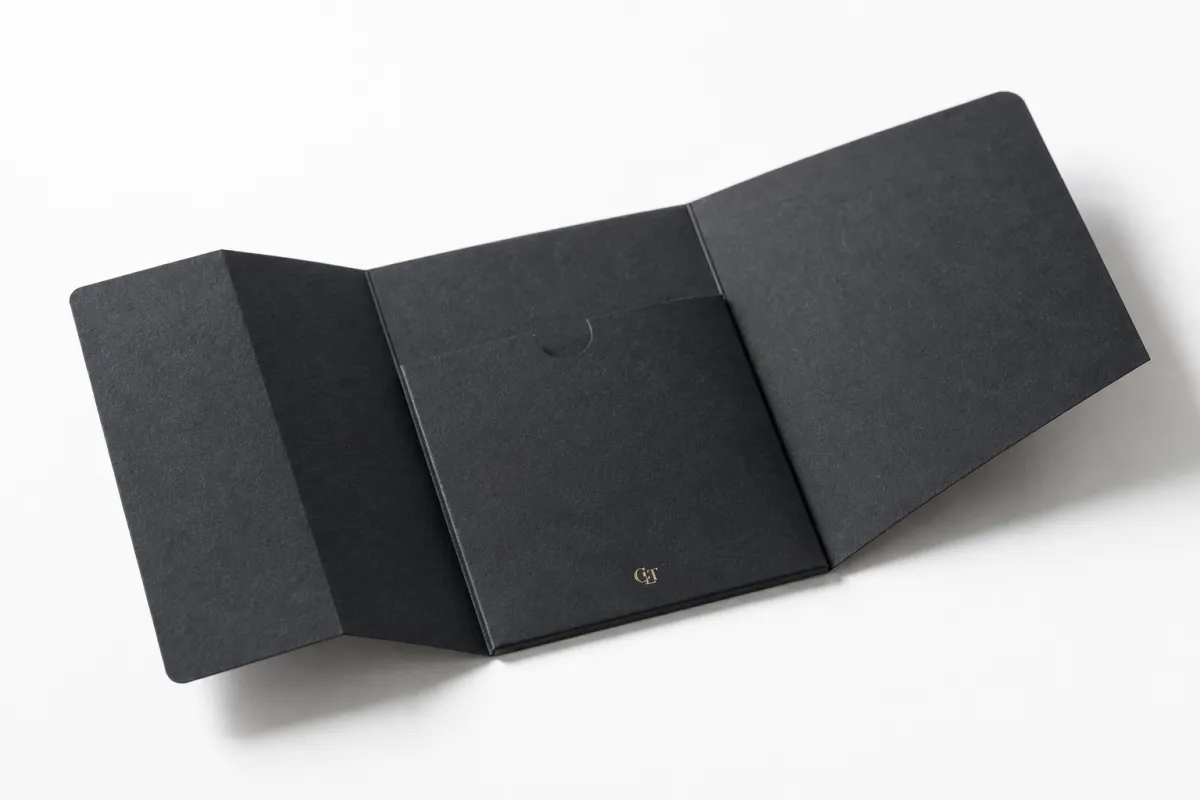
Custom paper inserts for packaging perform three jobs at once: they hold the product still, they shape presentation, and they absorb a slice of the abuse that happens in shipping and handling. That makes them useful in product packaging, retail packaging, and premium branded packaging. A simple spacer can stop one item from drifting. A die-cut paperboard cradle can secure a set of products. A printed insert can carry instructions, care notes, or brand messaging without adding another loose card to the box.
The contrast shows up immediately in the hand. A plain box with a well-fitted insert feels deliberate. The same box with a sloppy insert feels off even if the outside graphics are excellent. Customers notice movement. They notice crushed corners. They notice when a bottle leans because the insert was estimated instead of engineered. That is the territory where custom paper inserts for packaging earn their place.
People sometimes assume the insert is only about protection. That misses half the story. In packaging design, the insert sets the sequence of the opening experience. It determines how the product rises out of the carton, what the customer sees first, and whether the inside of the package supports the brand or undermines it. That has direct consequences for package branding, because the interior is part of the message, not a blank space behind it.
Three common types deserve a clean distinction:
- Spacers: Folded or cut paperboard pieces that stop movement and fill unused space.
- Die-cut cradles: Shaped inserts that hold the product at specific contact points.
- Printed branded inserts: Inserts that combine structure with graphics, copy, or product details.
If you compare custom paper inserts for packaging with foam, molded pulp, or plastic trays, the tradeoff becomes clear. Paperboard usually wins on print quality, recycling perception, and presentation. Foam can cushion more in a punishing transit profile, but it often loses on sustainability and on the premium feel many buyers expect from modern Custom Printed Boxes. Paper is not magic. It simply gives designers more control over the structure and the brand experience.
For brands that care about presentation, the insert is often the line between “finished” and “forgotten.” That sounds dramatic until you watch a customer open two nearly identical boxes and prefer the one that feels considered. A loose insert makes even a nice carton feel kinda cheap, and that reaction happens fast.
How Custom Paper Inserts for Packaging Work
Custom paper inserts for packaging usually begin as a flat sheet of paperboard or corrugated board. That sheet is printed, cut, scored, slotted, folded, glued, or locked into a shape that supports the product at the right points. The goal is not to wrap every surface. The goal is to place support where the product actually needs it: corners, shoulders, necks, bases, or side walls, depending on the shape.
The idea sounds simple, but the details are where the difference lives. A tall bottle does not need the same geometry as a flat cosmetic kit. A ceramic mug needs a different restraint pattern than a candle jar or a small electronic device. Good custom paper inserts for packaging avoid overbuilding. They use enough material to stop movement, then stop there too.
Think of the insert as a compact engineered system inside the carton. The outer box defines the boundary. Product weight defines the load. The opening direction defines which face the customer sees first. If the carton is too tight, the insert can bruise the product or turn assembly into a nuisance. If the carton is too loose, the insert has to work harder and may need more tabs, locks, or a heavier board grade to compensate.
That is why custom paper inserts for packaging should be developed with the box, not after it. Freezing the box size too early forces the insert to cover for weak planning. That is how packaging budgets start climbing for no useful reason.
Paperboard is enough for many products, especially when the item is light to medium weight and not unusually fragile. As the product gets heavier, taller, or awkwardly shaped, the insert may need double walls, reinforced folds, or a tighter die line. A simple geometry adjustment can often do more than a jump to thicker board. More material is not always more protection. Sometimes it is just more material.
For companies building branded packaging, the insert can also create the first visual pause inside the box. A matte finish, a clean kraft texture, or a precise printed cue can support the overall packaging design without shouting. The best custom paper inserts for packaging usually stay quiet. They hold the product and let the product lead.
Key Factors That Affect Fit, Strength, and Finish
Three variables shape the quality of custom paper inserts for packaging: substrate choice, product behavior, and finish. Get those wrong, and the insert spends money while doing less than it should. Get them right, and even a modest insert can look intentional and survive shipping, stacking, and shelf handling.
Substrate first. SBS board, kraft board, chipboard, and corrugated paperboard each behave differently. SBS gives a bright print surface and works well when appearance matters. Kraft board brings a more natural look and often suits brands that want a recycled or understated tone. Chipboard is a common choice for rigid presentation inserts and folded supports. Corrugated paperboard adds structure when the product is heavier or the shipment faces more stress. The right choice depends on load, finish goals, and the assembly method.
Product second. Weight, fragility, and shape determine how tight the fit needs to be. A 120 gram serum bottle is not the same as a 900 gram candle set. Odd shapes may need more die-cut relief so they seat correctly without forcing the user to twist or press. Glossy coatings, soft-touch finishes, and delicate surfaces call for extra care at the contact points. Rough board can scuff a product faster than the delivery lane does.
Finish third. Uncoated board feels more natural and often fits a sustainability story. Coated board can look sharper and carry print more clearly. Embossing or a restrained printed message can improve package branding without clutter. If a brand wants to mention FSC status, that claim needs to be accurate and supported. FSC certification is not just a label; it is a chain-of-custody issue tied to sourcing and documentation. For sustainability language, the FSC site is the right place to verify the wording before it goes to print.
There is also a cost issue hiding in plain sight. The lowest-cost insert structure is not always the cheapest outcome. Saving a few cents on board and then paying for returns, breakage, or repacking is a false economy. The pattern shows up quickly in product packaging programs where margins are thin and expectations are high.
Here is a comparison buyers can actually use:
| Material | Best For | Typical Feel | Strength Notes | Approx. Cost at 5,000 Units |
|---|---|---|---|---|
| SBS paperboard | Printed presentation inserts, lighter products | Clean, bright, premium | Good print surface, moderate stiffness | $0.14-$0.28 per unit |
| Kraft board | Natural-looking retail packaging, eco-focused brands | Warm, raw, understated | Works well for simple folds and braces | $0.12-$0.25 per unit |
| Chipboard | Rigid-style inserts, folded cradles, sets | Solid, familiar, practical | Better for support than show | $0.16-$0.32 per unit |
| Corrugated paperboard | Heavier products, transit protection | Bulkier, more structural | Higher crush resistance, more material | $0.18-$0.40 per unit |
If you are unsure where to begin, compare the insert to the actual shipping profile. For transport testing and distribution risk, the ISTA standards library is a useful reference point. Not every brand needs full lab testing, but fragile, heavy, or expensive products deserve more than guesswork.
Custom Paper Inserts for Packaging Cost: What Changes the Quote
Pricing for custom paper inserts for packaging comes down to five drivers: material grade, size, die-cut complexity, print coverage, and finish. If a supplier gives you a number without asking about all five, the quote is either oversimplified or waiting to surprise you later.
Material grade moves price first. Heavier board costs more, but not in a tidy straight line. A small thickness increase can trigger a noticeable jump because of sourcing, cutting behavior, and folding performance. Custom paper inserts for packaging made from plain unprinted kraft can sit near the low end of the range. Add coated stock, full-color print, or specialty finishes, and the number rises quickly.
Complexity matters more than many buyers expect. One clean fold is inexpensive. Six die-cut windows, locking tabs, and a print wrap are not. The number of unique shapes affects tooling and setup. If the insert includes multiple pieces, assembly labor joins the conversation too. Brands comparing custom paper inserts for packaging should ask whether the structure can be simplified without weakening the hold. In many cases, it can.
Volume changes the unit cost because setup work spreads across more pieces. That is why small runs look expensive. A 500-piece order can carry tooling and setup costs that make the per-unit figure sting. A 10,000-piece order often looks more sensible because the fixed work gets diluted. That is not a supplier trick. It is basic production math.
MOQ and tooling need plain language. MOQ means minimum order quantity. Tooling means the die or cutting setup needed to make the insert. If the run is too small, tooling can dominate the quote. If the design will repeat, the setup cost is easier to absorb. If it is a one-off promo kit, higher unit pricing for custom paper inserts for packaging is expected.
Hidden costs create most of the irritation. Sample rounds consume time and sometimes money. Artwork changes slow the job. Structural revisions can force a new dieline. Rush production can add a premium. Shipping can matter more than people expect, especially for bulky inserts, because paperboard eats truck space faster than buyers often assume. Anyone looking only at the unit price is setting up a headache.
“The cheapest quote is the one that doesn’t hide the real work.” That line applies to custom paper inserts for packaging with unusual shapes or fragile contents, especially when the carton has a premium retail role.
For practical budgeting, these working ranges are useful in a normal production context:
- Simple unprinted inserts: about $0.10-$0.22 per unit at mid-volume, depending on board and size.
- Printed die-cut inserts: about $0.18-$0.40 per unit for common cosmetic, candle, or electronics packaging.
- Complex or specialty builds: about $0.35-$0.75 per unit when the structure is highly custom or assembly is labor-heavy.
Those numbers are a frame, not a promise. A small insert can still cost more than expected if the die is intricate. A large insert can cost less than expected if the layout is efficient and the order quantity is strong. That is why custom paper inserts for packaging should be quoted on function, not just on paper weight.
If you want the quote to behave, ask for two versions: one that protects the product properly and one simplified version that trims only nonessential features. That comparison usually reveals the real cost drivers faster than arguing over pennies.
Custom Paper Inserts for Packaging Process and Lead Time
The process for custom paper inserts for packaging is usually straightforward, yet delays show up in predictable places. First comes the brief. Then the dieline. Then the sample. Then approval. Then production. That is the normal route. Trouble starts when the brief is vague or the dimensions are incomplete.
Here is the typical flow:
- Brief: Share product dimensions, weight, photos, fragility notes, and box size.
- Dieline: The supplier creates a structural layout for the insert.
- Prototype: A sample or mock-up is made to check fit and assembly.
- Approval: You confirm structure, print, finish, and clearances.
- Production: The insert is printed, cut, folded, and packed for delivery.
Lead time depends on whether the insert is stock-supported, custom die-cut, printed, or finished with special treatments. A simple unprinted insert can often move in roughly 10-15 business days after approval. A printed die-cut insert usually needs 12-20 business days. More complex custom paper inserts for packaging with specialty finishes, multiple parts, or several sample revisions can stretch closer to 18-30 business days. If the supplier is also handling outer boxes, the timeline can widen again.
The schedule losses are rarely mysterious. Structural changes, artwork delays, and fit issues cause most of them. If the insert is supposed to hold the actual product, test it with the actual product. Not a similar bottle. Not a substitute block. The real unit. Tiny differences in shoulder shape, finish, or weight can change how the insert behaves.
A clean dieline and final product specifications save days. Vague measurements waste them. If the supplier has to ask three times whether the shoulder diameter was taken at the cap or the body, the project is already slipping. For custom paper inserts for packaging, precision is not fussy. It is efficient.
In practical sourcing, the schedule also depends on whether the insert has to coordinate with the outer carton. A tight relationship between insert and box reduces errors only if the package dimensions are locked early. That is why teams working on custom printed boxes should not treat the insert as an afterthought. The system should be built as one unit.
If you want a sanity check on broader packaging planning, the EPA recycling guidance is useful for understanding how materials are generally handled at end of life. It does not replace supplier advice, but it helps keep sustainability claims grounded.
Step-by-Step Guide to Sourcing the Right Insert
Sourcing custom paper inserts for packaging becomes much easier once you start with the product instead of the quote. That sounds obvious. Plenty of teams still do the opposite. They ask for “something premium” and then act surprised when the numbers are all over the place.
Start With the Product
Measure the product carefully: height, width, depth, diameter, weight, and any fragile points. Note how the customer opens the box. Does the product lift out from the top, or does it sit in a tray that slides? Does the finish scratch easily? Are there protruding parts, like pumps, switches, or handles? Each of those details changes the insert geometry.
A buyer who knows the product can usually specify custom paper inserts for packaging better in one afternoon than someone who only has the box dimensions. The product tells you where support belongs. The box only tells you how much room you have.
Translate the Need Into a Structural Brief
Once the product is measured, define the protection level. Light support? Anti-rattle hold? Full transit restraint? Premium presentation? Those are different targets. Add branding goals, any sustainability requirements, and a budget range. That brief gives the supplier direction instead of guesswork.
If the project includes package branding, name the tone clearly. Clean and minimal? Natural and earthy? High-contrast retail packaging? The insert can match the rest of the system without becoming loud. The sharper the brief, the more useful the quote for custom paper inserts for packaging.
Request a Sample-Ready Dieline
For anything beyond a very simple spacer, ask for a dieline or prototype before mass production. That is where expensive errors surface: tight corners, weak folds, awkward assembly, or clearance issues that only appear when the actual product is dropped in. If the insert is for a fragile item, a sample is not optional. It is inexpensive insurance.
It also helps to review the insert together with the outer carton. The box size, insert thickness, and assembly method should be checked as one package system. That is the difference between custom paper inserts for packaging that perform and ones that only look correct in a flat PDF.
Compare Quotes on the Same Basis
Do not compare one quote for printed board against another for plain kraft and pretend the numbers are equivalent. Compare material, quantity, print coverage, finish, assembly method, tooling, shipping, and lead time. Otherwise you are comparing noise.
If needed, ask for your supplier’s Custom Packaging Products options alongside the insert quote so you can see whether the insert and outer box should be purchased as a matched system. A slightly different board grade or box depth can sometimes reduce the insert cost more than trimming the insert itself.
For teams building repeatable custom paper inserts for packaging, the smartest move is often to standardize a base structure and adjust only the product cavity. That keeps quoting cleaner and future production less chaotic.
Common Mistakes With Custom Paper Inserts for Packaging
The first mistake is measuring only the product and ignoring clearance. A fit that looks perfect on paper can fail inside a real carton because paperboard has thickness, folds occupy space, and products need breathing room. If the fit is too tight, assembly becomes miserable. If it is too loose, the product moves. Neither outcome works for custom paper inserts for packaging.
The second mistake is overdesign. Too many folds, too many tiny cutouts, too much decorative detail. That does not automatically improve protection. Usually it just increases cost and slows production. A buyer may think they are improving the package, but they are often only adding labor. Good custom paper inserts for packaging are efficient, not fussy.
The third mistake is choosing the look before testing the structure. Beautiful renders are cheap. Broken products are not. If the insert has to hold something uneven, fragile, or high-gloss, test the fit first. Then decide whether the surface should be printed, coated, or left natural. Structure first. Finish second. That order saves money.
The fourth mistake is buying the thinnest board possible because it lowered the quote by a few cents. That is false savings. If the insert crushes, bends, or fails in transit, the real cost appears in damage claims, replacements, and disappointed customers. The damage lands especially hard in retail packaging because the customer judges the whole brand from one box.
Another frequent miss is treating the insert as separate from the rest of the packaging design. It is not separate. It affects opening feel, product presentation, and perceived quality. If the exterior is beautiful but the inside looks improvised, the package feels unfinished. That is why well-built custom paper inserts for packaging matter so much in premium branded packaging.
One more caution: do not make sustainability claims without checking them. If the board is FSC-certified, say so accurately. If the insert is recyclable in typical paper streams, confirm that with your supplier and local guidance. Credibility matters more than buzzwords. The buyer who spots exaggeration will remember it.
Expert Tips and Next Steps for Sourcing
If you want a cleaner quote for custom paper inserts for packaging, ask for two price points: one at the target quantity and one at a higher tier. That shows where the unit cost starts to flatten. It also tells you whether a small increase in order size could save enough to justify the extra inventory. In many cases, it can.
Test the insert with the actual product, not a stand-in. That sounds basic, yet a surprising number of structural issues only appear when the real item is in the tray. A slight weight shift, a rounded shoulder, or a slippery finish can change how the insert holds. Custom paper inserts for packaging are a fit problem before they are a print problem.
If the quote looks high, simplify one variable at a time. Start with the structure. Then the finish. Then the print. That order makes the money trail easier to see. Do not strip features at random and hope the package still works. It probably will not.
For brands working in custom printed boxes, keep the outer box and insert aligned from the start. A better box layout can lower insert complexity. A better insert layout can reduce the need for extra reinforcement in the carton. Treat them as one package system, because that is what the customer experiences.
Before locking the order, gather these four pieces:
- Final product dimensions and weight
- Desired protection level and presentation style
- Board preference, including recycled or FSC-certified material if needed
- Quantity target and target ship date
From there, ask for a sample-ready dieline and a costed quote. That is the cleanest way to buy custom paper inserts for packaging without paying for the wrong board or the wrong finish. If you need a matched packaging system, pair the insert request with the outer carton request so the supplier can cost the whole structure instead of estimating separate pieces.
The best outcome is not the fanciest insert. It is the one that fits, protects, looks right, and avoids waste. If you want a simple rule to keep in your head, use this: build the brief around the product, test with the real unit, and let the box and insert be designed together. That is the practical path to custom paper inserts for packaging that do their job without drama.
FAQ
How much do custom paper inserts for packaging usually cost?
Cost depends on size, board type, die-cut complexity, print coverage, and order quantity. Small runs cost more per unit because setup and tooling are spread across fewer pieces. In practical terms, simple inserts may sit around $0.10-$0.22 per unit at mid-volume, while printed or more complex custom paper inserts for packaging can move into the $0.18-$0.40 range or higher. Those are working ranges, not factory quotes.
What thickness is best for custom paper inserts for packaging?
Lighter products often work with thinner paperboard, while heavier or fragile items need thicker board or reinforced structures. The right thickness is the one that protects the product without making the insert bulky or hard to assemble. For many custom paper inserts for packaging projects, the better question is not thickness alone, but board grade plus structure plus fit.
How long does the process take for custom paper inserts for packaging?
Simple inserts move faster than printed or highly die-cut designs, and sample approval usually controls the schedule. A clean brief and final artwork can shorten lead time more than rushing production ever will. Typical timing for custom paper inserts for packaging is often 10-15 business days for simple builds and 12-30 business days for more complex jobs, depending on approvals and finishing.
Are custom paper inserts for packaging better than foam inserts?
Paper inserts are usually better for brands that want a recyclable, premium-looking presentation. Foam can offer more cushioning in some cases, but it often loses on sustainability and unboxing feel. For most branded retail programs, custom paper inserts for packaging create a cleaner look and are easier to align with modern recycling expectations.
What do I need to request a quote for custom paper inserts for packaging?
Provide product dimensions, weight, quantity, target material, print needs, and any finish requirements. If possible, send photos or a sample unit so the supplier can spec fit and protection more accurately. The better the input, the better the quote for custom paper inserts for packaging, and the fewer surprises you will have later.

