Buyer Fit Snapshot
| Best fit | Custom Paper Inserts MOQ projects where brand print, material claims, artwork control, MOQ, and repeat-order consistency need to be specified before quoting. |
|---|---|
| Quote inputs | Share finished size, material target, print colors, finish, packing count, annual reorder estimate, ship-to region, and any compliance wording. |
| Proofing check | Approve dieline scale, logo placement, barcode or warning zones, color tolerance, closure strength, and carton packing before bulk production. |
| Main risk | Vague material claims, crowded artwork, missing packing details, or unclear freight terms can make a low unit price expensive after revisions. |
Fast answer: Custom Paper Inserts MOQ: Pricing, Specs, and Lead Times should be specified like a repeatable production item. The safest quote records material, print method, finish, artwork proof, packing count, and reorder notes in one written spec.
Production checks before approval
Compare the actual filled-product size with the drawing, then confirm tolerance on folds, seals, hang holes, label areas, and retail display edges. Reserve space for logos, QR codes, warning copy, and material claims before decorative graphics fill the panel.
Quote comparison points
Review material grade, print process, finish, sampling route, tooling charges, carton quantity, and freight assumptions side by side. A quote is only useful when the supplier can repeat the same color, closure quality, and packing count on the next order.
Custom Paper Inserts MOQ: Pricing, Specs, and Lead Times
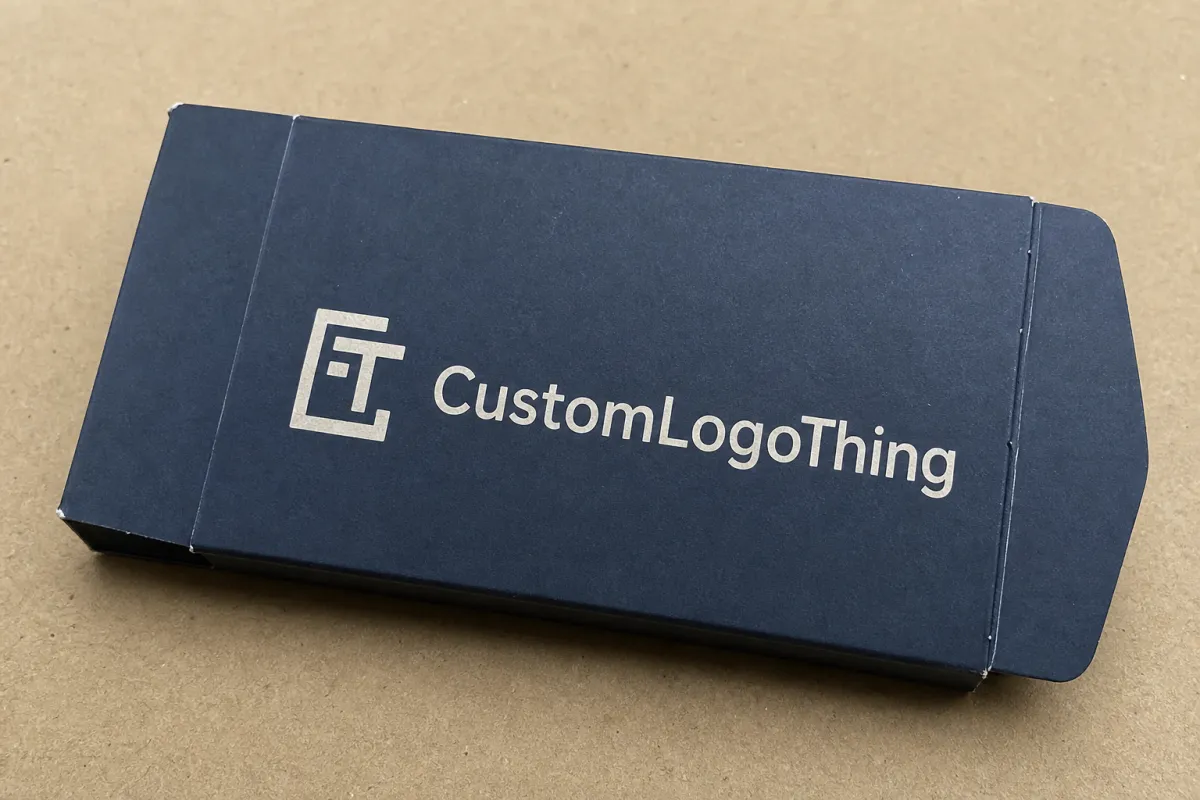
If the box looks premium and the product still rattles around like spare change, the packaging missed the point. That is why Custom Paper Inserts MOQ matters. A good insert stabilizes the product, improves the unboxing experience, and usually costs less than buyers expect when the structure is simple and the measurements are accurate.
Paper inserts are one of the few packaging components where a smaller run can still make sense. The material starts as sheet stock, conversion is straightforward, and the tooling burden is often lighter than molded or rigid alternatives. For launches, seasonal SKUs, sample kits, and refreshes, that matters. You do not need a warehouse full of inserts for a box that may change in a quarter.
The hidden cost is usually over-ordering. Storage takes space. Product revisions make old inserts useless. Cash tied up in the wrong cavity size is just expensive board with a long memory. A practical MOQ is not about pushing more units than you need. It is about balancing setup cost, material use, and production efficiency.
For a packaging buyer, paper inserts often hit the sweet spot. They protect the product, support branding, and keep unit cost under control when the spec is clean. That is the real story behind custom paper inserts MOQ: easier access to custom packaging without pretending the work is free.
“A cheap insert that fails in transit is not cheap. It is just a delayed problem with better branding.”
Why Custom Paper Inserts MOQ Is Lower Than Most Buyers Expect
Custom paper inserts usually carry a lower MOQ than many Custom Printed Boxes because the production logic is simpler. The material comes in sheets or rolls, the die-cutting is efficient, and the forms can often be nested to reduce waste. Once the cutting tool exists, the line can produce repeat pieces quickly without the heavy setup overhead you see in molded or rigid packaging.
Lower MOQ does not mean no MOQ. Every insert carries setup somewhere: cutting die, print setup, folding or gluing, QC, packing, and freight. The more intricate the shape, the more that setup matters. A flat divider might be economical at a few hundred pieces. A multi-panel folded cavity insert with gluing and full surface print usually needs a higher floor to make the numbers work.
Small runs help when you are validating a new product line or testing retail packaging for the first time. They also help when you need a specific fit for a limited edition kit. If the product is still evolving, you want enough quantity to launch, but not so much that a design revision leaves you sitting on dead inventory.
Insert changes often happen after the box is already approved. The bottle cap grew by 2 mm. The accessory set changed. Marketing decided to add a card and a sachet. A lower MOQ gives you room to adapt instead of forcing a large inventory write-off. That is not theory. That is normal packaging work.
For buyers comparing branded packaging options, paper inserts are usually a sensible middle ground. They give structure, branding support, and reasonable protection without sending you into the cost profile of thermoformed or molded alternatives. If you want to compare related packaging formats before you request quotes, the team’s Custom Packaging Products page is a good place to start.
What You Are Actually Buying: Paper Insert Types and Print Options
People say “paper insert” like it is one product. It is not. It is a family of structures, and the structure decides the job. The most common formats are flat dividers, die-cut trays, folded sleeves, cavity inserts, and layered supports. Each one solves a different problem in product packaging.
Flat dividers work well when you need separation, not full retention. Think multi-item kits, accessory partitions, and secondary packaging where the product already has its own primary container. They are inexpensive, easy to convert, and useful when the box design does most of the visual work.
Die-cut trays are the go-to for single products that need a fixed cradle. Cosmetics, small electronics, glass bottles, and premium samples often sit well in this format. The tray gives a cleaner presentation and keeps the item from shifting during shipping. If the fit is correct, the result looks expensive without getting complicated.
Folded sleeves are useful when the insert needs more structure but you still want to keep the part count down. They can hold a product in place, create visual separation, and present a printed surface without adding much material. For subscription kits and promotional packaging, they are often a practical compromise.
Cavity inserts are built around one or more shaped openings. They suit multi-piece sets, bottles with accessories, and retail packaging where each item needs a specific home. These inserts are more exacting, but they reduce movement better than loose packing.
Layered supports are often used when the product height is irregular. Stacked paper components can build depth without moving into rigid board territory. That is a practical choice when the product sits too high for a single cut insert, but you still want to avoid foam or plastic.
Print options change the final result too. Uncoated stock feels natural and keeps the focus on function. Coated stock gives sharper graphics and a more polished surface. Kraft-look stock works for eco-forward branding and a more tactile feel. CMYK printing makes sense when the insert carries instructions, patterns, or brand color blocks. Spot color is a smart move when you want a clean one- or two-color look and lower print complexity.
There is no rule that says the insert needs heavy branding. In most cases, the right paper insert puts protection first, branding second, and production efficiency third. That order saves money and reduces complaints. Fancy graphics do not matter if the product arrives damaged.
| Insert Type | Best For | Typical Strength | Practical MOQ Impact | Relative Cost |
|---|---|---|---|---|
| Flat divider | Accessory separation, sample kits, simple sets | Low to moderate | Often the easiest to run at lower quantities | Low |
| Die-cut tray | Cosmetics, bottles, electronics, premium kits | Moderate to high | Usually efficient once the die is approved | Moderate |
| Folded sleeve | Subscription boxes, promo kits, light retention | Moderate | Can stay economical if folds are simple | Low to moderate |
| Cavity insert | Multi-item retail packaging, glass, premium sets | High | Complexity can push MOQ higher | Moderate to high |
| Layered support | Odd heights, mixed components, heavier items | Moderate to high | Depends on the number of layers and glue points | Moderate |
For buyers building a packaging design system, consistency matters. If the outer carton, insert, and printed card all work together, the package feels intentional. If one component is overdesigned and the other two are bland, the whole thing looks off. Good package branding is not loud. It is coordinated.
If you want to sanity-check performance standards for shipping and handling, review resources from the International Safe Transit Association. For material and sustainability references, the Forest Stewardship Council is a useful benchmark when paper sourcing matters to your brand claims.
Specifications That Change the Final Fit, Finish, and Cost
Most bad insert projects start with incomplete specs. Someone sends a box size, says “it needs to hold the product,” and expects a magic answer. That is not how fit works. If you want a useful Quote for Custom paper inserts MOQ, you need actual product dimensions, the weight, the fragility level, the box size, the orientation inside the carton, and the presentation goal.
The product itself is the starting point. Measure length, width, height, and any protrusions. If there is a cap, handle, cable, nozzle, or irregular edge, include it. A bottle that looks simple on a screen can behave very differently once the insert is holding it in a shipping carton that gets tossed, stacked, and compressed.
Paper thickness matters more than many buyers think. A thinner board can save money, but it may flex too much for heavier items. A thicker board improves rigidity and can help with premium presentation, but it also changes fold behavior and may increase unit cost. The same goes for board grade. Not all paperboard performs the same under pressure or repeated handling.
Small dimensional changes can wreck an otherwise good spec. A few millimeters can be the difference between a snug fit and a loose one. They can also decide whether the insert cuts cleanly or needs a redesign. That is why packaging samples are useful. If you can provide a physical sample, a CAD file, or both, you save time and reduce revision loops. Guesswork is expensive. It always is.
Finish choices should follow the actual use case. Matte lamination gives a softer look and can reduce scuffing. Gloss adds brightness and visual contrast. Soft-touch lamination feels premium, but it increases cost and may not be worth it on an insert nobody sees after assembly. Embossing and foil can look sharp, though they usually belong on visible branded packaging surfaces rather than hidden inner components. Window cutouts can work if the product needs to show through the insert, but they weaken some structures and add cutting complexity.
The outer box matters too. An insert cannot be designed in isolation. It needs to work with the internal dimensions of the carton, the lid clearance, and the way the item is removed. If the product has to be lifted out by a finger notch, that detail belongs in the spec. If the item should sit lower for a better reveal, say so. Good packaging design is specific because packaging failure is specific.
For buyers focused on compliance and sustainability, paper inserts can support common sourcing goals more easily than plastic alternatives. Claims still need to be accurate. If you want FSC paper or recycled content, define it clearly in the quote request. Vague environmental language is not a spec. It is marketing fluff with a spreadsheet problem.
Custom Paper Inserts MOQ, Pricing, and Quote Basics
There is no single magic number for custom paper inserts MOQ. The floor changes with size, material, color count, print coverage, structure, and tool complexity. A simple flat insert can start lower than a heavily folded tray. A one-color kraft insert may price differently than a full-bleed CMYK version. The quote should reflect the actual work, not some fantasy rate pulled from a generic catalog.
As a practical range, simpler paper inserts often make sense in the 300-1,000 piece zone for sampling or limited launches, while repeat commercial orders frequently land in the 1,000-5,000 piece range or higher once the setup is locked in. That is not a universal rule. It is a realistic working range. Complex structures, specialty coatings, or multi-part glued builds can push the MOQ up. Very straightforward pieces can sometimes go lower.
Pricing usually comes down to a few moving parts:
- Sheet size and nesting efficiency: larger sheets and smarter layout can reduce waste and lower unit cost.
- Die-cut complexity: more cuts, folds, and internal windows increase setup and production time.
- Print coverage: one-color branding costs less than full-bleed CMYK with tight registration.
- Gluing and assembly: glued sections add labor and inspection points.
- Packing requirements: bulk packing is cheaper than individually packed sets.
- Shipping destination: freight weight, carton count, and delivery terms all matter.
For buyers comparing quotes, the low number on paper is not enough. One supplier may quote a lower unit price but hide the cost in less suitable packing, higher freight, or a structure that forces a second packaging step on your line. Another may quote slightly more and deliver a cleaner fit that saves labor. That is why the cheapest quote is not always the best one. Sometimes it is just the most expensive mistake in the room.
A fast quote request should include the following:
- Product dimensions and weight
- Box internal dimensions
- Insert style preference, if known
- Quantity target and any backup quantity
- Artwork status and file format
- Required finish or print color count
- Packing method and shipping address
- Needed delivery window
At this stage, it also helps to confirm whether you are buying inserts for branded packaging, retail packaging, or a shipping-first application. The usage changes the spec. A retail-facing insert may need a cleaner surface and better print presentation. A shipping insert can focus more heavily on protection and cost control. Same material family. Different job.
For broad packaging standards and manufacturing terminology, the Institute of Packaging Professionals offers a useful industry reference. If you need help understanding the terms before you ask for a quote, our FAQ covers the basics without the usual vendor jargon.
Production Process and Timeline: From Artwork to Delivery
The production path for paper inserts is straightforward, but only if the inputs are clean. The process usually starts with brief review. Then comes quote approval. After that, the supplier creates or confirms the dieline, checks the artwork, and locks the structure before print and cutting begin. Once the structure is approved, the physical work moves through print setup, cutting, folding, packing, and shipment.
Timing depends on how well the project is defined. A simple order with final artwork and clear dimensions can move quickly. A messy one can drag because every missing measurement creates a back-and-forth. The biggest delay is usually not production. It is decision-making. That part does not appear in a factory schedule, but it still costs time.
In practice, a straightforward custom paper insert project often takes 12-18 business days after proof approval, depending on quantity and finishing. More complex folded or glued inserts can run longer, especially if the artwork is not ready or the structure needs a second revision. Rush work is possible in some cases, but it usually comes with tradeoffs: higher cost, tighter approval windows, and fewer opportunities to make changes after the proof.
Proofing is the gatekeeper. Once the dieline is signed off, changes should be expensive enough to discourage chaos. That is not because suppliers enjoy being difficult. It is because late changes create scrap, rescheduling, and mismatched materials. If the product changed, the insert needs to change too. Better to pay for one clear revision than pay for three rounds of confusion.
Repeat orders are faster. That is one of the few easy wins in packaging. Once the structure is locked, the supplier can reuse the setup, confirm the old reference, and move into production with less uncertainty. This is why scale-up planning matters. A smart first order is not just about surviving the launch. It is about making the second order cheaper and faster.
Delays usually happen for predictable reasons:
- Dimensions changed after quoting
- Artwork arrived incomplete or low resolution
- The product sample did not match the spec sheet
- Finishing options were added late
- Packing instructions were not agreed upfront
If you care about transit performance, look at how the insert and carton are tested together. ISTA protocols exist for a reason. Packaging that passes in a perfect office environment can fail when it sees drop, vibration, and compression. Real product packaging has to survive handling, not just look good on a render.
Why Choose Us for Custom Paper Inserts
For custom paper inserts, the real value is not in dramatic claims. It is in fewer mistakes. Better communication. Accurate cutting. Clean folding. Clear proofing. Those are the things that keep a packaging project from turning into a time sink. If you are sourcing paper inserts for a launch, a refresh, or a production line that cannot afford surprises, that matters more than a shiny sales pitch.
We focus on the practical side of packaging design. That means checking whether the insert actually needs a premium finish or whether a simpler stock will perform just as well. It means confirming the cavity size before you approve production. It means helping buyers avoid overspecifying the insert because someone added “premium” to a meeting note and suddenly every hidden component needs foil. That is how budgets get noisy.
Our approach fits branded packaging and retail packaging projects where the fit needs to be right the first time. The goal is to keep the structure aligned with the product, not the other way around. When the insert is designed properly, it supports the box, protects the item, and keeps the presentation tidy. When it is not, the rest of the packaging looks worse than it should.
We also support repeat orders and scale-up planning. That matters because many projects start small and grow fast. A product line that begins with 500 kits may turn into a 5,000-piece run once sales settle in. If the initial spec is documented well, the repeat order becomes a lot easier. If it is not, everyone ends up measuring the same bottle again like it is some rare artifact.
What buyers usually want, and what we try to deliver, is simple:
- Clear specs before production starts
- Fast quoting with real numbers
- Reliable lead times
- Inspection against the approved sample
- Honest guidance when a lower-cost structure is enough
That last point matters. Not every job needs an elaborate insert. Sometimes a simpler structure gives you the same protection at a better unit cost. A good supplier says that out loud. A bad one sells complexity and calls it quality.
Want to see how paper inserts fit into the wider packaging system? Review the rest of our Custom Packaging Products and compare structures before you commit to a full run. The right choice usually becomes obvious once the options sit side by side.
Next Steps to Order Custom Paper Inserts Without Delays
If you want to move fast, do the basic work first. Measure the product. Confirm the internal box size. Decide whether the insert is meant to protect, present, or both. Then choose the print level and the target quantity. That sequence saves time because it gives the supplier something concrete to quote against.
Gather your files before you ask for pricing. Artwork, product photos, measurements, and any reference packaging should be in one place. If the product shape is unusual, send a physical sample or at least a clear photo with dimensions marked. A vague email gets you a vague response. A useful brief gets you a useful quote.
Compare quotes on equal terms. Same specs. Same finish. Same quantity. Same packing assumptions. Same delivery terms. That sounds obvious, but people skip it all the time and then wonder why the “cheap” quote suddenly looks expensive after revisions, freight, or rework. Packaging sourcing punishes sloppy comparison.
Here is the cleanest order path:
- Measure the product and box internal dimensions.
- Choose the insert style that fits the product and use case.
- Confirm the print level, material, and finish.
- Send the target quantity and delivery window.
- Review the dieline carefully before approval.
- Verify the fit with a sample or proof if the project is new.
- Lock production only after the fit is confirmed.
That last step is the one too many teams rush. Don’t. A few extra hours on proof review can save weeks of delay and a pile of scrap. Once the custom paper inserts MOQ is confirmed and the dieline is approved, the job becomes much simpler. Production has a direction. The order moves. The packaging shows up the way it should.
For a practical buyer, that is the whole point. You are not trying to collect more packaging. You are trying to get the right packaging, at the right quantity, with a clear price and a lead time that actually means something. If you handle the custom paper inserts MOQ correctly, the rest of the project stops being a guessing game and starts looking like a normal production run.
What is the usual custom paper inserts MOQ for a new project?
The MOQ depends on size, print coverage, and whether a cutting die already exists. Simple flat inserts can often start lower than complex folded or glued structures. If you need a precise number, share dimensions and quantity targets first; vague requests get vague answers.
Can I order custom paper inserts below MOQ if I need a test run?
Sometimes, but the unit cost usually rises because setup fees are spread across fewer pieces. A test run makes sense when you are checking fit, packaging flow, or a new launch. For repeat SKUs, it is usually smarter to hit the standard MOQ and avoid paying twice for setup.
How does material choice affect custom paper inserts MOQ and pricing?
Heavier boards and specialty stocks usually raise the price and can affect minimum run economics. Kraft-style and single-color options are often easier to price at lower quantities than full-coverage printed inserts. If protection matters more than appearance, a simpler stock can save money without hurting performance.
What details should I send for a fast quote on custom paper inserts MOQ?
Send product dimensions, box dimensions, desired quantity, artwork files, and the required finish. Include whether the insert must hold one item or multiple items, since cavity complexity changes pricing. Add any deadline or launch date so the supplier can check realistic production timing.
How long do custom paper inserts usually take to produce after approval?
Timing depends on proof approval, die-cut complexity, and finishing steps. Straightforward orders move faster than inserts with multiple folds, coatings, or special packing requirements. If you already have the dieline approved and artwork ready, production can move without the usual back-and-forth.
If you are planning a launch or a packaging refresh, treat custom paper inserts MOQ as a design decision, not just a purchasing number. Pick the right structure, verify the fit, and keep the order size tied to real demand. That is how you get better packaging, lower waste, and a more sensible unit cost without paying for boxes of regret.

