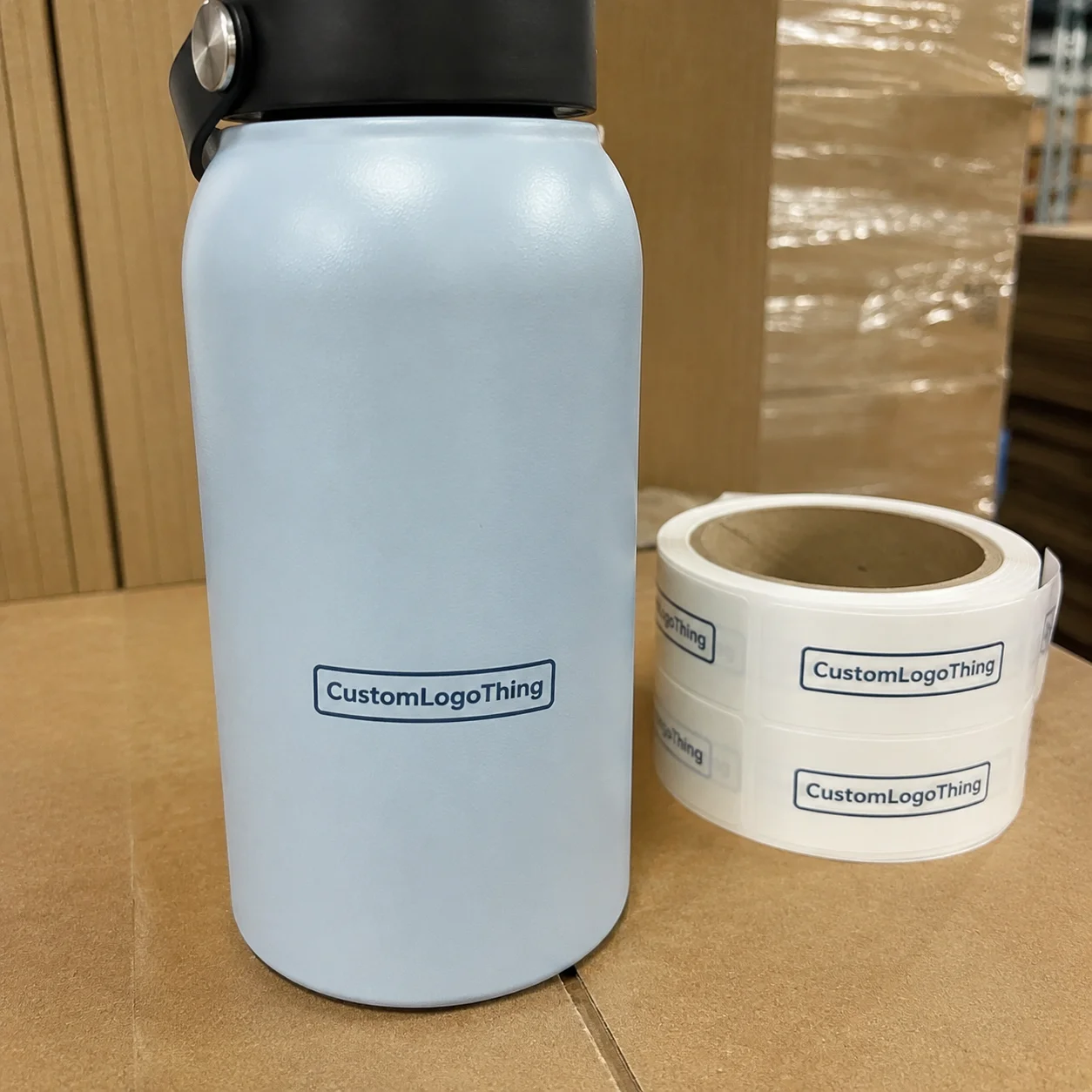
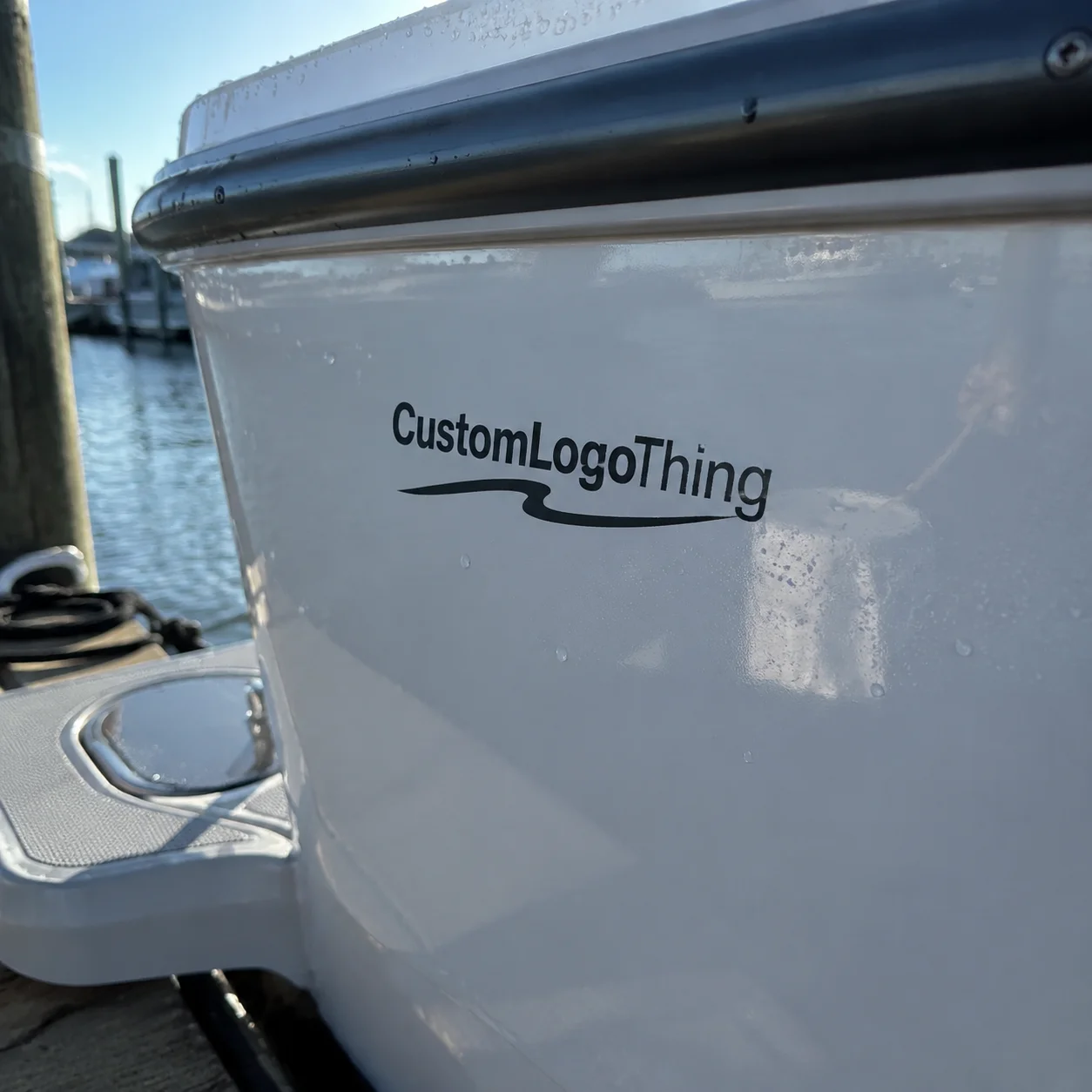
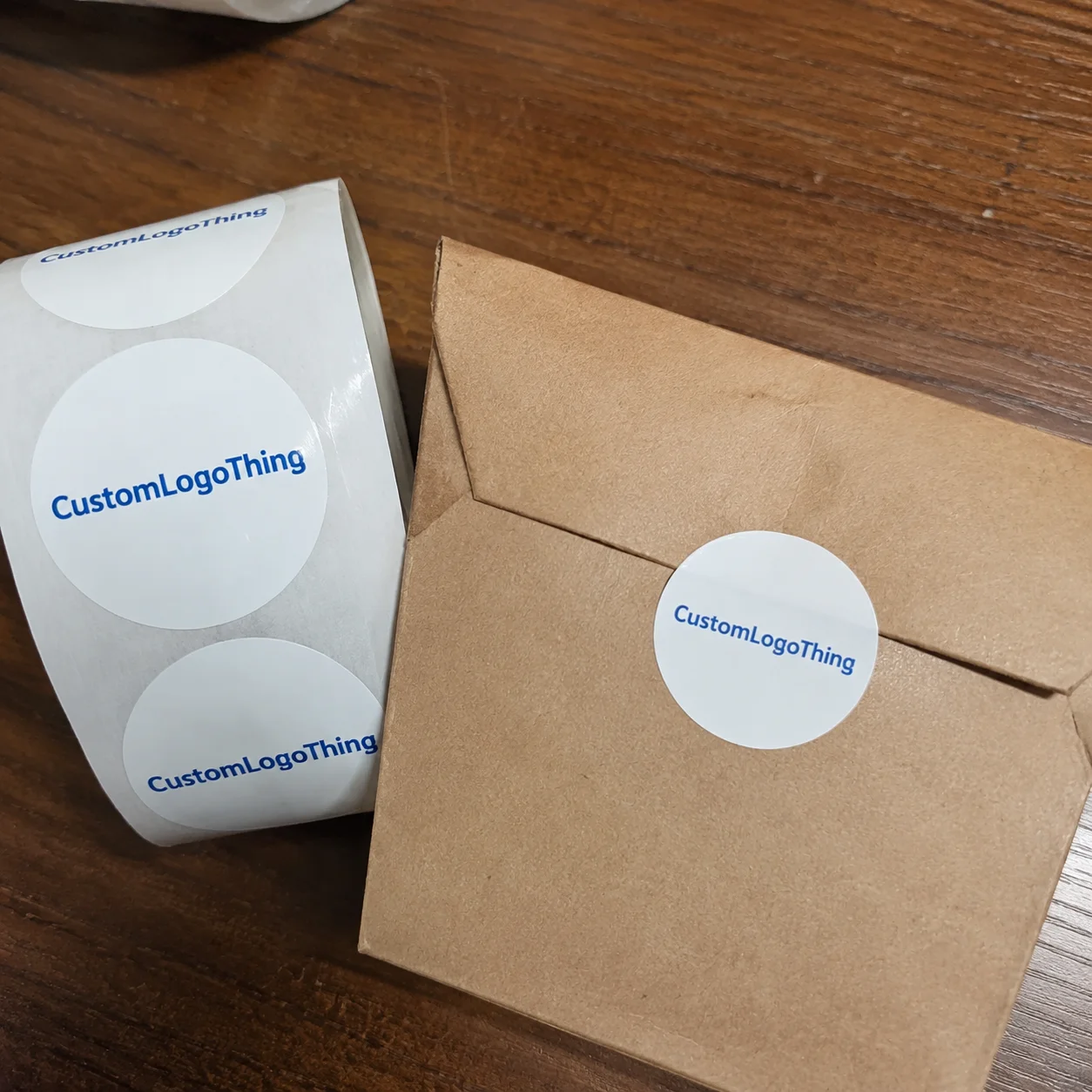
The label looks perfect on day one. Then the box ships, the jar chills in a fridge, the bottle gets handled by six people, and the corners start curling like they have somewhere better to be. That is the expensive little failure nobody puts on the mood board, and it is exactly why custom permanent stickers need more thought than “make it sticky and print the logo.”
Permanent adhesive labels are not magic decals. They are printed stickers designed to bond long-term to a specific surface under specific conditions. Get the material, adhesive, ink, coating, and application details right, and they hold up. Guess at the specs, and you get peeling, residue, barcode problems, or a customer wondering why your premium product packaging has a label doing a slow escape act.
What Custom Permanent Stickers Actually Mean
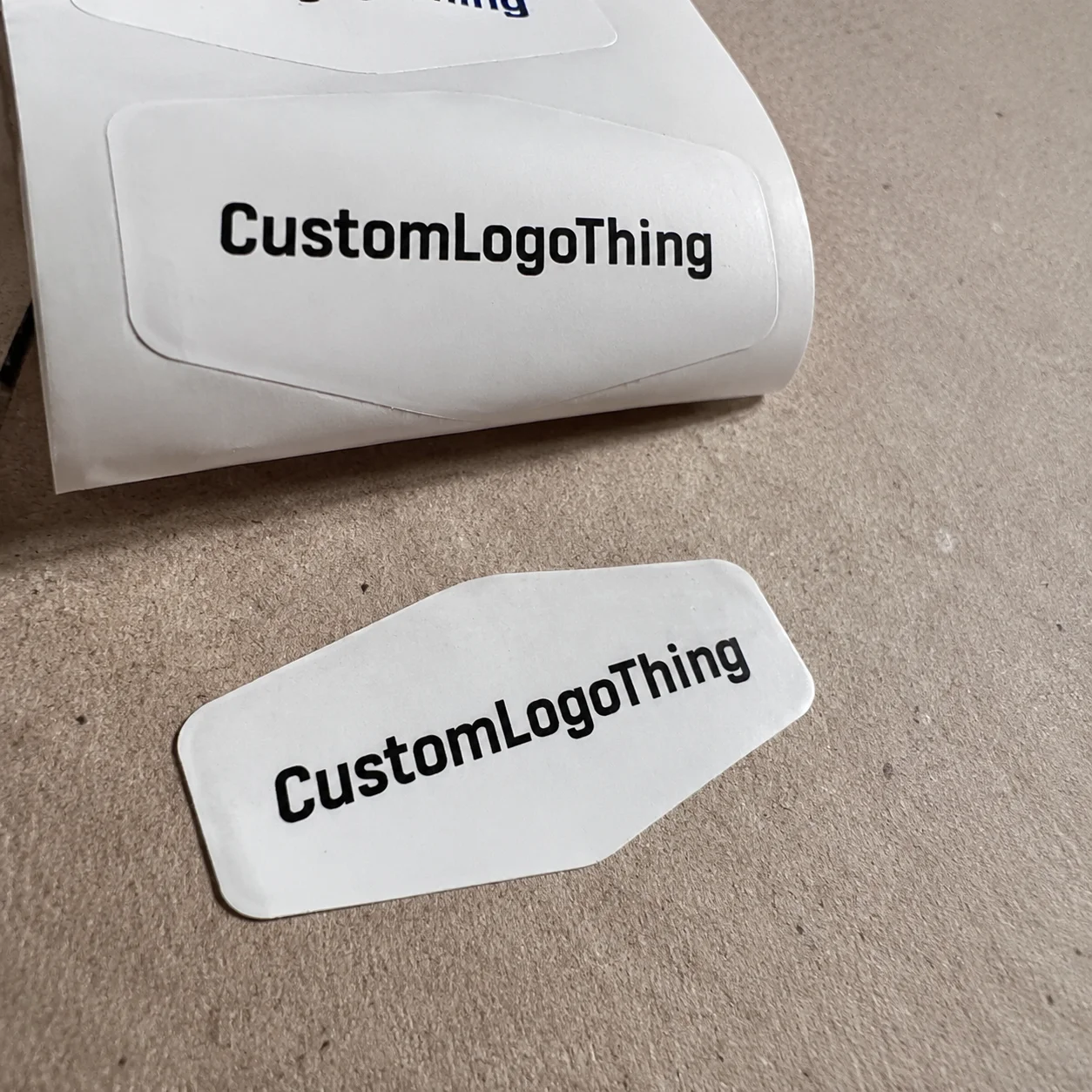
Custom permanent stickers are Printed Adhesive Labels made with a stronger, longer-term adhesive than removable or repositionable labels. Permanent means harder to remove. It does not mean impossible to scrape off, immune to moisture, or guaranteed to bond to every plastic used in packaging. Anyone selling it that way is being a little too cute.
Sticker performance is a system. The face stock matters. So does the adhesive. Ink coverage, coating, surface texture, temperature, application pressure, storage, and handling all affect the final result. A label that bonds beautifully to a smooth glass jar may fail on a frosted plastic tube or a flexible pouch made from low-surface-energy film.
Common adhesive types break down like this:
- Removable adhesive: designed to peel away more cleanly for temporary labels, promotions, warehouse use, or short-term retail packaging.
- Repositionable adhesive: allows some adjustment during application, usually before the bond builds strength.
- Permanent adhesive: made for a stronger long-term hold on compatible surfaces, often leaving residue if removed.
- Ultra-aggressive adhesive: built for difficult surfaces such as textured boxes, some plastics, rough containers, or industrial applications.
Common uses include product labels, jars, bottles, mailers, safety labels, equipment tags, outdoor branding, retail seals, promotional inserts, and branded packaging components that should not fall off like a cheap afterthought. They can also support package branding across Custom Labels & Tags, sleeves, inserts, and custom printed boxes.
The goal is not to buy the most aggressive adhesive available. That can create removal damage, adhesive ooze, liner problems, or application headaches. The better target is a label matched to the real use case: surface, environment, lifespan, application method, and budget.
Practical rule: If the sticker is part of the customer-facing package, test it on the actual package. Not on your desk. Not on a random sample board. The actual bottle, jar, pouch, box, or container.
How Permanent Adhesive Works on Real Surfaces
Adhesive bonding is simple until it is not. The glue needs contact, pressure, time, and a surface it can properly wet out. “Wet out” means the adhesive flows enough across the surface to grab it. Smooth glass and clean metal usually make this easier. Textured cardboard, matte plastics, powder-coated surfaces, waxy coatings, and oily containers can be annoying. Because apparently labels enjoy drama.
Surface energy matters. High-surface-energy materials, such as glass, aluminum, stainless steel, and many coated papers, are usually easier for adhesives. Low-surface-energy materials, including polypropylene, polyethylene, and some coated flexible pouches, often need a stronger adhesive designed for those substrates. If your container is squeezable, frosted, soft-touch, or waxy to the touch, flag that before quoting.
Curves add another problem. A label on a flat mailer has an easy life. A label wrapped around a small lip balm tube or narrow supplement bottle has to fight spring-back from the face material. If the stock is too stiff, the edges can lift. On tight radiuses, thinner BOPP or conformable vinyl often performs better than thick paper or rigid PET.
Environment is the other half of the story. Moisture, condensation, freezer storage, sunlight, heat, abrasion, and hand oils all attack labels in different ways. A refrigerated drink bottle may need moisture-resistant BOPP with a permanent freezer-grade or cold-temperature adhesive. An outdoor equipment decal may need vinyl or PET, UV-resistant ink, and laminate. An indoor candle label may need heat tolerance and an adhesive that behaves around waxy residue.
Application temperature gets ignored more than it should. Some adhesives can survive cold storage after bonding, but still need to be applied above a minimum temperature, often around 40°F to 50°F depending on the adhesive. Put the same label on a room-temperature bottle and a cold, damp bottle from a warehouse, and you may get two different outcomes.
Cure time matters too. Many permanent adhesives build strength over 24 to 72 hours after application. Testing a sticker five minutes after pressing it down can be misleading. For a useful check, apply labels to the actual surface, wait at least a day, then expose them to the real storage and handling conditions.
Yes, permanent stickers can still be removed. Heat, solvents, scraping, or enough force will usually win. The tradeoff is residue, surface damage, torn paper fibers, or a container that looks like it lost a bar fight.
Sticker Materials, Finishes, and Durability Factors
Material choice does a lot of the heavy lifting. Paper is cost-effective, prints nicely, and works well for dry indoor packaging. It is a good fit for boxes, bags, inserts, short-life retail packaging, and many shelf labels. It is not the best first pick for wet hands, oils, condensation, or outdoor use unless expectations are modest.
BOPP, short for biaxially oriented polypropylene, is a strong default for many product packaging labels. It resists moisture better than paper, handles oils better, and works well on jars, bottles, cosmetics, food packaging, and personal care products. White BOPP is common. Clear BOPP can create a “no-label” look on glass or clear plastic, but artwork often needs white ink behind colors if opacity matters.
Vinyl is more flexible and weather-resistant, so it suits outdoor decals, equipment labels, bumper-style stickers, and curved surfaces that need more give. PET is tougher and more dimensionally stable, often used for durable labels, electronics, industrial tags, and applications where abrasion and heat matter. Specialty stocks include kraft, textured paper, metallic film, holographic film, static cling, destructible vinyl, and tamper-evident materials.
Finishes should serve the job, not just the mood board. Matte looks modern and softens glare. Gloss boosts color and helps product photography pop. Soft-touch feels premium but can scuff, especially over dark ink coverage. Clear materials work best when the container color supports the design. Metallic and holographic stocks add retail punch, but they also complicate color matching and barcode contrast.
Protective coatings matter when labels face friction. A varnish is a thinner protective layer, usually cheaper and good for light scuff resistance. A laminate is a separate film layer, usually more durable and better for wet hands, shipping rub, abrasion, or outdoor exposure. If your product goes into e-commerce mailers, gets tossed in bins, or sits in a cooler, laminate is often worth the added cost.
Print method depends on quantity and design. Digital printing works well for lower quantities, fast design changes, variable artwork, and shorter runs. Flexographic or offset-style production makes more sense for larger runs, repeat orders, spot colors, and tighter unit costs. For buyers, the main question is not “which press is better?” It is “which method gives the right cost, color, durability, and lead time for this order?”
Shape affects price and performance. Rectangles, squares, ovals, and circles waste less material and run efficiently. Complex die cuts can look premium, but they may require custom tooling, slower finishing, and more careful hand application. Tiny points, thin tails, and delicate shapes are more likely to lift or tear. Cute shape. Predictable problem.
| Material | Best Use | Durability | Typical Cost Position |
|---|---|---|---|
| Paper | Dry indoor boxes, bags, inserts, shelf labels | Low to medium; poor around moisture unless coated | Lowest |
| BOPP | Bottles, jars, cosmetics, food labels, moisture-prone packaging | Medium to high; good moisture resistance | Moderate |
| Vinyl | Outdoor branding, equipment decals, curved surfaces | High; flexible and weather-resistant with the right coating | Moderate to high |
| PET | Industrial labels, electronics, durable product tags | High; strong abrasion and heat performance | High |
Functional details deserve attention before artwork approval. Barcodes and QR codes need enough contrast and quiet space. Batch code areas may need a writable coating or thermal transfer compatibility. Food-contact packaging may require material review depending on whether the sticker directly touches food. For forestry claims on paper stocks, ask about FSC-certified options and documentation through FSC.
Cost, Pricing, and MOQ Factors to Check
Sticker pricing is driven by size, material, adhesive, shape, finish, ink coverage, quantity, roll versus sheet format, and setup requirements. A 2-inch paper circle on sheets is a different animal from a laminated clear BOPP roll label with white ink, Custom Die Cutting, and three artwork versions. Comparing those quotes as if they are the same product is how buyers get fooled.
For planning, small custom runs can land around $0.20 to $1.50+ per sticker, depending on size, stock, finish, and complexity. Larger production runs can drop into the low cents per sticker when the design is simple and the volume is high. A 10,000-piece roll label order will usually have a much better unit cost than a 250-piece specialty die-cut sheet order. Revolutionary concept: machines hate tiny batches.
Minimum order quantity depends on the production method. Digital printing may support lower minimums, especially for sheet stickers or simple roll labels. Custom dies, specialty materials, flood coating, foil, metallic stocks, or dedicated roll production often need higher quantities to make economic sense. The supplier is not being dramatic; setup time, press waste, proofing, and finishing have to go somewhere.
Hidden cost triggers include custom die shapes, rush production, split designs, waterproof laminates, specialty adhesives, metallic or holographic stocks, hand-applied finishing, individual shrink-wrapping, and kitting. If you need 500 stickers split across 10 designs, ask whether they can gang print or whether each version carries its own setup cost.
To get a clean quote, provide the following before asking for price:
- Final size or a realistic size range, such as 2 x 3 inches or 50 x 75 mm.
- Quantity target and possible volume breaks, such as 500, 1,000, 5,000, and 10,000 pieces.
- Surface type, including glass, coated paperboard, PP plastic, PE plastic, metal, or textured cardboard.
- Indoor or outdoor use, moisture exposure, temperature range, and expected lifespan.
- Roll, sheet, or individually cut format, plus machine-application requirements if relevant.
- Artwork file, deadline, and finish preference, such as matte laminate, gloss varnish, or clear film.
Roll format often makes sense for high-volume product labeling or machine application. Sheets are easier for hand application, small batches, and promotional use. Individually cut stickers feel more retail-ready for inserts and giveaways, but they cost more to finish and pack.
Production Steps, Timeline, and Lead Time
The normal production process follows a predictable path: spec confirmation, artwork review, proofing, material selection, printing, finishing, cutting, quality check, packing, and shipping. Simple orders move quickly. Complex orders do not magically become simple because the launch date is close. Harsh, but true.
Typical timing varies. Simple digitally printed stickers may take a few business days after proof approval. Custom materials, custom dies, laminates, special adhesives, high-volume roll labels, or color-critical jobs may take one to three weeks or more. Shipping adds its own little circus, especially if the order is heavy, international, or needed before a trade show.
The clock usually starts after final artwork approval, not after the first email saying, “Can you make these?” A quote request with no size, no file, no quantity, and no surface detail is a conversation starter, not a production order.
Digital proofs check layout, size, cut line, bleed, copy, color notes, and orientation. Physical samples are useful when adhesive performance, finish feel, or color precision matters. If the label is going onto glass jars, flexible pouches, textured boxes, freezer items, or outdoor equipment, build testing time into the schedule. A 48-hour test can save a 5,000-piece mistake.
Artwork requirements are not there to torture you, though I understand why they feel that way. Vector files are preferred for logos and cut lines. Raster images should usually be 300 DPI at final print size. Fonts should be outlined. Bleed is commonly 0.0625 to 0.125 inch, depending on the supplier and cutting method. Safe margins keep text and barcodes away from trim edges. CMYK color is the usual print setup, while clear or metallic materials may need a separate white ink layer.
Quality control should cover more than “does it look nice?” Check roll direction if labels will run through an applicator. Confirm unwind position, core size, finished roll diameter, and gap between labels. For sheets or individual cuts, inspect cut accuracy, liner release, edge lifting, scuffing, color consistency, and count. A label can be beautifully printed and still be wrong for production if it feeds poorly.
Delays usually come from missing dielines, low-resolution logos, unclear quantities, late approvals, specialty material availability, changed shipping methods, or discovering too late that the label has to survive condensation, freezer storage, or a squeezable container. Better specs upfront mean fewer awkward emails later.
If stickers are part of a larger packaging design program, align them with cartons, pouches, mailers, and Custom Packaging Products early. Color, finish, and material choices look different across paperboard, film, corrugate, and label stock. Matching everything perfectly is not always realistic, but getting close is easier when the supplier understands the full package branding plan.
Common Ordering Mistakes That Cause Peeling
The first mistake is choosing the cheapest paper stock for a wet, oily, refrigerated, or high-touch product. Cheap can be fine. Cheap in the wrong place is just expensive later. A paper label on a dry candle box may be perfectly sensible. The same label on a cold juice bottle with condensation is asking for trouble.
The second mistake is ignoring the application surface. A sticker that works on glass may fail on frosted plastic, coated cardboard, a flexible pouch, or a squeezable bottle. Low-energy plastics like PP and PE can be especially stubborn, so ask for an adhesive rated for those materials.
The third mistake is applying labels to dusty, cold, damp, oily, or freshly painted surfaces. Adhesives need a clean landing zone. Wipe containers if needed, let surfaces dry, and avoid applying labels below the adhesive’s recommended temperature. Fresh paint, powder coating, and varnished packaging may also need extra cure time before labels are applied.
The fourth mistake is using the wrong size or shape on curved containers. Labels that wrap too far around a tight radius can tunnel, wrinkle, or lift. If you are labeling lip balm tubes, small vials, mini candles, or curved cosmetic bottles, keep the label narrower or choose a more flexible material.
The fifth mistake is skipping laminate when the sticker will face abrasion, condensation, shipping rub, or outdoor handling. Ink can scuff. Paper can absorb moisture. Edges can get beaten up in transit. A gloss or matte laminate adds cost, but it can protect the label from the kind of handling real packages receive.
The sixth mistake is approving artwork without checking cut lines, barcode readability, small text, bleed, and contrast. Barcodes on metallic, holographic, clear, or low-contrast backgrounds can scan poorly. Small reversed-out type may fill in. Thin borders near the trim can look uneven after cutting because even good cutting has tolerances.
The seventh mistake is assuming permanent means weatherproof. Weather resistance is a combination of adhesive, face material, ink, coating, and exposure length. For outdoor distribution testing, organizations such as ISTA provide useful packaging test frameworks, especially if labels are part of a larger shipping system.
If a current sticker is failing, diagnose it instead of guessing. Ask where it peels, when it peels, what surface it is on, what temperature it was applied at, whether the surface was cleaned, and what changed between the approved sample and the production run. Peeling at corners on a curve is different from edge lift after refrigeration. Different problem. Different fix.
- Peels immediately: surface contamination, wrong adhesive, low application pressure, or cold application temperature.
- Peels after chilling: condensation, wrong adhesive, paper stock, or poor moisture resistance.
- Peels on corners: tight curve, stiff material, oversized label, or weak edge contact.
- Scuffs in shipping: missing laminate, rough carton contact, high ink coverage, or poor coating choice.
Next Steps Before You Request a Sticker Quote
Before requesting a quote, gather the details that actually affect production. Final size. Quantity range. Shape. Surface material. Indoor or outdoor use. Moisture exposure. Temperature range. Expected lifespan. Roll, sheet, or individually cut format. Application method. Deadline. If that sounds like a lot, it is still less painful than reprinting labels because the first batch peeled off.
Order samples or test a small batch when the sticker goes on plastic, textured packaging, freezer products, oily cosmetics, candles, outdoor gear, or anything handled heavily. Testing should mimic the real process. Apply the sticker with normal pressure, wait 24 to 72 hours, then expose it to refrigeration, moisture, shipping friction, sunlight, or whatever the product will actually face.
Photograph the application surface and share the actual product or packaging if possible. Guessing surface chemistry from a blurry product name is not a production strategy. If you can send an unfilled bottle, pouch, jar, mailer, or carton, even better. Suppliers can often recommend a better adhesive once they can see and feel the substrate.
A sensible first spec often looks like this: paper for dry indoor use, BOPP for moisture-resistant product labels, vinyl or PET for tougher exposure, and specialty adhesive for low-energy plastics or rough surfaces. Add varnish for light protection. Add laminate for abrasion, wet hands, shipping rub, or longer use. Keep shapes simple unless the design benefit is worth the added cost.
Ask direct questions before ordering:
- What adhesive are you recommending for my surface?
- Is the adhesive rated for plastic, glass, metal, coated paperboard, or the specific material I am using?
- Do I need laminate, or is varnish enough?
- What is the realistic lead time after proof approval?
- Which quantity breaks reduce unit cost meaningfully?
- Can you provide material samples or a short test run before full production?
For branded packaging, stickers are often small compared with boxes, pouches, and mailers, but they carry a lot of visual responsibility. They hold logos, ingredients, warnings, barcodes, batch numbers, seals, and promotional messages. Treat them like part of the package structure, not a last-minute decoration.
Before ordering custom permanent stickers, confirm the surface, environment, material, finish, artwork, and timeline so the label sticks in real life, not just in the quote PDF. That is the whole point. A good label should quietly do its job while the product gets the attention.
FAQ
Are custom permanent stickers really impossible to remove?
No. Permanent means the adhesive is designed for a stronger, longer-term bond than removable adhesive. These stickers can often be removed with heat, solvents, scraping, or steady force, but they may leave residue or damage delicate surfaces. If clean removal matters, use removable or repositionable adhesive instead.
What material is best for permanent product stickers?
Paper works for dry indoor packaging where cost matters most. BOPP is a strong default for bottles, jars, cosmetics, food packaging, and moisture-prone product labels. Vinyl or PET is better for tougher handling, outdoor exposure, equipment labels, or longer-life applications that need more resistance to abrasion, heat, or weather.
How much do custom permanent labels usually cost?
Small runs can range from about $0.20 to $1.50+ per sticker depending on size, material, finish, adhesive, and complexity. Large production runs often drop into the low cents per sticker when specs are simple and quantities are high. Custom dies, laminates, specialty adhesives, rush orders, metallic stocks, and split artwork versions can raise the final price.
How long does production take for permanent adhesive stickers?
Simple digitally printed stickers may take a few business days after proof approval. Custom shapes, specialty materials, laminates, roll labels, or large runs often take one to three weeks or more. Lead time usually starts after artwork approval, not when the first quote request is sent.
Why are my permanent stickers peeling off packaging?
Common causes include dirty surfaces, moisture, low-energy plastic, cold application temperature, tight curves, or the wrong adhesive. Material stiffness can also cause lifting on small curved containers. Test the sticker on the actual packaging under real storage and handling conditions before placing a full production order.