Custom Plastic Bags for Cosmetics: What Buyers Should Know First
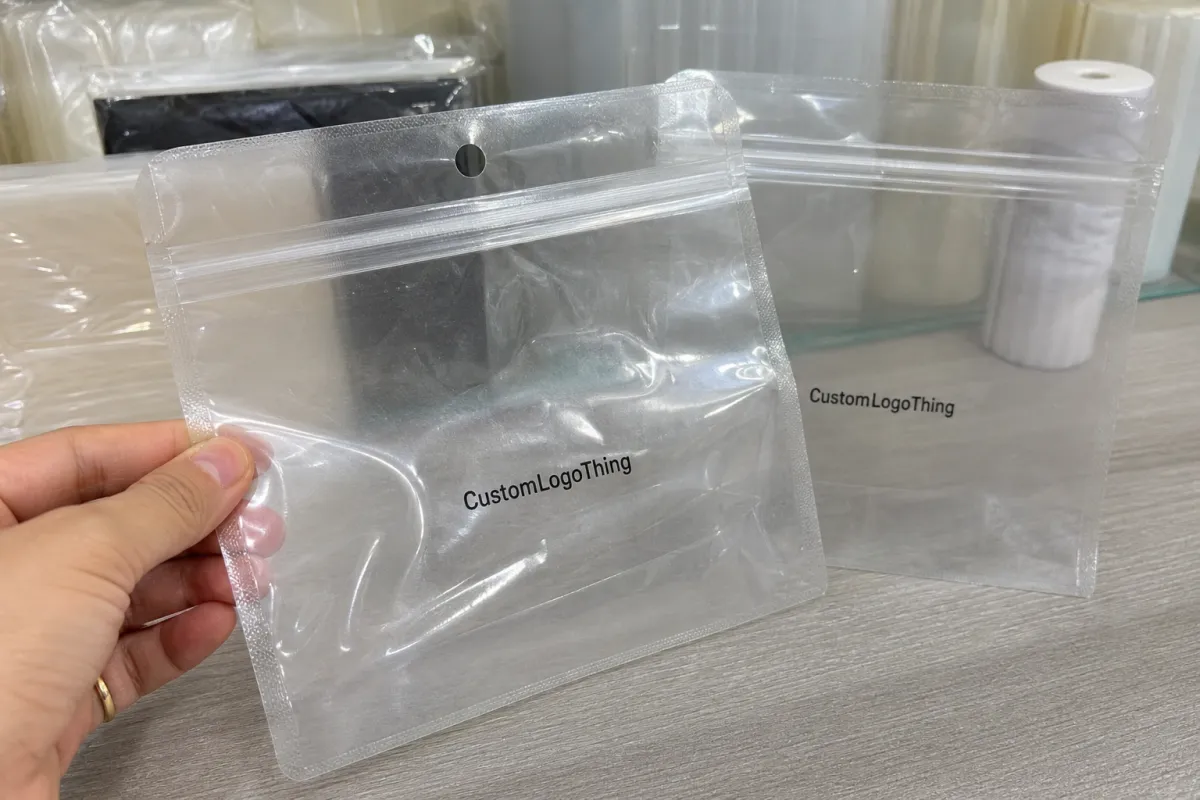
Custom plastic Bags for Cosmetics need to do more than hold a product. They affect shelf appeal, handling, protection, and how confidently a shopper reads the pack before opening it. In beauty packaging, that first impression matters because the bag is often judged before the formula.
This category includes clear pouches, resealable retail bags, travel kits, sample packs, and secondary packaging for lip care, sheet masks, wipes, bath salts, and bundled sets. Some brands use the bag as the main display format. Others use it as a support layer with cartons, sleeves, or inserts so the full pack feels intentional.
The practical advantage is flexibility. Plastic bags ship flat, stay light, and scale from test runs to larger retail programs without a major structural change. That makes them useful for launches, seasonal kits, and product lines that need packaging updates quickly.
The buyer questions are usually specific: will the film stay clear after handling, will oils or fragrance cloud it, does the zipper hold up, and will print remain readable after flexing and rubbing? Those issues usually determine whether a spec is ready for production.
Material Choices That Protect Product Clarity and Stability
The material drives both appearance and performance. LDPE is common for soft, flexible bags with dependable sealability. HDPE feels stiffer and more crinkly, which can work for lighter or lower-cost packs. CPP often gives a smoother hand and good clarity. Laminated structures combine layers to improve stiffness, print quality, or barrier performance.
For cosmetics, compatibility matters as much as appearance. Oily balms can cloud weak film. Fragranced liquids can stress seals. Powders and masks may not need much barrier, but they do need puncture resistance and clean edges. If the bag will be opened repeatedly, a stronger zipper and a film with more body usually make sense.
Thickness changes performance more than many buyers expect. A 2.5 mil pouch and a 5 mil pouch may look similar in a rendering but behave very differently in hand and in transit. Thinner film lowers cost and weight, while thicker film improves structure and resists scuffing and edge wear.
Finish also affects retail perception. Gloss looks bright and clean. Frosted film softens fingerprints and can hide handling marks. Matte reads premium, but it is not always the best choice for dark artwork or fine text. The finish should support readability and the product, not compete with them.
Samples should be tested with the actual filled product, not just an empty placeholder. A pouch that looks fine flat can wrinkle around a round jar or pump bottle. That test also reveals whether the opening size and seal area are truly usable. For general packaging terminology, references like Packaging.org help teams align on structure and materials.
Odor transfer is another detail worth checking. Some films carry a plastic smell, and fragranced formulas make that more obvious over time. If scent is part of the product, let the sample sit for a few days before approval.
Printing, Closure, and Retail Presentation Details
Printing affects both appearance and production method. A one-color logo on clear film is straightforward. Full-bleed artwork, metallic accents, and fine type need tighter control because flexible films move during printing and finishing. Flexographic printing is often used for larger runs, while digital printing can work well for shorter quantities or faster design changes.
Closure choice shapes the user experience. Heat seals work for one-time closure. Press-to-close zippers suit products that are opened and closed repeatedly. Sliders add convenience but also add cost and height. Tear notches help with opening, and hang holes matter if the bag will sit on a peg or display rail. Even a small placement error can make a pouch hang crooked.
Transparent windows let the product sell itself. Opaque panels create a cleaner, more premium read and hide mixed contents or less attractive components. The strongest cosmetic packs usually keep decoration disciplined: a clear product name, a defined brand area, and enough open space for the design to breathe.
“If the zipper feels weak in hand, a shopper will notice it before the logo.”
That is the practical side of packaging design. A good-looking pouch that leaks, scuffs, or opens too easily does not support the brand. If a line also includes cartons, the visual system should stay consistent so the set looks coordinated.
There is also a filling-side issue that gets missed often. A bag can pass design review and still fail on the line if the opening is too narrow, the seal area is too stiff, or the print interferes with machine sensors. A pilot run usually exposes that before full production does.
Cost, Pricing, MOQ, and Quote Drivers
Pricing for custom plastic Bags for Cosmetics usually comes down to size, material, print coverage, closure type, and quantity. A small clear pouch with one-color print costs much less than a laminated matte bag with a slider zipper and full-coverage artwork. Setup work also matters because tooling, proofing, and color matching have to be spread across the order.
Smaller orders feel more expensive because setup is spread across fewer units. Larger programs usually lower unit cost, but buyers often add more requirements as volume rises, which pushes the quote back up. That is why two projects with the same quantity can still land in different price bands.
| Spec Type | Typical Unit Range | Best For | Notes |
|---|---|---|---|
| Clear LDPE bag, one-color print, simple seal | $0.10-$0.22 at 5,000 pcs | Samples, sachets, lightweight retail packaging | Lowest cost, but keep the artwork simple |
| Frosted or thicker LDPE/HDPE, two-color print | $0.16-$0.30 at 5,000 pcs | Bath items, travel kits, branded packaging | Good balance of appearance and function |
| CPP or laminated pouch with zipper | $0.26-$0.55 at 5,000 pcs | Premium sets, repeated opening, stronger presentation | Better hand feel and improved structure |
| Full-coverage printed laminate with slider | $0.34-$0.80 at 5,000 pcs | High-visibility cosmetic launches | Higher perceived value, more setup complexity |
Before asking for pricing, gather the dimensions, artwork files, target quantity, closure style, finish, and whether samples or freight should be included. If the project also includes custom printed boxes, inserts, or shipper cartons, request each line item separately so the total packaging cost stays visible.
Watch for costs that do not always show up in the first quote: revision rounds, custom colors, pre-production samples, extra testing, and rush freight. At lower quantities, a small change in structure can move the price a lot. At higher quantities, print complexity and material choice usually become the bigger cost drivers.
For kits that must survive distribution testing, ISTA is a useful reference point. A bag that looks fine on a desk can fail after vibration, compression, or drop testing if the closure is weak or the contents shift too much in transit.
Production Steps, Timeline, and Approval Milestones
A clean production flow usually starts with a spec review, then moves to artwork and dieline setup, proofing, sample or pre-production approval, manufacturing, inspection, packing, and shipment. Each handoff can stall if information is incomplete, so the faster the inputs are locked, the smoother the order usually moves.
Lead time depends on material availability, design complexity, and approval speed. A standard run often lands in the 12-20 business day range after approval. A sample stage can add 5-10 business days. Specialty zippers, custom finishes, or tinted film can extend the schedule further.
Color matching is another variable. A bright white logo on tinted film may need a stronger underprint than expected. Fine text, thin linework, and metallic effects take more care as well. Most delays come from unresolved spec decisions rather than the press itself.
A practical schedule includes buffer time for proof approval, transit, and a possible correction round if the first sample shows a fit issue. Cosmetic packaging often sits on a launch calendar, a retailer reset, or a photo shoot date. Once one of those dates moves, the packaging becomes the bottleneck.
Inspection should happen before shipment, not after delivery. A basic check covers seal strength, print placement, zipper function, film clarity, and quantity count. If the project is large, ask how the supplier handles lot traceability in case a pallet needs to be isolated.
Step-by-Step Ordering Plan for a Cosmetic Bag Spec
Start with the product itself. What goes inside, how rigid is it, and will it move around in the bag? A lip gloss set behaves differently from bath salts. A travel kit with a pump bottle needs more clearance than a flat sachet. For the best result, the spec should start with fill behavior, not artwork.
- Measure the filled product, not just the empty container, and allow for closure space, headroom, and inserts.
- Choose the film type based on clarity, stiffness, and how the formula behaves against plastic.
- Decide on the closure: heat seal, press-to-close zipper, slider, tear notch, or a combination.
- Define the print area, number of colors, and whether the design needs opaque, transparent, or frosted zones.
- Confirm display features such as hang holes, euro slots, or retail-ready cutouts.
- Request a sample or proof before final approval, then verify fit with real products.
Once those pieces are set, send one clean request with dimensions, artwork, quantity, target timeline, and delivery location. If you are comparing options across our Custom Packaging Products range, keep the notes organized so each quote uses the same assumptions.
A good workflow also includes tolerances. If the bag can vary by 2-3 mm and still perform correctly, write that down. If the zipper must close with one hand, mention it. Small tolerances matter on a production floor, where speed and repeatability are critical.
For new launches, separate what is required from what is preferred. A clear seal and accurate size are required. A special finish or premium hardware may be optional. That keeps the spec realistic and protects the budget from creeping upward with features that do not improve use.
Common Mistakes That Cause Rework or Extra Cost
The most common mistake is choosing a bag that is too small. Cosmetic jars, pumps, and applicators often need more clearance than a flat measurement suggests, especially once a closure or retail hook is added. A pouch that fits on paper can still pinch corners or stress the seal after insertion.
Another mistake is choosing film for appearance alone. A glossy pouch may photograph well, but if the formula contains oils or strong fragrance, the surface can haze or the seal can weaken over time. Sharp corners on trays, caps, and applicators can also create wear points during shipping.
Skipping a sample or proof is expensive. Print placement errors, zipper problems, and fit issues are much easier to correct before the run than after thousands of units are packed. Once cartons are sealed, every correction becomes a labor problem as well as a material problem.
Budget mistakes happen too. Buyers often forget freight, duties, taxes, or the cost of a second proof round. Others overcomplicate the artwork and then wonder why the quote rose. A cleaner design, a realistic quantity, and a practical finish usually do more for value than chasing the lowest unit price.
Timing mistakes show up often as well: approving a sample too late or letting packaging slip behind product approval. That can force rush freight and rushed inspection. The pack may be fine, but the order becomes expensive because the calendar was not protected.
Expert Tips and Next Steps for a Better Final Spec
Use a real product sample whenever possible. A sketch helps, but a physical sample shows fit, weight, hand feel, and how the closure behaves after repeated opening. That is the fastest way to see whether the bag works with the formula instead of only looking good in a rendering.
Ask for swatches, closure samples, and a line-by-line quote breakdown. Those three pieces make vendor comparisons easier because the cost drivers are visible. If the supplier can show the difference between a standard clear pouch and a laminated pouch with better structure, the buying decision becomes clearer.
Document the approved dimensions, print layout, finish, and acceptable tolerances before production starts. If the bag must match a larger branded packaging system, keep the same color logic and typography across the pouch, carton, and insert so the line feels coordinated.
For more confidence, request a pre-production approval sample or a signed digital proof that shows ink placement, closure position, and artwork scale. That extra checkpoint is usually cheaper than a remake and gives operations a clear reference during receiving.
A strong spec usually comes from a short sequence: measure the product, choose the structure, verify the closure, test the sample, and then freeze the details. That process keeps the package practical, quoteable, and easier to approve without turning the project into a moving target.
Frequently Asked Questions
What material works best for custom plastic bags for cosmetics?
LDPE is a common choice for flexible, clear bags, while heavier films or laminates work better when you need more stiffness or better barrier performance. The right material depends on the formula inside, the shelf-life goal, and whether the bag must stay transparent, frosted, or printable.
How do I choose the right size for cosmetic bags?
Measure the filled product, not just the empty container, and add room for closures, headspace, and any inserts or cards. If the pack includes a pump, spatula, or multiple items, test the fit with a sample before approving the final dimensions.
What affects the price of custom cosmetic plastic bags?
Size, material thickness, print complexity, closure style, and order quantity are the biggest pricing drivers. Setup work, proofs, sample rounds, and shipping also affect the real landed cost, especially on smaller runs.
How long does production usually take for custom plastic bags for cosmetics?
Timing depends on artwork readiness, material availability, approval speed, and whether the order needs a pre-production sample. Clean files and fast approvals usually shorten the schedule more than any other single factor.
Can I order a small MOQ for cosmetic plastic bags?
Yes, many programs can support lower quantities, but unit price is usually higher because setup costs are spread across fewer bags. If you need a small MOQ, simplify the print, keep the spec efficient, and ask for sample-based approval to avoid costly revisions.
