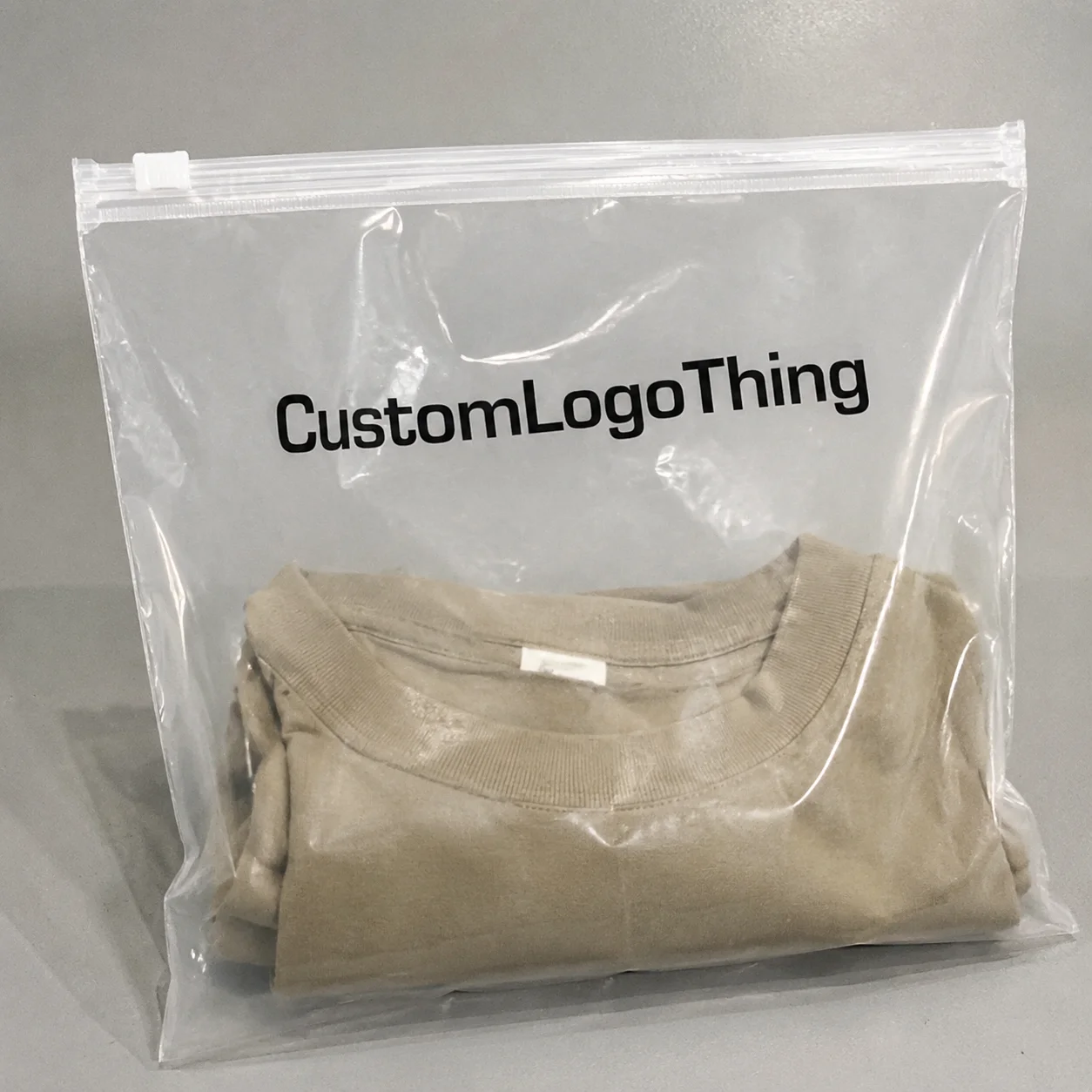
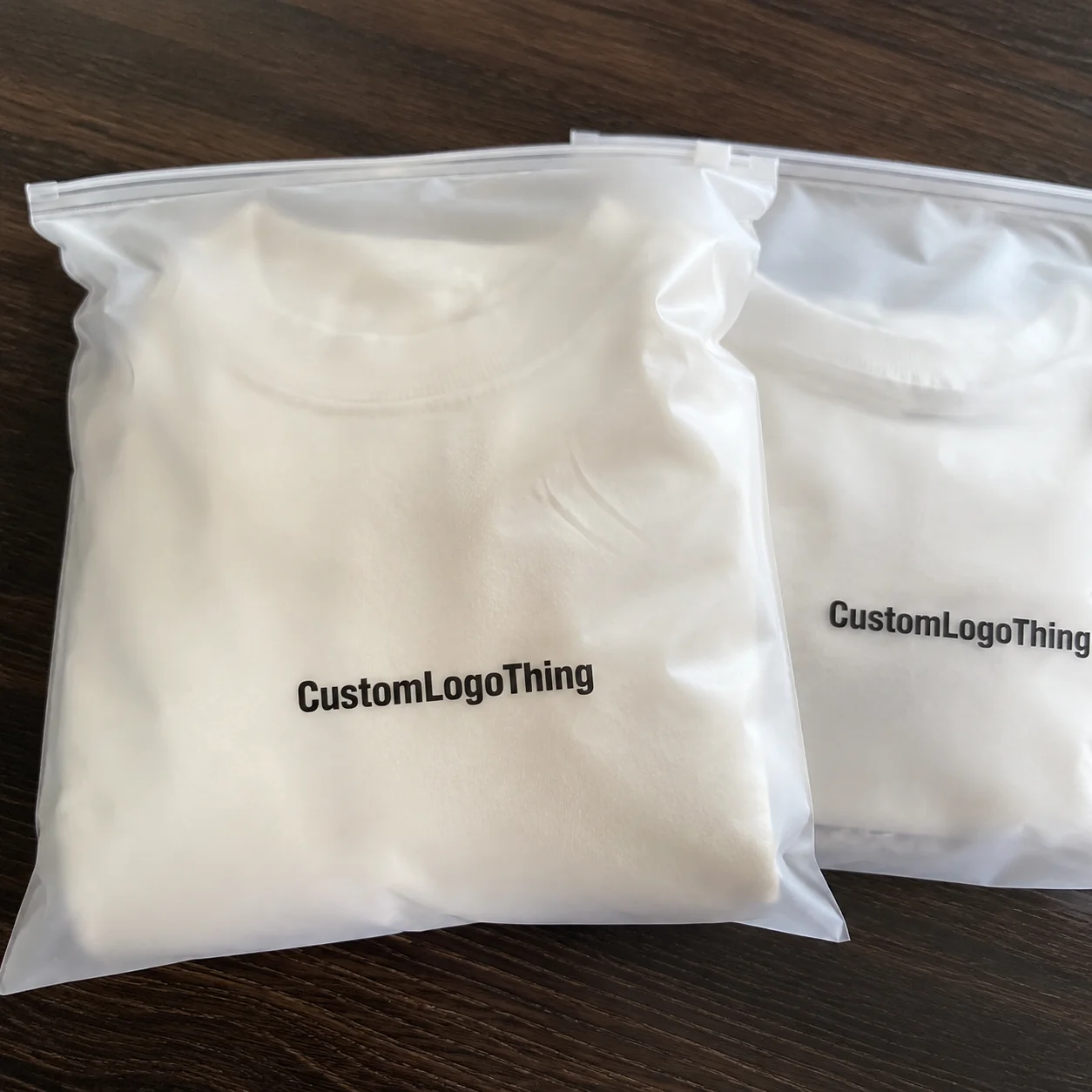
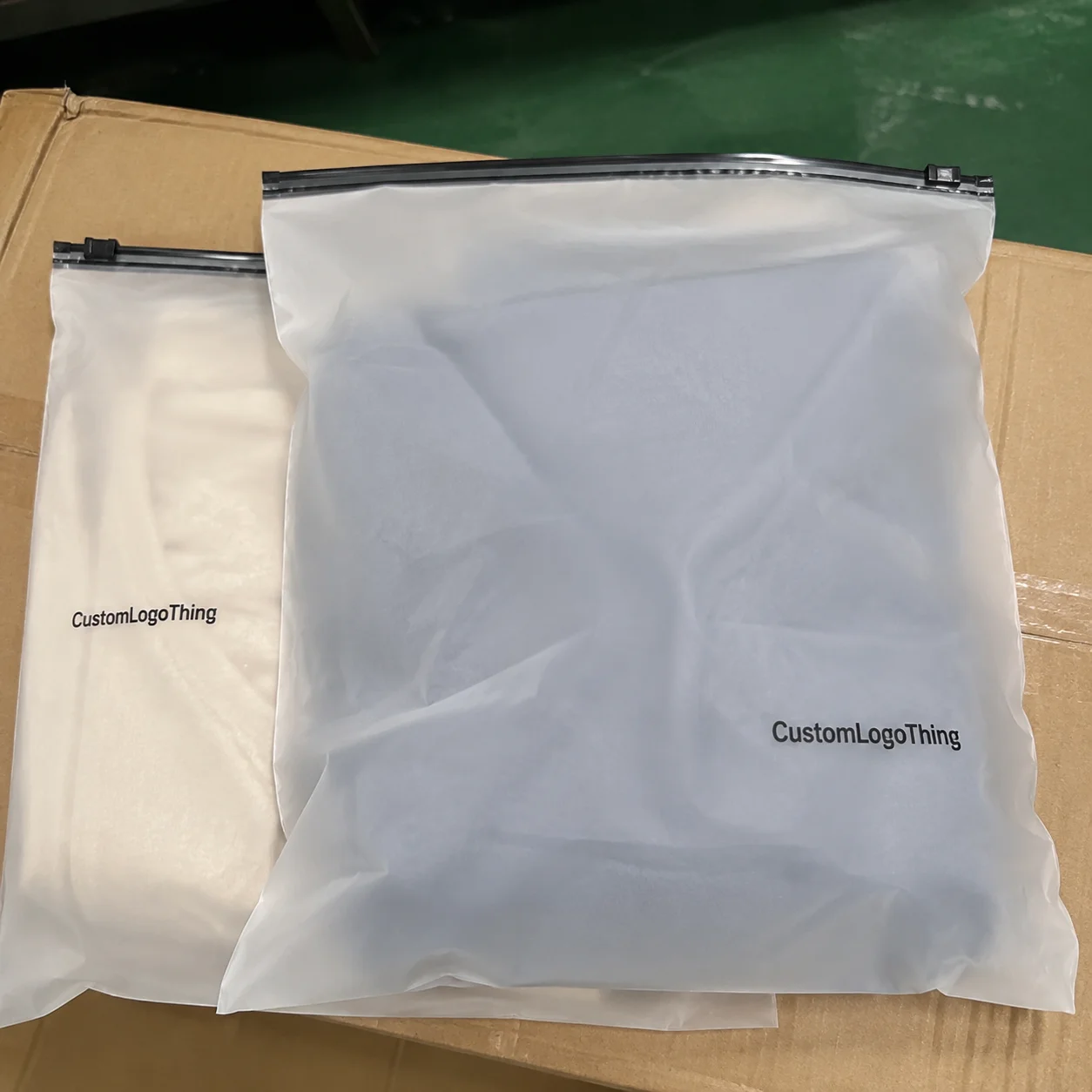
For food plants, commissaries, central kitchens, and prep facilities, Custom Plastic Garment Bags unit cost for food is rarely controlled by one dramatic line item. The price usually shifts because a bag is slightly wider than it needs to be, a gauge is heavier than the job requires, a print spec adds extra setup, or the pack-out creates avoidable handling at receiving. Those details look small on a quote sheet, but they compound quickly when the same bag is used every shift.
A well-specified garment bag protects uniforms, smocks, aprons, sleeve covers, or other workwear from dust, handling, and cross-contact during staging. It also keeps issue points organized, especially in facilities where clean garments are prepared in batches and moved through several hands before use. From a packaging buyer's point of view, the goal is not to buy the thickest or most elaborate bag. The goal is to define the handling path clearly enough that the bag can be made consistently, priced honestly, and reordered without a new round of guesswork.
Why Small Spec Changes Lower Waste in Food Operations

Food operations do not need decorative packaging for internal garment control. They need predictable packaging that holds up to routine handling, protects clean items, stores efficiently, and does not slow the people receiving, stocking, or issuing the bags. A bag oversized by an inch or two can seem harmless during sampling, yet over a monthly or quarterly run it means more film, larger cartons, lower pallet density, and more storage space than the operation may have planned for.
The style is often less important than the finished specification. Two layflat bags can appear almost identical in a photo and still quote differently once width, length, gauge, print, venting, closure, and carton count are confirmed. If a facility uses thousands of bags across multiple departments, a small adjustment to fit can change how quickly garments are inserted, how cleanly cartons are stocked, and how much scrap or unused film is built into the purchase.
Many buyers also treat thickness as a substitute for performance. Sometimes a heavier gauge is warranted, particularly if the garment has sharp folds, bulky seams, snaps, or a longer transport path. In many staging applications, though, a lighter film with the right dimensions and good tear resistance is more sensible than a heavy bag that adds resin cost without improving the work. A custom run should feel controlled and repeatable, not overbuilt by habit.
The same discipline used for product packaging, retail packaging, or Custom Printed Boxes applies here: define the actual use first, then build the spec around that use. If the bag is mainly an internal utility item, the smartest cost reduction often comes from trimming excess material, not from pressuring the supplier to shave pennies from an unclear design.
The best quote is not always the cheapest-looking one. It is the quote that matches the real handling pattern in the building and gives the supplier enough information to reproduce the same bag on the next order.
Bag Styles, Film Options, and Closures That Fit the Job
Most food-related garment bag projects begin with a few practical construction choices. Layflat bags are the simplest format and work well for folded uniforms, smocks, aprons, or light garments that need fast insertion and clean stacking. Gusseted bags add internal volume for bulkier garments or bundled items without forcing the buyer to increase the entire footprint. A sealed, taped, wicketed, or otherwise controlled closure can help when the bag travels farther through the facility or needs a more secure handoff.
LDPE and similar polyethylene structures are common because they are flexible, reasonably tough, and straightforward to convert into repeatable bag formats. Depending on the use, buyers may also review LLDPE blends, clarity levels, recycled-content options where appropriate, or tinted films for department identification. The right material depends on the garment shape, handling method, storage conditions, and any internal food-safety or clean-area expectations.
Film feel matters. A bag that is technically strong enough may still be frustrating if it clings too aggressively, opens poorly with gloved hands, or collapses while an operator is trying to insert a folded garment. Clarity can matter as well. If staff need to identify contents quickly, a clear film may reduce sorting time. If the operation uses color coding or wants less visibility, tinted or opaque film may be more useful. None of these decisions should be made in isolation from the workflow.
Printing is another place where restraint can save money. A one-color size mark, department code, part number, or simple logo is often enough for internal use. Multi-color branding may be appropriate when bags support a broader packaging program, but every added color introduces more setup, plate work, registration control, and inspection. Buyers who already manage branded packaging or package branding programs usually recognize the tradeoff: print should solve an identification problem, not create cost for a bag that is mostly used behind the scenes.
For teams that already buy through custom packaging products, it helps to use familiar spec language across categories. Width, length, thickness, material, print, pack count, and destination details should be written with the same care used for labels, cartons, inserts, or other packaging design documents.
| Bag Type | Best Use | Typical Cost Impact | Operational Note |
|---|---|---|---|
| Layflat bag | Folded uniforms, light staging, simple issue points | Lowest, with fewer conversion steps | Easy to pack and store; strong option for repeat orders |
| Gusseted bag | Bulkier garments or layered items | Moderate increase from added film and forming complexity | Adds room without requiring a much wider flat bag |
| Closed or sealed format | Controlled transport, cleaner handoff, reduced open exposure | Higher because of added processing and tighter checks | Useful when garments move through a longer handling path |
Material and sustainability language should be handled carefully. A thinner bag may reduce resin use, but only if it still performs without tearing, double-bagging, or rejected product. A recycled-content option may support internal goals, but it needs to be reviewed against clarity, strength, odor, regulatory expectations, and use location. The EPA's plastics guidance is a helpful reference for teams separating material-efficiency decisions from broader disposal and waste-management questions.
Specifications That Decide Fit, Performance, and Compliance
The core spec should be locked before pricing begins: finished width, finished length, thickness, material, seam style, color, print, fold pattern, carton count, and any special feature such as ventilation, hang holes, tape closure, wicketing, or perforation. These are not clerical details. They determine resin usage, machine setup, conversion method, inspection points, carton configuration, and the way the finished bag behaves in the facility.
Gauge alone does not tell the whole story. A 1.5 mil bag and a 2 mil bag may sound close, but the cost difference becomes real when the bag is large and the order quantity is high. A smaller bag and a larger bag can also share the same gauge while using very different amounts of film. That affects unit price, freight weight, pallet density, and how many cartons the receiving team has to handle.
Practical sizing starts with the actual garment or bundle. Measure the folded width and length, account for thickness, then add only the clearance needed for comfortable insertion and stacking. A bag that is too tight slows packing and can split at stress points. A bag that is too loose wastes film and may bunch or slide during storage. The right fit usually has enough room for easy loading without turning the bag into a loose sleeve of unused material.
If garments are damp, warm, freshly laundered, or sealed for longer storage, ventilation may need to be discussed. Vent holes can reduce trapped air and make packing easier, but they also change the exposure profile. If the bag is used in or near a controlled food-handling area, the buyer should confirm whether open holes, closures, or specific material documentation are acceptable under internal procedures.
Food-contact language deserves early clarification. Many garment bags are used around food operations without being intended for direct food contact, and that distinction affects documentation. If the bag might contact food-contact surfaces, clean garments, or controlled-zone supplies, ask for resin information, production method details, and any applicable compliance documentation before approval. Waiting until after samples arrive can stall the order and force a revision that should have been priced from the start.
Dimensional tolerances should be discussed as well. Poly bags are converted at speed, and a supplier should be able to state reasonable tolerances for width, length, gauge, print placement, and carton count. That does not mean every bag will measure exactly the same. It means both sides understand the acceptable range before a shipment is judged.
Custom Plastic Garment Bags Unit Cost for Food: What Sets the Price
Several cost drivers move in predictable ways. Resin market conditions influence the base material cost. Finished dimensions and gauge determine film weight. Print complexity adds artwork handling, plates or print setup, press time, registration control, and inspection. Bag features such as gussets, closures, holes, perforations, or special folding add conversion time. Carton configuration affects labor, freight density, and warehouse handling. Quantity matters because setup costs are spread across more or fewer bags.
MOQ shapes the price curve more than many buyers expect. A short custom run usually carries a higher unit cost because the supplier still has to review the spec, prepare the line, confirm materials, handle artwork if printed, and pack the finished goods. A larger run generally lowers the per-bag number because those fixed steps are distributed across more units. The largest order is not automatically the best order, though. Storage space, cash flow, shelf life of internal standards, and expected usage all belong in the decision.
There are practical ways to lower cost without weakening the bag. Standardizing one size across departments can reduce setup complexity and improve purchasing volume. Simplifying print to one color, one side, or a small identification mark often saves more than expected. Eliminating a closure that nobody uses may reduce both cost and lead time. Aligning carton counts with weekly or shift-level usage can also reduce partial cartons, repacking, and extra handling.
A good quote should make the assumptions visible. Buyers should know whether the number includes artwork, setup, plates, freight, special packing, samples, or documentation. If one supplier quotes a lower price but assumes a lighter gauge, fewer bags per carton, no print setup, or different freight terms, the comparison is not equal. The cheapest line item can become expensive if it creates receiving problems, inconsistent fit, or a reorder that no one can reproduce.
For a simplified view of how common choices affect price, the pattern usually looks like this:
| Spec Choice | Typical Effect on Unit Cost | Why It Moves the Price |
|---|---|---|
| Smaller dimensions | Lower | Uses less resin and may pack more efficiently |
| Heavier gauge | Higher | Adds film weight and can affect conversion speed |
| One-color print | Moderate increase | Adds setup and inspection while keeping the print manageable |
| Multi-color print | Higher | Requires more setup, registration control, and press attention |
| Higher MOQ | Lower unit price | Spreads fixed costs across more finished bags |
| Special pack-out | Varies, often higher | May add manual handling, labels, inner packs, or carton changes |
Freight should not be treated as an afterthought. A bag with a lower manufacturing cost may ship less efficiently if the carton count, pallet pattern, or finished dimensions are poorly matched to the order. For buyers comparing broader packaging systems, resources from ISTA can be useful when carton integrity, transport testing, and distribution assumptions are part of the conversation.
Production Steps, Lead Time, and Turnaround Risks
A typical custom bag order moves through spec review, material confirmation, artwork approval if printed, film production or sourcing, conversion, quality checks, packing, and shipment. The machine time is only one part of the schedule. Approval delays often create more trouble than production itself, especially when multiple departments need to review copy, size markings, food-safety language, or receiving labels.
Unclear dimensions are one of the most common causes of delay. A photo of an existing bag is useful, but it is not a substitute for finished width, length, gauge, and construction details. If the supplier has to infer a fold allowance or estimate the size from an old purchase order, the quote may be soft and the production plan may need revision later. Missing or low-resolution artwork creates the same kind of drag on printed bags.
Changes after quoting should be treated with care. Increasing quantity may sound simple, but it can affect resin planning, production scheduling, and carton supply. Changing a pack count can alter labor and freight assumptions. Adding a closure, vent hole, or custom label late in the process may require new setup or a revised proof. None of these changes is unusual, but each one should be priced and timed honestly.
Lead times vary by material availability, print requirements, order size, and whether the supplier is repeating a proven spec. A repeat run with approved artwork and stable material is usually much faster than a new construction. A first-article sample, food-related documentation review, or special compliance requirement can add days or weeks. A realistic timeline is worth more than a polished promise that fails after the purchase order is placed.
Quality control should be built into the production plan. Common checks include finished size, gauge, seal strength, print placement, print legibility, carton count, and visual defects such as contamination, excessive blocking, wrinkles, or poor roll or stack behavior. For food operations, packaging cleanliness and traceability may also matter, even if the bag is not a direct food-contact item.
The Packaging School's industry resources can help internal teams keep vocabulary straight when comparing materials, converting steps, and packaging formats. Clear language makes approvals faster and reduces the chance that procurement, operations, and quality teams are using the same words to mean different things.
How to Judge a Supplier on Consistency, Documentation, and Service
The strongest supplier signal is not polished sales copy. It is whether the supplier can explain the material, describe the construction, identify the cost drivers, and tell you how the finished bags are checked before shipment. Vague answers to basic questions usually mean the buyer is carrying more risk than the quote reveals.
Consistency matters because the bag has to work the same way run after run. A small change in film stiffness, opening behavior, seal placement, or finished size can show up immediately at the packing station or issue point. Operators notice when a bag that used to load easily starts catching at the corners or tearing at the seal. Procurement may see only a line item, but operations feels the variation.
A capable supplier should be comfortable discussing tolerance ranges, sample approval, lot identification, resin information, print proofs, and carton labeling. The level of documentation should match the application. A simple internal garment bag may not need the same file as a regulated primary package, but there should still be enough recordkeeping to explain what was ordered, what was approved, and what changed if a later run behaves differently.
Service quality often appears in the questions a supplier asks before quoting. A careful supplier will ask how the bags are loaded, whether they are stored flat or hung, how many are used per shift, where they ship, whether the cartons need special labels, and whether the bag is part of a larger packaging design or branded packaging program. Those questions are not delays. They are the work that turns a loose request into a repeatable specification.
Good suppliers do not hide tradeoffs. They explain where the cost is coming from, what can be simplified, and what should stay unchanged if the bag needs to perform the same way on every run.
What to Send for an Accurate Quote and Fast Reorder
For a clean quote, send finished dimensions, bag style, thickness, material preference, color or clarity, print requirements, quantity, carton count if known, destination ZIP or freight terms, and any food-safety or clean-area documentation expectations. If the bag must fit an existing process, include a sample photo, a marked-up sketch, or a physical sample when practical. A few precise details at the start can remove several rounds of clarification.
If multiple suppliers are quoting, keep the request identical. Otherwise, the numbers will not compare cleanly. One supplier may assume a lighter gauge, another may include print setup, and another may quote a different carton count. Compare unit cost, MOQ, lead time, freight, documentation, and included services together. A low per-bag price is less useful if it arrives with hidden setup charges or a pack-out that complicates storage.
For repeat orders, save the approved spec, artwork file, proof, sample approval, carton configuration, and any documentation together. The next purchase order should begin from a known baseline, not from memory. This is especially useful for food operations, where garment supply supports daily labor and the cost of a late or incorrect order can exceed the price difference between two quotes.
If the order sits within a larger branded packaging program or a wider group of custom packaging products, keep the language consistent across categories. The same habit that prevents carton, label, and insert errors will also prevent bag errors. Stable specs produce cleaner quotes, faster reorders, and fewer surprises when the shipment lands.
The practical way to control Custom Plastic Garment Bags unit cost for food is to quote the exact use case, confirm the first run carefully, and then refine the repeat order once the bag has proven itself in the facility. That approach protects budget without guessing at performance, and it gives both buyer and supplier a clear standard to return to.
What affects custom plastic garment bags unit cost for food orders the most?
The largest drivers are finished size, gauge, material, print complexity, order quantity, and pack-out. Resin pricing and freight also affect the final number, especially on short runs or bulky carton configurations.
Can I reduce the unit cost without changing the bag's basic function?
Yes. The most common controls are right-sizing the bag, avoiding unnecessary gauge, simplifying print, standardizing dimensions across departments, and matching carton counts to actual usage. The goal is to remove waste without making the bag harder to load or easier to tear.
What MOQ should I expect for a custom food-industry garment bag run?
MOQ depends on size, material, print, special features, and whether standard tooling or a custom setup is needed. A supplier should state the MOQ clearly and show how price changes at higher quantities so the buyer can compare inventory cost against unit savings.
How do I confirm the bag is appropriate for food operations?
Clarify whether the bag is used near food, on food-contact surfaces, or only for garment staging. Then ask for resin type, production method, and any documentation required by your internal quality or food-safety procedures before approving the order.
What should I send to get the fastest accurate quote?
Send finished dimensions, bag style, thickness, material preference, quantity, print details, pack-out needs, destination ZIP or freight terms, and any compliance requirements. A marked-up photo, sketch, or sample helps the supplier quote the correct part with fewer follow-up questions.