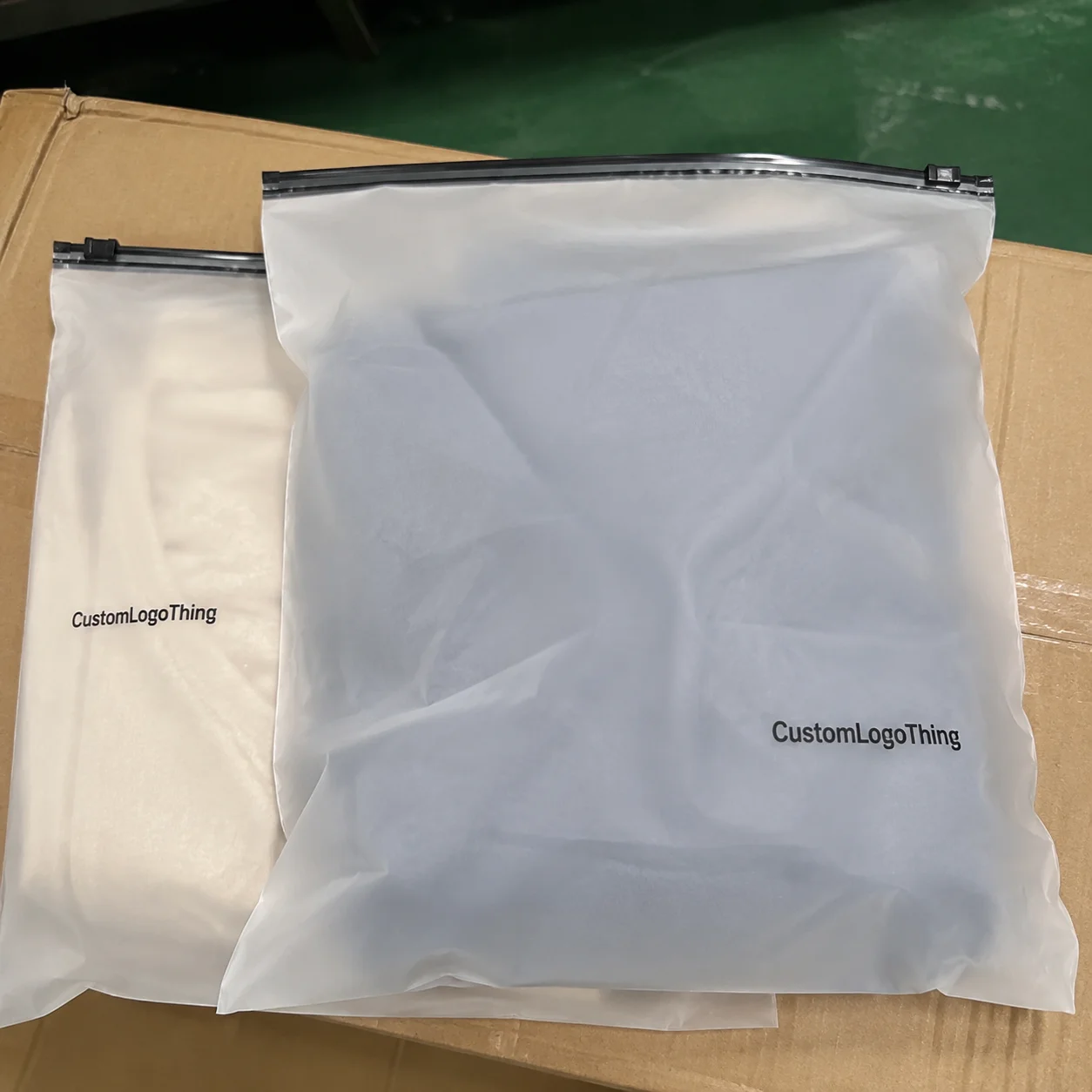
A bakery chain sending aprons, staff shirts, seasonal tees, or retail merch to multiple stores has one very unglamorous problem: keeping every piece clean, visible, and easy to hand out. That is why buyers end up looking at custom Custom Plastic Garment Bags for bakery brands, even though the phrase sounds like it got typed twice by mistake.
The bag is not just a wrapper. It is part of the handoff. A cloudy, flimsy, wrinkled bag makes the apparel order look rushed, even if the garment inside is perfectly fine. A clear printed bag with the right fit does the opposite. It tells the receiving team that the order was packed with care and that the sizes, counts, and labels were likely checked before shipment.
For bakery brands, these are usually polyethylene garment bags made for folded or hanging apparel. They may carry a logo, size mark, department code, simple brand message, vent holes, a hanger opening, or a resealable closure. The point is not luxury storage. The point is cleaner packing, faster sorting, less handling, and a better presentation when uniforms or merchandise arrive at a store opening, training event, or retail counter.
Why Bakery Brands Use Plastic Garment Bags for Cleaner Presentation
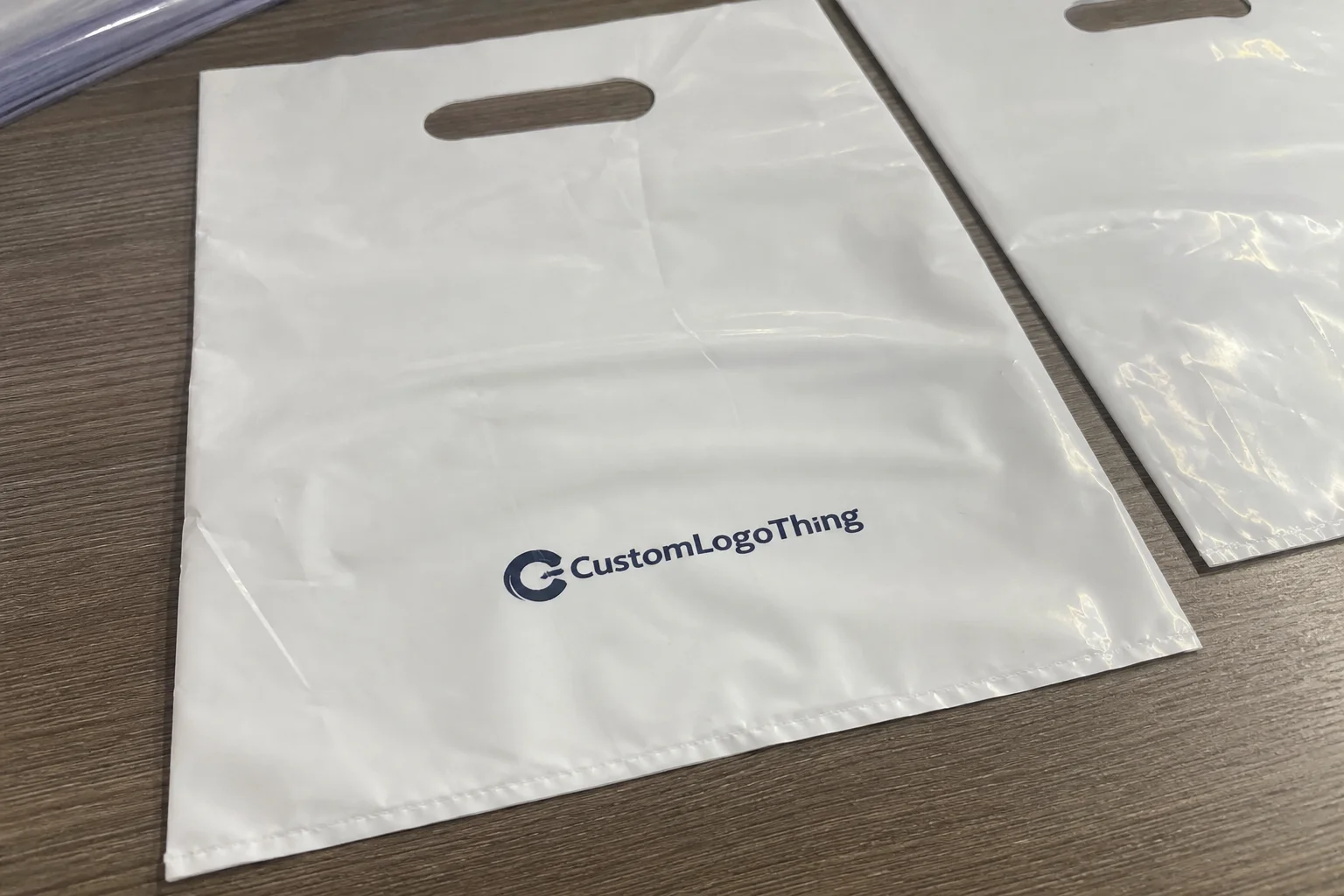
Bakery uniforms get handled more than people assume. They move from a decorator or converter, to a central warehouse, to a store manager, then to a staff member, and sometimes into a locker or back room before they are worn. If those aprons or shirts are loose in a carton, dust, finger marks, wrinkles, and mixed sizes show up fast. The carton may be clean. The process usually is not.
A garment-style plastic bag solves several small problems at once. It protects the fabric surface, keeps size runs organized, and gives the receiving team a way to identify each piece without opening and refolding it. That matters when one store gets 45 aprons in three sizes and two colors, while another gets 12 chef coats and branded caps for a launch kit.
From a packaging buyer's point of view, the biggest advantage is control. A bakery brand can pack each item with the logo facing forward, add a printed size marker, and use a clear bag so the staff can see what is inside. For internal use, a simple one-color logo on clear LDPE is usually enough. For retail packaging, a thicker film with cleaner print and a more consistent seal gives the product a better shelf feel.
These bags also support package branding without complicating the apparel itself. If the shirt has a subtle embroidered logo, the bag can carry the stronger visual cue. If the apron is plain but part of a franchise onboarding kit, the printed garment bag makes the rollout look more organized. The bag becomes a visual cue that the order was planned, not improvised.
Practical rule: if the garment will be handed to a staff member, franchisee, customer, or retail buyer, treat the bag as visible branded packaging. If it only sits in a stockroom for a few days, keep the spec simple and spend where it matters.
The strongest orders for custom Custom Plastic Garment Bags for bakery brands start with the actual use case. Is the bag for uniforms, retail tees, aprons sold beside boxed pastries, or seasonal promo kits? Each one needs a slightly different size, film thickness, and print approach.
How the Bag Works in Packing, Storage, and Delivery
The workflow is straightforward, which is part of why it works. Fold the garment or apron to the approved size, slide it into the bag, seal it or hang it, then move it through packing, storage, or store delivery with less dust and fewer fingerprints. The bag becomes a small control point in a messy supply chain.
Transparency matters more than many design teams expect. Clear or lightly tinted film lets staff identify size, color, department, or item type without opening every bag. That saves time during store allocation. It also prevents the familiar packing-line failure where someone opens a bag to check a size, cannot fold the garment the same way, and the carton starts looking untidy before it even leaves the dock.
The teams that use these most are usually operations, franchise onboarding, retail merchandising, and marketing groups building seasonal kits. Operations wants speed and clean sorting. Franchise teams want consistency across openings. Retail merchandising wants packaging that looks controlled on a peg, shelf, or counter display. Marketing wants the logo to show up cleanly in photos and handoff moments.
There are limits. If the item is small, flat, and mailer-friendly, a poly mailer or paper sleeve may be cheaper. A printed paper belly band can work for folded tees if dust protection is not a concern. For bakery brands using Custom Printed Boxes for gift sets, apparel may sit inside the box as part of a larger launch kit. The garment bag is most useful when the item needs protection, visibility, and repeated handling before it reaches the final person.
For teams comparing packaging options, the International Safe Transit Association publishes useful testing resources for shipping stress, vibration, compression, and handling. A garment bag is not a transit shipper by itself, but it sits inside the shipping system. If the carton gets crushed or the pack-out process is rough, the bag does not fix that. It only preserves the contents within the limits of the surrounding package.
Specs That Change the Look and Performance
Start with size. Not artwork. Not the logo. Size. Measure the actual folded garment, then add enough room for loading, seal allowance, and the way the bag will sit in a carton or on a hanger. A folded apron may need something near 12 x 16 inches, while a longer hanging garment bag may run 21 x 40 inches or larger. The exact number depends on fold style, fabric thickness, embroidery, and whether the item includes straps, ties, or bulky seams.
Film thickness changes both cost and feel. Thin LDPE or PP film may land around 1.0 to 1.5 mil for basic internal packing. Retail-facing bags often move closer to 2.0 to 3.0 mil because they resist wrinkling better and feel sturdier in hand. Thicker is not automatically better. It costs more, takes more storage space, and may be unnecessary for a shirt that only travels from a warehouse to a staff locker.
Print method matters as well. One-color flexographic printing is the workhorse for simple logo bags. It is clean, cost-effective, and forgiving. Two-color printing gives better brand control, but it adds setup cost and can expose registration issues if the art is too fine. Full-color or heavy ink coverage can look strong, but it requires tighter proofing, longer setup, and higher minimums. On clear or semi-gloss film, tiny text and thin lines can lose definition quickly.
Functional details deserve real attention. Vent holes reduce trapped air and help bags stack flatter. A reinforced hanger opening helps if items will hang in a stockroom or retail area. A resealable zipper supports repeated access, but it adds cost and can slow packing. Bottom seals affect strength. Gloss film looks crisp but shows glare. Matte film feels softer but can mute some colors.
| Spec Choice | Typical Range | Best Use | Tradeoff |
|---|---|---|---|
| 1.0-1.5 mil clear LDPE | Basic lightweight film | Internal uniform packing | Lower cost, wrinkles more easily |
| 2.0-3.0 mil LDPE or PP | Sturdier retail feel | Merchandise, launch kits, franchise packs | Higher unit cost and more carton volume |
| One-color logo print | Usually the lowest setup path | Clean package branding | Less visual depth than multi-color print |
| Zipper or adhesive closure | Custom closure option | Reusable garment storage | Adds labor, cost, and another failure point |
If sustainability claims matter, ask for actual material data rather than soft language. Some buyers ask about recyclable polyethylene, post-Consumer Recycled Content, or paper alternatives. Local recycling acceptance varies, so a recyclable resin grade is not the same thing as a recycled outcome. Ask how the bag should be labeled, and make sure the claim matches the material and the market it will be sold or used in.
For bakery brands, the strongest spec is usually the most practical one: clear film, correct size, restrained logo, strong seal, and enough thickness to survive the handling path. Boring often wins in packaging design. Not every package needs to be loud to look intentional.
Production Steps and Timeline for a Custom Run
A custom run follows a predictable sequence. First comes the quote, based on size, material, thickness, print colors, quantity, closure, and shipping destination. Next is artwork review. The supplier checks logo format, color targets, print size, bleed, registration risk, and any dieline requirements. After that, a sample or proof is approved before bulk production begins.
Simple structural samples often take 5 to 10 business days, depending on whether the supplier already has similar film and tooling available. Printed samples may take longer because plates, cylinders, or digital setup can be involved. Bulk production often runs 15 to 25 business days after proof approval for straightforward orders. Freight adds its own clock, especially if the order is moving internationally or needs consolidation with other packaging items.
Here is the usual production path:
- Confirm dimensions, film type, thickness, closure, and print method.
- Submit vector artwork, usually AI, EPS, or print-ready PDF.
- Review proof, color notes, placement, and any tolerance limits.
- Approve the plain sample or printed sample.
- Start plate, cylinder, or print setup if required.
- Run bulk production, then inspect seals, print position, film clarity, and carton count.
- Pack, label cartons, book freight, and deliver to the warehouse or store network.
Most delays are ordinary, not dramatic. Missing dielines. Low-resolution logos pulled from a website header. Vague color targets like “make it close to our red.” Last-minute size changes after tooling has started. None of these are rare. They just cost time and money.
The one rule that saves the most time is simple: lock the dimensions and print method before polishing the design. A logo can move half an inch without wrecking the budget. A bag changing from 12 x 16 inches to 14 x 20 inches after setup may require new plates, new film planning, and a new quote. That is how a clean three-week job becomes a scheduling problem.
Brands ordering several packaging pieces at once should align the garment bag schedule with cartons, labels, inserts, and any custom packaging products in the same rollout. A beautiful bag arriving two weeks after the uniforms is not a packaging strategy. It is a storage issue with tracking numbers.
Cost, MOQ, and Unit Pricing for Bakery Orders
Pricing moves with five main variables: size, film thickness, print colors, finish, and custom features. A small clear one-color bag for folded aprons will not price like a long hanging garment bag with a zipper, vent holes, and two-sided print. Same category. Very different math.
As a planning range, simple custom printed garment bags may land around $0.12 to $0.35 per unit at higher quantities, such as 10,000 to 25,000 pieces, depending on size and print. Smaller runs around 1,000 to 3,000 pieces can climb into the $0.45 to $1.20 range because setup cost has fewer units to spread across. Heavier film, multi-color printing, resealable closures, and special packing requirements push the number higher.
MOQ depends on the supplier and print method. Some domestic digital or short-run options may start lower, but the unit cost is usually higher. Overseas production can bring the per-unit price down, but minimums often start around 5,000 to 10,000 pieces for a practical custom run. If a quote looks unusually cheap, check whether it excludes plates, sample fees, cartons, duties, or freight. The low number often appears before the real total does.
Compare quotes by landed cost, not just unit cost. Landed cost includes the bag, setup, samples, packing, freight, duties, and delivery to the final warehouse. A $0.19 bag with $1,600 freight may lose to a $0.27 domestic option if the quantity is small and the deadline is tight.
| Order Scenario | Typical Quantity | Estimated Unit Range | Good Fit |
|---|---|---|---|
| Basic internal apron bags | 3,000-5,000 | $0.35-$0.75 | Store operations and staff uniform kits |
| One-color retail garment bags | 5,000-10,000 | $0.22-$0.45 | Bakery merch, promo apparel, franchise openings |
| Premium thicker printed bags | 10,000-25,000 | $0.18-$0.38 | Retail packaging with stronger shelf presentation |
| Special closure or multi-color run | 10,000+ | $0.30-$0.80+ | Higher-touch kits or reusable garment storage |
These are planning numbers, not a promise. Resin prices, freight lanes, labor, ink coverage, and carton packing all affect the final quote. For bakery brands already buying custom printed boxes, labels, and paper bags, bundling discussions can help. Sometimes one supplier can coordinate several pieces. Sometimes splitting suppliers gives better pricing or speed. There is no universal answer, only the one that fits the schedule and the order size.
For examples of how brands organize packaging systems across different products, the Custom Logo Things case studies can help buyers think beyond one bag and plan the full presentation set.
Common Ordering Mistakes That Waste Budget
The most common mistake is sizing by guesswork. Someone measures a flat shirt, not the folded shirt. Someone forgets apron ties. Someone approves a size based on a spec sheet, then the real garment arrives thicker after embroidery. The result is a bag that bulges, wrinkles, or hides the logo area. Measure the actual packed item. Then measure it again after a normal person folds it, because production-line folding is rarely showroom folding.
Artwork creates the next batch of headaches. Tiny text, thin linework, delicate scripts, and complicated bakery illustrations can disappear on plastic film. Clear film also changes contrast. A pale cream logo may look lovely on a digital proof and nearly invisible on a bag sitting under store lighting. For most custom Custom Plastic Garment Bags for bakery brands, a simple logo mark at 3 to 6 inches wide prints cleaner than a crowded full-panel design.
Another mistake is ignoring the packing flow. If workers need to peel liners, align hangers, remove static, and fight a zipper for every unit, the bag may slow the line down. A prettier bag that adds 20 seconds per item becomes expensive fast. For 5,000 units, that is more than 27 hours of extra labor. Nobody budgets for that.
Skipping samples is the mistake that usually hurts the most. A plain sample checks fit, loading speed, hole placement, seal strength, and film feel. A printed sample checks logo clarity, ink density, color shift, and print position. If the order has a deadline, approve samples quickly, but do not skip them unless the risk is genuinely small.
- Measure real garments: include fold depth, ties, collars, embroidery, and hangers.
- Use vector artwork: avoid low-resolution PNG files and tiny line details.
- Check handling: test how fast one person can load 25 bags in a row.
- Review carton packing: confirm how many bags fit per carton without crushing.
- Approve samples: inspect both structure and print before mass production.
Also watch for claims around food contact. These bags are for garments, not pastries. If bakery staff ask whether the same plastic can touch baked goods, treat that as a separate product packaging question with different compliance requirements. Material properties can be tested, but food-contact suitability still depends on the exact resin, additives, and documentation. Do not blur those categories to save a few cents.
Expert Tips and Next Steps for a Better Quote
Start with one hero size. If needed, add one backup size for a different garment type. Trying to force one bag to fit aprons, polos, hoodies, and chef coats usually creates a bag that fits none of them well. A slightly oversized bag may be acceptable for stockroom storage, but it looks sloppy for retail packaging or franchise presentation.
Keep branding simple. One strong logo placement, one or two print colors, and a clean print area usually look sharper than a bag loaded with slogans, icons, social handles, and care instructions. If the garment already has branding, the bag should support it rather than compete with it. Package branding works best when the buyer can understand it in one glance.
Ask for both a structural sample and a printed sample when budget and timing allow. Check clarity, thickness, seal quality, opening width, static, print rub, and whether the bag actually speeds packing. Load 10 to 25 units as a test. If the team starts improvising, the spec needs work.
Use this checklist before requesting pricing:
- Flat bag width and length, measured from the actual folded or hanging garment.
- Film material, such as LDPE, HDPE, PP, or a recycled-content option if available.
- Target thickness, usually 1.0-3.0 mil depending on handling and presentation.
- Print colors, print area, logo file format, and Pantone or brand color targets.
- Closure type, hanger hole, vent holes, bottom seal, and any size labeling.
- Order quantity, target delivery date, and ship-to location.
- Use case: internal uniform packing, retail merch, franchise onboarding, or seasonal kits.
The best quote request is specific without being overdesigned. Give the supplier the job the bag has to do, the garment measurements, the quantity range, and the brand requirements. Then ask for a practical option and a better-presentation option. That comparison usually reveals whether the premium feature is worth paying for.
For bakery brands, custom Custom Plastic Garment Bags for bakery brands make the most sense when apparel needs to stay clean, sorted, and presentable through real handling. Order the Right size, keep the print clean, approve samples, and compare landed cost. That is the difference between a bag that supports the brand and a bag that just adds plastic to the invoice.
Frequently Asked Questions
What size custom plastic garment bags do bakery brands usually need?
Measure the folded garment or apron first, then add room for loading, seal allowance, and any extra fold depth. Many buyers choose a size based on the largest item in the set, not the average item, so the bag does not bunch, strain at the seal, or wrinkle the logo area. If the order includes multiple apparel types, ask for a second size instead of forcing one bag to handle everything.
How much do custom plastic garment bags for bakery brands cost?
Price depends on size, thickness, print colors, order quantity, setup, and freight. Simple one-color runs usually cost less per unit than full-color or heavily customized bags. As a planning range, small custom runs may cost $0.45-$1.20 per unit, while larger runs can fall closer to $0.12-$0.35 per unit. Request quotes that show sample fees, tooling, shipping, and minimum order quantity so you can compare the true total cost.
What lead time should I expect for a printed run?
A normal project needs time for artwork approval, sampling, production, inspection, and shipping. Simple samples often take 5 to 10 business days, while bulk production often takes 15 to 25 business days after proof approval. Rush orders may be possible, but expect a higher price and less flexibility on print complexity, material choice, or custom closures.
Which material thickness works best for branded bakery apparel bags?
Thinner film around 1.0-1.5 mil works for low-cost internal use, while thicker film around 2.0-3.0 mil feels better and resists wrinkling for retail-facing presentation. If the bag needs to survive more handling, choose a sturdier gauge so the seam and seal do not fail during packing. Always ask for a sample in the actual thickness you plan to order, because feel and visibility change quickly with plastic film.
Do I need a sample before placing a bulk order?
Yes. A sample shows the real fit, print clarity, color density, seal quality, and packing speed before you commit to full production. A plain sample checks structure, while a printed sample checks branding and visibility. If the order is time-sensitive, review and approve the sample quickly so production does not stall.