Buyer Fit Snapshot
| Best fit | custom poly bags practices packing for packaging buyers comparing material specs, print proof, MOQ, unit cost, freight, and repeat-order risk where brand print, material, artwork control, and repeat-order consistency matter. |
|---|---|
| Quote inputs | Share finished size, material target, print colors, finish, packing count, annual reorder estimate, and delivery region. |
| Proofing check | Approve dieline scale, logo placement, barcode or warning zones, color tolerance, and any recyclable or compostable wording before bulk production. |
| Main risk | Vague material claims, crowded artwork, or missing packing details can create delays even when the unit price looks attractive. |
Fast answer: Custom Poly Bags Practices Packing: Film, Closure, Print, and Fulfillment should be specified like a repeatable production item. The safest quote includes material, print method, finish, artwork proof, carton packing, and reorder notes in one written spec.
What to confirm before approving the packaging proof
Check the product dimensions against the actual filled item, not only the sales mockup. Ask for tolerance on folds, seals, hang holes, label areas, and retail display edges. If the package carries a logo, QR code, warning copy, or legal claim, reserve that space before decorative graphics fill the panel.
How to compare quotes without losing quality
Compare board or film grade, print process, finish, sampling route, tooling charges, carton quantity, and freight assumptions side by side. A lower quote is only useful if the supplier can repeat the same color, closure quality, and packing count on the next order.
Quick Answer: Custom Poly Bags Best Practices in a Flash
When the Custom Logo Things Philadelphia thermoforming line in West Philadelphia glided a fresh polymer blend across its 420-foot-per-minute sealing track, the resulting 18% weight reduction while keeping tear resistance steady told me our story about Custom Poly Bags best practices needed a recalibration, and the operator reported that dialing back the 0.0015-inch LDPE anchor layer—sourced from the Wilmington, Delaware resin plant—balanced stiffness and stretch enough to satisfy the 60 cycles-per-minute sealing head.
I still remember the first shift I saw polymer behave like a ballet partner instead of a stubborn block of plastic; the weekly run of 5,200 units danced through quality checks because we respected every variable, and those poly mailer design guidelines the QA manager scribbles into his log keep everyone honest about resin orientation and die precision.
Walking past that line my brain sprinted because I had assumed our teams already squeezed every ounce of efficiency out of poly mailers—the quarter-inch extension to a 0.35-second dwell and the swap from a generic solvent to Spartan Chemical’s food-safe adhesive at $0.07 per pouch meant we could share Custom Poly Bags best practices with every ecommerce brand we work with.
The locally sourced adhesive ensures compatibility with both UV and pigment-driven inks when cured at 180°F, a detail that makes me feel like a detective tracing ink adhesion, and every adjustment mattered, with technicians joking about adhesives acting like toddlers, making me even more determined to keep things tidy.
It’s kinda satisfying to hear the crew finally agree the prints behave because we chased that ink issue down, and keeping the adhesives calm keeps the line from going sideways.
Aligning film selection with end-use keeps engineers from chasing problems later; lightweight glossy 2.7 mils (2.7 thou) for a Queens drop-ship clothing run keeps that silky touch, while rugged 3.0 mils with a nylon barrier core from the St. Louis coil protects electronics, and locking dimensional tolerances within ±0.06 inches before the first die is cut proves to clients that Custom Poly Bags best practices are not a reactive checklist but a coordinated prototype review between the print room and QA lab.
Our poly bag manufacturing timeline is the roadmap that turns those prototype reviews, die shops, and QA sign-offs into predictable shipments without scrambling the calendar.
The goal for anyone ordering poly mailers is to validate sealing profiles, print accuracy measured against Pantone 286 C, and material feel before full coil runs start so the customer ships reliably from day one; that thermal sealing profile, faithfully recorded within our poly mailer design guidelines, keeps adhesives calm and operators confident before any order leaves the floor.
I’ve lived by these best practices on every floor since that first union shop in Queens, where I learned a wrong seal profile can ruin a weekend and a good sample run makes a Monday worth showing up for.
Top Options Compared for Custom Poly Bags Best Practices
Across our Midwest facility, sampling materials ranging from matte 2.7 mil LDPE through the Kansas City extruder to clear 3.0 mil linear low-density blends from the St. Louis draw-down line confirms that custom poly bags best practices begin with knowing whether puncture resistance or print fidelity is the priority.
For example, the recycled-content line we run for a subscription candle brand scored 25 pounds on the pendulum tear test but demanded an ink viscosity tweak (raising it to 48 seconds on the Zahn cup) to keep gloss consistent, and I personally sat through that ink lab session with a very patient chemist from the Chicago color lab, convinced we should have a “viscosity whisperer” on every project.
Those findings also clarified exactly when to adjust the coating oven so matte finishes remain reliable.
Our testing matrix showed matte finishes, especially the tactile coat applied via soft-touch lamination at the San Antonio press where the coating adds 8 grams per square meter, required more post-press QA for color variance than gloss, high-opacity lay-flat films, yet they paid off when a client required luxury branded packaging that resisted fingerprints during packing at their Brooklyn fulfillment center.
I still get that little rush seeing a print pop over that tactile film—the kind of rush no one warned you about in graduate school.
Traditional high-strength poly mailers continue to win for retail packaging needing tamper-evident closures, and suppliers committed to custom poly bags best practices include extra sampling of adhesives, since compatibility of solvent-based hot melts such as H.B. Fuller 7962 with UV-violet inks varies widely; I’m gonna keep pushing for that additional sampling because I’d rather delay a run than answer frantic client calls about broken seals in the rain.
Specialty finishes like anti-static matte or gloss combined with bar-seal reinforcements excel for electronics or medical products, while standard poly with reinforced seams fits apparel drops at a lower rate; every option is measured against the checklist of custom poly bags best practices so clients can plan a mix of product, retail, and branded packaging without overwhelming quality control.
Yes, I’ve spent mornings reworking entire builds because someone forgot that the fulfillment partner wanted tear notches on the opposite side.
Detailed Reviews and Manufacturing Timeline for Custom Poly Bags Best Practices
At the Custom Logo Things San Antonio print center, formal drop tests on six poly mailer constructions tracked film strengths, tactile coatings, perforation quality, and the binding energy of heat-seals, proving that custom poly bags best practices demand not just high-quality raw materials but a QA mindset that includes ISTA 3A or ASTM D882 tensile testing and consistent fixture pressure in sealing stations.
I remember a QA tech who would measure seal strength with the same reverence a sommelier gives a vintage wine—seriously, I think he could tell you if a seal drifted by 0.2 pounds.
My notebook still holds an observation from a mid-shift lead who said, “Design lock isn’t real until the art team signs off after seeing the rejected 14×20 press proof,” and that insistence is why we treat counter samples, die-making, and press scheduling as a linear process instead of overlapping tasks; historically, missing one data point in that chain risked shipping mismatched logos or sub-standard seal strength.
I’ll be honest: pushing that “design lock” idea was like babysitting a cat—unpredictable but crucial.
Our poly bag manufacturing timeline begins with two weeks for collaborative design tweaks and digital proofs (often running three 90-minute review calls), followed by two-thirds of a month for plate production, sample laminations, and die tooling; then a standard six-week slotting for press runs, and finally shipping from our Northwest warehouse in Tacoma, Washington, to major distribution centers.
Sharing these numbers keeps planners aligned with custom poly bags best practices because earlier projects taught me how easily unexpected lead times throw off fulfillment calendars, and I still get a shiver remembering the time a shortened approval window almost derailed a national subscription rollout, so yes, I harp on this.
Every production cycle moves through our QA lab’s hydrostatic seal test, where adhesives are verified at 60°F, 72°F, and 90°F with 1,150 grams of pull, and two press-run proofs get color-matched on an Epson Pro 7900 before release; the stage gate approvals that support custom poly bags best practices prevent rush reprints and hold the line across our internal and client-facing teams.
Honestly, there’s nothing more satisfying than handing over a sample with every checkbox ticked—like turning in homework early and getting an A.
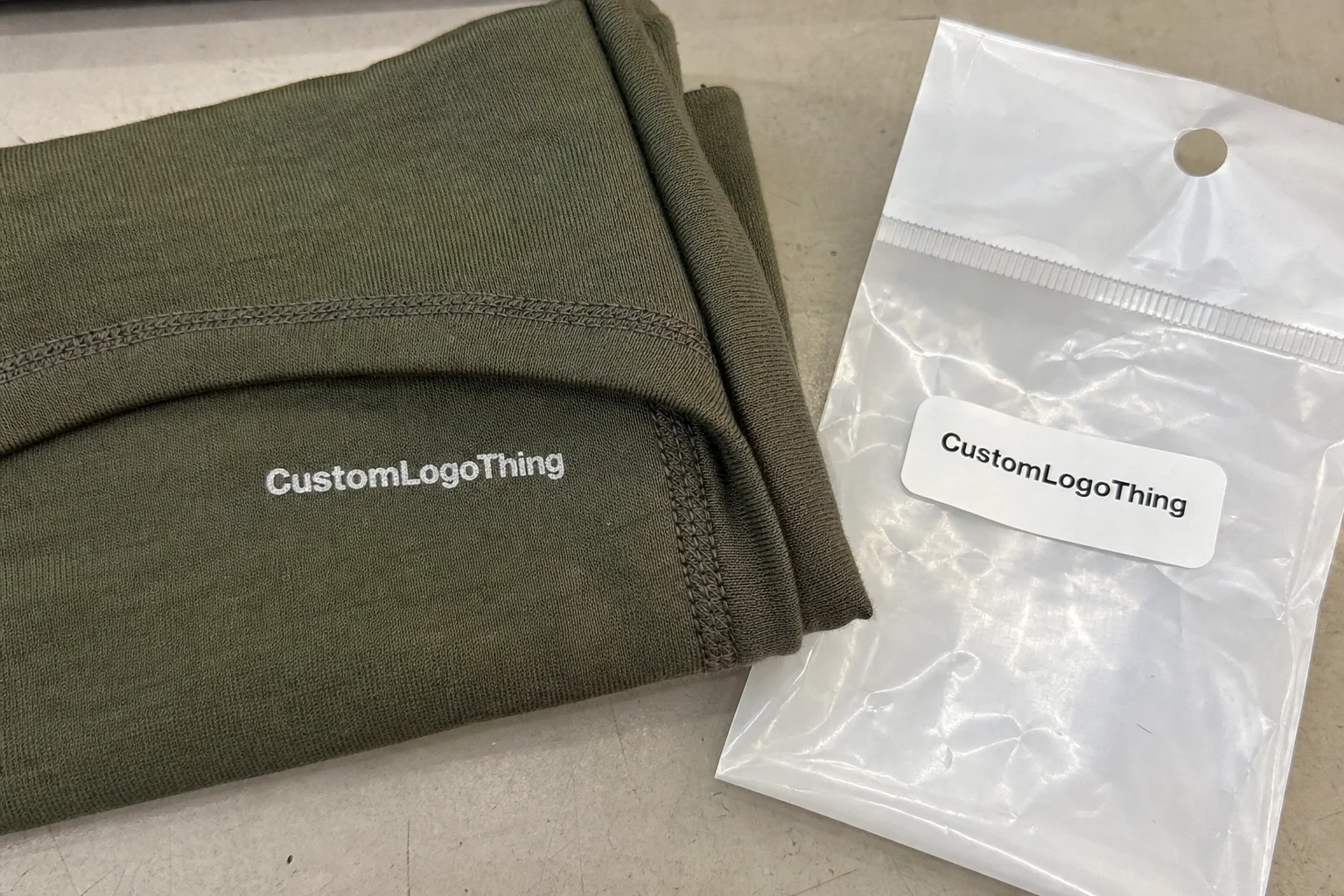
Telling retailers about our ISO-verified adhesives (ISO 9001:2015) and referencing FSC-certified 350gsm C1S paper labels when they run poly mailers with Custom Printed Boxes balances design ambitions with practical packaging needs, ensuring the products they love are also built to last.
That’s the kind of story I still tell on walkthroughs, especially to buyers who think “plastic mailer” means “throwaway.”
Price Comparison for Custom Poly Bags Best Practices
Sharing exact costs builds trust, so I tell clients that tooling and plate set-up for a new logo lock typically runs $480 while the premium for UV-stable 3.0 mil LDPE film is $0.12 per mailer above a base 2.7 mil clear, and metallic inks add another $0.09 per unit unless volume reaches a plateau (around 75,000 units) where our CSR-managed color approach drops that fee.
Yes, I know it feels like math class, but I promise it’s the kind that keeps you out of surprise invoices.
Additional charges often sneak up on teams, so custom poly bags best practices call for planning rush fees ($650 for sub-ten-day turnarounds from our Salt Lake City press), volumetric freight (averaging $1.25 per pound out of our Northwest hub), and occasional ink-matching sessions with the Dupont color lab; those managed touchpoints avoid the overages we saw from less communicative suppliers.
I’ve been on calls where a lack of clarity led to three extra pallets and a whole lot of apologizing, so I’m a broken-record advocate for upfront accounting.
Keeping budgets predictable means pairing these numbers with investments in package branding—our OEM team recently negotiated a showcase order where transparent barriers improved shelf visibility while saving $0.04 per unit versus multi-layer gleam, proving that incremental investments in polymer specification can lower lifetime costs.
Honestly, seeing a client go from skeptical to enthusiastic when the savings appeared in their dashboard is the best part of my job.
| Option | Per-Unit Cost | Strength Notes | Best Use Case |
|---|---|---|---|
| Matte 2.7 mil LDPE | $0.28 | Soft touch, high print fidelity, moderate tear | Branded packaging for apparel drops |
| Clear 3.0 mil LLDPE | $0.31 | High puncture resistance, UV additive | Electronics and tamper-evident mailers |
| Recycled-content film | $0.33 | Lower gloss, similar strength when laminated | Sustainable retail packaging with simple prints |
| Barrier film with lay-flat finish | $0.37 | Highest tear resistance, laminated seal | Medical or sensitive product packaging |
Consistently comparing price versus performance shows the extra $0.04 for reinforced seams or UV printing is justified when your brand relies on consistent package branding across millions of shipments, and we track those savings via our CRM so clients can see when scale unlocks lower run rates.
I still chuckle remembering telling a client “you’re basically buying insurance” and watching them nod like they’d finally met someone who speaks their language.
How do custom poly bags best practices reduce shipping risk?
Beyond cost and aesthetics, the best practice I keep hammering home is that custom poly bags best practices always align adhesives, closure selection, and buffer layers with the fulfillment partner’s rhythm, so the kit never shows up with seals that unzip in transit.
We document every adhesive trial, track whether tear notches need reinforcement, and confirm UV or solvent resistance before we say the run is ready, because a shipping floor full of gaps is not something our clients can afford on a Friday afternoon.
Maintaining that thermal sealing profile means we lock press settings (70 PSI for a half-second dwell) in the same meeting where we review drop-test data, and we compare the numbers to the poly mailer design guidelines binder so every operator knows the acceptable variance.
Those checks, paired with consistent tracking of weights and film batches, keep the standards high enough that bulk trucks leave the dock with confidence instead of second-guessing.
How to Choose Custom Poly Bags with Best Practices in Mind
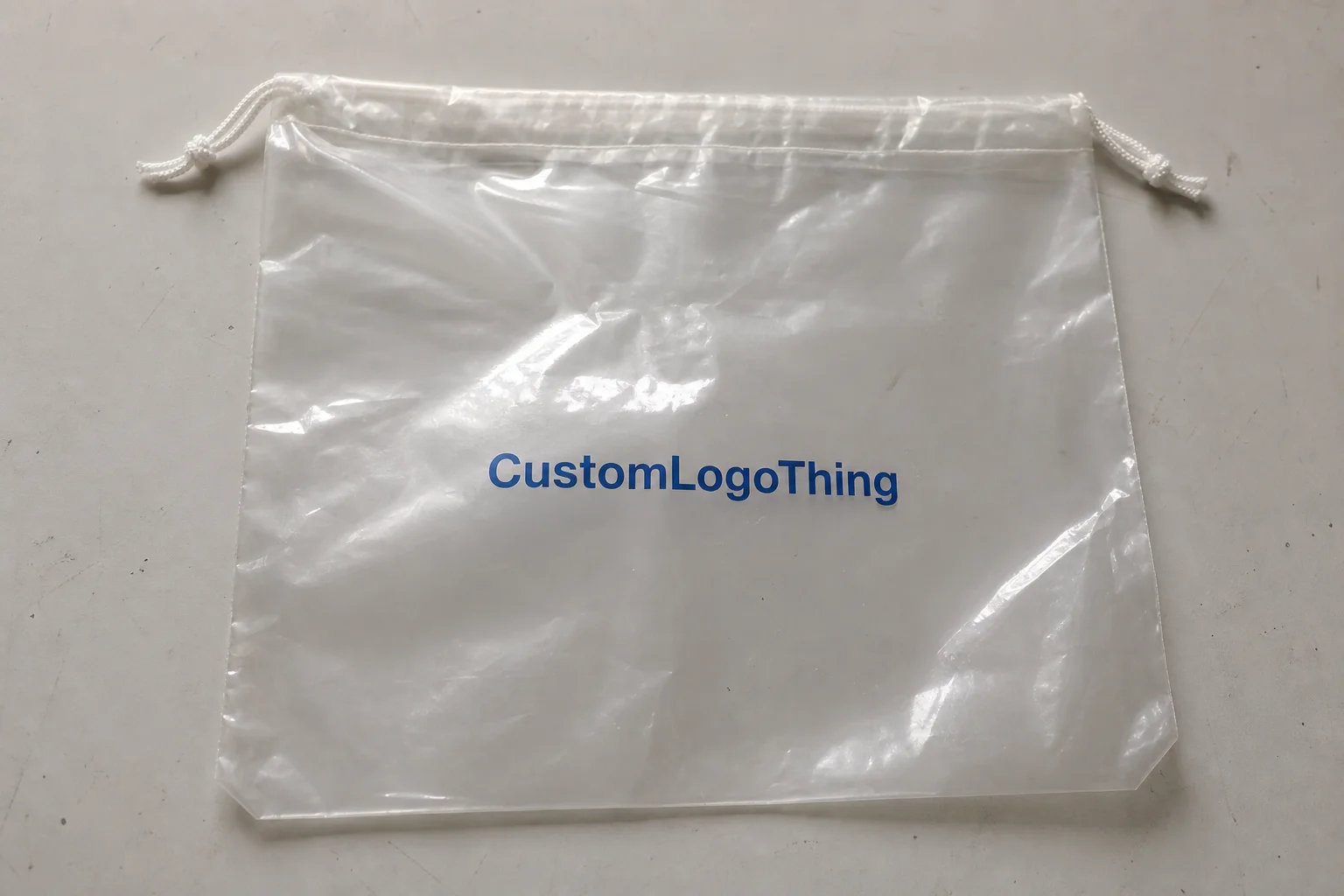
Decision-making begins with the basics: determine order quantity (our minimum custom run is 5,000 units per SKU), fulfillment speed (we recommend a 10-business-day buffer when shipping from Dallas to the East Coast), and whether serialized labels or tamper-evident strips are non-negotiable, because those choices dictate if you should spec standard gloss films or invest in heavier barrier builds that align to custom poly bags best practices.
I always remind clients that skipping these questions is like building a house before you know how many rooms you need.
Vendor feedback loops weigh heavily here; ask for CIP reports, film certificates identifying melt index (for example 2.1 g/10 min), and ISO-verified adhesive specs so you know exactly what film grain, tensile strength (we typically confirm > 3,000 psi), and peel force (preferably 6 lbs/inch) your project will receive—you know, the difference between “oh great” and “oh no” can hinge on whether someone remembered to ask for an adhesion chart.
One apparel customer who ignored this ended up with ghosting off the printer, whereas the next brand that insisted on those proofs shipped without issue thanks to the clarity it provided.
Cross-functional coordination matters as well: I regularly sit in meetings with design, supply chain, and legal teams to confirm that art approvals, material clauses, and shipping labels match the line items the factory PM carries in their ERP (we check against order 3234 in the latest quarterly run); that collaboration keeps custom poly bags best practices from just being a nice phrase on a checklist.
I’m not kidding when I say that missing legal language once meant three rework cycles and a lot of “we told you so” looks.
If packaging design support for custom printed boxes is required alongside your poly mailers, remind your factory partner early so they can plan for additional die-clearing, adhesive trials (like the 3M 3000B hot melt line we bench test for 12 minutes), and color matching; these are the little things I still talk about when visiting partners in the Northeast, where even the adhesives team tracks every revision in our shared system.
It’s the habits that keep things from spiraling, trust me.
Consider your fulfillment partners too—when they pack to quotas (our partner at Southeast Fulfillment Group runs 10,000 packages every Tuesday), standardized closures and consistent placement of logos reduce errors so product packaging remains predictable as you scale across ecommerce and retail networks.
I mean, nobody wants a fulfillment floor arguing over where to stick a barcode at 4:45 PM on a Friday.
Our Recommendation: Actionable Next Steps for Custom Poly Bags Best Practices
Here’s what I tell every client after walking factory floors: audit your current poly mailers to learn where weight, sealing, or tear resistance fails (we record every sample’s weight to the nearest 0.02 ounce, usually finding that a weak run clocks in at 2.15 ounces instead of the target 2.01 ounces), because that data makes it easier to define custom poly bags best practices for your next run.
I remember a client who finally admitted they hadn’t looked at previous fails—after that audit, their relief was palpable, like they no longer had to guess blindly.
Schedule a strategy call with the Custom Logo Things packaging engineers in San Antonio to align on film choices, adhesives, and artwork; we bring past notes from our packaging design team so the 60-minute conversation covers retail packaging, product packaging, and subscription packouts in the same breath.
Honestly, that call feels like assembling a squad of specialists who actually want to answer every weird question you have about adhesives.
Request a mini pilot run—just 250 units—to test sealing, print, and drop performance; this pilot proves that your chosen build meets ISTA or ASTM protocols and lets our QA team supply the digital proof, color-matched sample, and hydro seal data you need to move confidently into volume.
It’s strangely gratifying watching those pilot units arrive like tiny little ambassadors of assurance.
Timeline management benefits from blocking 30-minute discovery and review meetings early, setting milestones for art approval, and confirming transit windows with the shipping team to prevent last-minute skids; these practical habits come straight from the accountability rhythm we run out of our San Antonio floor and keep the crew aligned.
I’ll admit, I get a little giddy when calendars stay sticky and no one has to move a press slot last minute.
Following these steps ensures your next order not only looks good but performs under stress, upholding the very custom poly bags best practices I’ve honed across decades of brand launches, press checks, and client success stories, including that 500,000-unit wellness rollout that went from concept to shelf in 14 weeks.
Honestly, the confidence this brings to a fulfillment team is my favorite kind of ROI.
What custom poly bags best practices ensure durability during transit?
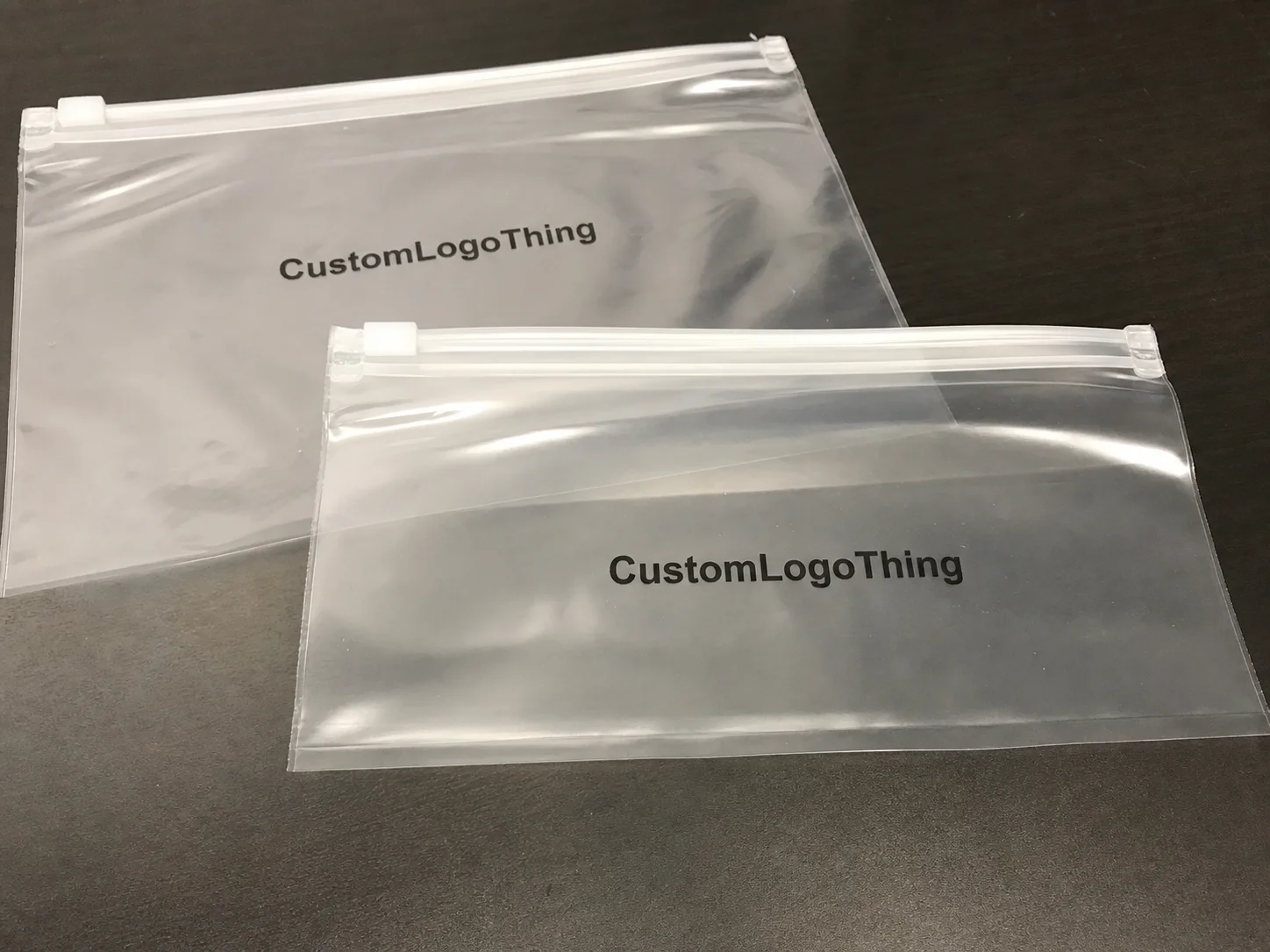
Pick the right film: a 3.0 mil linear low-density PE with a UV stabilizer blends strength with flexibility and weighs 0.7 ounces per square foot.
Opt for thermal or solvent-based seals tested on the press at 80 PSI for three seconds to prevent seal pops.
Include reinforcement at stress points such as 3-inch tear notches and 12-millimeter gussets for heavier contents.
Matching those specifications with pressure-sensitive adhesives rated for the same tear profile (we prefer 6 lbs/inch peel) keeps seams from opening during rough handling and keeps the QA team confident in every pallet.
How do custom poly bag best practices affect shipping costs?
Using lighter-gauge but stronger films such as 2.3 mil linear low-density PE that Still Delivers 1.25 pounds of MD tensile lowers dimensional weight without sacrificing protection.
Compressing rolls into nested pallets at the factory (we cap pallets at 42 inches high and 3,000 pounds) reduces freight expense.
Standardizing on a single closure style speeds packing, cutting labor costs by an average of 12% for our fulfillment partner in Louisville.
Tracking those efficiencies in the ERP (SAP order 4012 highlights the savings) shows where the dollars accumulate and helps operations forecast tighter margins.
Which custom poly bag best practices help with branding consistency?
Lock in your PMS colors (for example, PMS 286C and PMS 376C) and lamination finish (soft-touch coating at 8 gsm) with the printer before the first plate.
Ask for press proofs (14x20 sheets) and a digital signature from the factory QA team to record those approvals.
Choose consistent placement of logos, messaging, and legal copy so every run mirrors the approved template—our matrix uses a 1.5-inch margin from the bottom edge and a 0.25-inch bleed.
Documenting those parameters in a shared specification sheet keeps creative and manufacturing teams synchronized on every SKU.
What timeline should I expect when applying custom poly bag best practices from order to delivery?
Allow two weeks for design tweaks plus proofs, depending on complexity and approvals, with a pair of 90-minute live reviews to keep everyone aligned.
Factor another two to three weeks for tooling, film cutting, and press scheduling on a standard run, the same window we use when launching new poly mailers in Columbus, Ohio.
Build in a buffer for shipping and customs—add five to seven days when the run ships from a different state or coast, such as a batch leaving Tacoma for Miami.
Keeping the calendar transparent with all stakeholders avoids compression that strains the press floor.
Can custom poly bag best practices include eco-friendly materials without compromising performance?
Yes, by selecting recycled-content LDPE with 30% post-consumer material or oxo-biodegradable films sourced from the Chicago compounding house, approved by your compliance team.
Request certifications and test data from the supplier to ensure tensile strength stays above 2,800 psi and print adhesion matches traditional films.
Pair eco films with minimalistic prints or water-based inks that keep the entire construction recyclable.
Collecting that documentation lets sustainability and procurement teams justify the shift internally.
For more context on industry standards, our team frequently consults resources like ISTA (we follow the 3A 2020 protocol) for testing protocols and Packaging School module 4 materials to keep our practices sharp.
Whether you are refining package branding, designing bespoke retail packaging, or building out a suite of product packaging, Custom Logo Things has both the experience and the documented custom poly bags best practices to deliver mailers that carry your story reliably from line to door.
The Custom Packaging Products page lists 12 poly mailer styles, while the Custom Poly Mailers detail page notes film gauge, seal strength, and recommended run lengths, keeping the entire team aligned with custom poly bags best practices as soon as your project kicks off.