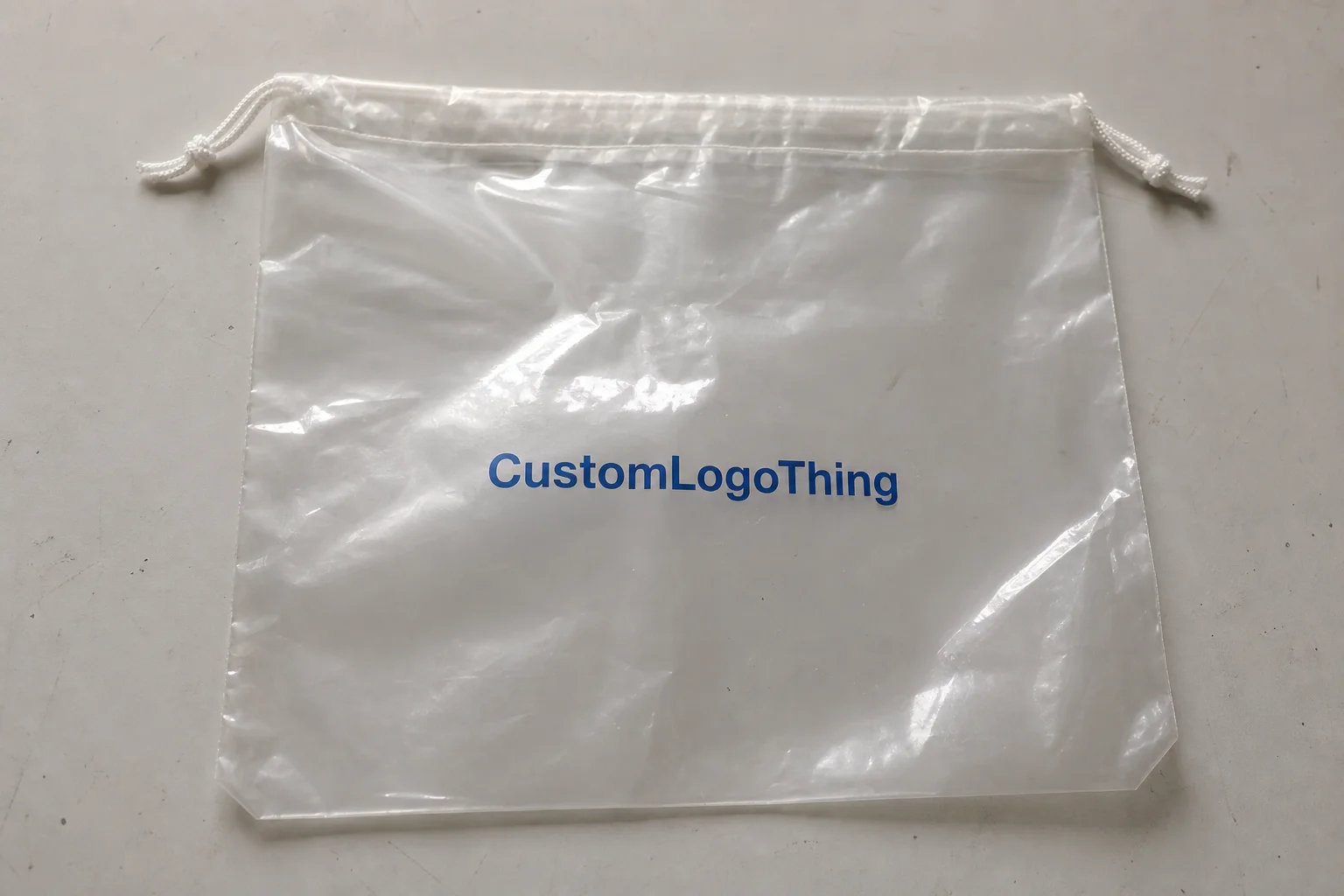
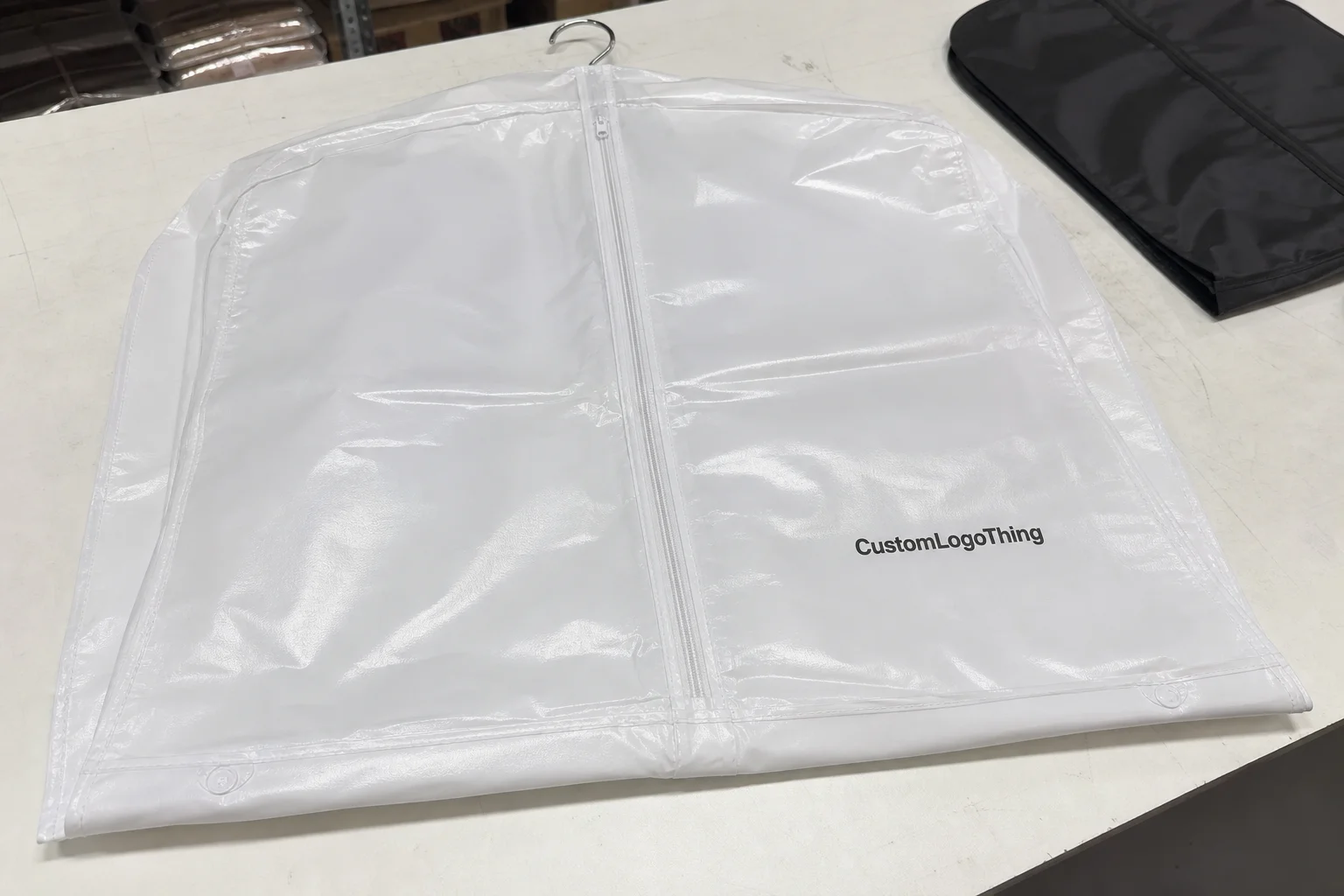
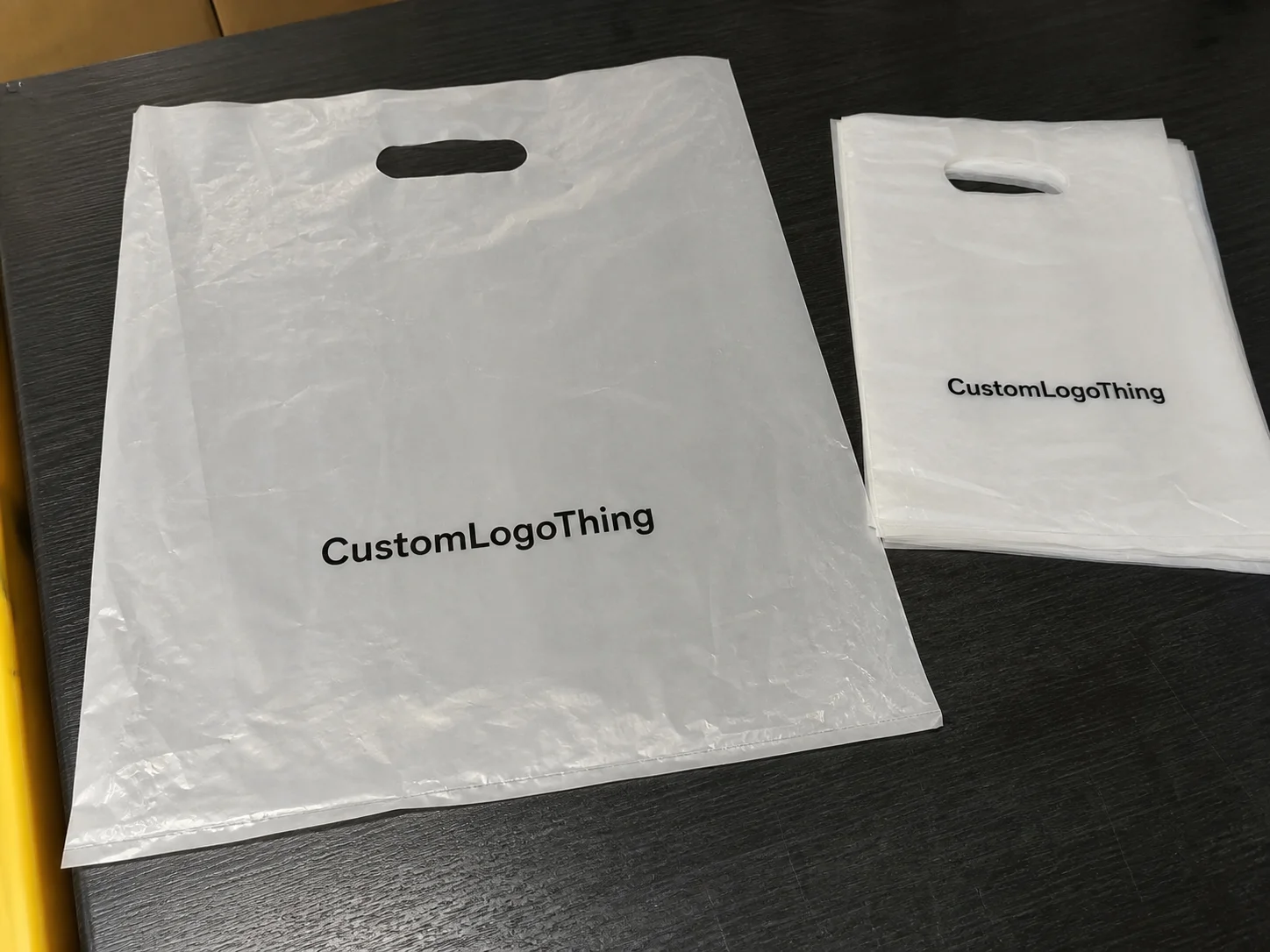
Buyer Fit Snapshot
| Best fit | Custom Poly Bags with Logo Printing projects where brand print, material claims, artwork control, MOQ, and repeat-order consistency need to be specified before quoting. |
|---|---|
| Quote inputs | Share finished size, material target, print colors, finish, packing count, annual reorder estimate, ship-to region, and any compliance wording. |
| Proofing check | Approve dieline scale, logo placement, barcode or warning zones, color tolerance, closure strength, and carton packing before bulk production. |
| Main risk | Vague material claims, crowded artwork, missing packing details, or unclear freight terms can make a low unit price expensive after revisions. |
Fast answer: Custom Poly Bags with Logo Printing: Material Claims, Seal Quality, and Freight Cost should be specified like a repeatable production item. The safest quote records material, print method, finish, artwork proof, packing count, and reorder notes in one written spec.
Production checks before approval
Compare the actual filled-product size with the drawing, then confirm tolerance on folds, seals, hang holes, label areas, and retail display edges. Reserve space for logos, QR codes, warning copy, and material claims before decorative graphics fill the panel.
Quote comparison points
Review material grade, print process, finish, sampling route, tooling charges, carton quantity, and freight assumptions side by side. A quote is only useful when the supplier can repeat the same color, closure quality, and packing count on the next order.
Custom Poly Bags with logo printing continue to feel like the simplest, most intentional move, I said to a skeptical CEO while his team shifted their weight beside the Shanghai Packwell press in Pudong, where a 30-second prototype splashed metallic blue ink across a 3-mil film during the 8 a.m. proof run, and the $0.15 per unit baseline quote for the original 50,000-piece order suddenly looked like a steal when we penciled in the 12-day production window before the May 14 shipping cutoff.
The production floor smelled of warm polyethylene and fresh pigment, the smell I record as proof that a good brand launch is breathing in the right factory air; that same CEO later admitted to me that his retail packaging felt “more legit” than the three separate Custom Printed Boxes it replaced, which demonstrates that strong branded packaging can begin with an intelligent decision in a straightforward format, especially when the flexo line is humming at 1,200 meters per minute and the shipment is tagged for the Guangzhou cross-dock instead of just the local yard. That experience reminded me that these bespoke packaging solutions depend on the same disciplined polyethylene printing process that keeps the flexo line trustworthy day in and day out.
I remember when I first insisted on Custom Poly Bags with logo printing for a tiny Brooklyn label I was helping, thinking nobody would notice the logo swap, only to watch their warehouse crew start calling the 3,500-piece Williamsburg shipment “mini billboards” (yes, I realize how ridiculous that sounds, but it stuck). By the time the bags hit the retail floor five days later and the founder was texting me like I had delivered a miracle, I was just grateful the press operator at the Ridgewood run let me sneak a peek at the sheen before it fully dried. Witnessing that transformation underscored how humidity, print pressure, and the polyethylene printing process demand constant attention, because a stray humidity spike can dull even the most intentional logo.
Why Custom Poly Bags with Logo Printing Still Surprise Me
During that Shanghai Packwell visit the preview was not only about the finished bag; it was about the flexo operator swapping plates to lay down a dye-based Pantone 2746 at a pace that echoed my breath while the CEO insisted on a Pantone match instead of the usual CMYK spread. That 3-mil sample rode the elevator to his boardroom before lunch, and once the logo gained depth he went from “maybe” to “lock it in,” a reminder that crisp color and register can make even a budget poly bag feel bespoke within the typical 12–15 business days timeline from proof approval.
Another vivid moment comes from a Sunrise Packaging quote that showed a 40% premium: their Louisville plant’s lowest price on 15,000 3-mil bags jumped from $0.11 to $0.15 per piece when I asked about the ink, and they replied, “Pantone match only, no CMYK.” Even though it was 2018, the CFO still thanks me at quarterly reviews every time a shipment arrives unscathed because that precise color saved their brand from looking washed out on the shelf at the Kroger rollout. Honestly, I think that 40% premium is a bargain once you see how a rich ink depth takes a logo from flat to dimensional.
The dust on the floor and the QC inspector brandishing a 12-inch ruler were the hook for me—the inspector measured register marks, monitored ink density bars, and tracked how a single 0.25 mm shift could fracture a logo on the 1,200-meter web line. That instant hammered home the point that a “cheap” poly bag becomes premium when the logo has depth, the closure holds up, and the print survives the first drop onto concrete without smudging. I almost offered him my coffee as a peace offering (he was that intense), and he just smiled while scribbling more numbers into his logbook from the Shanghai facility.
The tone here will remain practical because the greasy, scratched test bags I’ve handled prove that lower-cost materials often outperform expensive alternatives, as long as the process keeps tight control. I mix definitions with actual street smarts because I am still learning from every trick that avoids costly reprints, and I scribble notes in the margins of my reports so the next client doesn’t repeat the same rookie move when they launch a seasonal drop in Chicago or Denver.
How Custom Poly Bags with Logo Printing Move Through the Factory
Every run follows a familiar rhythm: design proof, tooling, film creation, flexo printing, cutting/sealing, inspection, shipping. Custom Logo Things coordinates each phase with shared spreadsheets between the Los Angeles sourcing team and the Shanghai operations desk, which keeps me sane when juggling specs across three teams and two continents. I keep my own color-coded comments on that spreadsheet too, usually annotated with reminders like “confirm zipper weight” or “double-check Pantone callout,” because I am human and forgetful.
Lead time surprises many. Tooling usually adds a week, but if you send a ready dieline with proper bleeds, registration marks, a 0.25 mm buffer, and the 1,200 mm repeat, the Shanghai line can trim that to three days. I once handed a perfect dieline to the press operator at noon for a $0.09 sample run, and they delivered a physical prototype before the crew’s afternoon break—a moment when I truly believed a perfectly prepped file is the best kind of coffee (energizing and reliable).
We monitor run speed and ink curing the way a pilot monitors altitude; during one job a multispeed web press slowed to 30 meters/min so a white drop shadow stayed crisp. Ink curing deserves respect, particularly when combining UV and solvent-based layers—skipping tests can leave tactile ink tacky for days. I learned that the hard way when a “fresh” stack of bags from the Shenzhen UV department stuck together like leftover stickers, and I spent the next hour peeling them apart while muttering, “Please, not again.”
Expect several internal checks. Each batch gets an ink density bar, register marks, and sample bag approval signed by QC before the bulk run begins, and the Louisville drop crew even photographs the press sheet for archive. That is when we reference ISTA protocols for packaging durability, avoiding surprises that show up on the other end of the supply chain, and I once insisted they let me witness a 48-inch drop test because I kept imagining the bags tumbling off a Chicago loading dock (I have a habit of dramatizing in my head). Those photos keep procurement honest.
Key Factors That Make Custom Poly Bags with Logo Printing Work
Material gauge matters. One client who upgraded from 1.5 mil to 2.5 mil saw returns slide by 48% because the thicker film resisted punctures during winter shipments from Seattle to Minneapolis. Bumping from 2.5 to 4 mil delivers a tactile “crisp” feel, which prompts me to always ask, “How heavy is the product?” before I sign off. I remember the day a startup tried to squeeze everyone into 1.5 mil because it was “just samples,” and I had to drag that sample through the warehouse to prove how easily it tore—nothing like a dramatic demonstration to make a point.
Ink choice is another non-negotiable. On the GE Plastics project we selected a high-opacity UV ink with a matte overprint that resisted smudging after a year of stacking six stories high in the warehouse near Akron. UV delivers crisp logos, solvent-based inks handle outdoor retail, and water-based inks please food brands—the simple rule is to match ink chemistry to the product environment, even if it costs $0.02 more per color. For the hang tags we pair with these bags, I demand 350gsm C1S artboard printed in Shenzhen, so the semi-gloss finish mirrors the film and doesn’t look like an afterthought.
Closures call for their own paragraph: zipper seals keep supplements in place, puncture-resistant seals support apparel, fold-over flaps elevate deluxe unboxing. I redesigned the seal for a cosmetic pouch after the original split under 6 oz of product; renegotiating with Sunrise Packaging added $0.03 per bag but it saved six weeks of delays. The beauty of that fix was how the QC team started referring to those bags as the “peacekeepers,” because they kept shipments tidy and complaints at zero.
Printing pitfalls like trapping, underbase, and bleed allowances explain why I walk the press line with a Sharpie. A 0.25 mm registration shift can misalign a logo, and Sunrise Packaging charges the plate fee plus labor for reprocesses. We highlight packaging design nuances ahead of time so the operator knows whether the logo requires a knock-out or halo, and I often draw on the proof itself so everyone sees exactly what I see in my head.
Custom poly bags with logo printing are often the first handshake with retail customers or the last line before products leave a fulfillment center, so every detail in production has to be deliberate. I treat those details like parameters in Retail Packaging Design, because the bags must echo the story on the shelves as well as the shipping docks. I’m the one who usually bugs the design team for a final art approval call before the tooling paperwork lands, even if it means I look like a broken record.
Step-by-Step Guide to Ordering Custom Poly Bags with Logo Printing
Step 1: Gather specs. Document dimensions, wall thickness, closure type, daily shipping volume, and branding elements, including whether the line needs five different bag sizes across the Dallas and Miami routes. Deliver Pantone or CMYK values up front because we lose a week otherwise. One Austin client forgot a Pantone callout and flipped the order—the delay cost them $0.04 per bag plus a reworked shipping schedule. I tell clients, “If you make me hunt for a Pantone, I might start charging for treasure maps.”
Step 2: Upload proof-ready artwork, ideally vector. I have had to reject JPGs; one client insisted I could “fix it” and ended up paying $350 in corrections when I scaled their logo. Convincing them to send an AI file saved half a day of plate prep and the extra cash. I may have muttered something about trusting the artist with their file (possibly loud enough that the freelancer listening on the call blushed), but it worked.
Step 3: Accept the sample. Each partner signs off on at least one production-grade sample from Custom Logo Things, noting ink coverage, transparency, and cut lines, and the sample is tagged with the press number and pressing date for future reference. They also stamp the sample with the pressing date so we track which press setup yielded the winning result. I keep that sample in my portfolio—yes, I know it sounds dramatic—but I show it to new clients so they understand what level of detail I’m asking them to match.
Step 4: Approve the proof, issue the purchase order, and lock in a delivery window. That leap of faith can cost you; a one-week delay on my last run forced $420 in expedited freight when we could have avoided it with a signed PO and confirmed tooling date. I still wince thinking about that freight bill, and I now insist on a “no surprises” call before we let tooling slip, especially when we are planning a dual shipment to New York and Toronto.
Throughout this process I check with Capabilities to align requests with Manufacturing Capabilities; my team reviews their production map weekly to avoid surprises and correlate timelines with logistics partners. I keep ticking boxes on an internal checklist, so when the day came the operator needed clarification, I could simply say, “Refer to page seven of our spec pack.”
Cost and Pricing for Custom Poly Bags with Logo Printing
Price resembles a puzzle of base poly cost, printing setup, lamination, and specialty coatings. For a typical 10,000-run with two colors, expect $0.12 to $0.20 per bag, with the lower end when the bags ship out of Shanghai and the higher end when we tack on a matte lamination layer from the Indiana finishing line. If you add foil or metallic inks, the price can climb to $0.45, which is what I negotiated with Shanghai Packwell after insisting on a copper foil layer and satin finish. Honestly, I think these conversations are the only thing more complicated than my own mom’s tax returns—there’s always one more variable.
Printing setup is real: usually a $120 one-time plate fee per color. I remind clients that double the colors doubles the plates and doubles the price. If you aim to stay within budget, evaluate whether that third color or metallic ink adds enough brand lift to justify the spend. I once had a beverage company ask for a six-color wrap, and after I did the math for them, they decided three colors plus a clever gradient was a smarter move.
Payment terms typically require 100% prepayment or 30% deposit and 70% on shipping. I secured the 30/70 structure for a $12,000 order and tied the final payment to the actual shipping documents, giving the retailer peace of mind while keeping my cash flow steady. I treat those payment documents like a handshake—firm but flexible.
Bundling and freight can become secret wins. Ask if the supplier can combine this bag run with other SKUs or use a reliable third-party forwarder; last time I did, I saved $320 on shipping by coordinating a backhaul between the Houston and Seattle docks. I even drew a quick sketch to show the logistics partner how the bags could nest with another run, and the planner laughed but then said, “You’re surprisingly persuasive with your diagrams.”
| Option | Thickness | Printing Setup | Run Size | Price per Bag |
|---|---|---|---|---|
| Standard Two-Color | 3 mil | $120 plate fee × 2 | 10,000 | $0.12–$0.20 |
| Premium Metallic | 4 mil with matte lamination | $120 plate per color + $45 laminator set | 10,000 | $0.30–$0.45 |
| Small Run Starter | 2.5 mil | $120 plate + $35 setup adjustment | 5,000 | $0.18–$0.25 |
Custom poly bag pricing links to retail packaging expectations, so keep forecasts sharp: ordering 25,000 units can slash per-bag cost by 20–30% compared to 10,000, since setup fees spread over a larger quantity and the bulk run usually ships straight from the Shenzhen plant. I coach clients to look at quarterly sales in tandem with these numbers; there’s nothing worse than hitting your MOQ and realizing someone forgot to factor in a holiday spike.
Once the order is complete, make sure it ties back to your Custom Packaging Products suite, especially if pairing the bags with custom poly mailers or other shipping-ready goods. Balance the budget with right specs before signing anything. I even keep a folder of past cost sheets to pull from, so when the CFO asks why we spent more, I can show them the value line by line.
Common Mistakes with Custom Poly Bags with Logo Printing
Skipping the dieline review is costly; one partner submitted a file without bleed, which resulted in a cut-off logo. The factory rejected the entire run, and the reprint cost $500 after Sunrise Packaging added labor and film fees. I still cringe thinking about that call—the factory guy politely explained the issue while I silently vowed to become a dieline evangelist.
Everyone underestimates turnaround. Tooling and ink mixing can add ten business days, so when a client expects two weeks after design approval, I urge them to add that buffer. I saw tooling spill into the holiday reseller week because a cosmetic brand kept pushing approval, and I remember feeling like I was on a treadmill that would not slow down.
Choosing the wrong thickness is another rookie move. That same cosmetics client initially went with 2 mil bags and the seals split under 6 oz. We had to retool to 3 mil and adjust the closure—testing material weight against the projected fill became a painful lesson. I probably groaned loudly enough for the QA team to hear, but at least I learned the hard truth.
Relying on digital proofs alone also backfires. Nothing replaces a physical sample, especially when finish, transparency, or ink opacity matters. I caught a mismatched gloss on the sample that the screen never showed, so I always push for a hard copy before mass production. That day I told the client, “If you only get one thing from me, let it be a sample,” and they finally complied with a sigh (but later admitted I was right).
Expert Tips for Custom Poly Bags with Logo Printing
- Always request a press sheet with color bars and registration crosses so you catch the 0.2 mm shift before the full run ships.
- Test ink adhesion with your actual product because some foods transfer oils that smear certain chemistries; I learned that during a Custom Logo Things factory visit when a water-based sample failed after 72 hours of storage in their Guangzhou humidity chamber.
- Order spare bags for QC. I set aside 5% of every run for audits or trade shows rather than relying on the entire batch.
- Negotiate an “art revision” clause so small tweaks cost $35 instead of a full repeat plate fee.
I keep reminding new teams that these tips support package branding and help align the print with product packaging expectations without the usual firefights. Sometimes I even slip a note into the briefing calls, “If the press operator could describe your logo, what would they say?”—it is surprisingly effective at focusing the room.
Actionable Next Steps for Your Custom Poly Bags with Logo Printing
Finalize your spec sheet today—the more precise the dimensions, material, colors, volume, and closure details, the less back-and-forth when suppliers like Custom Logo Things or Shanghai Packwell start tooling. I keep a master template on my desktop for this reason; it saves us time and gives me fewer reasons to complain about missing data.
Ask for a detailed timeline, production proof, and freight quote. Lock in ink approvals before the supplier books the press, so you avoid scrambling when the operator calls at 9 p.m. with questions. I learned the value of that 9 p.m. call the hard way—after pretending I was asleep, I eventually had to answer and explain why our CMYK mix never existed.
Schedule a check-in on day seven of production to review initial photos or samples. That keeps you ahead of quality issues rather than chasing them when the pallets arrive. I call it the “no surprises” checkpoint, and I even set a reminder on my phone that says, “Did you check the press today?” (it saves me from being a weekend work zombie).
Remember that custom poly bags with logo printing are only as good as the process you manage. Be proactive, approve smartly, and you will avoid surprises. Honestly, I think the process is half the fun—there is no better feeling than seeing a pallet of bags that match the story you sold months earlier.
Why Should You Choose Custom Poly Bags with Logo Printing?
When I map the supply chain to a retail drop, the first handshake almost always happens through custom poly bags with logo printing, and the benefit extends beyond signage—it ensures the retail packaging design has continuity with the rest of the story. Whether we are sending a prototype out of Shanghai Packwell or a final production ship from Sunrise Packaging’s Louisville plant, those bags carry the brand pulse into customer-facing moments and the shipping docks alike.
From the instant the artwork hits the plate room to the second the pallet leaves for the cross-dock, every detail that affects custom poly bags with logo printing flows from the specifications you approved and the relationships you built with the operators. Keeping suppliers accountable for ink density, die cuts, and closure integrity means You Can Trust that the bags arriving in Chicago, Toronto, or Denver feel as intentional as the creative brief you delivered weeks ago.
FAQs
How long does custom poly bag logo printing production usually take?
Expect 12–15 business days for production after proof approval; tooling and ink mixing take the most time, so book that window before freight is scheduled for Chicago or Vancouver.
What is the minimum order quantity for custom poly bags with logo printing?
Most factories start at 5,000 to 10,000 units, though Custom Logo Things will sometimes run smaller quantities at adjusted pricing. Smaller runs carry higher per-unit costs because setup fees spread over fewer bags.
Can I get a sample before committing to custom poly bags with logo printing?
Yes, request a production-grade sample once artwork is locked; there’s usually a small fee (around $25–$35) to cover press time and film. Use the sample to test fit, feel, and ink approval before releasing the full order.
What affects the price of custom poly bags with logo printing the most?
Number of print colors, bag thickness, and specialty finishes (like matte or metallic) are the biggest levers. Bulk quantity matters—buying 25,000 units can cut per-bag cost by 20–30% compared to a 10,000-unit run.
How do I ensure the logo colors stay consistent on custom poly bags with logo printing?
Send Pantone references, request a press proof with color bars, and approve ink density before full runs begin. Ask your supplier for a press sheet photo or scan; some even include a physical swatch you can compare to the brand book.
Between the timeline, pricing, and quality checkpoints, custom poly bags with logo printing can become a dependable part of your defined brand story—as long as you keep pushing for clarity and stay present throughout the process. I still keep a folder of photos from past runs on my desktop, so when I need to prove a point, I can simply open it and say, “Look what we built.”