Buyer Fit Snapshot
| Best fit | Custom Poly Mailers with Multi Layer Film projects where brand print, material claims, artwork control, MOQ, and repeat-order consistency need to be specified before quoting. |
|---|---|
| Quote inputs | Share finished size, material target, print colors, finish, packing count, annual reorder estimate, ship-to region, and any compliance wording. |
| Proofing check | Approve dieline scale, logo placement, barcode or warning zones, color tolerance, closure strength, and carton packing before bulk production. |
| Main risk | Vague material claims, crowded artwork, missing packing details, or unclear freight terms can make a low unit price expensive after revisions. |
Fast answer: Custom Poly Mailers with Multi Layer Film: Film, Print, MOQ, and Carton Packing should be specified like a repeatable production item. The safest quote records material, print method, finish, artwork proof, packing count, and reorder notes in one written spec.
Production checks before approval
Compare the actual filled-product size with the drawing, then confirm tolerance on folds, seals, hang holes, label areas, and retail display edges. Reserve space for logos, QR codes, warning copy, and material claims before decorative graphics fill the panel.
Quote comparison points
Review material grade, print process, finish, sampling route, tooling charges, carton quantity, and freight assumptions side by side. A quote is only useful when the supplier can repeat the same color, closure quality, and packing count on the next order.
Custom Poly Mailers with Multi Layer Film: What to Know starts with a simple truth from the packing bench: a bag that only looks thick is not always the bag that survives transit, and custom poly mailers with multi layer film often outlast a heavier single-layer option because the film structure is doing more of the work. For soft goods, folded apparel, lightweight accessories, and returns, that difference shows up in scuffed prints, split seams, and corner wear long before a buyer ever sees the package.
That is why Custom Poly Mailers with multi layer film deserve a closer look as a packaging choice, not just a branding surface. The right structure can balance stiffness and flexibility, hold a clean peel-and-seal strip, and keep the mailer looking neat after it passes through sorting, conveyor handling, and a few rough touches in fulfillment. For a brand trying to improve package branding without overbuilding the shipper, that balance matters a lot.
What follows is a practical look at how Custom Poly Mailers with multi layer film are built, where they perform best, what drives price, and which mistakes usually create problems later. If you are comparing them with other Custom Packaging Products or deciding whether a Custom Poly Mailers program should replace a simpler bag, the details below will help you make that call with fewer surprises.
Custom Poly Mailers with Multi Layer Film: Why Thin Bags Fail First
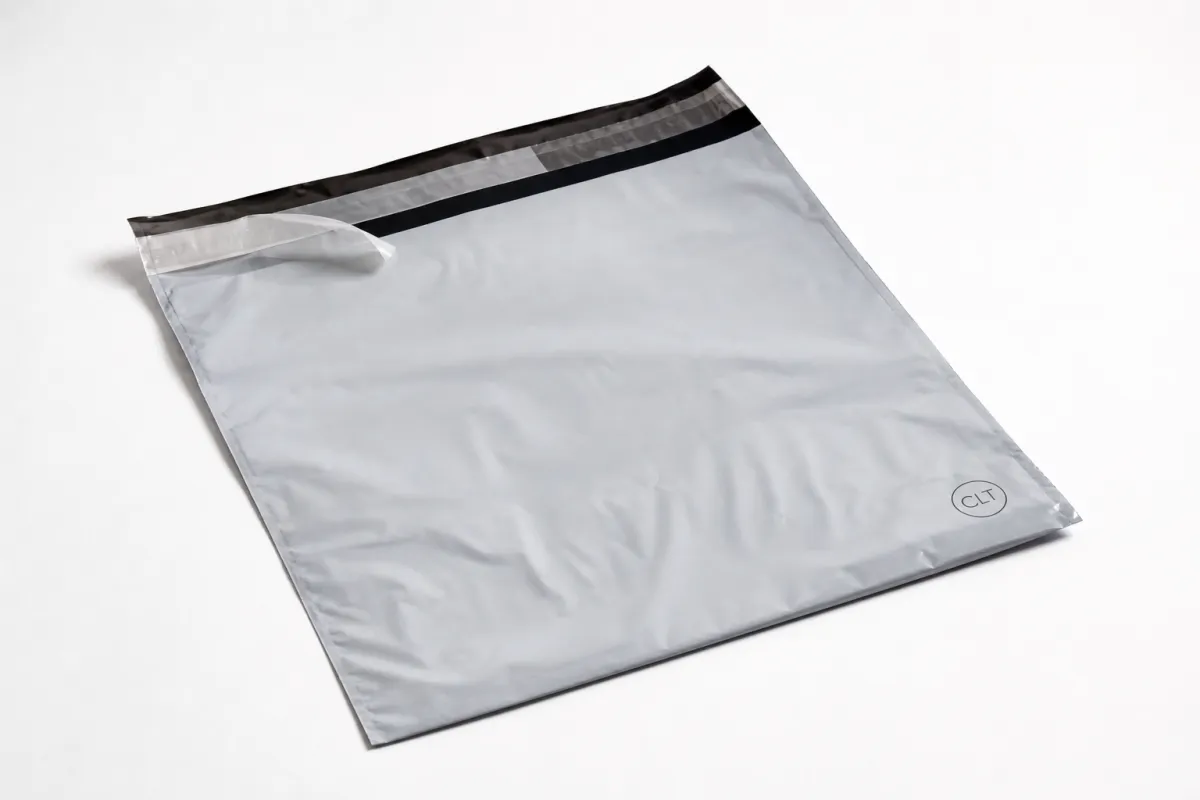
Custom Poly Mailers with multi layer film often outperform a bag that simply measures thicker on a spec sheet because shipping damage is rarely caused by one huge impact. It is usually a mix of abrasion, pinch pressure, drag across cardboard edges, and repeated flexing as the package moves through sortation. A thin-looking mailer that is engineered with the right layers can resist that kind of abuse better than a heavier, poorly balanced film.
That point surprises a lot of buyers. People often assume a higher gauge automatically means better protection, but in practice the outer layer, middle layer, and seal layer all influence how the finished mailer behaves. A mailer can feel soft but still hold up well if the film stack spreads stress instead of concentrating it at the seam or the fold. Custom poly mailers with multi layer film are built around that idea: distribute force, preserve seal strength, and keep the printed surface looking presentable.
These mailers matter most when the product is light but still vulnerable. Folded apparel can snag on zipper pulls or buttons, accessory kits can rub against internal inserts, and returns often get opened, reclosed, and handled more than once. In those cases, custom poly mailers with multi layer film offer a cleaner combination of protection and presentation than a basic monolayer bag, especially when the customer is expected to reuse the package on the way back.
From a packaging buyer's point of view, the real question is not "How thick is it?" but "How does it behave in transit?" If the answer involves abrasion resistance, better opacity, and a more stable seal zone, custom poly mailers with multi layer film usually move up the list quickly. That is especially true for branded packaging where the front panel has to look good after handling, not just on the day the proof is approved.
A mailer that looks beefy in a sample box can still fail at the seam if the film layers do not work together. I would rather see a well-built multi layer structure tested with the real product than a thicker bag chosen on instinct alone.
For e-commerce fulfillment, the best use cases are usually soft goods, underwear, socks, small accessories, lightweight beauty items in secondary packaging, and returns that need to stay neat enough for a second pass through the system. Custom poly mailers with multi layer film are not a fit for everything, but when the shipment is flat, flexible, and low to moderate in weight, they often give a better cost-to-performance ratio than custom printed boxes.
If your line includes retail packaging on one side and direct-to-consumer shipping on the other, that versatility matters. A smart mailer can protect product packaging during transit while still reinforcing the brand when it reaches the customer. That is why custom poly mailers with multi layer film are often treated as part of the broader packaging design system, not just a shipping supply.
How Custom Poly Mailers with Multi Layer Film Work
Custom poly mailers with multi layer film are usually made through a coextrusion process, which means more than one resin layer is pushed out together and fused into a single sheet. In plain language, one layer may be chosen for printability, another for toughness, and another for seal performance or moisture resistance. Each layer has a job, and the finished film performs better when those jobs are assigned clearly.
The outer layer is often the one you see and print on. It needs enough surface quality to hold color cleanly, whether the design is a simple logo block or a full bleed pattern. The middle layer contributes structure and tear resistance, which is where custom poly mailers with multi layer film get much of their durability. The inner layer is usually tuned for sealing and package integrity, so the mailer closes cleanly and stays closed once it enters the shipping stream.
That structure spreads stress across the film stack. When a package gets stretched around a sharp corner or scraped across a conveyor guide, the force does not hit one weak point in the same way it would on a single-layer bag. Instead, the film layers share the load, which helps custom poly mailers with multi layer film resist punctures, splits, and seam creep. It is a subtle difference until you compare damage claims after a busy shipping cycle.
Layer roles in plain language
The easiest way to think about custom poly mailers with multi layer film is to imagine each layer as a specialist. One layer handles appearance, one handles toughness, and one helps the seal behave predictably under heat and pressure. That is why the same overall gauge can feel very different from one supplier to another; resin blend, layer ratio, and conversion quality all influence the final result.
Seal bands and closure strips matter just as much as the film. A strong film with a weak seal band is still a weak package. On peel-and-seal styles, the adhesive strip and release liner need to line up with the bag's stiffness so the closure closes flat, not wrinkled. For custom poly mailers with multi layer film, the finished bag is the sum of its parts, not just the film spec printed on the quote.
Why the finished bag matters, not only the film
Bag construction controls how the mailer behaves at the corners, the fold, and the side seams. A bag that converts cleanly will open and close in a way that feels deliberate, which helps both packers and customers. If the gusset, seam placement, or adhesive band is off, even custom poly mailers with multi layer film can end up awkward to use, and awkward packaging usually gets blamed on the product even when the real issue is conversion.
There is also a branding benefit. Multi layer structures often provide better opacity and a smoother print surface, which can improve package branding without forcing the design team to use heavy inks or high-coverage graphics to hide film flaws. That can be useful for branded packaging where the goal is a crisp logo, a confident color field, or a minimalist look that still feels intentional. In practice, custom poly mailers with multi layer film can make a shipment look more polished without making the package bulky.
If a brand is comparing formats, it helps to think about where the mailer sits in the larger product packaging mix. A shirt shipped in a mailer may not need the same structure as a premium kit in a rigid carton, but it still needs enough film performance to protect the customer experience. That is where custom poly mailers with multi layer film earn their place: lighter than a box, stronger than a thin sleeve, and easier to warehouse at scale.
Key Factors That Affect Performance and Selection
Custom poly mailers with multi layer film should be selected around the product, not around a generic thickness number. Start with the actual item weight, the shape after folding, and whether the contents have hard edges, zippers, buttons, clasps, or corners that can press outward. Those details determine whether the mailer will stay neat or start to stretch and scuff in transit.
Fit matters just as much as structure. An oversized bag wastes material and lets the product shift, which can lead to abrasion between the item and the film. A mailer that is too tight can stress the seams, distort the seal strip, and make packing slower. When custom poly mailers with multi layer film are sized correctly, the pack-out feels easier, the appearance is cleaner, and the chance of seam failure drops.
Closure style is another decision point. A peel-and-seal strip is common because it speeds pack-out and gives a tidy closure, but some programs need tamper-evident behavior, easy-open features, or a return-friendly closure design. If the mailer will support returns, custom poly mailers with multi layer film should be planned with that use case from the start so the opening and resealing process does not become clumsy later.
Appearance is not vanity. For many brands, the mailer is the first physical touchpoint, so the finish, opacity, and printed color quality all shape how the shipment feels. Matte surfaces can look understated, glossy films can feel more promotional, and opaque layers help hide the product shape when privacy matters. Custom poly mailers with multi layer film allow those visual choices to sit on top of structural performance, which is a better place for branding decisions to live than in the middle of a weak package.
That is also why multi-layer film often works well in a broader package branding system. If the same company uses custom printed boxes for premium orders and mailers for everyday DTC shipments, the goal is consistency in tone, not identical construction. The mailer should still look intentional, and custom poly mailers with multi layer film can carry that consistency without asking the fulfillment team to handle a fragile format.
Brands that are building out retail packaging or trying to unify online and store channels usually need a small set of practical tests before they order a large run. The item should slide in without fighting the seams, the seal should close without wrinkles, and the printed graphics should stay readable after a few bends. Custom poly mailers with multi layer film are usually judged best by that pack-out experience, not by a table of film numbers alone.
For teams that want to compare options, the most useful question is often, "What am I protecting, and how far does it travel?" A lightweight shirt sent across a short regional route has a different need than a return going back through several touches. Custom poly mailers with multi layer film are flexible enough to cover both, but only if the bag size, seal method, and film construction are matched to the route and the real pack-out behavior.
Useful selection checklist
- Product weight: confirm the packed weight, not just the item weight.
- Product shape: note zippers, clasps, folded corners, or rigid inserts.
- Transit abuse: consider conveyor handling, drops, and stacking pressure.
- Closure method: define peel-and-seal, tamper evidence, or return reuse.
- Brand presentation: decide whether the mailer should feel bold, quiet, or premium.
If your team is still deciding between mailers and another format, it can help to review the broader Custom Packaging Products lineup alongside custom poly mailers with multi layer film. Sometimes a brand needs both: a mailer for efficient shipping and a box for presentation or fragile product lines. Good packaging design is often about using the right container for each job, not forcing one format to do everything.
Custom Poly Mailers with Multi Layer Film: Process and Timeline
Custom poly mailers with multi layer film move through a fairly standard production path, but every step has a place where delays can creep in. The process usually begins with sizing and film selection, then artwork setup, proofing, printing, converting, bag making, packing, and freight. If any one of those stages changes late, the clock changes with it.
The first checkpoint is the spec sheet. A clear spec should list the finished width and length, film construction, closure type, print count, finish, and target quantity. When that information is incomplete, the quoting team has to guess, and guessing is where timelines get stretched. Custom poly mailers with multi layer film are easier to produce quickly when the order details are specific from the beginning.
Artwork approval is often the first visible delay. A clean proof might move in a few days, but if the layout needs repositioning, bleed adjustments, or color corrections, it can take longer. That is normal. The more complex the print, the more carefully the proof should be checked because custom poly mailers with multi layer film are usually printed on films that show registration issues faster than a carton would. There is less surface forgiveness, so the proof matters.
Sampling is another important piece. For a simple repeat order, a customer may only need a printed proof and maybe a material swatch. For a new program, a prototype bag is worth the time because it shows whether the product fits, how the seal closes, and whether the artwork reads well on the actual surface. Many buyers prefer to test custom poly mailers with multi layer film with the real item before approving full production, and that is a wise habit.
Production timing also changes with complexity. A straight one-color mailer in a standard size will generally move faster than a custom size with heavy print coverage and a specialty closure. In many programs, the useful planning window is often 12-15 business days from proof approval for standard production, though custom sizing, extra color passes, or prototype requests can extend that. Freight time sits on top of that, which is why the shipping deadline should be built into the order date, not imagined after the fact.
A practical way to plan ahead is to work backward from the selling season or launch date. If inventory needs to be on hand before a campaign starts, proofing should happen before the rush, not during it. That sounds obvious, but it is one of the biggest planning misses in branded packaging. Custom poly mailers with multi layer film are not hard to order when the calendar is calm; they become difficult when everyone remembers them at the same time.
A simple production sequence
- Confirm size, film structure, and closure style.
- Review artwork placement and print coverage.
- Approve digital or physical proof.
- Produce the film and convert the bags.
- Pack, inspect, and ship.
One more point: if the mailer is tied to a broader product packaging program, keep the messaging aligned across formats. If the company is using custom printed boxes for premium SKUs and custom poly mailers with multi layer film for everyday orders, the logos, color palette, and tone should still feel like the same brand family. That consistency makes the packaging look intentional even when the materials are different.
Cost, Pricing, MOQ, and Quote Factors for Multi Layer Mailers
Custom poly mailers with multi layer film are priced around several variables that affect both raw material and conversion labor. The biggest drivers are bag size, film thickness, number of layers, print coverage, closure style, and total order quantity. If any of those increase, the unit cost usually moves with them. If quantity goes up, the unit cost often comes down because setup is spread across more pieces.
MOQ is not just a sales rule; it is part of how packaging manufacturing works. Printing plates or digital setup, film extrusion, slitting, bag forming, packing, and quality checks all have fixed labor components. On a short run, those fixed costs have fewer bags to divide across, so the unit price rises. That is why custom poly mailers with multi layer film can look cheap at higher volumes but feel expensive at smaller test quantities.
As a planning range, a simple custom mailer at around 5,000 pieces might land roughly in the $0.18-$0.28 per unit range depending on size and print coverage, while larger, heavier, or more heavily printed versions can rise into the $0.30-$0.60+ range. Those are broad planning figures, not promises, but they help a buyer understand why two quotes can look so different even when the product name sounds the same. Custom poly mailers with multi layer film reward clear specs because vague specs usually hide cost.
The value case is just as important as the price case. A slightly better film structure can lower damage rates, cut replacement shipments, and reduce customer service tickets. Those savings are easy to miss because they do not show up on the first invoice. In practice, custom poly mailers with multi layer film often make sense when the shipping path is rough enough that a cheaper bag costs more later in re-shipments and returns handling.
For an accurate quote, the supplier should know the finished dimensions, approximate packed weight, artwork count, expected monthly volume, desired finish, closure preference, and delivery date. If the program includes special handling like resealability for returns, tamper evidence, or premium matte film, mention that too. Custom poly mailers with multi layer film are easier to quote correctly when the buyer shares the real use case instead of only sending a logo file.
It helps to compare options side by side. The table below is a practical way to think about structure, cost pressure, and use case rather than just chasing thickness numbers.
| Mailer Type | Best For | Typical Cost Pressure | Practical Notes |
|---|---|---|---|
| Single-layer poly mailer | Very light, low-risk shipments | Lowest | Works when price matters most, but print feel and puncture resistance are usually more limited. |
| Two-layer coextruded mailer | Apparel, accessories, standard DTC orders | Moderate | A common balance of durability, opacity, and print quality for custom poly mailers with multi layer film. |
| Three-layer multi-layer mailer | Rougher transit, returns, higher presentation needs | Higher | Better control over toughness, seal performance, and appearance, especially for branded packaging. |
| Heavier gauge custom mailer | Selective protection when product risk is high | Variable | Not always the best value if the structure is not balanced; thickness alone does not guarantee performance. |
If the brand also tracks sustainability claims, make sure the packaging story matches the actual material mix and local recovery rules. General recycling guidance from the EPA is a better reference point than a vague marketing promise, and that is especially true when the program includes labels, inks, adhesives, or mixed materials. Custom poly mailers with multi layer film can still be part of a thoughtful materials plan, but the claim should always follow the construction, not the other way around.
For brands that want to reference chain-of-custody expectations or paper-based components elsewhere in the line, the FSC is another useful authority to know. Even if the mailer itself is plastic film, a larger packaging program may include paper inserts, cartons, or instruction cards. Good package branding keeps those components aligned instead of treating each one like a separate project.
Common Mistakes When Ordering Custom Poly Mailers with Multi Layer Film
The most common mistake is buying by thickness alone. Two mailers can both be described as the same gauge and still behave very differently because the resin blend, layer ratio, seal zone, and converting quality are not the same. Custom poly mailers with multi layer film should be judged by performance, not by one number on a quote.
Another miss is skipping real-product testing. A mailer may look fine in a flat sample, but once the actual item, insert card, or folded garment goes inside, the fit can change everything. If the seams are forced, the seal line is too short, or the bag is oversized, the package starts acting badly in the real pack-out. That is why custom poly mailers with multi layer film should be tested with the item, not with a guess.
Branding mistakes show up fast too. Sometimes the artwork takes up too much space and leaves no clean seal area. Other times the colors are chosen without considering opacity, so labels or inner contents show through. On a mailer, the print should work with the film structure, not fight it. Custom poly mailers with multi layer film give the design team room to be creative, but the practical boundaries still matter.
If the design looks strong on screen but the packer has to wrestle the seal closed, the packaging has already lost part of its value. Good packaging design should make the job easier, not only prettier.
Operational mistakes are easy to overlook because they are not visible in the mockup. A great-looking bag can still slow down fulfillment if the seal strip is awkward, the opening is hard to find, or the product needs an extra fold to fit. A return-friendly mailer that does not actually reseal well can also create frustration for the customer. Custom poly mailers with multi layer film should support the labor model, not just the graphic idea.
There is also a planning mistake that shows up in seasonal businesses: waiting too long to place the order. By the time the artwork is approved and the production slot is available, the inventory window may already be tight. That is especially painful if the mailer is part of a launch package, a back-to-school run, or a holiday promotion. In those situations, custom poly mailers with multi layer film need to be ordered with the same discipline as the product they carry.
Finally, buyers sometimes forget that one mailer may not fit every product line. A slim tee, a bulky hoodie, and a boxy accessory kit do not need the same size or finish. A better approach is to standardize where it makes sense and customize where fit or protection changes. That is one reason custom poly mailers with multi layer film often become a family of specs instead of a single universal bag.
Expert Tips and Next Steps for Custom Poly Mailers with Multi Layer Film
The best next step is a simple pack-out test with the real product, the real fold, and the real closure method. Put the item in the mailer, seal it, handle it a few times, and look at the corners, seams, and print area. That small exercise catches problems that a flat proof cannot show. Custom poly mailers with multi layer film usually make the most sense after that test, because the buyer can see how the film behaves under actual use.
If the artwork, size, or film structure is new, ask for a sample material or prototype bag before committing to full production. A printed proof is helpful, but a physical sample tells you much more about stiffness, opacity, and how the seal lands. For custom poly mailers with multi layer film, sample review is often the difference between a smooth first run and a frustrating one.
Here is a practical quote-request checklist that keeps the conversation efficient:
- Finished dimensions: width and length of the closed mailer.
- Product details: weight, folded size, and any hard edges.
- Quantity: monthly volume plus the first order size.
- Artwork: number of colors, coverage area, and logo placement.
- Closure: peel-and-seal, reseal, tamper evidence, or return use.
- Finish: matte, gloss, opaque, or a specific branding look.
- Deadline: production target and shipping date.
That checklist matters because custom poly mailers with multi layer film are easier to source when the buyer defines the job clearly. A supplier can help refine the details, but the starting point should be the product and the shipping path, not a generic "make it stronger" request. If the package has to support returns, say so. If the print has to match a broader package branding system, say that too. If you are already using Custom Poly Mailers in another line, compare the old spec against the new one instead of assuming the same bag will work everywhere.
One final note: custom poly mailers with multi layer film usually deliver the best result when product needs, Cost, and Timeline are aligned before production starts. That is the sweet spot. If the item is light, the route is rough, the brand wants a clean presentation, and the order is placed early enough for proof approval and sampling, the bag can do a lot of work without adding much friction to fulfillment.
For buyers who want efficient shipping, reliable protection, and a cleaner brand impression, custom poly mailers with multi layer film are often the right answer because they respect the realities of the pack line and the realities of transit at the same time. When the spec is tuned properly, custom poly mailers with multi layer film feel less like a commodity and more like a smart part of the packaging system.
Frequently Asked Questions
How thick should custom poly mailers with multi layer film be for apparel?
Start with the actual garment weight, folded size, and whether the item has zippers, buttons, snaps, or other pressure points that can stress the film. A thinner multi-layer structure can outperform a heavier single-layer bag when the seal, fit, and film balance are right, so thickness alone is not the full answer. Test custom poly mailers with multi layer film with the real pack-out before you lock the spec.
Are custom poly mailers with multi layer film better than single-layer mailers?
They are often better when you need a stronger balance of toughness, print quality, and moisture resistance. Single-layer mailers can still make sense for very light, low-risk items where price matters more than durability, but for brands that care about damage reduction and presentation, custom poly mailers with multi layer film usually offer a better overall package.
What affects the cost of custom poly mailers with multi layer film the most?
The biggest cost drivers are size, film construction, print coverage, quantity, closure style, and any special finishing requirements. Lower quantities usually raise the unit cost because setup and conversion costs are spread across fewer bags. To get an accurate quote, share exact dimensions, artwork count, product weight, and your target order volume.
How long is the lead time for custom poly mailers with multi layer film?
Lead time depends on artwork approval, sample requests, production scheduling, and shipping distance. Complex print jobs or custom sizes usually take longer than standard specs, especially if a prototype is needed first. Ask for separate sample and production timelines so you can plan inventory without guessing.
Can custom poly mailers with multi layer film be used for returns?
Yes, as long as the design includes a strong seal area and a return-friendly opening method if reuse is part of the plan. Test the mailer for repeated opening, resealing, and label placement so the return experience stays clean and functional. If returns matter, build that requirement into the spec from the start instead of trying to retrofit it later.

