Buyer Fit Snapshot
| Best fit | Custom Polypropylene Bags with Logo projects where brand print, material claims, artwork control, MOQ, and repeat-order consistency need to be specified before quoting. |
|---|---|
| Quote inputs | Share finished size, material target, print colors, finish, packing count, annual reorder estimate, ship-to region, and any compliance wording. |
| Proofing check | Approve dieline scale, logo placement, barcode or warning zones, color tolerance, closure strength, and carton packing before bulk production. |
| Main risk | Vague material claims, crowded artwork, missing packing details, or unclear freight terms can make a low unit price expensive after revisions. |
Fast answer: Custom Polypropylene Bags with Logo: Film, Print, MOQ, and Carton Packing should be specified like a repeatable production item. The safest quote records material, print method, finish, artwork proof, packing count, and reorder notes in one written spec.
Production checks before approval
Compare the actual filled-product size with the drawing, then confirm tolerance on folds, seals, hang holes, label areas, and retail display edges. Reserve space for logos, QR codes, warning copy, and material claims before decorative graphics fill the panel.
Quote comparison points
Review material grade, print process, finish, sampling route, tooling charges, carton quantity, and freight assumptions side by side. A quote is only useful when the supplier can repeat the same color, closure quality, and packing count on the next order.
Custom Polypropylene Bags with Logo: A Smart Guide
Custom polypropylene bags with logo solve a very specific packaging problem: the moment a product leaves the production table and has to arrive in a customer’s hand looking neat, useful, and worth carrying. The bag needs to stay light, clean, and affordable, but it also has to feel sturdy enough to protect the contents and carry the brand with some confidence instead of looking flimsy. That balance is exactly why these bags keep showing up in retail packaging, event giveaways, and everyday branded programs.
There is nothing flashy about them, and honestly, that is part of the appeal. Practical packaging tends to earn repeat use, and custom polypropylene bags with logo often do that better than heavier formats that raise cost without giving much back. A well-made polypropylene bag can make a product feel more deliberate and retail-ready before the customer even opens it. Brands comparing this format with Custom Packaging Products more broadly usually find that polypropylene earns its place through versatility rather than expense.
This page covers the material itself, the production steps behind the bag, the details that shape print quality and pricing, and the mistakes that usually trip up first-time buyers. It also looks at design decisions that matter in actual use, not just in a polished proof. The goal is simple: help you choose custom polypropylene bags with logo that fit the product, the budget, and the brand story without forcing the package to do a job it was never meant to do.
Why custom polypropylene bags with logo stand out on the shelf
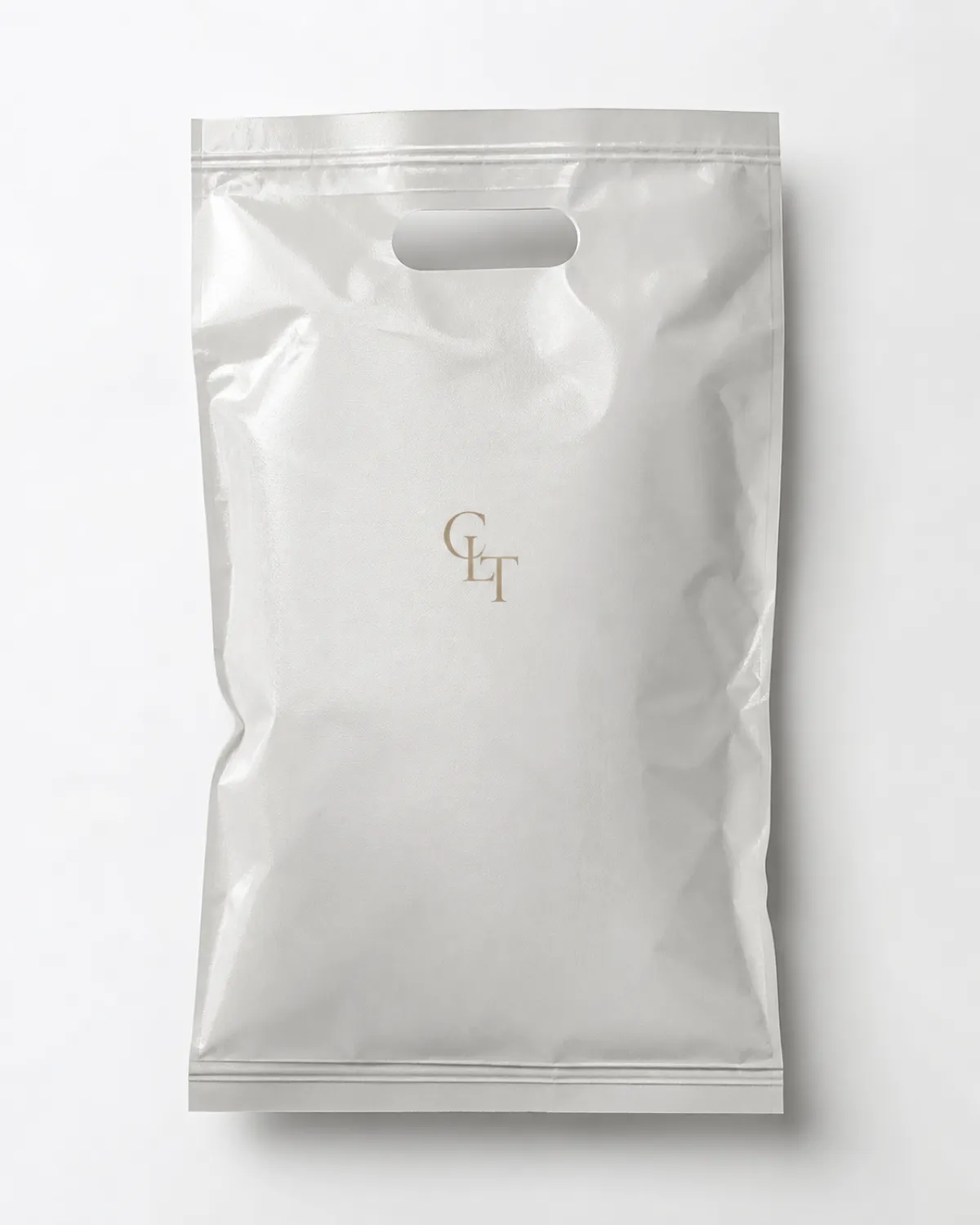
A shopper faced with two packages usually reacts to structure before reading the message. If one bag sags and the other keeps its shape, the second one tends to feel more dependable. That visual cue is a big reason custom polypropylene bags with logo perform so well in retail packaging. They bring enough body to signal care while avoiding the price of a premium carton or laminated structure that may not add real value for the product inside.
Polypropylene also brings a useful mix of durability, moisture resistance, and print-friendly surfaces. The material does not feel overly premium, which works well for value-oriented products, yet it also avoids the weak, disposable feel that cheap packaging can leave behind. A thoughtful run of custom polypropylene bags with logo can sit comfortably in the middle of the market, and that middle ground is often exactly where a practical brand wants to be.
From a branding standpoint, the bag carries two jobs at once. It protects the product and advertises the brand while the customer walks through a store, a lobby, a tradeshow floor, or a parking lot. That movement matters. Every step gives the logo another chance to register with someone nearby, which turns custom polypropylene bags with logo into a quiet marketing tool rather than a simple container.
Many buyers overthink this decision. The assumption is usually that the choice sits between a luxury bag and a bare-bones sack. The better answer often falls somewhere in between. custom polypropylene bags with logo can be tuned to feel functional enough for repeat use, simple enough for sensible production, and polished enough to support a retail launch or a seasonal promotion. That makes them a good fit for apparel, small gift sets, and promotional kits that need structure without extravagance.
"If the bag carries your product out into the world, it becomes part of the product experience, not just the thing that holds it."
That mindset helps avoid a common packaging mistake: choosing a style that looks right in a mockup but feels awkward on a shelf, in a hand, or inside a shipping carton. The best custom polypropylene bags with logo do not try to overpower the product. They simply make the brand look organized, and that often improves perceived value more than a louder design ever will.
Brands comparing this format against other product packaging options should remember that the bag can sit inside a larger system. A company may hand customers a printed bag in store, then use Custom Poly Mailers for e-commerce orders. That mix is common because a retail handoff and a ship-to-customer parcel have different structural needs.
What custom polypropylene bags with logo are made from
Polypropylene is a lightweight plastic resin that can be turned into different bag structures depending on the job. In practical terms, custom polypropylene bags with logo usually appear in one of three forms: woven, nonwoven, or laminated. Each one handles print, stiffness, and wear in a different way, and those differences become clear quickly once production begins.
Woven polypropylene uses interlaced strands, which gives the bag a textured, fabric-like appearance and a stronger handfeel. That structure often suits reusable shopping programs, heavier product loads, and situations where the bag needs to endure repeated handling. Nonwoven polypropylene is bonded rather than woven, so it feels softer and smoother, with a lighter drape. Many brands choose it for economical event bags and lighter retail packaging. Laminated styles add a film layer over woven material, which can improve color impact and moisture resistance while giving the surface a more finished look.
Material choice shapes more than strength. It also affects how the brand is read. A woven bag can feel practical and durable, while a nonwoven bag often comes across as approachable and easygoing. Laminated versions move closer to a polished presentation, which can help if the brand wants to feel organized and a little more elevated without moving into rigid cartons or Custom Printed Boxes. For custom polypropylene bags with logo, the structure of the bag helps tell the story.
Construction details matter just as much as the base material. The body, side gussets, bottom gusset, seams, handles, and reinforcement points all work together. A bag meant to hold boxed goods needs enough gusset depth to load easily. A bag carrying awkward or sharp-edged items puts more pressure on seams and handle attachment points. In real use, custom polypropylene bags with logo should be judged the way any working package is judged: by how the parts behave under actual handling, not by how the artwork looks on a screen.
These bags are used widely for apparel, trade show kits, grocery-adjacent retail packaging, sample programs, and reusable shopping applications. They also make sense when the brand wants a reusable bag that feels intentional without requiring the board weight or setup of more formal package branding. That flexibility is a large part of why custom polypropylene bags with logo remain such a steady choice for buyers who care about utility first and presentation second.
Thickness is another detail that deserves a close look. Suppliers may describe it in gsm, mils, or a fabric weight equivalent, and the terminology can vary by construction. A nonwoven bag around 80 to 120 gsm may feel light but acceptable for giveaways, while a heavier woven or laminated build can move into a stronger retail feel. The goal is not to pick the thickest option available. The goal is to match the construction to the product so the bag supports the actual load without wasting material.
One more practical point is worth raising: if the program includes shipping and rough handling, ask about transit testing instead of assuming the bag will behave the same once cartons get stacked, dropped, or vibrated in distribution. Resources from organizations like ISTA help because they frame packaging as a system, not just a printed face. That matters for custom polypropylene bags with logo that sit inside cartons, gift sets, or multi-item kits.
Custom polypropylene bags with logo: process, timeline, and production steps
The production flow begins with a specification review, and that step deserves more attention than it often gets. For custom polypropylene bags with logo, the supplier needs the bag size, target load, material type, handle style, print area, color count, and intended use before the job can be priced accurately. Skipping that work almost always leads to revisions later, which slows everything down and muddies the quote.
Once the specs are set, the artwork gets reviewed for printability. That means checking logo formats, line thickness, color breaks, text size, and whether the design still reads well on a textured or flexible surface. Flexographic printing, screen printing, and digital printing each have a different sweet spot. Flexo usually works well at higher volumes with simpler color builds. Screen printing can handle bolder coverage and sometimes better opacity. Digital printing helps with shorter runs or artwork that changes frequently. The right process depends on quantity, detail, and the finish you want for custom polypropylene bags with logo.
After artwork approval, the supplier may create a proof or sample. That might be a virtual mockup, a physical swatch, or a pre-production sample depending on the project size and printing method. This is where many first-time buyers slow down, and that caution is healthy. A proof is not just a formality. It shows whether the logo lands in the right place, whether the color contrast is strong enough, and whether the bag still feels balanced once the handles, seams, and gussets are factored in. For custom polypropylene bags with logo, proofing is where small problems are cheapest to correct.
Timeline depends on more variables than most people expect. Artwork approval may take a day or a week. Screen or plate setup can add time. Material availability can shift the schedule if a certain color or fabric weight is not on hand. Simple reorders can move faster because the supplier already has the files, settings, and approved build. New projects usually take longer because they need more back-and-forth before production can begin. In many cases, a realistic schedule for custom polypropylene bags with logo sits around 12 to 20 business days after final proof approval, though complex jobs can run longer.
Delays usually do not happen in the sewing room or at the print line. They happen in approval loops. A buyer changes the logo at the last minute. A color reference is vague. The bag size shifts after the proof is reviewed. Any of those changes can add days. If the bags support a launch, a seasonal event, or a replenishment cycle, it makes more sense to plan backward from the need date instead of forward from the quote date. That is especially true for custom polypropylene bags with logo that belong to a broader packaging design rollout.
The pack-out deserves attention too. If the bag is only one piece in a larger branded packaging system, ask how it will arrive, how it will be boxed, and whether the supplier can keep carton pack counts consistent. A tidy pack-out may not sound exciting, yet it saves labor on receipt and makes inventory easier to count. For many buyers, that is worth as much as the print itself.
Cost, pricing, and MOQ for custom polypropylene bags with logo
Price for custom polypropylene bags with logo usually comes down to five levers: size, material weight, handle style, print coverage, and construction type. Once those are defined, the supplier can estimate the run with much more confidence. Bigger bags use more material. Thicker fabric costs more. Reinforced handles add steps. Full-coverage graphics use more ink and more setup time. Laminated versions also bring finishing work into the process, which can raise the unit price.
MOQ matters more than many smaller brands expect. A lower minimum order quantity can make a pilot run possible, though the unit cost often rises because setup work is spread across fewer pieces. A larger run usually improves the per-unit price, but it ties up more cash and storage space. For custom polypropylene bags with logo, the most practical order size often lands somewhere between testing the market and ordering enough to get a meaningful price break. That is why it helps to ask how quickly the inventory will be used, not only how much the order needs to cost this week.
Hidden costs deserve attention early. Screen or plate fees may show up on first orders. Sampling can be billed separately. Freight can change the landed price a great deal, especially on bulky runs. Some suppliers also charge for special packaging, banding, carton labels, or palletizing. If a quote looks unusually clean, it is worth asking what is missing. For custom polypropylene bags with logo, the real number is not the headline unit cost; it is the total landed cost to your dock.
| Bag style | Typical feel | Common MOQ range | Typical unit price range | Best fit |
|---|---|---|---|---|
| Nonwoven polypropylene | Soft, flexible, economical | 1,000-5,000 pieces | $0.28-$0.85 | Giveaways, lighter retail packaging, event kits |
| Woven polypropylene | Textured, stronger, more structured | 1,000-3,000 pieces | $0.55-$1.25 | Reusable shopping bags, heavier loads, repeat use |
| Laminated woven polypropylene | Sharper print face, more polished finish | 1,000-3,000 pieces | $0.85-$1.80 | Brand-forward retail packaging, stronger shelf presence |
Those ranges are not promises. They move with size, print coverage, and order volume, and they can change if the supplier is sourcing a special color or a heavier fabric. Even so, they give buyers a useful frame of reference. A lower quote is not automatically better if the seams are weaker, the print coverage is thin, or the bag wears out too early. A slightly higher quote for custom polypropylene bags with logo may save money over the life of the program if it means fewer complaints and a longer usable bag life.
"The lowest quote only looks good if the bag survives the trip, holds the product cleanly, and still reads as your brand after the customer carries it home."
For buyers who want a reference point beyond a supplier’s estimate, industry groups such as packaging.org are helpful because they keep the conversation grounded in performance, sustainability, and material choice. That kind of context makes comparing custom polypropylene bags with logo much easier than lining up a pair of unrelated numbers on two different quotes.
How to choose the right style, size, and print layout
Bag size should follow the product first. That sounds obvious, yet buyers still get pulled toward guessing instead of measuring. A bag that is too small becomes frustrating at pack time and usually looks stressed once it is sealed or carried. A bag that is too large wastes material and can make the package feel careless. For custom polypropylene bags with logo, the safest path is to measure the product itself, add room for insertion and closure, then think through how the customer will hold and reuse the bag.
Gusset depth matters more than many people realize. A flat bag can work for slim items, but once the product changes to boxed goods, folded apparel, sample kits, or bundled items, the gusset becomes a usability feature rather than a construction detail. Handle length matters too. Short handles can feel tidy, yet they may dig into the hand when the load is heavy. Longer handles improve comfort, especially if the bag might be carried over a shoulder. In retail packaging, these details shape how the customer experiences the brand.
Artwork placement should respect seam allowances and structural breaks. A centered logo on the front panel is simple and dependable. Side-panel branding can add visual space without crowding the main face. Full-coverage graphics create a bigger impact, although they need careful alignment so seams do not slice through important text or imagery. For custom polypropylene bags with logo, clear negative space is often stronger than trying to fill every available inch.
There is also a strategic decision between restrained branding and more forceful graphic coverage. A single logo can feel understated, especially if the product already has a strong shelf presence. A full-coverage bag can turn into a moving billboard, which makes sense at trade shows or in busy retail environments. The trick is to match the visual weight to the category. A simple beauty accessory bag may benefit from a quiet, elegant mark. A promo bag for an event may need louder package branding to get noticed. Either way, custom polypropylene bags with logo should feel intentional rather than generic.
I often tell buyers to think about the bag as part of a broader packaging design system. If the brand already uses custom printed boxes with a clean and modern look, the bag should feel like it belongs in the same family. If the product line is more casual and price-sensitive, the bag should support that tone instead of trying to impersonate something more formal. Consistency matters because customers notice it even when they cannot explain why.
For brands that ship the same product through different channels, the structure may need to change. A bag that works beautifully for in-store handoff may not be the right tool for shipping. In that case, the bag and the mailer can work together, with one supporting retail packaging and the other handling transit. That kind of planning pays off, and it is one reason many buyers compare the bag against other formats instead of treating it in isolation.
Step-by-step guide to ordering custom polypropylene bags with logo
The strongest custom polypropylene bags with logo orders begin with the product load. Before print even enters the conversation, define the item dimensions, target weight, how the product will be inserted, and whether the customer is expected to reuse the bag. A bag for a folded tee behaves differently from a bag for a boxed set or a bundle of heavier goods. Once the load is clear, the rest of the project becomes much easier to shape.
Next, get the artwork into production shape. Vector files are ideal because they keep edges clean at print size. Confirm logo colors, text legibility, and any small details that might disappear on a textured surface. If the bag uses a dark film or a heavily woven substrate, contrast matters more than people expect. I have seen strong logos weaken simply because the color choice did not stand out enough on the material. That problem is easy to avoid on custom polypropylene bags with logo if the proof is reviewed with care.
Then request samples or mockups. Even a simple sample can reveal a lot about how the bag feels in the hand, how the handles sit, and whether the artwork placement looks balanced. A virtual proof helps, but a physical sample can expose issues that never show up on a screen, especially with gusseted shapes or laminated finishes. If you are running a larger program, this is also a good time to ask how the bag will be packed and whether carton quantities match the receiving process on your side.
Quote comparisons only work if the specifications are truly identical. One supplier may quote a lighter fabric with lower print coverage. Another may include reinforcement, stronger ink coverage, or more careful carton packing. Ask each bidder to work from the same spec sheet so you can compare custom polypropylene bags with logo apples-to-apples. If the packaging line is expanding, it can help to compare the bag against other formats in the same family, including the broader Custom Packaging Products lineup, so you know where the bag sits in the overall budget.
Approve the final proof only after checking quantities, lead time, shipping destination, and any packaging details that matter at receiving. It sounds basic, yet it prevents a long list of avoidable errors. If the order is time-sensitive, confirm the schedule in writing and ask where the supplier expects buffer time for approval, production, and transit. For custom polypropylene bags with logo, the smoothest orders are the ones where nobody has to guess.
Common mistakes, expert tips, and next steps
One of the most common mistakes with custom polypropylene bags with logo is choosing a bag that is too small and hoping the print will solve the problem. The bag size has to fit the product comfortably first. Another frequent error is approving artwork from a low-resolution file and assuming the printer can fix it later. That almost never ends well. A third issue is underestimating lead time, especially when a first order needs proofing and setup from scratch.
There is a quieter mistake that costs money too: comparing prices without matching the build. A lower quote may be based on lighter fabric, fewer colors, or no reinforcement. That is not a fair comparison if another supplier is quoting a more durable package. For custom polypropylene bags with logo, always compare size, material weight, handle style, print count, and finish together. Without that, the numbers stop meaning much.
From a production standpoint, I like to keep artwork as simple as the brand allows when the print area is limited. Strong contrast, clear spacing, and a logo that reads from a few feet away usually beat complicated artwork that turns muddy on a flexible surface. That advice applies whether the bag is part of retail packaging, event branding, or a broader package branding program. Simple work is often the strongest work.
Another useful tip: if the bag is expected to be reused, build in a little extra strength. Reinforced handles, better seam quality, and a slightly heavier substrate can extend the life dramatically. That does not always mean a bigger budget. Sometimes it just means choosing the right construction once instead of replacing weak bags later. If the bag is carrying sharper-edged products, check the seams and edge strength carefully because puncture resistance matters more than decoration at that point. Good custom polypropylene bags with logo should survive normal customer handling without looking tired after the first use.
If the packaging line is still being mapped, a short checklist can keep the order grounded:
- Define the product dimensions and target load weight.
- Choose one or two material options that match the use case.
- Request a proof or sample before full production.
- Compare quotes using identical specifications.
- Confirm quantity, lead time, freight, and receiving details.
If the bag is part of a shipping program, it also helps to think about the transit environment. For example, if the pack rides inside cartons or mixed shipping bundles, ask whether the overall package needs to align with ISTA-style transit testing logic. That kind of thinking keeps the conversation centered on the package as a working system, not just a printed shell.
The broader material story matters in some programs too. If the brand uses paper inserts or cartons alongside the bag, choosing FSC-certified board for those components can support the overall retail packaging message. The point is not to force every order into the same material family. It is to align product, material, and brand behavior so the customer feels that the whole package was planned on purpose.
For companies that want to compare formats side by side, it pays to study the bag against other shipping and presentation options before locking the order. A bag can be the right tool, but it should win because it fits the job, not because it happens to be the cheapest line on the spreadsheet.
If you are starting a new program, the cleanest path is usually simple: measure the product first, choose the material second, and only then lock the artwork and print method. That order keeps custom polypropylene bags with logo grounded in reality, which is exactly what keeps a packaging program from getting expensive or awkward later on.
When those decisions are made in the right sequence, the bag does more than hold the product. It carries the brand with a clean, practical confidence that customers notice right away, and it keeps doing that work long after the first handoff.
Frequently Asked Questions
What is the difference between woven and nonwoven custom polypropylene bags with logo?
Woven bags use interlaced polypropylene strands, so they usually feel stronger and more textured. Nonwoven bags are made from bonded fibers, which gives them a softer feel and often a lower cost point. Woven styles usually suit heavier loads, while nonwoven options are common for lighter retail packaging and giveaways.
Are custom polypropylene bags with logo reusable and recyclable?
Many polypropylene bags are built for reuse, and that is one reason they work so well for branded packaging that stays in circulation. Recyclability depends on the exact construction and local collection systems, so it is wise to confirm whether the material is accepted in your area before making claims.
How long does production usually take for custom polypropylene bags with logo?
Lead time depends on artwork approval, material availability, printing method, and order size. Simple reorders usually move faster than first-time jobs because the files and settings already exist. A supplier should give you a realistic schedule after the final specs are approved, including proofing, production, and transit time.
What artwork works best for custom polypropylene bags with logo?
Clean vector artwork with strong contrast usually prints best, especially on textured or flexible surfaces. Simple layouts tend to stay readable more reliably than highly detailed graphics, and they usually hold up better across different print methods and material finishes.
How can I compare pricing for custom polypropylene bags with logo?
Ask for quotes using the same size, material weight, handle style, print colors, and finish so you are comparing the same build. Then look beyond unit price and review setup charges, freight, MOQ, and proofing costs to understand the real landed cost.

