Custom Pom Pom Beanies for Ski Club Merchandise: Why They Stand Out
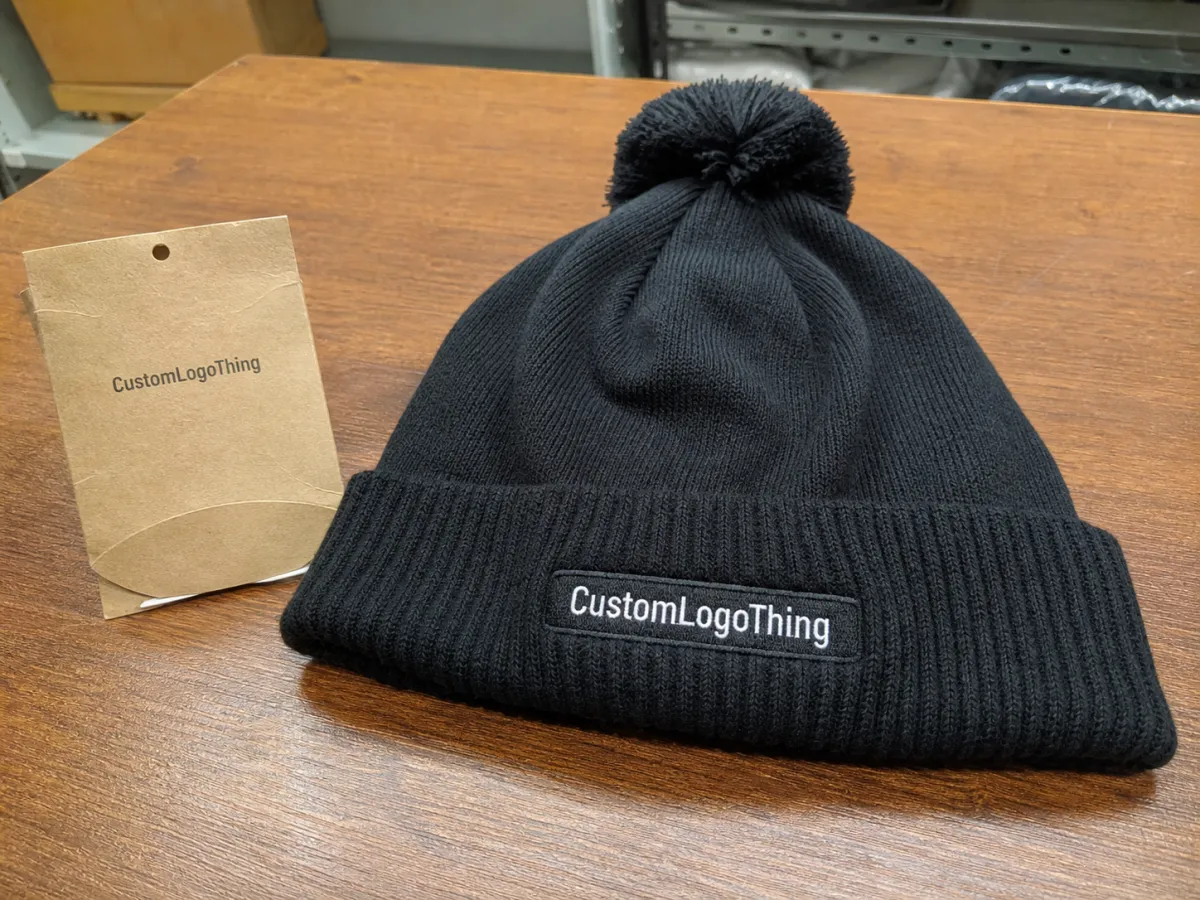
A pom does more than sit on top of a hat. It changes the silhouette, adds motion, and makes a winter beanie easier to notice from across a lodge or in a group photo. That matters for Custom Pom Pom Beanies for ski club merchandise, because ski clubs are not buying headwear only for warmth. They are buying visibility, identity, and a product people will actually wear after the trip is over.
Compared with a plain cuffed beanie, a pom style usually feels more finished. The hat reads less like a utilitarian layer and more like a piece of team gear. That small shift can improve sell-through, especially for clubs that use merchandise as both fundraiser inventory and member apparel. A hat that looks good on a merch table has a better chance of leaving the table.
The decoration choice matters too. Embroidery works well for bold marks and one- or two-color logos. Woven patches preserve small details and complex crests. Labels and tabs can give the beanie a cleaner retail look if the club wants something quieter than a large front graphic. The right choice is not always the most decorative one; it is the one that stays legible on knit fabric.
There is also a practical side that buyers learn quickly. Winter items get handled with gloves, packed into ski bags, and worn in bad light. If the logo only looks sharp in a mockup, it will disappoint once it reaches real use. The better products survive a simple test: they still look like the club when someone sees them from six feet away in motion.
A good ski club beanie should do three jobs at once: keep its shape, carry the logo cleanly, and sell itself without much explanation.
That is why the strongest orders usually combine a sensible blank hat, a clear decoration method, and packaging that does not fight the product. A ski club beanie is a small item. Its economics are not small once setup, freight, and presentation are added in.
How Pom Pom Beanie Orders Work for Ski Clubs
The ordering sequence is straightforward, but the choices have more impact than most clubs expect. Start with the base beanie, then decide on the pom style, then choose decoration, then review the proof, and only then approve production. Reversing that order tends to create rework. Rework costs time, and winter calendars are unforgiving.
The base hat determines a lot of the final result. Acrylic knits are common because they hold shape well, take color cleanly, and stay within a reachable price band. Acrylic-wool blends usually feel a little warmer and softer, though they can push the cost up. Recycled blends may help with a sustainability story, but they still need to be evaluated on fit, recovery, and color consistency rather than on label alone.
Cuff height matters more than many boards realize. A taller cuff gives the logo more room and often makes the beanie look more substantial. A short cuff can feel more fashion-forward, but it leaves less real estate for a crest or wordmark. Stitch density matters too. Thin artwork on a textured knit can blur unless the embroidery or patch is designed for the fabric, not just copied from a flat digital file.
Buyers should also ask about the pom itself. Yarn poms are usually lighter and more economical. Faux-fur poms can look premium, photograph well, and create a softer profile, but they add cost and can change the product's perceived style. Mixed-material poms sit somewhere in between. The right choice depends on whether the club wants sporty, playful, or premium.
Quality-control checks are not glamorous, but they keep good orders from becoming mediocre ones. A useful checklist includes the following:
- logo placement centered on the cuff and not drifting after stretch,
- thread or patch colors matched against approved art,
- pom attachment secured so it does not loosen in packing or wear,
- stitch tension even across the knit surface,
- hat stretch recovery tested so the cuff returns instead of bagging out,
- folding and packing reviewed so the product arrives presentation-ready.
That final point is often underestimated. A beanie that arrives crushed or inconsistently folded looks cheaper than it is. Presentation does not fix a weak product, but poor presentation can make a solid one look rushed.
Cost, Pricing, and MOQ: What Shapes Your Quote
Most pricing conversations start with a single number and end with a list of exceptions. The useful quote is the one that shows exactly what pushes the price up or down. For ski club beanies, the main variables are blank hat quality, pom style, decoration method, quantity, and packaging. Each one changes the unit cost in a different way.
A simple embroidered logo on a higher quantity run usually sits at the low end of the range. A more detailed woven patch, premium yarn, or faux-fur pom moves the price upward. Add a hang tag, retail band, or gift-style box and the number climbs again. None of this is mysterious. It is just setup and materials spreading across the order.
MOQ, or minimum order quantity, is the part that shapes the quote most visibly. The fewer hats you buy, the more each one has to carry in setup costs. Once the run gets larger, the unit price tends to drop. In practice, 48 or 72 units is a common entry point for smaller clubs, while 144 and 250 pieces often unlock noticeably better pricing tiers.
For planning purposes, a decorated ski club beanie commonly lands somewhere in the $5.25 to $11.00 per unit range before retail markup, depending on order size and decoration complexity. Simple embroidery at volume tends to sit lower. Premium yarn, faux-fur poms, and layered decoration push higher. A club that sells the same hat for $18 to $32 at retail can usually build a healthy margin, but only if freight and packaging are included in the math from the start.
Ask for a quote that breaks out the following:
- quantity tiers and exact price breaks,
- setup or digitizing fees,
- sample or pre-production costs,
- shipping, freight, and carton charges,
- retail packaging or folding requirements,
- rush fees if the calendar is tight.
That breakdown makes it easier to compare vendors on equal footing. A low headline price can disappear fast once setup and shipping are added. A slightly higher quote may actually be the better buy if it includes packaging and a cleaner proof process.
For clubs that want to think beyond a single item, the same logic applies to Custom Packaging Products. Bundled winter kits, gift sets, and resale-ready merch tables all benefit from the same discipline: clear specs, predictable costs, and packaging that feels intentional rather than improvised.
| Option | Best Use | Typical Cost Impact | What to Watch |
|---|---|---|---|
| Single-color embroidery | Simple club logos, school marks, strong resale volume | Lowest setup burden; usually the most economical decoration | Works best with bold art and clean edges |
| Woven patch or label | Detailed crests, multi-color art, premium presentation | Moderate increase; usually a small per-unit premium | Patch size and border finish affect readability |
| Faux-fur pom with custom packaging | Gift shop merchandise, board gifts, high-visibility team wear | Highest of the three options | Premium only works if the logo still reads cleanly |
One pattern shows up often in winter merch buying: clubs assume the premium version will sell itself, then discover the middle tier performs better. The middle option usually balances appearance, cost, and comfort more effectively than the top or bottom extreme. That is not exciting. It is profitable.
Process, Timeline, and Turnaround From Art Proof to Arrival
Production is usually less unpredictable than the approvals around it. A standard order follows a predictable path: quote, art setup, proof, revision if needed, approval, production, quality check, packing, and shipment. The order slows whenever someone waits too long on a decision. Manufacturing is only one part of the timeline.
A realistic benchmark is 12 to 15 business days from final proof approval for a standard decorated run, with freight added on top. That assumes the art is ready, the decoration method is straightforward, and no one is asking for late changes. If the order needs a sample, a new patch layout, or a custom packaging insert, the clock moves outward. Peak winter demand can extend it further.
The best buyers protect the calendar early. Ski clubs often plan around trips, banquets, and holiday sales windows, which means one missed week can turn a useful inventory item into late-arriving stock. Build in time for proof revision. Build in transit time. Build in one more buffer if the order depends on multiple volunteers signing off.
Timeline issues are often really file issues. A low-resolution logo, an unclear color reference, or artwork built in the wrong format can slow the proof stage before production has even started. Vector files are usually the safest starting point for embroidery and patch work because they reduce redraw time and preserve crisp edges. If the artwork is complicated, the proof stage should be treated as a production control step, not a formality.
There are also physical constraints. Deep knit textures can distort fine art. Dark yarn can mute thread contrast. A large pom can cover too much of the crown if the layout is too tall. Small production decisions like these are where good suppliers earn their keep. The job is not to say yes to everything. It is to stop avoidable problems before the hats are made.
Packaging and shipping deserve the same attention. If the order is traveling through freight rather than parcel, ask about carton strength and pack orientation. Industry standards such as ISTA are useful references for distribution testing, especially when boxes are stacked, handled, or transferred multiple times. For paper inserts, recycled hang tags, or carton components, FSC certification can support the story without changing the product itself.
Late approval is the most common reason good merchandise misses the window. The hat can be excellent and still be too late. That is a planning failure, not a manufacturing one.
Step-by-Step Ordering Guide for Ski Club Buyers
- Gather the core inputs. Pull together the logo file, target colors, estimated quantity, and the date the hats must be in hand.
- Separate the use cases. Decide whether the order is for members, resale, or both. That determines whether margin, price, or inclusion matters most.
- Choose the blank carefully. Compare knit thickness, cuff depth, and fabric blend before looking at decoration. The base hat carries most of the comfort and shape decisions.
- Select the pom style. Match the pom to the intended feel of the merch: sporty, premium, or playful. A mismatched pom can change the whole read of the product.
- Match the decoration method to the artwork. Embroidery suits bold marks. Woven patches work better for detail. Labels work well when the club wants a cleaner retail look.
- Review the proof with a production eye. Check contrast, placement, thread colors, and how the logo sits against the knit texture, not just how it looks on a screen.
- Confirm the packing plan. Ask how each hat will be folded, bagged, boxed, or banded so the product arrives ready for the merch table.
That proof review is where most buyer mistakes can still be fixed cheaply. If the logo is too small, the patch is too detailed, or the contrast is too low, the revision should happen there, not after production starts. Winter wear is unforgiving to weak art decisions. Small details vanish quickly once texture enters the equation.
It also helps to think about display before the hats arrive. A stacked table with one clear price point often sells better than a loose pile in mixed packaging. If the club is using stickers, patches, or tickets alongside the beanies, the whole setup should feel like one merchandising system. That is packaging design in a practical sense, not an aesthetic one.
For clubs that want a cleaner retail setup, simple retail packaging can make the product easier to sell without adding unnecessary expense. A neat fold, a readable label, and a well-chosen price sign often do more than elaborate extras. Overbuilt packaging can make the item feel expensive before a buyer has even picked it up.
Common Mistakes That Cause Delays or Weak Merch Sales
The first mistake is usually artwork complexity. Fine lines, tiny text, and crowded crests do not translate well onto knit fabric. Stitching can only hold so much detail before the design starts to blur. A simple mark with strong contrast nearly always performs better than a busy graphic with lots of promise and little readability.
Fit mistakes come next. A beanie can look ideal when laid flat and still wear poorly if the stretch is off, the cuff is too shallow, or the crown collapses after a few wears. That is why it helps to ask about stretch recovery, yarn blend, and crown structure before approving the order. A winter hat is worn in motion, not framed on a page.
Color errors are more expensive than they seem. A logo that is technically correct but too close in tone to the hat color can disappear outdoors. A club that wants its mark visible in snow glare and lodge lighting should favor contrast over subtlety. The same advice applies to poms. A pom that blends into the hat may look sophisticated in a mockup and flat in real life.
Timing errors are another common drain. Ordering too close to the first event reduces room for proof revisions and raises shipping costs. Clubs that wait for the final volunteer meeting before starting the order usually end up paying for the delay in some other way. The bill arrives as freight, rush fees, or a missed sales window.
The sales mistake is subtler. Boards often approve what they personally like, not what the broader membership will wear. Those are not always the same decision. A clean, wearable color scheme usually outsells a highly specific one, especially if the club serves mixed ages and mixed style preferences. The merch table rewards broad appeal more than committee consensus.
Packaging can create its own problem. A hat that is produced well but displayed poorly will still underperform. Loose plastic, crushed folding, and cluttered tables all make the product seem cheaper. If the goal is to move inventory, the presentation has to support the price point instead of working against it.
Most of the avoidable friction in winter merch comes from the same source: unclear specs. Clear art files, clear quantity targets, and a clear deadline remove more risk than last-minute creativity ever will.
Expert Tips for Better Ski Club Merch Margins
The simplest margin protection is demand testing. A preorder form, short survey, or interest list can tell you whether the club should buy 60 pieces or 180. That one step can prevent the common problem of overbuying a design the board loved but the membership barely noticed. Inventory is only valuable if it moves.
Buying in tiers is another useful tactic. A club can keep one version of the beanie at a lower price for broad resale and reserve a premium version for coaches, donors, or board gifts. That structure gives the merchandise line more flexibility without forcing every buyer into the same cost band. It also lets the club maintain a visible premium option without depending on it for all revenue.
Color discipline pays off faster than people expect. Two strong colors usually outperform a crowded palette, especially in outdoor retail settings where the hat has to be noticed quickly. Clean color blocking also makes it easier to extend the line later into scarves, patches, or socks without rebuilding the whole visual system.
Bundling can raise average order value without making the offer feel bloated. A beanie paired with a neck gaiter, patch, or sticker set gives buyers more reason to spend a little more. The bundle should feel like one story, not a pile of leftover items.
Retail presentation matters just as much as the blank hat choice. A branded belly band, insert card, or simple box can make the product feel finished, especially in holiday sales or lodge shops. That is where branding packaging and custom printed boxes can quietly improve perceived value. They do not replace a good hat. They make a good hat easier to sell.
One more practical rule: make sure the logo reads at a distance. If someone can identify the club from across a lodge, the design is doing its job. If the mark only works up close, the product becomes more decorative than promotional. For ski club merch, that is usually the wrong tradeoff.
These are small adjustments, but they add up. Better margins usually come from better decisions upstream, not from squeezing the last cent out of a quote.
Practical Next Steps for a Clean Order
Start with a one-page spec sheet. Include the logo file, hat color, pom style, decoration method, quantity target, budget range, and in-hand date. That sheet keeps the order grounded. Without it, buyers end up comparing quotes that were never built on the same assumptions.
Ask for a mockup, a pricing ladder, and a production calendar in the same exchange. Those three pieces reveal whether the supplier understands both the design and the logistics. A good mockup shows the art. A useful price ladder shows the break points. A calendar shows whether the order can actually land on time.
Keep the approval chain short. Too many review rounds are where momentum disappears. For winter goods, speed matters, but so does accuracy. The strongest orders tend to come from clubs that decide early, approve once with care, and avoid reopening choices that have already been settled.
For clubs planning Custom Pom Pom Beanies for ski club merchandise, the final goal is not just to place an order. It is to create inventory that feels appropriate at first glance, wears well through the season, and returns enough margin to justify the run. That only happens when design, pricing, packaging, and timing are treated as one decision.
What makes custom ski club pom pom beanies different from standard beanies?
The pom changes the visual profile of the hat, making it easier to spot in photos, on a merch table, and in the lodge. It also gives the beanie a more giftable, event-ready feel than a plain cuffed cap.
How many custom pom pom beanies should a ski club order?
That depends on membership size, resale goals, and whether the hats are for a single event or the full winter season. A preorder or interest check usually gives a better answer than guessing from last year's numbers alone.
Which decoration method works best on ski club beanies?
Embroidery is a strong fit for bold, simple logos because it stays readable and holds up well in winter use. Woven patches or labels work better for detailed crests, multiple colors, or artwork that would lose clarity in stitching.
How long does production usually take for ski club pom pom beanies?
Standard production often runs about 12 to 15 business days after final proof approval, with shipping added after that. Samples, revisions, packaging changes, and peak-season demand can extend the timeline.
Can ski clubs sell pom pom beanies as fundraiser merchandise?
Yes. They are practical, visible, and easy to price as a retail item rather than a pure giveaway. Profit improves when the club plans the quantity, decoration, and packaging before ordering so the final unit cost leaves room for margin.

