Buyer Fit Snapshot
| Best fit | Custom Pouch Bags Price projects where brand print, material claims, artwork control, MOQ, and repeat-order consistency need to be specified before quoting. |
|---|---|
| Quote inputs | Share finished size, material target, print colors, finish, packing count, annual reorder estimate, ship-to region, and any compliance wording. |
| Proofing check | Approve dieline scale, logo placement, barcode or warning zones, color tolerance, closure strength, and carton packing before bulk production. |
| Main risk | Vague material claims, crowded artwork, missing packing details, or unclear freight terms can make a low unit price expensive after revisions. |
Fast answer: Custom Pouch Bags Price: What Drives Real Costs and Value should be specified like a repeatable production item. The safest quote records material, print method, finish, artwork proof, packing count, and reorder notes in one written spec.
Production checks before approval
Compare the actual filled-product size with the drawing, then confirm tolerance on folds, seals, hang holes, label areas, and retail display edges. Reserve space for logos, QR codes, warning copy, and material claims before decorative graphics fill the panel.
Quote comparison points
Review material grade, print process, finish, sampling route, tooling charges, carton quantity, and freight assumptions side by side. A quote is only useful when the supplier can repeat the same color, closure quality, and packing count on the next order.
Custom Pouch Bags Price: What Drives Real Costs and Value
The phrase custom pouch bags price looks tidy on a quote sheet. The reality is not tidy at all. Film structure, barrier level, print coverage, closure style, and the job the pouch must do in transit can move the number in different directions. Two pouches may look almost identical from a distance and still perform very differently once they are filled, sealed, stacked, and shipped. The cheapest quote is often the one with the most missing context.
From a packaging buyer’s point of view, the goal is not to chase the smallest number in the column. The goal is to match the pouch to the product so the package protects shelf life, fills cleanly, and supports the brand without creating waste that surfaces later in the budget. A dry snack, a powdered supplement, a coffee blend, and a liquid refill pouch each ask for a different level of performance. The right construction is often what keeps the total program cost under control.
A low starting price can be real, but only if the specification is real too. The fastest way to miss budget is to compare two pouch quotes that look alike on paper while one is built for a very different job.
Why custom pouch bags price can look low until you compare specs
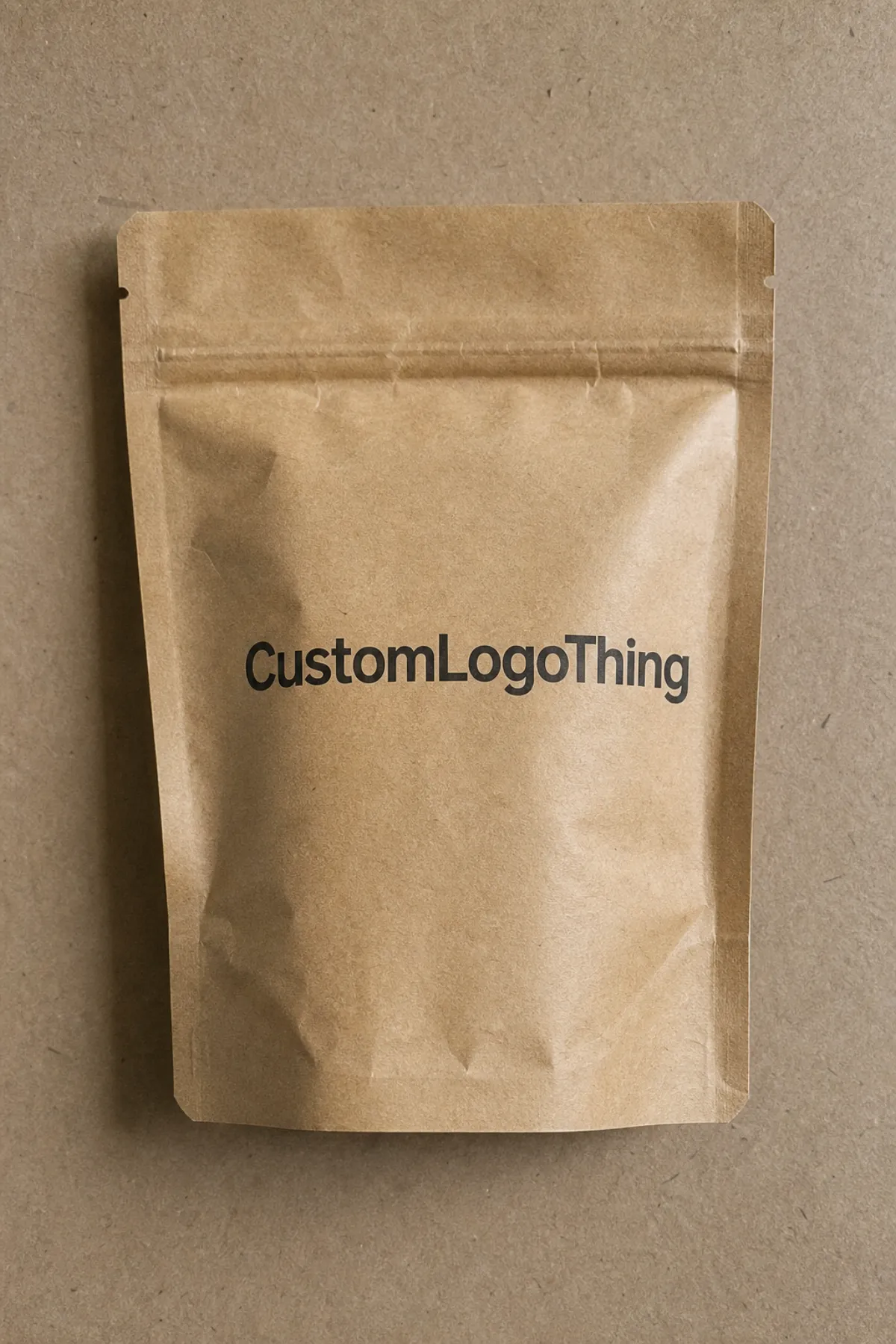
One of the most common pricing mistakes is comparing two pouch quotes by headline number alone. A brand sees one offer that is clearly lower and assumes the market has softened, yet the details show a thinner laminate, fewer print colors, no zipper, a different size, or a simplified seal pattern. That is not always a bad thing. It does mean the two numbers are not describing the same package.
A practical example shows how quickly the gap appears. A snack brand wants a shelf-ready stand-up pouch and starts with a lighter film to save a few cents per unit. On paper, the quote looks attractive. In production, the pouch bruises more easily, the zipper feel is less substantial, and the product needs stronger oxygen protection to hold freshness. The brand then pays again for a revised run, plus the internal cost of delayed launch and inventory that no longer fits the plan. The first invoice looked better than the full story.
That is why the custom pouch bags price discussion needs context. A pouch meant for retail packaging carries different demands than one used for internal kitting or shipping. If the bag is doing branding work on a crowded shelf, print finish, color accuracy, and tactile feel matter. If the pouch is only a utility package, a more straightforward build may be enough. The right decision depends on product behavior, distribution stress, and how much visual lift the brand needs.
Practical buyers usually sort pouch decisions into three buckets: value builds, balanced builds, and premium builds. Each one can be the right answer. A value build may use a simpler material structure and standard printing, a balanced build may add stronger barrier and a zipper, and a premium build may include extra thickness, elevated decoration, or a more refined finish. The hard part is knowing which bucket the product truly belongs in.
Price also changes with the hidden costs of inconsistency. A pouch that is slightly off in seal width, film gauge, or zipper placement can run fine in a sample room and cause trouble on a fast filling line. One plant manager I spoke with put it bluntly: a bad fit wastes more money than a modest upgrade ever will. That is not marketing language. It is a production reality.
Custom pouch bag styles and product details that shape the build
Not every pouch style starts with the same material use or converting effort, which is why format matters so much. A stand-up pouch uses a bottom gusset and is often chosen for shelf display because it presents the front panel cleanly and fills efficiently. A flat pouch is simpler and usually works well for sample packs, single-serve items, or slimmer product profiles. A side-gusset pouch fits denser fills such as coffee, powders, and granular products. A spouted pouch adds a functional closure for liquids, sauces, concentrates, or refillable applications.
Each style changes the cost structure in practical ways. More complex formats usually require more converting steps, more material, or tighter process control. A spouted pouch does not cost like a flat snack pouch because the spout assembly, placement accuracy, and seal integrity add work. A side-gusset pouch can look simple from the front, yet it may demand different filling equipment considerations and more careful dimensional planning than a buyer expects at the beginning.
Functional features change both usability and pricing. Zippers are popular because they support reclosure and consumer convenience, but they add material and assembly cost. Tear notches improve opening behavior, hang holes support display, degassing valves help roasted coffee release pressure, rounded corners improve handling and shelf presentation, and windows show the product without opening the pack. Matte and gloss finishes are not just appearance choices; they shape readability, perceived quality, and the way light moves across the panel.
From a product packaging standpoint, the contents should guide the spec. Powders need seal integrity and controlled dust management. Snacks need protection from oxygen and moisture. Liquids need leakage resistance, often stronger film performance, and careful seal design. Hardware or dense dry goods may need puncture resistance and a more durable laminate. If the pouch is being used for branded packaging on a store shelf, the visual requirements rise as well, and those brand goals can justify a heavier film or a more polished finish.
One detail that gets missed frequently is the difference between outside dimensions and usable fill area. Buyers sometimes quote only the front-facing width and height, then discover later that the gusset, zipper position, and seal margins reduce the available volume more than expected. A precise dieline or size specification prevents those problems and keeps the filling line from running into fit issues. That matters whether you are buying one pouch style or comparing several from Custom Packaging Products.
The choice of pouch style can also affect labor on the packaging line. A fill-and-seal machine may run one format comfortably and struggle with another if the side seals are too narrow or the gusset profile is inconsistent. The price you see in procurement is only part of the equation. Downtime, rejected fills, and manual rework are real costs, even if they never appear on the supplier invoice.
Material, print, and structure specifications that affect performance
Most pouch quotes start with the film structure because that is where a large share of the performance and price lives. Laminated structures combine layers to balance strength, sealability, print surface, and barrier. Barrier films help protect against oxygen, moisture, odor transfer, and light. Recyclable mono-material options may be attractive for sustainability goals, but they have to be checked carefully against the product’s real protection needs. Clear windows, metallized layers, and opaque layers all change both appearance and function.
Thickness matters, but thickness alone does not tell the whole story. A thicker film is not automatically better if the seal layer is weak or the barrier layer is not suited to the product. In practice, a well-engineered 3-mil or 4-mil laminate may outperform a heavier but poorly matched structure. Buyers should ask what each layer is doing, not just how thick the pouch sounds in a sales conversation.
Printing method is another major cost driver. Digital printing often makes sense for shorter runs or projects that need flexibility and faster setup. Flexographic printing generally supports longer production runs and can improve unit economics once the job volume is high enough. Full-coverage artwork, metallic effects, and dense ink coverage push the price upward because they increase press time, setup, and ink usage. Simpler artwork is not always the right choice for the brand, but it can reduce cost without hurting the shelf message if the design is disciplined.
Surface finish deserves more attention than it often gets. Matte can create a softer, more premium look and reduce glare under retail lighting. Gloss can make colors appear sharper and more vibrant. Soft-touch finishes add a tactile feel that many brands use to signal quality, especially in beauty, wellness, and premium food. Clear windows help shoppers see the product, which can be useful for transparency and trust. The right finish should support readability, product visibility, and package branding without interfering with sealing or scuff resistance.
Compliance also matters, especially for food, supplements, and personal care items. Buyers should confirm that the pouch structure, inks, and sealing approach fit the intended use. If transit testing is part of the project, standards such as ISTA are useful references for shipping performance, and if the program includes paperboard components or broader sustainability goals, FSC-certified materials may be relevant through FSC. For regulatory-sensitive work, the safest path is to align the pouch specification with the product category before the quote is finalized.
There is also a reason experienced buyers ask for test data instead of relying on a verbal assurance. Oxygen transmission rate, moisture vapor transmission rate, seal strength, and puncture resistance are not abstract metrics. They are the difference between a pouch that survives a retail cycle and one that fails after a few weeks in the wrong warehouse climate. Not every project needs a laboratory report attached to the purchase order, but the buyer should know whether the supplier can provide those numbers.
Custom pouch bags price, MOQ, and quote factors
This is where the buying decision usually gets real. Custom pouch bags price is driven by size, material structure, print complexity, order quantity, and the number of converting steps required to finish the bag. A larger pouch uses more film. A pouch with full-coverage graphics uses more print work. A pouch with a zipper, window, and specialty finish requires more materials and more process control. Every added step usually appears somewhere in the quote.
MOQ, or minimum order quantity, is one of the strongest levers in the pricing structure. Lower quantities generally carry a higher per-piece cost because setup, proofing, and machine changeovers have to be recovered across fewer units. Higher quantities usually lower the unit price, but they also raise inventory commitment, storage needs, and the risk of overbuying if the package changes later. That is why a smart buyer asks not only for the quoted MOQ, but also for the next price break and the volume where the economics improve meaningfully.
Here is a practical way to think about the market. The numbers below are illustrative, not universal, because size, barrier level, and artwork all change the final outcome. Still, they help frame the discussion:
| Build type | Typical use | Common features | Illustrative unit price at 5,000 pcs |
|---|---|---|---|
| Value build | Simple dry goods, samples, utility packs | Standard laminate, limited print coverage, basic finish | $0.18-$0.32 |
| Balanced build | Retail snacks, supplements, coffee, recurring programs | Better barrier, zipper, stronger graphics, matte or gloss finish | $0.26-$0.48 |
| Premium barrier build | Products needing higher protection or elevated shelf presence | Higher barrier laminate, heavier print coverage, special features | $0.40-$0.75+ |
The table is not a quote, but it does show the relationship between complexity and price. A pouch that needs stronger barrier performance will often cost more because the material stack is doing more work. A bag with more decoration may cost more because the press and converting line are doing more work. That is normal. The important question is whether the extra cost supports a real product need or simply adds decoration without a business return.
A clean quote should separate the actual line items. Unit price is only one piece of the story. Tooling or plate charges may apply depending on the print method. Samples or proofs may carry a fee. Freight and taxes can be meaningful, especially on heavier or larger orders. Special handling, rush production, or unusual packaging requirements may also appear. If two quotes are being compared, they should be compared on the same pouch size, same structure, same closure, same finish, and same quantity. If one looks much lower, the specifications are probably not identical.
It also helps to think in terms of total program cost, not just bag cost. A slightly more expensive pouch can be the better purchase if it reduces spoilage, improves shelf appeal, lowers returns, or runs more reliably on the filling line. In purchasing meetings, that logic usually lands well because it ties the packaging decision to the actual business result instead of a single unit number.
For buyers building out a broader packaging program, it can help to review retail packaging options and compare where a pouch makes more sense than custom printed boxes or other product packaging formats. The right format is the one that protects the product, fits the equipment, and supports the brand story with the least friction.
There is one more wrinkle: market price can move with resin supply, freight costs, and seasonal factory load. That does not mean every increase is arbitrary. It means a quote taken three months ago may not reflect current material conditions. Buyers who work across long lead times already know this. The smart move is to validate the assumptions behind the quote rather than arguing over a number that was built for a different week.
Production steps and timeline for custom pouch bags
A good pouch project has a clear sequence, and the more complete the brief, the more predictable the schedule. The normal workflow starts with inquiry and product brief, then size confirmation, artwork review, dieline or layout approval, proofing or sampling, production, quality checks, packing, and shipment. If the path is clear at each stage, the order moves cleanly. If one step is vague, the whole timeline can drift.
Lead time depends on the build. Simpler orders with standard materials and straightforward artwork can move faster. Custom structures, special finishes, unusual closures, or regulatory checks usually take longer. The current production load matters too, because even a simple pouch can slow down if the factory schedule is full. In practice, buyers get better timing estimates when they share the delivery window early, not after artwork is already in review.
Delays often come from basic information gaps. Missing artwork, unclear dimensions, late color changes, and slow approval cycles are among the most common causes. Those are frustrating because they are usually preventable. If a brand can send the fill weight, target dimensions, finish preference, and artwork files in one clean package, the supplier can move much faster. When a project is urgent, that kind of preparation is often the difference between a manageable launch and a scramble.
Sampling deserves a place in the schedule, especially for new products or any pouch that has to perform under real filling conditions. A plain sample can verify size and fit. A structural sample can show seal behavior and fit on the line. A printed proof can help confirm artwork, finish, and overall presentation. Not every job needs every type of sample, but many jobs benefit from at least one check before full production starts.
If the pouches will be filled by a co-packer or contract manufacturer, their schedule should be part of the planning conversation. It is common for a packaging order to arrive on time and still miss the launch window because the fill line was booked later than expected. That is avoidable. When the package and the fill window are aligned, the finished product moves through the system with less idle inventory and less risk of rework.
One overlooked step is pre-production signoff on artwork and dielines. Small issues here become expensive later. A logo shifted two millimeters, a barcode placed too close to a seal, or a nutrition panel that crowds a gusset fold can force a rework or a delayed run. Buyers who insist on a disciplined approval process usually save more than they spend on the extra hour of review.
Why Custom Logo Things is a practical partner for pouch packaging
Custom Logo Things fits the kind of buyer who wants facts, not noise. The right packaging partner should help translate product requirements into a pouch build that actually works, rather than forcing every project into the same material or the same style. That matters because pouch buying is not just about decoration. It is about fit, barrier, filling behavior, shelf presentation, and repeatability from one order to the next.
Clear communication around specifications is one of the biggest values a supplier can bring. Buyers Need to Know what the pouch is made of, what it protects against, what features are included, what changes the price, and what timeline is realistic. That is especially useful for purchasing teams that have to explain the decision internally. A clean quote with well-defined line items makes that conversation easier and helps the brand make a controlled decision instead of guessing.
Consistency matters just as much on reorder as it does on the first run. A pouch that repeats well protects the workflow, the filling line, and the visual identity. Small changes in size, seal location, laminate thickness, or finish can affect the consumer experience and the package’s fit with the rest of the product packaging system. The supplier’s job is to keep those details stable unless a change is intentionally requested.
A strong partner should also ask the questions that reduce trial and error up front: What is the product? What is the fill weight? Does it need oxygen barrier, moisture barrier, or puncture resistance? Will it be sold in retail packaging or used more as a utility pack? What equipment will fill it? Is there a budget range? Those questions are not paperwork for the sake of paperwork; they are how a good specification gets built.
That same practical mindset applies across branded packaging programs, not just pouches. A brand may compare pouches, labels, and Custom Packaging Products for different lines, and the right supplier should be able to explain the tradeoffs plainly. If a box, mailer, or pouch is the better fit, the buyer should hear that directly. Straight answers save time and usually save money too.
Custom Logo Things is positioned around that kind of grounded support: material knowledge, conversion awareness, and buying guidance that respects the realities of production. No oversized claims are needed. The value is in helping the customer choose the right build, understand the tradeoffs, and move forward with confidence.
That approach also builds trust after the sale. If the first order matches the sample, the reorder follows the same specification, and the supplier explains any change in material or lead time before it becomes a problem, the buyer has something far more valuable than a low initial quote. They have a packaging process they can actually plan around.
What to send for an accurate quote and next steps
The fastest way to get a useful quote is to send the complete brief the first time. Start with the essentials: product type, fill weight, target pouch size, preferred style, closure options, artwork files, estimated quantity, shipping destination, and desired delivery date. If the product needs a moisture barrier, oxygen barrier, puncture resistance, or premium retail appearance, say so early. That lets the quote reflect the real use case instead of a generic version of it.
It also helps to request a quote that separates the pricing pieces. Ask for unit price, tooling if applicable, samples, freight, and optional upgrades as separate lines. That makes comparison much easier and helps prevent surprises later. A low headline number can look attractive, but the better question is what the total landed cost will be once the bag is produced and delivered.
If the best structure is not obvious, ask for side-by-side options. A value build, a balanced build, and a premium barrier build can make the tradeoffs visible very quickly. The buyer can then evaluate the specification in a rational way: What does the product actually need? What does the brand want the package to communicate? Where is it worth spending more, and where is a simpler choice acceptable? That comparison is often more useful than a single quote because it turns a vague request into a real purchasing decision.
For products that are sensitive, shelf-life driven, or visually demanding, a validation step is a smart investment. A sample, proof, or pilot run can prevent expensive mistakes and give the team confidence before committing to the full order. It is easier to adjust a proof than to correct thousands of finished pouches after production. That is especially true if the artwork is complex or the line has little tolerance for dimensional variance.
If you are ready to move, gather the specifications, confirm the quantity, and request a line-item quote so you can see the real custom pouch bags price for your exact package, not a generic estimate that may not fit the product. That is the simplest path to a smart buy, and it is usually the fastest way to get packaging that performs well from the first shipment onward.
The clearest next step is not to ask for “the cheapest pouch.” It is to ask for the pouch that protects the product, runs on your equipment, and lands at a price that makes sense across the full program. That distinction saves more money than a last-minute bargain ever does.
FAQ
What affects custom pouch bags price the most?
Size, material structure, and print coverage usually have the biggest impact because they change both raw material use and production complexity. Order quantity matters as well, since setup costs are spread across more or fewer units, which is why smaller runs usually cost more per piece. Special features such as zippers, spouts, valves, windows, and premium finishes can also raise the quote because they add materials or extra converting steps.
What is a typical MOQ for custom pouch bags?
MOQ depends on the pouch style, print method, and film structure, so there is no single universal number that applies to every order. Short-run digital projects can often support lower quantities, while longer-run printed pouches usually require a larger minimum to make setup efficient. The best approach is to share your target quantity and ask for the lowest viable run as well as the better-value quantity break.
How long does custom pouch bag production usually take?
Lead time depends on artwork readiness, material availability, proof approval, and the complexity of the pouch build. Simple orders with standard specifications move faster, while custom structures, special finishes, or regulatory review can extend the schedule. If you have a firm launch date, share it at the quote stage so the supplier can confirm whether the timeline is realistic before you commit.
Can I get a sample before placing a full order?
Yes, and for many products it is a smart step because it helps confirm size, seal behavior, and overall fit before production begins. Samples may be plain, structural, or printed depending on what needs to be checked, so ask which version is most useful for your project. If shelf appearance matters, request a proof or sample that reflects the final artwork and finish as closely as possible.
What should I send to get the most accurate custom pouch bags price?
Send product type, fill weight, desired pouch dimensions, closure preference, artwork, quantity, and required delivery date. Include any performance needs such as moisture barrier, oxygen barrier, puncture resistance, or a premium retail appearance so the quote matches the actual use case. The more complete the brief, the more accurate the custom pouch bags price will be, because the supplier can quote the right materials and production steps from the start.
Should I choose the lowest quote if the specs are close?
Not automatically. A quote can be lower because it omits a feature you will need later, uses a weaker laminate, or assumes a different printing method. If the sample, artwork setup, and product performance are all truly aligned, a lower quote may be the best option. If any detail is unclear, the safer move is to compare total landed cost and the expected performance over the life of the product, not just the opening number.

