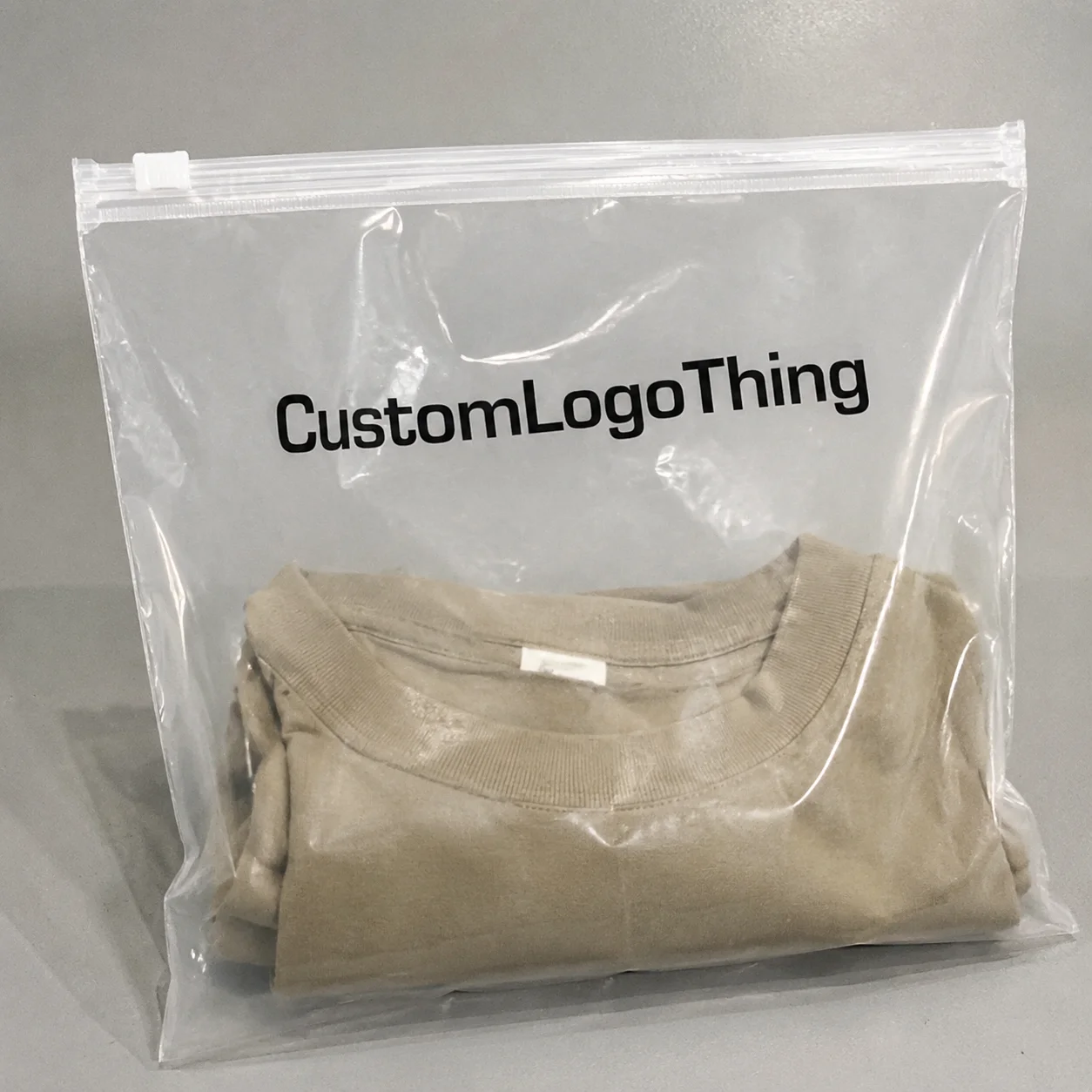
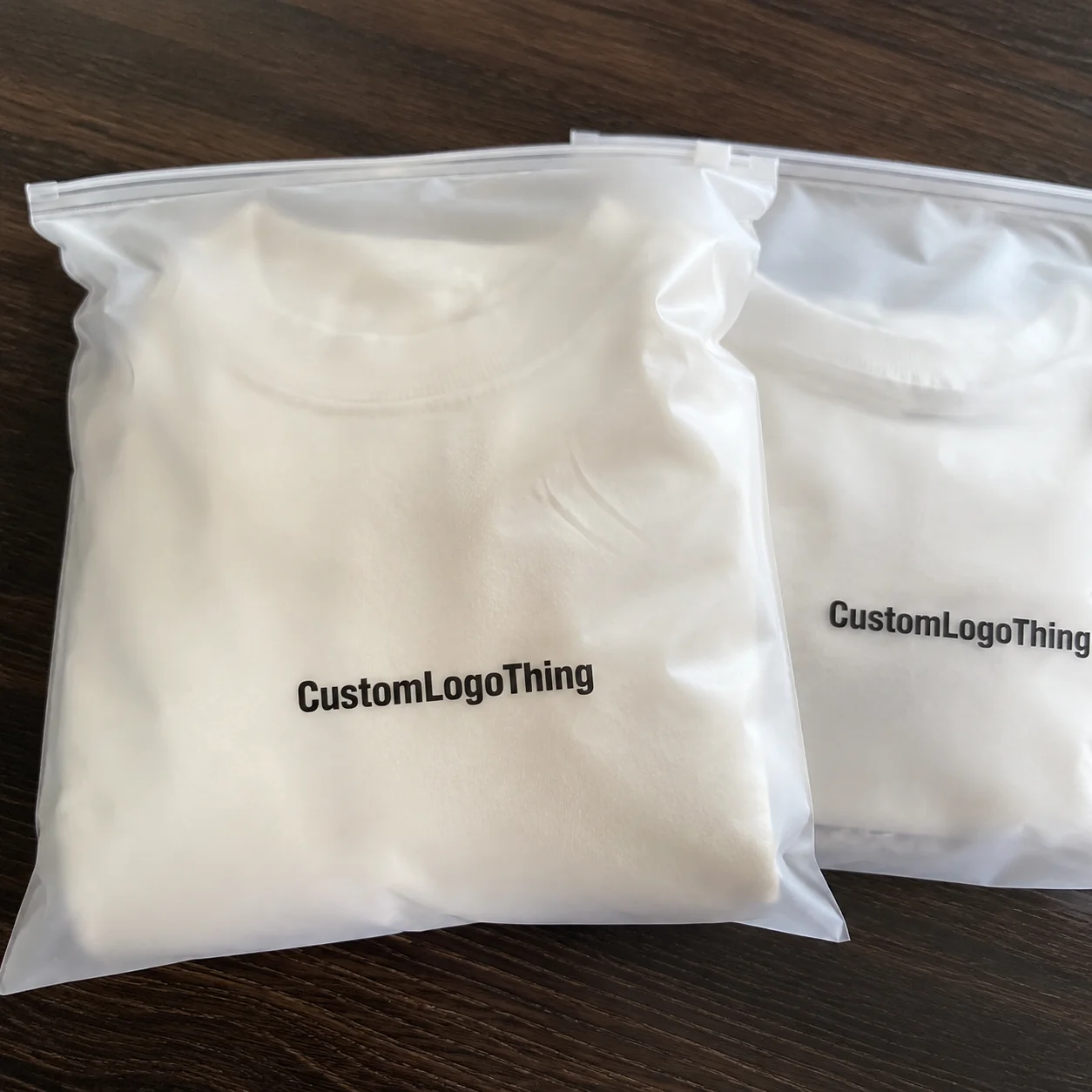
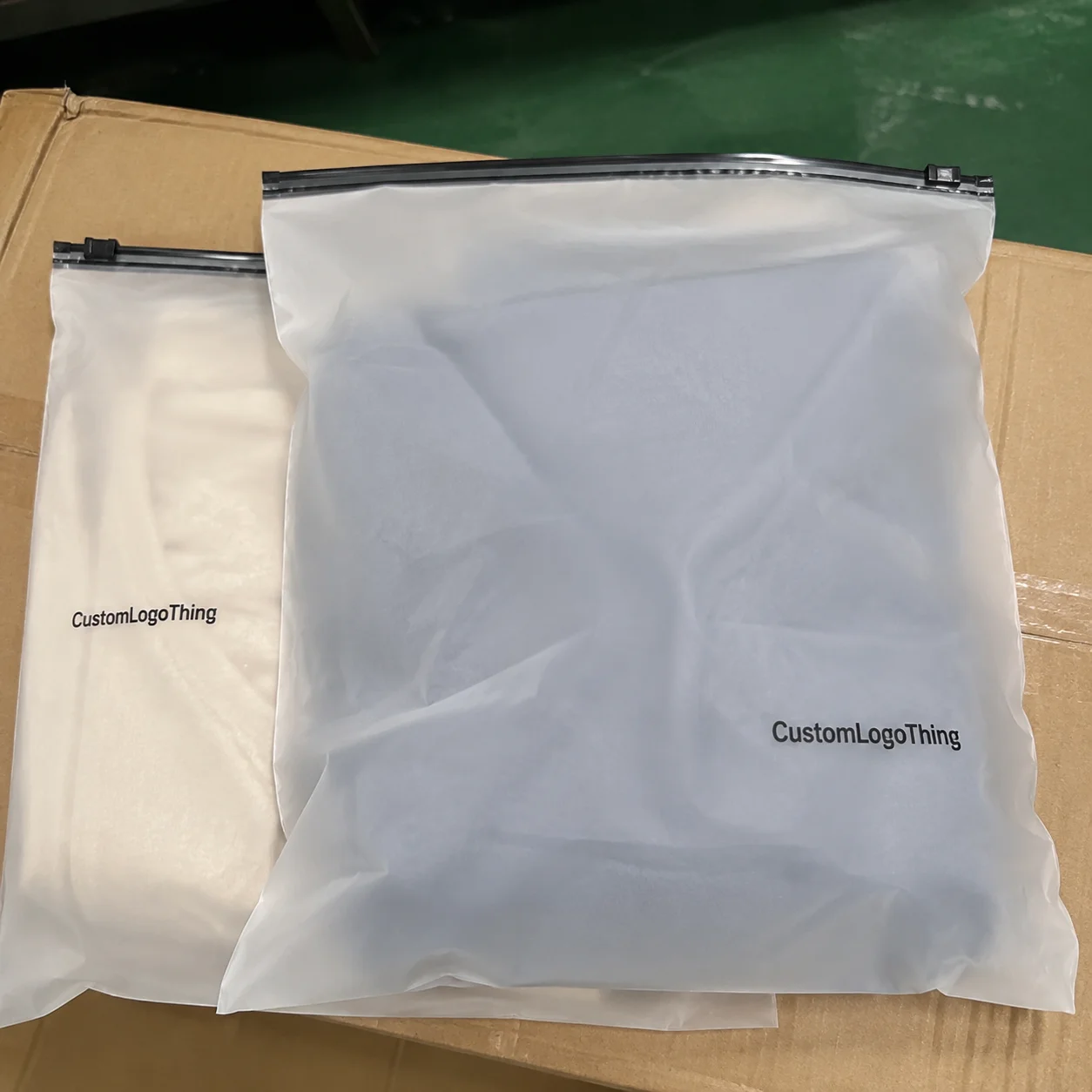
Ordering Custom Printed Poly Bags low moq is usually about protecting cash and keeping packaging flexible, not chasing the lowest line item. Most brands do not need a giant stack of bags sitting in a corner while a launch, seasonal push, or short retail run plays out. They need branded packaging that fits the product, prints cleanly, and arrives before the opportunity has moved on.
That sounds simple. It usually is, until the quote comes back with the wrong structure, the wrong film, or a minimum that assumes you have a warehouse the size of a small airport.
The better starting point is specs, not hope. Size, film type, print method, and finish shape both MOQ and unit cost. Get those right and the order behaves. Guess wrong and you pay for revisions, delays, and packaging you do not actually need.
Why low-MOQ poly bags make sense when inventory is tight
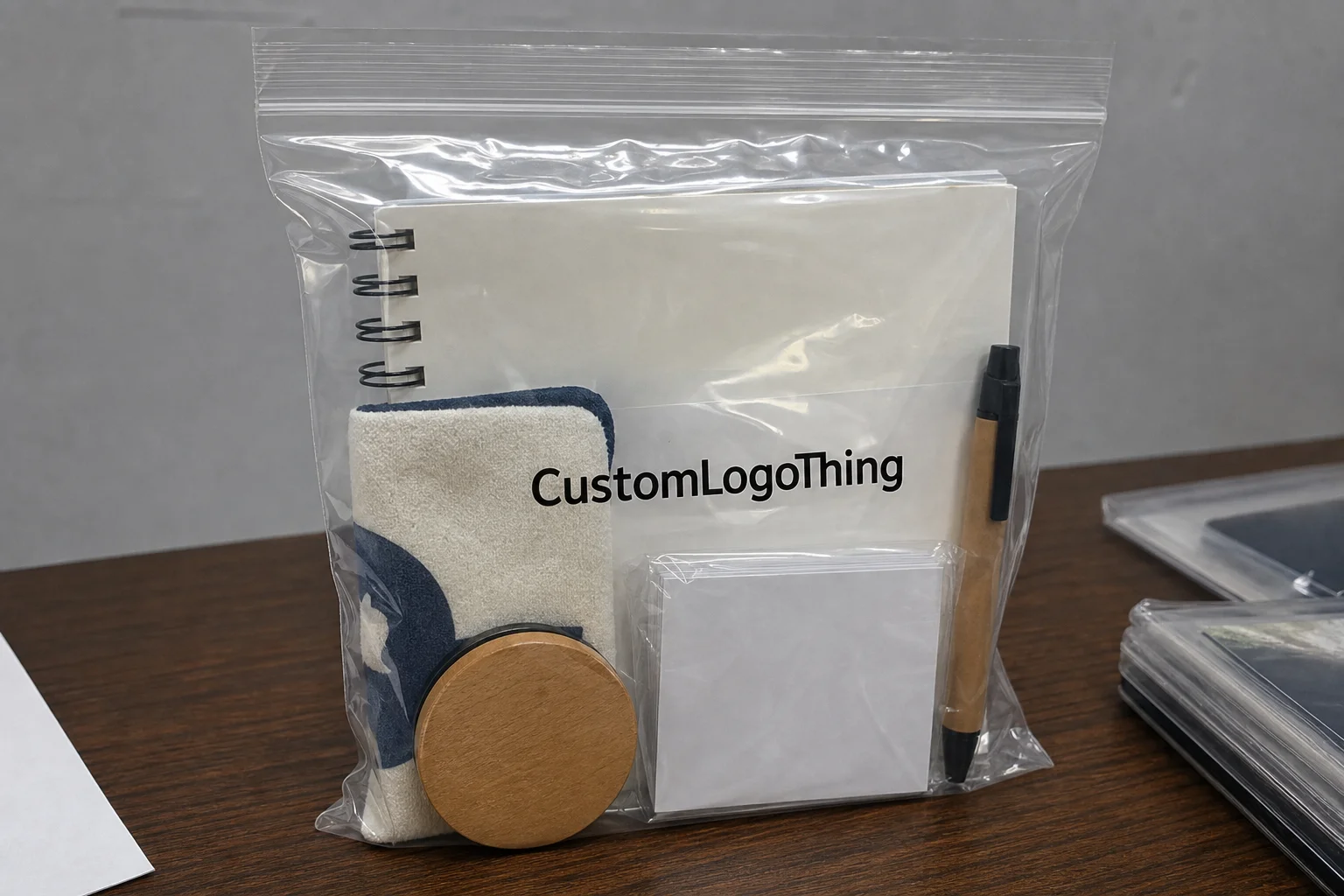
Low-MOQ bags are useful for brands that change often. New SKUs. Seasonal collections. Sample packs. E-commerce inserts. Retail pilots. If your packaging needs shift quarter to quarter, a high minimum can turn into dead inventory fast.
From a buyer’s point of view, the real question is not whether the per-unit price is the absolute lowest. It is whether the order supports the next sales cycle without locking up too much cash. A smaller run gives you room to test artwork, check fit, and keep branding aligned with what is selling now.
Inventory risk is the part people like to ignore. A low quote can stop looking cheap the second you are stuck with obsolete artwork, a seasonal design that missed its window, or a full carton of bags that never fit the product well in the first place. A few cents more per bag is often a better deal than a pile of unusable stock.
“The cheapest bag is not the cheapest order if half of it never gets used.”
Low minimums also help when you need several SKUs in circulation at once. Rather than placing one oversized order in a single style, you can spread volume across multiple sizes or variants and keep packaging consistent across the range. That matters in retail and fulfillment, where the bag has to work with the product, the label, and the packing line.
Compared with custom boxes or heavier mailer formats, poly bags often sit in the practical middle: branded enough to look intentional, simple enough to move quickly, and light enough to keep freight under control. If you are comparing formats, the Custom Packaging Products page is a useful place to line up options before you commit.
Practical takeaway: low MOQ is usually the right fit for launch-stage brands, seasonal programs, and test runs. If the packaging may change soon, keep the minimum honest.
Poly bag styles, film types, and print options that actually matter
Not every poly bag behaves the same way. Style, film, and print method all matter. Pick the wrong mix and the bag still exists, but it may not do the job well.
Common styles include flat poly bags, resealable zipper bags, wicketed bags, header bags, and gusseted bags. Flat bags are the simplest option and usually the easiest to buy in low quantities. Zipper bags add reuse value and make the product feel more finished. Wicketed bags are built for speed on manual or automated packing lines. Header bags are useful when the product needs to hang in retail. Gusseted bags give extra room for thicker or folded items.
Material choice matters just as much. LDPE is the soft, flexible workhorse. It is common because it is forgiving and widely used for general packaging. CPP is crisper and clearer, with more stiffness. Laminated structures are used when puncture resistance, barrier performance, or a more premium presentation matters. None of these is universally better. Each one solves a different problem.
Print method changes both cost and minimums. Flexographic printing is still the standard for larger runs because setup costs make more sense once volume climbs. Digital printing can work well for lower MOQ orders because it avoids plate tooling and shortens the path to production. That said, digital is not automatically cheaper. Once coverage gets heavy or the bag gets larger, the unit cost can climb quickly.
- Flat bags: best for simple packing and lower complexity.
- Zipper bags: better for retail reuse and product protection.
- Wicketed bags: efficient for manual or automated filling.
- Header bags: useful for display hooks and retail presentation.
- Gusseted bags: better for bulkier or folded products.
Finish choices also affect the order. Clear film shows the product and works well when the item itself does the selling. Opaque film hides contents and gives more control over the brand presentation. Matte and glossy finishes change the look, but they can also change cost and lead time. Add tear notches, hang holes, reseal features, or special closures and the MOQ often rises. So does the quote.
The pattern is pretty consistent: more colors, more structure, more special features, more minimum. That does not mean you should strip everything down to the bone. It means the design choices should be deliberate instead of decorative.
Specifications to lock down before you request a quote
If you want a useful quote, send real specs. “A bag with our logo on it” is not a spec. It is a request for everybody to guess.
Start with the basics: bag dimensions, thickness in microns or mil, print colors, artwork format, closure type, and packing quantity. If the bag needs to be food contact safe, anti-static, recyclable, or made with recycled content, say that upfront. If you need a hang hole, tear notch, zipper, or euro slot, include it. Every extra variable affects structure, cost, and schedule.
Dimensions should reflect the product plus enough room for insertion, sealing, and presentation. Too tight and the product fights the bag. Too loose and the package looks sloppy. A good supplier will ask whether the measurement is flat width, gusset width, or total finished size. That detail saves time and avoids useless back-and-forth.
Thickness is where buyers often overbuy or under-spec. Thin films reduce cost, but they can feel flimsy and may tear under handling stress. Thicker films improve durability and usually improve perceived quality. For retail packaging, that feel matters. For warehouse inserts, maybe not as much. Match the spec to the actual use.
Artwork should be vector whenever possible. AI, EPS, or print-ready PDF files reduce correction cycles. If you only have a logo file, send it anyway, but do not expect the factory to guess placement, bleed, or safe zones. That is how a simple order becomes three rounds of corrections and everyone starts pretending the file was “almost there.”
Useful details to include in the first request:
- Finished bag size and seal style
- Film type and target thickness
- One-sided or two-sided print
- Number of print colors
- Artwork file type
- Quantity needed now and the next price break
- Packaging format: loose packed, boxed, or cartoned
If you are also comparing this with other product packaging formats, such as Custom Poly Mailers, keep the use case straight. Poly bags are not mailers, and mailers are not always the right answer for fragile or display-driven products.
For compliance or sustainability questions, use recognized references instead of random internet advice. Packaging guidance from packaging.org and recycled-content definitions from EPA recycling guidance are better starting points than guesswork.
Custom printed poly bags low MOQ: cost, pricing, and unit economics
Low MOQ almost always means a higher unit price than a large production run. That is not a trick. It is basic arithmetic. Setup costs, print prep, and quality checks have to be spread across fewer bags, so the per-unit number rises.
The main price drivers are consistent: bag size, film thickness, print colors, printed sides, finish, special features, and shipping destination. A one-color flat bag can be dramatically cheaper than a multi-color gusseted zipper bag. Not exactly a mystery.
To make the tradeoff easier to read, here is a practical pricing view. These are broad working ranges, not promises. Exact pricing depends on artwork, structure, and freight.
| Bag type | Typical low-MOQ profile | Relative unit cost | Best use |
|---|---|---|---|
| Flat LDPE bag, one-color print | Standard size, simple artwork, basic packaging | Lowest | Inserts, apparel, light product packaging |
| Resealable zipper bag | Clear or opaque, moderate thickness | Mid | Retail packaging, reusable product sets |
| Gusseted or header bag | Extra structure, display features | Higher | Hanging retail display, bulkier items |
| Laminated specialty bag | Barrier or premium finish | Highest | Premium branded packaging, protection-focused items |
For a rough sense of scale, simpler low-MOQ poly bag orders often start in a more manageable range than premium structures, especially when the run is only a few thousand pieces. Once you add more colors, thicker film, zippers, or custom features, the unit cost climbs quickly. That is normal. The real question is where the money matters most.
There are a few practical ways to control spend. Choose standard sizes where possible. Reduce print colors. Simplify the structure. Batch similar SKUs into one run when the artwork and process allow it. If you are ordering several variants, ask whether the supplier can group artwork or use a shared structure. Sometimes that helps. Sometimes it just creates a more awkward job. Ask first.
Also ask for two numbers: the best unit price and the best total landed cost. The lowest ex-factory price can look great until freight, carton packing, duties, and import charges land on the invoice. Buyers who only stare at unit price are usually the ones who act surprised later. As if shipping were a rumor.
MOQ should be part of the conversation, but not the only metric. A slightly higher MOQ can still be the better choice if it lowers freight per unit, improves print quality, or reduces waste from reordering too soon.
Process, artwork approval, and turnaround from quote to shipment
The process is straightforward if everyone does their part. Inquiry. Spec confirmation. Artwork review. Quotation. Proofing. Production. Quality check. Shipment. Most delays happen in artwork review, not on the machine.
Low-resolution logos, missing bleed, inconsistent color references, and vague placement notes create friction. If your design has fine text or tight line work, ask for a production-proof review before anything runs. That proof is where you catch the spacing issue that would otherwise become 10,000 bags of regret.
Proofing does add time, but it cuts risk. If you are ordering Custom Printed Poly Bags low moq for a launch or retail pilot, a proof is usually worth it. Fixing a problem after production is almost always more expensive than waiting an extra day for approval.
Turnaround depends on complexity. Simple low-MOQ orders can move fairly quickly once art is approved. Special films, multi-color printing, or custom closures slow the clock. Shipping time is separate from production time, and it should be treated that way from the start. A factory can finish fast and still lose the calendar to transit.
Here is a reasonable range buyers should expect:
- Artwork review and proofing: often 1-3 business days, longer if revisions are needed
- Production: often 12-20 business days for simpler orders; longer for complex builds
- Freight: separate from production, depending on air or ocean transit
Quality expectations should not be vague. Ask how seal strength, print registration, and dimensional accuracy are checked. If the order will move through warehouses or retail channels, ask about packaging cleanliness and carton packing. For transit testing, the ISTA standards are a sensible reference for distribution conditions and package handling.
What to compare before choosing a supplier for custom poly bags
Do not compare suppliers only by price. That is how people end up paying twice.
First, check whether the supplier is quoting a true low MOQ or hiding the minimum inside setup fees, tooling charges, or vague “special handling” costs. A low-looking quote that adds extras later is not cheap. It is just rearranged.
Second, look for clear spec sheets and proofing support. A supplier that can explain film thickness, print method, and artwork requirements usually understands the job. A supplier that sends a number and disappears afterward is not buying you confidence.
Third, evaluate consistency. Color control, seal strength, dimensional accuracy, and packaging cleanliness matter more than a polished sales pitch. In branded packaging, consistency protects the customer experience. One good sample is nice. A run that shifts color or tears too easily is a problem.
Fourth, ask about lead times honestly. Not optimistically. Honestly. If a supplier promises near-immediate production on a complex job, they are either overpromising or hoping you do not ask follow-up questions.
Here is a quick comparison of what usually separates a decent supplier from a risky one:
| What to compare | Better supplier behavior | Red flag |
|---|---|---|
| MOQ | Clear minimum by size and print method | Vague “low minimum” with hidden add-ons |
| Artwork support | Proof review, bleed guidance, file checks | Price only, no production guidance |
| Quality control | Seal, print, and dimension checks | No clear inspection process |
| Communication | Realistic timing and clear next steps | Promises that sound too clean to be true |
A supplier that understands retail packaging, e-commerce, and fulfillment constraints will usually save you more money than the absolute lowest quote. That is true for custom printed boxes too, not just poly bags. The job is to support the product, not just print a logo and move on.
If you need a quick way to narrow the format before quoting, the FAQ can clear up a lot of the basic production questions.
Next steps to order low-MOQ custom poly bags without delays
Before you request pricing, gather the essentials: bag size, quantity, artwork file, print colors, closure type, and target delivery date. That is enough to get a usable quote instead of a guessing game.
Ask for the MOQ and a higher-volume option in the same conversation. That gives you a real view of how unit cost changes as quantity increases. Sometimes the next price break is worth it. Sometimes it is not. You need both numbers to tell.
Request a proof before production, and confirm the boring details too: box counts, carton labels, pallet needs, and whether the bags ship loose or packed. Those details affect receiving speed and warehouse handling. They also affect how much your team complains later, which is a useful metric even if it never appears on a spreadsheet.
If you are unsure where to begin, start with one proven SKU. One size. One print setup. One run. Once that works, expand into other sizes or finishes. That is far safer than launching three complex bag variants at once and hoping the first order answers every question for you.
For brands that want Custom Printed Poly bags low moq without overbuying, the cleanest path is still the same: send complete specs, confirm the quote, approve the proof, and keep the order practical. Branded packaging should move product. It should not become storage inventory with a nicer logo.
What is the typical MOQ for custom printed poly bags low MOQ orders?
MOQ varies by print method, bag size, and number of colors. Digital or simplified print setups can start lower than conventional mass-production runs. Ask for the exact MOQ by size and artwork, not a generic number that sounds convenient.
How much do custom printed poly bags low MOQ usually cost per unit?
Unit cost depends on film thickness, print colors, dimensions, and features like zippers or gussets. Smaller runs cost more per bag because setup is spread across fewer units. Request pricing at your target quantity and the next price break for comparison.
What artwork files are best for low MOQ custom poly bag printing?
Vector files such as AI, EPS, or PDF are usually best. High-resolution PNG or JPEG may work for basic jobs, but vector is safer. Include spot colors, bleed, and placement notes to reduce proof corrections.
How long does production take for custom printed poly bags low MOQ?
Simple jobs are faster; complex films and multi-color printing take longer. Production time starts after artwork approval, not after first contact. Shipping time is separate and should be included in the total timeline.
Can I order different sizes in one low MOQ custom poly bag run?
Sometimes, but each size usually needs its own setup or plate cost. Combining sizes may work if the artwork is shared and production can be grouped efficiently. Ask the supplier whether mixed sizes reduce or increase your total cost.