Overview: Why Poly Bag Sourcing Gets Complicated Fast
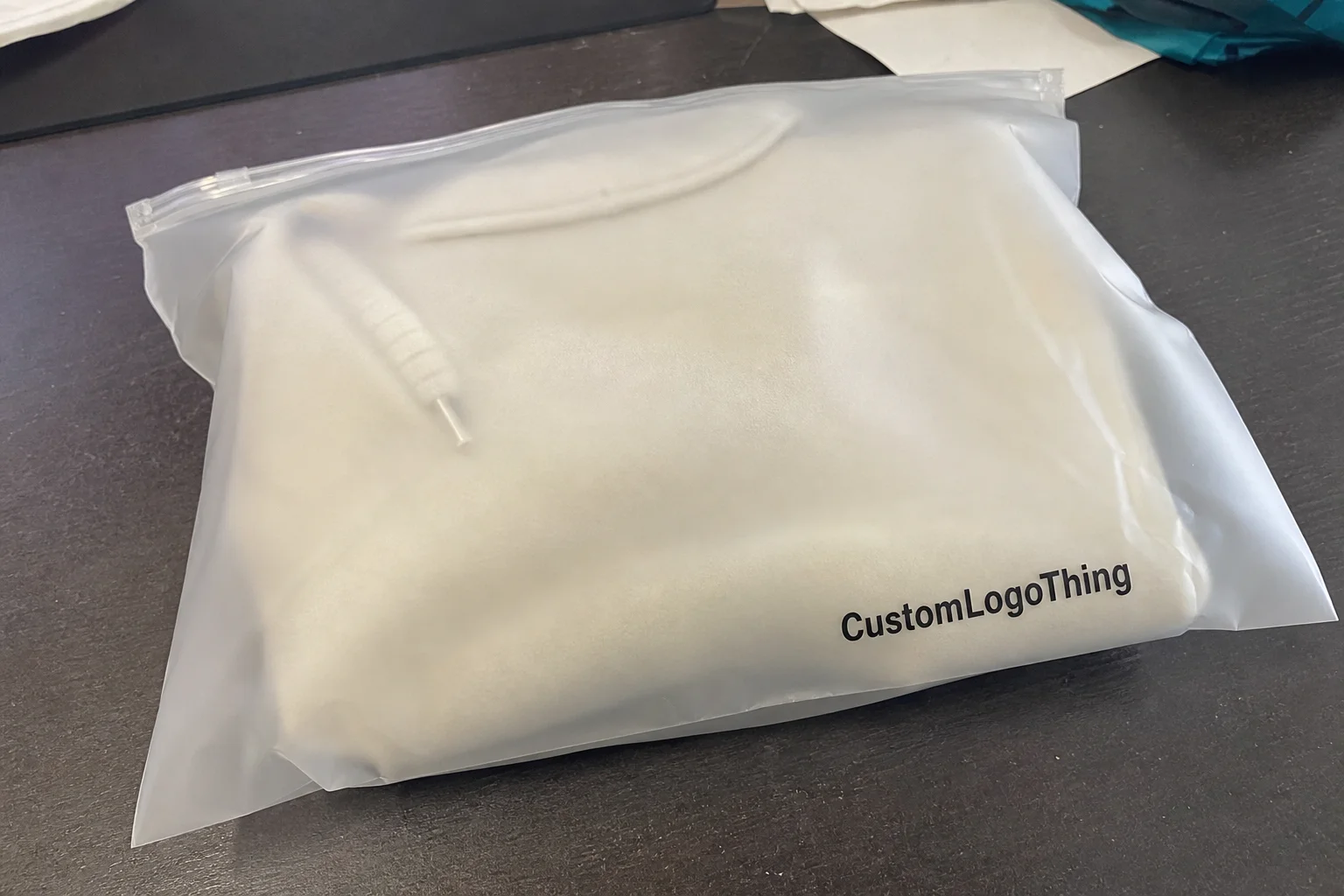
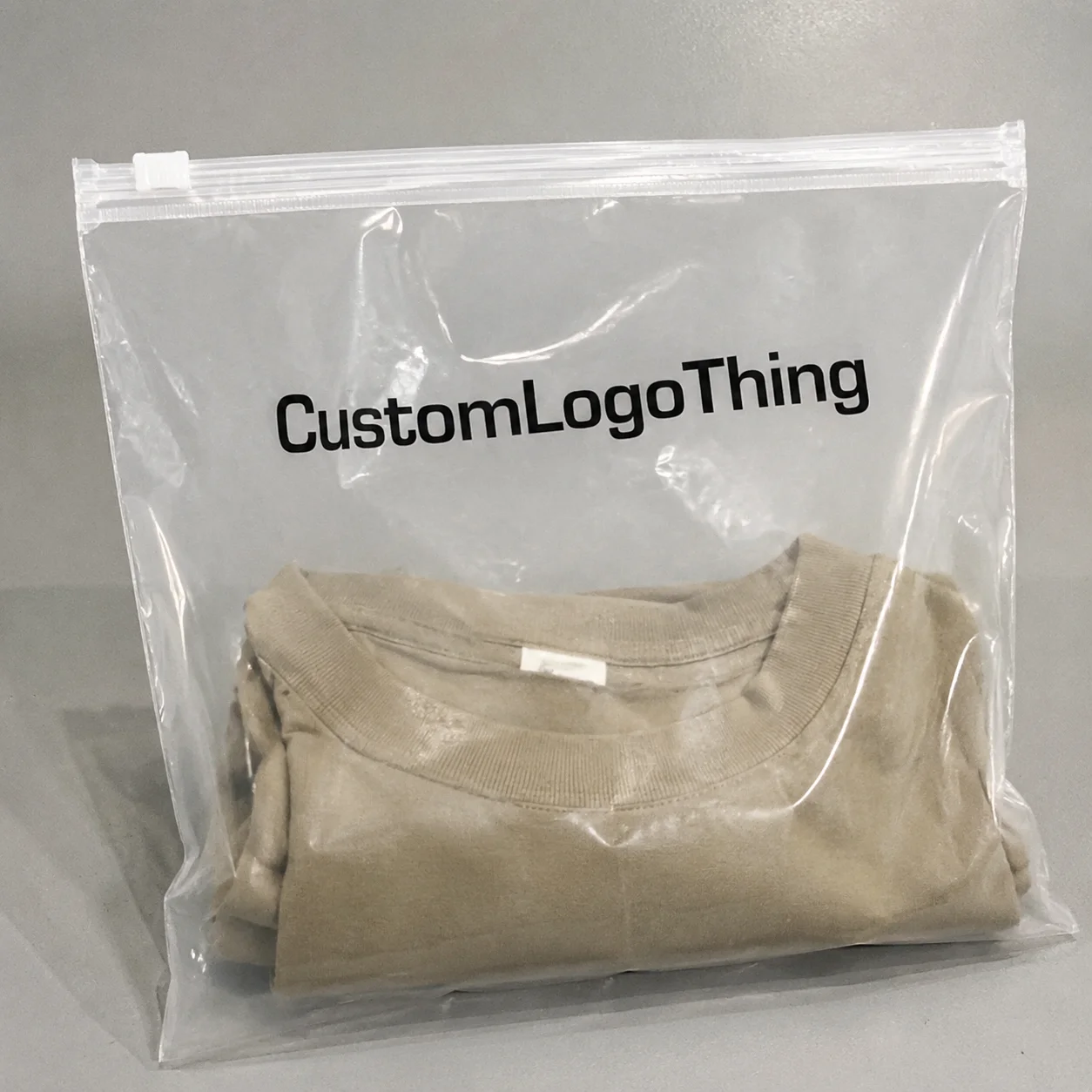
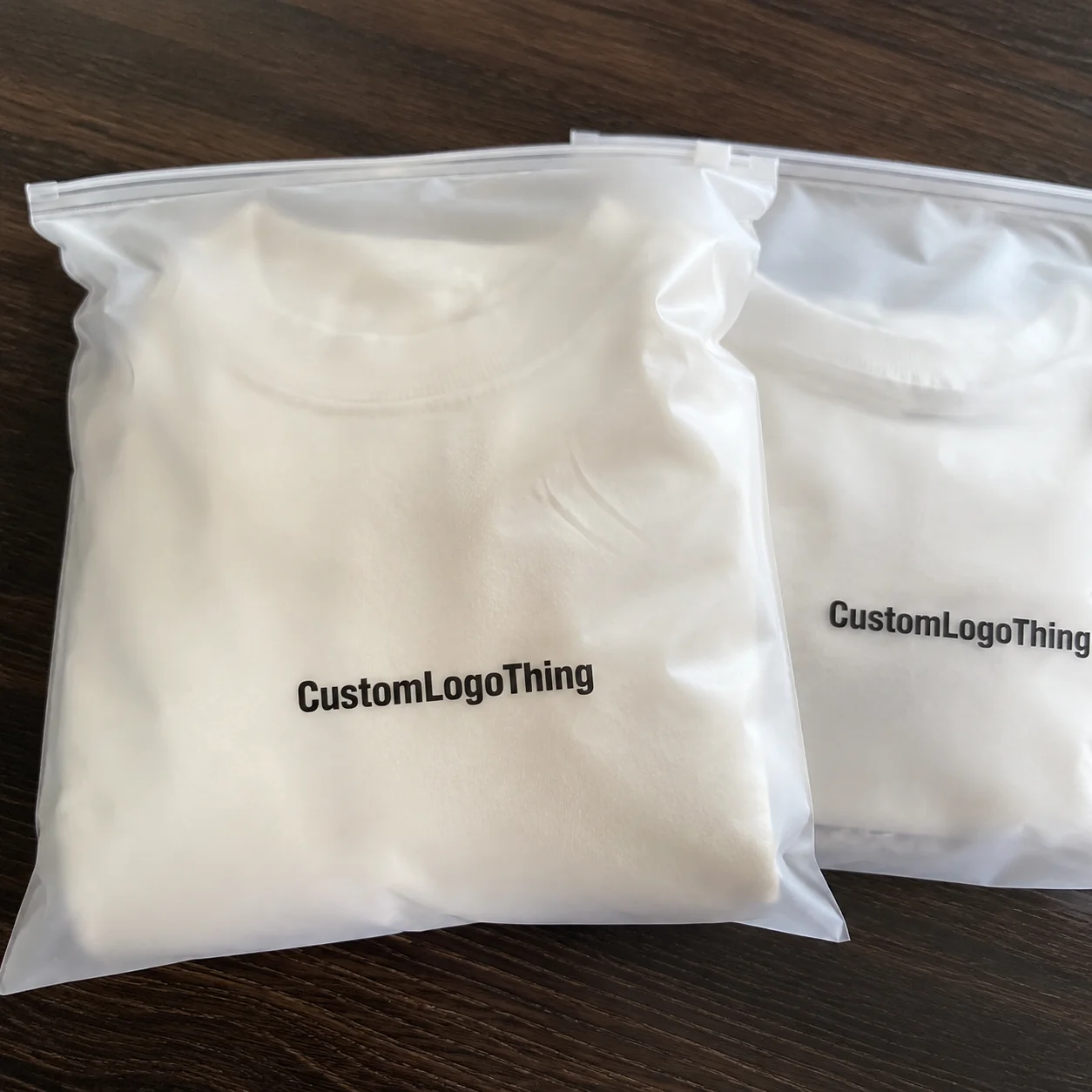
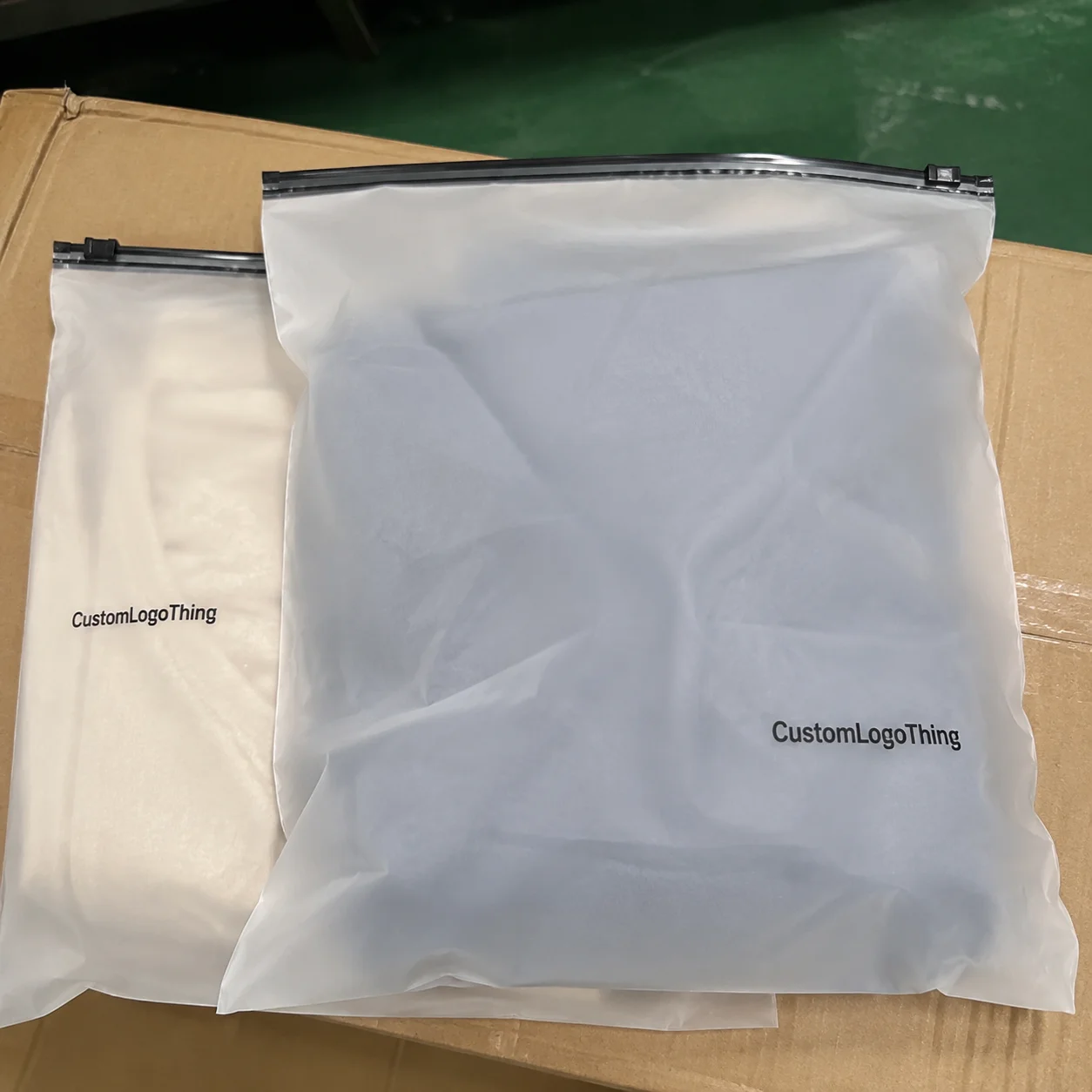
Two poly bags can look nearly identical on a quote sheet and behave very differently on the packing line, in transit, and in the customer’s hands. That is the part many buyers learn the hard way with Custom Printed Poly Bags b2b sourcing: the bag that prints cleanly is not always the bag that seals reliably, feeds well, or protects the product once it leaves the dock.
In B2B packaging, Custom Printed Poly Bags are usually made from LDPE, LLDPE, or HDPE film and supplied as flat bags, gusseted bags, wicketed bags, or bag-on-roll formats. Each construction behaves differently. LDPE is softer and more flexible. LLDPE adds puncture resistance. HDPE gives a stiffer feel and can be useful when lower gauge and a crisper hand are acceptable.
That matters because the buyer’s real job is not just choosing a bag that can be printed. It is choosing a bag that matches the product, the packing method, and the shipping environment. A light garment needs a different bag than a metal component. A manually packed kit has different requirements than a bag fed through a high-speed automated system. Shelf presentation, weight, handling, opening style, and route to customer all change the spec.
The mistake is usually not in the artwork. It is in the bag structure. A bag can be printable and still be the wrong choice if the seal style, gauge, or opening format slows down operations or creates damage in transit.
A good-looking sample is useful. A bag that survives production, packing, and shipment is better.
For buyers building a broader packaging program, the bag should be treated as one part of the full package system, not a standalone purchase. If your brand also needs other packaging components, our Custom Packaging Products page is a practical place to compare related formats that need to work together without creating extra handling steps.
How Custom Printing and Bag Production Actually Works
The production sequence is fairly simple on paper. Resin is selected, film is extruded to the target gauge, print is applied, and the film is converted into the final bag format. After that comes sealing or cutting, packing, inspection, and freight preparation. Each step sounds ordinary. Each one can still create expensive problems if the spec is loose.
Flexographic printing is the common workhorse for many poly bag programs because it is efficient for repeat jobs and usually cost-effective once plates are made. Rotogravure is more often used for larger volumes or jobs that need very consistent image quality and fine detail, but the cylinder cost is much higher. For moderate order sizes and straightforward artwork, flexo is often the sensible option. For long-running programs with exacting color control, gravure can make sense.
Ink coverage, registration, and film gauge matter more than many buyers expect. Thin films can stretch during converting, which shifts print alignment. Heavy ink coverage can look premium, but it also increases the chance of blocking if bags are stacked before curing is complete. White ink can improve opacity and color strength on clear or translucent film, but it adds setup and usually makes production more demanding.
There is also a meaningful difference between a stock construction with custom print and a fully custom construction. Stock construction usually means the supplier is working from a standard bag shape or film width, then adding your print and a limited set of options. Fully custom work can include special dimensions, gussets, thickness changes, perforations, wicketing, or specialty seals. That extra control can be worth it, but it adds tooling, review time, and production complexity.
- Resin selection: LDPE for softness, LLDPE for toughness, HDPE for stiffness and lower gauge options.
- Film extrusion: gauge control affects strength, clarity, and print behavior.
- Printing: flexo for practical repeat work, gravure for higher-volume consistency and detailed image control.
- Converting: sealing, cutting, perforating, wicketing, or bag-on-roll preparation.
Buyers get better answers when they ask two questions instead of one: “Can you print this?” and “How is this built?” The second question usually reveals whether the quote is based on a standard production path or on a special setup that will need more time, more approval, or more money than the first estimate suggests.
Key Factors That Shape Material, Print, and Performance
Material choice sets the floor for everything else. Film thickness, usually measured in mils or microns depending on the supplier, affects puncture resistance, seal strength, and the finished feel. A 1.5 mil bag may be fine for a lightweight textile. A heavier or sharper-edged product may need 2.5 mil, 3 mil, or more. There is no universal “best” thickness. There is only the thickness that fits the product without wasting resin or causing failures.
Clarity is another basic but important choice. Clear film works well for retail presentation and product visibility. Opaque or tinted film can hide contents, reduce visual clutter, or improve brand presentation. If the product needs to be inspected quickly, clear film helps. If the product should not be visible, opacity matters more than pretty print.
Performance requirements push the spec in different directions. Anti-static film may be needed for electronics or dust-sensitive items. Moisture barrier expectations matter for parts, samples, and goods moving through humid conditions. If a bag is meant to keep dust out, seal quality and closure style often matter more than print coverage. Buyers who think like packaging engineers tend to get fewer surprises.
Sizing creates another layer of risk. Width, length, bottom gusset, side gusset, opening direction, and seal style all affect fit and line efficiency. A gusseted bag gives more internal volume and is often the right answer for bulkier contents. Flat bags are simpler and often cheaper. Wicketed bags are useful when speed matters, especially on semi-automated or automated packing lines. The seal profile should match the weight and shape of the contents, not just the artwork.
Print Choices That Change the Result
The number of colors is only part of the story. Coverage area, ink density, reverse printing, and whether the artwork needs a white underprint all affect appearance and cost. Dark artwork on clear film often needs a white base layer to stay readable. Large solid blocks can look sharp, but they demand tighter registration and more careful curing.
If the artwork is simple, one- or two-color flexo is often the most economical approach. If brand consistency matters across a long program, the supplier’s color control process deserves attention. Ask how they handle Pantone matching, proof approval, and repeatability on reorders. A bag that is “close enough” on color is not close enough for a branded retail program.
For packaging tied to retail presentation, the bag is doing more than containing the item. It is part of the brand signal. Clean type, correct color, and a straight, well-positioned seal line can make a simple poly bag look intentional. Blurry print and crooked registration do the opposite. That one is not mysterious.
Compliance and Use-Case Considerations
Food contact requirements, recycling guidance, and internal handling rules all need attention before production starts. If the bag touches food, both the material and inks must be suitable for that application, and the supplier should be able to explain the compliance path clearly. If the buyer’s internal standards require documentation, ask for it early. Waiting until after approval usually creates delay and irritation, which is such a charming combination.
For broader testing and transit expectations, organizations like Packaging Machinery Manufacturers Institute and ISTA are useful references. FSC matters if the packaging program also includes paper components or sustainability claims. Those references do not replace supplier validation, but they help frame what good testing and documentation should look like.
If the bag is part of a regulated or high-visibility program, ask about seal strength expectations, practical handling conditions, and whether the supplier can explain how their bags behave in transit. A bag can look perfect in a sample pack and still fail if it gets dragged across a carton edge, stacked cold, or packed faster than the line was really designed to handle.
| Bag Choice | Best Use | Typical Strength | Print/Presentation |
|---|---|---|---|
| Flat LDPE bag | Lightweight retail or kitting | Moderate | Good clarity, simple branding |
| Gusseted LLDPE bag | Bulkier or sharper items | Higher puncture resistance | Better volume, slightly more complex print handling |
| Wicketed bag | Fast packing lines | Depends on gauge and seal | High line efficiency, often used for automation |
| HDPE bag | Lower-cost, high-volume applications | Good stiffness for weight | Crisper look, less soft feel |
Custom Printed Poly Bags B2B Sourcing: Process and Lead Time
The sourcing workflow should be disciplined, especially if you need stable reorder performance. In most Custom Printed Poly Bags b2b sourcing projects, the process starts with an RFQ that lists dimensions, film type, thickness, print colors, quantity, packing method, and delivery destination. That sounds basic because it is. Yet this is where many projects start drifting before production even begins.
After the RFQ, the supplier reviews artwork and checks whether the structure is manufacturable as specified. A decent supplier will flag issues early, such as artwork sitting too close to a seal, a print area that exceeds the usable space, or a gauge that is too thin for the intended product. That early pushback is not a bad sign. It usually means the supplier is paying attention.
Sampling or proofing comes next. A digital proof is usually the minimum. For a more complex job, a physical sample or pre-production sample can be worth the time because it confirms the actual fit, opening, and handling. A proof tells you where the logo goes. A sample tells you whether the bag works.
Once approved, the order moves into tooling if plates or cylinders are needed, then into film extrusion, printing, converting, packing, and freight planning. The calendar usually stretches when artwork keeps changing, when the buyer has not finalized the print-safe area, or when approvals take too long inside the buying organization. Internal sign-off chains can be just as slow as manufacturing. Sometimes slower. Not great, but common.
Lead time depends on a few practical variables:
- Bag complexity: gussets, wicketing, perforations, and special seals add steps.
- Order size: larger runs may be efficient, but they still need production capacity.
- Artwork setup: more colors and more coverage usually mean more prep.
- Tooling: plates or cylinders add calendar time before the line can run.
- Factory backlog: existing work on the line affects the queue.
A realistic planning framework is straightforward: allow time for RFQ review, proof approval, production setup, manufacturing, inspection, and freight. For a simple repeat order, many buyers can expect roughly 12 to 20 business days from proof approval to departure, though that range moves with quantity and print complexity. If tooling is new or artwork is still in motion, plan longer. If stock levels matter, build in buffer. Hoping rush freight will rescue a late order is not a strategy. It is a complaint waiting to happen.
Pricing, MOQ, and Quote Variables Buyers Should Compare
Unit cost is driven by more than bag size. Resin price, film gauge, print colors, setup charges, plate costs, packing configuration, and production efficiency all feed into the final number. A larger bag is not automatically much more expensive, but it does consume more material. A more heavily printed bag can cost more because it needs more ink, tighter registration, and sometimes more curing time.
Minimum order quantity, or MOQ, is where many buyers feel the pressure. Smaller runs usually cost more per bag because the setup burden is spread across fewer units. That does not make them bad orders. It just means the math changes. For a seasonal promotion, a pilot launch, or a controlled test run, a higher unit price may still be the better decision if it limits inventory risk.
To compare quotes fairly, keep the specs aligned. If one supplier quotes a 2 mil bag and another quotes 2.5 mil, those are not comparable. If one includes freight and the other does not, the low price is fake. Cheap in the email is not the same as cheap on the receiving dock.
Here is a practical comparison framework:
| Quote Element | Why It Matters | Buyer Check |
|---|---|---|
| Bag size and gauge | Directly affects material usage and strength | Confirm the same dimensions and thickness across all quotes |
| Print method and colors | Affects setup cost and appearance | Check whether flexo, gravure, or digital proofing is included |
| Tooling or plates | Can be a meaningful upfront cost | Ask whether tooling is one-time or repeated on reorders |
| Freight and packing | Changes landed cost and lead time | Confirm carton pack counts, palletization, and shipping terms |
| Overrun tolerance | Impacts received quantity and inventory planning | Verify acceptable overage or shortage limits in writing |
A slightly higher quote can be the better value if it improves seal integrity, tightens print tolerances, or reduces line interruptions. Saving a few cents per thousand sounds good until the packing team starts dealing with split seals, rejected cartons, or inconsistent reorders. That is not savings. That is a future cleanup project.
If your team also buys related items, a broader procurement plan can help keep packaging specs aligned across programs. Our Wholesale Programs page is useful if the same team manages retail packaging, inserts, or secondary packaging from a shared sourcing process.
Common Sourcing Mistakes That Create Waste or Delays
One of the most common mistakes is approving artwork before finalizing dimensions. That sounds too obvious to mention, which is exactly why it keeps happening. If the printable area changes after design work is done, logos can land too close to seals, folds, or gussets. The result is usually a last-minute revision and a slower launch.
Another recurring mistake is ignoring seal strength. A bag might look fine on arrival and still split during packing if the seal profile is too weak for the product load. The same problem shows up when buyers choose a film that works for a shirt but not for a boxed item, hardware kit, or anything with sharp edges. Film selection should follow the product, not the mockup.
Comparing suppliers only on price is another fast route to trouble. Print quality, inspection standards, carton packing consistency, and reorder repeatability matter just as much as the quote total. The cheapest option often hides weak tolerances or higher defect rates. For branded packaging, inconsistency is expensive because it affects customer perception and operational stability at the same time.
Automation mismatches cause their own mess. A bag format that works manually may not dispense properly on a high-speed line. Wicket holes, opening direction, and film stiffness all matter when bags are fed one after another. Sample risk is real too: a sample may be made on a different line, with a slightly different gauge, or with less print coverage than the final production run.
- Do not approve artwork without final dimensions.
- Do not assume a sample equals production exactly.
- Do not ignore seal strength or puncture risk.
- Do not choose a bag format that fights your packing line.
Expert Tips for Smoother Supplier Evaluation and Next Steps
Before requesting quotes, build a one-page spec sheet. Include dimensions, film type, thickness, artwork count, print colors, bag style, quantity, use case, and delivery destination. That simple step cuts back-and-forth fast and gives every supplier the same target. It also makes line-by-line quote comparison much easier than trying to decode vague emails.
Ask for a pre-production proof and, if the job affects operations, ask how the supplier handles inspection and rework. Good suppliers can explain their quality checks clearly, from print registration to seal inspection and carton count verification. If the bag will run on your actual line, test it there before committing to a larger repeat order. The line tells the truth faster than the sample bench does.
For programs that will repeat, document the approved construction, gauge, print placement, and packing method. Reorders are far easier when the spec is written down and tied to a known approved sample. If the product line expands later, you can build from that standard into related packaging formats such as Custom Poly Mailers or other components that need to sit inside the same brand family.
My practical advice is simple: gather complete specs, request comparable quotes, review samples carefully, and record what actually passed the test. That is how Custom Printed Poly bags b2b sourcing becomes a repeatable procurement process instead of a monthly reset.
What should I know before ordering custom printed poly bags for B2B sourcing?
Confirm the exact bag dimensions, film type, thickness, print colors, and how the bags will be used in packing or shipping. Ask about MOQ, lead time, proofing, and whether samples match production construction, because those details can change both cost and performance.
How do I compare custom printed poly bag quotes fairly?
Compare the same specs line by line: size, gauge, print method, colors, tooling, freight, and overrun allowance. A lower quote may exclude setup, samples, or shipping, so check the full landed cost before making a decision.
What affects the lead time for custom printed poly bags?
Lead time changes with artwork approval speed, print complexity, order size, tooling needs, and factory scheduling. Rush freight can reduce transit time, but production time still depends on the bag build and setup.
What is a typical MOQ for custom printed poly bags?
MOQ varies by bag style, print method, and supplier capability, but smaller runs usually cost more per unit. Ask whether MOQ can be lowered by using a standard construction or simplifying the artwork.
How can I reduce mistakes when sourcing custom printed poly bags?
Prepare a complete spec sheet, approve a proof, and test the bag on your actual packing line before scaling up. Document the approved construction so reorders stay consistent and the next purchase stays aligned with the first one.