Buyer Fit Snapshot
| Best fit | Custom Printed Poly Film Roll Wholesale projects where brand print, material claims, artwork control, MOQ, and repeat-order consistency need to be specified before quoting. |
|---|---|
| Quote inputs | Share finished size, material target, print colors, finish, packing count, annual reorder estimate, ship-to region, and any compliance wording. |
| Proofing check | Approve dieline scale, logo placement, barcode or warning zones, color tolerance, closure strength, and carton packing before bulk production. |
| Main risk | Vague material claims, crowded artwork, missing packing details, or unclear freight terms can make a low unit price expensive after revisions. |
Fast answer: Custom Printed Poly Film Roll Wholesale: Film, Print, MOQ, and Carton Packing should be specified like a repeatable production item. The safest quote records material, print method, finish, artwork proof, packing count, and reorder notes in one written spec.
Production checks before approval
Compare the actual filled-product size with the drawing, then confirm tolerance on folds, seals, hang holes, label areas, and retail display edges. Reserve space for logos, QR codes, warning copy, and material claims before decorative graphics fill the panel.
Quote comparison points
Review material grade, print process, finish, sampling route, tooling charges, carton quantity, and freight assumptions side by side. A quote is only useful when the supplier can repeat the same color, closure quality, and packing count on the next order.
I still remember a plant visit in Monterrey, Mexico, where the converting line was running two shifts and the supervisor pointed to a mountain of pre-made bags taking up floor space near the dock. One switch to Custom Printed Poly film roll wholesale cut their storage footprint by roughly 40%, and the savings were visible before the first pallet shipped. Honestly, I think that is the kind of buying decision that changes labor, freight, and branding at the same time, which is rare enough that I still talk about it years later. On that account alone, a shift from finished-bag inventory to 1,000-foot rolls can be a very practical decision for a plant that pays $8 to $14 per square foot in warehouse rent.
For buyers managing product packaging at scale, Custom Printed Poly film roll wholesale is not a vanity purchase. It is a practical input that can lower per-unit cost, stabilize replenishment, and keep branded packaging consistent across long production runs. I’ve seen procurement teams underestimate how much money gets lost in rework when film dimensions, print registration, or seal performance are off by even a few millimeters, and then everyone acts surprised when the line starts behaving like it has a grudge. In one snack-food operation in Chicago, a 2.5 mm repeat error on a 300 mm web created enough waste to add nearly 6% to the weekly packaging bill.
Custom Logo Things works with buyers who need Packaging Design That behaves well on real equipment, not just in a mockup. If you are comparing Custom Printed Poly film roll wholesale quotes, the key is to measure what matters: material, thickness, print method, roll Specs, and Lead time. Everything else is secondary, even if someone in a meeting insists the “vibe” of the sample matters more than whether it actually seals. For reference, a straightforward order with standard artwork and approved artwork files usually moves from proof approval to production in 12-15 business days, while a first-time project with new tooling can run 18-22 business days depending on press availability in facilities around Dongguan or Foshan.
Why custom printed poly film roll wholesale is a smarter buy
Film rolls often waste less material than pre-made packaging in high-volume operations because the converting step happens closer to the machine, not inside a fixed-size bag inventory. In a food packing client meeting I attended in Dallas, the buyer showed me that moving from stocked bags to Custom Printed Poly film roll wholesale reduced line stoppages caused by mismatched bag lengths by 17 stoppages per month. That alone was worth more than the packaging price difference, and the operations team looked like they’d finally been handed a little peace and quiet. The line ran at 85 packs per minute, and every minute recovered mattered because overtime at that plant cost roughly $42 per labor hour.
The economics are straightforward. With custom printed poly film roll wholesale, you usually get lower per-unit cost than smaller custom runs because setup is spread across more footage. You also gain storage efficiency. Rolls stack tighter than cartons of finished bags, and that matters when rent is measured in square feet, not theory. In one warehouse negotiation in Louisville, the difference came down to whether the packaging lived on a pallet rack or consumed an entire cage lane, and the warehouse manager had the kind of expression that said, “Please don’t make me move this again.” A 48-inch pallet of film rolls can often replace three to five cases of bag stock, which makes a real difference in facilities with 12-foot aisle constraints.
Wholesale buying also improves replenishment control. I’ve seen brands in retail packaging and e-commerce keep 6 to 10 weeks of film on hand, then reorder based on actual consumption instead of panic buying. That makes margins easier to predict. It also reduces the odds of production interruptions when a promotion goes live and the marketing team suddenly needs 30,000 more units because someone forgot to mention the campaign launch until Friday afternoon. In one consumer goods program based in Atlanta, moving to a 45-day reorder trigger cut emergency freight charges by about $2,300 per quarter.
Custom printed poly film roll wholesale fits best where volume is real and repeatable: food packaging, industrial wrap, promotional packaging, retail bundling, pouch conversion, bag making, and overwrap. It also works well for companies that have multiple SKUs but one shared branding system. If you already use custom printed boxes or Custom Poly Mailers, film rolls can become the next layer of package branding across the operation. A brand team in Toronto once used the same Pantone 186 C across cartons, mailers, and film rolls, which reduced approvals because the visual system stayed consistent from a 250 g snack pouch to a 10 lb club-pack bundle.
Many buyers overpay for convenience because they compare only unit price. That is the wrong lens. Compare storage, waste, labor, and machine efficiency. Then compare print quality. A cheaper roll that feeds badly can cost more in scrap and downtime than a premium roll ever would. I’ve watched a “budget” choice turn into a very expensive week, and the accounting team was not amused. On a 20,000-unit run, even a 1.5% scrap increase can erase an apparent savings of $0.01 to $0.02 per unit.
“The cheapest quote was not the cheapest outcome,” one operations manager told me after a run of custom printed poly film roll wholesale for snack multipacks in Phoenix. “We stopped arguing about film once we saw the waste report.”
If you want a supplier benchmark, start with technical packaging resources such as the Packaging Machinery Manufacturers Institute and the testing guidance used across the industry. Buyers who understand line speed, seal integrity, and film conversion are the ones who negotiate better, and frankly they usually ask fewer maddeningly vague questions. A buyer who knows the web speed is 120 feet per minute, the seal dwell is 0.8 seconds, and the unwind direction is to the left will usually get a more accurate quote than someone who only says the packaging needs to “look premium.”
Product details and print options for custom printed poly film roll wholesale
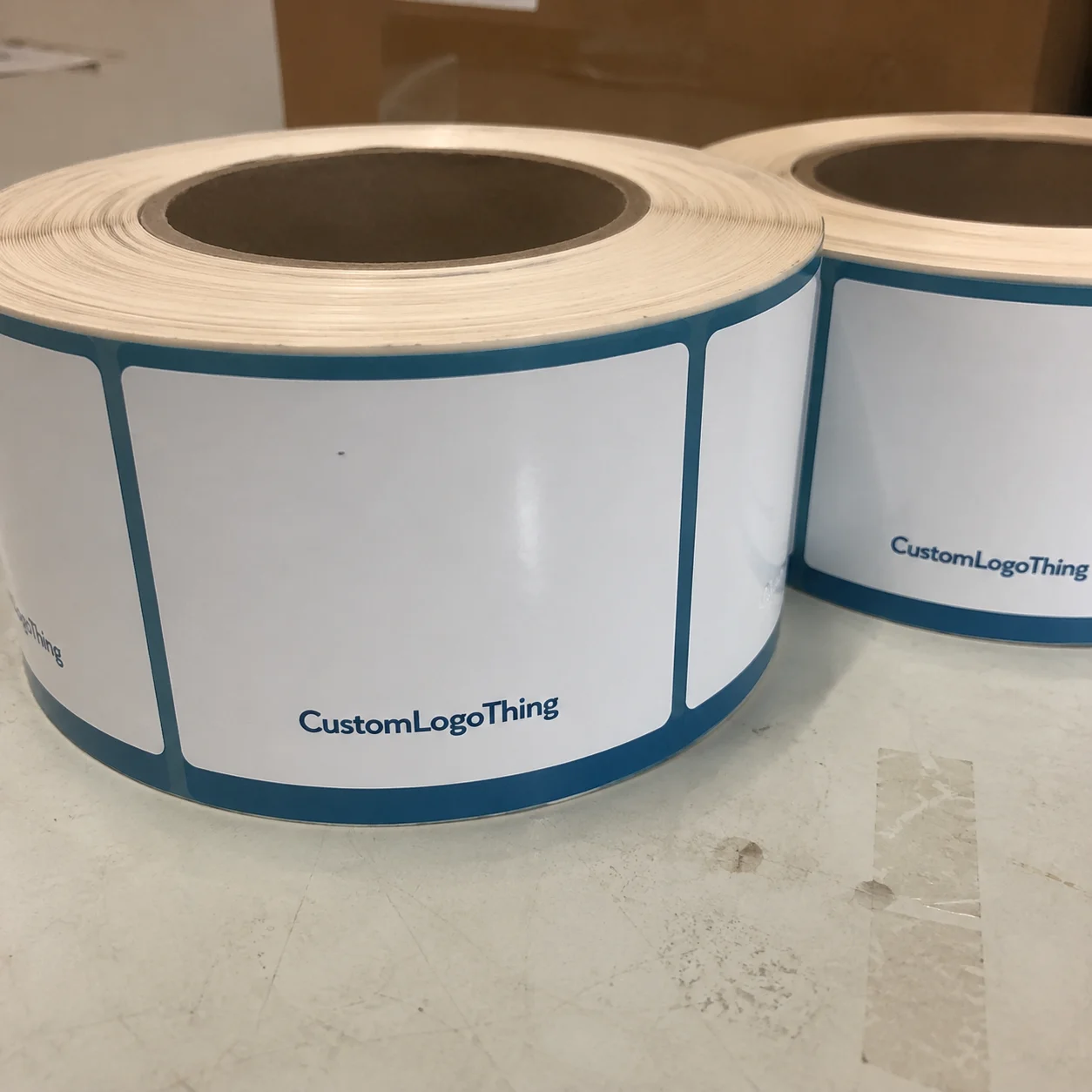
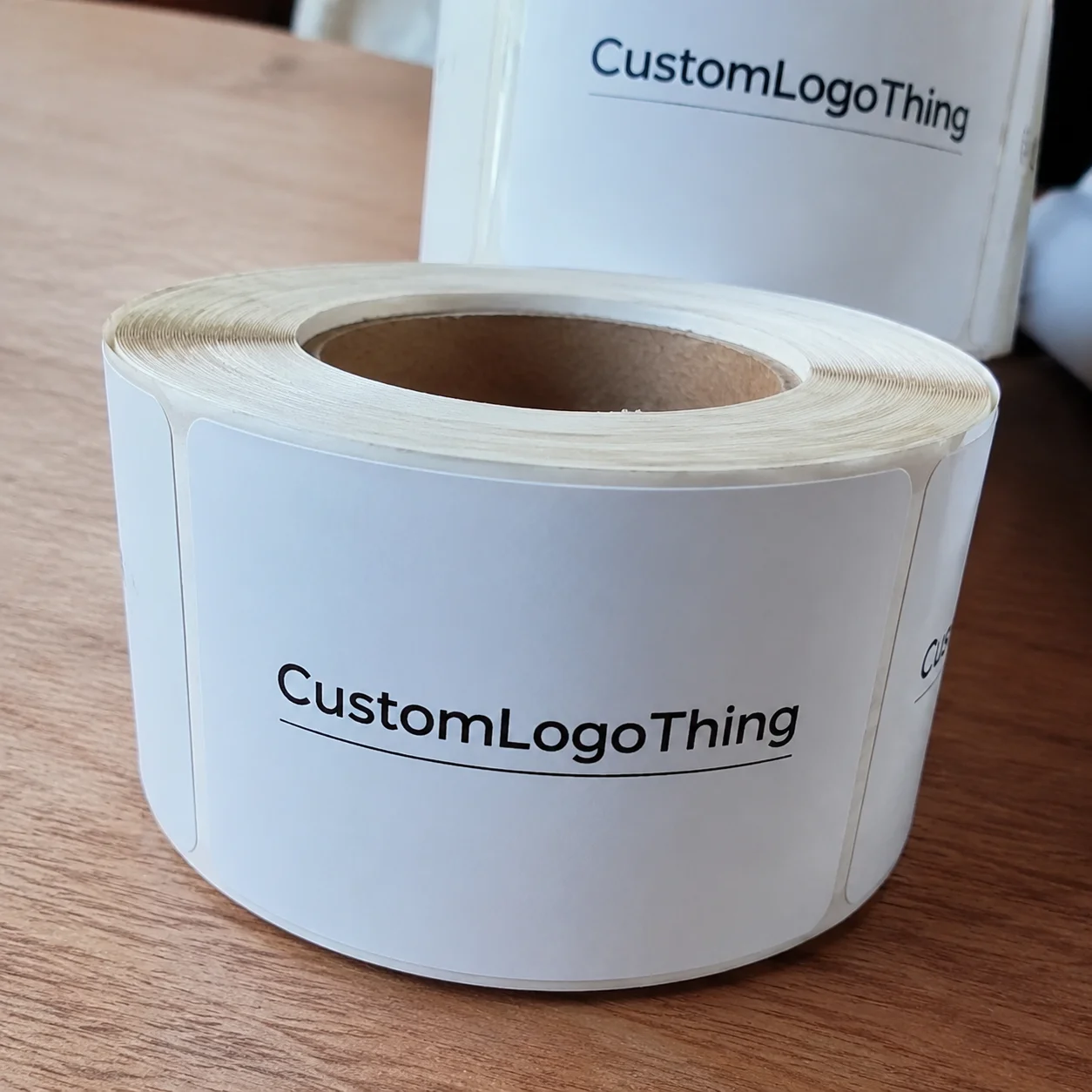
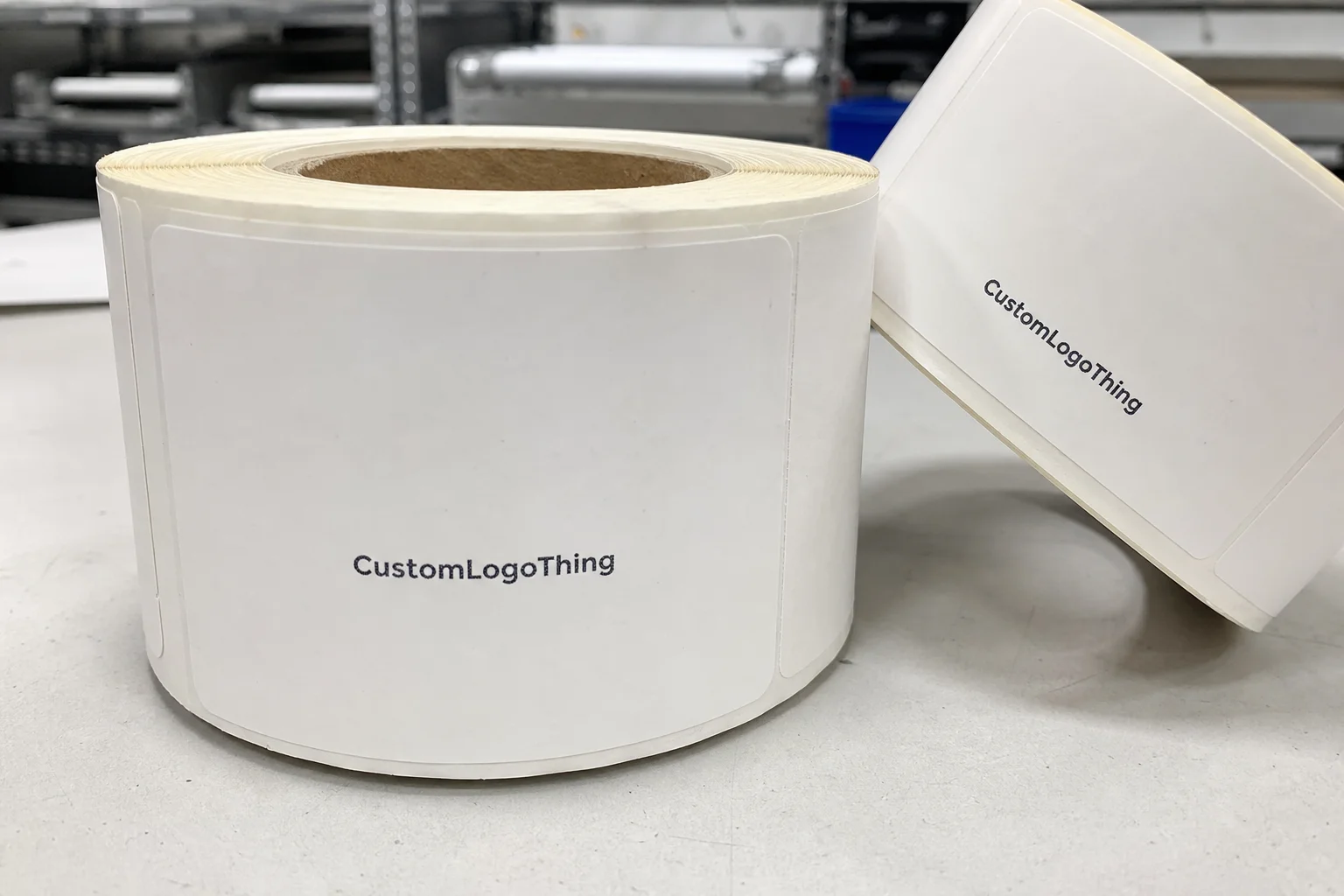
Poly film rolls are continuous sheets of plastic film wound onto a core for use in automated or semi-Automated Packaging Lines. In custom printed poly film roll wholesale, the roll carries your branding, product information, or compliance copy directly on the film surface. That is different from plain stock film, which may be printed later or not at all. The practical difference is control: you decide the artwork, the repeat length, and the visual hierarchy, instead of trying to make a generic roll pretend it was designed for your product from the beginning. A 1,200 mm repeat with a 76 mm core behaves very differently from a 600 mm repeat on a 3-inch core, and the machine operator will notice the difference long before a designer does.
Material choice matters. LDPE is common when buyers want softness, flexibility, and reliable heat sealing. LLDPE is often selected when puncture resistance and stretch performance matter, especially in overwrap or protective packaging. Blended poly options can balance seal strength with machine performance. I’ve seen buyers choose the wrong film once and spend three weeks blaming the printer when the real issue was the substrate. That one still makes me wince. In practical terms, a 40-micron LDPE film may be perfect for bakery overwrap, while a 60-micron LLDPE blend may be the safer choice for hardware kits with sharp corners.
Custom printed poly film roll wholesale can be produced in different print formats, typically with one to several colors depending on the line and artwork complexity. Surface finish also changes the result. Gloss can sharpen graphics. Matte can soften glare. A clear film with reverse printing can create a cleaner look for product packaging, while an opaque film can improve coverage and brand presence. On a 4-color flexographic line in Suzhou, a matte finish often adds a slightly longer drying window, while a glossy surface can show color density more vividly under warehouse lighting at 4000K.
Artwork placement is not cosmetic. If the repeat is off by 2 to 3 millimeters, logos can disappear into the seal area or sit too low on the pack. I’ve sat through more than one supplier negotiation where the buyer discovered that a beautiful logo looked weak once it hit a gusset or fold line. This is why packaging design has to be linked to the machine drawing, not just the brand folder, and why I always ask for the actual line sketch instead of a cheerful “we’ll figure it out later.” On a 250 mm web, even a 1.5 mm drift can place a barcode inside the crimp, which is a very small error with a very large consequence.
Typical use cases include:
- Flow wrap for bars, bakery items, and single-serve products
- Pouch conversion where film is formed, filled, and sealed on line
- Bag making for retail packaging and industrial goods
- Overwrap for bundled packs, trays, or promotional sets
- Protective packaging for components, hardware, and spare parts
Performance features should be requested in writing for custom printed poly film roll wholesale. Ask for sealability, puncture resistance, clarity, slip properties, and moisture barrier. If the film is feeding through automated equipment, you may also need a specific coefficient of friction. That detail sounds small until the film starts skating across rollers like it has a mind of its own, which is one of those packaging problems that feels almost personal. A target COF of 0.18 to 0.25 is often a reasonable starting range for converting, though the exact number should match your jaws, rollers, and unwind tension on the line in question.
For buyers who care about sustainability claims, ask about recycled content, downgauging opportunities, and end-of-life guidance. The EPA’s packaging and waste resources at epa.gov/recycle are a good reference point when you need to separate marketing language from actual recovery pathways. If a supplier says a film contains 25% post-consumer recycled content, request the documentation and the applicable certificate number, especially if the product is destined for a regulated food or retail channel.
| Film option | Common strength | Typical use | Buyer note |
|---|---|---|---|
| LDPE | Flexible, good sealability | Food pouches, bag making | Often the easiest to run on standard seal equipment |
| LLDPE | Better puncture resistance | Stretch wrap, protective packaging | Good when product edges are sharp or heavy |
| Blended poly | Balanced performance | Multipurpose packaging lines | Useful when you need sealing plus machine handling |
Custom printed poly film roll wholesale specifications buyers should verify
Before you compare suppliers, lock down the specs. For custom printed poly film roll wholesale, the first numbers that matter are thickness, width, roll diameter, core size, unwind direction, and roll length. I’ve watched buyers focus on the printed image and then discover their converter could not run the roll because the core size was wrong by half an inch. That is an expensive way to learn how packaging works, and nobody looks elegant explaining it to production after the fact. A roll built for a 3-inch core but shipped on a 2-inch core can stop a line for half a shift, especially on older equipment in plants in Ohio or North Carolina.
Thickness, or gauge, affects strength, sealing, and line compatibility. A thinner film may save money on paper, but if the product is heavy or has sharp edges, you can end up with splits, punctures, or weak seals. For custom printed poly film roll wholesale, the right answer depends on the product weight and the machine speed. A 1,000-piece trial for snacks is not the same as a 20,000-unit industrial bundle, and buyers should not accept the same gauge recommendation for both. In one warehouse in New Jersey, a move from 45 microns to 55 microns cut puncture complaints by 30% on a line packing metal fittings.
Width and roll diameter influence machine efficiency. If a roll is too wide, you create excess trimming. If the diameter is too large, it may not fit the unwinder. Core size sounds ordinary, but it is one of the most common causes of production delay. I once saw a purchasing team approve artwork in a Friday meeting, then lose three business days because the core spec was assumed instead of measured. The whole thing could have been avoided by checking one little number, which is the sort of detail that makes packaging buyers mutter under their breath. On a 600 mm roll, an extra 20 mm of trim can turn into hundreds of meters of wasted film across a 50,000-unit run.
Print file requirements should be checked before you send art. For custom printed poly film roll wholesale, ask for accepted formats, usually vector files such as AI or PDF with outlined fonts. Confirm color matching expectations, especially if you need a specific Pantone reference. Proof approval is not a formality; it is the last chance to catch a missing legal line, a misaligned logo, or a barcode that will not scan properly. I’ve seen a single misplaced hyphen turn into a full round of revisions, and yes, someone did blame the printer first. If the buyer is asking for Pantone 186 C and the supplier is printing on a milky LDPE substrate, it also helps to request an actual press proof because color shifts of 10% to 15% can happen between coated board samples and film substrates.
Buyer checklist for spec comparison
- Film material: LDPE, LLDPE, or blend
- Thickness: measured in microns or mils
- Width and repeat length
- Core size and roll diameter
- Unwind direction and print orientation
- Seal temperature range
- Barrier or moisture requirements
- Artwork format and color standard
If food contact is involved, do not assume compliance. Ask for documentation relevant to the application and destination market. Depending on your product and geography, you may need materials aligned with FDA expectations, migration limits, or other local rules. For sustainability certifications, FSC is more relevant to paper-based components, but it is still useful to understand chain-of-custody standards if your branded packaging mixes paper inserts with film. The authority page at fsc.org is a reliable reference for that part of the conversation. If your packaging structure includes labels or inserts, a 350gsm C1S artboard insert can carry regulatory copy more cleanly than a thin 250gsm sheet, while the film remains the primary barrier layer.
My advice is simple: compare suppliers on measurable specs, not adjectives. “High quality” means nothing. Custom printed poly film roll wholesale should be backed by thickness tolerances, print registration specs, and sample approval criteria. If the supplier cannot answer those questions quickly, they are not prepared for repeat business, and I’d be skeptical long before I’d be impressed. A capable plant in Guangzhou or Xiamen should be able to state tolerance bands, such as +/- 5% on thickness and +/- 1 mm on width, without needing a day to find the answer.
Pricing, MOQ, and what really drives wholesale cost
Pricing for custom printed poly film roll wholesale usually comes down to five variables: material choice, film thickness, order volume, print complexity, and special finishing. There are others, including freight, packaging style, and proofing time, but those five do most of the damage or savings. A 2-color print on standard LDPE is a different cost structure from a 6-color job with a matte finish and a tight registration spec, and anyone who tells you otherwise is probably glossing over the hard part. For a 5,000-piece run, I’ve seen prices land around $0.15 to $0.28 per unit depending on width and print count, while a 50,000-unit wholesale program can drop sharply once setup is spread across more footage.
MOQ, or minimum order quantity, is not a punishment. It is how print setup, material yield, and production scheduling are balanced. In wholesale film roll programs, lower MOQs are often possible when the artwork is simple, the width is standard, and the film is a common grade. Custom shapes, unusual widths, or specialty films can push MOQ higher. Buyers should ask for MOQ by specification, not by broad category, because custom printed poly film roll wholesale can vary sharply from one build to another. A common MOQ from a factory in Jiangsu might be 3,000 to 5,000 rolls, while a highly customized build could require 10,000 rolls or a commitment of 20,000 meters of film.
I have seen quoted unit prices look attractive until setup fees, plate charges, freight, and proof revisions were added. That is why the full landed cost matters. A supplier may quote $0.18 per unit for 5,000 pieces, but if the freight adds $0.03 and the proof correction adds another $0.01, the real cost tells a different story. On a 50,000-unit run, those fractions add up fast, which is why “cheap” can become a very expensive adjective very quickly. If the job includes 4-color flexographic printing and a custom rewind configuration, plate charges alone can add $180 to $420 depending on the region and color count.
Here is a practical comparison buyers can use when evaluating custom printed poly film roll wholesale options:
| Quote factor | Lower-cost choice | Higher-cost choice | What changes in practice |
|---|---|---|---|
| Material | Standard LDPE | Special blend or LLDPE | Strength, puncture resistance, sealing behavior |
| 1-2 colors | Multi-color with fine detail | Registration complexity and setup time | |
| Order volume | Smaller repeat run | Large wholesale run | Unit price often drops as volume rises |
| Finish | Standard gloss | Matte, soft-touch, or specialty surface | Appearance and production cost both increase |
| Specs | Standard width | Custom width and diameter | More setup and potentially more waste |
There is also a point where paying more makes sense. If a low-cost roll causes sealing failures, the hidden cost can be huge: scrap, rework, labor, and customer complaints. For custom printed poly film roll wholesale, I often tell buyers to think in terms of “cost per successful packed unit,” not just “cost per roll.” That formula is closer to the truth, and it saves a lot of regret later. A plant that packs 80,000 units per week and loses 2% to seal failures is throwing away 1,600 saleable pieces, which is far more expensive than a modest per-roll premium.
Do not chase the lowest quote unless the specs are identical and the supplier can prove consistency on repeat runs. A quote that is 8% cheaper but causes 3% more waste and two extra hours of line downtime is not a saving. It is a trap with better stationery, which is a slightly rude way to say please do the math. In one case I reviewed in Indianapolis, the lower quote saved $1,100 on paper but cost nearly $2,900 in overtime and scrap once the line ran for three consecutive days.
Process and timeline for ordering custom printed poly film roll wholesale
The order flow for custom printed poly film roll wholesale is usually predictable if the buyer is prepared. It starts with inquiry and specs review, moves to quotation, then artwork submission, proofing, production, inspection, and shipping. The fastest projects I have seen were the ones where the buyer came in with a dimension sheet, a finished dieline, and a clear application note. The slow ones involved “we’ll know it when we see it.” That phrase costs time, money, and usually a small amount of everyone’s patience. A complete brief can cut a 7-email back-and-forth down to 2 or 3 emails, which matters when the product launch date is already fixed in a calendar in New York or Seattle.
To speed up turnaround, provide these items at the start: film material preference, thickness target, finished width, roll length, unwind direction, print colors, and the machine model if available. If you are using custom printed poly film roll wholesale for a filling line, mention seal jaw temperature, line speed, and any historical issues with slip or curl. Those details help the supplier recommend a film that actually runs instead of one that just looks good in a photo. A 120-pack-per-minute machine needs a very different web behavior than a 35-pack-per-minute semi-automatic wrapper, and both the core and tension settings should be reflected in the quote request.
Average lead time depends on complexity. A straightforward repeat order can move faster than a new graphic with specialty material sourcing. For many programs, the sequence looks like this: 1 to 2 business days for quoting, 2 to 4 business days for proofing, 10 to 18 business days for production after proof approval, then shipping time based on destination. That is not a promise; it is a working benchmark, and urgency always depends on material availability and press schedule. If you are sourcing from a factory in Vietnam or the Pearl River Delta, ocean freight to the U.S. West Coast can add 18 to 28 days, while air freight can shrink transit to 4 to 7 days at a much higher cost.
At a supplier floor I visited in Shenzhen, the plant manager showed me how a delayed proof approval pushed one film job behind two other lines. That single email delay changed the shipping date by nearly a week. In custom printed poly film roll wholesale, approval discipline matters almost as much as print quality, and I learned long ago that “I’ll get to it later” is a phrase with a nasty habit of becoming a freight problem. He also pointed out that the flexo press had 6 color stations, which meant one missed correction could affect the entire run before anyone caught it.
To avoid delays, do these three things:
- Approve the proof the same day if possible, or within 24 hours.
- Confirm all measurements before art setup begins.
- Ask for shipment planning before production starts, especially if you need staggered deliveries.
First-time buyers should align packaging lead times with production schedules and inventory needs. If your line consumes 8 rolls per week, ordering only 2 weeks ahead is risky. A better plan is to build in a buffer for freight, customs if applicable, and any late-stage artwork correction. Custom printed poly film roll wholesale works best when procurement, operations, and design are talking early instead of reacting late. In practice, a 30-day coverage window is safer for plants with imported film, especially if a port delay in Long Beach or Savannah can push delivery by 5 to 10 days.
Why choose us for custom printed poly film roll wholesale
Custom Logo Things is built for buyers who want practical packaging support, not vague promises. Our strength is in matching the right material, print approach, and roll spec to the actual application. For custom printed poly film roll wholesale, that consultative approach reduces the two most common failure points: wrong material choice and unclear artwork setup. I’ve spent enough time around converters in Guangdong and Jiangsu to know that those two mistakes can make a very normal project feel like a fire drill. We prefer to sort them out at the quoting stage, when a change from 50 microns to 60 microns still costs almost nothing.
We work with buyers who need consistent branded packaging across repeat runs, whether the program supports retail packaging, industrial packaging, or promotional packaging. Because we focus on manufacturing and not just trading, we can keep tighter control over print consistency and spec matching. That matters when your brand uses the same visual language across custom printed boxes, Custom Poly Mailers, and film-based product packaging. A consistent ink profile across all three can keep your shelf presentation aligned from a warehouse in Ohio to a retail display in Denver.
Quality control is not a buzzword here. It means thickness checks, print verification, and sample review before full production moves ahead. If a buyer needs a digital proof, we provide one. If the order calls for a physical sample, we discuss that early. I have seen too many sourcing teams lose confidence in a supplier because the communication broke down after the first discrepancy. That should not happen, and honestly, it shouldn’t be treated like some mysterious industry tradition either. On a typical QC sheet, we verify web width, repeat length, print density, and edge trim before a shipment leaves the factory floor.
Working with a manufacturer instead of a middleman can change the speed and accountability of custom printed poly film roll wholesale. You get fewer handoffs, cleaner answers on technical questions, and better visibility when a spec needs to be adjusted. In one negotiation I observed in Hangzhou, the buyer shaved days off the timeline simply because the engineer and the art team were in the same chain of communication. The order moved from approval to dispatch in 14 business days, which would have been hard to match with a multi-layer trading arrangement.
For buyers who also need related formats, our Custom Packaging Products range and Custom Poly Mailers can support a broader package branding strategy. That is often smarter than sourcing each component from a different supplier with different tolerances and different color expectations. If your program needs a 350gsm C1S artboard carton, a poly mailer, and a printed film roll, aligning all three through one production partner can reduce variation in the final brand presentation.
What should you expect from a reliable supplier? Predictable delivery, clear specs, scalable order handling, and honest feedback when a design needs adjustment. That is the standard we aim for on custom printed poly film roll wholesale. Not perfect on paper. Reliable in production. In many cases, that means a named point of contact, a written spec sheet, and a shipment date that stays within 2 business days of the original plan.
If your internal process requires a wholesale program with recurring buys, you can also review our Wholesale Programs page for ordering structure and repeat purchase support. For a recurring program in a plant that uses 12 pallets per month, even a small reduction in lead time variance can make inventory planning noticeably easier.
Next steps to order custom printed poly film roll wholesale
If you are ready to move from research to purchase, prepare five things before requesting quotes for custom printed poly film roll wholesale: dimensions, material preference, target quantity, artwork files, and the end-use application. Add machine details if the film will run on automated equipment. Those five items can cut back-and-forth by several emails, which is not trivial when a production schedule is already locked. A complete brief also makes it easier to compare a 10,000-meter quote from a factory in Dongguan against a 25,000-meter wholesale run from a plant in Suzhou.
Ask for quote comparisons on identical specs. That is the only fair way to compare suppliers. A quote for 12-micron LLDPE with 3-color print is not comparable to a quote for 15-micron blended poly with 4-color print, even if the final numbers look close. If you want a clean purchase decision, insist on matching the build. I usually recommend getting three like-for-like quotes, then checking whether each supplier can repeat the same spec on a second run without drifting on width, color, or roll tension.
Request a proof before production starts, especially if this is your first custom printed poly film roll wholesale order. A digital proof catches layout, logo placement, and text issues. If the brand is highly visible or regulated, ask whether a sample or short-run test is available. That small step can prevent a costly full-run mistake. For a first order, a sample approval window of 1 to 2 business days is usually worth the time because it can stop a $4,000 to $12,000 production error before it starts.
Here is the fastest decision checklist I give buyers:
- Confirm product use and packaging format
- Set thickness and width targets
- Approve artwork and color references
- Check lead time against inventory needs
- Compare at least two quotes on the same spec
- Verify freight, setup, and proof costs
Good packaging buying is not about getting the flashiest sample or the lowest sticker price. It is about controlling risk, maintaining brand consistency, and keeping the line moving. That is why custom printed poly film roll wholesale is such a practical option for buyers who care about numbers more than noise. If you have a stable spec and a clear timeline, the fastest path is to request a quote with exact measurements and artwork, then compare the responses side by side. A buyer who does that well can often move from inquiry to approved order in under a week when the specs are standard and the artwork is clean.
What is the typical MOQ for custom printed poly film roll wholesale?
MOQ usually depends on film width, thickness, and print complexity. Standard runs are often lower for simple print setups and higher for custom or specialty films. Buyers should ask for MOQ by specification, not just a generic minimum. A common starting point is 3,000 to 5,000 rolls for standard builds, while specialty widths or multi-color graphics can push the minimum to 10,000 rolls or more.
How do I choose the right thickness for custom printed poly film roll wholesale?
Match thickness to the product weight, sealing method, and puncture risk. Heavier or sharper products usually need thicker film. Machine compatibility should be confirmed before finalizing gauge. For example, 45 microns may work for lightweight snack packs, while 60 to 75 microns is often more suitable for industrial bundles or products with sharp corners.
Can I get a proof before production starts?
Yes, a digital proof should be requested for artwork placement, color, and copy review. A proof helps catch errors before production and reduces remake risk. For critical branding, ask whether a physical sample is available. In many cases, proof approval takes 2 to 4 business days, and that window can save a full production run from a copy or barcode error.
What affects the price of custom printed poly film roll wholesale the most?
The biggest drivers are material choice, order quantity, film thickness, and number of print colors. Special finishes and custom sizing also raise cost. Freight and setup fees should be included in the comparison. As a rough benchmark, a 5,000-piece run can land around $0.15 to $0.28 per unit, while larger orders may drop materially once setup costs are spread across more volume.
How long does a custom printed poly film roll wholesale order usually take?
Lead time depends on artwork approval, material availability, and production complexity. Simple repeat orders can move faster than new designs or specialty specs. Fast approval of proofs is one of the best ways to shorten the timeline. A typical schedule is 1 to 2 business days for quoting, 2 to 4 business days for proofing, and 12 to 15 business days from proof approval to production completion, plus shipping time based on destination.