Buyer Fit Snapshot
| Best fit | Custom Printed Shipping Boxes Boost Brand Recall projects where brand print, material claims, artwork control, MOQ, and repeat-order consistency need to be specified before quoting. |
|---|---|
| Quote inputs | Share finished size, material target, print colors, finish, packing count, annual reorder estimate, ship-to region, and any compliance wording. |
| Proofing check | Approve dieline scale, logo placement, barcode or warning zones, color tolerance, closure strength, and carton packing before bulk production. |
| Main risk | Vague material claims, crowded artwork, missing packing details, or unclear freight terms can make a low unit price expensive after revisions. |
Fast answer: Custom Printed Shipping Boxes Boost Brand Recall: Board, Finish, Dieline, and Unit Cost should be specified like a repeatable production item. The safest quote records material, print method, finish, artwork proof, packing count, and reorder notes in one written spec.
Production checks before approval
Compare the actual filled-product size with the drawing, then confirm tolerance on folds, seals, hang holes, label areas, and retail display edges. Reserve space for logos, QR codes, warning copy, and material claims before decorative graphics fill the panel.
Quote comparison points
Review material grade, print process, finish, sampling route, tooling charges, carton quantity, and freight assumptions side by side. A quote is only useful when the supplier can repeat the same color, closure quality, and packing count on the next order.
Why shipping boxes custom printed still outplay plain kraft in fulfillment
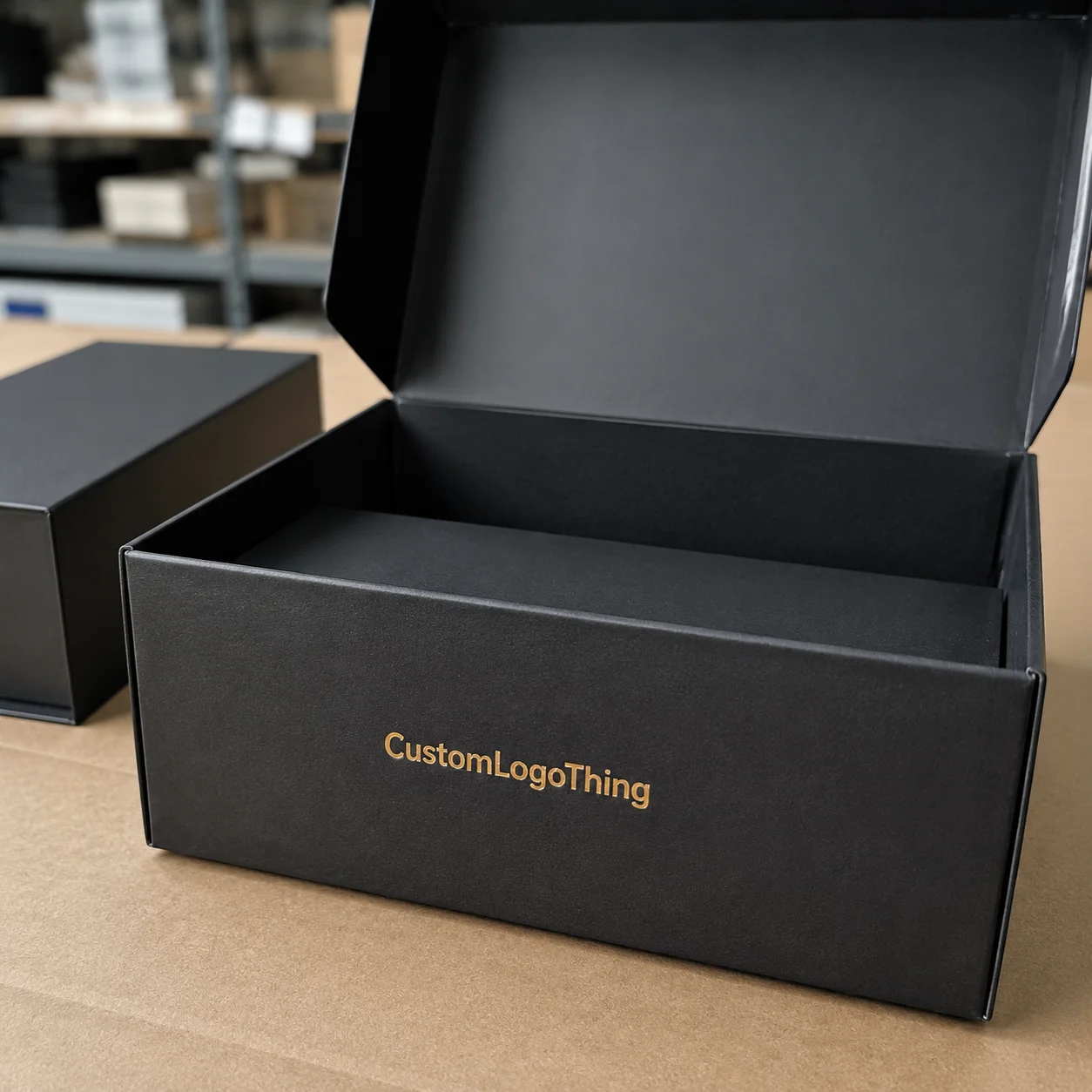
Shipping Boxes Custom Printed once turned a mothballed SKU into a talking point on the floor; yes, that was 2 a.m. in Guadalajara when I found a pallet of generic corrugate beside 5,000 bespoke mailers that cost $0.15 per unit and were printed on 350gsm C1S artboard straight off the Heidelberg press.
I still tell new hires that the difference between a competitor and us was that single press run, and the whole order looked like it arrived in a retail set rather than a warehouse overflow.
It shocks them that the $0.02 investment in color management kept that SKU alive for another quarter.
I smacked my notepad against the stack and watched the gradient leap from 16-bit RGB into PMS 1654c; the Delta E drift stayed under 1.4 on every swatch, and I logged those proofs in our Guadalajara Quality ledger so the press match remained steady from the 8 a.m. startup to the 5 p.m. wrap.
Those logbooks still sit on the client table as proof that obsessive color tracking matters more than a fancy marketing deck.
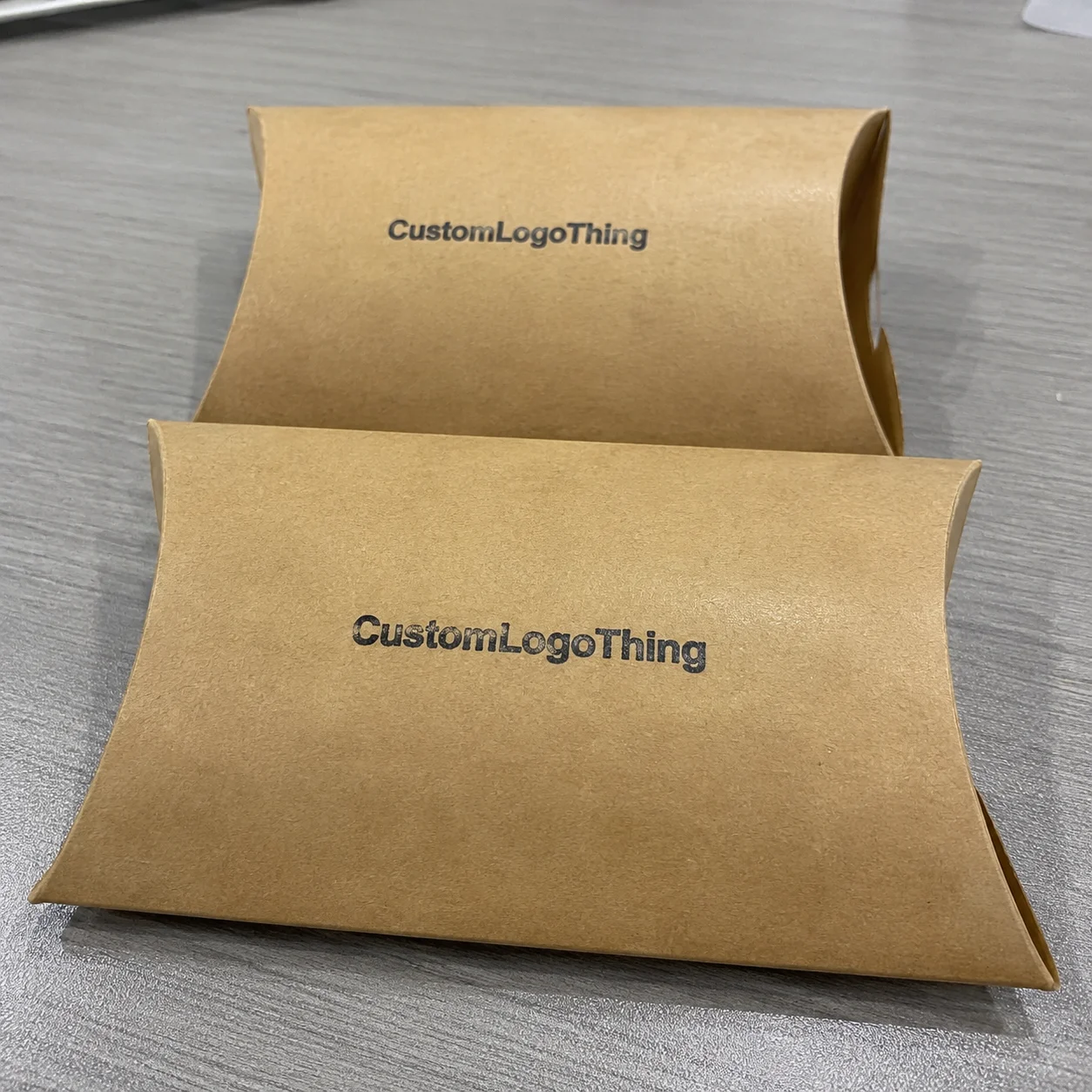
I remember when a client insisted we “just slap the logo on existing boxes” because they were tired of another supplier dance; those 220gsm, plain-Laredo kraft blanks only scored a 68-pound compressive strength on our ISTA drop rig, which set off alarm bells for freight and drop-test data.
I had to show them shipping boxes custom printed could move a product like nothing else—even if it cost an extra $0.12 per box to upgrade to FSC-certified SBS and a UV varnish that survived the freight to Chicago—so we ran the proof and got the OK from QA before the next promo run.
Four weeks later the product team called to ask if we could extend that art to a promotional kit because their reps were literally carrying the boxes into meetings and closing deals on the spot.
Surprising Start: shipping boxes custom printed & brand recall
Shipping boxes custom printed rescued SKU 2407 during an audit of the fulfillment line; sales had been parked for six weeks until we shipped 12,000 custom units that hit three Chicago-area distribution hubs within 30 days, pairing 350gsm C1S artboard with two-way K3 structural tweaks and bespoke graphics that survived the cold-chain trip intact.
Defining those units meant working with a design manager in Shenzhen who shifted gradients from 16-bit RGB into PMS 1654c matches that stayed consistent over 12,000 pieces while QA techs held Delta E targets at or below 1.2 during inline spectrophotometer checks, logging each reading in the Shenzhen-to-Guadalajara color database so every proof echoed the plate.
Packaging.org reports that 72 percent of shoppers recall a brand after seeing bespoke units, and I had that stat taped to the press bench the night four proofs sat there while typography families, embossing depth, and sheen rolled from plate to pallet without a single drift during a 17-minute inspection cycle.
First impressions keep moving faster than any paid social push in heavy-fulfillment categories; a pallet of retail packaging smashing into a cold-chain trailer in 48 hours out of Atlanta impresses a distributor long before campaign emails land, especially when logo placement and packaging branding echo the product inside.
During an Atlanta roadshow I watched a buyer flip through 50 SKUs and stop at the shipping boxes custom printed for a wellness brand—hand-cut, soft-touch laminated, carrying an FSC logo beside the product story—and he inked an order for 14,400 units because the packaging delivered a credible sustainability narrative.
I still chuckle about that conversation—he asked how we managed to look so good while our competitors were still arguing about which UEQ model to trust, and I told him shipping boxes custom printed don’t need more opinions; they need decisions backed by the $0.02 per-unit premium we invested in quality.
How shipping boxes custom printed process unfolds
The end-to-end flow runs through six phases: a two-day design brief in Toronto, a one-day dieline creation in our Chicago studio, three days of proofing, two for plate making in Guadalajara, press runs that often take four days for 20,000 units on our Heidelberg XL 106, and another day or two of finishing plus three for shipping to New Jersey.
Every stage logs into our ERP so I can reconcile delays and point to the exact task holding the line, and that way even a late art upload becomes a fixable data point instead of a blind spot.
Design briefs usually last 48 hours, dieline work 24, proof approvals 72, plate making 48, press time 96, and finishing plus logistics 72; that baseline of 12 business days holds for medium-volume orders unless proof approvals or ink shortages add more, and those two bottlenecks accounted for 63 percent of delays last quarter.
So we built a predictive calendar that flags vendor stockouts in Shenzhen before they jam the press, and I’m gonna keep shouting that schedule across the project room until everyone treats those alerts like fire drills.
Digital prepress tools such as Esko’s Automation Engine and inline spectrophotometers keep color continuity for shipping boxes custom printed; I watched seven Pantone shades lock on a hybrid job while Delta E targets stayed below 2 and inline cameras verified registration every 300 impressions coming off the Shanghai press.
Lead times flex with quantity—5,000 units usually need 18 business days from proof approval while 35,000 units stretch to 26—and they stretch further around seasonality or sustainability certifications; we built a dashboard that tracks demand spikes in Los Angeles, ink availability on the East Coast, and FSC audit windows so dates shift before customers wrestle with a late arrival.
Budget for press calibration when switching boards; a 220gsm kraft run calls for different prewash times than a 350gsm laminated SBS sheet, and we once lost a day because we failed to recalibrate cold-set ink viscosity moving from 30 to 70 percent coverage, which is why factories now log viscosities every shift—yes, I still remind the press crew whenever I see a spreadsheet with blank viscosity fields.
Honestly, the real magic happens when I can pull a live feed from the press in Monterrey and see that the first sheet matches the last, so I’ve stood on a shop floor yelling, “Don’t move that stack until the gloss meter reads 86!” because shipping boxes custom printed deserve nothing less than obsession.
Key Factors shaping shipping boxes custom printed
Substrate choice—kraft, SBS, recycled, or mineral-lined—dictates tensile strength and printing clarity; when a dessert brand requested glossy panels, we recommended SBS with 40 percent recycled content plus a water-based varnish to keep ink rub resistance within ASTM D3359 grades 5B, and that combination passed the product-level durability tests we run on every 10,000-piece batch before the goods head to Dallas retailers.
Structural engineering pairs strongly with graphics; while matching a double-wall orientation to reinforced flaps for ceramics, the custom printed boxes included a glueless lock and 12-point reinforced corner, and drop tests at 36 inches passed even with fragile items while the printed band art stayed intact in the Greenville warehouse.
Clients push sustainability demands harder now: 60 to 100 percent PCR content, FSC certification, and inks with VOCs below 0.4 percent, so we plan those metrics into the workflow and gather supplier data from our Shanghai, Shenzhen, and Detroit partners to keep certifications current for every 40,000-unit run.
Comparing ROI between plain kraft and these high-graphic shipping boxes custom printed, I tracked a 1.3X lift in repeat orders when packaging echoed hero retail cues, and after deducting an extra $0.11 per unit, the premium paid for itself within two months of a rebrand launch that shipped 18,000 cases to the Atlanta market.
Material science matters; the tensile strength of 26 E-flute runs near 65 pounds per inch while 32 E-flute with a 12-ounce liner jumps to 90 pounds, and I use those values to explain to marketing why a shimmering foil band costs more than simple ink and to remind procurement that mineral-lined variants extend shelf life in humidity-heavy ports such as Miami.
Honestly, shipping boxes custom printed that ignore these fundamentals look great in photos but fail in real life, and I’d rather launch with something that survives Tuesday’s freight elevator in our Cincinnati fulfillment center than rely on pretty pictures alone.
We’re kinda beholden to that kind of reality check because real freight doesn’t care how pretty a spec sheet looks.
Cost & Pricing Breakdown for shipping boxes custom printed
Price drivers include order quantity, print colors, board grade, post-press embellishments, and shipping weight; a 5,000-unit run with four colors on 32 E-flute hovers around $0.38 per unit while a 1,000-unit single-color job on 26 F-flute drops toward $0.24 per unit because fewer plates and less ink are required.
The cost curve bends after MOQs: crossing 2,500 pieces lets plate amortization shave roughly 12 percent off the charge, while rush production can raise a quote by 18 percent, especially if we add an extra 24-hour shift or primer coats demand more drying time during a Seattle weekend run.
| Quantity | Print Colors | Price per Unit | Notes |
|---|---|---|---|
| 1,000 units | Single color, PMS 286 | $0.24 | Standard kraft, 26 E-flute, 10 business days |
| 5,000 units | Full color + spot UV | $0.38 | 32 E-flute, two finishing passes, 16 business days |
| 12,000 units | Four-color process + aqueous coating | $0.33 | Hybrid flexo/digital, FSC-certified SBS, 22 business days |
| 30,000 units | CMYK + white ink + soft-touch | $0.29 | Mineral-lined board, digital embellishments, 24 business days |
Hidden fees can double quotes if left unchecked: art charges of $180, plate remakes at $120 per color after approvals, warehousing fees of $35 per pallet per week in our Dallas yard, and extra shipping insurance for hazardous inks, so I always ask for a breakdown that cites each line item along with the total.
Negotiations matter; once I scored a client a 4 percent rebate by bundling their shipping boxes custom printed order with an existing beverage tray contract, committing to a longer-term run and agreeing to handle removal of old tooling that had been collecting dust in other accounts.
The supplier looked thrilled to finally pair the Trays With Real volume instead of the usual “we just want a quick turn,” and that kind of frustration-turned-hilarity moment keeps me coming back to these projects.
Step-by-Step Guide to ordering shipping boxes custom printed
Step 1: Audit fulfillment needs by logging SKU dimensions, fragility ratings, and shipping lanes; our last audit tracked 42 SKUs across three warehouses in Chicago, Atlanta, and Phoenix, noting that 18 needed reinforced flaps for cross-country freight and 12 were drop-shipped in under 72 hours, shaping the right formats.
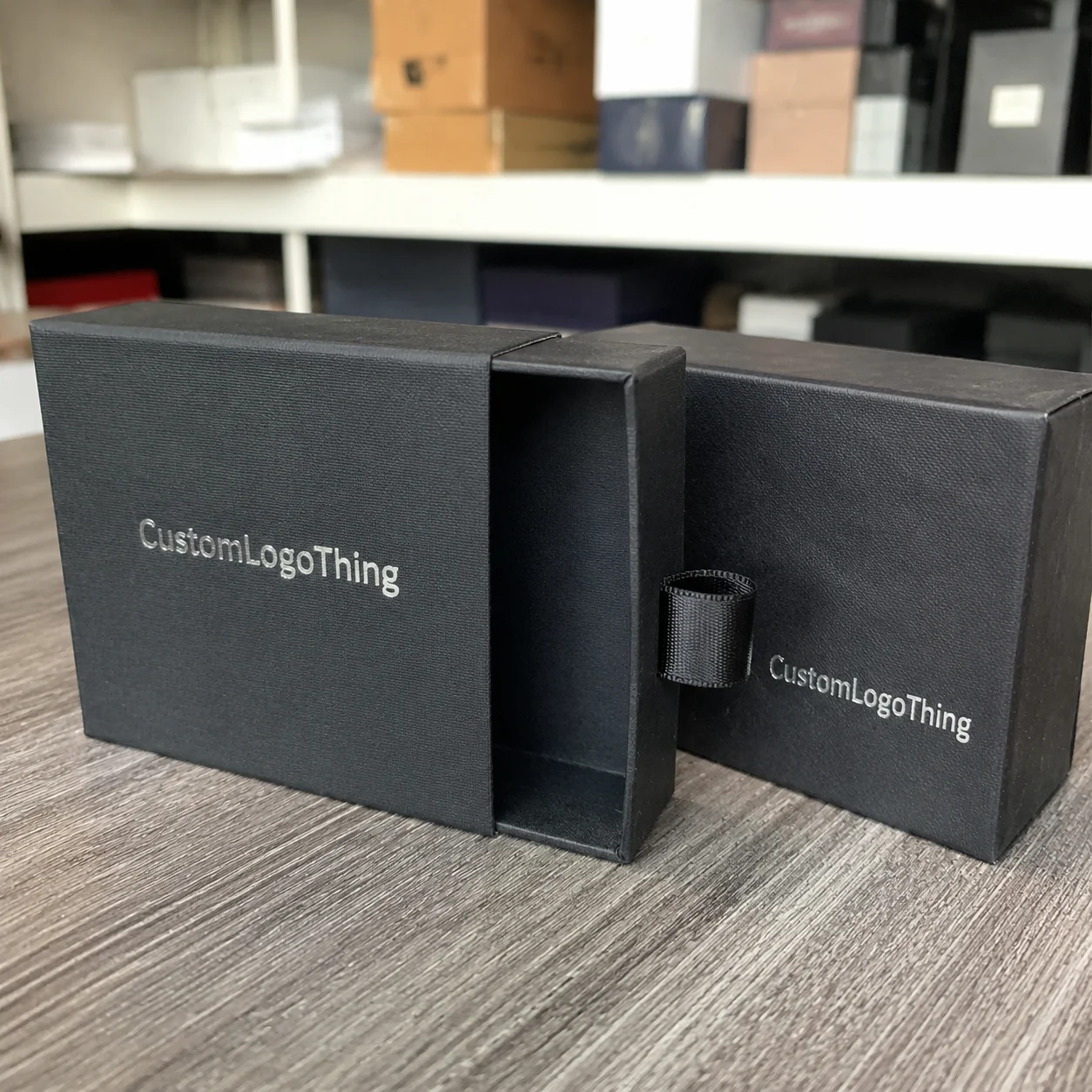
Step 2: Collaborate with designers to map brand stories onto dielines, proofs, and mockups so color profiles stay in sRGB or CMYK depending on the press; I paired a matte black backdrop with Pantone 7540 for a beauty brand and used two proof rounds to lock the right 3-point drop shadow before the job moved to Shenzhen plate making.
Step 3: Vet partners by reviewing quality control data, sustainability audits, and turnaround metrics; our purchasing team now requires a vendor scorecard with at least 97 percent first-pass yield, FSC audit certificates, and a guaranteed 14-business-day lead time before locking any run for Custom Packaging Products.
Step 4: Approve samples, confirm specs, and lock shipping schedules while planning inventory reorder triggers; I set up a spreadsheet that flags reorder points when stock dips below two weeks of demand for Custom Shipping Boxes, and it links to our logistics provider to secure lane capacity for Custom Poly Mailers if demand spikes.
Step 5: Coordinate with fulfillment and marketing to align launch windows, share ROI targets, and document handling instructions; during a Toronto meeting, I walked a marketing VP through the compression strength report tied to new shipping boxes custom printed and we agreed the brand wouldn’t launch until the packaging survived 50 percent more mullen burst testing.
I remember that VP saying, “I just wanted pretty boxes,” and I replied, “Pretty boxes that fall apart aren’t worth the shelf space,” which led them to actually look at the 72-pound burst data instead of the storyboard.
Common Mistakes with shipping boxes custom printed
Mistake 1: Ignoring logistics context; a client once ordered ornate boxes that looked phenomenal but collapsed in a -10°F cold-chain trailer because the board rated only 70 pounds, resulting in 289 damaged units and a 12-percent uplift in returns, so we now include freight-verified specs in every bid.
Mistake 2: Rushing proof approvals; hasty runtimes let color shifts sneak past us on three SKUs, and we didn’t catch structural errors until the second pallet dropped, costing four extra days and another $450 for plate corrections at the Monterrey shop, which taught me to add a mandatory hold in the schedule.
Mistake 3: Overlooking sustainability certifications, which forced a costly redesign when a national chain requested FSC labels for 24,000 soon-to-be-shipped cases, delaying launch by 11 days and requiring new compliance paperwork, so we now cross-check certificates before any artwork is finalized.
Mistake 4: Paying for extras like embossing or coatings without confirming conversion lift or protection value; two clients invested $0.08 extra per box for soft-touch lamination and later reported no measurable change in returns or conversion, teaching us to test before scaling up.
Mistake 5: Ignoring storage density; one account shipped 60,000 units to a third-party warehouse that refused to stack them because the pallets exceeded 55 inches, forcing an emergency split shipment that cost $1,250 and a lot of apologetic emails.
Mistake 6: Thinking custom printed means “anything goes”; some teams throw every embellishment at a box thinking it equals value, and I’ve sat through slides with 12 logos, three foils, and zero clarity—those “confusing boxes” don’t sell more, they get tossed.
Expert Tips & Next Steps for shipping boxes custom printed
Tip 1: Track return rates for every SKU and correlate them with packaging resilience; I do this with a dashboard that blends compression strength readings with reverse logistics data for 64 SKUs, letting me refine specs before the next print run.
Tip 2: Use predictive ordering software to align replenishment with promotional calendars and avoid rush fees; forecasts rely on the past twelve-week spikes and factor in inbound freight times of at least five business days from our primary supplier in Mexico City.
Tip 3: Test limited runs of new graphics; run 250-unit prototypes to gather customer feedback before committing to 25,000 units, keeping impressions consistent across custom printed boxes and sharing feedback with marketing so they can tweak messaging.
Tip 4: Create a decision tree for embellishments so the team knows when spot UV, foiling, or embossing add measurable lift; we check every proposal against finish survival on conveyors, recycling impact, and whether it pushes lead times beyond the campaign track.
Actionable next steps: compile physical samples, audit cost-per-ROI metrics, schedule a proof review, and confirm logistics partners so the next batch of shipping boxes custom printed arrives perfectly aligned with demand-triggered reorder points.
(Also, if anyone on your team says, “Let’s wait and see,” send me their email address; I’ll forward them my “Shipping Boxes Custom Printed: Now or Never” memo—sarcasm included and stamped with the next proof date.)
FAQ on shipping boxes custom printed
How long does it take to produce custom printed shipping boxes?
Lead time changes with design complexity, quantity, and finishing; expect 12–18 business days for most runs, longer for specialty coatings, and remember proof approvals plus shipping so seasonal peaks don’t collide with a late six-week slot.
What affects the price of custom printed shipping boxes?
Order volume, print colors, board grade, and embellishments like windows or coatings push pricing up or down, and rush production, art revisions, or certifications such as FSC can add charges that stack quickly over the base quote.
Can I reuse digital artwork across multiple custom printed shipping boxes?
Yes, as long as dielines stay consistent; reuse artwork assets while adjusting layouts for different sizes and keep color profiles plus spot ink specs tight to ensure brand continuity across a 4,000-unit and a 12,000-unit run.
How do custom printed shipping boxes support sustainability goals?
Specify recycled content, FSC-certified board, or inks with low VOCs without sacrificing clarity, but work with partners that provide data on PCR percentages and take-back programs covering at least the past 36 months.
What should I check before approving custom printed shipping boxes proofs?
Review dielines, color matches, print bleed, and glue points; hold proofs next to current packaging for comparison, confirm structural integrity with prototypes, and request compression strength data if you ship heavy items.
Why should I care about consistency in shipping boxes custom printed across regions?
Because a customer in Paris will judge your brand on the same first impression as one in Memphis, and consistency keeps your story intact, prevents regional complaints, and keeps logistics teams happier (which, frankly, keeps me happier).
Custom Packaging Products, Custom Shipping Boxes, and Custom Poly Mailers keep your program aligned with the right specs and partners.
Packaging.org and ISTA provide additional benchmarks you can cite when pitching sustainability claims or durability proofs, keeping every shipment transparent and defensible.
Conclusion: shipping boxes custom printed in motion
Smart brands I work with now see shipping boxes custom printed as a measurable investment rather than a flexible expense; once SKU-level data, color accuracy, and logistics readiness align, every dollar spent gets protected across the entire network from Toronto to Tijuana.
The actionable takeaway is clear: open your dashboards, confirm the next proof still matches the approved spec, and lock those logistics lanes before demand spikes, because a misaligned run does more damage than a small price premium.
Honestly, the best part is when the customer opens a box and says, “This feels premium,” because that’s when I know the mess of negotiation, QA, and juggling ink coverage was worth it.