Custom Printing Bags: Buy Smarter for Your Brand
custom printing bags do more than carry a purchase from counter to car. They act as a moving brand surface, a lightweight communication tool, and, in many programs, the last piece of packaging the customer touches before leaving the store or opening a parcel at home. That makes them a small item with an outsized influence on perception.
For packaging buyers, the decision is rarely about whether a logo looks attractive. It is about whether the bag supports the product, performs under real handling conditions, fits the order volume, and lands at a unit cost that makes sense over time. A printed bag is not just decoration; it is part of the packaging system.
If your line already includes stock bags, labels, or custom printed boxes, the bag should still follow the same visual rules. Brand consistency reduces confusion, speeds up packing, and makes reorders easier to manage. That practical value is one reason printed bags stay in use across retail, food service, events, and e-commerce.
What Custom Printing Bags Actually Are and Why They Outsell Plain Bags
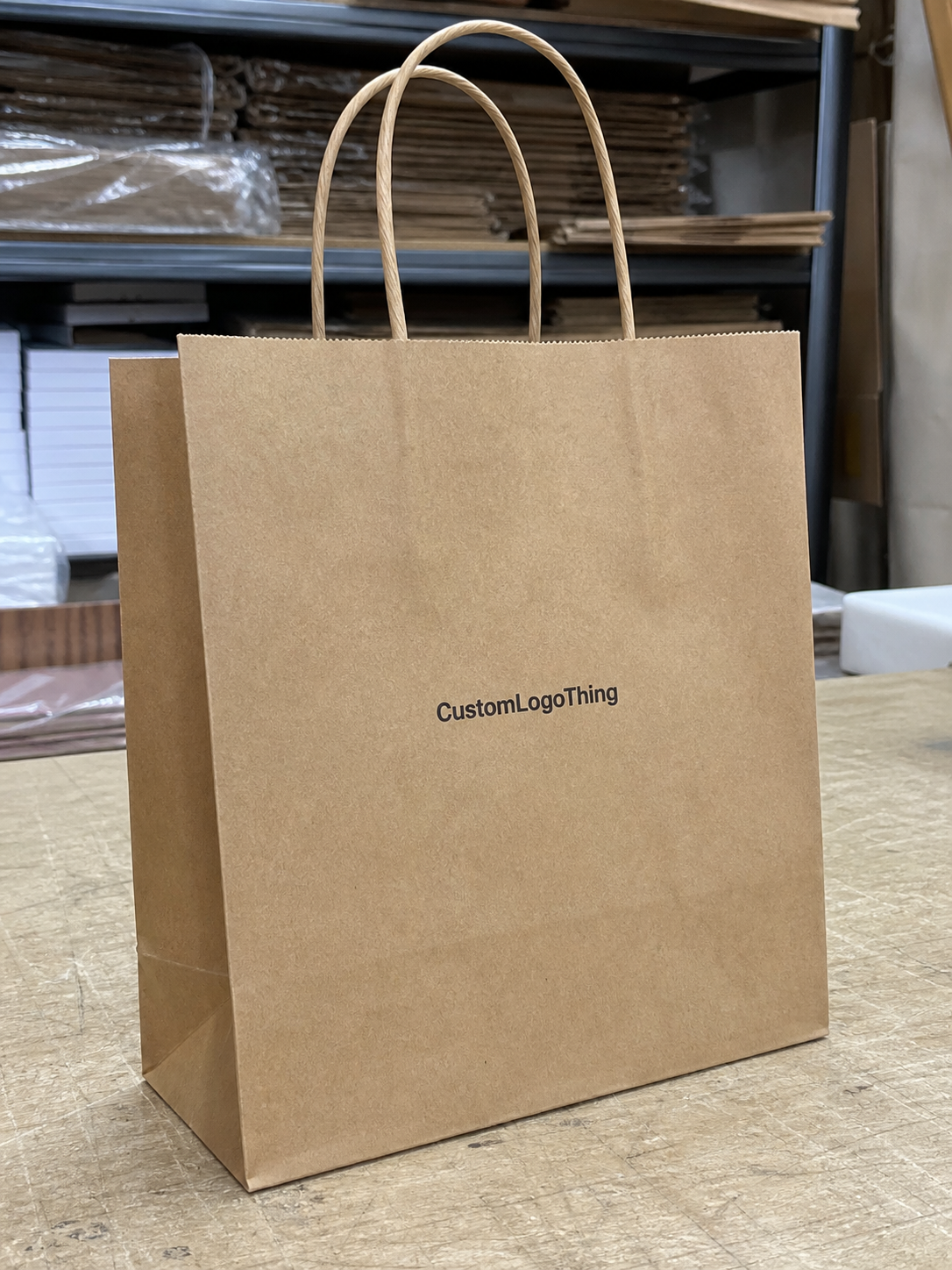
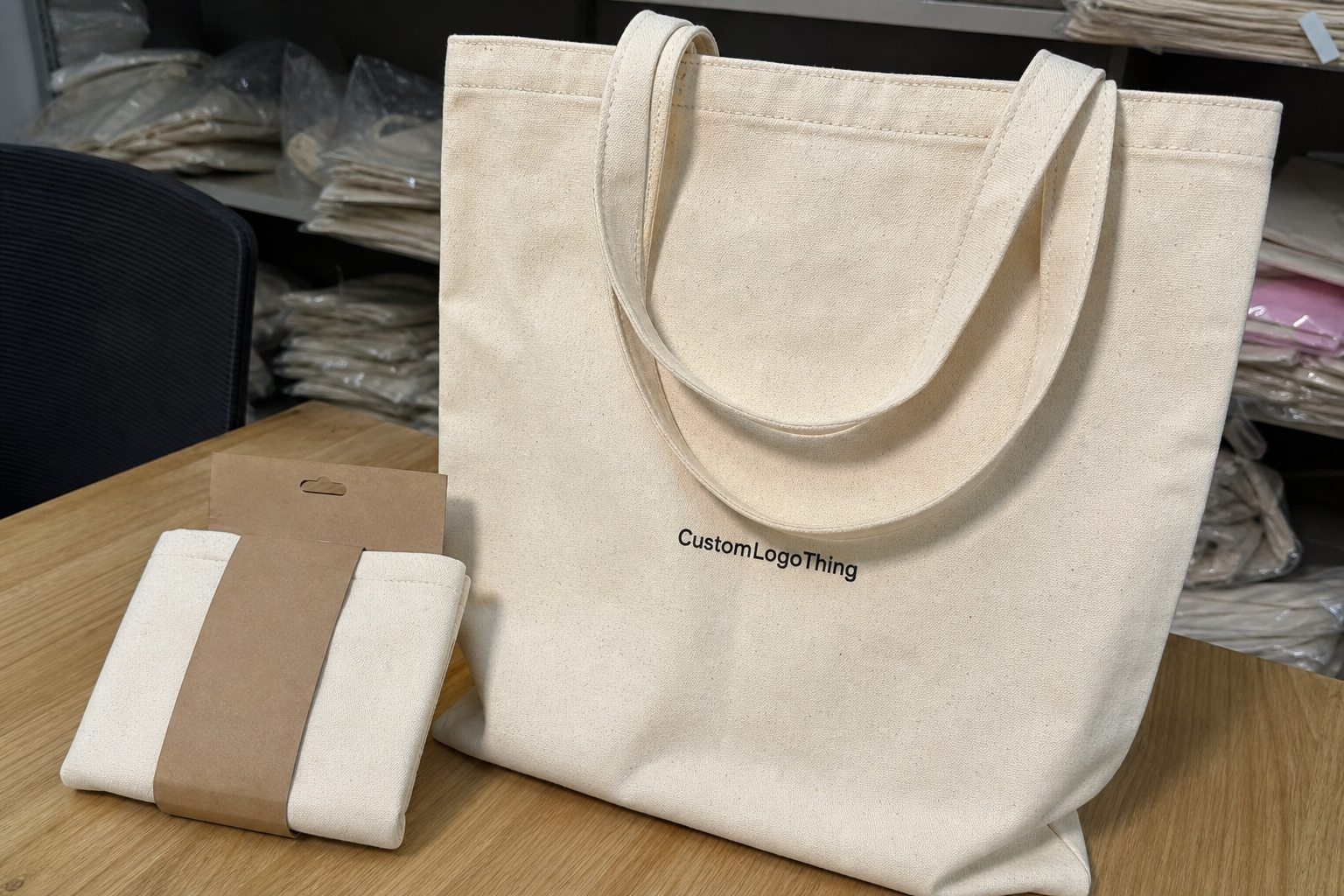
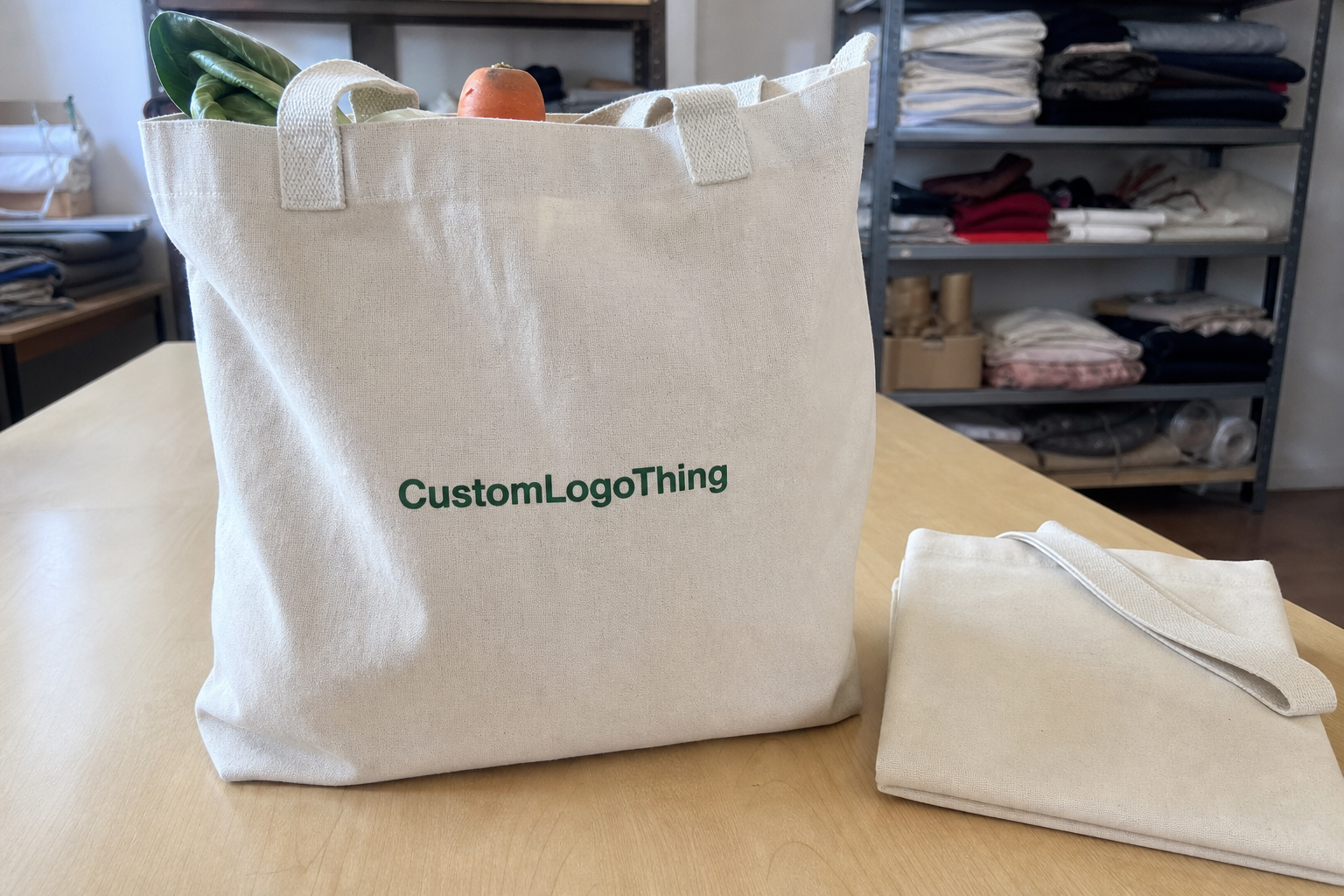
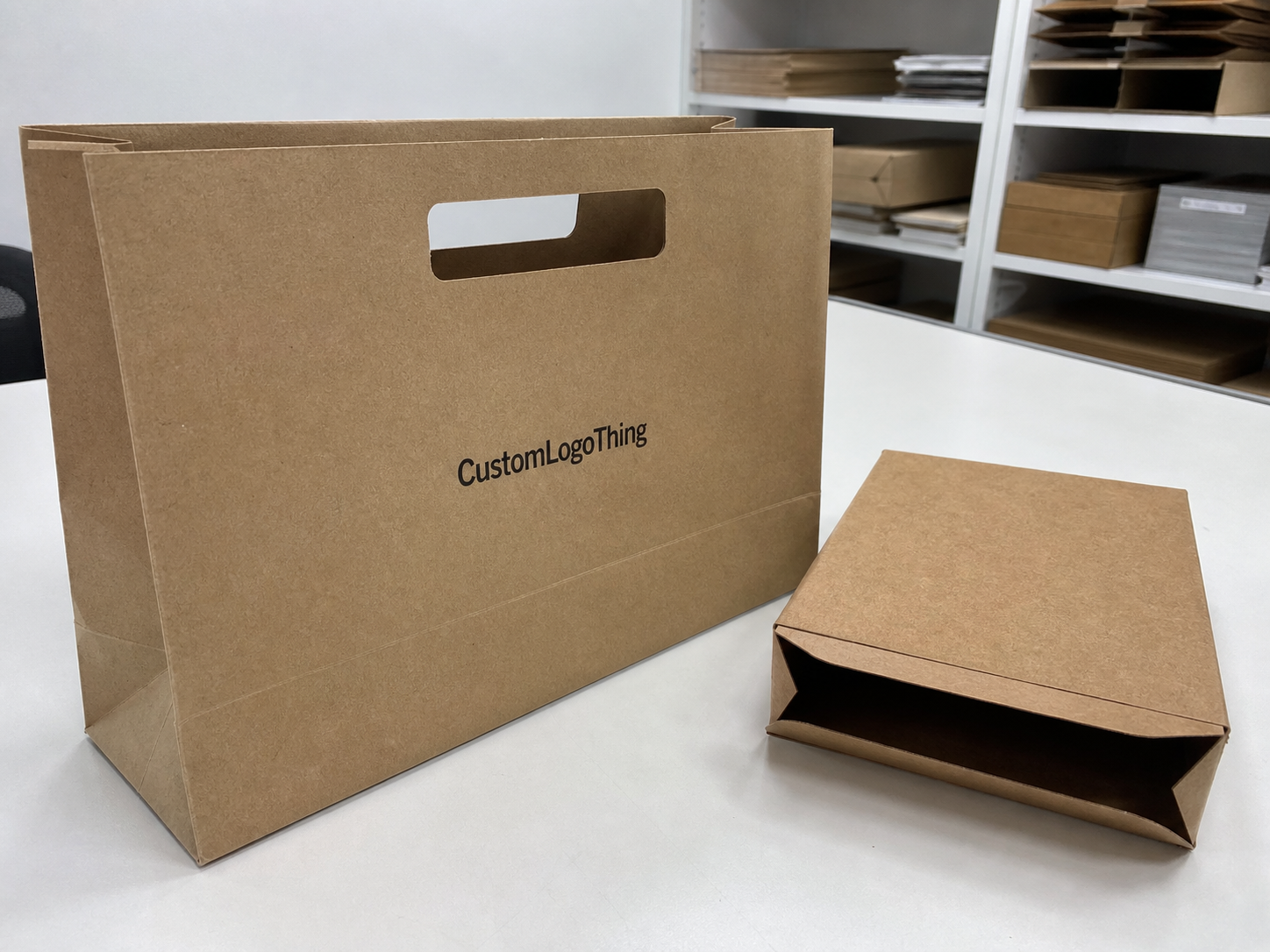
custom printing bags are bags that carry logos, artwork, product copy, handling instructions, compliance text, or promotional messages directly on the bag surface. Depending on the run, they are typically produced by flexographic printing or digital printing. The bag itself may be polyethylene, recycled-content film, or another plastic structure selected for strength, flexibility, and print appearance.
The gap between a plain bag and a printed one is larger than it first appears. A plain bag is simply a container. A printed bag can identify the product quickly for staff, reinforce the brand at checkout, and keep advertising working after the sale, especially if the customer reuses the bag. That repeated visibility is part of the reason branded packaging tends to outperform a generic carrier.
Buyers usually have three main routes. Stock bags are ready to ship and lowest friction. Stock bags with labels add branding without changing the base bag. Fully Custom Printed Bags sit in a more controlled production flow, where the artwork, dimensions, and print layout are built around the specific use case. If volume is steady, that middle ground often delivers a cleaner result and better cost efficiency than many first-time buyers expect.
The applications are broad. Retail stores want a polished carryout experience. Food service needs legible branding and fast handling. Event teams need quick sponsor visibility. E-commerce teams use printed bags, mailers, or inserts to extend the unboxing experience. In each case, the bag is doing a job beyond containment.
The lowest-priced bag is not always the lowest-cost choice. If the seal fails, the print looks off, or the handles stretch too easily, the savings disappear quickly.
That is why experienced buyers compare custom printing bags with the same discipline they use for other packaging components. Construction, artwork quality, and timing all affect how organized the brand feels in the customer’s hands. A solid bag program creates that impression before the product is even opened.
How the Printing Process Works From Artwork to Finished Bag
The production path is straightforward once it is broken into stages. First comes artwork setup. Prepress then checks the file for line weight, font size, bleed, color separation, and whether the art is built in a print-ready format. After that, the printer prepares the plates for flexographic printing or sets up a digital workflow for shorter runs. Ink is applied, cured or dried, the bag is cut and sealed, and the finished order is inspected before packing.
The bottlenecks usually appear before the press starts running. A logo that looks clean on a screen can break down at print size if the strokes are too thin or the file is not truly vector-based. Color matching can also be more demanding than buyers expect. If the brand has a specific Pantone target, ask how the supplier controls that color and whether the proof reflects the actual print condition rather than a generic on-screen mockup.
Color count matters more than many purchase teams realize. Each added color increases complexity, especially on clear or lightly tinted film where registration is easier to see. A two-color design is usually simpler to keep crisp than a five-color design with gradients and fine text. That is one reason many buyers simplify packaging graphics after the first sampling round.
File quality is a real gatekeeper. Suppliers usually want editable vector logos, clearly defined bleed, safe margins, and artwork kept away from seals and folds. If text sits too close to the edge, the seal can distort it. If a logo runs into a gusset or handle area, it can vanish when the bag is filled. The art has to survive the geometry of the bag, not just the artboard.
Proofing prevents expensive rework. Digital mockups are useful for layout, but printed proofs are better when brand color or fine detail matters. For shipping-related programs, the surrounding package may also need transit-style testing, and guidance such as ISTA guidance can help buyers think through the whole pack-out, not just the carrier bag itself.
Orders tend to run most smoothly when the artwork, material choice, and intended use are aligned before production begins. That keeps the press focused on manufacturing instead of fixing preventable design issues.
Key Specs That Affect Performance, Look, and Shelf Impact
Material choice is usually the first decision worth locking down. LDPE is softer, more flexible, and commonly used for retail carry bags and products that benefit from a smoother feel. HDPE is crisper and can be a better fit for lighter loads where stiffness and cost control matter. Recycled content can support sustainability goals, but only if the bag still performs correctly and the claim is documented with care.
Thickness, often described in gauge or mil, drives both durability and touch. A thin bag may look fine in a sample and fail once a sharp-edged item is loaded. A thicker bag can feel more premium, but it may add cost and reduce flexibility. The right specification depends on product weight, shape, and how often the bag is expected to be reused.
Size and gusset selection matter just as much. A bag can be technically large enough and still feel awkward if the gusset is too narrow or the handle style cuts into carrying comfort. For product packaging, the correct size is the one that matches the item after it is packed, not just the product before it is boxed or bundled.
Print placement has a direct effect on shelf impact and visibility at checkout. A strong front panel is often enough for brand recall. Side panels can carry QR codes, care instructions, or recycling guidance. The back panel can hold secondary information if the front needs a clean logo lockup. Simple layout hierarchy usually beats busy graphics because the message remains readable at arm’s length.
Compliance should be checked early, not after the design is approved. If the bag touches food, the material and inks need to be appropriate for that use. If your market has plastic bag restrictions, recycled-content rules, or labeling expectations, confirm them before the order is placed. For broader context on environmental language and materials claims, the EPA resources can be a useful reference point.
In practice, high-contrast logos, readable type, and fewer visual distractions usually outperform crowded layouts. That is true for retail packaging, event bags, and e-commerce inserts. If the customer can read the message quickly, the bag is doing its job.
Custom Printing Bags Cost, Pricing, and MOQ Factors to Watch
Price is driven by a small group of variables. Quantity is the biggest one. After that come bag size, material thickness, number of print colors, and whether the order is a stock bag, a stock bag with a label, or a fully custom build. Setup fees also matter, especially on short runs, because fixed production costs have to be spread across fewer units.
MOQ, or minimum order quantity, is where many first-time buyers get surprised. A supplier may quote an attractive unit price, but only at 5,000, 10,000, or more pieces for flexographic work. Digital printing can sometimes start lower, often in the 500 to 2,000 range, though the unit cost tends to be higher because the setup burden is different. That tradeoff is normal, not a red flag.
| Option | Best For | Typical Setup | Illustrative Unit Cost | Main Tradeoff |
|---|---|---|---|---|
| Stock bag + label | Very short runs, fast launches | Low | $0.15-$0.35 | Quick and flexible, but the label can look less integrated |
| Digital printed bag | Small to medium runs, frequent artwork changes | Moderate | $0.20-$0.55 | Good for design flexibility, usually higher per-unit cost |
| Flexographic printed bag | Steady programs and larger volumes | Higher upfront | $0.05-$0.22 | Lower unit cost at scale, but more setup and plate work |
Those numbers are broad working ranges for standard retail or promotional bags, not quotes. Size, gauge, freight, print coverage, and market conditions can move them noticeably. Still, they help show the pattern buyers actually face: higher volume reduces unit cost, while customization increases front-end work.
There are also hidden costs that can distort a comparison. Artwork revisions may add fees. Plate charges are common on flexo work. Rush freight is rarely inexpensive. Special finishes, such as matte film or a softer tactile coating, can add cost without changing the bag’s basic function. Ask for a quote that separates each line item clearly so you can compare scope, not just total price.
If the order is part of a broader packaging program, it helps to align the bag spec with your internal Custom Packaging Products and the supplier’s Manufacturing Capabilities. That makes the quote easier to compare and reduces the chance that one vendor is pricing a different build than another.
Process and Timeline: From Quote to Delivery Without Delays
A normal order flow looks like this: inquiry, quote, artwork submission, proof approval, production, quality check, packing, and shipping. The sequence is simple enough, but the schedule usually bends around one or two bottlenecks. Artwork delay is the most common. Proof revisions come next. Color matching can also slow things down if the reference target keeps changing.
Lead time often runs 10 to 18 business days after proof approval, depending on bag type and plant schedule. Shipping adds another layer. A domestic move may take a few days. A longer lane can take a week or more. If the order falls in a busy retail season, the same run can stretch simply because the press calendar is full.
Speed is not free. Rush production usually brings higher fees, fewer options on material or print method, and more risk if the artwork is still changing. It is usually smarter to lock the design two days earlier than to pay for a faster run that still needs corrections. That matters most when the bags support a product launch, trade show, or seasonal packaging rollout.
Build in buffer time. A one-day delay in proof approval can push the whole chain back if the press schedule is already stacked.
Quality control should be part of the timeline, not an afterthought. Good suppliers inspect color consistency, seal integrity, and print registration before packing the order. For programs with stricter requirements, ask what the inspection covers and whether defect, rework, or replacement terms are written down. If the packaging team also tracks sustainability claims carefully, the EPA remains a practical reference for materials and environmental language.
The real takeaway is straightforward: faster turnaround is possible, but it gets expensive when the order is poorly defined. Clear specs are still the cheapest acceleration tool available.
Common Mistakes Buyers Make When Ordering Printed Plastic Bags
The first mistake is choosing the wrong strength. A bag that works for apparel may fail on boxed goods, glass jars, or parts with sharp edges. A tear or stretch failure is not just a product issue; it becomes a customer service issue and, in many cases, a brand issue if the bag is part of the handoff experience.
The second mistake is poor file preparation. Low-resolution artwork, flattened files with missing fonts, and logos saved in the wrong format all add time. If the file cannot be edited cleanly, the supplier may have to rebuild it. That step is avoidable with a little discipline at the start.
Third, buyers forget the print area. The seal line, handle, gusset, and fold all take up real space. If important text sits too close to those zones, it can be distorted or disappear. This is where packaging design meets production reality. A polished mockup is not enough if the press cannot reproduce it cleanly.
Fourth, the order is placed too late. Late approval usually means higher rush cost, fewer material choices, and less room for proof changes. The calendar is part of the specification, whether teams treat it that way or not.
Fifth, the cheapest quote is chosen without checking what it includes. Freight, plates, extra revisions, or a material upgrade may be excluded from one quote and included in another. A low number only matters if the scope is complete.
Experienced buyers compare more than price because they know where the real risk sits: print method, thickness, proof support, freight terms, and what happens if the first run is off. That is a more accurate way to buy custom printed bags, and it usually costs less over time.
Expert Tips for Better Branding, Better Value, and Fewer Reorders
Keep the design simple. Strong contrast and restrained copy usually print cleaner and read better at arm’s length. A logo, a short line of text, and one support message is often enough. Once the design starts to resemble a poster, clarity tends to suffer at bag size.
Standardize sizes across product lines where possible. Fewer SKUs make inventory easier to manage, simplify reorder planning, and reduce the risk of dead stock. It is not glamorous work, but it pays off quickly if one bag can cover multiple products.
Ask for a color reference whenever brand accuracy matters. That may be a physical sample, a swatch, or a carefully documented Pantone target. Screens lie. Film and paper are more reliable, though they still shift with ink, substrate, and light. The clearer the target, the fewer surprises later.
Use the back panel with purpose. Care instructions, QR codes, store hours, returns information, or a short sustainability note can add utility without crowding the front. That works well for retail packaging and branded packaging programs because the bag keeps helping after the logo has done its first job.
Set a reorder threshold before stock runs low. Once inventory gets too thin, buyers lose leverage on lead time and pricing. A simple reorder point based on current usage and incoming demand is usually enough. It does not need to be fancy; it just needs to exist.
Think about the full package system, not the bag in isolation. If the bag, insert, label, and product packaging share the same visual language, the customer experiences one coherent brand instead of four separate parts.
Next Steps: Build a Smarter Spec Sheet Before You Request Quotes
Before asking for pricing, build a one-page spec sheet. Include bag dimensions, thickness, material, print colors, quantity, proof requirements, and your delivery date. If the use case is already known, include that too. A bag for apparel is not the same as a bag for a boxed accessory or a food item, and the quote should reflect that difference.
Collect the art files in editable format and note the details that matter to your brand team: logo placement, Pantone targets, approved fonts, and any text that must not move. Then decide which tradeoff matters most. Lowest unit cost? Fastest turnaround? Better print fidelity? Small-run flexibility? Different priorities point to different suppliers and print methods.
Next, shortlist two or three vendors and compare more than the final number. Ask how proofing is handled, what the MOQ really is, whether freight is included, and what happens if the print does not match the approved proof. That conversation says far more than a single price line.
Keep every request consistent. If one supplier gets a 10,000-piece quote with a two-color design and another gets only a rough guess on size and material, the comparison will not be useful. Clean inputs create clean quotes. That is how buyers get control over custom printing bags instead of guessing at them.
When custom printing bags are treated as a spec-driven purchase rather than an impulse order, the process becomes more predictable: better quotes, fewer revisions, and fewer surprises at receiving. That is the most reliable way to buy a bag that has to do real branding work.
What do custom printing bags include besides a logo?
They can include slogans, product details, care instructions, QR codes, handling notes, and compliance messaging. The best use of space depends on bag size, how the customer carries it, and whether the bag is meant to be reused.
How much do custom printing bags usually cost?
Cost depends on quantity, size, material, print colors, and setup fees. Larger orders usually reduce the unit price, while small runs can look expensive because fixed production costs are spread across fewer bags.
What is the typical lead time for printed plastic bags?
Lead time depends on artwork readiness, proof approval, production capacity, and shipping distance. Simple jobs can move quickly, but design changes, special colors, or rush requests can extend the schedule.
What file format is best for bag artwork?
Editable vector files are usually best because they keep logos crisp at print size. If you only have a raster file, it should be high resolution and checked carefully before it goes to proof.
How do I choose the right bag thickness and size?
Match thickness to product weight, sharp edges, and how often the bag will be reused. Choose a size with enough room for loading, sealing, and carrying without stressing the handles or seams.