Buyer Fit Snapshot
| Best fit | Custom Product Inserts Wholesale projects where brand print, material claims, artwork control, MOQ, and repeat-order consistency need to be specified before quoting. |
|---|---|
| Quote inputs | Share finished size, material target, print colors, finish, packing count, annual reorder estimate, ship-to region, and any compliance wording. |
| Proofing check | Approve dieline scale, logo placement, barcode or warning zones, color tolerance, closure strength, and carton packing before bulk production. |
| Main risk | Vague material claims, crowded artwork, missing packing details, or unclear freight terms can make a low unit price expensive after revisions. |
Fast answer: Custom Product Inserts Wholesale: Pricing, Specs, MOQ should be specified like a repeatable production item. The safest quote records material, print method, finish, artwork proof, packing count, and reorder notes in one written spec.
Production checks before approval
Compare the actual filled-product size with the drawing, then confirm tolerance on folds, seals, hang holes, label areas, and retail display edges. Reserve space for logos, QR codes, warning copy, and material claims before decorative graphics fill the panel.
Quote comparison points
Review material grade, print process, finish, sampling route, tooling charges, carton quantity, and freight assumptions side by side. A quote is only useful when the supplier can repeat the same color, closure quality, and packing count on the next order.
Custom Product Inserts wholesale are one of those packaging details people tend to underestimate until the first damaged shipment lands on their desk. The outer box might look sharp, the print might be right, and the brand presentation might be exactly where you want it, but if the product can slide, tilt, or rub against the inside walls, the customer notices that instead. That is why custom product inserts wholesale matter so much: they hold the product in place, reduce movement, and make the package feel thought through rather than patched together.
For buyers, the value is practical before it is aesthetic. Better retention usually means fewer breakage claims, fewer replacement orders, fewer support headaches, and less repacking labor in the warehouse. A strong insert also makes the unboxing feel cleaner, which helps package branding without adding unnecessary bulk to the carton. The insert is not filler. It is a structural part of the packaging system, and it should be treated that way from the first quote.
Choosing the Right insert for a launch, a rebrand, or a kit build means paying attention to the actual product, the shipping route, and the way the item will be handled after opening. Some inserts are built for display. Some are built for shipping abuse. Some need to do both. The right answer depends on what the package has to survive and what the customer is supposed to see first.
Custom Product Inserts Wholesale: Why They Stop Damage and Refunds
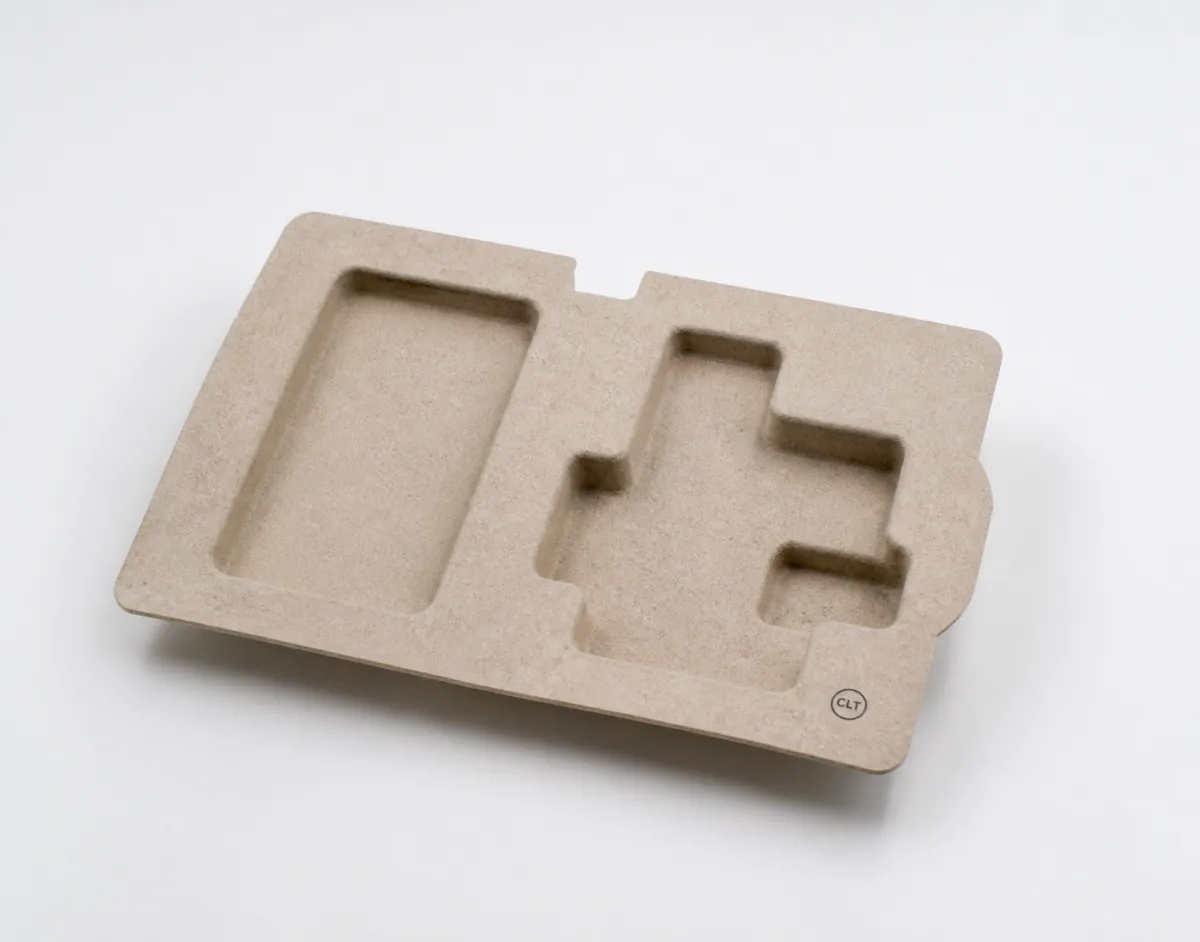
Many brands spend most of their energy on the outer box and then send the product out with no restraint inside. That is usually where the trouble starts. A rigid carton does not help much if the item is bouncing around inside it, and a mailer with no internal support can turn into a noisy, scuffed delivery before it even reaches the doorstep. Custom product inserts wholesale solve that problem by locking the product into a defined position, limiting void space, and turning the package into one coordinated system instead of a few disconnected parts.
In practice, a good insert does several jobs at once. It keeps the product centered. It shields fragile corners and edges from impact. It organizes accessories, cables, manuals, samples, and small parts so they do not end up rattling loose in the carton. For product packaging that ships often or sits on retail shelves, that level of control is not a nice extra; it is part of the job.
The business case is hard to ignore. A broken unit costs more than the insert. So does a refund. So does the labor needed to inspect, rebag, repack, and reship a damaged order. Even a modest drop in damage rates can pay for the insert quickly, especially on glass, cosmetics, electronics, candles, drinkware, and mixed-component kits. That is why custom product inserts wholesale are not decoration. They are a cost control measure.
A box can look premium and still fail badly if the product can slide 50 mm inside it. Packaging teams learn that lesson fast, usually after the first ugly wave of returns.
Presentation matters too. People judge the opening sequence in a few seconds, and those few seconds shape how the product feels in the hand. A fitted cavity reads as intentional. Loose tissue, crumpled paper, or a product buried under fill reads as improvised. That affects retail packaging as much as it affects direct-to-consumer shipping, because the customer is not separating the appearance from the function. They experience both at once.
- Less movement: the item stays centered instead of hitting corners and sidewalls.
- Less waste: you can reduce loose fill, kraft paper, or air pillows.
- Less labor: warehouse teams spend less time sorting and repacking kits.
- Cleaner shelf behavior: product stays upright and presentable inside the carton.
- Lower complaint volume: customers are less likely to report scratches, dents, or missing pieces.
One detail gets missed a lot: not every insert is supposed to do the same work. A light cosmetic kit does not need the same structure as a machined tool, and a display set does not need the same retention as a subscription box that gets tossed around in transit. Good custom product inserts wholesale work because the structure matches the product, not because the mockup looked pretty on screen. That is the difference between useful packaging design and expensive decoration.
For buyers sourcing custom printed boxes, the insert should be part of the quote from day one. If the outer carton is chosen first and the insert is guessed later, the result is often wasted space, awkward fit, extra dunnage, or a box that feels too tight once board thickness and print wrap are counted in. That kind of mismatch is how avoidable returns start, and it is one of those problems that costs more to fix after approval than it would have cost to prevent in the first place.
Custom Product Inserts Wholesale Product Details and Format Options
No single insert material wins every job. The right structure depends on the weight of the product, how much of it is visible, how much protection it needs, and whether the customer is supposed to remove it cleanly or simply lift the item out and move on. For custom product inserts wholesale, the main formats are die-cut paperboard, corrugated inserts, molded pulp, foam, and custom trays. Each one has a place. Each one carries a different cost profile. And each one has buyers who are convinced theirs is the only correct answer.
Die-cut paperboard works well for lighter products and a cleaner presentation. It folds tightly, prints well, and gives you a neat interior for branded packaging. It is a strong option for beauty items, apparel accessories, stationery kits, and lighter electronics. If you want an insert that looks polished inside custom printed boxes, paperboard is often the easiest place to start.
Corrugated inserts are the tougher choice. They handle more crush, more weight, and more shipping abuse. If the item is more likely to bounce through a parcel network than sit on a store shelf, corrugated usually makes more sense than decorative paperboard. Flute style, liner weight, and cut pattern all affect performance, so this is not a one-size-fits-all decision. It is a structural decision, and it should be treated like one.
Molded pulp is common for brands that want a lower-plastic path and a natural look. It gives good restraint for shaped products and can suit retail packaging that wants an eco-forward story without giving up function. Foam still has a place for fragile, high-value items that need tight retention or exact cutouts. It is not the prettiest option, but pretty does not repair a broken product, and I say that with a straight face because it is true.
Custom trays work well when the insert needs to present multiple parts in a fixed layout. They show up in kits, sampling programs, hardware sets, and premium gift packaging. The tray can be thermoformed, paperboard, or a layered hybrid, depending on the presentation and handling demands. If the package has to hold one item, three accessories, and a folded insert card without shifting around, a tray can make the whole build feel organized instead of crowded.
- Finger cuts: help the customer remove the product without tearing the insert apart.
- Retention tabs: hold items in place while still allowing a clean release.
- Layered construction: works for multi-piece kits that need separate levels or cavities.
- Printed interiors: make the insert part of the brand story instead of a plain utility layer.
- Texture and finish: matter when the insert is visible during the opening sequence.
One thing I tell buyers often is this: if the customer handles the product before using it, the insert design matters more than they think. A watch set, a skincare bundle, or a small tech kit gets touched several times after opening. If the insert fights the customer at every step, the package feels cheap no matter how nice the box shell looks. You want the removal to feel guided, not forced.
That is why custom product inserts wholesale should be built with both protection and usability in mind. The insert should support the item, not trap it so tightly that a customer needs to wrestle with it. It should also fit the way the product is packed. A mailer box, a rigid box, a sleeve box, and a retail carton all create different constraints. Good product packaging respects those constraints instead of pretending they do not exist.
Specifications: Materials, Fit, and Insert Styles
If you want an accurate quote for custom product inserts wholesale, send real measurements, not “about this size.” Packaging spec sheets only help when they include the actual product dimensions, the outer carton size, and the pieces that need to fit inside the same build. A proper spec set should cover product weight, fragile points, number of parts, and whether any accessories need their own cavity. Without that, the supplier is guessing, and guessing is how packaging budgets get wrecked.
Material specifications are where many buyers stay vague. They should not be vague. For paperboard, ask about caliper, GSM, coating, and board grade. For corrugated, ask about flute style, ECT, and liner weight. For molded pulp, ask about density, wall thickness, and finish. For foam, ask about compression resistance, firmness, and cut accuracy. Those details determine stiffness, protection, and unit cost, and they are the difference between a package that survives testing and one that only looks good in renderings.
Fit is its own spec. A product that measures 120 mm wide on paper may be 122 mm at its widest point once a cap, cable bend, shrink band, or protective wrap is included. That small difference changes how the insert behaves. A well-made insert usually has measured clearance, not random extra space. For paperboard and thermoformed pieces, tolerances should be built into the design, not improvised after approval. If the fit is too tight, assembly slows down; if it is too loose, the whole reason for the insert starts to disappear.
If you are comparing custom product inserts wholesale for transit, test against realistic abuse. ISTA publishes packaging test methods used across the industry, including drop and vibration protocols such as ISTA 3A. See the standards at ISTA if you want a clearer picture of what a package should survive before it reaches a customer. A pretty insert is nice. A pretty insert that fails a basic drop test is just expensive cardboard with confidence issues.
For paper-based builds, FSC-certified material is often worth asking for if the brand has sustainability targets. You can review certification details at FSC. That does not make a package better on its own, but it does help when your retail packaging needs a recognized sourcing standard. I always tell buyers to be honest about this part, though: certification helps with sourcing claims, but it does not replace the need for the right structure.
A few performance specs matter more than people admit:
- Moisture resistance: important if the product ships in humid climates or warehouse storage is not climate controlled.
- Stacking strength: matters when cartons are palletized or stored under load.
- Tamper visibility: useful when the insert must show if the package has been opened or disturbed.
- Recyclability goals: useful for brands trying to simplify end-of-life disposal for customers.
- Presentation surface: critical when the insert is visible through a lid, window, or sleeve.
Here is the design checklist I use most often for custom product inserts wholesale:
- Measure the actual product, not the sketch.
- Confirm the outer box size before the insert is built.
- Mark every cavity for the main item, accessories, and printed collateral.
- Decide what should be seen first during the unboxing sequence.
- Confirm whether the insert must protect, present, or do both.
That sequence sounds basic because it is basic. The mistake is skipping it. If the item changes shape between prototype and production, the insert needs to change too. If you are ordering custom product inserts wholesale for a mixed set, every component needs its own place, or the set will drift inside the carton and the whole build loses its value. I have seen packages fail not because the idea was wrong, but because one accessory was measured loosely and then given a cavity with too much room. Small miss, big headache.
Custom Product Inserts Wholesale Pricing, MOQ, and Unit Cost
Here is the part everyone asks about first and then puts off until the quote arrives. Custom product inserts wholesale pricing depends on material, size, print coverage, cut complexity, tooling, and quantity. Decorative features can matter, but they usually matter less than the structure itself. A larger cavity pattern, a thicker board, or a molded tool will change price far more than a small graphic update. That is pretty much the rule of thumb in this category.
MOQ is not a penalty. It is a production reality. Simple paperboard inserts can often start at lower quantities because the setup is straightforward. Molded pulp and custom foam usually need more volume to make the tooling and run economics work. If a supplier promises tiny-volume pricing for a complex insert, read the quote twice. Then read the fine print. If the numbers seem unusually low, there is usually a reason hiding somewhere in the specs.
| Insert Type | Typical MOQ | Common Unit Cost Range | Best Use | Main Tradeoff |
|---|---|---|---|---|
| Die-cut paperboard | 300-1,000 pieces | $0.18-$0.65 per unit | Light products, clean presentation, branded packaging | Less crush resistance than corrugated or foam |
| Corrugated insert | 500-2,000 pieces | $0.22-$0.80 per unit | Shipping protection, heavier items, retail packaging with more abuse | Bulkier profile and less premium interior finish |
| Molded pulp | 2,000-10,000 pieces | $0.20-$0.70 per unit | Eco-focused product packaging and shaped retention | Tooling cost and longer lead time |
| Foam insert | 500-5,000 pieces | $0.35-$1.50 per unit | Fragile, high-value, or tightly fitted products | Less recyclable and usually higher material cost |
| Custom tray | 1,000-10,000 pieces | $0.25-$1.20 per unit | Multi-piece kits, display packaging, premium reveals | More tooling and design coordination |
Those numbers are practical ranges, not promises. Final price can move with board thickness, cavity complexity, print coverage, finish, and shipping assumptions. A plain die-cut insert with no print and simple geometry costs very differently from a printed tray with tight tolerances and multiple finger cutouts. That is normal, and it is one reason quote comparisons get messy when the spec sheet is incomplete.
Prototype and sample costs are often separate from production. For straightforward paperboard work, samples can be relatively inexpensive. For custom molded or foam builds, the first sample may cost more because tooling or setup is part of the process. The smart way to budget is to ask for three layers of pricing: sample, short-run, and volume. That gives you a real picture of where custom product inserts wholesale starts paying back and where the break-even point actually sits.
To compare quotes fairly, make sure you are comparing the same things:
- Same product dimensions and same cavity count.
- Same board grade or foam density.
- Same print coverage and finish.
- Same inner and outer box size.
- Same freight assumption and destination.
Hidden costs are where buyers get surprised. Sampling, dieline changes, freight, split shipments, and rush production can all push the real unit cost up. A quote that looks lower on paper can become the expensive option once revisions and shipping are added. That is why custom product inserts wholesale should be reviewed line by line, not by headline price alone.
If your brand is building a full kit, compare the insert quote next to the rest of the package stack. A smart insert can let you stay on a lighter board grade for the outer carton, which is often more useful than spending extra on a thick shell that still leaves the product moving inside. That is the kind of tradeoff good packaging design should surface early, because once the build is locked, the budget usually stops being flexible.
Process, Timeline, and Production Steps for Custom Product Inserts Wholesale
The workflow for custom product inserts wholesale is not complicated, but it does punish sloppy input. It usually starts with inquiry, then measurements, then a material recommendation, then dieline setup, then a sample or prototype, then approval, then production, then QC, then shipping. The process is standard. The quality of the inputs decides whether it feels easy or painful.
For simple paperboard projects, sample turnaround is often measured in days rather than weeks. Production commonly lands in the 10-15 business day range after approval, depending on quantity and print complexity. Molded pulp, foam, and more engineered tray builds can take longer, especially if tooling is required. If the launch date is tight, start earlier than feels comfortable. Packaging rarely gets faster by waiting, and it definitely does not get faster when the product is still changing shape.
Here is what speeds things up:
- Accurate product dimensions with photos from multiple angles.
- A clear outer carton size.
- One person responsible for approvals.
- Final artwork ready, or at least a clear direction on print.
- A real ship date instead of “as soon as possible.”
Here is what slows things down, and not by a little:
- Measurements taken from a sketch instead of the product.
- Changing the product shape after the insert spec is already underway.
- Waiting to decide whether the insert should be visible or hidden.
- Late approvals on dielines and samples.
- Trying to fit the insert into an outer box that was never designed with it in mind.
That last point deserves emphasis. A lot of teams order the carton first and then try to force an insert inside it later. That is backward. If you already know the product needs restraint, build the carton and the insert together. It saves rework, and it keeps the final stack from getting awkwardly tight or wastefully loose. If you already have a broader carton program, our Wholesale Programs can help you align the insert and outer packaging before production locks in.
If the launch date is fixed, start the insert conversation before the box order. Otherwise you may end up paying to correct a packaging mismatch you could have avoided with one early spec sheet.
Many buyers also overlook how much their timeline depends on the final package format. A rigid box with a paperboard insert is one process. A mailer with a multi-cavity corrugated insert is another. A molded tray for a premium kit is another again. Custom product inserts wholesale are easiest when the supplier knows the full package stack, not just the insert by itself. If you are building a broader family of custom printed boxes and support components, see the range of Custom Packaging Products available for more complete package planning.
Good communication saves time. So does giving the supplier the correct target from the start. If the product changes after approval, be ready for the insert to change too. That is not a problem; that is packaging reality. The problem is pretending a revised product can fit a frozen insert spec without consequences. I have seen teams try that a few too many times, and it usually ends the same way: with rework, delay, and somebody asking why the fit looked fine in the mockup but failed on the line.
Why Choose Us for Custom Product Inserts Wholesale
The right supplier should do more than quote cardboard. They should help you choose the simplest insert that protects the product and fits the budget. That sounds obvious. It is not how every supplier works. Some push elaborate structures because they look impressive on paper. Others underbuild the insert and hope nobody notices until goods start arriving damaged. Neither approach is useful.
For custom product inserts wholesale, the real value is problem-solving. That means understanding how the item ships, how the customer opens it, how the warehouse packs it, and what kind of presentation the brand actually needs. A good insert spec should support the product, not just fill the box. That is true whether you are building a simple shipping system or a premium unboxing experience.
Repeatability matters too. Wholesale buyers need the second run to match the first run. And the third. If the insert changes shape every time someone reorders, the package program becomes a fire drill. A reliable source for custom product inserts wholesale should be able to hold dimensions, materials, and print quality across reorder cycles without turning each job into a fresh design project.
Clear communication is worth more than fancy language. Fast replies on measurements, material options, and quote revisions keep production moving. They also reduce the risk of spec drift, which is the quiet killer of packaging programs. You do not need drama. You need consistent answers, clean approvals, and a spec that everyone can actually follow.
- Simple recommendations: the simplest structure that protects the product should usually win.
- Fit discipline: dimensions should be checked against the actual product and carton.
- Presentation sense: the insert should support the brand style, not ignore it.
- Scaling ability: samples, pilot runs, and larger production should all fit the same spec logic.
- Wholesale support: the supplier should understand reorder cycles and volume pricing.
At Custom Logo Things, the goal is not to make the insert more complicated than it needs to be. It is to make it work. If your package needs stronger retention, a more premium reveal, or a cleaner interior for branded packaging, the insert should be designed for that specific job. If it needs to pair with a full package set, the whole stack should be planned together so the carton, insert, and printed elements all feel like one system.
That is also where good package branding shows up. The insert is not just a shipping component. It is a visual and tactile piece of the package. If it is visible, it should match the product story. If it is hidden, it should still fit the product properly and support the opening experience. This is where custom product inserts wholesale separate serious packaging programs from generic shipping fixes.
If you are comparing vendors, ask one blunt question: what is the simplest insert that still protects the item? The best answer is rarely the fanciest one. It is usually the one that balances material choice, cost, and function without pretending the package is only for show. That answer also tells you a lot about whether the supplier has actually worked through real production constraints or just priced the idea from a template.
FAQ
What is the minimum order for custom product inserts wholesale?
Minimums depend on material and complexity. Straightforward paperboard inserts often start at lower quantities than molded pulp or foam because the setup is simpler. A practical wholesale MOQ for many paperboard projects is often in the hundreds, while more complex builds may need a larger first run to make the economics work. If you want a lower-risk start, ask for a sample or pilot quantity before committing to full production. That is usually cheaper than discovering a fit issue after the whole run is done.
Which material is best for custom product inserts wholesale?
Paperboard or corrugated works well for lighter products, clean presentation, and lower unit cost. Foam and molded options make more sense when the product is fragile, heavy, or needs tighter retention. The best material is the one that matches the product weight, shipping conditions, and branding goal. If the insert is part of retail packaging, appearance matters too. If it ships hard and far, protection wins. There is no universal winner, only a better fit for the job you actually have.
How do I get an accurate quote for custom product inserts wholesale?
Send exact product dimensions, outer box size, quantity, and photos of the item from multiple angles. Include your material preference, print needs, finish, and whether you need samples or multiple cavities. A quote is only accurate when the supplier is comparing the same spec, not a rough estimate or a guessed size. If you want fewer revisions, send one contact person, one spec sheet, and one target delivery date. That cuts the noise fast.
How long does production take for custom product inserts wholesale?
Simple inserts can move from proof to production faster than molded or highly customized designs. Expect samples first, then production after approval; the exact lead time depends on quantity, material, and how complete your artwork and measurements are. Rush options may exist, but clean specs and fast approvals matter more than promises. If the product is still changing shape, the timeline will stretch. Packaging does not care much about optimism.
Can custom product inserts wholesale be made for mixed product sets?
Yes, inserts can be built with multiple cavities for products, accessories, cables, instruction cards, and sample pieces. Mixed sets need more measurement discipline because every cavity has to hold the item securely without wasting space. If the set changes often, ask for a modular design so future revisions do not require a full redesign. That is usually the difference between a tidy kit and a product packaging mess, which is why custom product inserts wholesale are worth getting right the first time.
The most practical takeaway is simple: measure the product, define the carton, decide what the customer should see first, and choose the lightest insert that still protects the item through shipping and handling. If you do those four things before approval, custom product inserts wholesale stop being a cleanup cost and start doing their actual job. That is the part that saves money, reduces damage, and makes the package feel finished instead of merely assembled.

