Buyer Fit Snapshot
Use this page when campaign kits need custom mailer boxes that arrive ready for influencer, retail, or event fulfillment.
| Decision point | What to specify before quoting |
|---|---|
| Material and structure | Board or film grade, thickness, size, closure, insert fit, and durability target. |
| Brand finish | Print coverage, color, coating, barcode or copy zones, and unboxing presentation. |
| Production control | MOQ, sample approval, packing workflow, carton marks, QC checks, and reorder plan. |
Custom Promotional Mailer Boxes for Practical Brand Presentation
Custom promotional mailer boxes do real work before a customer even lifts the lid, and that first impression can shape how the entire brand is judged. From a packaging buyer's point of view, the box is more than a container. It carries the product, frames the presentation, and supports the shipping plan in one compact structure.
That is why custom promotional mailer boxes deserve more thought than a plain transit shipper. The board grade, print method, closure style, insert layout, and finish all determine whether the package simply arrives or arrives with a sense of intention. In branded packaging, fold strength, panel alignment, and interior print often matter just as much as the logo on the outside.
What Are Custom Promotional Mailer Boxes?
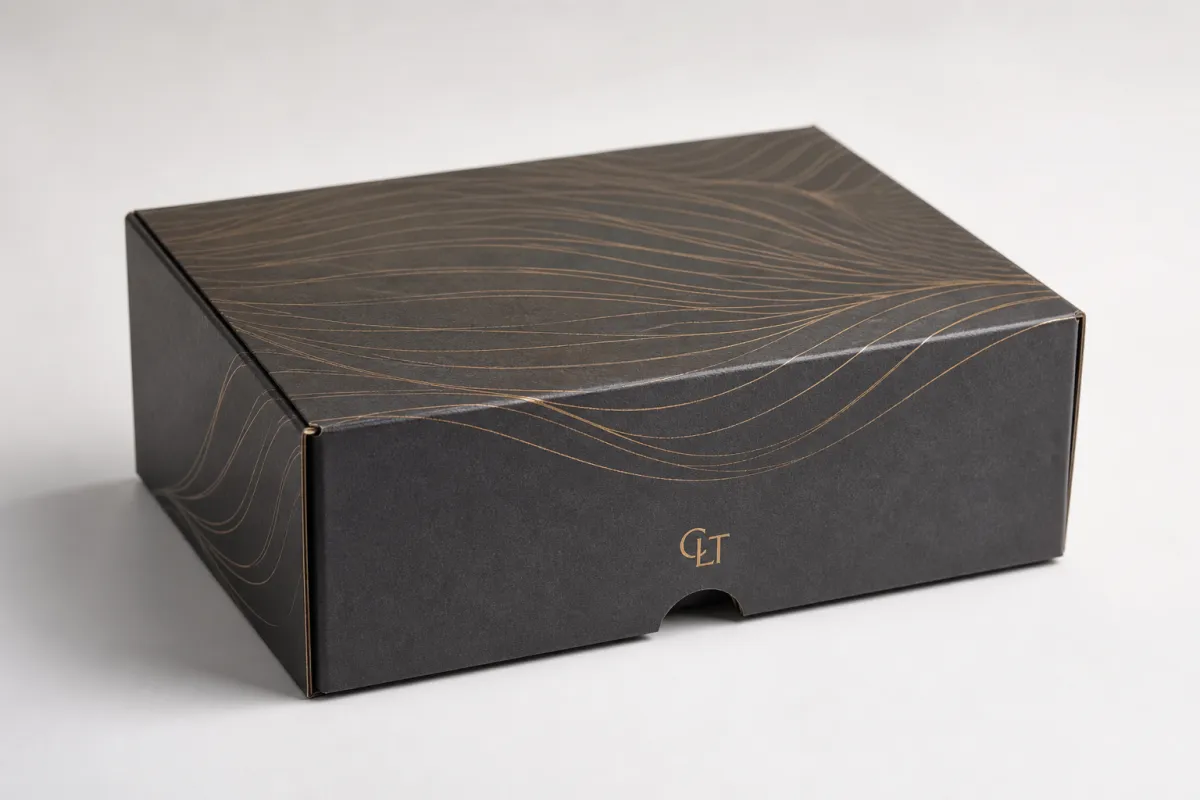
Picture the moment a shipping label gets scanned and the parcel starts its trip. The customer has not opened anything yet, but the box has already started speaking for the brand. That is the practical role of custom promotional mailer boxes: they sit at the point where product packaging, retail presentation, and direct mail all meet, so the package is doing brand work before the contents are even visible.
At the simplest level, custom promotional mailer boxes are Branded Folding Cartons or corrugated mailers made for mailing, presentation, and light protection in one package. They are not the same as a plain shipper that only exists to shield the contents during transport. A standard shipper protects. A promotional mailer protects and sells the offer through box branding, interior printing, insert design, and a cleaner reveal.
That distinction may sound small, yet it changes how the box is designed and how it performs. A plain brown carton may be perfectly fine for a replacement part or a bulk reorder. Custom promotional mailer boxes are better suited to welcome kits, influencer packages, subscription insert packs, launch mailers, event kits, onboarding boxes, and direct-to-consumer campaigns where the unboxing is part of the marketing plan.
Common structures include E-flute corrugated mailers, kraft folding mailers, and premium custom printed boxes made from paperboard with tuck or lock closures. Some buyers prefer a natural kraft look because it feels grounded and cost-conscious. Others want full-color exterior print, a bright interior panel, or a spot gloss logo that catches the light. The right choice depends on what the box needs to communicate before the product is touched.
From experience, this is the part many teams miss. They focus on the item inside and treat the box as an afterthought, then wonder why the whole package feels flat. Custom promotional mailer boxes are part of the offer. The board caliper, the print coverage, and the way the lid opens all shape how the recipient reads the brand.
A mailer that looks ordinary can still do the job, but a mailer that looks deliberate earns more attention, more trust, and often a better unboxing response.
That does not mean every order needs premium upgrades. It means every detail should support the campaign goal. A limited launch may justify a soft-touch outer coating and a printed insert card. A high-volume retention campaign may be better served by a simpler, stronger mailer with a clean one-color interior and a practical fit. Custom promotional mailer boxes should match the message, the shipping route, and the budget rather than the mood board alone.
For teams comparing formats, it helps to look at related options too. Some brands pair these boxes with Custom Packaging Products for inserts, sleeves, or secondary cartons, while slimmer accessory programs may be better suited to Custom Poly Mailers if the goal is lightweight shipping with less structure.
How the Process and Timeline Usually Work
The cleanest custom promotional mailer boxes projects start with one simple question: what does the box need to do beyond holding the item? If the answer includes presentation, protection, tracking, or assembly, the process should account for all of that from the start. That is the difference between a smooth run and one that gets tangled in revisions.
The usual workflow starts with concept, size, and structure selection. From there, the supplier will often recommend a dieline based on the product dimensions and the shipping method. Artwork placement, proofing, sample review, production, finishing, packing, and final shipment follow. Each stage sounds straightforward, but the timeline can stretch quickly if the box needs inserts, a custom closure, multiple versions, or special coatings.
Prepress review is one of the most overlooked steps. This is where artwork gets checked for bleed, safe areas, barcode placement, panel alignment, and color expectations. If the dieline needs adjustment, that should happen here rather than after the first proof. A logo that sits too close to a fold or a message that runs into a glue area can force another round of changes and add days to the schedule.
There is a meaningful difference between a digital proof, a physical prototype, and a production run. A digital proof is useful for catching text issues, panel order, and basic layout problems. A prototype tells you whether the box fits, closes properly, and presents the contents the way you expected. A production run confirms the actual print, board, and finish under real manufacturing conditions. For custom promotional mailer boxes, each step lowers risk in a different way.
Lead time depends on structural complexity, print method, and material availability, but a common planning window for standard custom promotional mailer boxes is often 12 to 20 business days from proof approval, with more time needed for sampling, special finishes, or kitting. If the job calls for multiple SKUs or custom inserts, the schedule can stretch further. Seasonal campaigns and trade show deadlines need even more breathing room because freight, receiving, and warehouse handling can eat into the calendar faster than most teams expect.
If the boxes must arrive by a fixed launch date, work backward from the final drop deadline rather than the date the artwork starts. Leave room for proof corrections, sample approval, print setup, production, packing, and transit. Many teams also forget that the receiving site may need time to inspect cartons, count pallet quantities, and stage materials before launch.
Shipping and fulfillment matter just as much as the press run. Custom promotional mailer boxes may ship flat to save freight cost, or they may ship assembled and packed if the program requires kitting. If inserts, tissue, collateral, or product must be added before the order leaves the facility, that labor belongs in the timeline from the beginning. A package that looks simple on the surface can hide a long chain of handling steps, and if you miss that early, you are gonna feel it later.
For projects that need parcel durability, it helps to align the plan with recognized distribution testing practices. The ISTA test methods and packaging resources are useful references when a mailer has to survive the kind of handling that happens in real shipping lanes rather than only on a desk during approval.
Custom Promotional Mailer Boxes Cost, Pricing, and MOQ
Pricing for custom promotional mailer boxes is shaped by the same decisions that shape the box itself. Size, board thickness, print coverage, number of colors, coatings, special finishes, inserts, and order quantity all matter. A small kraft mailer with one-color print will land in a very different price range than a premium full-color box with a custom insert and interior print.
Quantity is one of the biggest cost drivers. Unit cost usually drops as volume rises because setup, cutting, press preparation, and finishing are spread across more boxes. A 500-piece run and a 5,000-piece run may use the same structure, but the economics are completely different. That is why custom promotional mailer boxes often look expensive at low volume and much more efficient once the order grows.
MOQ, or minimum order quantity, deserves a plain explanation. It is not a random barrier; it reflects the tooling, setup, and production efficiency needed to make the job viable. For some mailer styles, the MOQ may be a few hundred pieces. For others, especially when specialty print or a custom insert is involved, the minimum may be 1,000 pieces or more. Small campaigns and pilot programs can still work well, but the buyer should expect a higher unit price.
Here is a practical way to think about cost tiers for custom promotional mailer boxes at a mid-scale quantity:
| Option | Typical Build | Best Use | Indicative Unit Cost at 5,000 Pieces |
|---|---|---|---|
| Simple kraft mailer | 1-color print, no insert, standard board | Budget-conscious campaigns, samples, internal sends | $0.55-$0.95 |
| Full-color outside print | CMYK print, standard closure, basic insert | Launch kits, DTC promotions, retail packaging tie-ins | $0.85-$1.45 |
| Premium presentation mailer | Inside print, coating, custom insert, stronger board | Influencer kits, executive sends, high-touch unboxing | $1.25-$2.35 |
| Specialty finish mailer | Spot gloss, foil, soft-touch, or complex structure | Brand launches, premium product packaging, event kits | $1.75-$3.25 |
Those numbers are useful as planning markers because actual quotes move with board grade, shipping location, and how much of the box is printed. Still, they show where the money usually goes. A budget box can look sharp if the layout is clean and the ink coverage is controlled. A premium box can still disappoint if the fit is loose or the finish feels busy instead of considered.
To request a quote that is actually useful, share the following details upfront:
- Internal product dimensions and any accessory items that need to fit inside.
- Target quantity, including whether the order may repeat later.
- Artwork status, such as print-ready files, a rough concept, or a design in progress.
- Finish preferences like matte, gloss, soft-touch, foil, or spot treatments.
- Insert needs, including cardboard, paperboard, foam, molded pulp, or no insert at all.
- Shipping destination, pallet requirements, and whether the order will be kitted.
That level of detail helps the supplier quote the actual job instead of guessing. It also keeps comparisons honest. If one quote includes an insert, coated exterior, and assembly while another only covers a flat box shell, the lower number is not really a better deal. For custom promotional mailer boxes, the cheapest offer is often the one that leaves out the thing the campaign needed most.
There is also a material sourcing angle to consider. If your brand wants a verified paper source, ask about FSC-certified board and paper options. The FSC certification framework is a useful reference point for teams that want stronger visibility into forest material sourcing and chain-of-custody claims.
If you are comparing a direct-mail campaign against broader Custom Packaging Products, ask whether the mailer has to carry product weight, survive parcel sorting, or simply create a polished reveal. Those answers usually settle the price debate faster than a long back-and-forth over finishes.
Step-by-Step Production Steps for Custom Promotional Mailer Boxes
Good custom promotional mailer boxes are built from the inside out, and the strongest projects start with purpose rather than decoration. Decide what the box is meant to do. Is it supposed to impress a prospect, hold a set of samples, protect a retail bundle, or drive repeat purchase after the first order? The answer affects the structure, the closure, the insert layout, and the graphic tone.
Next comes box style and size selection. This is where a lot of buyers make avoidable mistakes, because outer dimensions can be misleading. The real question is internal fit. If the product shifts, the presentation weakens and the risk of damage rises. If the box is too tight, assembly becomes frustrating and the board may crush at the edges. Custom promotional mailer boxes should fit the product with enough clearance for tissue, an accessory card, or a protective insert when needed.
After that, artwork preparation begins. Use the supplier's dieline, confirm bleed and safe zones, and place logos and copy where folds will not interfere with readability. If there is a barcode, a mailing panel, or a regulatory line, those need a clear place on the layout. Good packaging design does not fight the structure; it works with it. That is true for custom printed boxes, and it is just as true for a mailer that needs to travel by parcel.
The proof stage is where hidden problems usually surface. Check color balance, logo position, callout hierarchy, and structural notes carefully. If the sample is available, open and close it several times. Look at the unboxing sequence, not just the outside graphics. A customer sees the reveal in motion, not as a flat PDF. Custom promotional mailer boxes need to feel deliberate in that motion, whether the opening is a front tuck, a magnetic close, or a simple tab lock.
Once the proof is approved, production moves into printing, cutting, folding, gluing, and finishing. Depending on the specification, there may also be lamination, aqueous coating, spot varnish, or foil stamping. Each of those steps adds either visual interest or handling durability, but only if they fit the brand and the use case. A premium finish can elevate retail packaging. A heavy finish on a box that will be tossed into fulfillment bins may not be worth the extra cost.
Plan fulfillment before the order ships. That means deciding whether custom promotional mailer boxes will leave flat, be assembled at the plant, or be packed with inserts and product before delivery. It also means checking pallet count, carton count, and warehouse receiving rules. A clean production run can still stumble if the cartons arrive at a site with no room to receive them, stage them, or assemble them on time.
A simple rule helps here: every production decision should make the box easier to open, easier to pack, or easier to trust in transit. If a choice does none of those things, it probably belongs back on the table.
Common Mistakes to Avoid With Custom Promotional Mailer Boxes
One of the most common mistakes is designing for the mockup instead of the actual structure. A logo can look perfect on a flat render and then land across a fold, flap, or glue zone once the dieline is applied. That kind of error is especially frustrating because it is preventable. Custom promotional mailer boxes should be reviewed as physical packages, not only as artwork files.
Another mistake is choosing a box that looks stylish but does not have the strength the shipment needs. Light board may feel fine in the hand, yet if the product is heavy, the route is long, or the cartons will be stacked in a warehouse, the package can lose shape fast. Custom promotional mailer boxes are not just visual objects; they are structural components. Board grade matters.
Overcomplicated graphics cause trouble too. A mailer has a relatively small surface, so crowding every panel with text, icons, gradients, and multiple messages can make the whole thing harder to read. A cleaner design often reads better, especially on a package that the customer sees for only a few seconds before opening. Strong package branding usually comes from clarity rather than filling every inch.
Late artwork and slow proof approvals can wreck the schedule. I have seen more projects drift because someone needed one more round of internal sign-off than because the press time was actually long. If the launch date is fixed, the approval calendar needs to be fixed too. Custom promotional mailer boxes are sensitive to delay because each revision can affect print, finishing, and freight.
Insert planning is another weak spot. Loose products can slide, rattle, or arrive with the wrong presentation angle, which reduces the value of the reveal. If the item is small or the package includes several components, the insert should be part of the concept from the beginning. A mailer that protects the product but lets everything move around inside will still feel unfinished.
Testing should not be skipped, especially for long routes or third-party fulfillment. A prototype can reveal whether the box survives a real compression load, whether the closure holds after repeated openings, and whether the printed surfaces scuff during handling. For custom promotional mailer boxes, a sample run is cheap insurance compared with fixing a failed campaign after goods are already in motion.
- Do not treat the dieline as a rough guide; verify every critical fold and glue area.
- Do not assume a pretty mailer is strong enough for parcel handling.
- Do not pack too many messages onto one panel.
- Do not approve artwork before checking the actual insert fit.
- Do not ship a first run without a real handling test.
There is a useful middle ground here. Custom promotional mailer boxes do not need to be overbuilt, and they do not need to be overdesigned. They just need to be matched to the product, the route, and the campaign. That sounds simple, yet it is where a lot of budgets leak away.
Expert Tips to Improve Custom Promotional Mailer Boxes
Use the inside of the box more aggressively than most teams do. The interior is often the best place for a reveal message, a short brand note, or a strong color field that creates contrast the moment the lid opens. Inside print on custom promotional mailer boxes can deliver a premium feel without changing the outer footprint or increasing the box size. That is a smart use of print real estate.
Think in layers: the outer panel introduces the brand, the structure protects the contents, and the interior confirms the experience. If those layers all speak the same language, the package feels coherent. If they compete, the box feels confused. Good packaging design makes the opening sequence feel guided rather than accidental.
Choose the finish for a reason. Matte coatings usually read as calmer and more refined. Gloss can sharpen contrast and make color feel more active. Spot gloss or spot UV can be excellent when you want a logo or key message to stand out without flooding the whole box with shine. Custom promotional mailer boxes benefit from finishes that support the story instead of trying to be the story.
Match the box to the campaign type. A launch kit may need stronger visual drama and a more layered insert. A retention package may need a simpler unboxing path and a practical insert that keeps replenishment items organized. Event packaging may need stackable dimensions and fast assembly. Custom promotional mailer boxes are flexible, but they perform best when they are designed around a real use case rather than a generic brief.
Keep logistics in the picture from the beginning. Flat shipping saves space. Efficient stacking helps the warehouse. Consistent dimensions make kitting faster. These are not glamorous details, but they matter a great deal once the order gets into fulfillment. Custom promotional Mailer Boxes That are easy to store and assemble often cost less in hidden labor than boxes that look more exciting but create workflow friction.
Test the opening from the receiver's point of view. Open the box slowly. Notice the first panel, the second reveal, and the point where the product becomes visible. If the sequence feels abrupt, cluttered, or awkward, adjust the structure or the message order. That small exercise can improve the entire experience without changing the core budget.
From a practical packaging buyer's point of view, the best mailer is the one that looks intentional, packs cleanly, and still survives the trip without drama.
For teams building a broader packaging system, custom promotional mailer boxes can also sit beside other formats in the same campaign. A premium retail launch might use a mailer for the send-out, a display carton for shelf placement, and a smaller shipper for refill inventory. That is where Custom Packaging Products become useful as part of a larger product packaging plan rather than a one-off purchase.
If your brand ships lightweight accessories or flat samples, compare the mailer concept against Custom Poly Mailers before deciding. A poly mailer will not deliver the same physical presence, but it may be the better choice for low-bulk items where speed and shipping weight matter more than a rigid reveal.
Next Steps for Planning Custom Promotional Mailer Boxes
The easiest way to keep custom promotional mailer boxes on track is to build the job around a short practical checklist. Measure the product. Define the shipping method. Confirm quantity. Gather artwork. Decide whether inserts, coatings, or interior print are necessary. If those pieces are clear, the rest of the quote and production process gets much easier to manage.
I also recommend asking for two versions of the quote whenever possible: one with the full specification and one with a simplified structure. That comparison makes it easier to see which upgrades create real value and which ones simply add cost. For custom promotional mailer boxes, the right answer is often somewhere between the most basic option and the most elaborate one.
Build the timeline backward from the launch date. Count time for artwork cleanup, proof approval, sample review, production, freight, and any kitting. If the boxes need to be assembled or packed with inserts before shipment, add extra room. Rush orders create pressure on every stage, and pressure usually shows up first in proofing and receiving.
One sample under real lighting conditions can tell you more than a dozen screen mockups. Put it on the table, open it, close it, stack it, and inspect it next to the actual product. That is the moment where custom promotional mailer boxes either feel right or show what still needs to change. A good sample is not a formality; it is part of the decision.
Here is the simplest way to think about the whole project: custom promotional mailer boxes should support the brand story, the shipping performance, and the budget at the same time. If one of those three wins while the others suffer, the package is not really doing its job. A strong box feels aligned in the hand, the eye, and the fulfillment workflow.
For buyers planning a new campaign, that balance is the real win. Custom promotional mailer boxes are not just about looking polished on a desk; they are about arriving intact, opening cleanly, and making the brand feel worth remembering. Get the structure right, keep the artwork disciplined, and choose the finish with purpose, and the box will do far more than carry the product.
Frequently Asked Questions
How much do custom promotional mailer boxes usually cost?
Pricing depends on size, board type, print coverage, coating, inserts, and order quantity. Smaller runs usually have a higher unit cost because setup is spread across fewer boxes, while larger quantities bring the price down. For a more accurate quote, share dimensions, quantity, artwork status, and shipping needs so the estimate reflects the actual build of the custom promotional mailer boxes.
What is the typical lead time for custom promotional mailer boxes?
Lead time changes based on samples, structural changes, special finishes, and whether the job needs multiple versions. Simple custom promotional mailer boxes usually move faster than custom sizes with inserts or premium print effects. Build extra time for proof approvals, freight, and any kitting or assembly work so the project does not get squeezed at the end.
What size should custom promotional mailer boxes be?
Start with the product dimensions, then add clearance for inserts, protective tissue, or accessory items. Do not size by guesswork, because a loose fit can hurt presentation and product security. A sample or prototype is the safest way to confirm the inside fit before production on custom promotional mailer boxes.
Can custom promotional mailer boxes be used for shipping as well as presentation?
Yes, many mailer boxes are designed to do both, but the board grade and closure style need to match the shipping route. If the box will move through parcel networks, test strength, stacking, and corner performance. Presentation features should never reduce protection below what the product actually needs, especially for custom promotional Mailer Boxes That must arrive looking sharp.
What artwork do I need before ordering custom promotional mailer boxes?
Have your logo files, brand colors, copy, barcode placement, and any legal or regulatory text ready. Use the supplier's dieline so bleed, folds, and glue areas are handled correctly. Clean artwork shortens proofing time and reduces revision rounds, which is one of the easiest ways to keep custom promotional mailer boxes moving on schedule.
What is the best first step if I'm planning custom promotional mailer boxes for the first time?
Start with a measured sample or prototype, not a mood board. Once you know the internal fit, the shipping method, and the handling requirements, the rest of the decisions get a lot clearer. That first physical check is usually the point where custom promotional mailer boxes stop being an idea and start becoming a package that can actually do the work.