Buyer Fit Snapshot
| Best fit | custom protective packaging inserts for safer shipping for packaging buyers comparing material specs, print proof, MOQ, unit cost, freight, and repeat-order risk where brand print, material, artwork control, and repeat-order consistency matter. |
|---|---|
| Quote inputs | Share finished size, material target, print colors, finish, packing count, annual reorder estimate, and delivery region. |
| Proofing check | Approve dieline scale, logo placement, barcode or warning zones, color tolerance, and any recyclable or compostable wording before bulk production. |
| Main risk | Vague material claims, crowded artwork, or missing packing details can create delays even when the unit price looks attractive. |
Fast answer: Custom Protective Packaging Inserts for Safer Shipping should be specified like a repeatable production item. The safest quote includes material, print method, finish, artwork proof, carton packing, and reorder notes in one written spec.
What to confirm before approving the packaging proof
Check the product dimensions against the actual filled item, not only the sales mockup. Ask for tolerance on folds, seals, hang holes, label areas, and retail display edges. If the package carries a logo, QR code, warning copy, or legal claim, reserve that space before decorative graphics fill the panel.
How to compare quotes without losing quality
Compare board or film grade, print process, finish, sampling route, tooling charges, carton quantity, and freight assumptions side by side. A lower quote is only useful if the supplier can repeat the same color, closure quality, and packing count on the next order.
Most shipping damage does not come from one dramatic hit; it usually comes from small, repeated movement, vibration, and poor fit, which is why custom protective packaging inserts often protect better than loose filler ever will. A carton can look fine on the outside and still let a product rattle inside, and that hidden motion is what scuffs finishes, chips corners, loosens accessories, and creates returns that never should have happened in the first place.
For brands that care about product packaging as much as transit protection, custom protective packaging inserts do more than hold a product still. They shape the reveal, frame the first touch, and signal whether the brand thinks in terms of order, precision, and care. The best inserts are part of packaging design, product presentation, and the overall job of package branding, so they need to work quietly while doing a very real job.
Used well, custom protective packaging inserts balance fit, material choice, production practicality, and cost without feeling heavy or wasteful. That balance matters whether you are shipping fragile glass, electronics, cosmetics, tools, or premium retail packaging that needs to arrive intact and look intentional the moment the carton opens.
Custom Protective Packaging Inserts: Why They Matter
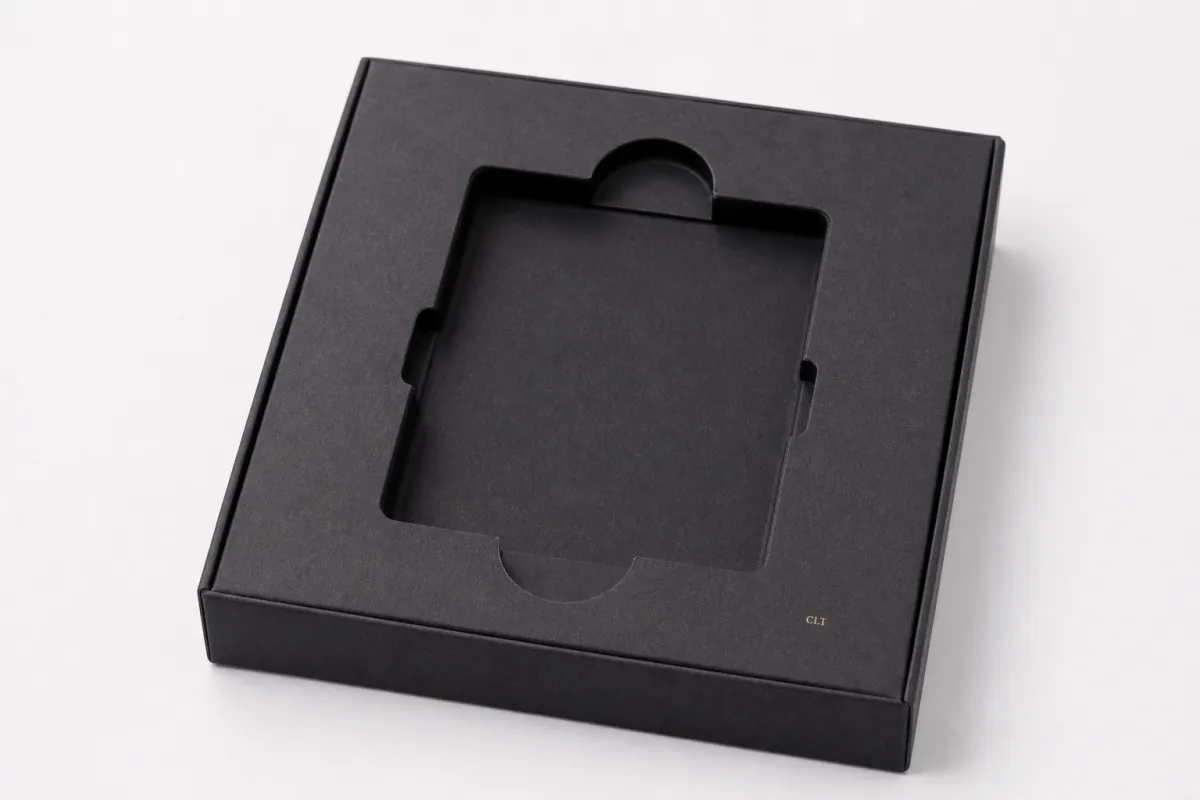
A lot of people assume damage comes from blunt force alone, but in practice the bigger problem is usually motion. Custom protective packaging inserts reduce that motion first, then manage shock, then help the pack survive stacking and handling. If a product can move a quarter inch inside the box, it can experience enough repeated contact to wear through coatings, chip painted surfaces, or damage delicate edges before the parcel even reaches the customer.
That is why custom protective packaging inserts outperform generic paper fill, air pillows, or overstuffed void fill in many cases. Those materials can help with cushioning, but they do not always hold the product in a fixed position. A tightly designed cavity, fold, cradle, or tray can stop movement, separate components, and present the item in a way that feels cleaner and more deliberate.
From a branding point of view, custom protective packaging inserts often do as much work as the carton itself. They control the reveal and influence the first impression before the customer sees the product. That matters for branded packaging because the insert can make a simple box feel considered, while a sloppy interior makes even expensive custom printed boxes feel ordinary.
The other reason these inserts matter is waste. A strong insert is not the same thing as an overbuilt one. Good custom protective packaging inserts use just enough material, in the right places, to protect the product without turning the package into a bulky shipping block. Too much material often points to a fit problem, a weak structure, or the wrong material choice, which is where many projects drift off course.
I have seen plenty of teams spend extra money trying to solve a fit issue with thicker material, only to discover that the real problem was a loose cavity or a poorly placed fold line. Fix the geometry first and the material usually becomes easier to choose. That part is kinda boring on paper, but it saves a lot of grief later.
How Custom Protective Packaging Inserts Work
Custom protective packaging inserts work through three basic methods: immobilization, load distribution, and energy management. Immobilization keeps the item from shifting. Load distribution spreads force away from a fragile edge or corner. Energy management helps the pack absorb a drop, a stack load, or the vibration that rides through parcel networks and freight lanes alike. The better the insert handles those three jobs, the less likely the product is to arrive with hidden damage.
Geometry matters just as much as material. A well-designed cavity can protect a bottle shoulder, a screen edge, a pump nozzle, or a corner seam with very little extra stock. That is one reason custom protective packaging inserts are so valuable in product packaging for odd shapes, accessory bundles, and multi-part kits. A simple fold in the right place can outperform a thicker sheet that was never shaped to the product.
Different materials behave differently under stress, and that difference matters a great deal. Foam rebounds and cushions well, molded fiber resists compression and can give a very clean recycled look, corrugated board offers strong crush performance and excellent structure, and paperboard works well for lighter items or layered presentations. Hybrid builds can combine those characteristics, but custom protective packaging inserts should be designed with the actual shipping environment in mind, not just with a material preference.
Parcel, freight, retail-ready replenishment, and subscription fulfillment all create different stress patterns. A unit that only needs to survive a local freight lane may not need the same insert as a consumer product going through a parcel sorter, and a retail packaging tray intended for shelf presentation may need different handling features than an ecommerce shipper. That is why custom protective packaging inserts should be matched to the journey, not guessed from the product alone.
In practical terms, a part can be held securely and still fail if the insert lets it compress too hard at a single point. A lens, a pump, a painted corner, or a screen edge might survive a drop but still pick up wear from repeated contact during vibration. Good design looks at the full trip, not just the worst single impact.
Key Factors for Custom Protective Packaging Inserts
The starting point for custom protective packaging inserts is the product itself: weight, fragility, surface sensitivity, center of gravity, and shape complexity. A glass item with a narrow neck behaves differently than a machined part with sharp edges. A satin finish scratches differently than powder coat. If the item includes cables, bottles, accessories, or instruction cards, those parts have to be organized too, because loose components can become the damage source you were trying to prevent.
Material selection should stay practical. Foam is a strong choice for high cushioning and precise holds, especially for fragile electronics or delicate finishes. Molded fiber is often attractive for sustainability goals and a more natural appearance. Corrugated and paperboard excel in structure, die-cut precision, and line efficiency. Custom protective packaging inserts often use one material for restraint and another for presentation, but the choice should be based on protection, sustainability goals, and pack-out speed, not just aesthetics.
Branding belongs in the conversation early. Custom protective packaging inserts can be hidden, partially visible, or turned into a visible part of the reveal. Some brands want a clean, minimal interior with recycled textures. Others want a technical look with crisp folds and high contrast. In either case, the insert should support package branding, not fight it. The wrong surface finish, color, or structure can make even premium packaging feel inconsistent.
Supply-chain realities matter too. Carton size affects freight cube. Insert shape affects storage. Part count affects labor. If the insert takes too long to assemble, the line slows down. If it is too thick, shipping costs rise. If it requires hand folding in too many steps, the pack-out process becomes inconsistent. The strongest custom protective packaging inserts are the ones that protect the product and still let the team pack efficiently, whether the run is 500 units or 50,000.
For validation and sourcing discipline, many teams look at standards and certifications rather than making assumptions. Parcel testing references from ISTA are useful when you want to check drop, vibration, and compression behavior. For fiber-based builds, FSC certification can help support responsible sourcing claims. And for broader material recovery context, the EPA recycling strategy is a helpful reference point when you are thinking about end-of-life decisions for product packaging.
Custom Protective Packaging Inserts Process and Timeline
The best custom protective packaging inserts projects start with clean inputs. You need product dimensions, actual weight, photos, finish sensitivity, known damage points, any accessories, and the shipping method. If the item is packed with a manual process, note the operator steps. If it ships in a retail configuration, note the shelf or display requirements. The more complete the brief, the fewer surprises you face later.
From there, the design and sampling stage usually does most of the real work. Concept sketches, dielines, CAD files, material suggestions, and fit samples help reveal where the product sits, how much clearance it needs, and where compression or friction might cause trouble. This is where custom protective packaging inserts move from a rough idea into a production-ready structure. A sample can show whether a cavity is too tight, whether a fold line is too weak, or whether an insert needs a different panel sequence to speed up assembly.
Lead time depends on several moving parts. Tooling needs add time. Material availability adds time. Print complexity adds time. Sample approval speed adds time too, which is often overlooked. A simple corrugated or paperboard insert can move quickly if the specs are clear, while more complex molded or multi-part custom protective packaging inserts usually require more coordination and a longer production window. If the project needs multiple revisions, the calendar stretches faster than people expect.
In practical terms, a straightforward insert made from die-cut paperboard or corrugated board may move from approval to production in a relatively short window, while molded fiber, foam tooling, or multi-component hybrid structures can take longer because each step has to be confirmed. That is why it helps to treat custom protective packaging inserts as a small production program rather than a one-off purchase. The schedule gets easier when the team knows the target quantity, the required protection level, and the exact pack style before sampling begins.
Good communication shortens the timeline. If your team has a product drawing, a packed sample, and a clear view of the desired presentation, the design loop becomes much tighter. If the item has delicate finishes, a magnetic closure, or a product tray that must line up with a printed carton, say so early. The more specific you are, the fewer changes you need later, and the easier it is to finalize custom protective packaging inserts that work in both testing and production.
Custom Protective Packaging Inserts Cost and Pricing Basics
The biggest cost drivers for custom protective packaging inserts are material choice, thickness, finish, print coverage, tooling, and how complex the shape is. A one-piece corrugated insert with a few die-cut folds is far simpler than a multi-layer foam and board assembly. The more parts that need to be cut, assembled, or nested together, the more labor and setup cost you should expect.
Order volume changes unit cost in a very direct way. Fixed setup expenses are easier to spread across larger runs, so the per-unit price usually drops as quantity rises. Smaller orders often carry a higher unit cost because the design, cutting, and approval work are spread over fewer pieces. That is normal for custom protective packaging inserts, and it is one reason buyers should compare quotes by total landed cost rather than by the piece price alone.
MOQ discussion should be practical, not theoretical. Some suppliers can support smaller runs if the structure is simple and the material is in stock. Others need a larger commitment because of tooling, print setup, or specialized fabrication. When you compare custom protective packaging inserts, ask what is driving the minimum. If the answer is clear, you can decide whether to adjust the design, increase the run, or choose a different material path.
Here is a useful way to think about the market, using typical ranges that many packaging buyers see for common structures. These are not universal prices, because size, print coverage, and location matter, but they are a reasonable starting point for planning.
| Insert Type | Typical Use | Approx. Unit Range at Mid-Size Volume | Main Strength | Main Tradeoff |
|---|---|---|---|---|
| Die-cut corrugated | Light to medium products, shipper packs | $0.18-$0.45 | Fast production, strong structure | Less premium feel than some alternatives |
| Paperboard tray or sleeve | Retail packaging, cosmetics, accessories | $0.16-$0.40 | Clean presentation, easy print integration | Limited cushioning for fragile items |
| Molded fiber | Eco-forward product packaging, consumer goods | $0.22-$0.60 | Good structure and sustainability story | Tooling and shape limits can add lead time |
| Polyethylene or EVA foam | Fragile electronics, high-value goods | $0.35-$1.10 | Strong cushioning and precise fit | Higher material cost, less recyclable |
| Hybrid build | Premium branded packaging with mixed needs | $0.40-$1.25 | Balanced protection and presentation | More parts can mean more assembly work |
That table is a starting point, not a promise. Custom protective packaging inserts can move above or below those ranges depending on print, die complexity, freight cube, and whether the insert requires hand assembly. If one quote is cheaper but the insert is slower to pack or larger in the carton, the total cost may actually be higher. A buyer who only looks at unit price can miss the bigger operational expense.
For many programs, the smartest financial question is not "what is the cheapest insert?" but "what is the cheapest insert that actually protects the product and fits the line?" That framing keeps custom protective packaging inserts tied to business outcomes: lower damage rates, fewer replacements, less repacking labor, and better presentation in the box.
Common Mistakes with Custom Protective Packaging Inserts
The most common mistake is designing from the drawing alone instead of the real packed product. A CAD file may show nominal dimensions, but the actual item can include label thickness, coating variation, seam bulges, closures, or accessory changes. Custom protective packaging inserts should be built around the real pack, not just the spec sheet, because tolerances matter in the box even when they look small on paper.
Overengineering is another familiar problem. Buyers sometimes add more material because they want extra confidence, but more mass does not always solve the real issue. If the cavity fit is poor, a thicker insert can still fail. If the pack-out is awkward, operators may force the product in or skip a step. Custom protective packaging inserts should protect with intention, not just with bulk.
There is also a branding mistake that shows up often: treating the insert as a hidden utility piece instead of part of the experience. In premium packaging, the interior matters. If the insert looks flimsy, dirty, or inconsistent, the customer notices it before they ever touch the product. That weakens the impact of branded packaging, even if the outside carton looks sharp. Good package branding is a full-system effort, not just a printed shell.
Sustainability choices can go wrong too. Mixed-material builds may be hard to recycle. Extra plastic can be unnecessary. Dense materials can be over-specified when a lighter structure would work fine. Honest sustainability thinking means choosing custom protective packaging inserts that match the job rather than chasing a green claim that does not reflect the actual pack design. Sometimes a simpler corrugated structure beats a more complicated assembly in both cost and environmental sense.
One more mistake is skipping real-world testing. A design can look perfect on screen and still fail under vibration, stacking, or repeated handling. That is especially true for custom printed boxes with interior fit features, because the outside and inside have to work together. The safest way to avoid surprises is to sample, test, revise, and only then approve production custom protective packaging inserts.
Expert Tips for Better Custom Protective Packaging Inserts
Start from the product outward. Find the fragile contact points first, then work back to the carton. That sequence helps you design custom protective packaging inserts around the real failure points instead of guessing at protection from the outside in. If the product has a glossy face, protect the face. If it has a weak corner, support the corner. If it has a precision nozzle or lens, isolate that feature before anything else.
Test with actual packed samples, not just models. Drop tests, vibration, compression, and repeated handling tell you more than a drawing can. A pack that feels stable on screen may still slide when the carton is tipped, or flex enough to scuff a coating under vibration. That is why custom protective packaging inserts should always go through at least one physical fit check, and preferably a small round of abuse testing that resembles the real shipping route.
"The best insert is usually the one nobody notices, because the product arrives undamaged, sits cleanly in the pack, and comes out without a struggle."
Keep pack-out in mind. The best custom protective packaging inserts are not just protective; they are easy for operators to load consistently. If the product has to be twisted, pressed, or aligned too carefully, the line slows down and the risk of variation goes up. Good pack design gives the operator a clear path: place, seat, close, ship. That kind of simplicity improves consistency and often reduces total labor.
It also helps to define a short list of decision criteria before you request a quote. State the protection level, preferred material, print needs, sustainability target, and quantity range. If you can send product photos, a packed sample, and a rough carton target, the supplier has a much better starting point. Clear inputs lead to better custom protective packaging inserts, and better inserts usually come from clearer conversations.
For buyers working across retail packaging, ecommerce, and refill programs, it can help to standardize a few insert families rather than reinventing every format. That can make replenishment easier and keep the brand consistent across product lines. If you need a broader view of available formats, our Custom Packaging Products page is a good place to start comparing structures and use cases.
One practical habit that saves time is keeping a small approval kit on hand: a finished sample, a marked-up drawing, photos of any damage from prior shipments, and a checklist for line pack-out. That bundle gives everyone the same reference point, and it cuts down on the back-and-forth that tends to slow projects down. Small paperwork, sure, but it keeps the whole job moving.
Next Steps for Custom Protective Packaging Inserts
The first practical step is documentation. Capture exact dimensions, weight, finish sensitivity, accessories, carton size, and known damage points from previous shipments. If the product has a glass surface, a painted edge, or a component that rattles inside the pack, note that clearly. Strong custom protective packaging inserts start with good input, and good input saves time during design, sampling, and approval.
Next, choose the protection strategy. Decide whether the insert needs to immobilize, cushion, separate, present, or handle all four jobs at once. Then match that strategy to the shipping method and the brand experience. A subscription kit, a medical device, and a high-end consumer accessory may all need custom protective packaging inserts, but they do not need the same interior structure.
After that, request concept, sample, and pricing together. That lets you compare fit, Cost, and Production timing before you commit to a final structure. It also helps you avoid approving a design that looks good but is expensive to build or awkward to pack. If the sample shows a small issue, fix it early. Small adjustments at sample stage are far cheaper than revisions after tooling or production starts.
Finally, lock in the spec sheet, approval sample, and replenishment plan. That keeps custom protective packaging inserts consistent from pilot run to full production and reduces the chance of drift later. From a packaging buyer's point of view, consistency is a big deal: it protects the product, it supports the brand, and it makes supply planning far easier when demand moves up or down.
The takeaway is straightforward: treat custom protective packaging inserts as a protection system, not an afterthought. If you define the product, test the fit, Choose the Right material, and build for the real shipping route, the insert does its job without calling attention to itself. That is the sweet spot, and it is usually the difference between a package that merely ships and one that arrives ready to impress.
What are custom protective packaging inserts made from?
Common options include foam, molded fiber, corrugated board, paperboard, and hybrid structures that combine stiffness with cushioning. The best material depends on weight, fragility, surface sensitivity, sustainability goals, and how the product is packed and shipped. For premium branding, the material choice also affects texture, appearance, and how polished the unboxing feels.
How do custom protective packaging inserts reduce product damage?
They stop the product from moving around inside the carton, which reduces wear from vibration, shifting, and corner impact. A well-designed insert spreads force away from fragile points and helps the package survive drops, stacking, and repeated handling. Better fit usually matters more than adding more material, because loose packs often fail even when the material itself is strong.
How long does the custom protective packaging inserts process usually take?
Simple designs can move quickly if measurements, materials, and print details are clear from the start. More complex projects take longer when they need tooling, multiple samples, unusual materials, or a higher level of fit validation. Approval speed also affects the schedule, so having product specs and decision-makers ready can shorten lead time.
What affects custom protective packaging inserts cost the most?
Material choice, part complexity, print coverage, and tooling or setup requirements are usually the biggest pricing factors. Order quantity changes unit cost significantly because fixed setup expenses are spread over more or fewer pieces. Assembly labor and shipping cube also matter, especially if the insert is bulky or takes extra time to pack.
How do I choose the right custom protective packaging inserts for my product?
Start with the product's weight, fragility, shape, and any surfaces that cannot be scratched or compressed. Match the insert to the shipping environment, whether that means parcel, freight, retail display, or subscription fulfillment. Ask for a sample and test it with a real packed product before approving the final production spec.
Can custom protective packaging inserts be eco-friendly?
Yes, but the answer depends on the full structure, not just the headline material. Fiber-based options can support recycling goals, while certain foam and hybrid builds may be harder to recover after use. The most honest approach is to choose a design that protects the product with the least amount of material and the fewest unnecessary layers.

