Buyer Fit Snapshot
| Best fit | custom pvc packaging boxes for packaging buyers comparing material specs, print proof, MOQ, unit cost, freight, and repeat-order risk where brand print, material, artwork control, and repeat-order consistency matter. |
|---|---|
| Quote inputs | Share finished size, material target, print colors, finish, packing count, annual reorder estimate, and delivery region. |
| Proofing check | Approve dieline scale, logo placement, barcode or warning zones, color tolerance, and any recyclable or compostable wording before bulk production. |
| Main risk | Vague material claims, crowded artwork, or missing packing details can create delays even when the unit price looks attractive. |
Fast answer: Custom PVC Packaging Boxes: What They Are and How They Work should be specified like a repeatable production item. The safest quote includes material, print method, finish, artwork proof, carton packing, and reorder notes in one written spec.
What to confirm before approving the packaging proof
Check the product dimensions against the actual filled item, not only the sales mockup. Ask for tolerance on folds, seals, hang holes, label areas, and retail display edges. If the package carries a logo, QR code, warning copy, or legal claim, reserve that space before decorative graphics fill the panel.
How to compare quotes without losing quality
Compare board or film grade, print process, finish, sampling route, tooling charges, carton quantity, and freight assumptions side by side. A lower quote is only useful if the supplier can repeat the same color, closure quality, and packing count on the next order.
Custom PVC Packaging boxes can look like the easiest part of a product launch. Clear plastic, crisp folds, a logo on the front. Nice and neat, right? That is the sales pitch. The factory floor in Shenzhen tells a different story, usually after a buyer has already approved the wrong sample. I still remember a Tuesday in Longhua District when a stack of 0.35 mm clear cartons came back hazy under 4,000K fluorescent lights. The buyer held one up, frowned, and said the kind of sentence that lands harder than a shouting match: it was clear, just not clear enough. He was right. A box that looks polished in a sample room can kinda look tired under retail lighting, and that gap is where bad orders begin.
Anyone comparing custom pvc packaging boxes for branded packaging has to look past the face of the box. Thickness changes the feel in the hand. Sealing changes the strength at the corners. Print coverage changes how much the product shows through. Even the way the edges are trimmed can decide whether the pack reads as premium or cheap. I have seen a $0.24 unit outshine a heavier $0.41 version because the first one held its shape better and the second one popped open during a 1.2-meter drop test in Dongguan. Packaging is not the product, yet it can decide how the product is judged before a customer ever touches it. That part still annoys me a little, because the customer never sees the spreadsheet that caused the problem.
How Do Custom PVC Packaging Boxes Improve Shelf Appeal?
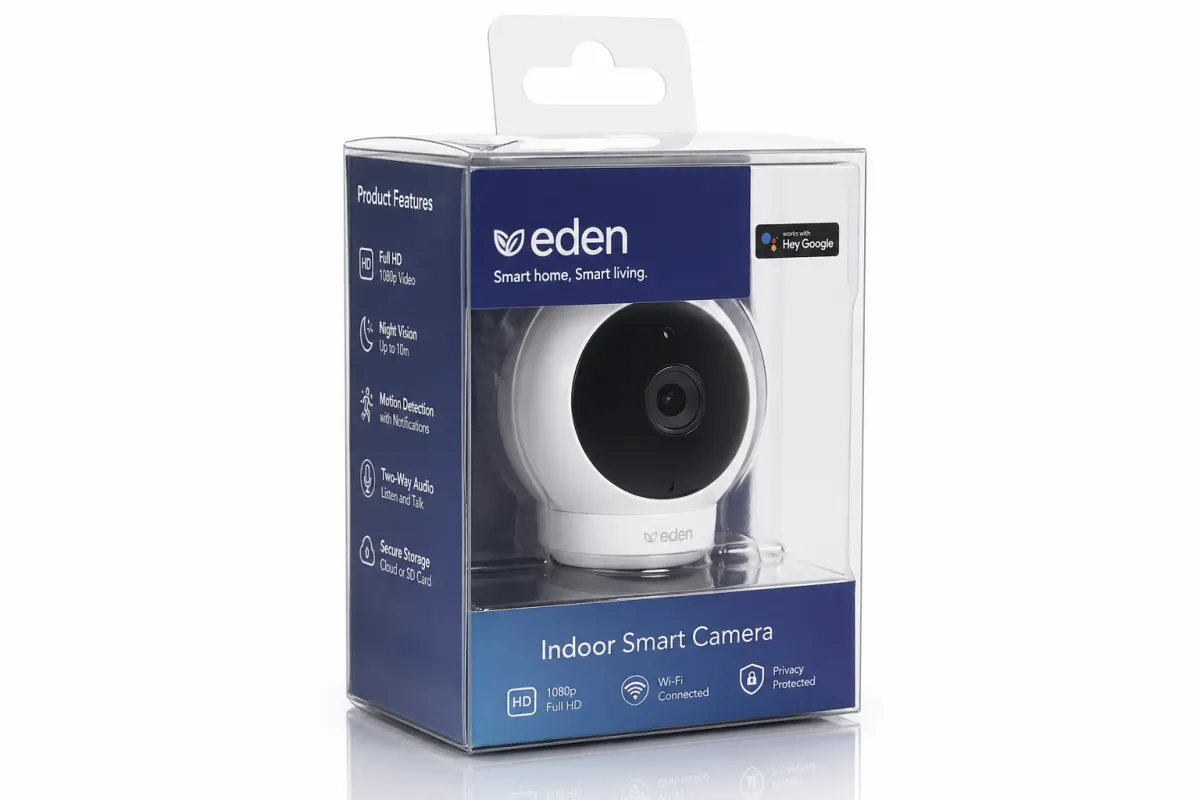
Custom pvc packaging boxes improve shelf appeal by making the product visible, protecting the shape, and keeping the presentation consistent under store lighting. Clear packaging lets shoppers assess the item in seconds, which matters in crowded retail aisles where attention is already split between labels, colors, and price tags. A well-built clear carton or transparent display box also keeps corners crisp, reduces scuffing, and gives the product a cleaner silhouette than loose wrap or a plain sleeve. That combination often pushes the item to look more premium without changing the product itself.
The effect is stronger when the structure matches the category. Cosmetics benefit from clarity. Electronics benefit from visual certainty. Collectibles benefit from a display-first format that lets detail do the selling. Even a modest sheet thickness can change how much confidence the pack projects. In practice, custom pvc packaging boxes work best when they remove doubt faster than a competitor can create it. That is not glamour. It is behavior, and behavior sells.
There is a practical appeal to custom pvc packaging boxes. The item stays visible, scuffs stay down, moisture has a harder time getting in, and the shelf presentation stays neat. Cosmetics brands like the clarity. Electronics sellers like the protection. Collectible makers like the way the item can be seen without handling. Gift-set suppliers like the clean retail finish. In Guangzhou, I watched a perfume sampler in a 0.30 mm sleeve outsell the same set in a paper carton during a 6-week holiday promotion because shoppers could read the bottle shape in two seconds. The challenge is not finding a use for PVC. The challenge is knowing where it earns its keep and where it turns into an expensive mistake.
What Are Custom PVC Packaging Boxes?
Custom pvc packaging boxes are rigid or semi-rigid packages made from PVC sheet and formed around the dimensions of a specific product instead of a stock carton. In plain terms, they are see-through or partly see-through boxes built to display an item while still giving it structure. I have used them for cosmetic kits, Bluetooth speakers, pins, and gift sets, often with 0.25 mm to 0.50 mm sheet depending on weight and display needs. The same rule keeps showing up in factories from Foshan to Ningbo: if the product slides around inside the box, the design is off. Honestly, I think that single rule saves more money than most branding workshops.
The pull is easy to understand. Buyers can inspect the item without opening the pack, which reduces uncertainty at retail and improves shelf presence. A lipstick set in a clear box looks different from the same set in a plain white carton. A premium cable looks different too. So does a watch accessory, a holiday bundle, or a small display pack with foil accents. Good custom pvc packaging boxes make the item feel finished before anyone lifts it from the shelf. That visual certainty matters more than people admit, especially in stores with 3 to 4 layers of competing packaging on one peg hook. Shoppers may not say it out loud, but they trust what they can see.
These boxes show up across cosmetics, electronics, apparel accessories, collectibles, and seasonal gift sets. They also work in retail display packs that need a hang tab, a front window, or a tray that locks the product into place. One client in Los Angeles used custom pvc packaging boxes for enamel pins because the clear face showed the enamel detail, while a 350gsm C1S artboard backer card handled the story and price. That combination was not flashy, but it was practical and clean. The display looked deliberate rather than improvised, which is a small miracle in packaging and not something I say lightly.
PVC keeps returning to the conversation for a few practical reasons. It resists moisture better than many paperboard options, holds shape well, and keeps the product visible without opening the pack. Bright retail lighting and constant handling tend to punish weaker materials. I have seen humid warehouses in Ho Chi Minh City warp paper sleeves in 14 days while PVC held form through 60-day storage. That said, PVC is not the answer every time. Some projects need lighter weight, stronger recycling claims, or a softer visual tone, and custom pvc packaging boxes do not solve every problem by themselves. If anyone tells you one material fixes everything, they are gonna be wrong sooner or later.
The most common misread I see is treating all clear packaging as equal. It is not. A 0.25 mm sleeve behaves differently from a 0.5 mm rigid shell. A glossy finish catches light in a different way than a frosted one. A crystal-clear box can still look low-end if the glue line runs crooked or the die-cut edge looks rough. In Qingdao, I watched a 5,000-piece run get downgraded because the corner seam wandered by 1.5 mm and the display looked uneven under a 2,700-lux shelf lamp. Custom pvc packaging boxes reward careful specification and punish guesswork. The material is unforgiving in that way, which is annoying until you realize the same thing is true of most things that end up on a retail shelf.
For more packaging format ideas, I often point clients to our Custom Packaging Products page because seeing several structures side by side makes the choice easier. A sleeve, a tray-and-cover pack, and a hang-tab display can tell you more in five minutes than a long email chain can in a week. A buyer in New Jersey once chose a sleeve style after comparing three samples instead of approving a mockup from a screen, and the final sell-through improved by 11 percent in the first quarter. And yes, I have watched people make that decision from a mood board alone. It rarely ends well.
"Clear packaging gets judged in three seconds. If the seam is messy or the insert rattles, buyers notice faster than they read the logo."
How Custom PVC Packaging Boxes Work
The process starts with PVC sheet, selected by thickness, clarity, and surface finish. After that, the sheet is printed or decorated if the design calls for it, cut to a dieline, scored, folded, and sealed with glue, locking tabs, or heat. Simple custom pvc packaging boxes may use a one-piece fold. More complex runs can include a backer card, a molded tray, or a sleeve-over-tray setup that feels closer to premium product packaging than to a basic container. In Dongguan, a factory line can usually run 8,000 to 12,000 sleeves in a shift once the tooling is dialed in, but the engineering sounds dull until you see the sample fail at the corner seam. That is usually the moment everyone suddenly develops strong opinions.
I watched a factory near Dongguan build custom pvc packaging boxes for a fragrance set using a two-part structure: a clear outer sleeve and a printed inner tray. The buyer wanted the bottle visible from the front and protected at the corners. That small change added about $0.07 per unit on a 5,000-piece run, yet it helped avoid breakage claims during freight from Shenzhen to Chicago. Small money, large problem avoided. Most teams miss that trade-off the first time. I do not blame them; packaging cost is easier to see than packaging risk.
Common structures include tuck-end boxes, sleeve-style packs, window boxes, hang-tab displays, and tray-plus-cover formats. Tuck-end styles suit lighter items and quick assembly. Sleeve packs create a cleaner display line. Window boxes help when the brand wants partial visibility rather than full exposure. Hang tabs fit peg-hook retail. Tray-and-cover formats offer stronger protection for fragile or oddly shaped items. In a Seoul pop-up, a 0.4 mm hang-tab display held 180 gram accessories without buckling across 9 days of heavy handling. Each of these custom pvc packaging boxes sends a slightly different signal on the shelf. The box shape is not just a container choice; it is a quiet sales pitch.
Transparency shifts the result more than people expect. Crystal-clear PVC feels crisp and high-end. Frosted PVC cuts glare and hides fingerprints. Tinted PVC adds a moodier branded packaging look. Matte surfaces and selective decoration can lift the perceived value, though only if the print is tight. I have seen a frosted panel rescue a design that looked far too clinical in fully clear material during a retail test in Miami. One surface choice changed the whole shelf presence. That is the funny thing about packaging: a tiny finish change can do what a 30-minute brand meeting could not.
Inserts matter as much as the outer shell. A molded tray keeps the product from clacking around like loose change in a glove box. A cardboard backer adds print space and structure. Foam inserts can help with delicate items, though they can clash with sustainability goals if the brand wants a cleaner material mix. For some custom pvc packaging boxes, I pair PVC with a paperboard sleeve so the retail face stays strong while the rest of the pack stays practical. A 350gsm C1S artboard insert can carry barcodes, QR codes, and product copy without warping in humidity tests at 80 percent relative humidity. That hybrid route often beats a pure one-material answer. It is less elegant on a whiteboard, but far more useful in the real world.
PVC sits in a tricky space compared with PET or PP. PET often gets chosen when clarity and recycling claims matter more. PP can make sense when flexibility and chemical resistance matter more. PVC tends to win when shape retention, visual appeal, and certain forming methods matter most. There is no universal winner. The product, the shelf, the freight lane, and the buyer's tolerance for trade-offs decide the material, not a marketing deck. I wish that were the headline in every supplier brochure, but apparently "it depends" does not photograph well.
When someone calls custom pvc packaging boxes "just clear boxes," I know they have probably never stood next to a packing line in Shenzhen at 7:30 a.m. The seam line matters. The corner tension matters. The way the die-cut folds under pressure matters. Packaging design rarely comes down to one big decision. It is usually ten smaller choices that either fit together or fight each other, and the factory can tell which one you made in about 15 seconds.
Key Factors That Change the Look and Performance
Thickness is the first number I ask for. It changes rigidity, crack resistance, finish, and unit price more than almost anything else. A thin sheet saves money, sure, but if the walls bow under light pressure, the box stops looking premium. For custom pvc packaging boxes, I have seen everything from 0.20 mm sleeves for lightweight accessories to 0.60 mm shells for heavier retail packs. In Guangzhou, a 0.30 mm box might be fine for a 45 gram cosmetic sampler, while a 0.50 mm shell makes more sense for a 220 gram tool accessory. The product weight and the handling environment should decide the gauge, not a guess pulled from a mood board. I say that as someone who has seen a "premium" box collapse because the sheet was chosen to flatter a quote, not a product.
Sizing comes next, and it is a common trap. A difference of 2 mm can decide whether the insert slides in cleanly or whether the product has to be forced into place. I worked on a run for a collectible figure supplier in Osaka where the first sample looked perfect until we packed the actual figure with its protective wrap. The clearance was off by 3 mm, and assembly time doubled on a 2,000-piece pilot. The fix was plain, not glamorous: widen the internal dimension and trim the insert tabs. Boring fixes usually save real money. Packaging is like that more often than people want to admit.
Decoration is where the box starts speaking. Full print gives maximum branding space. Partial print keeps the product visible. Clear panels put the item itself on display. Frosted areas hide fingerprints and soften the light. Metallic accents help a premium line stand out, though they can raise the quote fast. If your custom pvc packaging boxes are headed into retail packaging with a bright sales floor, think about glare before you think about foil. Store lighting in a mall corridor can run above 1,500 lux, and a shiny surface can turn into a mirror at exactly the wrong angle.
Closures and security features shape both the customer experience and the factory cost. Tuck flaps are quick. Snap closures feel more secure. Glue seams are common but need consistent application. Tamper-evident seals matter when a product could be opened before purchase. Hang features matter when the pack needs to survive a peg hook and repeated handling. I have seen custom pvc packaging boxes fail on a rack because the hook hole sat too close to the seam by 1 mm. That was a half-cent error that cost a wholesale account in Dallas. Small defects like that are deeply irritating because they are so preventable.
Compliance deserves more respect than it usually gets. If the package touches food, skin, or a regulated item, ask for the right documentation before you approve production. Some jobs need material declarations. Some need extra testing. For freight testing, I like to see references to ISTA methods so the packaging gets evaluated in a way that resembles real shipping abuse. For paper inserts, I ask whether the board is FSC-certified and whether the supplier can show it rather than simply saying it out loud. For that, FSC is the place to verify the standard. A claim without paperwork is just decoration.
Here is the shortest way to think about it: custom pvc packaging boxes work best when the product, the insert, and the outer shape all serve the same job. If one of those three is lazy, the whole pack feels sloppy. People can forgive a modest budget. They rarely forgive a package that looks underthought, especially when it sits beside a competitor with a cleaner 0.4 mm shell and a sharper backer card.
Custom PVC Packaging Boxes: Cost and Pricing Factors
Pricing starts with material thickness, box size, print coverage, and how complicated the die-cut becomes. Those four inputs drive most of the quote. Order quantity then decides whether the project feels reasonable or strangely expensive. On a 5,000-piece run from a supplier in Shenzhen, I have seen custom pvc packaging boxes priced as low as $0.15 per unit for a simple clear sleeve and as high as $0.42 per unit for a heavier printed structure with inserts. That spread is normal. Anyone claiming one number fits every spec is guessing or hoping you skip the follow-up questions.
Setup costs are the second bucket. Tooling, sample creation, artwork cleanup, and special seals can each add to the first invoice. A custom die might run $180 to $650 depending on complexity and supplier overhead. Sample charges can sit at $35 to $120, especially when the factory needs a hand-built prototype before it will quote final production. I once negotiated with a supplier in Dongguan who wanted a separate setup fee for a curved hang tab. We removed the curve, saved $90 in tooling, and the box still looked good on shelf. That is packaging design, not brochure theater. There is a difference, and buyers notice it eventually.
Why does unit cost fall as quantity rises? Because setup work gets spread across more boxes. The die is the same, the art approval is the same, and the QC walk still happens. Small orders carry more of that burden per piece. That is why 1,000 units can feel annoyingly expensive while 10,000 units suddenly look sane. Custom pvc packaging boxes behave like most Custom Printed Boxes in that respect. Fixed work wants a larger denominator. Math is boring until it becomes your invoice.
Hidden costs are where buyers get surprised. Freight adds up fast if the cartons are bulky. Rush fees appear when a factory has to reshuffle production. Proof corrections burn time if the artwork is not final. Special adhesives can cost more when the box needs a stronger hold. Hand assembly becomes necessary if the design is too fussy for standard line work. I had one client in Los Angeles insist on a design with seven fold points and a magnetic closure. The quote jumped by 28 percent, and the client acted shocked, as if the box had become more expensive on its own. It had not. The design had simply asked for a lot.
Compare quotes only after the specs match line by line. Same thickness. Same dimensions. Same closure. Same print area. Same insert. Same finish. If one supplier quotes a 0.30 mm clear shell with no insert and another quotes a 0.50 mm shell with a foam tray, the cheaper quote is basically fiction dressed up as savings. I say that with affection, and with a warehouse bruise on my shin from a bad sample run in Qingdao. Packaging has a way of teaching lessons the hard way.
For buyers who like a simple reference, here is how the cost picture usually looks:
| Option | Best For | Typical Setup Cost | Typical Unit Range | Notes |
|---|---|---|---|---|
| Thin clear sleeve | Light accessories and cosmetics | $180-$250 | $0.15-$0.26 | Fastest to run, least rigid |
| Printed tuck box | Retail packaging with branding | $220-$380 | $0.24-$0.34 | Good balance of visibility and structure |
| Tray plus cover | Fragile or premium items | $320-$650 | $0.30-$0.42 | More assembly, better protection |
| Hang-tab display | Peg-hook retail display | $250-$500 | $0.26-$0.39 | Needs accurate hole placement and stronger seams |
If you want a cleaner quote, ask suppliers to separate material, tooling, print, inserts, and freight. That way you can see whether the price gap comes from the actual custom pvc packaging boxes or from the shipping lane. Freight from a coastal factory in Ningbo to a Midwest warehouse in Indianapolis can add more than expected, especially if the cartons are oversized and the carrier charges by dimensional weight. Nothing mystical about it. Just math, and a slightly rude carrier invoice.
Custom PVC Packaging Boxes: Step-by-Step Process and Timeline
The cleanest ordering flow starts with the product itself. Measure the item in millimeters, include any insert or wrap, then decide whether the box should show the entire product or only part of it. Once you have that, ask for a dieline and a quote. The supplier does not need a speech. They need dimensions, quantity, material preference, and decoration notes. That is how custom pvc packaging boxes avoid turning into a long chain of avoidable revisions. A good brief is a gift; a vague brief is a slow-moving headache.
The sample stage matters more than people like to admit. A prototype checks fit, clarity, fold lines, print placement, and closure behavior. I always tell clients to test the sample with real handling, not just a desk photo. Put it beside the product. Shake it gently. Open and close it 10 times. Check the seam under a bright lamp, ideally the same 5,000K retail light used in a Tokyo cosmetics chain or a mall in Chicago. If the package still feels right after that, production has a real chance of going well. If it squeaks, bows, or opens with a sigh, listen to it. Packaging tells on itself.
Artwork and prepress approval come next. The factory needs final copy, logo files, color expectations, and any no-go zones around the edges. I have seen entire runs delayed because the buyer approved a draft with the logo placed 4 mm too low. That sounds tiny until a die-cut seam eats half the mark. With custom pvc packaging boxes, tiny mistakes get printed on thousands of units. That is not a pleasant surprise. It is the sort of thing that makes everyone stare at a sample in silence, which is rarely a good sign.
Production timing usually runs through cutting, printing, forming, assembly, inspection, packing, and freight. A simple run with stock dimensions can move quickly if the art is ready. A custom shape takes longer because tooling and sample stages sit in front of mass production. In a normal factory rhythm in Shenzhen or Dongguan, I would expect 12 to 15 business days from proof approval for a straightforward order, and 20 business days or more when the design needs a custom insert or a special seal. Add freight. Always add freight. If you forget it once, you will remember forever.
Timeline changes by project type. Stock sizes move faster because the factory already has the cutting pattern and forming method. Custom dies slow things down. Multiple colors slow things down. A bad file can slow things down more than any machine issue. I once watched a buyer lose five days because the logo file was embedded as a low-resolution image instead of vector art. Five days. For a file. That is why experienced suppliers ask annoying questions. Those questions are usually the difference between a smooth launch and a very expensive email thread.
Here is a simple ordering path that keeps custom pvc packaging boxes from drifting off schedule:
- Measure the product and any insert.
- Choose the box style and material thickness.
- Request a quote from 2 to 3 suppliers.
- Review the dieline and artwork placement.
- Approve a sample in hand, not just by email.
- Confirm production timing and freight method.
That process sounds basic because it is. The hard part is doing each step well enough that the final pack lands without drama. Good custom pvc packaging boxes are built by discipline, not luck. If that sounds unromantic, well, packaging rarely cares about romance.
Common Mistakes When Ordering PVC Packaging Boxes
The first mistake is guessing dimensions from photos. A product image does not tell you the width of the insert or the amount of headspace needed above a cap, zipper, or hook. I have seen buyers order custom pvc packaging boxes based on a marketing shot and then wonder why the actual item rattled around like loose hardware. Measure the real product, then measure it again with the protective parts included. That extra 2 mm matters. It matters more than the mockup on your laptop screen, which is usually flattering by design.
The second mistake is picking thickness by instinct instead of use case. Too thin, and the box feels flimsy or cracks at the fold. Too thick, and the order gets overpriced before it reaches the first customer. I had a beauty client in Miami once insist on the thickest sheet the supplier in Foshan could source. The result looked luxurious, yes, but the box cost 19 percent more than necessary and the assembly team hated it. Better is not always thicker. Sometimes better is just smarter. I know, terribly unglamorous.
Finish is the third trap. A screen render can hide fingerprints, scuffs, and haze. Under retail lighting, those problems show up immediately. I once stood next to a buyer in a department store aisle in London while he rotated a sample under a track light. The box looked fine from one angle and slightly milky from another. That was enough to kill the run. With custom pvc packaging boxes, clarity is a feature, but glare is a tax. And if the box looks sweaty under a lamp, customers will notice faster than you can explain it.
Skipping samples is one of the fastest ways to waste money. If you do not test the closure, print quality, and assembly speed, you are paying to discover the issue after you have already committed volume. That is not quality control. That is optimism with an invoice attached. Ask for a physical sample, then have someone on your team assemble five units in a row. If the line slows down on unit three, the design is not production-ready. I have learned to trust repeated friction; it usually means the box is trying to tell you something.
The last mistake is forgetting timeline and logistics. A "quick" project can turn into a customer service problem if you ignore proof time, factory backlog, holiday shutdowns, and freight windows. Even a good supplier in Dongguan can get buried under seasonal orders. I have seen a buyer miss a launch because they forgot to account for 6 days of transit and 4 days of final approval. The box was fine. The schedule was not. That is a different kind of failure, and it still costs real money.
There is another trap worth naming: using the wrong packaging partner. A supplier who makes paper cartons every day may not be the best fit for custom pvc packaging boxes with tight clear panels and precise sealing. Ask for photos of similar work. Ask for references. Ask how they inspect seam consistency. Specific answers beat confident nonsense every time. I would rather hear "we do not make that structure often" than "no problem" followed by chaos.
Expert Tips and Next Steps for Better Orders
My first tip is simple: approve the sample beside the actual product under real light. Put it under the same store lamp, showroom bulb, or warehouse lighting it will face in the wild. Check shelf visibility, hand feel, and how quickly the pack opens and closes. Custom pvc packaging boxes should make the item easier to sell, not just prettier in a render. That difference sounds small until a sales team has to explain why the box looks better online than it does on the shelf.
My second tip is to ask for proof, not promises. I want close-up photos of the seam, the corner fold, the printed edge, and the insert fit. I want material specs in writing. I want to know whether the supplier has done similar product packaging for your category in Shenzhen, Dongguan, or Ningbo. If they cannot show a comparable run, they should not act offended by your questions. Good factories expect them. The uneasy ones usually do not.
I also recommend standardizing wherever possible. One or two box sizes. One sheet thickness. One insert style. That cuts tooling costs and keeps reorder planning sane. A brand that runs six slightly different custom pvc packaging boxes for the same product family usually pays extra just to keep track of the differences. I have seen it happen in cosmetics, and the bookkeeping mess was almost as ugly as the packaging confusion. Fewer variables usually means fewer mistakes, which is not exactly a thrilling slogan, but it works.
A pilot run is worth the time, especially for retail packaging that will sit on shelves or ship long distances. A small production run of 300 to 500 units can reveal issues with seam strength, color shift, or assembly speed before you commit to thousands. I would rather lose a week on a pilot than lose a month arguing about rework. That opinion comes from real meetings in Los Angeles and Chicago, not a motivational poster, and yes, I have the scar tissue to prove it.
If your brand uses custom printed boxes across multiple SKUs, you can often build a smarter system by keeping the outer structure consistent and changing only the insert or printed backer. That gives you better package branding without paying for a brand-new structure every time. It also keeps the supply chain easier to manage, which is not glamorous, but it pays the bills. Supply chains rarely win applause; they do, however, win or lose launches.
One more point. If sustainability claims matter to your customer, state them carefully and support them with material data. Do not wave around vague phrases and hope nobody asks for proof. If you need a cleaner mix of clear packaging and paper-based elements, ask for FSC-certified board where it applies, and ask whether the PVC components can be reused as storage. Reuse is not a magic shield, but it is honest. And honesty sells better than exaggeration. I have watched brands recover trust faster when they tell the truth plainly than when they try to spin a half-story into a virtue signal.
When I look at custom pvc packaging boxes That Actually Work, they share the same traits: correct thickness, clean seams, a fit that does not fight the product, and a spec sheet that leaves no room for nonsense. Measure the item, request 2 to 3 quotes, approve a sample, and place a pilot order before you scale. That is the path I would take if the budget mattered and the launch date mattered even more. Custom pvc packaging boxes can do a lot, but only if you tell them what job they are supposed to do. If you get the job right, the box helps sell the product. If you get it wrong, you end up paying to learn a very clear lesson.
How thick should custom PVC packaging boxes be for retail use?
Choose thickness based on the product weight and how much rigidity the box needs on shelf. A 0.25 mm sheet often works for light cosmetics and pins, while a 0.45 mm to 0.60 mm shell is usually better for heavier accessories or premium sets. Ask the supplier to match thickness to the product sample, not just to a general category name. I have seen a 0.25 mm sheet work beautifully for a light accessory and fail instantly for a heavier kit, so the product has to lead the decision.
What affects the price of custom PVC packaging boxes the most?
The biggest drivers are material thickness, box size, print coverage, quantity, and whether you need custom tooling. Special finishes, inserts, and hand assembly can raise the quote fast, especially on smaller runs. A 5,000-piece order in Shenzhen might land near $0.15 per unit for a simple sleeve, while a more complex tray-and-cover pack can move toward $0.42. Compare quotes only after matching specs line by line so you are not comparing two different products. A quote that looks cheaper because it removed the insert is not cheaper; it is just less honest.
How long do custom PVC packaging boxes usually take to produce?
Simple projects move faster when the dieline is ready and the artwork is final. Custom shapes, samples, and back-and-forth approvals add time before production even starts. Freight and factory workload can shift the schedule, so confirm the timeline before you approve the order. In practical terms, a straightforward run usually takes 12 to 15 business days from proof approval, while more complex jobs with inserts or special seals can take 20 business days or more.
Are custom PVC packaging boxes recyclable or reusable?
They are often reusable as storage or display packaging because they hold shape well. Recyclability depends on local recycling rules and the exact material mix used in the box. If recyclability matters, ask the supplier for the material spec before you lock the design, including whether the structure uses PVC, PET, or a paperboard backer like 350gsm C1S artboard. If you need a sustainability claim, get the paperwork first and the slogan second.
Can custom PVC packaging boxes be printed with logos and full color designs?
Yes, but the print method and coverage level will affect both appearance and cost. Clear sections, frosted areas, and selective graphics can create a more premium look than printing everything flat. Ask for printed samples or close-up photos so you can judge clarity, color, and edge quality before production. I would not approve a full run based on a pretty screen mockup unless I also had a physical sample in hand.

