Custom race stickers have a harder job than most printed decals. They need to look sharp at speed, under glare, after heat cycles, fuel mist, dust, washing, and repeated handling. A clean proof is only the starting line. The real test is whether the decal stays readable, stays bonded, and still represents the driver, team, sponsor, or event after a full race weekend.
What Custom Race Stickers Really Need to Survive
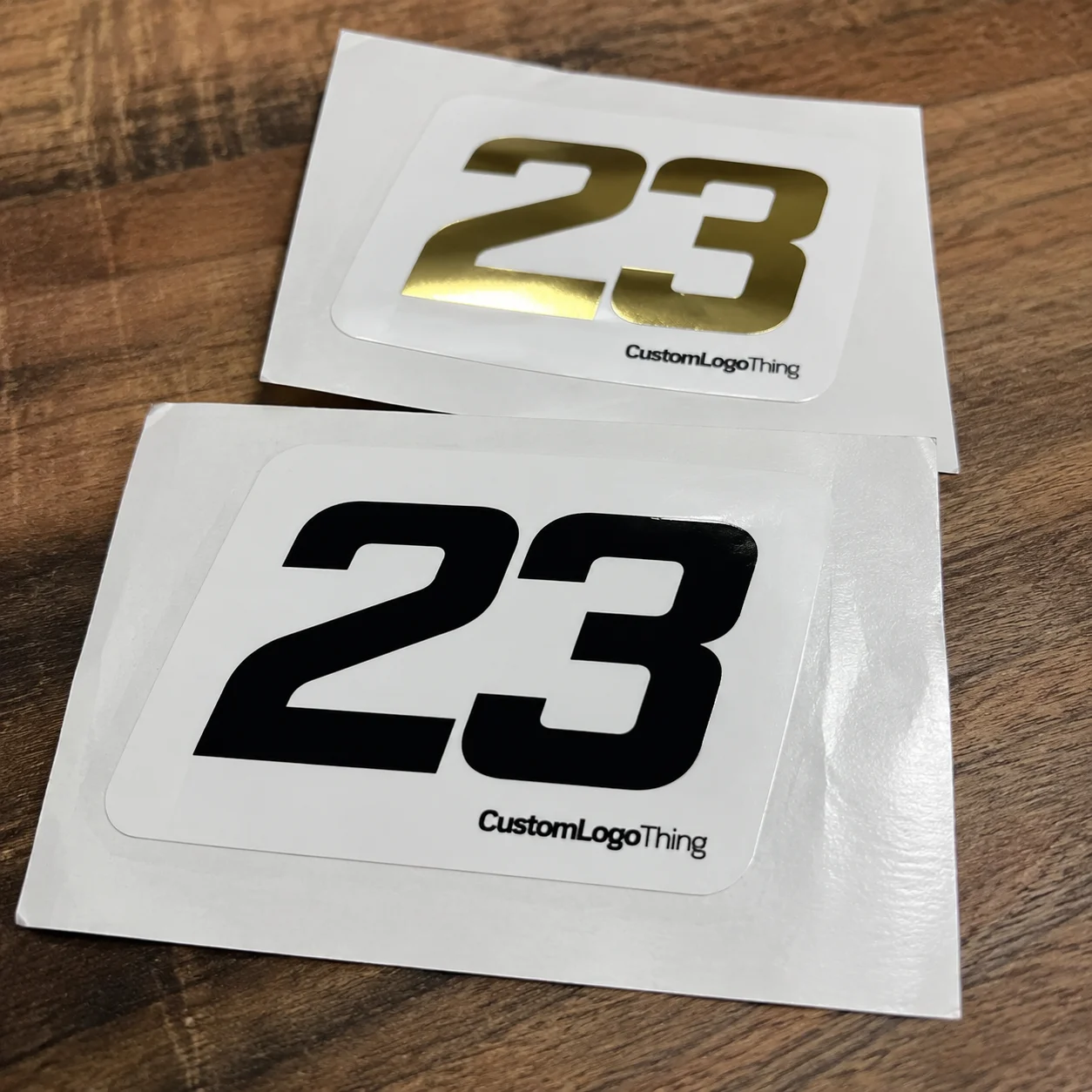
Custom race stickers are printed decals made for race cars, karts, motorcycles, helmets, trailers, toolboxes, pit equipment, sponsor panels, number plates, and team branding. Some fit on a visor strip. Others cover the side of a trailer. The same rule applies across both extremes: the sticker has to match the surface, the exposure, and the way people will handle it.
Decorative stickers and race-ready decals are not built to the same assumptions. A laptop sticker can perform well with a basic film and general-purpose adhesive. A race decal may need conformable vinyl, stronger adhesive, edge protection, laminate, high color contrast, and enough installation tolerance to survive curved panels, wiped-down bodywork, and hurried paddock handling.
Common formats include die-cut logos, kiss-cut sticker sheets, custom number sets, sponsor packs, contingency decals, windshield banners, helmet decals, and full or partial livery elements. Some ship as individual decals. Others are grouped onto sheets so a team can sort sponsor logos by driver, vehicle side, or install zone without digging through a loose stack.
Placement changes the spec. Flat trailer panels are forgiving. Curved helmets, plastic fairings, powder-coated parts, painted doors, polycarbonate windows, carbon panels, and textured plastics are not. A decal that performs cleanly on smooth aluminum can lift early on a low-energy plastic fender if the adhesive was never chosen for that surface.
Practical rule: design for the actual surface, not only the artwork file. A sticker can look perfect on screen and still fail if the film, adhesive, and cut style are mismatched to the job.
Before a quote is priced or a proof is approved, the printer should know where the sticker goes, how long it needs to last, what finish is expected, and whether installation will happen in a clean shop or near the track. That context turns good artwork into decals that install cleanly and stay put.
How Race Decals Are Printed, Cut, and Finished
A typical production flow starts with artwork review, file cleanup, color setup, material selection, printing, drying or curing, lamination, contour cutting, weeding, masking when needed, quality checking, and packing. The order sounds simple. The details are not. Small sponsor text, thin outlines, sharp cut paths, and layered color effects need attention before production begins.
Vinyl selection is one of the first real decisions. Calendared vinyl can work well for flat, short-term applications such as basic sponsor labels, event decals, or trailer graphics with limited curves. Cast vinyl is usually better for helmets, fairings, rivets, compound panels, and longer outdoor use because it is thinner, more conformable, and less likely to fight the surface after installation.
Adhesive choice matters just as much. Permanent adhesive is common for season-long race graphics. Removable adhesive helps when decals need to come off after an event. High-tack adhesive can improve bonding on lower-energy plastics, while air-release adhesive makes larger installs easier by allowing trapped air to escape through tiny channels. Rough, textured, or oily surfaces may need specialty adhesives, but testing is wise before committing to a full kit.
Lamination is the clear protective layer over the print. It helps resist abrasion, UV exposure, fuel splashes, washing, and scuffing from gloves, tie-down straps, pit tools, and hands. Gloss laminate gives sponsor logos a bright, polished look. Matte reduces glare on panels where reflection becomes a visibility problem. Satin sits between the two. Textured or specialty finishes can work for a specific design, but performance should come before novelty.
Cut style affects cost, installation, and durability. Die-cut decals follow the sticker shape through the backing. Kiss-cut sheets keep multiple stickers on one liner, which is useful for grouped sponsor packs or numbered sets. Transfer tape keeps separate letters, stripes, or fine shapes aligned during installation. Square-cut decals are efficient for simple sponsor labels because they reduce cutting time, weeding labor, and material waste.
Good production teams check bleed, safe margins, cut paths, tiny text, thin outlines, and color expectations before printing. Race graphics often include sponsor marks that were originally created for websites, embroidered patches, or retail packaging, not high-speed vehicle graphics. That does not make them unusable. It does mean the files need to be prepared for the final size, viewing distance, and cut method.
Key Specs That Affect Durability, Visibility, and Fit
Race stickers need to be readable before they need to be clever. Numbers, class identifiers, sponsor logos, safety labels, and team marks need enough contrast to work from a distance and in motion. A dark red logo on a black panel may look sleek in a proof. Under shade, dust, or track glare, it can disappear.
Sizing should follow the use case. Door numbers need aggressive visibility and clean stroke weight. Helmet decals need careful scaling because curves distort placement and small shapes can wrinkle. Sponsor decals need brand accuracy, especially if the sponsor supplied logo rules. Trailer decals are viewed from farther away, so letter height and contrast matter more than fine detail.
Surface compatibility deserves a serious look. Painted metal, fiberglass, polycarbonate, powder coating, carbon fiber, and molded plastics behave differently under pressure, heat, and cleaning. Textured plastics reduce adhesive contact because only the high points touch the glue layer. Fresh paint can also cause trouble if solvents have not fully outgassed. Many early failures blamed on “bad stickers” are actually surface-prep or surface-match problems.
Environmental exposure can shorten decal life fast. Heat from engines and sun, cold garages, rain, track dust, oil, fuel, brake cleaner, and repeated wiping all add stress. A laminated decal on the correct vinyl will usually handle abuse better than an unlaminated economy sticker, but no material is magic. Areas near filler caps, exhaust heat, chain lube, shoe contact, and boot rub tend to wear first.
Shape matters too. Sharp points, very thin strokes, and tiny detached pieces lift more easily, especially on curved or frequently cleaned areas. If a sponsor logo includes hairline text or small islands, a grouped kiss-cut sheet or simplified outer shape may install better than dozens of fragile loose pieces.
Color expectations should be handled before production. White ink may be needed for clear decals, dark surfaces, or layered effects. Metallic and fluorescent looks can add impact, but specialty films may cost more and may not carry the same outdoor durability as standard laminated vinyl. Screen color rarely matches printed vinyl exactly unless the printer has a physical color reference, printed proof, or brand target.
For larger team orders, packaging and labeling can prevent expensive confusion. Grouped sponsor packs, driver-specific sets, left and right labels, install maps, and protective packing reduce sorting mistakes. That same thinking applies across Custom Packaging Products: the product has to arrive organized enough for real people to use it under time pressure.
Pricing, MOQ, and Quote Factors for Race Sticker Orders
Pricing for custom race stickers is driven by size, quantity, vinyl grade, laminate type, number of designs, cut complexity, color requirements, white ink, specialty finishes, proofing time, packaging needs, and shipping speed. A larger decal is not priced by inches alone. Setup, nesting efficiency, material waste, drying time, cutting time, weeding labor, and quality control all affect the unit cost.
Minimum order quantity depends on the job. Some digital decal orders can run in small batches, especially simple number sets or a handful of helmet decals. Complex kits, specialty films, white ink, or individually packed sponsor sets may need higher minimums because setup and finishing labor are heavier. That is production math, not decoration.
| Order Type | Typical Use | Cost Drivers | Buyer Tip |
|---|---|---|---|
| Small decal set | Helmet logos, small sponsor marks, toolbox decals | Artwork cleanup, cut detail, laminate choice | Combine several designs on one kiss-cut sheet when possible. |
| Team vehicle set | Door numbers, driver names, sponsor packs, class labels | Multiple sizes, left/right versions, packing labels | Provide a placement list and measured install areas. |
| Event sticker pack | Contingency decals, event branding, participant packs | Quantity, sorting, deadline, packaging format | Standardize sizes to improve nesting and reduce waste. |
| Specialty finish kit | Metallic, fluorescent, clear, matte, or rugged finish decals | Material sourcing, white ink, test cuts, handling time | Ask whether the finish fits the surface and exposure. |
Small digitally printed decal orders may price cleanly as short runs. Full team packs, vehicle kits, and event quantities often benefit from better nesting and repeat production, so the unit cost can drop as quantity rises. Specialty materials move in the opposite direction: a fluorescent, metallic, reflective, or white-ink job may carry higher setup and sourcing costs even if the pieces are small.
To request a cleaner quote, provide finished sizes, quantities per design, intended surface, indoor or outdoor use, finish preference, deadline, shipping location, and whether each design needs individual packing. “I need race decals” forces the printer to guess. “Twelve 4-inch gloss laminated sponsor logos for painted aluminum, six left-side number panels, six right-side number panels, and one spare set” can be priced much faster.
There are smart ways to control budget without weakening performance. Standardize sizes. Combine designs on sheets. Reduce unnecessary tiny cuts. Choose the Right laminate rather than the most expensive one. Approve clean artwork without repeated file swaps. The cheapest decal can become expensive if it fails during installation, curls at the edge, fades quickly, or forces a rush reorder before a race weekend.
For buyers who also manage event merchandise, product packaging, or Custom Labels & Tags, the lesson is familiar: specs create price clarity. Good package branding and good race decals both depend on matching material, finish, print method, and handling needs before production starts.
Process and Timeline from Artwork to Track-Ready Stickers
The order timeline usually moves through inquiry, quote, artwork review, proof, proof approval, material preparation, print production, lamination, cutting, finishing, packing, and shipping. The exact schedule depends on workload, material availability, and job complexity. Artwork readiness is often the biggest variable.
Clean vector files move faster. AI, EPS, SVG, or print-ready PDF files with outlined fonts, correct colors, embedded or linked artwork, and clear dimensions are easier to inspect and produce. Low-resolution screenshots, phone photos, and flattened web graphics slow the process because edges, colors, and cut paths may need rebuilding.
Proofing is the buyer’s checkpoint. Review size, spelling, sponsor placement, cut line, quantity, finish, and orientation before production starts. Check mirrored pieces carefully. Race numbers, driver names, social handles, class labels, and sponsor spellings are easy to skim when everyone is rushing, and one wrong digit can spoil an otherwise good set.
Laminated decals may need curing or settling time before cutting, depending on the ink system, film, and laminate. Rushing that stage can affect edge quality and long-term adhesion because solvents or fresh ink can interfere with the bond between layers. A short pause before finishing often protects the final result.
Rush orders may be possible when files are ready, materials are in stock, and the design is straightforward. Complex kits, specialty vinyl, multiple driver versions, white ink, or hand-sorted packs limit speed. If the event date is fixed, work backward from race day and allow time for shipping, surface prep, installation, weather delays, vehicle prep, and last-minute sponsor changes.
Give the printer install context early. A decal for a helmet, trailer, painted body panel, kart plastic, or curved motorcycle fairing may need different vinyl, adhesive, and finish. If there is doubt about the surface, ask for a sample or small test piece before ordering the full set.
Step-by-Step Guide to Ordering the Right Decal Set
- List every sticker location. Include body panels, helmet areas, trailer doors, toolboxes, number panels, sponsor zones, class labels, and backup spares.
- Measure the actual application areas. Use a tape measure, not a guess from a photo. Note curves, vents, seams, rivets, handle recesses, and textured surfaces.
- Gather usable artwork files. Vector logo files such as AI, EPS, SVG, or print-ready PDF are preferred. Confirm that sponsor marks are current and approved.
- Decide the performance spec. Choose short-term event use, full-season use, indoor trailer branding, high-gloss show finish, matte anti-glare finish, or rugged laminate for heavy handling.
- Choose the sticker format. Options include individual die-cuts, kiss-cut sheets, pre-spaced transfer decals, number kits, or grouped sponsor packs for faster installation.
- Request and review the proof. Check size, quantity, spelling, mirrored parts, color expectations, cut lines, and which pieces belong on the left or right side.
- Plan installation before race week. Clean surfaces, use proper temperature, dry fit the position, apply steady squeegee pressure, and keep a small reserve of extra sponsor decals.
Installation conditions matter more than many buyers expect. A clean, warm shop with good lighting is far better than a dusty paddock with cold body panels and a deadline breathing down your neck. Most pressure-sensitive adhesives prefer moderate temperatures, clean surfaces, and firm pressure across the full decal area.
Surface prep should be specific, not improvised. Remove wax, silicone detail spray, oil, fuel residue, and loose dust. Let washed panels dry completely. Avoid harsh solvents that can soften paint, haze polycarbonate, or attack plastics. If the surface was recently painted, confirm the paint has cured long enough for adhesive graphics.
If the sticker program supports a larger team, event, or sponsor package, keep the visual system consistent with the rest of the branding. The same logo hierarchy that works on Custom Printed Boxes, retail packaging, and event signage can help race decals feel organized rather than crowded.
Common Mistakes That Make Race Stickers Fail Early
Low-resolution artwork is the first mistake. Pixelated logos, fuzzy edges, and recreated sponsor marks can make even good vinyl look amateur once printed large. If a logo came from a social media profile image or website thumbnail, it probably needs a better source file before production.
Skipping surface prep is another common problem. Wax, silicone detail spray, oil, dust, fuel residue, brake dust, and uncured paint can interfere with adhesion. Clean the surface according to the material, avoid aggressive solvents that damage paint or plastic, and let everything dry fully before applying the decal.
Material mismatch causes plenty of early failures. Basic flat-surface vinyl may be fine for a smooth trailer panel, but it may fight curved helmets, tight fairings, rough plastics, and compound body shapes. If the decal has to stretch or conform, ask about cast vinyl and the right adhesive for that surface.
Design problems create installation headaches before the decal ever reaches the vehicle. Overly thin strokes, tiny separate pieces, weak contrast, sharp points, missing bleed, and layouts that cross seams or body gaps without planning can all cause trouble. Sometimes the best production advice is to simplify one detail so the whole decal works better.
Approving proofs too quickly is risky. Check race numbers digit by digit. Confirm sponsor spellings. Review driver names, social handles, class labels, and left/right orientation. If a decal needs to align with a vent, handle, rivet row, or body line, say that before approval.
Rushing installation at the track adds another layer of risk. Cold panels, dusty air, poor lighting, tired hands, and schedule pressure can lead to trapped air, crooked placement, edge lift, or contamination. The buyer-side fix is not glamorous: prepare artwork early, clean surfaces properly, confirm the surface type, simplify fragile details, proof carefully, and install before the trailer is already loaded.
Next Steps Before You Request a Sticker Quote
Before asking for pricing, build a short pre-quote checklist. Include final size for each sticker, quantity per design, application surface, expected outdoor exposure, preferred finish, install deadline, shipping address, and whether the stickers need to be grouped, bagged, or labeled.
- Take clear photos of the vehicle, helmet, trailer, or panel with a ruler or tape measure in frame.
- Sort artwork files into folders by sponsor, number, driver, vehicle side, or install area.
- Name files clearly, such as “left-door-number-white-outline.pdf” or “helmet-sponsor-sheet-driver-a.svg.”
- Decide what matters most: lowest unit cost, fastest turnaround, longest durability, easiest installation, or premium finish.
- Ask which vinyl fits the surface, whether lamination is recommended, what file format is best, how proofs are approved, and when approval is needed to ship on time.
For general packaging and labeling practices, industry groups such as the Packaging Machinery Manufacturers Institute and standards organizations such as ISTA are useful references for understanding how materials, handling, and distribution conditions affect finished goods. Race decals are not corrugated boxes, but the same production mindset applies: specify the use case, protect the print, and pack the order so the end user can install it correctly.
Before ordering custom race stickers, confirm the surface, size, artwork quality, finish, quantity, and deadline. Good planning does not make the order complicated. It removes the guesswork that causes delays, reprints, weak adhesion, and trackside fixes.
FAQ
What material is best for custom racing decals on curved panels?
Cast vinyl is usually the better choice for curved body panels, helmets, fairings, and compound shapes because it conforms more cleanly than standard calendared vinyl. For low-energy plastics or textured surfaces, ask about high-tack adhesive and test a sample when possible. A protective laminate is recommended when the decal will face washing, sun, fuel mist, or frequent handling.
How long do custom race stickers usually last outdoors?
Outdoor life depends on vinyl grade, laminate, sun exposure, cleaning chemicals, installation quality, and whether the sticker sits on a flat or curved surface. A laminated, properly installed race decal on a suitable surface can last much longer than an unlaminated economy sticker. Edges, thin points, and areas near heat, fuel, or abrasion usually wear first.
Can I order custom race number stickers in small quantities?
Small digital print runs are often possible, especially for simple number sets or sponsor decals. Very complex kits, specialty films, white ink, or individually packed team sets may have higher minimums because setup and finishing labor increase. For a cleaner quote, provide the number size, quantity, color, finish, and whether each number needs left and right versions.
What artwork files work best for custom race sticker printing?
Vector files such as AI, EPS, SVG, or print-ready PDF are best for logos, numbers, and cut paths because they scale cleanly. High-resolution PNG or TIFF files may work for some full-color graphics, but low-resolution screenshots usually print poorly. Fonts should be outlined or included, and cut lines should be clearly marked if the sticker needs a custom shape.
How early should I order race stickers before an event?
Order as early as possible once sponsor artwork and sizes are final, especially for full vehicle kits or multiple driver sets. Leave time for proofing, production, shipping, surface prep, and installation before the vehicle is loaded for the event. Rush production may be possible for simple decals with clean files, but specialty materials and complex kits need more lead time.