Buyer Fit Snapshot
| Best fit | Custom Recyclable Food Cartons Wholesale projects where brand print, material claims, artwork control, MOQ, and repeat-order consistency need to be specified before quoting. |
|---|---|
| Quote inputs | Share finished size, material target, print colors, finish, packing count, annual reorder estimate, ship-to region, and any compliance wording. |
| Proofing check | Approve dieline scale, logo placement, barcode or warning zones, color tolerance, closure strength, and carton packing before bulk production. |
| Main risk | Vague material claims, crowded artwork, missing packing details, or unclear freight terms can make a low unit price expensive after revisions. |
Fast answer: Custom Recyclable Food Cartons Wholesale: Pricing, MOQ should be specified like a repeatable production item. The safest quote records material, print method, finish, artwork proof, packing count, and reorder notes in one written spec.
Production checks before approval
Compare the actual filled-product size with the drawing, then confirm tolerance on folds, seals, hang holes, label areas, and retail display edges. Reserve space for logos, QR codes, warning copy, and material claims before decorative graphics fill the panel.
Quote comparison points
Review material grade, print process, finish, sampling route, tooling charges, carton quantity, and freight assumptions side by side. A quote is only useful when the supplier can repeat the same color, closure quality, and packing count on the next order.
Custom recyclable food cartons wholesale earns its place only if the carton does three jobs at once: protect the food, present the brand clearly, and give the customer a disposal path that makes sense. That sounds simple until a box fails halfway through a delivery route. A dented pastry carton, a lid that pops open, or a grease mark that spreads across a shipping sleeve can turn one order into a remake, a refund, and an avoidable labor cost. Packaging is supposed to support margin, not quietly erase it.
Food brands, bakeries, meal prep companies, and takeaway operators usually learn that lesson quickly. The carton either fits the product and the workflow, or it creates friction at every stage. It affects pack-out speed, shelf appearance, and customer confidence. And because the issue shows up in real orders rather than a spreadsheet, the cost is easy to miss until it becomes a pattern.
Why recyclable food cartons win on shelf, in transit, and at disposal
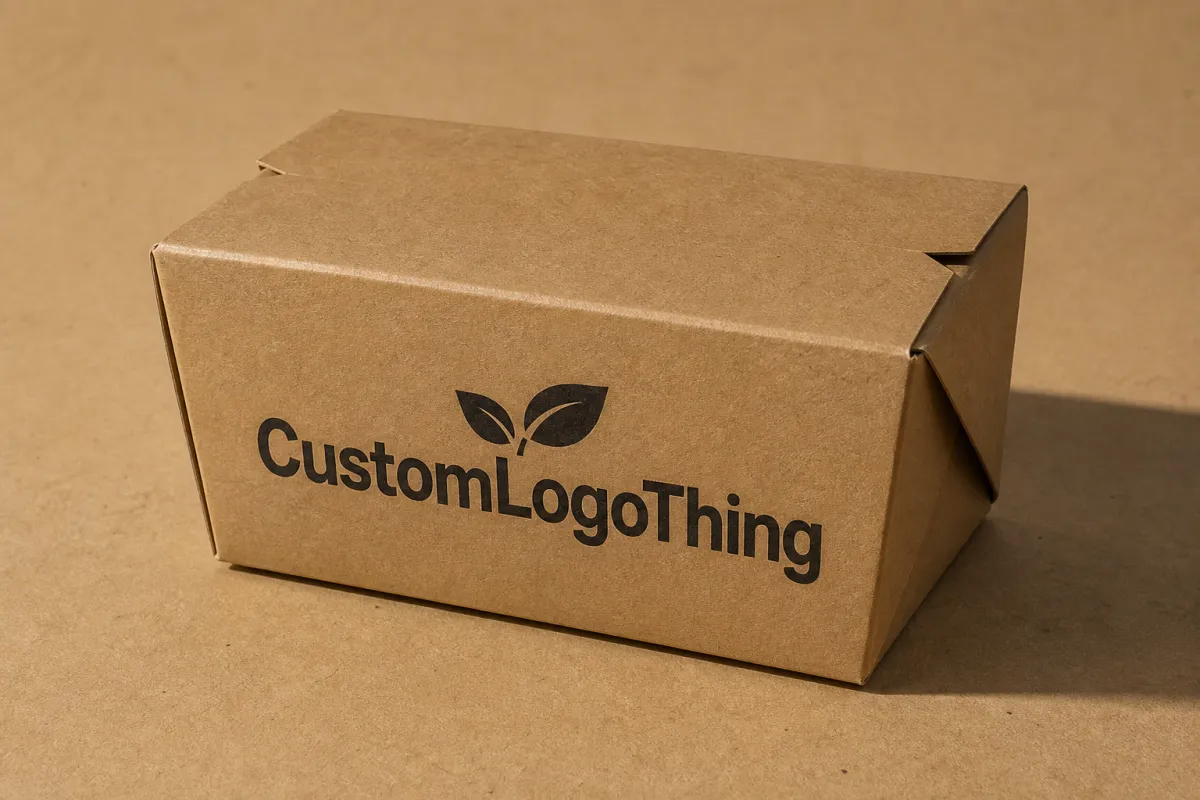
A food carton is not just a shell. It is part of the product experience. In retail and foodservice, the carton has to survive stacking, cold storage, courier handling, and consumer use while still looking neat enough to represent the brand. A bakery carton may only need to hold its shape for a short display window. A chilled meal carton may sit in refrigeration, move through a distribution center, and still need to arrive intact at the door. Those are different stress profiles, and they call for different structures.
Small failures travel fast through an operation. A carton that opens during transit can stain nearby packages. A carton that crushes too easily slows pack-out because staff stop trusting the stack. A closure that behaves one way in sampling and another way in production creates rework that never shows up in the unit price, but appears immediately in labor and claims. That is where custom recyclable food cartons wholesale can pay for itself: fewer rejected units, less waste, steadier presentation, and a format that customers can sort without much guesswork.
Disposal matters as well. Shoppers notice whether packaging feels straightforward or fussy. Fiber-based cartons are generally easier to understand than mixed-material packs with heavy lamination, decorative windows, or extra components that need to be separated. Recycling rules still vary by city, region, and recovery system, so no carton is accepted everywhere. Even so, a simpler paperboard structure usually creates less friction than a package built from several hard-to-separate parts.
A carton that saves two cents but doubles the damage rate is not economical packaging.
The contrast with stock cartons is clear once a buyer has had to live with both. Stock packaging is fast and familiar, but it often leaves too much empty space, fits the product awkwardly, and makes a brand look generic. Custom printed cartons place the product correctly, stack more predictably, and turn the package into a repeatable brand impression. That matters whether the carton holds pastries, prepared meals, sandwiches, or lighter takeaway items.
For procurement teams, the right framing is operational rather than decorative:
- Fit: a carton built to the product reduces movement and helps protect it.
- Branding: custom printed boxes make the package part of the customer’s memory of the purchase.
- Shipping efficiency: tighter cartons usually stack better in master cases and delivery bags.
- Disposal: a simpler fiber structure is easier for the end user to sort and separate.
If you are comparing carton formats across a broader lineup, the Custom Packaging Products page is a practical place to start. If the project depends on run size or repeat ordering, review the Wholesale Programs page before you request quotes.
Product details: materials, coatings, and print options
Board selection changes more than many first-time buyers expect. Common paperboard choices often sit in the 250-400 gsm range, or an equivalent caliper-based specification, depending on whether the carton needs a lighter feel, more stiffness, or better crush resistance. Dry bakery items such as cookies and pastries can often use a lighter board if the structure is well engineered. Chilled products, or anything exposed to humidity swings during storage and delivery, usually need a stiffer board that resists deformation better.
Greasy or lightly sauced foods make coating choice nearly as important as board choice. Water-based barrier coatings and aqueous finishes are often preferred because they can help resist grease without making the carton feel overly plastic-like. Some projects call for recycled-content or repulpable barrier systems, while others need a different lining depending on food behavior and shelf life. The practical rule is blunt: do not assume every coating performs the same way in recycling mills, because local recovery systems and contamination levels change the outcome.
Structure matters just as much as material. A tuck-top carton may work well for dry retail goods or light takeaway. A lock-bottom design gives more confidence for heavier contents. Sleeve formats can improve presentation for branded packaging without adding unnecessary bulk. Die-cut cartons fit products with a specific profile, a display requirement, or an insert. A carton can fail in use even if the board itself is adequate, and the failure often comes from the structure rather than the print.
Print is where some buyers overbuild the brief. Flexographic, offset litho, and digital printing all have a place, but the right choice depends on run size, image complexity, and turnaround speed. Full-color branding is possible on most carton formats, and accurate color control can make a mid-priced carton look far more polished than a plain white box. Extra finish is not always extra value. Thick varnish layers, foil effects, and multiple specialty treatments add cost without improving the food experience in any direct way.
The most useful packaging choices are often the quiet ones: crisp graphics, one or two strong brand colors, a clean logo lockup, and enough white space to keep panels readable. That approach usually supports smoother production and faster approvals. It also keeps the carton aligned with recycling goals, since the design does not depend on elaborate finishing to look premium.
What usually works best by food type
- Dry bakery items: medium-weight paperboard, tuck-top or sleeve formats, matte or aqueous finish.
- Chilled meals: stiffer board, secure bottom structure, moisture-aware coating, tighter fit.
- Lightly sauced foods: grease-resistant barrier coating, direct-contact confirmation, reliable closure tabs.
- Retail display cartons: stronger print coverage, consistent panel geometry, clean edges for shelf presentation.
For shipping performance, the International Safe Transit Association remains a useful reference point. ISTA testing standards are commonly used to measure how packaging handles distribution stress, especially compression and vibration. Teams that need a shared language around transport testing often begin there: ISTA. FSC certification is another familiar reference in packaging procurement for responsible fiber sourcing.
There is one practical caution here. A carton can pass a printer’s inspection and still fail in distribution. That is why material choice, coating behavior, and structural design should be reviewed together rather than treated as separate decisions.
Specifications to confirm before you order
Good carton buying starts with numbers, not assumptions. If a supplier cannot produce a clear spec sheet, the quote is only half useful. Exact length, width, and depth matter. Board caliper or thickness matters. Product weight matters. So does the handling condition the carton will face. A carton for a 6-ounce pastry has a very different requirement from one holding a dense chilled entree. The same outer dimensions can work for one and fail for the other because weight distribution and stacking pressure behave differently.
Food type changes the spec in ways buyers sometimes underestimate. Dry products care more about presentation and fit. Moist or chilled products care more about humidity resistance, stiffness retention, and whether the coating stays stable under refrigerated conditions. Greasy foods introduce another layer: the board may need a barrier that resists oil migration without weakening the carton’s recyclable profile. Heavy-sauce items can require direct-contact approval, but that needs explicit confirmation rather than guesswork based on a sample.
Buyers should also ask whether the carton is direct-contact primary packaging or secondary packaging. That distinction affects material selection, print coverage, coating choice, and the compliance documents you may need to keep on file. If the carton touches the food, especially in regulated markets, request written confirmation on food-contact compliance and any regional requirements that apply. A supplier should be able to explain that in plain language.
Dielines matter more than many first-time buyers expect. A clean dieline determines fold accuracy, flap overlap, locking tab behavior, and the amount of material used per piece. Venting may matter for hot items. Insert requirements matter for fragile products or items that need separation. Locking tabs affect how fast crews pack and how likely the carton is to stay closed during delivery. Each small feature changes usability and shipping cost.
Tighter specs reduce mistakes. Vague descriptions create sample mismatches, and sample mismatches create production delays. If a buyer says “we need a medium box for food” and stops there, the supplier has to guess. Guessing is expensive. It can trigger rework, extra proofs, and delayed freight booking. Clear specs cut waste and keep the line moving.
A practical spec sheet should include the following:
- Finished dimensions and acceptable tolerance.
- Board grade or target thickness.
- Product weight and whether the load is rigid, soft, or mixed.
- Food type, moisture level, and grease exposure.
- Direct-contact or secondary-packaging status.
- Print method, color count, and approved brand assets.
- Coating or barrier requirement.
- Dieline, closure style, and insert details.
- Shipping format, master case count, and pallet expectation.
For a buying benchmark, think like an operations manager rather than a designer. A carton that looks beautiful but takes two extra seconds to fold can turn into a labor cost. A carton that saves space but dents in transit can become a claims cost. The best custom recyclable food cartons wholesale program is the one that keeps both sides under control.
Pricing, MOQ, and quote factors for custom recyclable food cartons wholesale
Price is never only price. In packaging procurement, the real number includes board, print, coating, tooling, sampling, freight, and the operational cost of poor fit. The main unit-cost drivers are easy to list and easy to underestimate: board grade, carton size, number of print colors, special finishes, structural complexity, and order quantity. A larger carton also consumes more material, which is why size alone can move the quote in a noticeable way.
MOQ, or minimum order quantity, changes by factory and carton format. Larger runs usually lower the per-unit price because tooling and setup costs are spread over more pieces. Short runs may still be possible, especially with digital print, but setup charges can make them less efficient. A buyer should always ask for MOQ at the exact spec needed, not a broad estimate that later shifts after the dieline is finalized.
Fair comparison depends on identical inputs. The carton size must match. The finish must match. The print method must match. Delivery terms must match. If one quote includes freight and another excludes it, the lower number may not be lower at all. The same goes for taxes, sample charges, plates, and tooling. Many budget surprises come from comparing unlike proposals as if they were equivalent.
Below is a practical pricing framework buyers often use to sanity-check wholesale quotes. These are illustrative ranges only; actual pricing will shift with size, artwork coverage, coating, and current board availability.
| Carton type | Typical use | Common MOQ | Illustrative unit price at 5,000 pcs | Cost notes |
|---|---|---|---|---|
| Simple tuck-top paperboard carton | Dry bakery goods, light retail packaging | 1,000-3,000 | $0.12-$0.24 | Lower print coverage and standard board keep cost down. |
| Custom printed carton with aqueous coating | Prepared foods, branded takeaway, retail display | 2,000-5,000 | $0.18-$0.38 | Better shelf presence, moderate setup, more consistent finish. |
| Barrier-coated recyclable carton | Greasy or lightly moist foods | 3,000-8,000 | $0.24-$0.48 | Barrier performance usually raises cost, but can reduce leakage claims. |
| Complex die-cut carton with insert or special structure | Premium product packaging, specialty meal formats | 5,000+ | $0.30-$0.65 | More tooling and more material handling; better fit may justify it. |
Those ranges point to a larger truth. The cheapest carton is not always the smartest buy. If a slightly higher-spec carton reduces spoilage, prevents collapse in delivery, or improves shelf presentation, it can create a lower total cost than the low bidder. Packaging teams that chase unit price only often miss the downstream cost of damages, customer complaints, and reprint cycles.
A proper quote should include:
- Tooling and plates: especially for new dielines or offset work.
- Samples: prototype or pre-production sample fees where applicable.
- Freight: domestic delivery, ocean freight, or air freight depending on schedule.
- Setup charges: press setup, die-cut setup, or special finishing setup.
- Taxes and duties: if cross-border shipping is involved.
- Rush fees: for compressed timelines or off-cycle production.
Hidden cost is usually where buyers get caught. A last-minute artwork revision can trigger new plates or lost press time. Split shipments can raise freight cost. A rush job may require air freight instead of a cheaper ground or ocean lane. Even a small coating change can alter price if it changes drying time or approval requirements. The safest way to avoid that is to finalize the spec before requesting a quote.
Here is the simple pricing test I recommend: if a premium carton costs 15% more but cuts damage, improves customer perception, and reduces pack-out time, it is often the better procurement choice. If it adds visual polish but does nothing for handling or food protection, the extra cost is harder to justify. That is the difference between branded packaging that performs and branded packaging that only looks polished in a mockup.
Process, timeline, and lead time from sample to shipment
The buying process should feel controlled. If it feels chaotic, the spec is probably not ready. Most carton programs begin with inquiry, then move through dieline review, artwork preparation, proofing, sampling, production approval, and shipment. A strong supplier makes each stage visible. That visibility matters because food packaging often has deadlines tied to menu launches, store openings, seasonal promotions, or distribution windows.
Physical samples matter more than digital proofs. A PDF can show artwork placement, but it cannot show board stiffness, fold behavior, coating feel, or how the locking tabs behave under pressure. For carton fit, especially with Custom Printed Boxes that wrap tightly around a product, a sample is the fastest way to catch mistakes before production. A buyer should test the carton with the actual food or a realistic dummy load, not just inspect an empty sample by hand.
A typical schedule often looks like this:
- Quote and spec alignment: 1-3 business days if the requirements are clear.
- Artwork review: 1-3 business days, longer if brand assets need correction.
- Sample development: 5-10 business days for many custom structures.
- Production: often 10-20 business days after final approval, depending on order size and factory load.
- Shipping: 3-10 business days domestically, longer for consolidated or ocean freight.
Rush orders can sometimes be compressed, but they cost more and they carry more risk. The most common delay triggers are late artwork changes, unclear dimensions, missing compliance details, and approvals that bounce between departments. A buyer can usually shorten lead time by sending one clean spec sheet, one final logo file, one approved color target, and a clear shipping address before the quote is finalized.
There is also a planning difference between first orders and reorders. First runs take longer because the supplier has to confirm the structure, the print setup, and the pack-out behavior. Reorders are usually faster if the spec is unchanged and the artwork stays the same. Stable carton programs save money over time for that reason alone: fewer surprises, faster turnarounds, and less administrative work.
For teams trying to move quickly without avoidable mistakes, this checklist helps:
- Send finished dimensions, not estimated size ranges.
- Include the exact product weight and food condition.
- Confirm whether the carton touches the food.
- Approve one artwork version before sampling starts.
- Test the sample in the real pack-out environment.
- Lock the freight method before production begins.
That sequence sounds basic, but it is where many packaging delays are prevented. A disciplined approval process often separates a smooth launch from an expensive scramble.
Why choose us for custom recyclable food cartons wholesale
Custom Logo Things is built for buyers who want more than a price sheet. Our value starts with material guidance. If the food is dry, we can keep the spec simple. If the product is greasy, chilled, or stacked often, we can steer the carton toward a structure that matches the real use case better. That kind of advice matters because a lower-priced carton is no bargain if it fails in the one place your operation cannot absorb failure.
We also focus on color control and production consistency. In branded packaging, small color shifts are easy to miss on screen and hard to ignore in a shipment. A logo that prints inconsistently weakens trust, especially for retail packaging where the box is part of the customer’s quality judgment. A stable print process protects that judgment and makes reorders less risky.
Responsiveness matters too. A fast quote only helps if it is accurate. Our approach is to clarify the spec first, then price the program against the real structure, finish, and order quantity. That reduces the back-and-forth that often stretches lead time. It also means buyers are comparing actual like-for-like options rather than guessing at what a vague sample description might cost.
Operational support matters as much as sustainability claims. A carton that sounds eco-friendly but creates pack-out waste is not a good purchase. A carton that moves through the line cleanly, supports shipping stability, and can be explained clearly to the end customer is a better one. Honest spec advice, sample support, and artwork review save money by preventing mistakes, not by sounding impressive.
If your team is choosing between two or three structure options, we can help compare them on the metrics that matter:
- Product fit: does the carton hold the item with minimal movement?
- Protection: does it resist crushing, leakage, or opening during transit?
- Branding: does the print support your package branding without overcomplicating the build?
- Reorder consistency: will the same spec perform the same way next month?
- Waste reduction: does the design avoid unnecessary material and rejected units?
We also understand how procurement teams think. A packaging supplier should reduce risk, not add to it. That means clear documentation, practical sample feedback, and steady communication on whether a carton suits the intended food type, storage condition, and distribution channel. At scale, that support is not a luxury. It is part of the cost-control plan.
Next steps: sample, compare, approve, and order
The cleanest buying path is simple. Request a sample pack or a target sample based on your real product dimensions. Confirm the carton style against the way your food ships and displays. Review artwork, coating, and compliance needs before anyone approves production. Then compare at least two carton structures so you are not judging one option in isolation. That process usually produces better numbers and a better final pack.
Before you place an order, make sure the quote matches the exact spec you plan to run. Check the carton size, board type, finish, MOQ, freight assumptions, and any setup charges. If you are still deciding between options, ask how each one changes labor, damage risk, and shelf presentation. Those answers usually show which carton fits the business model.
The best result is not just a neat box. It is a carton that packs cleanly, survives the journey, and gives the customer a simple disposal path after use. That is the practical case for custom recyclable food cartons wholesale. If you want a defensible decision, start with one sample, one clear spec sheet, and one comparison based on fit, protection, and total cost rather than unit price alone.
FAQ
What is the typical MOQ for custom recyclable food cartons wholesale?
MOQ usually depends on carton size, print method, and board type. Larger runs lower the unit cost, while short runs may carry setup fees that make them less efficient. Ask for the minimum at the exact spec you need, not a generic estimate, because carton style and finish can change the threshold quickly.
Are custom recyclable food cartons wholesale suitable for greasy foods?
Yes, if you Choose the Right board and a recyclable grease-resistant coating. The carton should be tested with the actual food, not just a dry sample, because oil migration and condensation can change performance. For heavy-sauce items, confirm whether the carton is direct-contact approved and whether the coating matches your disposal goals.
How long does production usually take after approval?
Lead time varies by order size, print complexity, and current factory load. Sampling, proof approval, and freight planning can affect the total timeline. A clean spec sheet and final artwork usually shorten the process, while late changes tend to extend it.
What should I compare in a quote for recyclable food cartons?
Check unit cost, tooling, samples, freight, and any setup charges. Make sure the quote matches the same size, coating, and print spec across vendors, because small differences can make the lowest quote misleading. Confirm whether taxes and delivery terms are included before you compare totals.
Can I print full-color branding on recyclable food cartons?
Yes, most cartons can support strong branding within the chosen print method. Complex finishes may raise cost or affect recyclability, so the better approach is to balance design with performance. Request a proof or sample before approving the final run so you can verify color, fit, and finish together.
For a packaging team, the decision comes down to fit, cost, and real-world handling. That is why custom recyclable food cartons wholesale deserves a proper spec review, a fair quote comparison, and a sample test before you commit. Get those three pieces right, and the carton becomes a reliable part of the operation instead of an ongoing problem.

