Buyer Fit Snapshot
| Best fit | Custom Recycled Sleeves with Logo projects where brand print, material claims, artwork control, MOQ, and repeat-order consistency need to be specified before quoting. |
|---|---|
| Quote inputs | Share finished size, material target, print colors, finish, packing count, annual reorder estimate, ship-to region, and any compliance wording. |
| Proofing check | Approve dieline scale, logo placement, barcode or warning zones, color tolerance, closure strength, and carton packing before bulk production. |
| Main risk | Vague material claims, crowded artwork, missing packing details, or unclear freight terms can make a low unit price expensive after revisions. |
Fast answer: Custom Recycled Sleeves with Logo: Sustainable Packaging should be specified like a repeatable production item. The safest quote records material, print method, finish, artwork proof, packing count, and reorder notes in one written spec.
Production checks before approval
Compare the actual filled-product size with the drawing, then confirm tolerance on folds, seals, hang holes, label areas, and retail display edges. Reserve space for logos, QR codes, warning copy, and material claims before decorative graphics fill the panel.
Quote comparison points
Review material grade, print process, finish, sampling route, tooling charges, carton quantity, and freight assumptions side by side. A quote is only useful when the supplier can repeat the same color, closure quality, and packing count on the next order.
Custom recycled Sleeves with Logo do a lot of work in a very small space. A shopper gives a package only a few seconds on shelf, sometimes less. In that window, the sleeve has to explain what the product is, why it matters, and why it deserves a second look. That is a tall order for a strip of board or kraft, which is exactly why this format has become so useful for brands that want stronger shelf presence without rebuilding the entire packaging system.
Packaging buyers tend to like sleeves for a straightforward reason. They sit between plain labels and fully Custom Printed Boxes. They add structure, color, and brand language to existing cartons, trays, bottles, jars, or mailers while keeping material use under control. If the goal is better retail packaging with less waste, the sleeve often wins fast.
What Custom Recycled Sleeves with Logo Are and Why They Stand Out
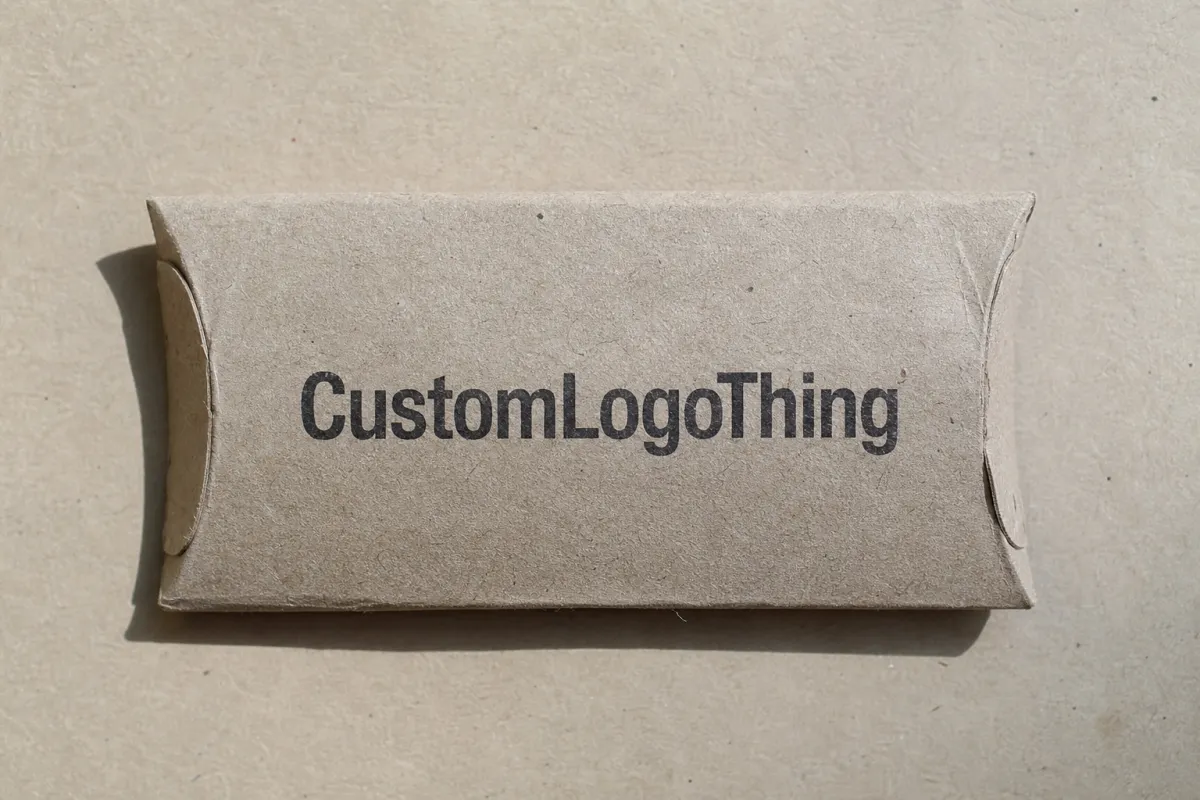
A custom recycled sleeve is a printed wrap, band, or belly band made from recycled board or kraft stock that slides over, wraps around, or binds an existing pack. It is not a full carton. That difference matters. A sleeve upgrades what already exists instead of replacing every layer of product packaging, which saves material and keeps operations simpler.
That simplicity is part of the appeal. A plain folding carton can look forgettable even when the product inside is strong. Add custom recycled sleeves with logo, and the same base pack can read as intentional, branded, and more premium. The sleeve becomes the visible face of the pack. It carries the visual hierarchy, the product name, and the sustainability message without forcing a full supply chain reset.
There are tradeoffs, and pretending otherwise is just marketing theater. A sleeve usually makes more sense than a label when the brand needs more printable surface area, better shelf architecture, or a little more tactile weight. It is often a better fit than a custom carton when the pack needs flexibility across multiple SKUs, seasonal variants, or short-run launches. Compared with stickers, sleeves usually feel more deliberate. A sticker can add information. A sleeve can build package branding.
That is why many teams use sleeves for:
- limited editions with short sell-through windows
- seasonal promotions that need quick design changes
- multi-SKU lines that share the same base pack
- trial sizes or starter kits
- product packaging updates when the old carton is still serviceable
The sustainability story is not a decorative line on a sales deck. Fewer components usually mean less material overall, simpler separation at end of use, and fewer choices for the consumer. If the sleeve is made from recycled paperboard or kraft, it also gives the brand a visible cue that the pack is grounded in lower-impact material choices. Recycled content is only part of the picture, though. A sloppy layout or oversized sleeve can erase that benefit quickly.
In practice, sleeves are strongest when the brand wants visible eco signals without adding manufacturing complexity. They are also one of the easiest ways to refresh retail packaging without changing the whole line. If the current box or tray is structurally sound, a sleeve can extend its life and improve the shelf read in one move.
Buyer takeaway: a sleeve should earn its keep. If it does not improve branding, shelf impact, or usability more than a simpler label would, it is probably doing too much or not enough.
Format comparisons get clearer when you think about function first. Labels are precise and economical, custom printed boxes are fully immersive, and custom recycled sleeves with logo sit in the middle. That middle ground is why they work so well for brands that need flexibility, cost control, and a cleaner material story at the same time.
How the Production Process and Timeline Work
The production process starts with the brief. Sounds basic. It still gets skipped all the time, and that is usually where delays begin. A good brief needs the finished package dimensions, substrate preference, quantity, target retail channel, finishing expectations, and any compliance notes. If the sleeve has to fit over an existing carton or bottle, the finished measurements matter more than the art concept. Artwork can be adjusted. Dimensions cannot be guessed and hoped for.
Next comes structural sizing and dieline setup. The sleeve designer or supplier builds the flat pattern based on the actual pack size, overlap allowance, glue area if needed, and fold positions. This is where many problems get stopped before they become expensive. A few millimeters can be the difference between a sleeve that sits straight and one that twists, buckles, or hides the logo at the seam. Prepress should also check safe zones, bleed, barcode placement, and the location of any legal text that must remain readable after assembly.
Recycled stocks need a little more attention during color approval. Uncoated recycled board and kraft absorb ink differently from bright white coated stock. Dark tones may read warmer. Light colors may soften. That is not a defect. It is the material behaving the way it behaves. If the brand expects a crisp luxury finish, proofing should account for the actual paper shade instead of a generic screen view that lies by omission.
The timeline usually moves through these stages:
- brief and measurement collection
- dieline creation or verification
- artwork setup and preflight
- digital proof or hard proof review
- revision round, if needed
- printing and finishing
- die-cutting, folding, gluing, or converting
- final inspection, packing, and shipment
For simple custom recycled sleeves with logo using standard sizes, clean artwork, and common finishing, production often takes about 12 to 20 business days after proof approval. That still depends on supplier capacity and shipping distance. Specialty inks, complex folds, heavy coverage, or multiple approval rounds can stretch the schedule. The biggest time loss usually comes from avoidable mistakes: missing dimensions, late copy changes, or not knowing whether the product will ship flat or assembled.
Sample approvals matter more than many buyers expect. If a sleeve has to fit a tight carton, an irregular jar, or a tray with a closure flap, a prototype can save an expensive mistake. A supplier may offer a digital mockup, a printed flat sample, or a physical prototype. Each one serves a different purpose. A mockup helps with layout. A printed sample helps with color and finish. A physical prototype helps with fit and pack-out.
For brands that also need broader packaging support, it can help to compare sleeve specifications with other formats in the Custom Packaging Products line before artwork is finalized. That comparison often shows whether a sleeve, a carton, or a hybrid structure is the smarter production decision.
Transit testing can matter too, especially for ecommerce or club-store distribution. If the sleeve must survive compression, vibration, or stacked pallet loads, packaging teams should consider standards or test protocols tied to the shipment profile. The International Safe Transit Association outlines common methods for distribution testing at ista.org. Even when a project does not need a formal lab run, the mindset helps. If the sleeve arrives scuffed, crushed, or misaligned, the shelf story breaks before the customer even sees it.
Cost, Pricing, and MOQ Factors to Compare
Pricing for custom recycled sleeves with logo depends on the same core variables that drive most packaging jobs, but the details matter. Board grade, print coverage, color count, finish, size, and converting complexity all influence unit cost. A small sleeve with one or two colors on recycled kraft can price very differently from a full-bleed sleeve with coating, multiple folds, and precise die-cut details. Two pieces may look similar on a quote sheet and still land in very different price bands.
Quantity is the other major lever. As volume rises, setup costs spread across more units, and the per-piece price usually drops. That is why MOQ, or minimum order quantity, matters so much. A 5,000-piece run can be efficient if the artwork is simple and the die is standard. A 500-piece run can still work, but only if the supplier has a digital or short-run process that keeps setup cost under control. Small runs are possible. They are just less forgiving of complexity.
Here is a practical way to compare common sleeve options:
| Option | Typical Use | Cost Profile | Visual Effect | Best Fit |
|---|---|---|---|---|
| Recycled kraft sleeve | Natural, earthy branding | Lower print and finish cost | Warm, tactile, understated | Eco-led brands, simple layouts, short runs |
| Recycled paperboard sleeve | Balanced retail presentation | Moderate cost | Cleaner graphics, more color control | Most everyday branded packaging programs |
| Premium coated recycled sleeve | Sharper shelf impact | Higher cost from coating and print work | Brighter colors, smoother finish | Premium retail packaging, launches, gift sets |
Hidden costs deserve a seat at the table. Freight can be significant on bulky but light packs. Sample charges may apply. Plate or setup fees can show up on certain print methods. Storage fees matter if the entire run arrives before the team is ready to pack out. Reprints are expensive when the spec changes after approval. The cheapest quote on paper is not always the cheapest order in the system.
Finishes affect both price and perception. Soft-touch lamination, foil, embossing, and specialty coatings can elevate the package, but they also add process steps. On recycled stocks, a heavy finish can wipe out the natural texture that gave the sleeve its appeal in the first place. Sometimes a matte uncoated board with disciplined typography does more for shelf impact than an expensive treatment that looks forced.
For quote comparisons, ask suppliers to price the same spec. That means the same dimensions, same board grade, same print method, same finish, same quantity, and same delivery terms. Without that discipline, one quote may look cheaper simply because it excludes a setup fee, uses a thinner stock, or assumes a different fold. Clear comparison is the only fair comparison.
If your program may expand into cartons, inserts, or trays, reviewing broader Custom Packaging Products options alongside the sleeve quote can help separate structural needs from branding needs. Sometimes the budget is being spent on the wrong layer of the pack.
Brands also need to keep sustainability claims in line with documentation. If a supplier says the board contains recycled content, ask for the percentage and any supporting paperwork. If a package is being described as recyclable, check the actual material makeup and any regional restrictions. The U.S. Environmental Protection Agency provides useful context on waste reduction and materials management at epa.gov/recycle. That kind of reference keeps claims grounded instead of aspirational.
Step-by-Step Guide to Ordering the Right Sleeve
The best sleeve projects usually begin with measurement discipline. Start with the finished product, not the concept sketch. Measure the actual carton, tray, bottle, jar, or bundle that the sleeve will wrap. Include height, width, depth, any taper, any closure tabs, and the area that should remain visible once the sleeve is in place. If the sleeve must align with a logo on the base pack, that relationship should be measured too. Guessing here is expensive in a very predictable way.
Once the dimensions are locked, choose the substrate. Recycled paperboard is usually the most versatile for retail packaging because it prints cleanly and folds predictably. Kraft can signal natural positioning and reduce visual noise. A brighter recycled sheet can support more saturated graphics if the brand wants stronger pop on shelf. The right choice depends on the product category, the retail environment, and the story the brand wants the sleeve to tell.
Then map the artwork to the dieline. The front panel should carry the strongest visual cue, but the sleeve should not become a billboard with no structure. Identify the logo zone, the product name, the front-facing claims, the barcode, and any regulatory copy. Check what happens at each fold and overlap. A beautiful front panel can fail if a key line of copy disappears behind a seam. This is a common problem in product packaging, especially on short-format sleeves where every millimeter counts.
A strong sleeve spec often includes:
- finished dimensions of the packed product
- recommended sleeve opening and overlap allowance
- board or kraft grade
- ink colors and print method
- finish, if any
- barcode placement and scan direction
- recycling language or certification notes
- packing and shipping preferences
If the sleeve needs a tight fit, request a prototype before full production. That is especially useful for irregular shapes, rounded corners, or packs that may vary slightly across manufacturing batches. A sample can reveal whether the sleeve slides too easily, buckles at the seam, or hides critical branding. It is far cheaper to discover that in a sample run than after 10,000 units have been printed.
Proof approval should be more than a quick glance. Check the dimensions, the color expectations, the legal text, and the pack-out instructions. Verify whether the sleeve arrives flat or pre-assembled. Confirm how it will be stored and who will assemble it on your line. If the operations team, the marketing team, and the procurement team all have different assumptions, the project will drift. A simple signoff checklist keeps that from happening.
There is also a practical decision to make about how much the sleeve should do visually. Some teams want it to carry every claim: organic, recycled, local, cruelty-free, limited edition, and more. That can backfire. The best branded packaging usually carries one or two strong messages and leaves room for the material to speak. Recycled stock already has a voice. The design should work with it, not drown it out.
If your packaging plan includes other components, use the sleeve as one part of the system rather than the whole system. A simple carton plus a branded sleeve can create a stronger package than an overdesigned all-in-one structure. That hybrid approach is often more efficient than forcing every message into custom printed boxes when the base pack already exists.
Common Mistakes That Waste Time, Money, and Material
The first mistake is designing before the dimensions are locked. It happens constantly. Marketing gets excited, artwork begins, and the final product size changes after the fact. Even a small shift in width or depth can throw off the sleeve structure. That can lead to misaligned seams, hidden logos, or sleeves that simply do not fit. The design should follow the pack, not the other way around.
The second mistake is over-designing a recycled sleeve until it fights the material. Recycled textures are often the reason the sleeve feels credible and premium. Flooding the piece with too many finishes, dense copy, or excessive effects can erase that quality. A sleeve with clean spacing, a disciplined logo, and one or two supporting colors often performs better than a crowded design with expensive extras.
Another common issue is ignoring fold and closure points. A sleeve is not a flat poster. It wraps, overlaps, tucks, or locks. If the logo straddles a fold or a key claim lands in a seam, the package can lose impact on shelf. This is especially risky with shorter sleeves, because the usable front area is smaller than many teams expect. A dieline review should always be a visual review, not just a technical one.
Unverified sustainability claims are a separate problem. Saying a sleeve is recycled, recyclable, compostable, or FSC-certified without documentation creates risk. Retail buyers are increasingly skeptical, and so are consumers. If the supplier cannot support the claim, do not print it. The Forest Stewardship Council explains certification standards and chain-of-custody expectations at fsc.org. That does not solve every compliance question, but it is a useful anchor for teams trying to keep claims clean.
Transport damage is another hidden cost. Sleeves can crush, curl, scuff, or warp if pack-out is poorly planned. That risk rises when inventory is stored in humid conditions or boxed too tightly. If sleeves arrive compressed, workers may spend time straightening, discarding, or reprinting them. A few minutes of planning around case count, carton strength, and storage conditions can save real money later.
It is also a mistake to assume every sleeve belongs on every product line. Some packs are too narrow. Some closures are too sensitive. Some SKUs sell through too slowly for a sleeve refresh to matter. That is why product packaging decisions should be tied to channel performance, not just design preference. If the sleeve does not help the product sell or operate better, it may be decorative overhead.
Finally, many teams underestimate the cost of revision cycles. A small text change after proof approval might seem harmless. In reality, it can push production, require a reproof, or create a scramble in the print schedule. Multiply that by a few stakeholders, and the delay becomes expensive. Good approval discipline is not bureaucracy. It is waste prevention.
Expert Tips for Better Shelf Impact and Lower Waste
Start with contrast. That matters more on recycled substrates than many brands expect. A kraft sleeve with a dark logo and generous white space can look sharper than a busy full-color piece. The point is not to make the sleeve louder. The point is to make it easier to read at a distance of three to six feet, which is often the real shelf viewing zone.
Typography deserves more attention than decoration. A strong type system gives the pack structure and helps the logo carry the design. When the logo placement is consistent across SKUs, the brand becomes easier to spot, and artwork changes become simpler. That matters if the line has six or ten variants. One disciplined template can cut approval time and lower design labor.
Retail lighting changes everything. Recycled paper can look warmer under LED lighting, softer under fluorescents, and flatter under dim display conditions. If possible, review a printed sample in store-like light, not just on a design monitor. It is one of the easiest ways to avoid a mismatch between expectation and reality. What looks refined in the studio can read dull in a store aisle if the palette is too quiet.
Not every sleeve needs the same amount of ink. Fewer color passes often reduce cost and waste while keeping the design strong. A two-color layout with a careful logo lockup may be more efficient than a full-bleed concept that adds little value. On higher volumes, that difference can be meaningful. It is common to see real savings when the artwork is pared back without sacrificing the brand story.
There is also a sustainability angle beyond material choice. If the sleeve is designed to be easy to remove, sort, or flatten, the pack behaves better in the consumer’s hands and in post-use handling. That practical detail matters. A package that is theoretically recyclable but awkward to separate is weaker than a simpler pack with a clearer end-of-life path. Better design should make the responsible choice easier.
Brands selling into retailers with specific sustainability rules should check those rules before locking the material spec. Some chains care about recycled content. Others want FSC sourcing, reduced plastic, or clearer recycling instructions. Aligning the sleeve with those expectations can keep a launch from stalling at the buyer review stage. The pack should work commercially and operationally, not just look good in a mockup.
For brands building broader branded packaging systems, sleeves can be the low-risk test bed. A company may use the sleeve to validate a visual direction before investing in new custom printed boxes or a full packaging refresh. That is a smart sequencing strategy. It lowers exposure while still improving the shelf story.
One more useful habit: compare the shelf impact of a sleeve against the cost of adding graphics elsewhere in the pack. Sometimes a sleeve delivers more visible value than a more expensive structural change. Other times the reverse is true. The right answer depends on the channel, the product margin, and how often the design needs to change.
Next Steps: Build a Better Sleeve Spec Before You Quote
If you are preparing to request pricing, gather the fundamentals first. Final dimensions. Product type. Target quantity. Artwork files. Timeline. Substrate preference. Any sustainability documentation. That is the minimum. Without it, quotes turn into guesses, and guesses are hard to compare. A precise spec makes the market easier to read.
Then request two or three quotes against the same brief. Do not let suppliers price different assumptions and call it a comparison. Ask each one to confirm board grade, print method, finish, turnaround time, and shipping terms. The goal is to see where the real value sits, not just the lowest number. A good quote should tell you exactly what is included and what could change it.
It also helps to ask practical production questions up front:
- How long does proofing usually take?
- What recycled content can be documented?
- Will the sleeve ship flat or assembled?
- How should the product be stored before pack-out?
- What revision limit is built into the schedule?
Internally, set a simple approval path. Marketing should approve the message. Operations should approve fit and pack-out. Procurement should approve cost and lead time. If those reviews happen in sequence without clear ownership, the project slows down. If they happen against one shared spec, the process is much cleaner. That is the difference between a sleeve that launches on time and one that spends weeks trapped in email threads.
For companies that want to compare sleeves with other formats, this is also the right moment to review the broader Custom Packaging Products range. You may find that a sleeve solves the immediate branding problem while a carton or insert solves a different operational problem. The smartest packaging programs usually match the structure to the job, not the trend.
One final point: keep the decision tied to outcome. The purpose of custom recycled sleeves with logo is not to decorate a pack for its own sake. It is to improve shelf presence, support branding, reduce unnecessary material, and stay within budget. If the spec does those four things well, you have a packaging choice that makes sense on paper and in the aisle. Start with the real product, the real shelf, and the real production timeline, then build the sleeve around that reality.
Frequently Asked Questions
What are custom recycled sleeves with a logo used for?
They brand existing packaging without replacing the full carton, which is useful for launches, limited editions, and multi-product lines. They can improve shelf presence, add product information, and support sustainability goals with less material than a full custom box.
Which recycled materials work best for logo sleeves?
Recycled paperboard and kraft stocks are common because they print well, fold cleanly, and still feel premium. The best choice depends on weight, print coverage, and whether the sleeve needs a natural, matte, or brighter retail look.
How much do custom recycled sleeves with logo usually cost?
Price depends on size, substrate, color count, finish, quantity, and setup complexity, so two sleeves can look similar but price very differently. Higher quantities usually reduce unit cost, while small runs are more affordable when the design stays simple and standard.
How long does production take for recycled logo sleeves?
Lead time usually includes proofing, approvals, printing, converting, and shipping, so the full schedule depends on how fast artwork and specs are finalized. Custom shapes, specialty finishes, or multiple revision rounds can add time, while simple sleeves with ready files move faster.
Can recycled sleeves still look premium on shelf?
Yes, especially when the design uses strong typography, clean spacing, and a material that complements the recycled texture. Premium results usually come from thoughtful restraint, not extra decoration, so the logo and structure do the heavy lifting.

