Buyer Fit Snapshot
| Best fit | Custom Retail Bag Printing Wholesale for Brand Growth projects where brand print, material claims, artwork control, MOQ, and repeat-order consistency need to be specified before quoting. |
|---|---|
| Quote inputs | Share finished size, material target, print colors, finish, packing count, annual reorder estimate, ship-to region, and any compliance wording. |
| Proofing check | Approve dieline scale, logo placement, barcode or warning zones, color tolerance, closure strength, and carton packing before bulk production. |
| Main risk | Vague material claims, crowded artwork, missing packing details, or unclear freight terms can make a low unit price expensive after revisions. |
Fast answer: Custom Retail Bag Printing Wholesale for Brand Growth should be specified like a repeatable production item. The safest quote records material, print method, finish, artwork proof, packing count, and reorder notes in one written spec.
Production checks before approval
Compare the actual filled-product size with the drawing, then confirm tolerance on folds, seals, hang holes, label areas, and retail display edges. Reserve space for logos, QR codes, warning copy, and material claims before decorative graphics fill the panel.
Quote comparison points
Review material grade, print process, finish, sampling route, tooling charges, carton quantity, and freight assumptions side by side. A quote is only useful when the supplier can repeat the same color, closure quality, and packing count on the next order.
Custom retail bag printing wholesale is one of those packaging decisions that looks small on a spreadsheet and feels much larger once the bags are actually moving through a store. The bag leaves the counter, then keeps carrying the brand through sidewalks, rideshares, office lobbies, and transit platforms long after the sale is done. For a packaging buyer, that kind of visibility is hard to ignore. A well-planned bag program protects the product, supports retail packaging, and turns a quick handoff into branded packaging that keeps working after the customer walks out the door.
From the buyer's side, custom retail bag printing wholesale is not decoration for decoration's sake. It is repeatability, cost control, and dependable print quality across every location and reorder. It is also the difference between bags that arrive on time and bags that create friction at store level because they tear, wrinkle, or drift away from the approved spec. Chains, seasonal campaigns, pop-ups, and private-label programs all benefit from a wholesale setup that supports growth without creating extra operational noise. The strongest programs treat the bag as part of package branding, not as a loose add-on.
Custom Retail Bag Printing Wholesale: The Retail Signal Hidden in Plain Sight
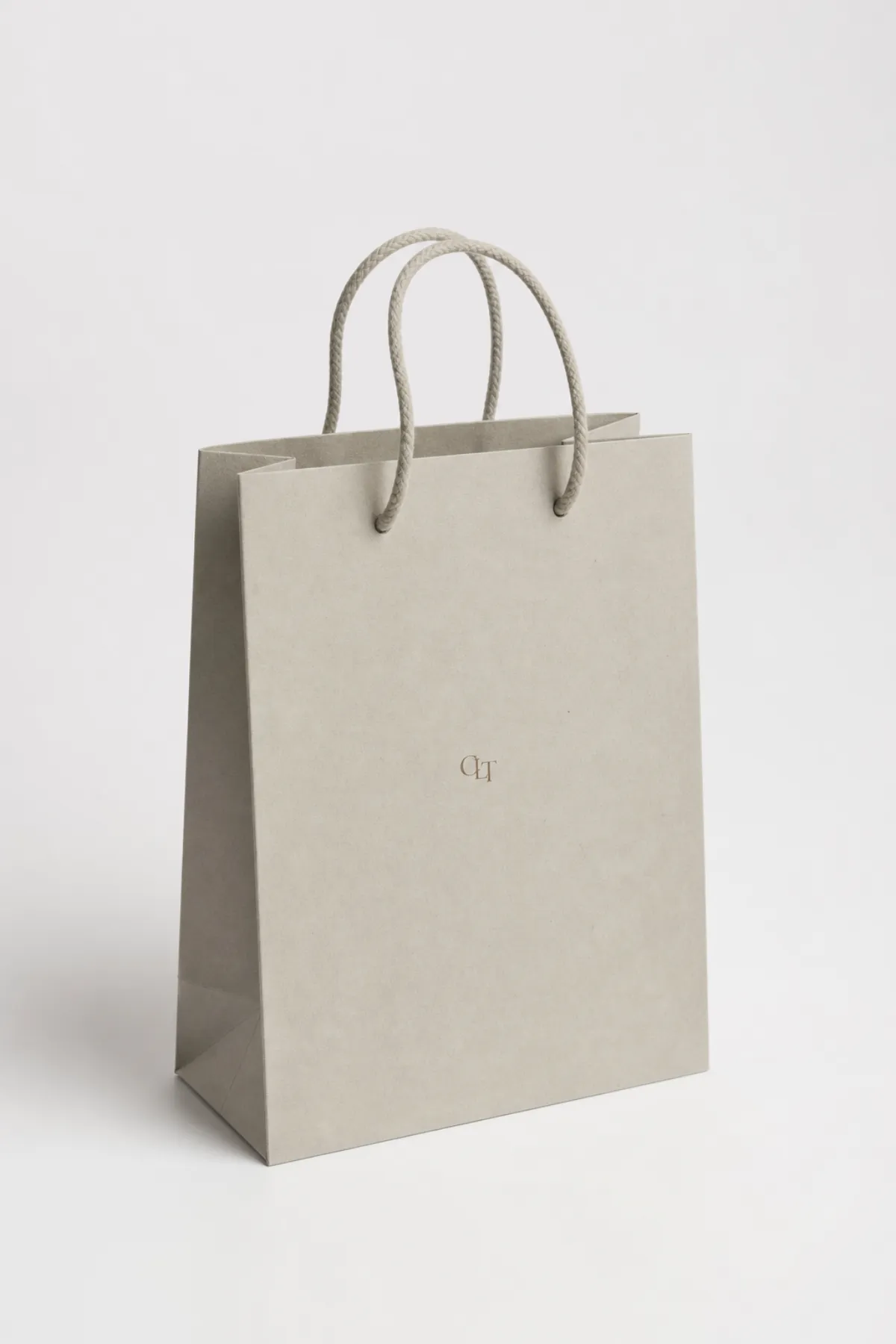
Custom retail bag printing wholesale often outlasts the purchase itself. That sounds simple, but the commercial effect is bigger than many teams expect. A customer may spend two minutes in the store and carry the bag for two hours through the rest of the day. In practical terms, the bag becomes moving media. It also becomes a signal of how carefully the brand handles product packaging and everyday service. A flimsy bag suggests shortcuts. A well-made one suggests control. Customers feel that difference pretty quickly, even if they never say it out loud.
Buyer teams sometimes miss the operational side of custom retail bag printing wholesale. The right size keeps items upright, lowers damage risk, and speeds up checkout because staff are not wrestling with the bag. A clean print layout keeps the logo readable from a distance, which matters more than a lot of people think. It is one thing to have a bag that looks good in a mockup and another to have it read clearly across a sales floor. For many retailers, the bag is one of the few packaging pieces that touches every customer, every day. That makes it more valuable than the unit price suggests.
Wholesale buying changes the economics in a real way. A single boutique can live with a small stylish run. A multi-store brand cannot. It needs repeatable pricing, predictable lead times, and a supplier that can hold specs steady from reorder to reorder. Custom retail bag printing wholesale matters for chains, pop-ups, seasonal launches, and private-label programs because consistency is the real asset. Without it, one location gets a different handle length, another gets a slightly off color, and the brand starts to look fragmented. That kind of drift is annoying, then expensive, then hard to unwind.
In my experience reviewing packaging specs, the better results usually come from treating custom retail bag printing wholesale like a controlled program rather than a one-off purchase. That means defining the bag family, the print rules, the reorder point, and the acceptable substitutions before the first purchase order is placed. It also means choosing a supplier that understands packaging design in operational terms, not just visual terms. If the bag has to support gift traffic, returns, or boxed merchandise, the program should be built around that use case from the start. Otherwise the store team ends up filling gaps that should have been handled in the spec sheet.
Brands that want a wider packaging system can connect the bag program to the rest of the stack. A retailer already using Custom Packaging Products for inserts, mailers, or presentation boxes can keep messaging aligned across the shelf, checkout, and outbound delivery. That kind of coordination is what makes custom retail bag printing wholesale feel deliberate rather than improvised.
Custom retail bag printing wholesale is also a visibility play. The bag may travel farther than the customer expects, which creates repeated impressions without extra media spend. Clean print, deliberate structure, and a clear visual system let the bag do a quiet but measurable job. Cheap-looking packaging sends the opposite message. Customers notice either way, even if they only register it for a second.
Custom Retail Bag Printing Wholesale Product Options and Materials
Buyers comparing custom retail bag printing wholesale usually begin with four or five categories: Paper Shopping Bags, laminated paper bags, plastic retail bags, Reusable Tote Bags, and specialty bags for luxury or heavier merchandise. Each one solves a different retail problem. Paper bags are common for apparel, gifts, cosmetics, and cafes. Laminated paper adds stiffness and a higher perceived value. Plastic still has a place for certain lightweight or weather-exposed uses, though sustainability targets may change that decision. Reusable totes fit brands that want the bag to stay in circulation longer and keep the logo visible beyond the first trip home.
The material choice changes the customer experience immediately. A heavier paper stock feels steadier in hand. Rope handles feel more premium than flat handles. A laminated finish improves surface protection and helps graphics hold their edge. A thin bag can still print well and feel underwhelming at checkout. Custom retail bag printing wholesale should be specified around both print quality and hand feel, because customers do not separate those things. Neither should the buyer.
Practical fit matters just as much. A bag that is too soft can crush boxed items. A handle that is too narrow can cut into the hand when customers are carrying several purchases at once. A gusset that is too shallow can slow staff down because they have to work harder to open the bag. In custom retail bag printing wholesale, product fit often matters more than decoration. A bag that matches the merchandise makes checkout feel considered instead of improvised.
Customization reaches far beyond the logo. Buyers can specify size, gusset depth, handle style, finish, embossing, foil, spot UV, matte or gloss lamination, and inside or outside printing. For brands with stricter visual standards, the choice between offset printing and digital printing also matters. Offset usually suits larger quantities and tighter color control. Digital can be useful for shorter runs, variable artwork, or faster proof cycles. The right method depends on the artwork, the target quantity, and the amount of coverage the design needs. There is no universal winner here, just the best fit for the job.
| Bag type | Typical wholesale unit range | Best fit | Key tradeoff |
|---|---|---|---|
| Paper shopping bag | $0.18-$0.45 | Apparel, gifts, small specialty retail | Lower cost, moderate durability |
| Laminated paper bag | $0.55-$1.80 | Premium retail, luxury packaging, seasonal programs | Higher perceived value, higher setup cost |
| Reusable tote bag | $0.65-$2.50 | Promotions, memberships, long-life branded packaging | Stronger branding impact, larger MOQ in some cases |
| Plastic retail bag | $0.08-$0.25 | Lightweight goods, weather-sensitive carryout | Low cost, but sustainability rules may limit use |
Custom retail bag printing wholesale should never be chosen on appearance alone. The best material is the one that matches the merchandise, the store environment, and the brand promise. A luxury counter may need soft-touch lamination and rope handles. A discount apparel chain may need a more economical paper format with crisp one-color branding. A private-label launch may need a bag that aligns with the rest of the retail packaging system, including labels, mailers, and display materials.
If you are comparing vendors, it helps to look at capabilities side by side. A supplier with strong Manufacturing Capabilities can advise on print method, finishing, and structural choices before the quote is issued. That kind of input can prevent overspecifying the bag, which is one of the easiest ways margins disappear in custom retail bag printing wholesale.
Bag Specifications That Control Print Quality and Durability
The quickest way to improve custom retail bag printing wholesale results is to tighten the specification sheet. Before requesting a quote, a buyer should define exact dimensions, paper or film thickness, handle style, print sides, ink count, and finishing requirements. If those details are vague, the price will be vague too. Worse, the production result may drift in ways that are hard to correct once the order is moving. Specificity saves money because it removes assumptions, and it gives the supplier room to solve the right problem instead of guessing at it.
Artwork quality matters just as much. Vector files are usually the best starting point for logos and text because they scale cleanly. Images placed in the artwork should have enough resolution for the final print size, not just the screen preview. Bleed is not optional, especially on full-coverage designs. Darker materials need special care because thin type can disappear and low-contrast logos can turn muddy. In custom retail bag printing wholesale, the graphic usually looks better on a monitor than on the paper unless the files were prepared with production in mind. That gap is where a lot of avoidable revisions start.
Color matching is another place where disciplined specification pays off. If the brand owns a strict Pantone target, say so early. If the design can tolerate a close printed approximation, say that too. A supplier should know whether the priority is visual match, speed, or cost. Those things are related, but they are not the same. A buyer who understands that distinction gets better results from custom retail bag printing wholesale because the production team is not left guessing where the tolerance lives.
Durability is more than a marketing claim. In retail use, a bag has to survive handling, stacking, and transport. For heavier items, ask about weight capacity, seam strength, bottom reinforcement, and moisture resistance. If bags may travel in delivery vehicles or be exposed to weather, the material choice matters even more. Some buyers test samples against the logic behind ISTA methods for transit stress, especially when the bag is part of a broader shipment workflow. That does not mean every bag needs formal lab testing. It does mean the bag should be considered in the context of how it will actually move.
The consistency question is easy to overlook until it becomes expensive. The first carton should not look better than the last one. The handle length should not drift. The imprint should sit in the same place across all cases. The bag should open the same way on day one and on the final pallet. In custom retail bag printing wholesale, consistent production is where the supplier earns trust. It is also where the brand earns a cleaner customer experience. That part is not flashy, but it is where a good program quietly proves itself.
"A bag spec sheet is not paperwork. It is the production rulebook. If the dimensions, stock, handle, and print coverage are clear, the order usually moves faster and costs less to correct."
Standard references help too. Industry guidance from groups such as the Forest Stewardship Council can support responsible sourcing decisions for paper-based programs, while packaging associations such as packaging.org provide useful context on material choices and packaging systems. Those resources do not replace a supplier conversation, yet they help buyers ask sharper questions. That matters in custom retail bag printing wholesale, where one vague assumption can affect thousands of units.
For brands building a larger packaging system, bag specs should not live in isolation. The same visual language should echo through shelf signage, inserts, and Custom Printed Boxes if those are part of the customer journey. Strong package branding works best when the bag is not fighting the rest of the presentation. It should feel like one family of packaging decisions.
Custom Retail Bag Printing Wholesale Pricing, MOQ, and Quote Drivers
Pricing in custom retail bag printing wholesale is driven by a short list of variables buyers can control. Material comes first. Dimensions matter next. Print complexity, number of colors, finishing, handle type, and order volume all shape the final number. The same logo on a plain paper bag and on a laminated rope-handle bag will produce very different economics. That is normal. What is not normal is comparing quotes built on different assumptions and calling them equal.
MOQ, or minimum order quantity, is another term that needs plain language. It is the smallest production run a supplier is willing to make economically. In custom retail bag printing wholesale, simple paper bags may allow lower minimums, while premium finishes, specialty structures, or multi-step decoration often require larger runs. A buyer should ask whether the MOQ is tied to size, color count, tooling, or a full production lot. Those details reveal the true entry point, which is often more helpful than the headline number.
Realistic pricing helps set expectations. A standard paper shopping bag might fall in the $0.18-$0.45 range at 5,000 units depending on size, stock, and print coverage. Laminated or specialty bags can sit much higher because finishing, board weight, and assembly are more complex. In custom retail bag printing wholesale, the lowest quoted unit price is not always the best business decision if freight, delay risk, or reprint exposure push the landed cost higher. Cheap is only cheap if the order lands correctly and on time.
That is why a proper quote should include more than just the unit figure. Buyers should ask for setup fees, plate or die charges, proofing costs, freight, taxes where applicable, sample charges, and any extras tied to special inks or finishing. A quote that omits those items is not cheaper; it is less transparent. The best way to compare custom retail bag printing wholesale offers is to line up the same dimensions, same stock, same print coverage, same handle, and same delivery terms. Anything less is only a partial comparison.
| Quote element | Why it matters | What to confirm |
|---|---|---|
| Unit price | Drives the core spend | Exact quantity, material, and print coverage |
| Setup or tooling | Can change the first-order cost sharply | Whether it is one-time or repeated on reorder |
| Freight | Often overlooked in landed cost | Mode, destination, carton count, and whether it is prepaid |
| Proofing and samples | Protects quality before production | Digital proof, physical sample, or both |
| Finishing | Affects appearance and durability | Lamination, foil, embossing, handle type, and coating |
Custom retail bag printing wholesale also needs a landed-cost view. A cheap quote can become expensive if the order arrives late and forces a rush shipment, or if the artwork needs rework after approval. That is not rare. It is one of the most common problems in packaging buying. A better supplier will help you see the full cost path before the order starts, including the chance of revisions, split shipments, or reorder adjustments. That kind of honesty is worth more than a polished quote sheet.
For buyers with multiple product lines, there is another strategic angle. A bag program can be synchronized with other custom printed boxes or product inserts, which can make volume forecasting easier. If the same visual system carries across retail packaging, the brand may simplify procurement and reduce design confusion. That does not always lower the bag price directly, but it can lower overall packaging spend by making artwork and procurement more efficient across the board.
Custom retail bag printing wholesale should feel predictable by the third order. If the first quote was attractive but the second reorder is a surprise, the program is not healthy. The buyer should know the break points: what happens at 2,000 units, 5,000 units, or 10,000 units; what happens if the logo changes; what happens if the finish changes. Those thresholds are where buying discipline turns into margin control.
Process, Timeline, and Production Steps for Wholesale Orders
The process for custom retail bag printing wholesale should be straightforward, even if the production itself is not. It usually starts with a brief, then spec confirmation, artwork review, proofing, production, quality check, packing, and shipment. Each step has a purpose. The brief defines what the bag must do. Spec confirmation removes ambiguity. Proofing prevents expensive mistakes. Quality checks reduce variation. If any one of those steps is skipped, the risk moves downstream and gets harder to fix. That is the part people only learn the hard way once or twice.
Turnaround time depends on more than the calendar. Artwork readiness is often the biggest variable. A clean vector file with confirmed colors moves faster than a file that needs resizing, redrawing, or palette correction. Bag complexity matters too. A simple one-color paper bag can move quickly. A multi-finish premium format takes longer. In custom retail bag printing wholesale, a physical sample may also add time, though it can save much more time than it costs when the order is large or the launch date is fixed.
A realistic planning window for custom retail bag printing wholesale is often 12-15 business days after proof approval for simpler stock-based programs, and longer for premium or custom-built bags. That is not a promise; it depends on the actual spec and production queue. Still, it gives buyers a better planning frame than vague language about fast turnaround. If the bags are tied to an opening, a seasonal rollout, or a promotion, build in extra time for proof review, freight, and corrections. The margin for error disappears quickly once a launch date is public.
- Send a clear brief with dimensions, stock, handle, print count, finish, quantity, and delivery date.
- Review the quote as a landed-cost document, not just a unit-price document.
- Approve artwork only after checking bleed, type size, logo placement, and color targets.
- Confirm whether a digital proof or physical sample is needed before production starts.
- Track production, then inspect the first cartons against the approved spec.
The hidden bottlenecks are usually boring, which is why they are dangerous. Incomplete files, slow approval cycles, last-minute quantity changes, and color corrections can push an order past the window. Sometimes the artwork is ready but the decision maker is not. Sometimes the decision maker is ready but the file is not. In custom retail bag printing wholesale, delays are rarely caused by one dramatic issue. They are usually the result of three small ones arriving at the same time.
Supplier communication matters too. A partner that understands digital printing and offset printing can suggest the route that best fits the schedule and the quantity. A partner that only quotes the bag without discussing approval sequence is not really helping the buyer manage risk. The strongest programs keep the process visible from the first conversation to the final carton count, so nobody is guessing about what happens next.
Why Choose Us for Custom Retail Bag Printing Wholesale
The main reason to choose us for custom retail bag printing wholesale is simple: we focus on the details that affect the buyer's result, not generic sales language. That means clear specs, consistent print output, responsive quoting, and packaging advice grounded in production reality. Retail teams do not need a lecture about branding. They need a bag that arrives on spec, supports the customer experience, and reorders cleanly when the next campaign lands. That is the work, plain and simple.
Quality control gets attention here in a way wholesale buyers can actually use. That includes pre-production proofing, material verification, and inspection before shipment. If the bag must match a color standard or support a specific retail use, the production method should reflect that. A supplier can look cheap on paper and expensive in practice if the bags arrive late, the print drifts, or the handle fails under normal use. Custom retail bag printing wholesale works best with a supplier that understands how production errors become store problems.
Repeat orders matter more than one-off wins. Plenty of vendors can quote a single run. Fewer can support a multi-location program where the brand needs the same bag next month, next quarter, and again when sales pick up. That is why our approach to custom retail bag printing wholesale is built around repeatability. The goal is not merely to ship a product. The goal is to make the reorder process faster, cleaner, and less risky. If that sounds less glamorous than a marketing pitch, good. It should.
We also understand how packaging systems connect. Many buyers need more than bags. They need shipping materials, presentation boxes, inserts, and retail-ready pieces that all fit together. If you are building a wider program, our Wholesale Programs and Custom Packaging Products pages are useful starting points. They help buyers map the bag to the rest of the packaging plan instead of treating each item as a separate purchase. That is a smarter way to manage brand packaging at scale.
There is a commercial advantage to that broader view. If the bag, the insert, and the display material share a visual language, the brand looks more organized, and procurement becomes easier. The buyer spends less time chasing mismatched files and more time managing quantities, launch dates, and cost targets. For custom retail bag printing wholesale, that efficiency is a real benefit, not a slogan.
Our team also respects that not every brand needs the most elaborate option. Sometimes the right answer is a simple, durable bag with clean print and reliable lead time. Sometimes the right answer is a premium format with foil, embossing, or soft-touch lamination. The point is not to oversell. The point is to match the bag to the business case. That is the difference between a packaging vendor and a packaging partner.
Next Steps to Launch Custom Retail Bag Printing Wholesale
Before you place an order, build a simple spec sheet. Include bag type, dimensions, material, handle style, print colors, quantity, delivery location, and target in-store date. That one page will save time in every conversation that follows. It will also help suppliers quote the job accurately. In custom retail bag printing wholesale, clarity at the start usually shows up as fewer surprises later. The order just behaves better when the rules are clear.
Next, request at least two quotes. Not because you need endless shopping, but because one quote is not enough to understand the market. Compare unit cost, setup charges, freight, sample options, and lead time. Ask for the exact same assumptions from each vendor. If one supplier quotes a laminated bag and another quotes a plain bag, that comparison is meaningless. The best comparison is strict, boring, and precise. That is how good buying decisions are made in custom retail bag printing wholesale.
Approve artwork and proof format before production begins. The fastest projects are rarely the ones with the most urgency. They are the ones with clean files and clear decision-makers. If your brand uses specific colors, confirm how the proof will be handled. If the bag must align with other branded packaging, make that explicit. The more aligned the art and the spec are, the less time the order spends in review loops. That matters when launch dates are fixed and there is no room for a second round of guesswork.
Then set the reorder rules. Decide the minimum stock level, the lead time buffer, and the point at which the next run should be triggered. That turns custom retail bag printing wholesale into a program instead of a scramble. A good wholesale program supports the sales floor, protects margin, and makes the brand look organized. A bad one creates emergency freight, rushed approvals, and inconsistent presentation. The difference is usually not budget. It is planning.
If you are ready to move forward, treat custom retail bag printing wholesale as a repeatable operating system. Lock the spec, confirm the timeline, align the artwork, and decide the reorder threshold now. That gives your team a cleaner path to scale, steadier retail execution, and a bag that keeps working after the customer walks out the door. For a brand that wants every touchpoint to carry weight, custom retail bag printing wholesale is one of the most practical investments you can make.
What is the usual MOQ for custom retail bag printing wholesale?
MOQ depends on bag style, print method, and finishing. Simple paper bags often start lower than premium laminated or specialty formats. Ask whether the minimum is tied to size, color count, or production setup, because those details change the real entry point. If you need multiple sizes, confirm whether each size needs its own MOQ or whether volume can be split across SKUs in the same custom retail bag printing wholesale program.
How do I compare custom retail bag printing wholesale quotes fairly?
Compare total landed cost, not just the unit price. Include setup, sampling, freight, taxes, and any extra color or finishing charges. Check whether the quote uses the same material, size, handle, and print coverage across vendors. Ask for lead time and approval steps in writing so a lower headline price does not turn into a delay later. That is the cleanest way to judge custom retail bag printing wholesale offers.
What artwork files are best for wholesale retail bag printing?
Vector files are usually preferred for logos and text because they hold shape at production scale. Provide color references, bleed, and safe-zone instructions so the printer can place the artwork accurately. If your brand uses strict colors, request a proofing method that confirms the closest practical print match before mass production. Good files shorten the custom retail bag printing wholesale schedule and reduce correction risk.
How long does custom retail bag printing wholesale usually take?
Timing depends on whether the bag is stock or fully custom, plus how many print and finish steps are involved. Approved artwork and a clear spec sheet shorten the schedule more than almost anything else. If the bags are tied to an opening or promotion, build in time for proof review, shipping, and a buffer for corrections. For many simpler custom retail bag printing wholesale jobs, 12-15 business days after proof approval is a practical planning baseline, though the actual schedule depends on the spec.
Can I order different bag sizes in one wholesale program?
Yes, many brands run a mixed-size program, especially when one store sells apparel, accessories, and boxed products. Confirm whether each size needs its own MOQ, setup charge, or artwork version before you finalize the order. A good supplier can help you standardize print layouts so the brand looks consistent across all sizes. That is one of the easiest ways to keep custom retail bag printing wholesale efficient without sacrificing presentation.

