If you are sorting out Custom Retail Hang Tags MOQ for food brands, the main issue is not finding the lowest quoted price. It is choosing a quantity that supports launch timing, cash flow, and the likelihood of a spec change before the first reorder. Food packaging changes fast, and hang tags often carry the claims, barcodes, and seasonal details that get updated first.
Most food brands do better with a measured first run than with a large commitment. A small-to-mid order keeps the launch flexible, especially when the product is still being tested in stores, online, or at markets. A bigger order only makes sense when the design is stable and the sell-through rate is predictable.
The right MOQ usually comes down to three things: how many SKUs you are launching, how often the content may change, and how much inventory you can realistically hold. If the tag is likely to need a revision for ingredient text, retailer requirements, or seasonal copy, a lower MOQ is usually the safer option.
Why Food Brands Care About Hang Tag MOQ Before the First Reprint
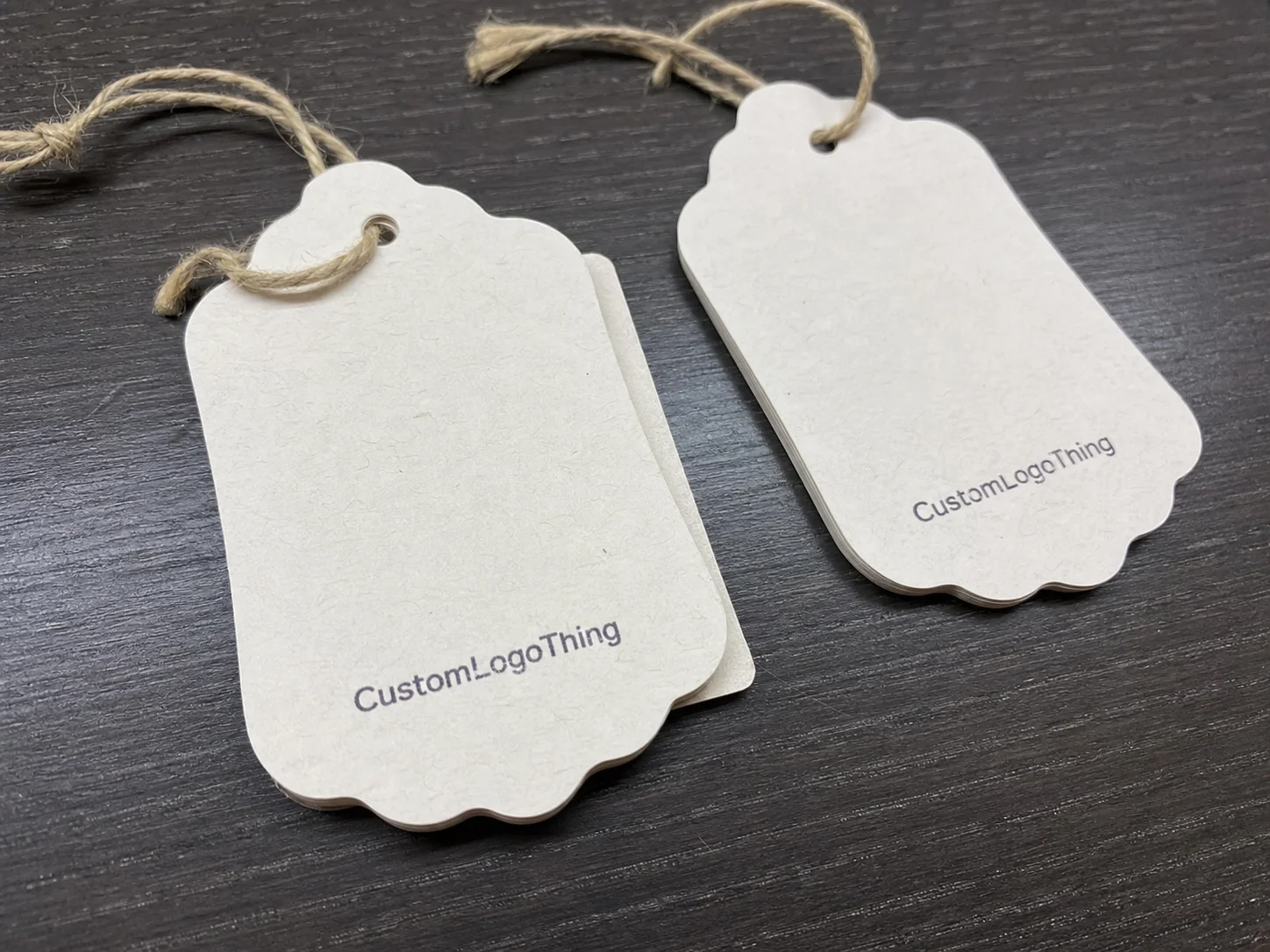
MOQ affects more than purchase price. It shapes launch timing, per-unit economics, and how many versions you can test without creating excess inventory. For a brand managing Custom Retail Hang Tags MOQ for food brands, the order size can either keep the rollout controlled or leave the team stuck with cartons of unused tags.
That risk is common in food because packaging content changes often. Ingredients get updated, nutrition text shifts, retailer requests arrive late, and seasonal promos have short lives. A quantity that looks efficient on paper can become waste if the tags are no longer current by the time they are needed again.
There is also a practical side. A lower MOQ may raise the unit price slightly, but it can reduce storage, avoid write-offs, and let the brand rework artwork without discarding a large inventory of obsolete tags. For first launches and limited runs, that flexibility is usually worth more than the lowest per-piece quote.
For multi-SKU launches, it helps to keep the structure consistent and change only the variable content. A sauce line with three flavors, for example, can usually share one basic tag layout with different flavor names, barcodes, or origin notes. That reduces setup complexity and makes the first production run easier to control.
Practical rule: choose the smallest quantity that still gives you a workable unit cost and enough stock to cover the first sell-through cycle. The cheapest quote is not always the best decision if it creates waste or delays a needed update.
What Custom Retail Hang Tags Include for Food Packaging
Custom Retail Hang Tags are printed tags attached to a product rather than printed directly on the package. They are common on bottles, pouches, jars, boxes, gift sets, and multipacks. When the primary package is already locked, a hang tag gives the brand another surface for product details, shelf messaging, or promotional content without reopening the whole packaging job.
That flexibility matters when the base pack is already finalized. The pouch may be printed. The label may be approved. The box may not have room for extra copy. In those cases, a tag can add recipes, QR codes, origin notes, or retail offers without changing the main pack.
Common construction choices include die-cut shapes, hole punching, fold-over panels, string or elastic attachment, and variable-data areas. A simple single-card tag works for short copy. A fold-over tag gives more room for ingredients, usage instructions, or a short brand story. Food brands also use them for farmers market items, premium gift packs, subscription add-ons, and wholesale assortments that need more shelf context.
Design choices should support function first. Matte and uncoated finishes are easier to write on. Gloss can make color appear sharper. Soft-touch can add a premium feel, but it is not always the best fit for a tag that needs high readability or a more natural look. QR codes can support recipes or traceability pages, but they need adequate clear space to scan reliably.
In practice, the strongest hang tag does three things: communicates clearly, survives handling, and stays simple to assemble. Decorative detail is useful only if it improves the product or the retail experience.
Material, Finish, and Print Specs That Hold Up on Shelf
Material choice matters because packaging lives in the real world. A stock can look fine in a proof and fail once it meets condensation, grease, refrigeration, or shipping abrasion. That is not a design mistake; it is a spec issue.
For dry shelf items, coated paper, uncoated cardstock, and kraft stock are common. Coated paper supports brighter graphics and sharper imagery. Uncoated stock feels more natural and is easier to write on. Kraft works well for organic, farm, or artisanal branding. For chilled, oily, or high-humidity products, laminated paper or synthetic stock usually performs better.
Before approving a run, buyers should confirm a few print specs:
- Color system: CMYK, PMS matching, or both
- Print sides: single-sided or double-sided
- Variable data: SKUs, barcodes, batch codes, or promo versions
- Artwork setup: bleed, trim, and safe area requirements
- Stock weight: often 14pt to 24pt, depending on stiffness and handling needs
Finishing should serve the job, not the other way around. Foil stamping adds shine. Embossing adds texture. Spot UV can emphasize a logo or graphic. Rounded corners reduce edge wear. Perforation is useful when the tag also works as a coupon, recipe card, or tear-off insert. None of these are mandatory, and each should justify its cost.
Attachment details can affect labor as much as appearance. Hole size, hole position, string type, and whether the tags are pre-strung or shipped loose all influence packing speed. Pre-strung tags save time during assembly but cost more. Loose tags are cheaper to ship in bulk, but they add handwork later. The right option depends on where you want that labor to sit in your workflow.
For sourcing and compliance references, a few external resources can help. If your brand uses paper from responsible sources, FSC is worth reviewing: FSC. For transit durability, ISTA guidance is useful: ISTA. For general waste-reduction resources, see EPA recycling resources.
| Tag Type | Best For | Typical Use Case | Tradeoff |
|---|---|---|---|
| Uncoated cardstock | Dry shelf products | Tea, baked goods, pantry gifts | Lower cost, less moisture resistance |
| Coated paper | Bright graphics and sharp imagery | Premium snacks, coffee, sauces | Better color, less writable |
| Laminated stock | Chilled or handled items | Cold brew, refrigerated desserts, oils | Higher cost, more durable |
| Kraft stock | Natural or artisanal branding | Organic snacks, farm goods, gift sets | Earthy look, limited color pop |
| Synthetic stock | Moisture-heavy environments | Chilled products, high-humidity displays | Best durability, highest price |
Custom Retail Hang Tags MOQ for Food Brands: Pricing, Quote Ranges, and Order Breakpoints
The phrase custom retail hang tags MOQ for food brands sounds simple, but the pricing behind it is not. MOQ shifts with size, material, print coverage, and finishing. A one-color paper tag with a standard hole punch is a very different job from a laminated, double-sided tag with foil and several barcode versions.
Lower quantities usually carry a higher unit cost because setup costs are spread across fewer pieces. Larger runs lower the per-piece price because more tags share the same press, cutting, and finishing time. The question is whether the savings are worth the inventory you will carry.
For simple paper hang tags, a small first run may land around $0.18–$0.35 per unit, depending on size and print coverage. At higher quantities, straightforward jobs can drop into the $0.06–$0.15 range. Add lamination, foil, die-cut complexity, or multiple versions, and the cost rises. That is normal.
It is useful to request quotes at several order levels, such as:
- 500 units
- 1,000 units
- 5,000 units
That comparison shows where the meaningful breakpoints are. Sometimes doubling the quantity barely changes the unit price. Sometimes it changes enough to justify a larger buy. You do not know until you see the numbers side by side.
Also confirm what is included in the quote. Setup fees, die charges, cutting, stringing, packaging, and shipping all affect landed cost. A low headline price can look less attractive once those items are added. If the order includes multiple versions, ask whether each version carries a separate setup charge or whether they can be combined in one run.
A clean way to think about quantities is to separate the job into three levels:
- Sample run: enough to check size, color, and attachment method
- First production run: enough for launch and early sell-through
- Reorder volume: enough to lower unit cost without creating excess inventory
It is usually smart to ask for reorder pricing as well as launch pricing. That gives a clearer view of long-term economics for a food brand that expects repeat production, seasonal refreshes, or multiple SKUs with shared artwork.
Production Steps, Proofing, and Lead Time You Should Expect
The production process is manageable when the buyer sends complete information. A clear brief reduces revisions. A vague brief creates delays.
The usual workflow is:
- Brief and quote
- Dieline confirmation
- Artwork submission
- Proofing
- Production
- Finishing and assembly
- Packing and shipping
Proofing matters. A digital proof is usually enough for layout checks, barcode placement, and text review. It is less useful for judging special finishes or how a stock will actually feel. If color consistency or surface behavior matters, a physical proof is the safer option.
Lead time depends on quantity, finish complexity, stock availability, and whether the job includes custom cutting or variable data. Simple runs move faster after proof approval. More complex projects need more time. If artwork arrives late, the schedule moves late as well.
Food launches also need regulatory review. Ingredients, claims, allergens, nutrition panels, and barcode placement should all be checked before production starts. If the hang tag must match a label or another retail package, confirm that the copy is consistent across every asset. Mismatched information creates rework.
As a planning range, many standard runs can ship in roughly 12–15 business days from proof approval. More complex projects can take longer. Rush work is possible in some cases, but it should be treated as an exception rather than a plan.
How to Reduce Waste and Repeat Orders Cleanly
The better suppliers do more than print. They help buyers avoid bad quantity choices, mismatched specs, and unnecessary waste. That matters for custom retail hang tags MOQ for food brands, because the wrong run size hurts twice: once in cash, and again in inventory that may never be used.
Practical support should include dieline help, artwork checks, and quantity planning based on the product type. A tag for a dry snack does not need the same material as one for a refrigerated dessert. A tag for a premium gift set does not need the same finish as one for a wholesale club item.
Quality control should be specific. Color should match the approved range. Hole placement should be consistent. Trim edges should be clean. Small text should remain readable after cutting and finishing. If the tag includes a QR code or barcode, it should scan reliably, not just in ideal conditions.
Repeat orders are simpler when the base setup stays stable. If the brand only changes flavor names, pack weights, or seasonal messaging, the dieline and production specs should not need to be rebuilt. That reduces errors and keeps the reorder process moving.
For buyers comparing broader packaging options, it can help to look at Custom Labels & Tags, Custom Packaging Products, or Case Studies to compare spec ranges, materials, and finishing levels. Clear information is more useful than vague promises when the order has to fit both the shelf and the budget.
Next Steps to Order the Right Tag Quantity Without Guessing
Before requesting a quote, gather the basics: tag size, product type, attachment method, print sides, finish, and your preferred quantity range. If you already know the shelf goal, say so. A short seasonal run should not be spec’d like a long-term core SKU.
Send artwork or at least a rough layout early. Dieline feedback and proof comments slow the schedule when they arrive late. If the food brand has regulatory text, barcode placement, or promotional claims, confirm those before production starts.
Request pricing at several quantities so you can compare the break-even point. Sometimes a smaller launch run with a clean reorder plan is the right move. Sometimes a larger first run wins because the setup savings outweigh the extra inventory.
The final check is simple: approve the proof only after the specs match the shelf goal. Not close. Matched. That is how you reduce waste, keep the launch moving, and get packaging that does its job without overextending the budget.
What is the usual MOQ for custom retail hang tags for food brands?
MOQ depends on size, material, print color count, and finishing. Simple paper tags usually start lower than laminated or specialty-finish tags. The best approach is to request quotes at several quantities so you can compare unit price, setup charges, and landed cost.
Can I order different food SKUs under one hang tag design?
Yes, if the base layout stays the same and only the product name, flavor, or barcode changes. Variable data or versioned artwork can reduce the need for separate dielines. Ask whether multiple versions can be combined in one production run.
Which material works best for food hang tags in chilled or oily environments?
Laminated or synthetic stocks usually perform better when the tag may face moisture, condensation, or grease. Uncoated paper is fine for dry shelf items and lower-cost launches. If durability matters, test the finish before approving a full run.
How long does production usually take after proof approval?
Lead time depends on quantity, finishing, and material availability. Simple runs move faster, while custom shapes, foil, or variable data take longer. Standard jobs often ship in about 12–15 business days after proof approval, though more complex orders can take longer.
What should I send to get an accurate hang tag quote?
Send size, quantity, material preference, print sides, finish, attachment style, and artwork files if available. Include whether you need a sample run, multiple versions, or reorder pricing. The more exact the specs, the fewer surprises in cost and timeline.


