Buyer Fit Snapshot
| Best fit | Custom Retail Mailer Bags Price projects where brand print, material claims, artwork control, MOQ, and repeat-order consistency need to be specified before quoting. |
|---|---|
| Quote inputs | Share finished size, material target, print colors, finish, packing count, annual reorder estimate, ship-to region, and any compliance wording. |
| Proofing check | Approve dieline scale, logo placement, barcode or warning zones, color tolerance, closure strength, and carton packing before bulk production. |
| Main risk | Vague material claims, crowded artwork, missing packing details, or unclear freight terms can make a low unit price expensive after revisions. |
Fast answer: Custom Retail Mailer Bags Price: What Really Drives It should be specified like a repeatable production item. The safest quote records material, print method, finish, artwork proof, packing count, and reorder notes in one written spec.
Production checks before approval
Compare the actual filled-product size with the drawing, then confirm tolerance on folds, seals, hang holes, label areas, and retail display edges. Reserve space for logos, QR codes, warning copy, and material claims before decorative graphics fill the panel.
Quote comparison points
Review material grade, print process, finish, sampling route, tooling charges, carton quantity, and freight assumptions side by side. A quote is only useful when the supplier can repeat the same color, closure quality, and packing count on the next order.
Custom Retail Mailer Bags Price: What Actually Moves It
Custom retail mailer bags price sounds straightforward until the quote breaks into pieces. Material grade, bag size, print coverage, closure style, freight, and order quantity all move the number around. Once you know those variables, the budget gets easier to manage and the bag stops turning into a surprise expense with a logo on it.
The lowest unit price is rarely the lowest total cost. Setup charges, minimum order quantity, carton counts, pallet space, and delivery distance can erase a bargain faster than most buyers expect. Cheap on paper. Expensive in the warehouse. That pattern shows up constantly in packaging, and it does not care how confident the first quote looked.
A real comparison uses the same size, same film thickness, same print coverage, same closure, and the same delivery terms from every supplier. Anything else is a rough guess with a spreadsheet attached.
Retail brands ask a lot from a mailer bag. It has to ship product, support e-commerce fulfillment, handle store transfers, and survive returns without looking beat up. It also has to carry Branding That Feels intentional in the customer’s hand. If you are comparing formats, it helps to look at Custom Packaging Products alongside the bag spec, and to check Custom Poly Mailers if you need a lighter shipping option before you lock in the order.
Why Custom Retail Mailer Bags Price Can Surprise Buyers
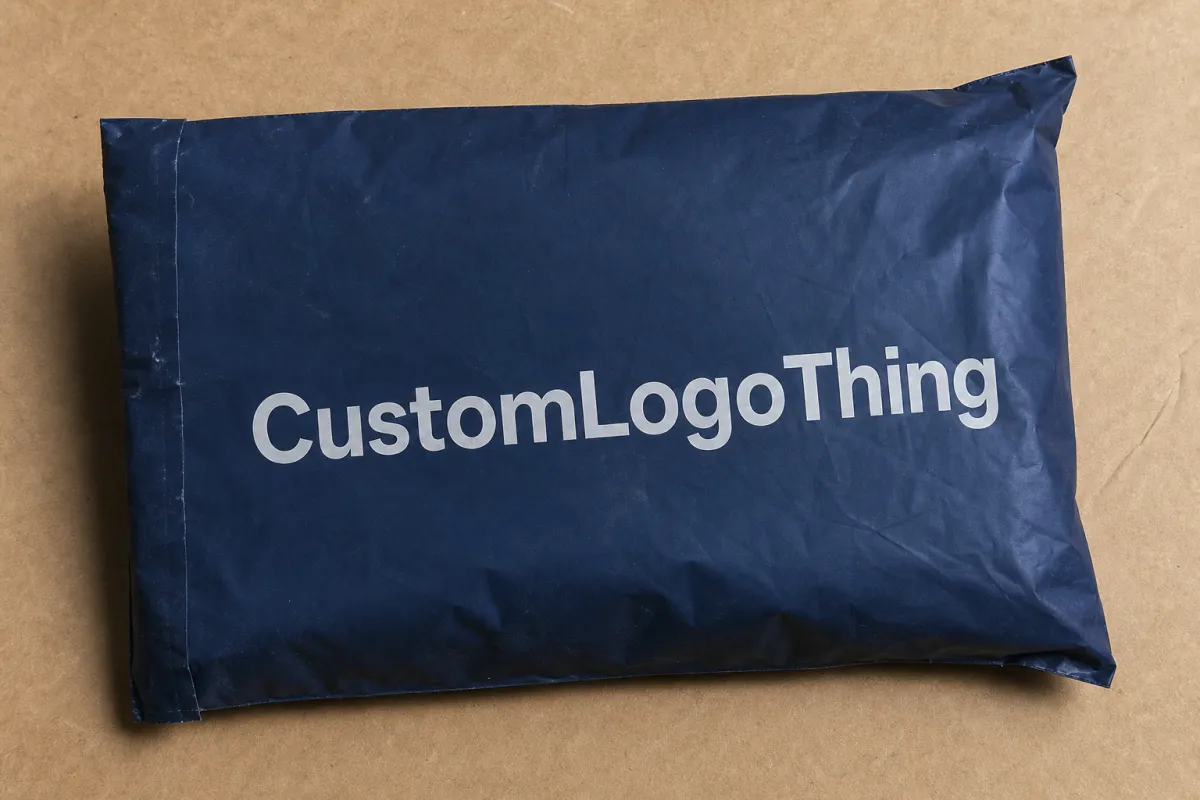
The usual mistake is simple: a mailer bag is treated like a bag. It is not. The quote changes quickly once a buyer moves from a plain stock shipper to a custom printed retail package with the right thickness, a tamper-evident seal, and enough print coverage to match the brand. Change the width, the gauge, or the color count, and the price can jump in ways that are hard to see before production starts.
Unit price only tells part of the story. The bag has to work inside an actual operation. It needs to fit the product, close cleanly on the line, and arrive without damage that could have been prevented. Small orders carry more setup cost per piece because the press setup and film conversion do not shrink just because the purchase order is smaller. Big orders create a different problem: cash gets trapped in inventory that sits around longer than planned.
Take a retail apparel brand that starts with one mailer spec for online orders and then realizes the same format has to cover store replenishment and returns too. A 12 x 15 inch bag at 2.5 mil may handle light items just fine. Add a heavier garment or a boxier fold, and the buyer may need a wider format, a thicker film, or a stronger adhesive strip. That does not just change the bag. It changes raw material use, machine settings, packing density, and freight efficiency. That is why custom retail mailer bags price shifts so easily.
A practical buying process matters more than a polished pitch deck. The real job is to understand what the bag is protecting, how it will ship, and where the cost lives. Once that structure is clear, the quote stops feeling random.
Good budgeting conversations stay blunt. Is extra print coverage worth it? Does the product actually need more puncture resistance? Does the fulfillment team need a return strip or just a standard peel-and-seal closure? Those decisions move the number more than most buyers expect. That is the part people usually find out after the first quote lands.
What Goes Into a Retail Mailer Bag
A retail mailer bag is a protective shipping bag built to balance presentation, durability, and fast fulfillment. It needs to load quickly, seal securely, and carry branded packaging cues so the customer sees more than a plain envelope. It sits somewhere between product packaging and shipping supply, and that is exactly why the spec matters.
Film structure and appearance
The base material is usually polyethylene film, often in a single-layer or co-extruded construction. Co-extrusion lets different layers do different jobs: sealing, print performance, or toughness. Recycled-content film is common too, especially when a brand wants to reduce virgin resin usage. That can help the story, but the effect on cost depends on resin market conditions, film quality targets, and the supplier’s conversion method. No magic. Just materials and math.
Opaque film gives more privacy and a cleaner retail look. Translucent film can work for internal logistics or less sensitive products, but it usually feels less premium and exposes the contents more easily. Matte and gloss finishes also change the final feel. Gloss can make color pop. Matte can soften the look and hide scuffing better in rougher shipping environments. Small choice. Big visual difference.
Surface treatment matters too. If the print needs to hold crisp type or a sharp logo edge, the film’s ink adhesion and printability need to be right from the start. A nice design on the wrong film can still look muddy after conversion. Packaging buyers learn that lesson the hard way, usually after approving artwork that looked perfect on a monitor and flat in the real world.
Closure and convenience features
Most retail mailer bags use a peel-and-seal adhesive strip. It is fast for the operator and simple for transit protection. Tamper-evident seals add confidence for higher-value goods, while return-ready features like a second adhesive strip make reverse logistics easier for apparel, footwear, and other categories with higher return rates. Every extra function adds material, converting steps, and sometimes a little more labor on the line. Nothing free here.
Closure design also affects the customer experience. If the adhesive is too weak, the bag can open in transit. If it is too aggressive, pack-out slows down and the line loses rhythm. Return strips need enough tack to be useful, but not so much that a customer needs three hands and a deadline to reuse them. Small detail. Real operational impact.
Print and branding choices
Print is where package branding becomes visible. A one-color logo on a clean field is usually the most economical route. Full-coverage art, multiple colors, or print on both sides can create a stronger retail packaging presence, but setup and press time increase. Tight registration, small type, and large solid areas all need more careful calibration if the result is supposed to look sharp instead of merely acceptable, which is packaging speak for underwhelming.
The bag gets judged twice. First for performance. Then for presentation. If it tears in transit, the packaging failed. If it arrives safely and looks cheap, the brand still loses value. The right specification has to hold both lines at once.
That is also why some buyers pair mailers with Custom Packaging Products for other channels and keep Custom Poly Mailers in the mix when they need a stripped-down structure for everyday shipping volume. The packaging design should match the job, not force the job to adapt to the packaging.
Technical guidance matters too. If the bag will move through parcel networks or mixed transit conditions, testing expectations should be discussed early. The International Safe Transit Association publishes widely used packaging test methods, including protocols that help evaluate distribution hazards; see ISTA for more context on transit testing. If the packaging program includes paper-based components, inserts, or fiber-based secondary materials, FSC certification can matter for sourcing claims; see FSC.
Retail Mailer Bag Specifications That Affect Cost
Most price movement comes from a handful of specs that can be checked before the order is placed. Buyers who review these fields carefully usually control cost better and avoid the kind of surprise that shows up after the artwork gets approved and nobody wants to touch it again.
- Size: Wider and taller bags use more resin and usually affect carton count, pallet density, and freight cost.
- Film thickness: A heavier gauge improves tear resistance and puncture protection, but it also adds material cost and can reduce flexibility.
- Material grade: Standard polyethylene, co-extruded film, and recycled-content film each behave differently in print, sealing, and shipping.
- Seal strength: Stronger adhesive systems and tamper-evident features often require more material and tighter production control.
- Print coverage: A small logo on one panel is a different animal from full-bleed artwork with multiple colors and edge-to-edge coverage.
- Extra features: Return strips, handles, dual closures, venting, and special finishes add steps and raise the quote.
Bag size is usually the first place the budget moves. A jump from a compact format to a larger retail mailer may look small on a spec sheet, but it increases resin use on every piece and can change how many bags fit in a case or on a pallet. Freight prices love volume. Bigger bags can cost more before they ever leave the plant.
Thickness is the second major driver. A lighter gauge reduces cost, and for low-risk products that may be enough. But if the product has sharper corners, seams, zippers, hang tags, or anything else that can punch through thin film, the buyer may save pennies and lose dollars in damage. Heavier film is not always the answer, but thinner is not automatically smart either. Total cost of ownership tends to be less dramatic than a repair bill, which is convenient.
Artwork coverage changes the quote in a very real way. A logo, web address, and simple brand mark are efficient to print. Once the design moves into large blocks of color, fine detail, or multiple impressions across the bag, the production team needs more setup time, more press attention, and more quality checks. That is why Custom Printed Boxes and mailer bags often follow different pricing logic even when the graphics look similar from a distance.
Sustainability choices need a careful read. Recycled content can reduce virgin resin usage, but it does not automatically lower cost. Under some market conditions it carries a premium; under others it lands close to standard film pricing. Downgauging, or reducing film thickness while preserving performance, can save money if the product and transit path allow it. The key is testing the right structure instead of assuming every eco option is either cheap or expensive by default.
Seal design is easy to overlook and expensive to ignore. A weak adhesive can open in transit. A strip that is too aggressive can slow pack-out or frustrate the operator. If the package is meant to be return-friendly, the second adhesive strip should be positioned and sized so customers can actually use it without a wrestling match. Small detail. Big difference.
One more spec gets forgotten a lot: the actual transit environment. A bag that works for local shipments may not hold up the same way in cross-country moves, hot trailers, cold docks, or multi-touch parcel handling. Good packaging teams ask about the path before they settle on the thickness. That is not overthinking. That is avoiding damage claims later.
Custom Retail Mailer Bags Pricing, MOQ, and Unit Cost
Pricing usually comes from a mix of material cost, print setup, order volume, and shipping distance. There is rarely a single flat rate for every run because the bag is custom built, and the economics change as the order gets bigger or smaller. MOQ, or minimum order quantity, is the number that tells the buyer where the project starts to behave like a sensible production run instead of a tiny custom experiment.
Lower quantities almost always carry a higher unit cost. The reason is simple: setup expenses do not disappear when the run is small. Artwork review, plate or cylinder creation, proofing, press setup, and line calibration all happen whether the order is 2,500 bags or 25,000. Spread that fixed work across fewer bags and the per-unit price climbs. Machines do not care about your budget.
At larger volumes, the picture improves. Material purchasing becomes more efficient, machine time gets used better, and carton or pallet packing usually improves too. That does not mean every larger order is automatically a win, because storage and cash flow still matter. It does explain why the unit price often drops as quantities rise. Scale still works. Rare moment of mercy from production math.
To compare custom retail mailer bags price correctly, ask every supplier for the same size, the same film thickness, the same number of print colors, the same closure style, and the same ship-to terms. If one quote includes freight and the other does not, the numbers are not comparable. If one supplier quoted a 3 mil bag and another quoted 2.5 mil, the lower number may simply be the thinner product wearing a friendlier smile.
| Order Profile | Typical Spec | Illustrative Unit Range | One-Time Costs | Best Fit |
|---|---|---|---|---|
| 2,500 pieces | 2.5 mil, one-color logo, standard peel-and-seal | $0.28-$0.52 each | $150-$350 setup or plate fees | Test launch, small seasonal run, limited SKU program |
| 5,000 pieces | 2.5-3 mil, one or two colors, one-side print | $0.17-$0.31 each | $150-$400 setup or plate fees | Core retail program with moderate repeat use |
| 10,000 pieces | 3 mil, two to four colors, standard closure | $0.11-$0.22 each | $200-$500 setup, proofing, and production prep | Established e-commerce or store fulfillment volume |
| 25,000 pieces | 3 mil or heavier, full print coverage, possible recycled content | $0.08-$0.16 each | $250-$600 setup depending on print method | Higher-volume retail packaging with stable demand |
The table above is illustrative, not a quote sheet. Actual numbers move with resin markets, artwork complexity, print method, carton count, and shipping location. A coastal delivery to a distribution center will not price the same way as a regional truckload shipment, and a dense pallet of small bags will not move like a bulky order that fills half a trailer.
There are also extra charges that should be visible before the buyer approves the order. These include design revisions, sample requests, rush fees, and special freight services. If the artwork changes after the proof has been signed, the project may need to be reset. That is one of the easiest ways to burn budget on a custom order while everyone pretends the change was minor.
One practical rule helps a lot: compare landed cost per bag, not just unit price. Landed cost includes packaging cost, freight, and any setup charges that the supplier spreads into the total. A quote that looks higher on paper can still win if it reduces rework, short shipments, or damage claims later. Warehouses remember those mistakes. So do accounting teams.
When a buyer needs a cleaner landing number, ask the supplier to show the price at several quantity bands. For example, 5,000 pieces, 10,000 pieces, and 25,000 pieces usually reveal where the cost curve starts to flatten. That comparison helps a brand decide whether to buy enough for one quarter, one season, or a longer program without guessing and hoping for the best.
From a packaging buyer’s point of view, the smart question is not "What is the cheapest bag?" It is "What spec gives the right protection, appearance, and line speed for the lowest total cost?" That is the cleanest way to judge custom retail mailer bags price with any confidence at all.
Process and Timeline: From Quote to Delivery
A clean quoting process starts with complete information. The faster the supplier understands the size, quantity, print colors, finish, closure, and delivery point, the faster the quote becomes useful. A vague inquiry usually leads to back-and-forth questions, which slows the project and invites mistakes that could have been avoided in ten minutes.
The normal flow usually looks like this: specs review, artwork review, formal quote, proof approval, production scheduling, manufacturing, quality checks, packing, and transit. Some programs move quickly because the artwork is ready and the dimensions are final. Others stall because the buyer is still deciding whether the product needs a thicker film or a different seal type. Packaging teams know that hesitation. It has a smell.
- Specs review: Confirm the bag dimensions, gauge, material, closure, print coverage, and target quantity.
- Artwork review: Check logo files, bleed, safe area, color count, and any regulatory or legal text.
- Formal quote: Compare unit price, setup fees, freight terms, and minimum order quantity.
- Proof approval: Sign off on layout, spelling, color placement, and structural details before production starts.
- Production: The bag is printed, converted, inspected, and packed for shipment.
- Delivery: Freight time is added after production, so the total schedule is manufacturing plus transit.
Typical timelines vary by structure and print method, but a practical planning window is often 1 to 3 business days for quote development, 1 to 3 business days for proofing if the artwork is clean, and roughly 12 to 18 business days for production after approval on a standard custom run. Transit can add a few days more, depending on destination and freight class. Faster service is possible, but rush work usually costs more and leaves less room for error. Speed is nice right up until it becomes expensive.
Delays usually show up in the same places. The dimensions are not final. The logo file is too low resolution. The buyer changes the print coverage after the proof is approved. The bag needs a return strip that was not in the original request. Each revision breaks the schedule and can affect the custom retail mailer bags price because the supplier has to re-work the job. Nobody likes rework. Production likes it even less.
A well-run approval process protects both lead time and budget. If the buyer signs off on a complete spec early, the supplier can lock in materials, reserve press time, and reduce the chance of rework. That is one reason experienced packaging design support is valuable: it keeps the production path clear before the order gets expensive and annoying.
For higher-value retail goods, ask for a sample or proof, especially if the bag will carry premium product packaging and brand graphics that customers see before they even open the package. A physical check can reveal film tone, seal feel, scuff resistance, and print clarity in ways a screen image simply cannot. If the bag is going into a program with strict launch timing, request the sample before the full order so there is still room to adjust.
One practical detail gets overlooked often: final shipping destination. A quote to one distribution center may look fine, but if the actual landing point changes to a different region or multiple drop points, freight can move enough to matter. The spec may stay the same while the landed price does not. That is why a complete ship-to list is worth the extra minute.
Why Choose Custom Logo Things for Retail Mailer Bags
Working with a packaging partner that understands both retail presentation and shipping performance makes the buying process easier. The right team does more than quote a bag; it helps align the structure, print method, and order size so the customer gets the best fit for the program, not an overbuilt package that burns cash for no good reason.
That matters because a lot of retail packaging spend gets lost on features that do not add real value. A thicker film may be necessary for one product and unnecessary for another. A full-coverage print may strengthen package branding on a premium item, while a cleaner one-color design may be the smarter choice for a high-volume replenishment SKU. Experience helps sort those calls without turning the project into a guessing contest.
Custom Logo Things can support buyers who need a tighter connection between budget and performance. If the order has to move through e-commerce fulfillment, retail transfer, and returns, the bag should be specified with those realities in mind. If the program is part of a wider packaging mix, the team can also help compare custom printed boxes, mailers, and related formats so the buyer does not overpay for the wrong structure.
Technical guidance also reduces back-and-forth on the front end. Clear advice on dimensions, closure style, print coverage, and production readiness shortens the path from request to proof. That matters because the best quote is not the one with the prettiest wording; it is the one that is accurate, easy to approve, and ready to make the first run go smoothly.
Transparency matters too. A supplier should be able to explain why one quote is lower, why a recycled-content option changes the material profile, or why a return-ready bag requires more setup. That kind of clarity keeps the buyer in control and makes the final custom retail mailer bags price easier to defend internally when someone asks why the number is what it is.
The other reason a good supplier matters is simple: packaging mistakes tend to show up late. They show up when the first cartons are already printed, the launch date is close, and the operations team is counting on the bag to work. A partner who can flag a weak seal spec or an unrealistic print expectation before production starts is worth more than a nice quote with no substance behind it.
Next Steps to Get an Accurate Quote
If you want a quote that is actually usable, gather the details before you send the request. A complete request saves time, tightens pricing, and reduces the odds of changes after proof approval. It also keeps everyone from pretending the missing information was obvious.
- Bag dimensions: Length, width, and any gusset or expansion needs.
- Quantity: Estimated order size and whether you expect repeat runs.
- Material preference: Standard film, co-ex film, recycled content, or a specific gauge.
- Print details: Artwork files, number of colors, coverage area, and whether both sides need print.
- Closure type: Standard peel-and-seal, tamper-evident, or return-ready strip.
- Shipping destination: Zip code or distribution center so freight can be estimated correctly.
- Timing: Desired in-hand date and whether the order has a hard launch deadline.
Once you have those details, compare quotes line by line. Check whether every supplier is using the same dimensions, film thickness, print coverage, and freight assumptions. A quote that seems lower may hide a thinner material or a separate freight bill. A quote that seems slightly higher may include stronger packaging performance and a cleaner delivery schedule. The lower number is not automatically the smarter purchase. That trick has been around forever.
If the bag will carry premium retail goods, ask for a sample or proof before full production. That step protects the brand image and can prevent expensive rework. It also helps the buyer confirm that the print placement, seal feel, and overall retail packaging look match the original plan. Screens are fine. Samples are better.
Do not plan only around the lowest unit number. Plan around production capacity, quality control, and delivery time as well. The best order is the one that arrives ready to use, holds up in transit, and supports the sale without creating extra labor or returns.
When the spec is complete, send a full request with dimensions, quantity, material, print, closure, and ship-to location in one place. That is the fastest path to a custom retail mailer bags price that makes sense on paper and in the warehouse.
Frequently Asked Questions
What details do I need to request a custom retail mailer bags price?
Provide the bag size, quantity, material preference, print colors, closure type, and shipping destination so the quote reflects the actual order. If the artwork is still in draft form, share what you have and note the expected print coverage so pricing can still be estimated with reasonable accuracy. A fuller spec sheet usually means faster pricing and fewer changes later in production.
Why does custom retail mailer bags price change with MOQ?
Lower quantities spread setup, proofing, and press time across fewer bags, which pushes the unit cost up. Higher volumes usually improve the price because material purchasing and production efficiency improve as the run gets larger. MOQ also affects carton count, freight efficiency, and pallet use, so the landed number can shift even when the bag spec stays the same.
Which bag specs have the biggest impact on pricing?
Size, film thickness, print coverage, and added features such as return seals or extra closures usually drive the biggest changes. Material choice matters too, especially when the order moves between standard film, recycled content, and heavier-duty constructions. Even small artwork or finishing changes can affect the quote because they alter setup and press time.
How long does production usually take after approval?
Lead time depends on artwork readiness, material selection, order quantity, and the current production schedule. The quickest jobs are the ones where the dimensions are final and the proof is approved without revisions. Shipping time should be counted separately from manufacturing time so the order arrives when it is needed.
Can I lower custom retail mailer bags price without hurting quality?
Yes, often by simplifying print coverage, tightening the size to fit the product correctly, and removing features that do not support the actual use case. Ordering a practical quantity that matches real demand can also improve value and reduce waste. The goal is to remove cost drivers that do not add performance, while keeping enough film strength and seal quality for the product to travel safely. If you want the best custom retail mailer bags price, start with the right spec rather than trying to force a premium structure into a budget that does not need it.
The most reliable takeaway is simple: lock the spec before you compare suppliers. Same dimensions, same material, same print coverage, same closure, same ship-to. That is the only way to get a number you can actually trust, approve, and put into production without second-guessing it later.

